











Can neutral cure silicone sealant improve waterproofing performance?
Neutral cure silicone sealant is widely specified for glazing, façade joints, sanitary applications and many waterproofing details because it cures without acetic acid and offers excellent UV and weather resistance. Below are six specific, practitioner-focused questions beginners and many specifiers still get wrong or see outdated answers about neutral cure silicone. Each answer references industry-standard test and selection criteria (ASTM C920, EN 15651) and provides actionable recommendations for purchase and on-site performance.
1. Can I apply neutral cure silicone directly over freshly painted surfaces, or must paint be fully cured first?
Short answer: Wait for full paint cure; use adhesion testing and primers when uncertain.
Why: Most organic coatings (acrylic, polyurethane, alkyd) release solvents and have a film formation and crosslinking period after they appear dry to the touch. Silicone sealants cure by atmospheric moisture uptake; solvents and plasticizers in partly cured paint can migrate into the sealant interface, causing adhesive failure, blistering or reduced bond strength.
Guidance:
- Always follow the paint manufacturer’s specified full cure time (often 7–30 days depending on system, temperature and film thickness). If the paint datasheet is not available, assume at least 7 days for waterborne acrylics and longer for high-build systems.
- Where fast track work is required, perform a site adhesion test: apply a 25 mm bead, allow full cure per sealant datasheet, then shear or peel test. Document results before proceeding.
- For painted metals and plastics, consider a thin, compatible silane-based or silicone primer to improve adhesion if the paint is fully cured but adhesion is marginal. Avoid applying silicone to paint that continues to outgas or is tacky.
- For exterior recoats, ensure paint topcoats are compatible with silicones—some specialty coatings require a tie-coat or barrier layer before sealant application.
2. How does a neutral cure silicone’s movement capability affect waterproofing on wide façade joints (e.g., >20 mm)?
Short answer: Movement capability is a primary determinant of long-term waterproofing; choose sealants rated for the joint’s expected movement and size, and follow width-to-depth and backer-rod best practices.
Details:
- Standards: ASTM C920 and EN 15651 classify sealant movement capability. For example, Class 25 or ±25% movement is common for many construction silicones; Class 50 or ±50% offers higher accommodation for thermal and structural movements. Select a sealant class that exceeds your expected joint movement.
- Joint geometry: Maintain the recommended width-to-depth ratio—commonly 2:1 (depth = width/2) with minimum depths (often 6 mm minimum). For a 20 mm wide joint, target ~10 mm depth. Incorrect depth increases stress on the bond and reduces life.
- Backer rod: Use closed-cell polyethylene backer rod sized to provide the correct depth and to create a bond-break at the back of the sealant, preventing three-sided adhesion which dramatically reduces movement capability.
- Sealant selection: For joints wider than 20 mm with high expected thermal or structural movement, choose neutral cure silicones with higher elongation (typical elongation for silicones: 200–700%) and check manufacturer data for permitted joint width and movement accommodation.
- Detailing: Large joints may require multiple beads, bond-break tapes, or movement joints with dedicated cover plates to reduce stress on the sealant and maintain waterproofing.
3. Which primers reliably improve adhesion of neutral cure silicone to anodized aluminum and concrete, and when are primers mandatory?
Short answer: Use manufacturer-recommended silane or solvent-based silicone primers when adhesion tests fail or substrates are porous, contaminated, or anodized; primers are mandatory by many system specs for critical façade glazing and curtain wall joints.
Guidance and rationale:
- Anodized aluminum has a thin oxide and sometimes surface treatments that can inhibit bonding. Many neutral silicones adhere adequately to cleaned anodized aluminum, but for critical façade or structural glazing joints, primer use is often specified to ensure long-term adhesion.
- Concrete and masonry are porous and can draw moisture from the sealant during cure, degrade the interface, and cause adhesion issues. A primer or priming slurry equalizes porosity and improves bond strength.
- Primer types: silane coupling agents (often used on porous mineral substrates) and solvent-based silicone primers (for metals and difficult substrates) are common. Always use a primer supplied or recommended in the silicone manufacturer’s technical literature and follow the required flash-off time and application method.
- Application notes: Clean substrates (solvent wipe for oils, pressure wash for dirt), allow to dry, apply primer thinly and uniformly, observe flash-off time, then tool the sealant within the primer’s open window. Record batch numbers and test adhesion per project QA protocols.
4. Will neutral cure silicone sealant out-perform polyurethane for waterproofing on terraces and green-roof upstands?
Short answer: It depends. Neutral cure silicones typically offer superior UV resistance, low dirt pickup and long-term elasticity; polyurethanes can provide tougher mechanical strength and are often preferred where overcoating or heavy traffic resistance is needed. For waterproofing of membranes, use the system manufacturer’s recommended detail.
Comparison points:
- UV and weathering: Silicone tends to retain elasticity and appearance longer than PU in constant UV exposure, making it a strong choice for exposed façade and upstand joints.
- Adhesion to substrates: Many silicones bond well to metal flashings, glass and properly primed masonry. Polyurethanes may bond better to some coated membranes depending on chemistry; always consult membrane manufacturer.
- Continuous immersion and ponding water: Not all neutral silicones are formulated for permanent immersion or continuous ponding. For terraces and green roofs where ponding may occur, consult the sealant datasheet; if continuous water exposure is expected, specialized waterproofing sealants or membranes are often necessary in addition to silicone joints.
- Overpainting and compatibility: Polyurethanes are paintable; most silicones are not. If paintability is needed, consider PU or specialized paintable silicone alternatives.
Practical recommendation: For terrace upstands and green roof junctions, use silicone for vertical, UV-exposed upstand joints and combine with the manufacturer’s waterproofing membrane details. Where ponding or traffic is present, incorporate mechanical flashings and membrane laps; do not rely only on sealant bead waterproofing.
5. How long after application does a neutral cure silicone achieve reliable waterproof integrity in cool, damp weather (e.g., 10°C and 50% RH)?
Short answer: Initial waterproofing (skin formation) can occur within minutes to hours, but full depth cure—and therefore full long-term waterproof integrity—depends on cure rate and can take several days to weeks in cool/dry conditions.
Details and practical timescales:
- Skin time: Many neutral silicones form a tack-free skin in 5–30 minutes at 23°C/50% RH. In cooler conditions (10°C), skin time can extend to 30–90 minutes.
- Cure rate: Typical neutral cure silicones advance ~1–3 mm per 24 hours at 23°C/50% RH. At 10°C and 50% RH, expect a substantial reduction—often to 0.3–1 mm per day. Cure depends on moisture availability as well as temperature.
- Implication for waterproofing: While a properly tooled bead may resist light rain after skin formation, full structural integrity (bond strength through the full cross-section) requires full cure. For 10 mm depths, this could take several days to a couple of weeks in cool weather. Avoid exposure to ponding water until the sealant reaches the manufacturer’s recommended cure depth or strength.
- Mitigation: Increase ambient humidity slightly if safe (humidification tents) or use faster-curing formulations when scheduling requires early rain exposure. Always verify with manufacturer cure curves and field tests.
6. Can neutral cure silicone safely seal joints around sensitive electronics and metallic circuits without causing corrosion?
Short answer: Neutral cure silicones are generally safer than acetoxy silicones for electronics because they do not release acetic acid, but you must specify low-ionic, electronics-grade formulations and validate per corrosion and ionic contamination tests.
Guidance:
- Neutral vs acetoxy: Neutral cure chemistries (oxime, alkoxy, etc.) do not release acetic acid during cure, which is known to corrode copper and other metals. This makes neutral silicones the preferred family for sealing near electronics.
- Residual by-products and salts: Some neutral chemistries can release other small molecules (e.g., alcohols or oximes). Choose products specifically formulated for electronics and low ionic contamination; manufacturers publish ionic purity or conductivity values for such formulations.
- Testing: Conduct salt spray (ASTM B117) and electrochemical migration tests where wet environments and close proximity to circuitries exist. Use conformal coatings or barriers where necessary to separate sealant from exposed metal contacts.
- Application controls: Clean and dry substrates; avoid over-application that might wick into connectors; observe manufacturer instructions for cure and recommend post-cure rinsing only if specified (most silicones should not be rinsed).
Final QA note: For any mission-critical application near electronics or precision metalwork, require manufacturer documentation for ionic content, corrosion testing, and supply a sample for project-specific testing before acceptance.
Concluding summary: Advantages of neutral cure silicone sealant
Neutral cure silicone sealants offer long-term UV and weather resistance, high elasticity (typical elongation 200–700%), low dirt pickup, broad substrate compatibility when primed appropriately, and reduced risk of metal corrosion compared with acetoxy silicones. When correctly specified—matching movement capability (ASTM C920/EN 15651 classifications), using proper joint geometry (2:1 width-to-depth), closed-cell backer rods, and primers where required—neutral cure silicones provide durable waterproofing for glazing, façade joints, sanitary areas and many outdoor detailing tasks. Remember that full cure times vary with temperature and humidity; do not assume immediate full waterproof integrity after skin formation, and do not substitute sealant for membrane waterproofing where continuous immersion or ponding is expected.
If you need product recommendations, technical datasheets, or a project quote, contact us for an on-site assessment and specification assistance. Visit www.kingdelisealant.com or email info@kingdeliadhesive.com for a quote.
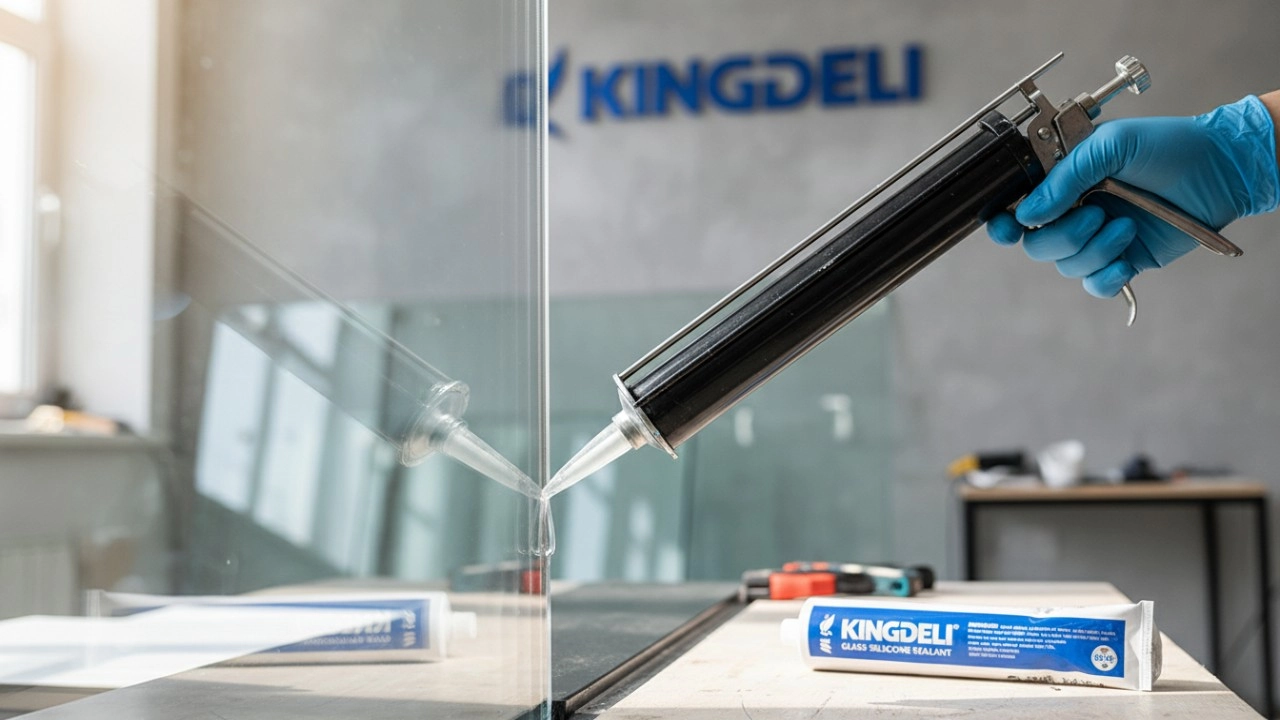
The 2026 Ultimate Guide to Glass Silicone Sealant: Everything You Need for a Perfect Finish
OEM vs. Branded Acetic Silicone Sealant: What’s Best for Your Distribution Business?
The Future of Sealants: 5 Emerging Trends in Wholesale Neutral Silicone Sealant Technology for 2026
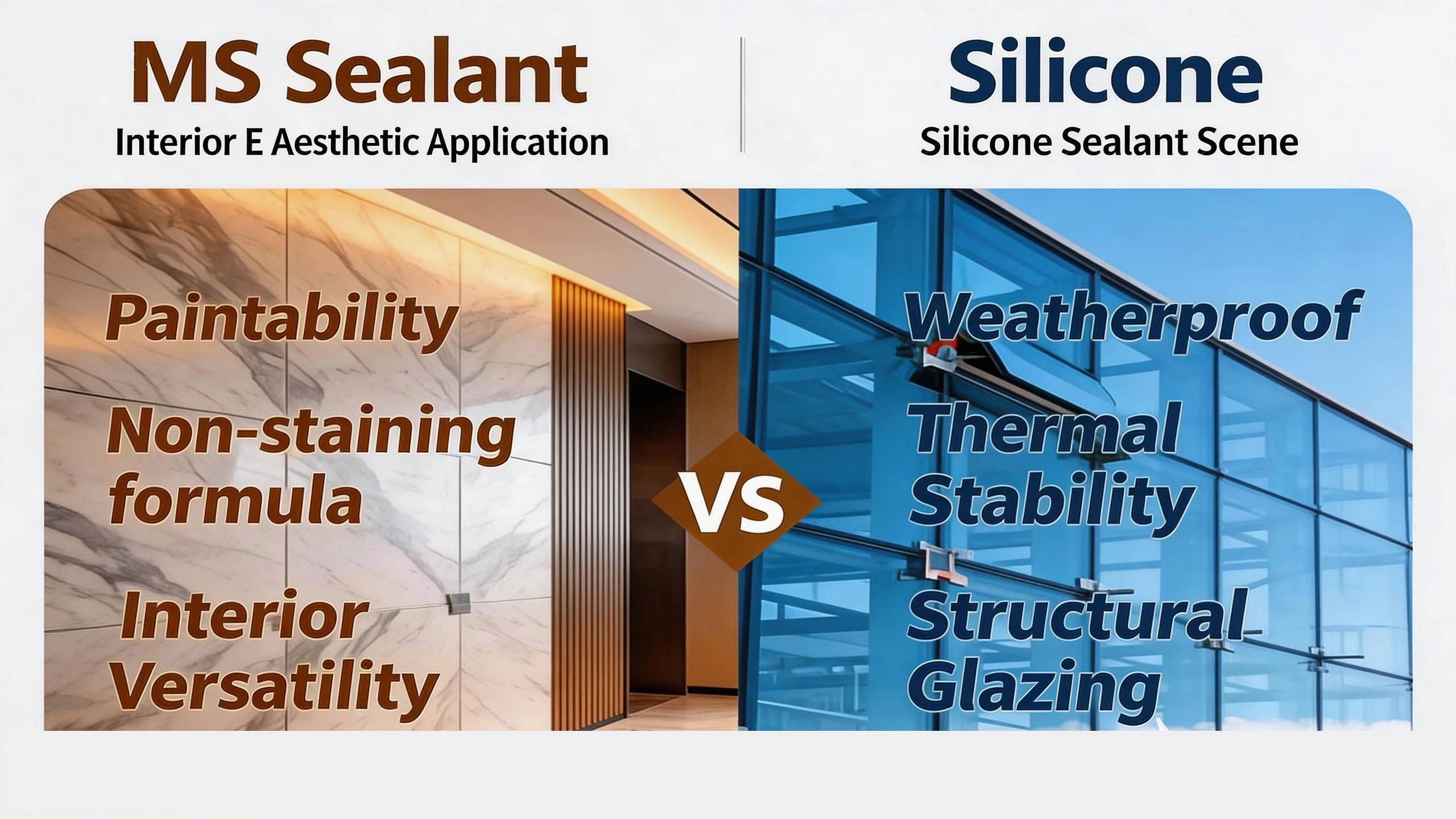
MS Sealant vs. Silicone: Which is Right for Your Construction Project?
HY997
Where can this sealant be used?
HY997 is mainly designed for indoor sanitary and moisture-prone areas, including:
-
Kitchens – sinks, countertops, cabinets, and cooktops
-
Bathrooms – bathtubs, wash basins, shower enclosures, and toilets
-
Laboratories and cold storage areas
-
Other areas requiring waterproof and mildew-resistant sealing
HY-2300
What is the product standard?
HY-2300 meets JC/T882-2018, grade 125HM performance test standard.
HY993
What colors are available?
Standard colors include black, grey, and white. Custom colors can also be produced based on customer requirements.
HY668
Can HY-668 be used outdoors?
HY-668 can be used for general sealing applications, but users should confirm substrate compatibility, weather exposure requirements, and project conditions before outdoor use.
HY-939
Is HY939 resistant to automotive fluids?
Yes. It offers excellent resistance to oil, antifreeze, sewage, and automatic transmission fluids.
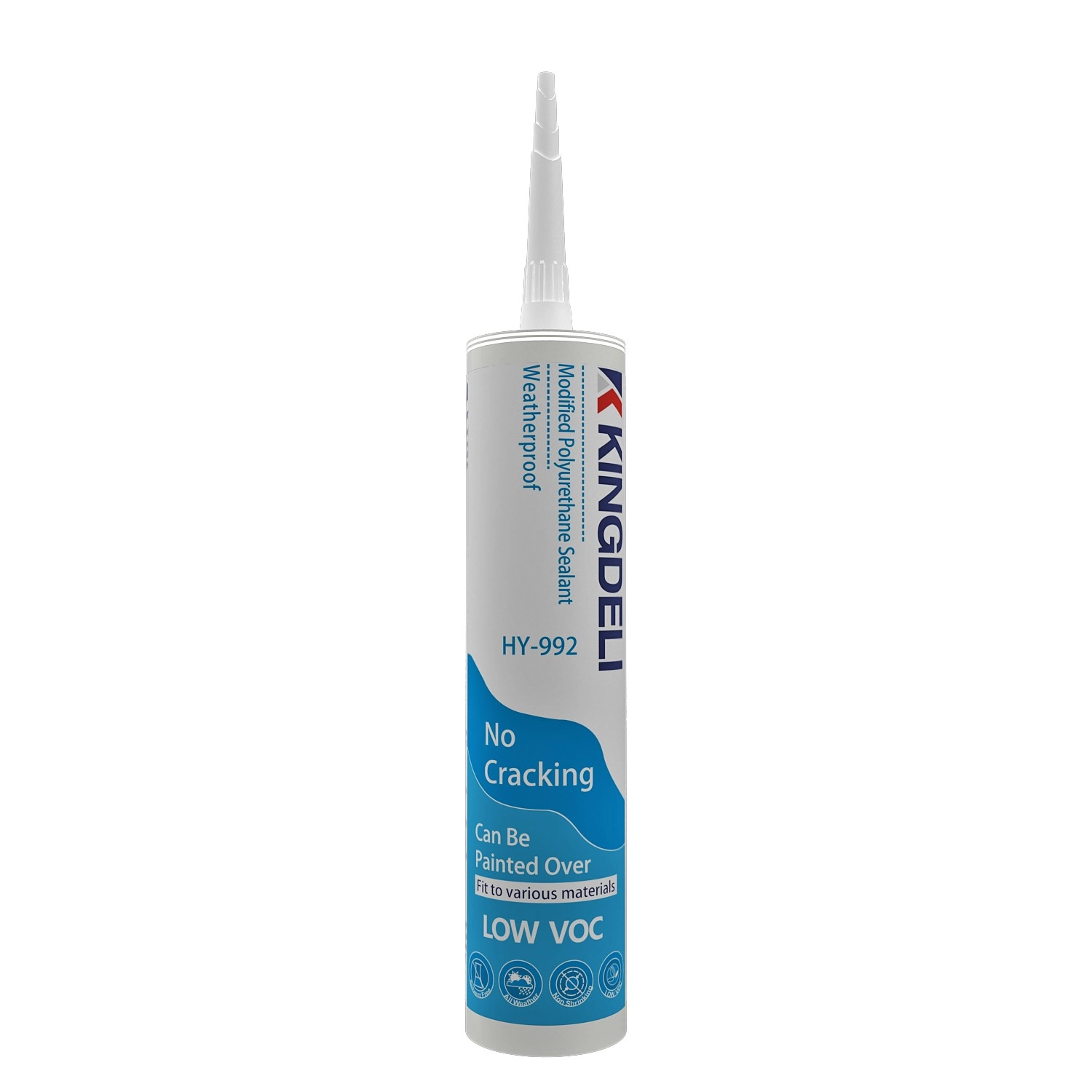
HY992 Modified Polyurethane Construction Sealant
HY992 Modified Polyurethane Sealant is a one-component, moisture-curing construction sealant designed for professional building and structural sealing applications. It provides excellent adhesion, weather resistance, and durable elasticity, making it suitable for a wide range of construction materials.
The formulation delivers strong bonding performance without corrosion or substrate contamination, while maintaining low VOC content for environmentally responsible construction projects.

HY995 Crystal Clear Ms Polymer Adhesive/Sealant
HY995 Crystal Clear Ms Polymer Adhesive/Sealant is a new generation MS Polymer adhesive / sealant formulated for all bonding and sealing applications where long term reliability is required. It has excellent bonding strength on various materials. It will cure to form a durable, flexible, waterproof seal.

HY997 High-Performance Anti-Microbial MS Polymer Sealant
HY997 MS polymer sealant for is is a premium one-component, neutral-curing modified silane sealant engineered for demanding interior applications. It offers a Class 20 movement capability, ensuring long-lasting flexibility and reliable performance under dynamic joint conditions. Curing at room temperature, HY997 delivers superior anti-microbial and mildew-resistant properties, maintaining hygienic and clean environments over time.
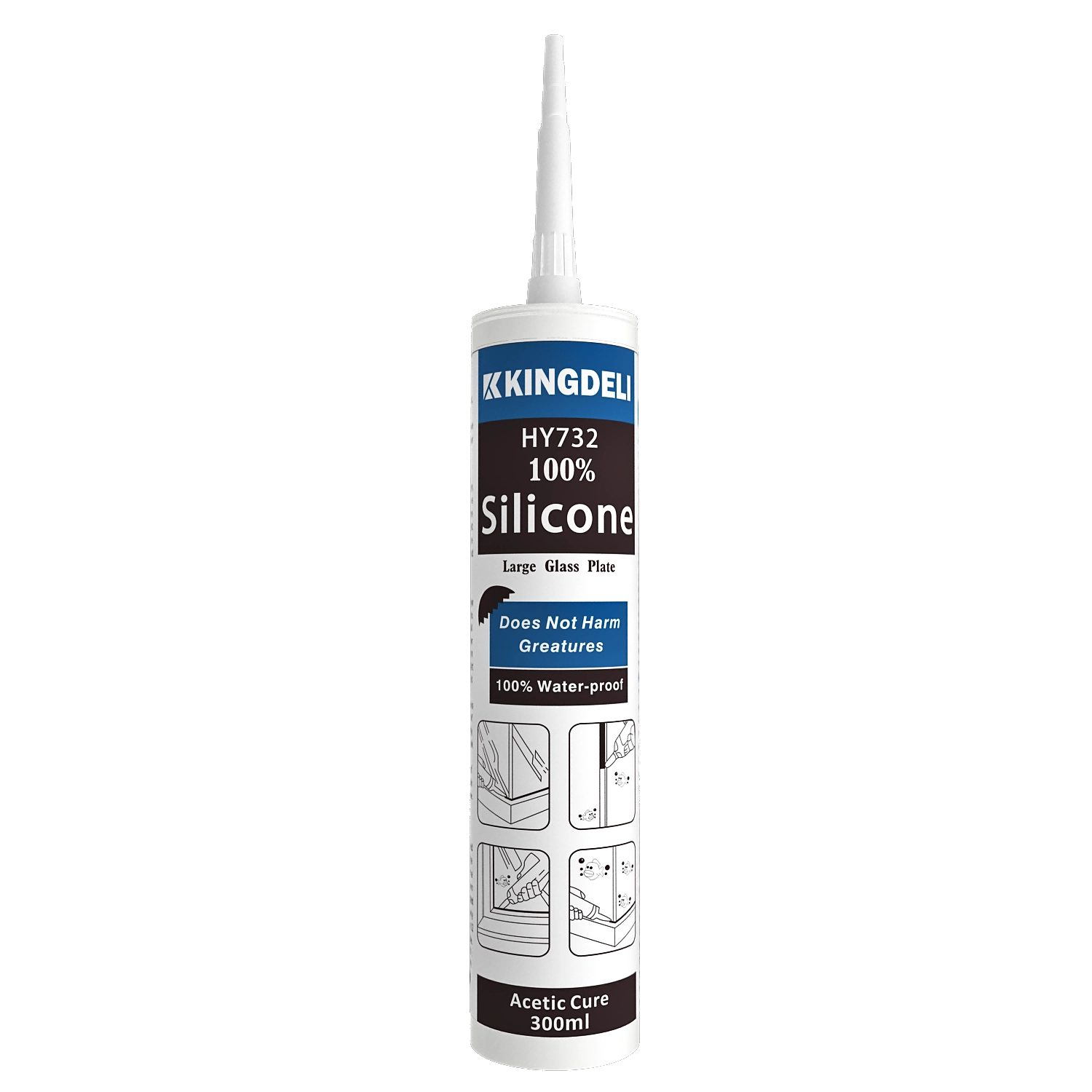
KINGDELI HY732 Professional Acetoxy Cure Silicone Sealant
KINGDELI HY732 is a professional-grade, one-component acetoxy cure silicone sealant designed for fast curing, strong adhesion, and long-lasting flexibility. Ideal for aquariums, glass applications, aluminum doors and windows, kitchens, and bathrooms, it provides reliable sealing performance with excellent anti-fungal protection in high-humidity environments.
Let’s Build Stronger Bonds with Quality Adhesives and Sealants
Have questions about the topic or need tailored sealant solutions for your project?
Our team is ready to provide expert guidance, product recommendations, and application support.
Innovating with Integrity, Bonding the World
Since 1998, KINGDELI has delivered trusted, sustainable sealant solutions that connect industries and inspire progress worldwide.
Whatsapp: +8618825946249
Kingdeli
Kingdeli
Kingdeli
Kingdeli
Kingdeli