











What safety and VOC concerns with neutral cure silicone sealant?
1) How can I minimize exposure to oxime by-products (e.g., MEKO) when using oxime-type neutral cure silicone indoors?
Oxime-type neutral cure silicone can release oxime compounds during cure; some oximes such as methyl ethyl ketoxime (MEKO) have been linked to sensitization and regulatory scrutiny in certain regions. To minimize exposure:
- Specify MEKO-free or alkoxy neutral cure formulations whenever possible. Many manufacturers now publish Safety Data Sheets (SDS) and technical datasheets listing by-products. Look for MEKO-free or check the SDS air emission section.
- Work in controlled ventilation: use forced exhaust or open windows to achieve 5–10 air changes per hour in small rooms. For poorly ventilated interiors, use local extraction close to the joint.
- Use appropriate respiratory protection: if ventilation is inadequate, use a half-mask respirator with organic vapor cartridges (NIOSH/EN approved). N95s do not protect against organic vapors.
- Limit applicator exposure time and rotate workers: plan short application shifts and give breaks to operators.
- Apply thin bead profiles and avoid unnecessarily large excess: thinner sections cure faster and emit less cumulative volatiles per joint volume.
- Post-cure airing: after tooling and initial set, maintain ventilation until full cure outgassing subsides — typically 24–72 hours depending on formulation, humidity and temperature.
Document the chosen product’s SDS and manufacturer VOC/by-product statement in project files. If working near sensitive occupants (neonates, pregnant women, chemically sensitive individuals), avoid oxime systems and prefer alkoxy or oxime-free alternatives.
2) What primer and surface prep are strictly required to bond neutral cure silicone to powder-coated or anodized aluminum curtain wall panels?
Powder-coated and anodized aluminum are common in façade work and can fail if the wrong sealant/primer is used. Recommended procedure:
- Verify substrate: determine coating type (polyester powder coat, PVDF, anodized). If unknown, perform an adhesion test (see Q5).
- Clean: remove all release agents, dirt and oils using an approved solvent (isopropyl alcohol or a low-residue solvent) and lint-free cloth. For heavy contamination, use mild alkaline cleaner then rinse and dry.
- Abrade lightly if allowed: for powder coats, a very light scuff with 320–400 grit can improve wetting—only if the finish can tolerate it. Avoid abrading anodized surfaces unless specified.
- Use a silane-based or manufacturer-recommended metal primer: many neutral cure silicones bond best with a silane adhesion promoter or a two-component primer labeled for use with silicone sealants on metal finishes. Apply primer thinly, allow the flash-off time specified by the primer datasheet (typically 5–30 minutes) before tooling the silicone.
- Test: always run a mock-up panel (minimum three joints) and cure fully before approving for field installation. Some powder coatings contain waxes or release agents that require a specialty primer or full re-coating.
- Follow manufacturer instructions: the sealant maker will specify compatible primers and bond strengths. Where silicone is part of an air/water barrier, use their tested system details to ensure warranty coverage.
3) How long must neutral cure silicone outgas before applying low-VOC topcoats or finishes to avoid adhesion or discoloration problems?
Painting over silicone is a common need but full paint compatibility is rare. If you must topcoat:
- Preference: use paintable neutral cure silicones explicitly labeled paintable by the manufacturer. If these are not available, consider alternative joint systems (e.g., polyurethane or hybrid sealants) that accept coatings.
- Minimum waiting times: do not attempt to paint until the silicone is fully cured through to the substrate — skin formation may occur within 30–60 minutes but full cure for typical neutral cure silicones is ~1–3 mm per 24 hours. For a 6 mm thick bead that can mean several days to full cure depending on humidity and temperature.
- Outgassing window: volatile by-products are most significant during the first 24–72 hours; wait at least until the manufacturer’s stated full cure time before painting. For thick joints or cold/dry conditions allow an extra buffer (up to 7 days).
- Surface prep before painting: if paint must be applied, clean cured silicone with solvent recommended by paint manufacturer, and use a bonding primer compatible with both paint and silicone. Test adhesion using a small patch and adhesion test before full application.
- Avoid traps: painted silicone joints often fail paint adhesion and show staining; plan joint design to minimize painted-over silicone. When aesthetic continuity is required, use color-matched silicone or separations between painted substrates and exposed silicone.
4) How do I verify a neutral cure silicone meets low-VOC or green-building certification limits on a construction job?
Manufacturers sometimes claim low-VOC without clear numbers. To verify compliance:
- Require documentation: ask the supplier for the product’s VOC value expressed in g/L (grams per liter) on the Technical Data Sheet (TDS) or SDS. The required test method is typically ASTM D2369 or equivalent; confirm which method the manufacturer used.
- Compare to standards: check your project’s regulatory or green certification limits (for example, regional rules such as SCAQMD Rule 1168 in California set VOC limits for adhesives and sealants). For LEED/GreenGuard, check the latest product criteria.
- Request third-party verification where required: for critical projects, request third-party lab test data or certification listings that match the project’s compliance lists.
- Document lot numbers: VOC can vary by formulation; keep the TDS/SDS and batch or lot numbers on file to show the products actually used on site.
- Consider low-odor labels: some neutral cure silicones have <10 g/L VOC and advertise low odor; still verify via paperwork. If in doubt, request a COA (Certificate of Analysis) from the manufacturer or supplier for the production batch.
5) What practical field tests confirm adhesion of neutral cure silicone to old or contaminated substrates before large-scale application?
A quick, documented field approach reduces costly failures:
- Surface mock-up: prepare at least three test joints on the actual substrate using identical cleaning, priming and environmental conditions that will exist during installation. Cure fully (follow manufacturer’s cure time) before testing.
- Peel/tape test: a 90° peel test with a defined load is preferred, but a practical tape test (cross-cut tape test) provides a quick indicator. For a stronger assessment, perform a hand-peel assessment to see cohesive vs. adhesive failure (cohesive failure within the sealant is good; adhesive failure at the interface indicates poor bond).
- Adhesion-in-peel test: where contract quality matters, use a standardized peel or shear test device (portable tensiometer) to quantify peel strength. Record values and acceptance criteria in the project QA plan.
- Accelerated weathering: if possible, expose the mock-up to cycles of moisture/heat/UV representative of the field environment for a week or two to reveal potential long-term adhesion loss.
- Document results: photograph each test, record cure times, primer lot numbers and environmental conditions. Require manufacturer technical sign-off on mock-up results for warranty acceptance.
6) What are safe on-site disposal and VOC mitigation strategies for excess neutral cure silicone and used cartridges?
Construction waste management and VOC control reduce environmental and regulatory risk:
- Minimize waste at source: dispense only what you need. Use piston-style cartridges with minimal purge volume and re-usable applicators when practical.
- Inhibit cure for small reuse: if you need to keep partial cartridges, follow manufacturer guidance (cap with a plastic nozzle and store vertically). Some users push a small bead of cured silicone into the nozzle to block air; this is only acceptable for short-term storage and must follow SDS guidance.
- Collect and segregate: collect uncured waste and used cartridges in sealed, labeled containers. Do not pour uncured silicone into drains.
- Disposal: cured silicone is generally inert and recyclable only in limited streams; treat cured scrap as construction solid waste. For uncured material, follow local hazardous waste rules per the SDS; many jurisdictions permit cured material in normal construction waste but require special handling for bulk uncured sealant.
- VOC mitigation during application: use good ventilation, avoid heating materials which can increase emissions, and schedule large-volume work when fewer occupants are present.
- Contractor documentation: keep SDS and disposal records on site. For projects with VOC caps, track installed volumes and provide documentation showing product VOC g/L and quantities used.
ConclusionNeutral cure silicone sealant offers strong adhesion to non-ferrous metals and glass, lower risk of metal corrosion compared with acetoxy systems, excellent weathering and flexibility across a wide service temperature range, and multiple chemistry options (alkoxy, oxime or MEKO-free variants) so you can balance performance with indoor air quality and low-VOC goals. When specifying and installing, require manufacturer SDS/TDS documentation, run project-specific mock-ups, use recommended silane primers for difficult substrates, and plan ventilation/PPE to manage curing emissions. For accurate product selection, lab data and onsite compatibility tests are essential.
For a tailored quote and technical data sheets for low-VOC neutral cure silicone sealant products suitable for your project, contact us at www.kingdelisealant.com or email info@kingdeliadhesive.com for assistance and samples.
The 2026 Ultimate Guide to Glass Silicone Sealant: Everything You Need for a Perfect Finish
OEM vs. Branded Acetic Silicone Sealant: What’s Best for Your Distribution Business?
The Future of Sealants: 5 Emerging Trends in Wholesale Neutral Silicone Sealant Technology for 2026
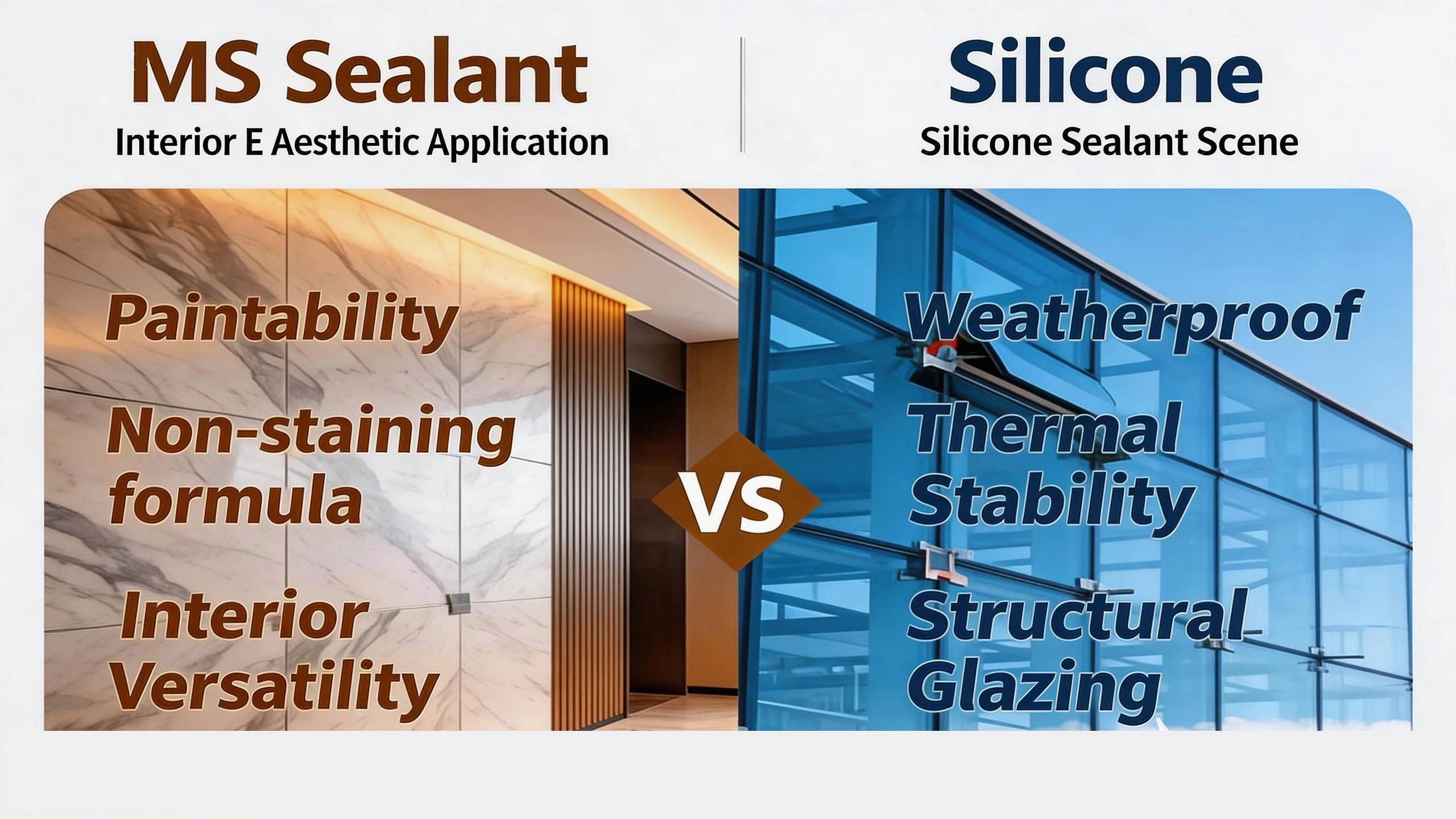
MS Sealant vs. Silicone: Which is Right for Your Construction Project?
HY-682
What are typical applications?
Typical applications include sealing and bonding for:
✓Expansion and settlement joints
✓Roof cracks and structural walls
✓Underground garages and basements
✓Industrial floors (epoxy and painted surfaces)
✓General indoor and outdoor sealing and positioning
HY-2300
What is HY-2300 mainly used for?
HY-2300 is designed for outdoor glazing and weatherproof sealing, especially suitable for curtain wall joints, window & door frames, ACP panel seams, and general building decoration sealing.
HY723
Is the sealant safe during a fire event?
Yes, it is excellent flame retardant; it self-extinguishes within 30 seconds and produces no smoke or harmful gases when burning.
HY992
What colors are available?
Standard colors include:
-
Black
-
Grey
-
White
Custom colors can also be produced according to customer requirements.
HY-722
Can it be used outdoors?
Yes. It has excellent weather resistance for both indoor & outdoor use.
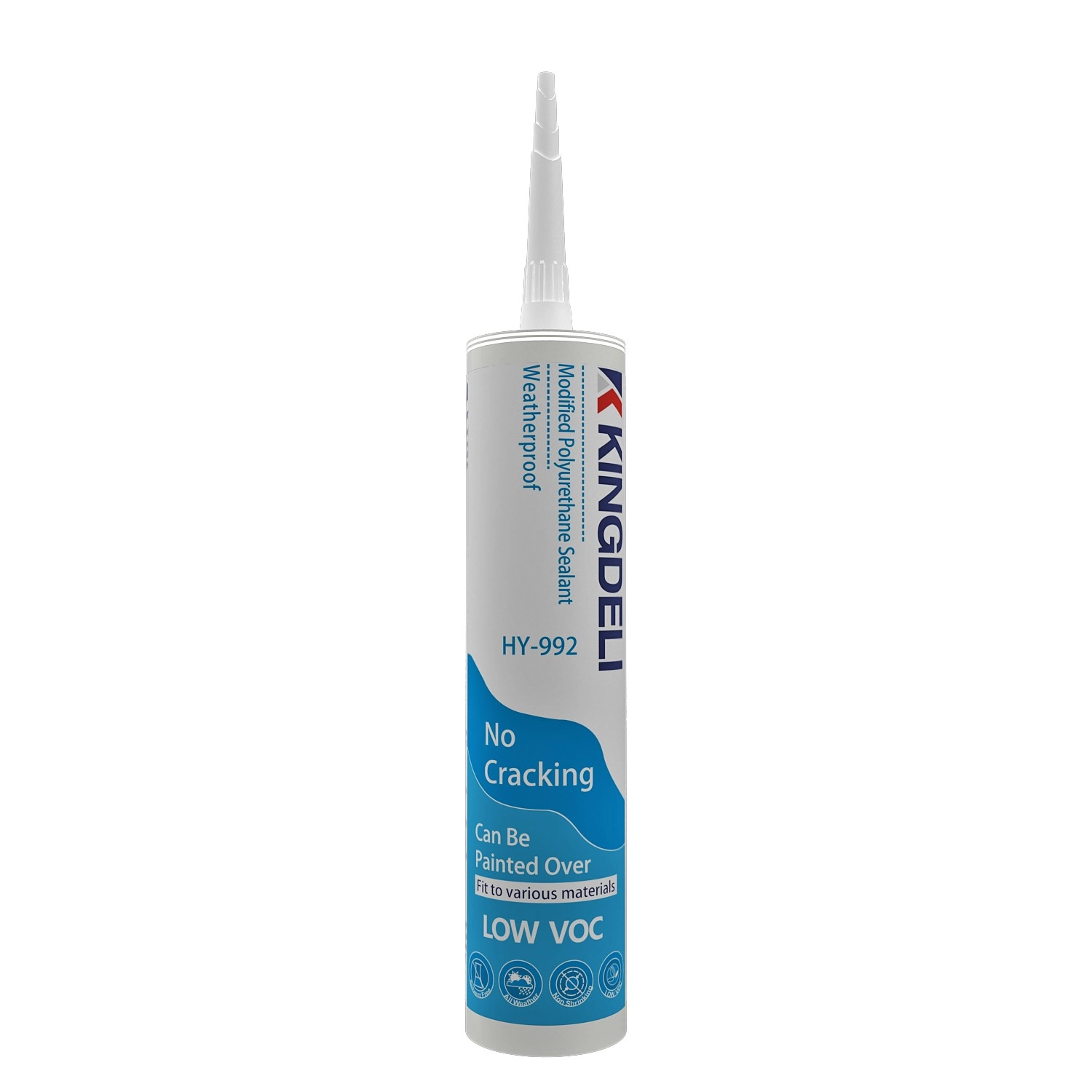
HY992 Modified Polyurethane Construction Sealant
HY992 Modified Polyurethane Sealant is a one-component, moisture-curing construction sealant designed for professional building and structural sealing applications. It provides excellent adhesion, weather resistance, and durable elasticity, making it suitable for a wide range of construction materials.
The formulation delivers strong bonding performance without corrosion or substrate contamination, while maintaining low VOC content for environmentally responsible construction projects.

HY995 Crystal Clear Ms Polymer Adhesive/Sealant
HY995 Crystal Clear Ms Polymer Adhesive/Sealant is a new generation MS Polymer adhesive / sealant formulated for all bonding and sealing applications where long term reliability is required. It has excellent bonding strength on various materials. It will cure to form a durable, flexible, waterproof seal.

HY997 High-Performance Anti-Microbial MS Polymer Sealant
HY997 MS polymer sealant for is is a premium one-component, neutral-curing modified silane sealant engineered for demanding interior applications. It offers a Class 20 movement capability, ensuring long-lasting flexibility and reliable performance under dynamic joint conditions. Curing at room temperature, HY997 delivers superior anti-microbial and mildew-resistant properties, maintaining hygienic and clean environments over time.
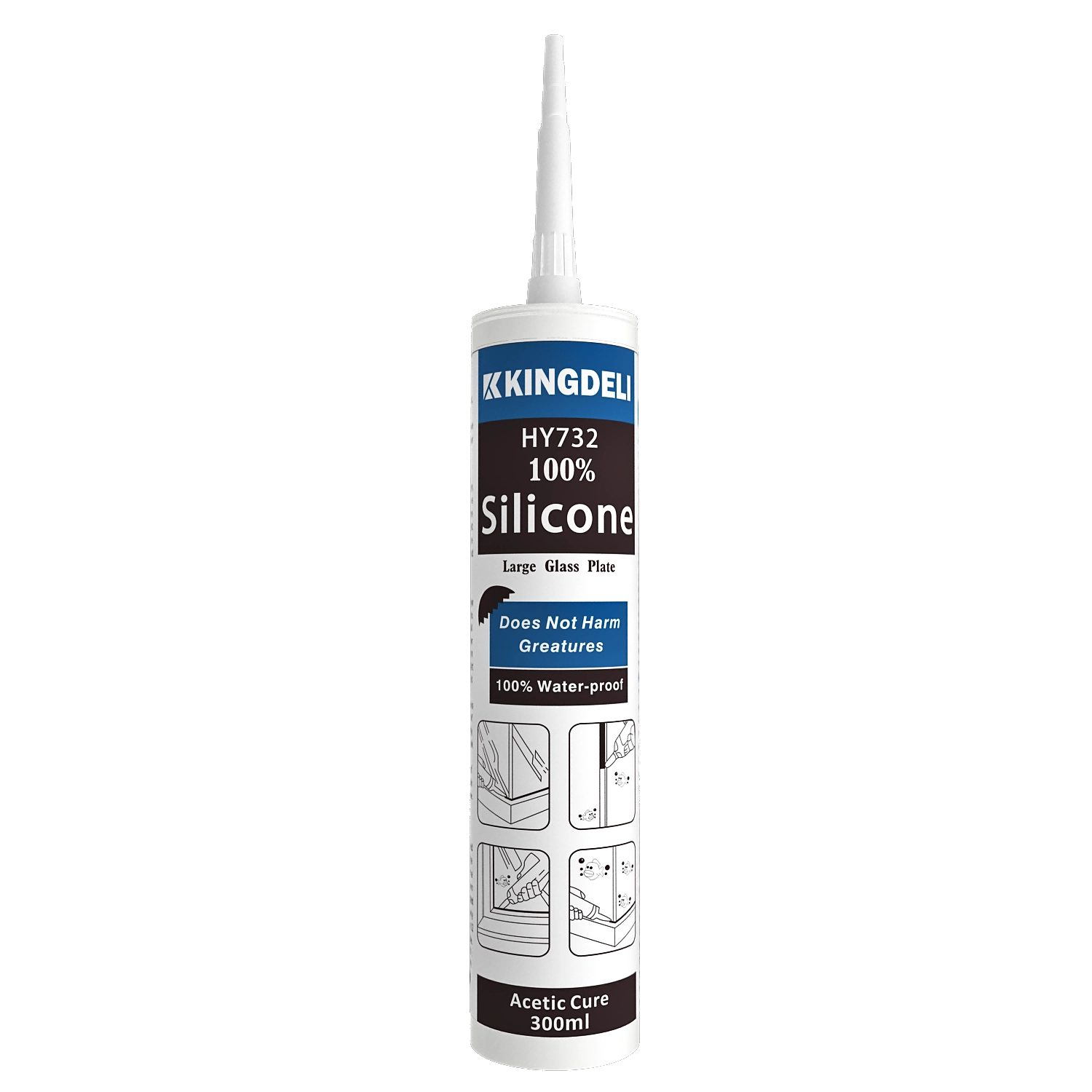
KINGDELI HY732 Professional Acetoxy Cure Silicone Sealant
KINGDELI HY732 is a professional-grade, one-component acetoxy cure silicone sealant designed for fast curing, strong adhesion, and long-lasting flexibility. Ideal for aquariums, glass applications, aluminum doors and windows, kitchens, and bathrooms, it provides reliable sealing performance with excellent anti-fungal protection in high-humidity environments.
Let’s Build Stronger Bonds with Quality Adhesives and Sealants
Have questions about the topic or need tailored sealant solutions for your project?
Our team is ready to provide expert guidance, product recommendations, and application support.
Innovating with Integrity, Bonding the World
Since 1998, KINGDELI has delivered trusted, sustainable sealant solutions that connect industries and inspire progress worldwide.
Whatsapp: +8618825946249
Kingdeli
Kingdeli
Kingdeli
Kingdeli
Kingdeli