











How to ensure adhesion of neutral cure silicone sealant to metals?
1. How do I prepare oily galvanized steel for bonding with a neutral cure silicone sealant without aggressive chemical strippers?
Problem: Galvanized steel straight from production often carries machining oils, rolling oils, and light rust inhibitors that block wetting and cause adhesive failures. Aggressive strippers can damage the zinc coating.
Step-by-step solution (industry-tested):
- Dry clean first: remove gross contaminants (loose scale, weld spatter) with a plastic scraper or nylon brush—avoid steel wool that can embed iron.
- Degrease using a low-residue solvent approved for silicones (heptane or isopropyl alcohol). Use two-stage wiping: wipe with solvent-saturated lint-free cloth, then a second wipe with fresh solvent. Allow solvent to evaporate fully.
- Light mechanical abrasion: where zinc can tolerate it, use P180–P320 grit abrasive or a Scotch-Brite pad to improve surface energy and remove oily films. For thin galvanizing avoid heavy abrasion that breaches the coating.
- Rinse/flash-dry: if a water-based degreaser is used, rinse with deionized water and allow to air-dry or force-dry—no buffing with contaminated rags.
- Apply a compatible metal primer or silane adhesion promoter recommended by the sealant manufacturer (see product TDS). For galvanized steel, silane-based primers (alkoxy-silanes) or manufacturers’ chrome-free conversion coatings improve bond and corrosion protection.
- Verify cleanliness: measure surface energy or contact angle. Aim for a static water contact angle below ~65° (preferably <50°) to ensure good wetting by silicone.
Notes: Avoid alkaline strippers that attack zinc. Always run an adhesion test (cross-cut or small pull-off) after pretreatment and before full assembly.
2. Which primers or silane adhesion promoters reliably increase bond strength between neutral cure silicone and anodized aluminum in humid climates?
Problem: Anodized aluminum can be porous and variable in chemistry. Humidity accelerates hydrolysis at the interface and can reduce long-term bond strength.
Recommendations:
- Use manufacturer-approved silane coupling agents: methacryloxy and amino-functional alkoxysilanes (e.g., MPS or APTES families) are commonly used to promote bonding between silicone polymers and oxide surfaces. These increase chemical linkage and reduce moisture-driven delamination.
- Choose primers formulated for moisture environments: primers that include corrosion inhibitors and provide a hydrophobic conversion layer are preferable for exterior facades and marine-exposed parts.
- Application guidance: apply primer thinly and evenly, allow flash-off per technical data sheet (TDS). Typical flash times 5–30 minutes depending on ambient conditions; follow manufacturer for high-humidity conditions to avoid trapping moisture under primer.
- Accelerated testing: require your supplier to provide salt spray (ASTM B117) and thermal cycling test data (e.g., -40°C to +80°C cycles) for the primer + silicone system across 500–1000 hours as acceptance criteria for humid climates.
Best practice: specify the primer as part of the system in purchase orders (primer SKU + sealant SKU) and mandate batch compatibility tests to avoid shop-floor surprises.
3. How can I prevent cure inhibition and staining when applying neutral cure silicone sealant to copper or brass components?
Problem: Certain metal alloys and residues (sulfur-containing lubricants, amine-based preservatives) can retard cure or cause surface discoloration/staining.
Mitigation strategy:
- Clean thoroughly: remove oils and sulfur-containing residues with an appropriate solvent and, if needed, a mild alkaline cleaner followed by thorough rinsing and solvent wipe-down.
- Passivation: for brass/copper, consider a light citric-acid based passivation to remove active contaminants, followed by deionized water rinse and drying. Avoid leaving acid residues.
- Select the right cure chemistry: neutral cure silicones typically release non-acid by-products (oxime or alkoxy). While neutral cures are less corrosive than acetoxy types, some ketoxime by-products can still interact with sensitive alloys. If cure inhibition risk is high, consult the silicone supplier for a formulation specifically tested on copper/brass or use a barrier primer.
- Use a barrier primer or tie-coat: a thin, fully-cured primer isolates the metal surface from volatiles in the cure by-product and reduces staining risk.
- Qualification: run a small-scale cure and visual aging test (UV and humidity) to verify no staining, discolouration or tack retention over 7–28 days before full implementation.
4. What measurable adhesion strength (pull-off or lap shear) can I expect when bonding neutral cure silicone to stainless steel after standard pretreatment?
Problem: Buyers need quantitative acceptance criteria for incoming sealant joints but online data is often generic.
Typical measured ranges (based on manufacturer technical data and independent lab reports):
- Punch or peel-type adhesion (ASTM D903): silicone sealants are elastomeric—expect peel resistance lower than rigid adhesives. Values vary widely; typical peel forces may range 2–10 N/mm depending on pretreatment and primer.
- Lap shear (ASTM D1002 or adapted test): for neutral cure silicone sealants on properly prepped stainless steel with primer, lap shear tensile strengths commonly range from 0.5 MPa to 2.5 MPa (75–360 psi). Higher values are possible with specialized structural silicone adhesives, but typical building-grade silicones settle toward the lower end due to elasticity.
- Pull-off adhesion (ASTM D4541): acceptable pull-off values for façade applications typically exceed 0.5 MPa. For critical structural seals, require >1.0–1.2 MPa after aging tests.
Set realistic acceptance criteria in procurement: require independent lab data for the exact substrate, surface prep, primer, and environmental ageing (humidity, salt spray, thermal cycling). Because silicones fail cohesively under high stress, require both cohesive strength and substrate-coating adhesion data to define pass/fail.
5. How do I choose between alkoxy and oxime neutral cure silicones for outdoor metal facade joints when odor, emissions, and long-term durability matter?
Problem: Field teams complain of strong odour during installation; procurement must comply with local emission rules and long-term performance requirements.
Decision factors:
- Odour and emissions: oxime cure systems release ketoximes (notably MEKO-type species) that tend to have stronger odour profiles. Alkoxy systems emit alcohols (e.g., methanol or ethanol) that can have lower perceived odour. If indoor air quality or installer comfort is strong concern, alkoxy or low-odour oxime grades are preferred. Check VOC and specific by-product data in the SDS/TDS.
- Regulatory: some jurisdictions restrict specific cure by-products or set workplace exposure limits. Confirm compliance with local VOC and hazardous emissions regulations; request manufacturer exposure data and third-party test certificates if needed.
- Substrate compatibility: both alkoxy and oxime neutral silicones are non-acetic and typically safe on metals, but substrate-specific testing is required. Alkoxy formulations usually provide broader compatibility with a variety of primers and coatings.
- Durability: choose formulations with documented UV, ozone and thermal cycling performance. Look at service temperature range (many neutral silicones work from -60°C to +200°C), movement accommodation (±25–50% joint movement), and Shore A hardness depending on joint design.
Procurement checklist: request SDS for cure by-products, manufacturer’s in-field references in similar climates, and compatibility data with your coating systems before selecting alkoxy or oxime grades.
6. When bonding painted or powder-coated metal, how do I ensure the coating doesn’t delaminate when the silicone sealant is applied and aged?
Problem: The failure mode is often paint/coating delamination (cohesive failure in the paint) rather than failure of the silicone bond. Online guidance is often superficial.
Practical protocol:
- Assess coating adhesion first: perform a cross-hatch adhesion test (ASTM D3359) or pull-off test on representative painted panels to measure baseline adhesion. If coating adhesion to the substrate fails, fix the coating process—not the sealant.
- Compatibility test: apply the chosen neutral cure silicone to a coated panel and age it under accelerated conditions—UV (ASTM G154), humidity (ASTM D2247), and cyclic thermal exposure. Inspect for blisters, delamination or loss of adhesion at 250–1000 hour intervals depending on project risk.
- Primer strategy: for many powder-coatings and paints, a primer specifically formulated to bond to both paint and silicone is available. Use a thin tie-coat if lab testing confirms improved peel/pull-off values.
- Surface cleaning: remove release agents and waxes used in paint/powder processing. Use a mild solvent wipe and if required a light abrasion to increase mechanical key without damaging the coating.
- Specify acceptance criteria: require that post-age pull-off adhesion of the paint + sealant system meets a minimum (e.g., no less than 80% of the original paint adhesion strength) and that failures are not substrate delamination.
Note: Always include the coating supplier in compatibility evaluations—many failures are due to incompatible processing residues or flexible coating chemistries that are weak in peel.
Concluding summary — Advantages of neutral cure silicone sealant for metal adhesion
Neutral cure silicone sealants offer non-corrosive curing (no acetic acid), excellent weathering and UV resistance, wide service temperature ranges, and long-term elasticity that accommodates thermal expansion of metal substrates. When paired with proper surface treatment—cleaning, abrasion where appropriate, and manufacturer-specified primers or silane coupling agents—they provide durable, low-maintenance seals for façades, metal assemblies, and glazing applications. For industrial purchases, require system-level data: surface pretreatment, primer SKU, cure chemistry, and independent ageing tests (ASTM B117, ASTM D4541, thermal cycling) as part of your specification.
If you need a quotation or technical datasheets for specified neutral cure silicone systems and recommended primers for stainless steel, aluminum or coated metal, contact us for a project quote at www.kingdelisealant.com or email info@kingdeliadhesive.com.
The 2026 Ultimate Guide to Glass Silicone Sealant: Everything You Need for a Perfect Finish
OEM vs. Branded Acetic Silicone Sealant: What’s Best for Your Distribution Business?
The Future of Sealants: 5 Emerging Trends in Wholesale Neutral Silicone Sealant Technology for 2026
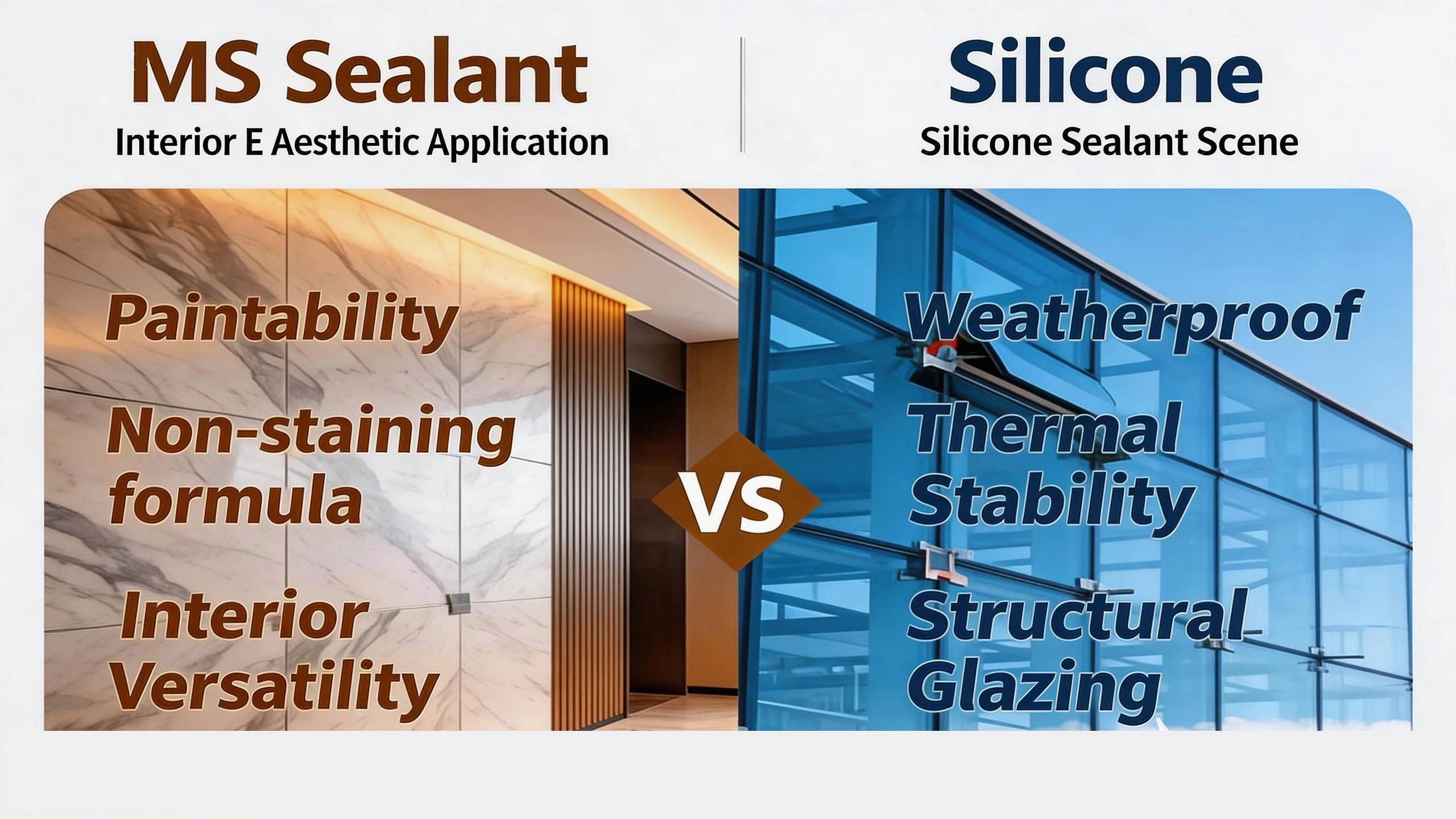
MS Sealant vs. Silicone: Which is Right for Your Construction Project?
HY925
Does HY925 produce bubbles during application?
No. The formula is designed to remain smooth and consistent, minimizing bubble formation during application.
HY-3300
Do you offer OEM or customized packaging for HY-3300?
Yes. We provide OEM services including customized cartridges, box packaging, and labeling according to customer requirements.
HY994
What packaging options are available?
HY994 is supplied in:
300 mL cartridges
400 mL / 600 mL foil sausages
20 L pails
200 L drums
HY668
Why choose HY-668 General-Purpose Acetic Silicone Sealant?
HY-668 is the silicone sealant that combines easy application, fast curing, flexible sealing performance, and dependable adhesion for general construction and interior decoration needs.
HY-939
What colors and packaging options are available?
HY939 is available in grey, red, black, clear, and customized colors. Packaging options include aluminum tubes (30–100 ml) and cartridges (280 ml / 300 ml).
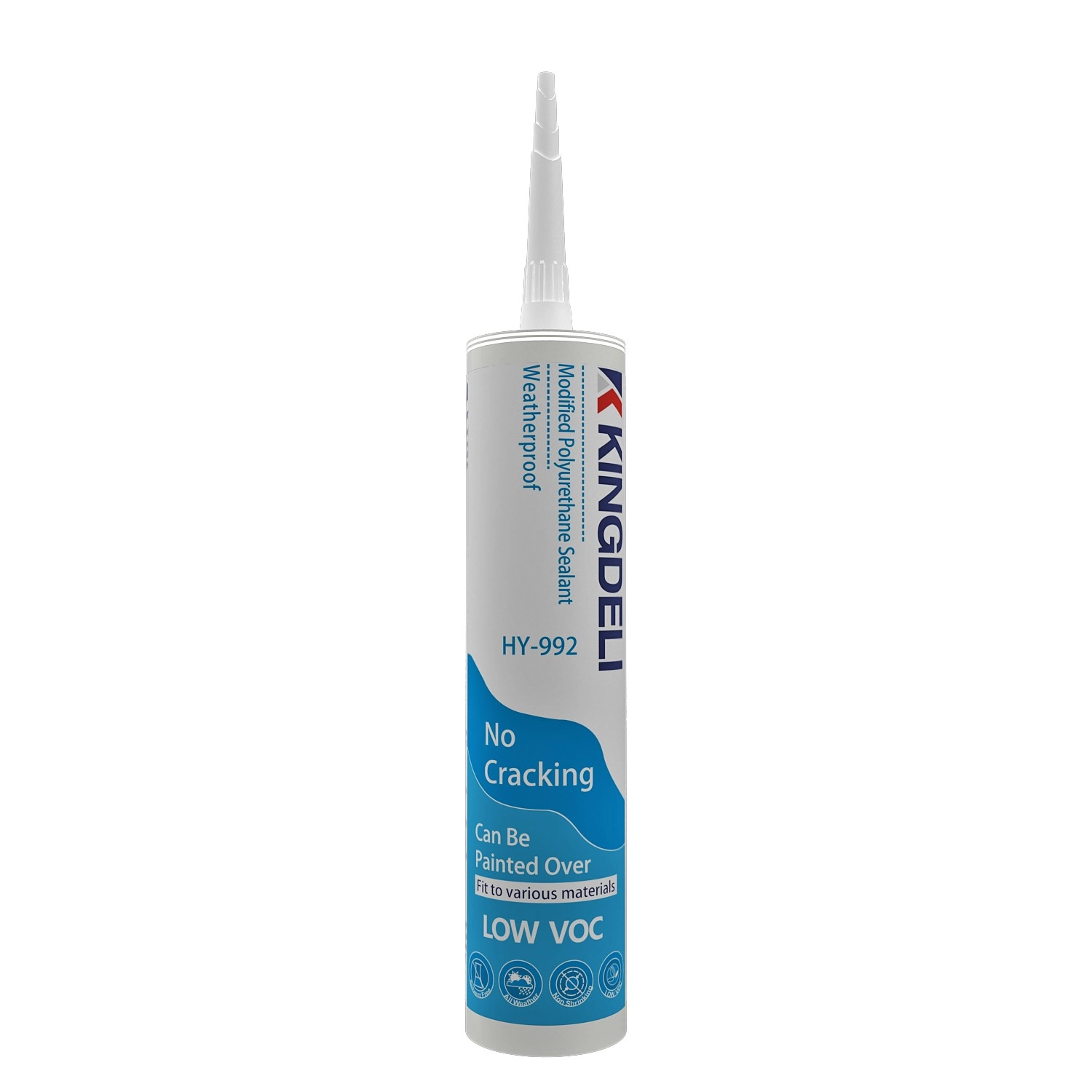
HY992 Modified Polyurethane Construction Sealant
HY992 Modified Polyurethane Sealant is a one-component, moisture-curing construction sealant designed for professional building and structural sealing applications. It provides excellent adhesion, weather resistance, and durable elasticity, making it suitable for a wide range of construction materials.
The formulation delivers strong bonding performance without corrosion or substrate contamination, while maintaining low VOC content for environmentally responsible construction projects.

HY995 Crystal Clear Ms Polymer Adhesive/Sealant
HY995 Crystal Clear Ms Polymer Adhesive/Sealant is a new generation MS Polymer adhesive / sealant formulated for all bonding and sealing applications where long term reliability is required. It has excellent bonding strength on various materials. It will cure to form a durable, flexible, waterproof seal.

HY997 High-Performance Anti-Microbial MS Polymer Sealant
HY997 MS polymer sealant for is is a premium one-component, neutral-curing modified silane sealant engineered for demanding interior applications. It offers a Class 20 movement capability, ensuring long-lasting flexibility and reliable performance under dynamic joint conditions. Curing at room temperature, HY997 delivers superior anti-microbial and mildew-resistant properties, maintaining hygienic and clean environments over time.
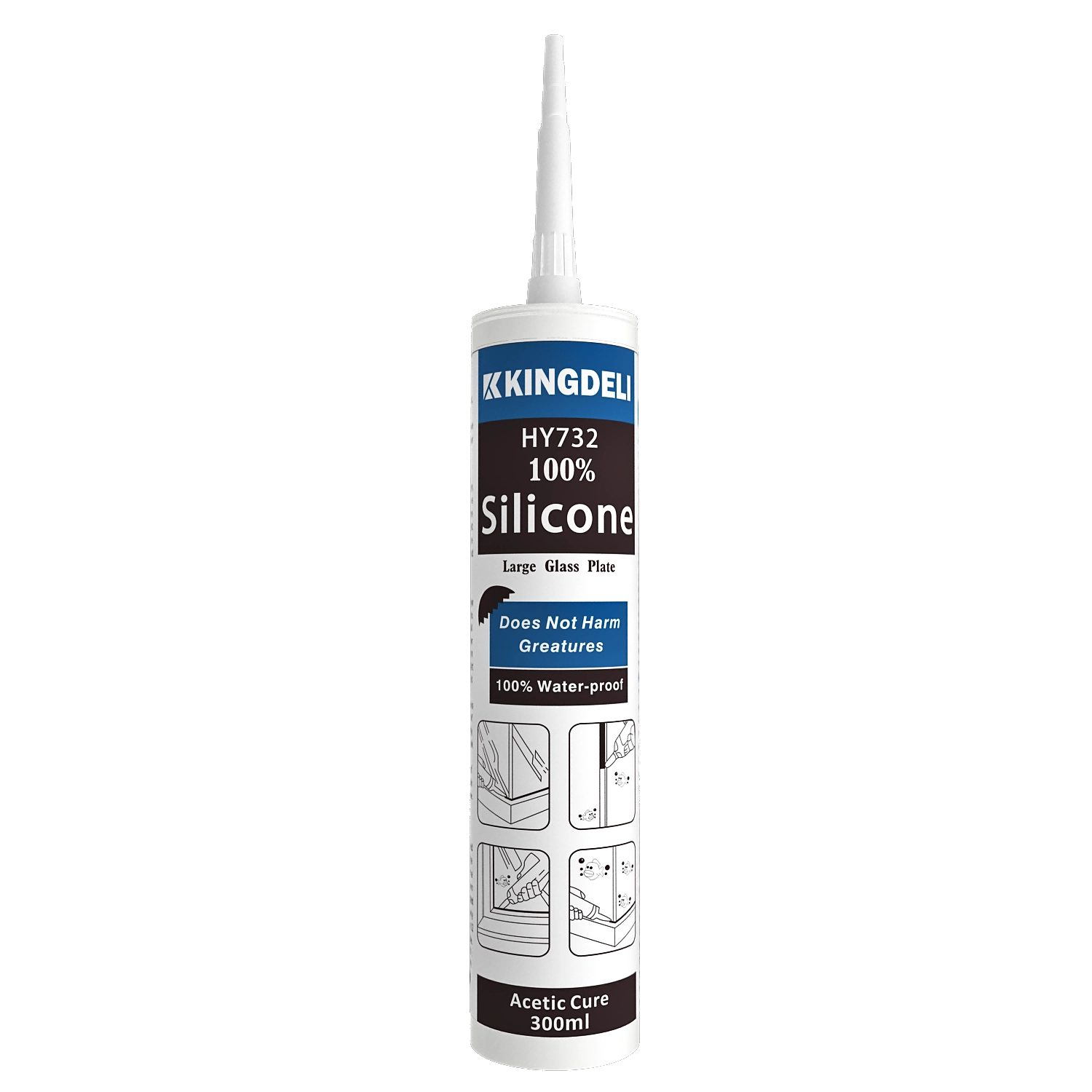
KINGDELI HY732 Professional Acetoxy Cure Silicone Sealant
KINGDELI HY732 is a professional-grade, one-component acetoxy cure silicone sealant designed for fast curing, strong adhesion, and long-lasting flexibility. Ideal for aquariums, glass applications, aluminum doors and windows, kitchens, and bathrooms, it provides reliable sealing performance with excellent anti-fungal protection in high-humidity environments.
Let’s Build Stronger Bonds with Quality Adhesives and Sealants
Have questions about the topic or need tailored sealant solutions for your project?
Our team is ready to provide expert guidance, product recommendations, and application support.
Innovating with Integrity, Bonding the World
Since 1998, KINGDELI has delivered trusted, sustainable sealant solutions that connect industries and inspire progress worldwide.
Whatsapp: +8618825946249
Kingdeli
Kingdeli
Kingdeli
Kingdeli
Kingdeli