











Why choose neutral cure silicone sealant for industrial glazing?
1) How can I confirm whether a neutral cure silicone contains MEKO (oxime) and whether that makes it unsuitable for indoor industrial glazing?
Why this matters: methyl ethyl ketoxime (MEKO) is a common crosslinker by‑product in oxime (ketoxime) neutral cure silicones. MEKO has regulatory limits in some jurisdictions and can cause odor or worker-safety concerns in confined spaces.
What to do: always request the product Technical Data Sheet (TDS) and the Safety Data Sheet (SDS/MSDS) from suppliers. The SDS will list hazardous components and any oxime compounds. Look specifically for terms such as “ketoxime,” “methyl ethyl ketoxime,” or CAS numbers associated with oximes. If MEKO or oxime derivatives are present, the SDS will state exposure limits and recommended controls.
Decision guidance:
- If interior air quality, odor control or specific local VOC/occupational-exposure regulations are a concern, prefer alkoxy-based neutral cure silicones (sometimes marketed as low-oxime or MEKO-free).
- For large enclosed glazing projects, conduct a small-scale mock-up, cure, and air-quality check to confirm odor/TVOC levels before full installation.
- Always follow SDS PPE recommendations and allow adequate ventilation during curing. For critical indoor environments (labs, food areas), demand MEKO-free certification.
2) Will neutral cure silicone adhere reliably to powder-coated or PVDF-coated aluminum — and what primer/surface prep is required?
Why this matters: modern curtain walls and industrial glazing use coated metals; adhesion failures are a costly risk.
Key points:
- Neutral cure silicones are non-acidic and generally less corrosive to metals than acetoxy silicones, which makes them better for coated aluminum or stainless steel. However, adhesion depends on the coating chemistry (e.g., polyester powder coat, PVDF) and surface contamination.
- Always perform an adhesion test (tape test or butt-pull) with the exact substrate batch and coating. Field conditions vary and manufacturer adhesion claims are conditional.
Recommended prep and primers:
- Clean the surface thoroughly: remove oils, release agents, dirt and salts using a solvent recommended by the sealant supplier (e.g., isopropyl alcohol or specialized cleaners). Avoid aggressive abrasives on factory-finished coatings.
- Use the sealant manufacturer’s recommended primer — many are silane-based adhesion promoters designed for specific coated metals. A primer can change adhesion from marginal to long-term durable.
- Document and test: apply primer on a test panel, apply neutral cure silicone structural glazing sealant, cure for the expected timeframe, and perform peel or shear tests per ASTM/EN guidelines before production work.
3) How should I design joint width and backer rod depth for structural glazing with neutral cure silicone to achieve required movement capability?
Why this matters: incorrect joint geometry causes overstress, adhesive failure, or insufficient movement accommodation.
Industry rule-of-thumb and rationale:
- Use a width:depth ratio of approximately 2:1 (width double the depth). For example, a 12 mm wide joint typically has a 6 mm sealant depth. This provides the best balance of elasticity and structural support.
- Install an appropriate closed-cell backer rod to control depth and create a single-plane bond (i.e., bond to two faces only). Do not bond to the back of the joint; that creates a three-sided adhesion and increases stress.
- Movement capability: many structural neutral cure silicones are formulated to accept ±25% movement. Select a formulation with certified movement capability that meets your design requirement and verify via product datasheet or ASTM/EN test results.
Practical steps:
- Specify joint width based on expected thermal/shrinkage/motion calculations and then set backer rod size accordingly.
- Follow substrate and sealant maker’s joint design standards. For heavy structural loads, consult structural silicone glazing (SSG) system designers and follow structural sealant standards like ASTM C1184 and EN 15651 (for façade and glazing).
4) What are realistic curing times for neutral cure silicone and how do cold, wet, or low-humidity conditions affect cure rate during winter glazing work?
Why this matters: cure rate affects when joints reach handling strength, when sealant resists dirt runoff, and when glazing units can be stressed.
Typical cure behaviour:
- Neutral cure silicone skin-over time at standard lab conditions (23°C, 50% RH) is often in the 5–20 minute range; this varies by formulation and film thickness.
- Depth cure (through-cure) is driven by ambient moisture and temperature. A reliable industry estimate is approximately 1–3 mm per 24 hours at 23°C/50% RH for many neutral cure silicones. Decreased temperature and humidity slow cure; in cold/dry conditions cure rates can drop below 1 mm/day.
Implications and mitigations:
- In winter or low‑humidity sites, allow longer cure windows before mechanically loading the seal. Plan installation schedules accordingly.
- For accelerated cure in cold environments use heated enclosures or temporary humidification (as allowed by product guidance), but only if the sealant manufacturer endorses such measures.
- Always confirm on-site cure performance with small test samples: measure tack-free time and conduct an early-age adhesion check before final acceptance.
5) How do I test and validate long-term adhesion and weathering (UV, salt spray) for neutral cure silicone on coastal industrial glazing?
Why this matters: coastal environments present salt, humidity and UV that accelerate failure modes.
Recommended validation program:
- Obtain full TDS and accelerated aging test data from the manufacturer: look for UV resistance, tensile adhesion after UV exposure, and salt spray compatibility data.
- Carry out mock-up exposure testing on-site or in representative labs: cure specimens, subject them to UV cycling and salt spray per recognized standards (e.g., ASTM G154 for UV, ASTM B117 for salt spray), and then perform adhesion/tensile tests. Compare results to baseline values.
- Perform real-time outdoor exposure panels in the project’s coastal microclimate for at least 6–12 months where possible; lab tests are predictive but real exposure confirms performance.
- Inspect welded or fastened interfaces; ensure galvanic compatibility and clean installation to avoid corrosion undermining adhesion. Neutral cure silicones are low-corrosive but substrate corrosion can still cause bond loss.
Acceptance criteria and documentation:
- Define acceptance thresholds for bond strength, elongation, and visual degradation based on project specifications and product certification (EN/ASTM test results).
- Maintain records of sample curing conditions, test protocols, and all supplier TDS/SDS documents to meet E-E-A-T requirements and for future warranty claims.
6) Should I choose oxime-based or alkoxy-based neutral cure silicone for industrial glazing — how do corrosion, VOCs and codes influence the decision?
Why this matters: both chemistries are “neutral”, but their by-products and regulatory footprints differ, affecting safety and acceptability.
Comparative points:
- Oxime (ketoxime) cure silicones: often have excellent adhesion and good low-corrosion behavior, but may release oxime compounds (MEKO or similar). Some markets or building owners restrict MEKO due to occupational exposure limits or indoor air concerns.
- Alkoxy cure silicones: cure by releasing alcohols (e.g., methanol or ethanol derivatives) or other alkoxy by-products. Alkoxy types generally have low corrosivity and are frequently marketed as MEKO-free, but they still have VOCs and require SDS review.
- Both types are typically better than acetoxy (acid) silicones for metals and coated substrates.
How to decide:
- Consult local codes and client indoor-air requirements. If MEKO or specific oximes are restricted, opt for alkoxy or guaranteed MEKO-free formulations.
- Request manufacturer declarations (SDS/TDS) and, if needed, independent lab VOC/TVOC testing for the chosen product in confined-space scenarios.
- For exterior structural glazing where odor and indoor exposure are minimal, oxime formulations may still be acceptable and sometimes preferred for specific adhesion properties. Verify with project stakeholders.
Final practical checklist before purchase: obtain the SDS/TDS & product certification, request adhesion data on your exact substrates, require recommended primer & joint-design guidance, perform a mock-up and on-site cure check, and confirm warranty/technical support.
Summary paragraph: Neutral cure silicone sealant is the industry-preferred choice for industrial and structural glazing because it is low-corrosive to metals, compatible with coated substrates when primed, highly elastic (allowing significant thermal and structural movement), and resistant to UV and weathering. For demanding applications — coastal exposure, powder-coated frames, or enclosed interiors — choose the right neutral chemistry (alkoxy vs oxime), verify cure and adhesion using SDS/TDS-backed tests and mock-ups, and follow joint design rules (e.g., width:depth ≈ 2:1 with proper backer rod). Adhering to standards such as ASTM C1184 and EN 15651-2, performing documented adhesion testing, and using manufacturer-recommended primers will materially reduce failure risk and extend façade service life.
Contact us for a tailored quote and technical support: visit www.kingdelisealant.com or email info@kingdeliadhesive.com.
The 2026 Ultimate Guide to Glass Silicone Sealant: Everything You Need for a Perfect Finish
OEM vs. Branded Acetic Silicone Sealant: What’s Best for Your Distribution Business?
The Future of Sealants: 5 Emerging Trends in Wholesale Neutral Silicone Sealant Technology for 2026
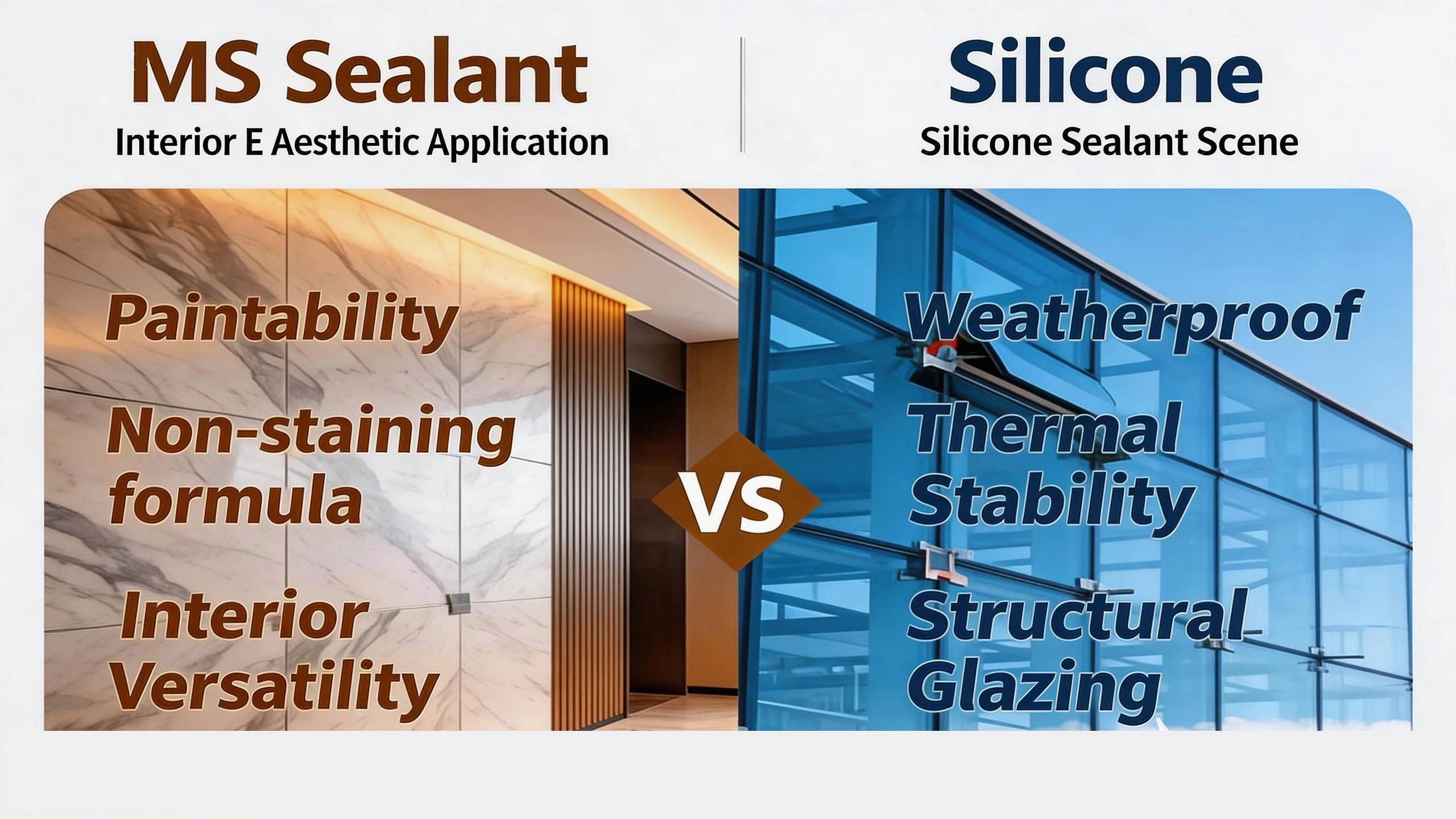
MS Sealant vs. Silicone: Which is Right for Your Construction Project?
HY-3300
How can I become a KINGDELI distributor or partner?
We welcome global distributors and partners. Please contact us to discuss cooperation opportunities and learn more about our partnership programs.
HY-966
What colors and packaging options are available?
HY-966 is available in white and cream, supplied in 280 ml and 300 ml cartridges.
HY-682
Does the product self-level after application?
Yes. The formulation is self-leveling, allowing it to flow smoothly into joints and cracks for a uniform, professional finish without additional tooling.
HY-939
What temperature range can HY939 withstand?
HY939 performs reliably in a wide temperature range from -60 °C to 350 °C, making it suitable for both high-temperature and low-temperature environments.
HY995
Do you provide OEM or private label service?
Yes. We provide OEM & private label services, including:
-
Custom brand label design
-
Cartridge printing
-
Custom packaging
-
Distributor branding
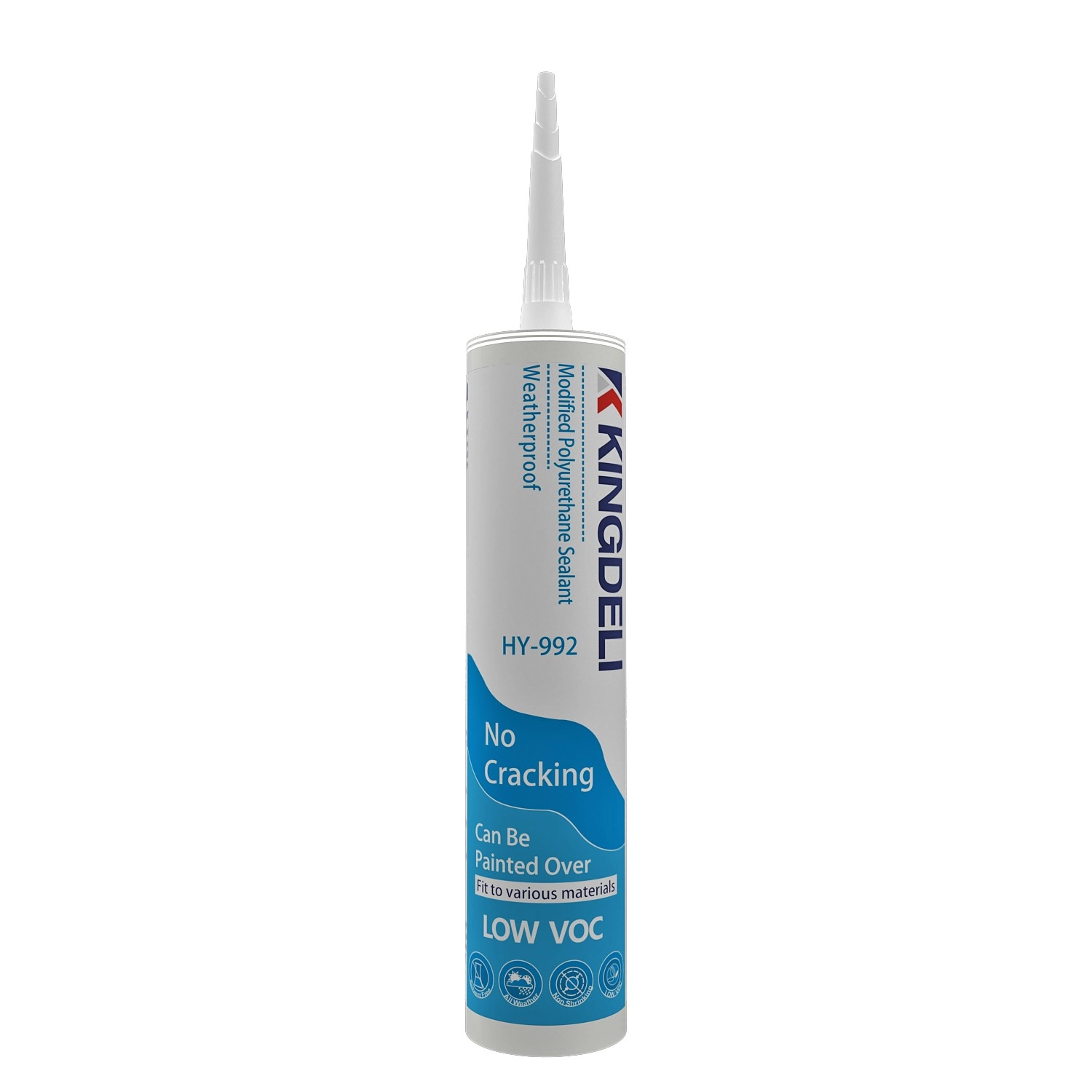
HY992 Modified Polyurethane Construction Sealant
HY992 Modified Polyurethane Sealant is a one-component, moisture-curing construction sealant designed for professional building and structural sealing applications. It provides excellent adhesion, weather resistance, and durable elasticity, making it suitable for a wide range of construction materials.
The formulation delivers strong bonding performance without corrosion or substrate contamination, while maintaining low VOC content for environmentally responsible construction projects.

HY995 Crystal Clear Ms Polymer Adhesive/Sealant
HY995 Crystal Clear Ms Polymer Adhesive/Sealant is a new generation MS Polymer adhesive / sealant formulated for all bonding and sealing applications where long term reliability is required. It has excellent bonding strength on various materials. It will cure to form a durable, flexible, waterproof seal.

HY997 High-Performance Anti-Microbial MS Polymer Sealant
HY997 MS polymer sealant for is is a premium one-component, neutral-curing modified silane sealant engineered for demanding interior applications. It offers a Class 20 movement capability, ensuring long-lasting flexibility and reliable performance under dynamic joint conditions. Curing at room temperature, HY997 delivers superior anti-microbial and mildew-resistant properties, maintaining hygienic and clean environments over time.
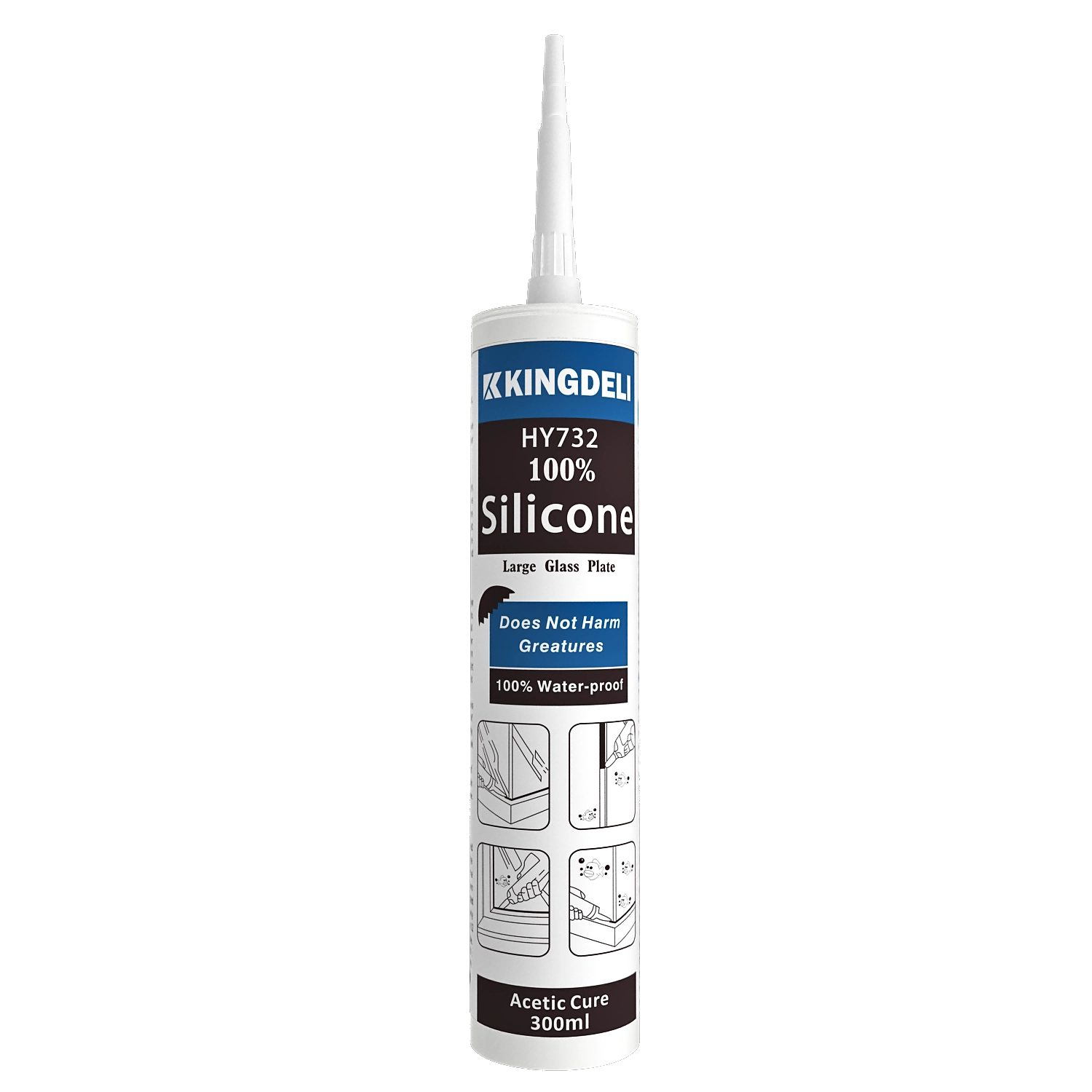
KINGDELI HY732 Professional Acetoxy Cure Silicone Sealant
KINGDELI HY732 is a professional-grade, one-component acetoxy cure silicone sealant designed for fast curing, strong adhesion, and long-lasting flexibility. Ideal for aquariums, glass applications, aluminum doors and windows, kitchens, and bathrooms, it provides reliable sealing performance with excellent anti-fungal protection in high-humidity environments.
Let’s Build Stronger Bonds with Quality Adhesives and Sealants
Have questions about the topic or need tailored sealant solutions for your project?
Our team is ready to provide expert guidance, product recommendations, and application support.
Innovating with Integrity, Bonding the World
Since 1998, KINGDELI has delivered trusted, sustainable sealant solutions that connect industries and inspire progress worldwide.
Whatsapp: +8618825946249
Kingdeli
Kingdeli
Kingdeli
Kingdeli
Kingdeli