











How does neutral cure silicone sealant differ from acetoxy silicone?
As a product buyer or specifier in glazing, façade or MEP work, choosing the right silicone matters. Below are six specific, pain-point-focused questions beginners often search for but find only partial answers to online. Each answer references industry practice, standards to check, and practical steps you can apply when selecting a neutral cure silicone sealant for your projects.
1) Can I use neutral cure silicone sealant on copper, aluminium and painted metal without long-term corrosion or staining?
Short answer: Yes—neutral cure silicone is the safer choice for sensitive metals and freshly painted substrates, but you must still check product chemistry, surface preparation and accelerated test reports.
Why this matters: acetoxy silicone sealants release acetic acid during cure (the characteristic vinegar smell). That acidic by-product can cause corrosion, white staining or paint discoloration on reactive metals such as copper, zinc, lead and some aluminium finishes and on fresh paints. Neutral cure silicone sealant systems (oxime, ketoxime or alkoxy chemistries) avoid acetic acid, reducing that corrosion/staining risk.
Practical purchasing and application checklist:
- Ask the manufacturer for metal compatibility test data (salt-spray or cyclic corrosion where relevant) and any paint-compatibility test reports done on your exact paint system.
- Confirm the neutral cure chemistry: ‘oxime’ or ‘alkoxy’ are common. Both are non-acetic, but by-products differ (see safety/MSDS). If local regulation restricts certain oxime compounds, request compliant formulations.
- Prepare metal with degreasing and, if required, a primer recommended by the sealant maker. Poor surface cleaning causes adhesion failure, not just chemistry.
- Where aesthetics matter, run a mock-up with the exact substrate and finish for an accelerated-weathering check (UV, humidity) before approval.
2) How should I prime porous substrates (AAC, masonry, concrete) for neutral cure silicone to avoid bond failure?
Short answer: Use a compatible primer to control surface porosity and promote chemical bonding; priming method depends on substrate porosity, sealant chemistry and expected movement.
Details and steps:
- Identify substrate porosity. Highly porous substrates (aerated autoclaved concrete, blockwork) can outgas water or absorb low-viscosity sealants and prevent full adhesion.
- Select a primer the sealant manufacturer lists for that substrate. Typical primers are silane- or silane-modified systems for silicones; they improve adhesion and reduce sealant starvation into the substrate.
- Application guidance: apply primer evenly, allow tack-free time per technical data sheet (TDS). Do not exceed recommended overpaint/overseal window; too short and the primer is still wet, too long and dust recontaminates surface.
- Use an appropriate neutral cure sealant rated for porous substrates (check EN 15651 or ASTM C920 class where applicable) and backer rod to control depth and adhesion faces.
- Perform bond tests on-site: 7–14 day adhesion tests under expected microclimate conditions are a cost-effective preventive measure on critical projects.
3) How do I avoid paint staining or paint adhesion loss when sealing joints against freshly painted surfaces with neutral silicone?
Short answer: Avoid applying silicone to paint younger than the paint manufacturer's recommended cure time, test compatibility, and where necessary use a barrier primer or tape-runner mock-up.
Guidance:
- Most paints require full cure (not just dry-to-touch) before silicone contact—this can be days to weeks depending on the paint system and environment. Consult paint TDS.
- Neutral cure silicone reduces the risk of chemical staining compared with acetoxy, but solvent migration or plasticizer interaction from some paints still occurs. For sensitive paint systems, perform a sample joint and accelerated weathering test.
- Where paint manufacturers provide approved sealants, cross-reference those in your procurement documents. If none are listed, request manufacturer compatibility letters from both the paint and sealant vendors.
- Tooling and cleanup: use a clean tooling fluid compatible with neutral silicones; some tooling agents will affect paint finish—test first.
4) What joint geometry and backer rod selection should I use with neutral cure silicone sealant to minimize stress and prevent bond splits?
Short answer: Use a 2:1 width-to-depth ratio, closed-cell polyethylene backer rod sized to compress 25–30% and ensure adhesion to only two bond faces. Adjust dimensions for movement expected and per manufacturer limits.
Practical design rules:
- Width-to-depth ratio: standard best practice is depth = width/2. Example: a 12 mm wide joint should be ~6 mm deep. This controls cross-sectional geometry so the sealant can deform elastically under movement.
- Minimum depth: most silicones need ≥6 mm depth in movement joints to develop consistent elastic behavior; very narrow joints (<6 mm) may be acceptable for non-moving gaps but check product data.
- Backer rod selection: closed-cell polyethylene backer rods are normally used to create the correct bond-break and compress 25–30% when inserted, preventing three-sided adhesion and ensuring proper joint geometry.
- Movement capability: many neutral cure silicone sealants are rated for ±25% movement (verify on product datasheet and ASTM C920/ISO 11600 classification). For high-movement joints choose products explicitly rated for larger movement ranges.
- Bonding only two faces avoids peel stresses. Use bond breaker tape or backer rod where necessary to prevent adhesion to the bottom face.
5) How will temperature and humidity on site affect the cure profile and handling of neutral cure silicone sealant?
Short answer: Skin time and cure rate are strongly affected by temperature and relative humidity—hotter, more humid conditions speed skin formation and cure; cold/dry conditions slow cure and may extend tack time or prevent full cure at depth.
What to expect and plan for:
- Skin time: under standard lab conditions (23°C, 50% RH) many neutral silicones form a skin in roughly 10–30 minutes. In cooler or drier climates skin time can be much longer.
- Cure rate: neutral silicones typically cure inward from the surface by moisture crosslinking. Typical full cure in thick sections is measured in mm per 24 hours and varies by product; many bench products cure 1–3 mm/24 h under moderate humidity. Always confirm with the TDS for the product you buy.
- Cold/dry risks: On cold or low-humidity days the surface may skin but deeper sections may remain uncured for long periods, increasing the chance of adhesion loss, contamination, or staining. Consider temporary covers or controlled microclimate measures (tents, misting to raise local humidity) for critical jobs.
- Hot/wet risks: In very humid or hot conditions, skin forms very fast which can hamper tooling time and result in less tooling window. Plan application crews and tool immediately after extrusion when needed.
6) Can neutral cure silicone be used in potable water and food-contact areas, and what approvals should I ask for?
Short answer: Some neutral cure silicones are tested and approved for potable water or indirect food contact, but not all. Always request specific certification documents and chemical migration/leachable test reports for your region.
Certifications and documentation to request:
- Potable water: for plumbing/water contact applications, ask for NSF/ANSI 61 (or regional equivalent) certification, or WRAS approval in the UK. The manufacturer must supply test reports showing compliance with local potable water standards.
- Food-contact/indirect contact: request regulatory compliance documents (FDA or EU food-contact regulations) and migration/leachable testing if the seal may contact food or food-processing surfaces. Some silicones are formulated for indirect food contact; others are not.
- Manufacturer QA: request batch traceability, MSDS, and a declaration of volatile by-products for the curing chemistry (important if the formulation is oxime- or alkoxy-based). Different neutral chemistries yield different small-molecule by-products—review the MSDS and regulatory statements.
- On-site commissioning: after installation, coordinate materials documentation in the O&M manual so future maintenance or replacement can verify the original approved product was used.
Additional procurement tip: include required certifications and the exact service conditions (temperature ranges, contact with chlorinated water, cleaning chemicals used in the environment) in tender specifications so suppliers submit appropriate products and test evidence rather than general-purpose sealants.
How does neutral cure silicone sealant differ from acetoxy silicone?
Neutral vs acetoxy — the critical differences buyers should know:
- By-product on cure: acetoxy silicones emit acetic acid (vinegar smell). Neutral cure silicone sealant systems emit non-acetic by-products (dependant on chemistry—oxime or alkoxy). Non-acidic cure greatly reduces the risk of metal corrosion and paint staining.
- Substrate compatibility: acetoxy tends to bond well to many substrates and cures fast, but is unsuitable for reactive metals, some plastics and fresh paints. Neutral silicones are chosen for sensitive substrates and for low-odour/low-corrosion needs.
- Regulatory/safety: some neutral cure by-products (certain oxime compounds) are restricted in some jurisdictions—manufacturers provide MSDS and compliance statements. Always review these documents, especially for indoor or potable-water projects.
- Paintability: neither general acetoxy nor most neutral silicones are reliably paintable; special paintable silicones or alternative polymer sealants are needed if paint over the joint is required. Always test paint adhesion over a fully cured sample.
- Performance: both types can provide excellent weathering and UV resistance when properly formulated. Choose based on substrate compatibility, required movement capability and certification needs rather than cure-type alone.
Standards to reference when specifying: check ASTM C920 (US) for elastic sealant classes and ISO 11600 / EN 15651 series for building sealant performance and facade/sanitary classifications. These standards help ensure movement capability, adhesion and durability claims are independently testable.
Concluding summary — Advantages of neutral cure silicone sealant: Neutral cure silicones provide non-acidic cure chemistry that greatly reduces the risk of corrosion and staining on sensitive metals and painted finishes, offer excellent weathering and UV resistance, and are widely available in formulations with good movement capability and adhesion when paired with correct primers and joint design. For projects requiring potable-water or food-contact approval, choose products with the appropriate NSF/WRAS/FDA test reports. Always confirm cure profile, movement class and substrate compatibility on the product datasheet and request manufacturer test reports for critical applications.
For expert advice, technical data sheets, or to request a project-specific quote using certified neutral cure silicone sealant systems, contact us at www.kingdelisealant.com or email info@kingdeliadhesive.com.
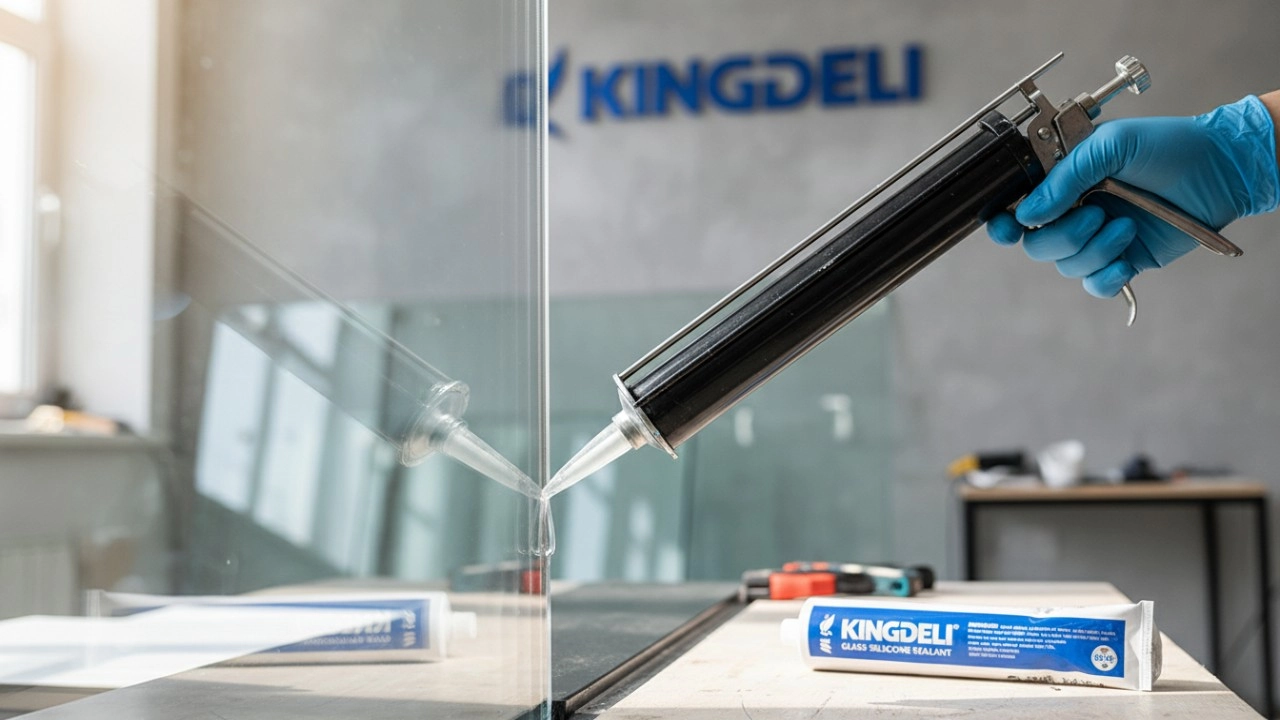
The 2026 Ultimate Guide to Glass Silicone Sealant: Everything You Need for a Perfect Finish
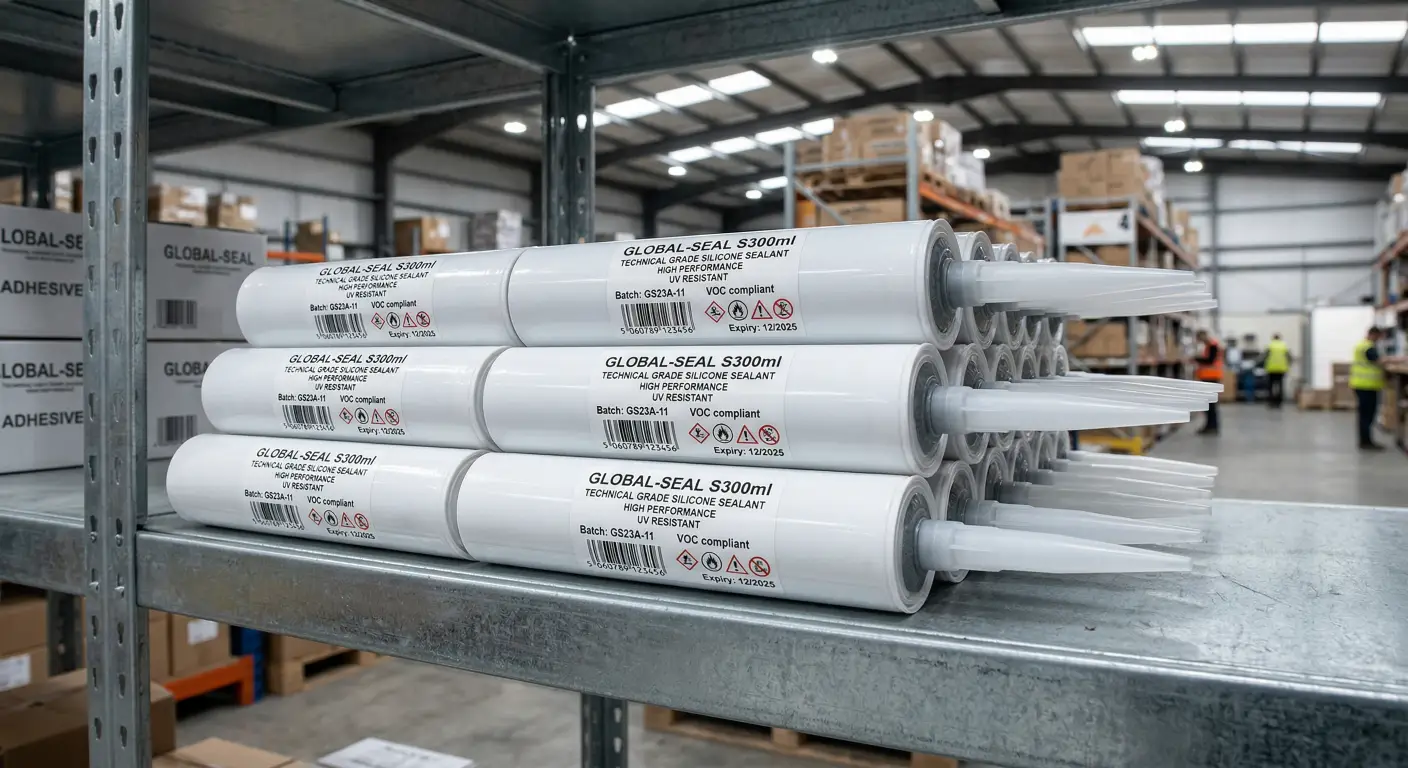
OEM vs. Branded Acetic Silicone Sealant: What’s Best for Your Distribution Business?
The Future of Sealants: 5 Emerging Trends in Wholesale Neutral Silicone Sealant Technology for 2026
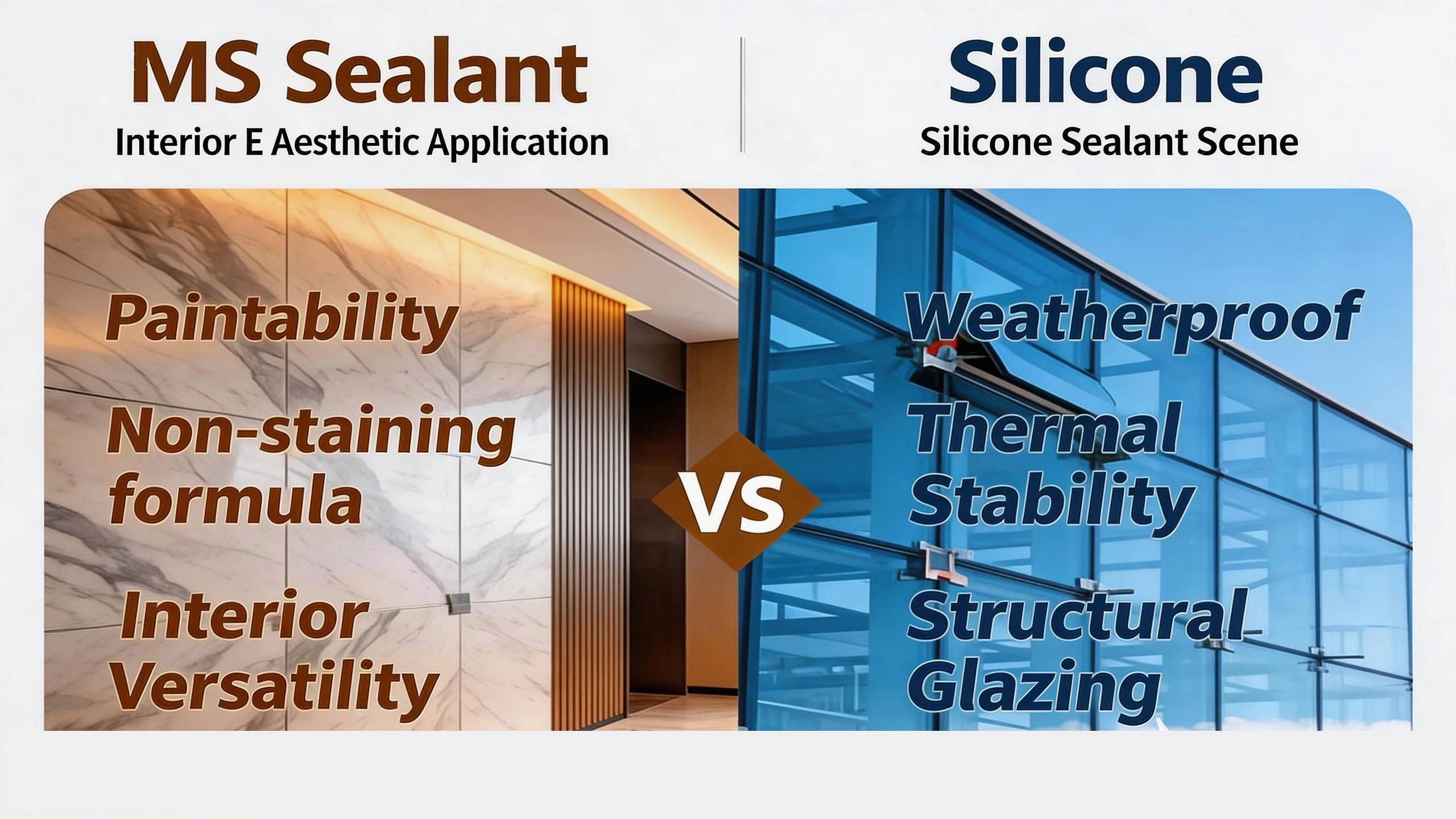
MS Sealant vs. Silicone: Which is Right for Your Construction Project?
HY-2300
Is the sealant suitable for outdoor environments?
Yes. With excellent weatherproofing and anti-aging resistance, it maintains long-term performance under UV, rain, and temperature changes.
Will it corrode metal or cement surfaces?
No. HY-2300 is a neutral curing silicone sealant, ensuring no corrosion to metal and cement substrates.
What is the working temperature for application?
Application environment should be maintained between 4℃–40℃ for optimal performance.
HY924
What is the shelf life?
Aluminum cartridge: 9 months
Aluminum foil sausage: 12 months
Store in a cool, dry place for best shelf performance.
HY922
Can HY922 be used for both sealing and bonding?
Yes. It is suitable for joint sealing, gap filling, and light to medium bonding applications across automotive and construction uses.
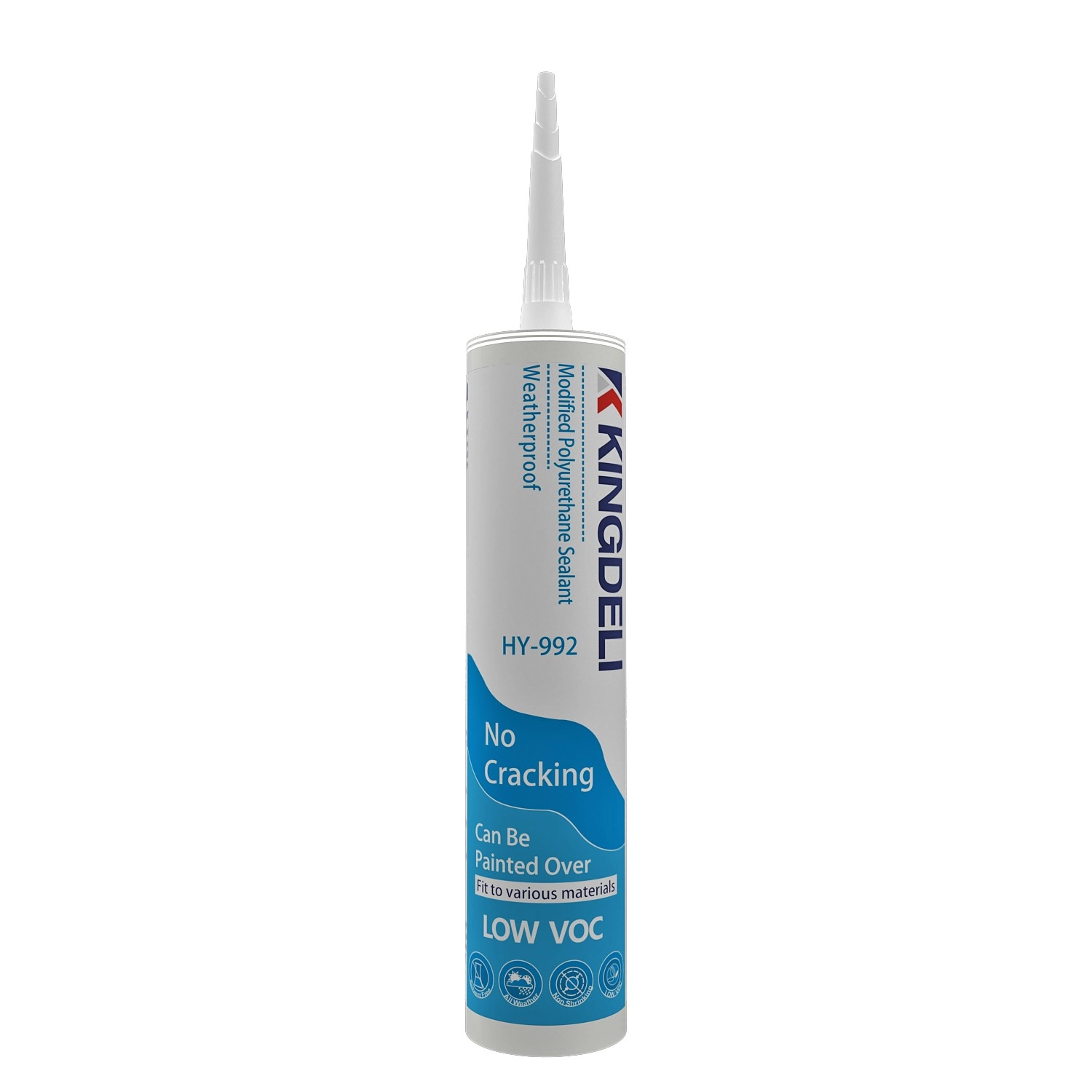
HY992 Modified Polyurethane Construction Sealant
HY992 Modified Polyurethane Sealant is a one-component, moisture-curing construction sealant designed for professional building and structural sealing applications. It provides excellent adhesion, weather resistance, and durable elasticity, making it suitable for a wide range of construction materials.
The formulation delivers strong bonding performance without corrosion or substrate contamination, while maintaining low VOC content for environmentally responsible construction projects.

HY995 Crystal Clear Ms Polymer Adhesive/Sealant
HY995 Crystal Clear Ms Polymer Adhesive/Sealant is a new generation MS Polymer adhesive / sealant formulated for all bonding and sealing applications where long term reliability is required. It has excellent bonding strength on various materials. It will cure to form a durable, flexible, waterproof seal.

HY997 High-Performance Anti-Microbial MS Polymer Sealant
HY997 MS polymer sealant for is is a premium one-component, neutral-curing modified silane sealant engineered for demanding interior applications. It offers a Class 20 movement capability, ensuring long-lasting flexibility and reliable performance under dynamic joint conditions. Curing at room temperature, HY997 delivers superior anti-microbial and mildew-resistant properties, maintaining hygienic and clean environments over time.
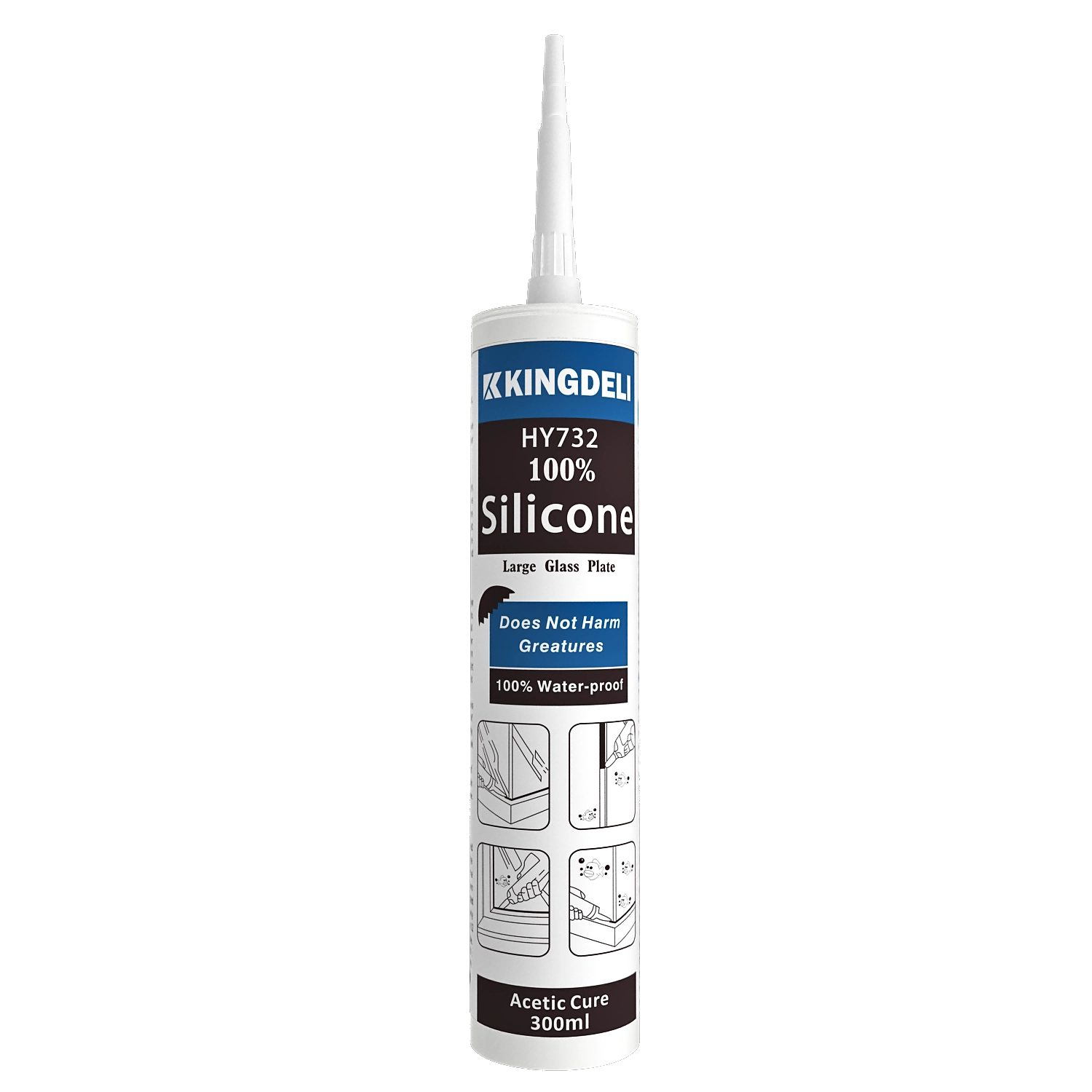
KINGDELI HY732 Professional Acetoxy Cure Silicone Sealant
KINGDELI HY732 is a professional-grade, one-component acetoxy cure silicone sealant designed for fast curing, strong adhesion, and long-lasting flexibility. Ideal for aquariums, glass applications, aluminum doors and windows, kitchens, and bathrooms, it provides reliable sealing performance with excellent anti-fungal protection in high-humidity environments.
Let’s Build Stronger Bonds with Quality Adhesives and Sealants
Have questions about the topic or need tailored sealant solutions for your project?
Our team is ready to provide expert guidance, product recommendations, and application support.
Innovating with Integrity, Bonding the World
Since 1998, KINGDELI has delivered trusted, sustainable sealant solutions that connect industries and inspire progress worldwide.
Whatsapp: +8618825946249
Kingdeli
Kingdeli
Kingdeli
Kingdeli
Kingdeli