











How does ms silicone sealant compare to polyurethane for bonding?
1) Can MS silicone sealant (silane-modified polymer) reliably bond untreated powder-coated aluminum and stainless steel without a primer for exterior façades?
Short answer: Sometimes — but don’t assume primerless adhesion will last without verification. Silane-modified polymers (commonly sold as MS polymer or “MS silicone” in trade listings) are neutral-cure, low-shrinkage, and formulated for wide substrate compatibility including many metals and coated surfaces. They achieve good adhesion to clean, properly profiled powder-coatings and stainless steel because their silane functional groups chemically interact and form durable bonds. That said, the real-world durability depends on three measurable factors:
- Surface energy and contamination: Powder coatings vary widely in surface energy and may have release agents or lubricants from production. Even a visually clean coating can have oils; adhesion tests should follow cleaning with solvent (isopropanol or acetone where safe for the coating) and mechanical abrasion if necessary.
- Coating chemistry: Some fluoropolymer or low-energy polyolefin-type coatings resist primerless adhesion. For those, an adhesion promoter designed for SMP or a manufacturer-recommended primer is necessary.
- Service conditions: Thermal cycling, sustained shear loads (wind loads on façades), and ingress of water/salt accelerate adhesive stress. For dynamic façade joints under cyclical load, specification-grade primers and compatibility tests (peel/shear over accelerated aging per ISO 11346 or ASTM weathering tests) are advisable.
Practical steps: run a 72–168 hour adhesion tape/peel test and accelerated UV/condensation cycle on sample panels before specifying primerless use. If the Technical Data Sheet (TDS) or system approval for the powder-coating confirms “primerless” adhesion, document the test conditions to meet ISO 11600/ASTM C920 expectations for movement and durability. When in doubt on critical façade applications, use a compatible primer per manufacturer guidance.
2) Which performs better long-term on UV-exposed plastics (PVC, polycarbonate) — MS silicone sealant or polyurethane?
Answer: It depends on the plastic and the performance attribute you prioritize (adhesion vs flexibility vs UV stability). MS polymers are designed to be UV-stable, non-yellowing, and provide good adhesion to many plastics without isocyanates. Polyurethane sealants/adhesives often have excellent initial adhesion and toughness but can yellow or degrade under prolonged UV when exposed on clear substrates; some PU formulations also contain isocyanates and plasticizers that migrate and affect adjacent plastics.
Key considerations:
- Plastic type: Polycarbonate has higher surface energy than many polyolefins but can be sensitive to solvents and adhesives that cause crazing. SMP/MS sealants with neutral cure are less likely to induce crazing than solvent-based PUs. Always test on the specific polymer grade.
- UV and color stability: MS polymers are typically formulated with UV-stable backbones and stabilizers — they are often preferred for visible joints where non-yellowing is required. For translucent glazing or color-match aesthetics, MS polymer is usually safer.
- Flexibility and movement: If the joint must accommodate large thermal expansion (e.g., long polycarbonate sheets), silicones generally offer higher movement capability, followed by well-formulated MS polymers. PU can be formulated for flexibility, but compatibility must be checked.
Recommendation: For exterior plastic glazing where UV-exposure and aesthetics matter, prioritize a UV-stable MS polymer certified for use on that plastic or run an accelerated weathering adhesion test (per ASTM G154 or ISO 4892). For mechanically demanding joints where abrasion/impact resistance matters, evaluate high-performance PUs alongside MS polymer options and compare shear/tensile data from TDS sheets.
3) How do cure profiles and moisture sensitivity affect installation speed for MS silicone vs polyurethane in cold and wet conditions?
Understanding cure dynamics is essential for scheduling and quality control. MS polymers are neutral-cure and typically cure by hydrolysis of alkoxy end groups reacting with atmospheric moisture, similar to silicones but without acidic by-products. Polyurethane sealants (moisture-curing PU) also cure with ambient moisture but may rely on different chemistries (isocyanate-based) that can be slower in low-humidity or cold environments.
Practical differences:
- Skin time vs full cure: MS polymers form a skin within minutes to an hour depending on bead size, humidity and temperature; full through-cure can take 1–7 mm/day of cure depth depending on conditions. Polyurethane adhesives often have similar or slightly slower through-cure rates in low-humidity, and some older PU formulations are significantly slowed at low temperatures.
- Low-humidity and cold: Both chemistries slow in cold or very dry air, but MS polymers frequently include catalysts that improve cure at lower temperatures compared to conventional PU. Always consult the TDS for minimum application temperature (many SMPs permit application down to –5 °C to 0 °C with reduced cure rate; some PUs require +5 °C or higher).
- Wet substrates: Neutral-cure MS polymers tolerate slightly damp surfaces better than solvent-based products and are less likely to react adversely with salts or alkaline substrates. Polyurethanes can foam or blister if applied to saturated or water-covered surfaces because moisture influences cure exotherm and gas formation in some systems.
Actionable installer guidance: Monitor ambient temperature and relative humidity during installation; prefer beads that allow sufficient skin time before traffic or water exposure. For fast-track projects in cold/wet climates, select an MS polymer rated for low-temperature cure and validate open time and toolability in project-specific conditions.
4) For secondary structural bonding (wind loads, racking), can MS silicone replace polyurethane adhesives?
Short answer: Not automatically. MS polymers can provide high bond strength and elastic load transfer, but “structural bonding” covers a broad range: static loads, dynamic fatigue, peel vs shear stresses, and safety factors. Polyurethane structural adhesives (and specialized structural silicones and hybrid polymers) have established records for specific load-bearing applications. The correct choice depends on documented mechanical data and qualification tests.
What to evaluate:
- Shear and tensile strength data: Compare property charts from manufacturer TDS (e.g., lap shear strength after defined conditioning—24 h, 7 days, after humidity and thermal cycles). Do not assume one chemistry is stronger; some SMPs match or exceed PUs in shear but differ in modulus and creep.
- Elastic modulus and creep: Low-modulus sealants distribute stress differently than high-modulus adhesives. For joints that must carry sustained loads without creep or relaxation, use a product with proven long-term creep data and bonding approvals.
- Testing and certification: For building envelopes and façades, look for system approvals, wind-load calculations, or DIN/EN/ASTM test reports that demonstrate acceptable performance under cyclic loading and environmental aging.
Recommendation: For critical structural bonding (load-bearing, safety-critical), require manufacturer-supplied structural test data or use a proven structural adhesive system. MS polymers are excellent for secondary structural applications (bonding panels, trims, and dynamic sealing where elasticity and weatherproofing are key) but don’t skip full qualification when replacing a PU adhesive in an engineered application.
5) Will MS silicone stain porous substrates (natural stone, marble, concrete) compared to polyurethane, and how can I prevent shadowing or efflorescence?
Porous substrates risk staining from migration of uncured components or volatile oils. MS polymers are solvent-free and low-VOC, which reduces the risk of oil migration and staining compared to some solvent-containing PUs. However, staining or “shadowing” (discoloration visible through translucent stone) can still occur due to water ingress, salts, or reaction with substrate alkalis.
Mitigation strategies:
- Mock-up and test: Perform a contact-stain test on sacrificial samples of your exact stone or concrete with the selected sealant and allow accelerated conditioning (freeze-thaw, salt spray) as appropriate.
- Use a barrier: Apply appropriate surface sealers or a primer specified for stone to block penetration of both substrate salts and sealant components. Use only primers recommended by the sealant manufacturer to avoid incompatibility.
- Avoid open-cell foams or backer rods that can transfer moisture; use closed-cell polyethylene backer rods and ensure proper joint design to minimize capillary paths.
Conclusion: MS polymers generally present lower staining risk than solvent-heavy PUs, but prevention relies on substrate-specific tests and using compatible primers or barrier coatings where aesthetics are critical.
6) What are best-practice surface preparation, primers, and paint compatibility checks for MS silicone to ensure paintability and long-term adhesion?
MS polymers are often marketed as paintable sealants, but paintability depends on paint chemistry, cure state, and surface contamination. Follow this stepwise procedure to reduce field failures:
- Clean: Remove dust, oils, release agents with a compatible solvent (isopropyl alcohol or manufacturer-recommended cleaner). For porous substrates, ensure surface is dry and free of efflorescence.
- Profile where needed: Light abrasion on smooth, glossy coatings improves mechanical interlock. Avoid aggressive sanding that removes coating adhesion layers.
- Apply primer if indicated: Use primers specified by the sealant maker for low-energy substrates or critical applications. Document primer batch, application method, and drying conditions.
- Allow full or recommended cure before painting: Many paint systems require the sealant to reach a minimum cure (often skin-cured plus tack-free for a number of hours/days depending on depth and environmental conditions). Check both the sealant TDS and paint manufacturer specifications—painting too early can trap solvents or disturb adhesion.
- Perform paint adhesion tests: Tape tests (ASTM D3359) and small-scale adhesion trials with the intended paint and finish under expected environmental conditioning will reveal incompatibilities (blushing, lifting, or poor wetting).
Compatibility notes: Water-based acrylics typically work well over cured MS polymers; solvent-borne coatings can sometimes interact with uncured sealant constituents. For critical color and gloss matches use a small trial panel and allow full artificial weathering where necessary.
Standards & Verification: Always align specifications with recognized standards (e.g., ISO 11600 for classification of sealants, ASTM C920 for performance of elastomeric sealants, and project-specific durability requirements). Require manufacturer TDS, Safety Data Sheet (SDS), and documented adhesion test results for the exact substrates and paint/coating system used.
Final summary — Why choose MS silicone (MS polymer) for bonding: MS polymers combine neutral-cure, low-VOC chemistry with broad substrate adhesion, good UV stability and paintability, and often primerless adhesion on many common building materials. They reduce corrosion risk on metals (no acidic cure by-products), have low odor during installation, and are suited to façade joints, glazing trims, and mixed-material assemblies where aesthetic stability and weatherproofing are important. For heavy structural bonding or applications with extreme mechanical demands, validate against manufacturer structural data or consider structural adhesives designed for the load.
For project quotes, technical data, or sample testing, contact us for a tailored recommendation and formal quotation: www.kingdelisealant.com — info@kingdeliadhesive.com.
The Future of Sealants: 5 Emerging Trends in Wholesale Neutral Silicone Sealant Technology for 2026
MS Sealant vs. Silicone: Which is Right for Your Construction Project?
The Ultimate Guide to Choosing a Silicone Sealant Manufacturer in 2026: 10 Critical Factors Often Overlooked
Industrial Applications of Acetic Silicone Sealant: Beyond Basic Glass Sealing
Distributor Partnership
Can I get free samples?
Yes. We provide free samples for testing; shipping cost may be negotiated based on the region.
HY924
How should surfaces be prepared?
Ensure surfaces are clean, dry, and free from dust, oil, and contaminants. Clean with appropriate solvent if needed.
HY992
What colors are available?
Standard colors include:
-
Black
-
Grey
-
White
Custom colors can also be produced according to customer requirements.
HY939A
What substrates does this sealant adhere to?
It provides excellent adhesion to a wide range of materials, including glass, metal, aluminum, gypsum board, marble, and certain engineering plastics, without causing corrosion.
HY-951
What are the main advantages of HY951 compared to cement or water-based grout?
HY951 offers excellent waterproofing, mildew resistance, anti-yellowing properties, and strong chemical resistance. After curing, it forms a dense, smooth surface that is easy to clean and maintains its appearance over time.
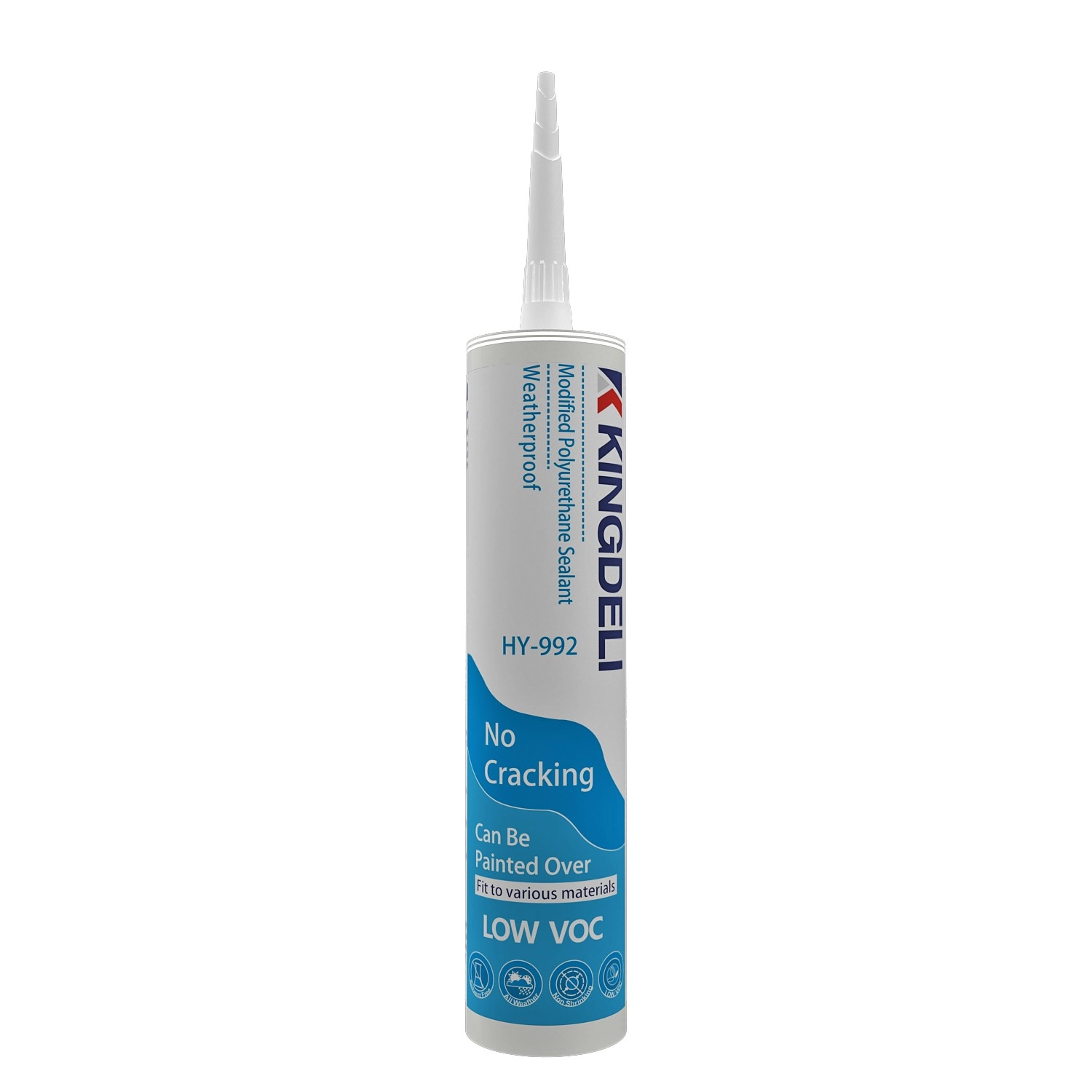
HY992 Modified Polyurethane Construction Sealant
HY992 Modified Polyurethane Sealant is a one-component, moisture-curing construction sealant designed for professional building and structural sealing applications. It provides excellent adhesion, weather resistance, and durable elasticity, making it suitable for a wide range of construction materials.
The formulation delivers strong bonding performance without corrosion or substrate contamination, while maintaining low VOC content for environmentally responsible construction projects.

HY995 Crystal Clear Ms Polymer Adhesive/Sealant
HY995 Crystal Clear Ms Polymer Adhesive/Sealant is a new generation MS Polymer adhesive / sealant formulated for all bonding and sealing applications where long term reliability is required. It has excellent bonding strength on various materials. It will cure to form a durable, flexible, waterproof seal.

HY997 High-Performance Anti-Microbial MS Polymer Sealant
HY997 MS polymer sealant for is is a premium one-component, neutral-curing modified silane sealant engineered for demanding interior applications. It offers a Class 20 movement capability, ensuring long-lasting flexibility and reliable performance under dynamic joint conditions. Curing at room temperature, HY997 delivers superior anti-microbial and mildew-resistant properties, maintaining hygienic and clean environments over time.
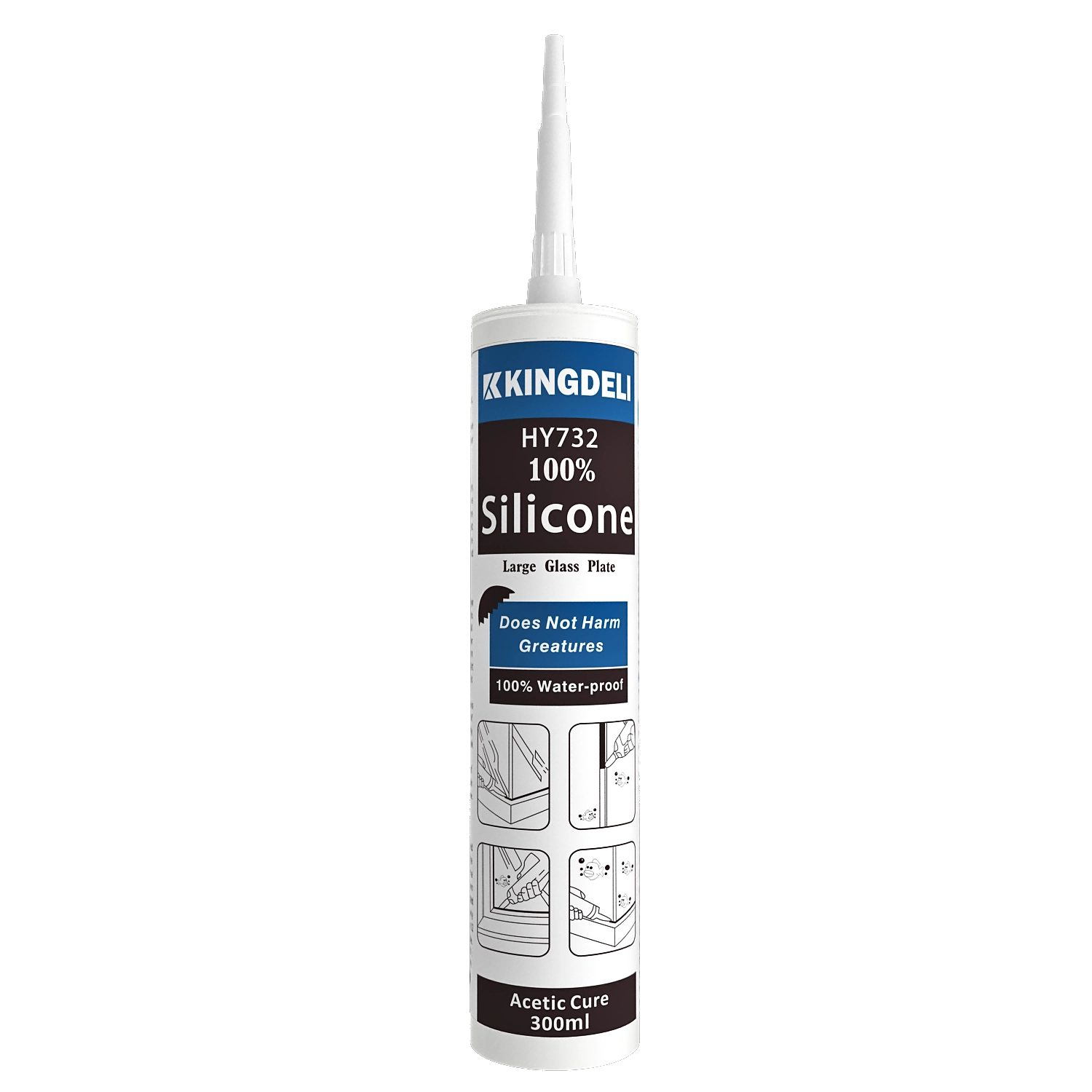
KINGDELI HY732 Professional Acetoxy Cure Silicone Sealant
KINGDELI HY732 is a professional-grade, one-component acetoxy cure silicone sealant designed for fast curing, strong adhesion, and long-lasting flexibility. Ideal for aquariums, glass applications, aluminum doors and windows, kitchens, and bathrooms, it provides reliable sealing performance with excellent anti-fungal protection in high-humidity environments.
Let’s Build Stronger Bonds with Quality Adhesives and Sealants
Have questions about the topic or need tailored sealant solutions for your project?
Our team is ready to provide expert guidance, product recommendations, and application support.
Innovating with Integrity, Bonding the World
Since 1998, KINGDELI has delivered trusted, sustainable sealant solutions that connect industries and inspire progress worldwide.
Whatsapp: +8618825946249
Kingdeli
Kingdeli
Kingdeli
Kingdeli
Kingdeli