











What surface prep is required before ms silicone sealant application?
How do I prep oily or contaminated aluminium so MS silicone sealant won’t delaminate after weathering?
Why it matters: aluminium surfaces used in façades, window frames and cladding are frequently contaminated with machining oils, lubricants, silicone release agents or atmospheric deposits. Residual oil is the single most common cause of adhesion failure of neutral-cure MS polymer (often marketed as MS silicone or hybrid silicone) sealants.
Step-by-step prep (professional workflow):
- 1) Mechanical removal: Remove surface oil and heavy contamination by detergent wash and a tack rag. For stubborn residues, use a low-aggression abrasive (non-woven or P180–P320 grit) to open the surface slightly; this also removes release agents from anodised or factory-coated areas.
- 2) Solvent wipe: Wipe thoroughly with high-purity isopropyl alcohol (IPA) or an approved solvent wipe (per sealant TDS). Use fresh lint-free cloths and change frequently. Wipe until no visible soil is transferred.
- 3) Clean edges and joints: Use a nylon brush or plastic scraper for chips, then repeat solvent wipe. Avoid feathered edges—reintroduce a clean edge for the sealant to bite into.
- 4) Dry & inspect: Ensure the surface is fully dry. Perform a simple tape test (apply tape, pull sharply): if the tape pulls contamination, repeat cleaning.
- 5) Prime when required: If the aluminium has been anodised, chromated, or powder-coated, follow the manufacturer’s primer recommendations (see next Q). When in doubt, run an adhesion test (lap shear or peel) using the specified primer and sealant.
Verification: Always perform a small adhesion test in the same environment the installation will experience (including UV, humidity) and re-check after 72 hours. Document the batch, primer, substrate code and cure conditions for warranty traceability.
Which primer is recommended for powder-coated or baked enamel finishes before applying MS silicone sealant — and how should I test it?
Problem: Powder coatings and baked enamels can be chemically incompatible or have low surface energy depending on their resin system and curing. Visual cleanliness alone is not sufficient; some powder coatings transfer oils or have release agents that hamper adhesion.
Guidance:
- Choose a primer specified by the MS sealant manufacturer. Suitable primers for powder-coated metal are typically organo-functional silane primers or proprietary adhesion promoters formulated for painted/coated surfaces. Avoid general-purpose solvent primers that can soften the coating.
- Preparation: Clean the coating with IPA, abrade lightly (non-woven abrasive or fine sandpaper P180–P240), then solvent wipe again. Allow full flash-off time for solvents before priming.
- Application: Apply primer thinly and evenly as per the primer TDS. Most primers need 10–30 minutes tack-up time before sealant application, but this varies — always follow the product instructions.
- Testing protocol: Conduct a sectional adhesion test — apply a defined bead of sealant (50 mm long), allow full cure per TDS, then perform a 90° peel test or lap shear. Age samples at elevated humidity and temperature (e.g., 7 days at 23°C/50% RH and 7 days in cyclic humidity/UV if possible) to simulate weathering. Pass/fail criteria should follow the project specification or ASTM C1135-style peel test limits.
If the seal fails at the coating interface rather than cohesive failure within the sealant, the primer or coating system is incompatible — contact the coating supplier and the sealant manufacturer for a recommended primer or a different coating system.
How can I ensure complete cure and structural integrity in deep joints (>12 mm) when using MS silicone sealant?
Deep joints present two main risks: incomplete cure in the center (since MS polymers are moisture-curing and cure from the surface inward) and excessive heat/solvent entrapment (if not solvent-free). Follow these best practices:
- Design: Maintain an appropriate width-to-depth ratio. For most hybrid/MS sealants a 2:1 width-to-depth ratio is recommended (depth = width/2), with typical maximum depths between 8–12 mm for single-pass applications. For joints deeper than 12 mm, use a layered application or select a product explicitly rated for deep fill.
- Use closed-cell backer rod: Insert an elastomeric closed-cell polyethylene backer rod sized to provide the correct joint depth and prevent three-sided adhesion. The backer rod also limits air exposure to the underside, controlling cure geometry.
- Apply in passes: For deep joints, apply the sealant in 8–12 mm passes allowing each layer to develop an outer skin before applying the next. This accelerates moisture diffusion and reduces trapped volatiles.
- Product selection: Choose an MS polymer adhesive with a documented cure rate and high humidity tolerance. Typical cure rates are in the order of 2–4 mm per 24 hours at 23°C/50% RH for many hybrids — but this varies widely. For structural or deep-fill uses, select a product labelled deep fill or consult the technical data sheet (TDS).
- Control environment: Higher relative humidity and warmer temperatures accelerate cure. For large, critical joints consider raising ambient humidity temporarily (humidification) or avoid application in very dry conditions that slow cure.
- Verification: Measure hardness or perform a knife-test and document full cure time on mock-ups. For structural joints, perform destructive testing (tensile/lap shear) on mock-ups before approving the installation.
Can I bond low-energy plastics (PP, PE, TPO) with MS silicone sealant without mechanical fasteners — and what surface treatments are effective?
Short answer: Bonding low-energy polyolefins is challenging because they lack polar groups for chemical bonding. Untreated polypropylene (PP) and polyethylene (PE) will usually not accept an MS polymer sealant reliably unless the surface is treated or a dedicated primer is used.
Options and steps:
- Surface treatment: Flame treatment, corona discharge, or plasma increases surface energy temporarily and often permits primerless adhesion for a limited time window (minutes to hours). This is commonly used in manufacturing rather than field repair.
- Primers: Use a manufacturer-recommended polyolefin primer (sometimes called a chlorinated polyolefin primer or special coupling agent). Apply primer per TDS and allow correct flash-off times.
- Mechanical interlock: Where primer or treatment is impractical, provide mechanical anchorage (rivets, screws, or a keyed groove) in addition to sealant to ensure long-term joint performance.
- Product selection: Some MS hybrid adhesives are formulated with improved adhesion to low-energy plastics when used with the correct primer. Ask for manufacturer test data on the specific polymer grade in your project (PP copolymer, PE-HD vs PE-LD, TPO roofing membranes, etc.).
- Testing: Perform peel and ageing tests (UV, heat, ponding water) on real parts. Adhesion on a lab coupon does not always translate to complex molded geometries — test the final part geometry under expected service conditions.
What concrete surface profile (CSP / roughness) and preparation are needed for reliable adhesion of MS silicone sealant?
Concrete variability is a frequent source of failures. The objective is to remove laitance, loose particles, curing agents and surface contaminants while providing a consistent surface profile the sealant can bond to.
Recommended approach:
- Remove laitance and weak surface: Use mechanical methods (shotblast, grit blast, or diamond grinding) rather than acid washing. The ICRI concrete surface profile (CSP) system is a useful reference — aim for CSP 3–5 for most sealant bonding applications (medium texture). This provides a good balance between mechanical interlock and avoiding excessive porosity.
- Cleaning: After mechanical profile is achieved, clean thoroughly (vacuum, compressed air, solvent wipe with IPA) and remove dust and residues. Do not use detergents that leave residues unless rinsed with deionized water and fully dried.
- Priming porous concrete: For very porous or contaminated concrete, apply a sealer/primer specified by the MS sealant manufacturer. Some MS polymers bond well to properly prepared concrete without primer; others require a silane or siloxane primer to reduce outgassing and improve adhesion.
- Moisture: Measure substrate moisture (CM meter or relative humidity probes). High internal moisture (above manufacturer limits) can cause bubbling or reduced adhesion. Wait for moisture content to be within the sealant’s allowable range or use a primer designed for damp substrates.
- Depth control: For joints in concrete control the depth with closed-cell backer rods and ensure the sealant does not adhere to the bottom surface (use bond-breaker tape for shallow joints).
Verification: Prepare mock-ups and subject them to accelerated ageing (freeze/thaw, salt spray, UV and humidity) and adhesive performance testing per project standards or ISO/ASTM equivalents.
How do I prevent staining or bleed-through on porous natural stone when applying MS silicone sealant?
Problem: Many stones (limestone, travertine, some sandstones) are sensitive to oil- and solvent-based products that can cause dark spots or long-term discoloration. Solvent migration from some sealants, primers or cleaning agents can stain stone.
Control measures:
- Use non-staining formulations: Choose neutral-cure, solvent-free MS polymer sealants explicitly labelled non-staining for natural stone. Check manufacturer test reports on the stone type.
- Pre-seal the stone: Apply a compatible impregnating sealer to the stone surface (penetrating stone sealer) and allow full cure per the sealer manufacturer before sealing joints. This reduces the risk of bleed-through but requires compatibility checks—some impregnators change surface energy and adhesion.
- Isolation tape: Apply petroleum-free masking tape precisely at the planned joint edges to protect adjacent stone during tooling. Remove tape immediately after tooling to prevent adhesion to tape adhesive.
- Mock-up testing: On a sacrificial stone sample, perform an accelerated staining test: apply the chosen sealant/primer, age with moisture and heat cycles, then inspect for staining and colour change. This is mandatory for high-value stonework.
- Application technique: Avoid over-application and tooling that forces sealant into stone pores. Use a backer rod sized to prevent excessive depth, and tool with a smooth motion using clean tooling solution recommended by the sealant maker (often water or mild soapy solution rather than solvent-based agents).
If staining is detected in testing, consult both the sealant and stone supplier. In some cases, a different sealant chemistry (e.g., specialized non-staining silicone or polyurethane with compatible primer) or a different stone sealer will be required.
Concluding summary — advantages of MS silicone (MS polymer hybrid) sealants:
MS polymer hybrid sealants combine the weather resistance and elasticity of silicone with improved paintability and adhesion of polymeric systems. Typical advantages include neutral (non-acid) cure chemistry that is non-corrosive to metals, low odor, low shrinkage, primerless adhesion to many substrates, UV and weather resistance, and good paintability with many architectural coatings. Performance metrics vary by formulation (typical elongation at break commonly >200% and tensile strength often in the 1–5 MPa range); always confirm exact Shore A hardness, cure rate and service temperature from the product technical data sheet and independent test reports (ASTM/ISO standards such as ASTM C920 and ISO 11600 provide classification frameworks).
For project-specific recommendations, mock-up testing and certified adhesive pull/peel data, contact us for a quote or technical support. Visit www.kingdelisealant.com or email info@kingdeliadhesive.com.
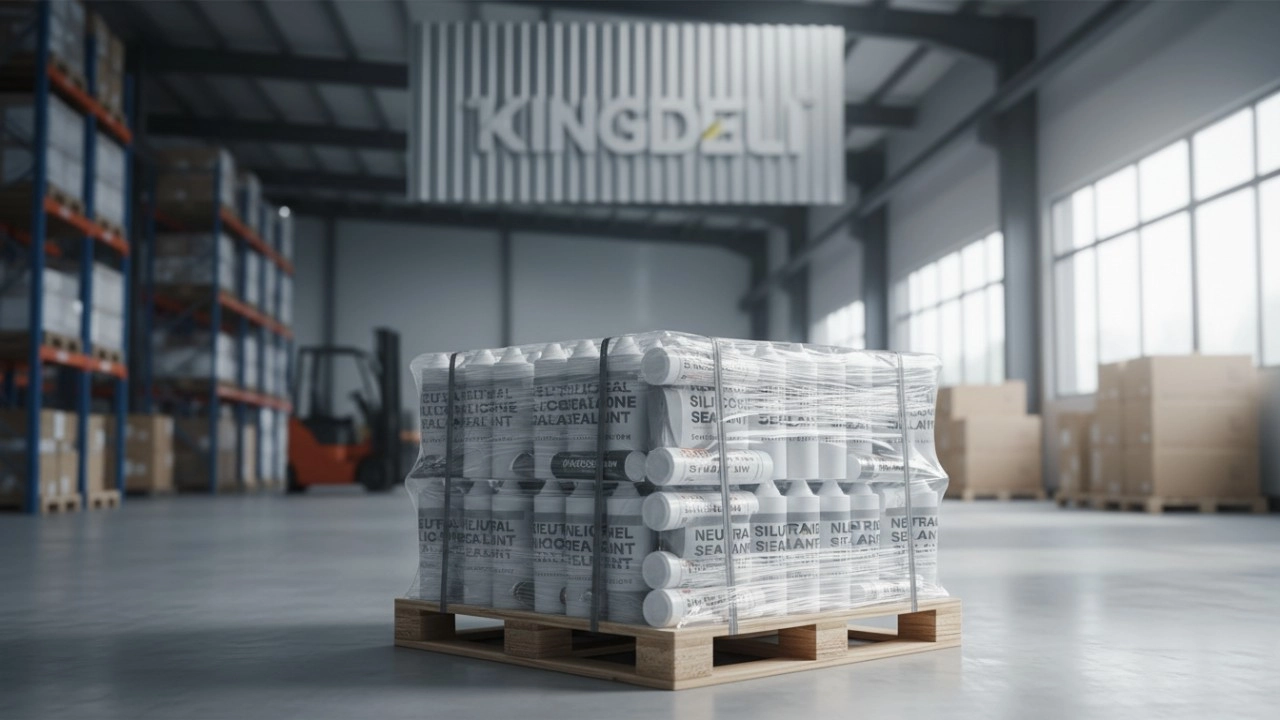
The Future of Sealants: 5 Emerging Trends in Wholesale Neutral Silicone Sealant Technology for 2026
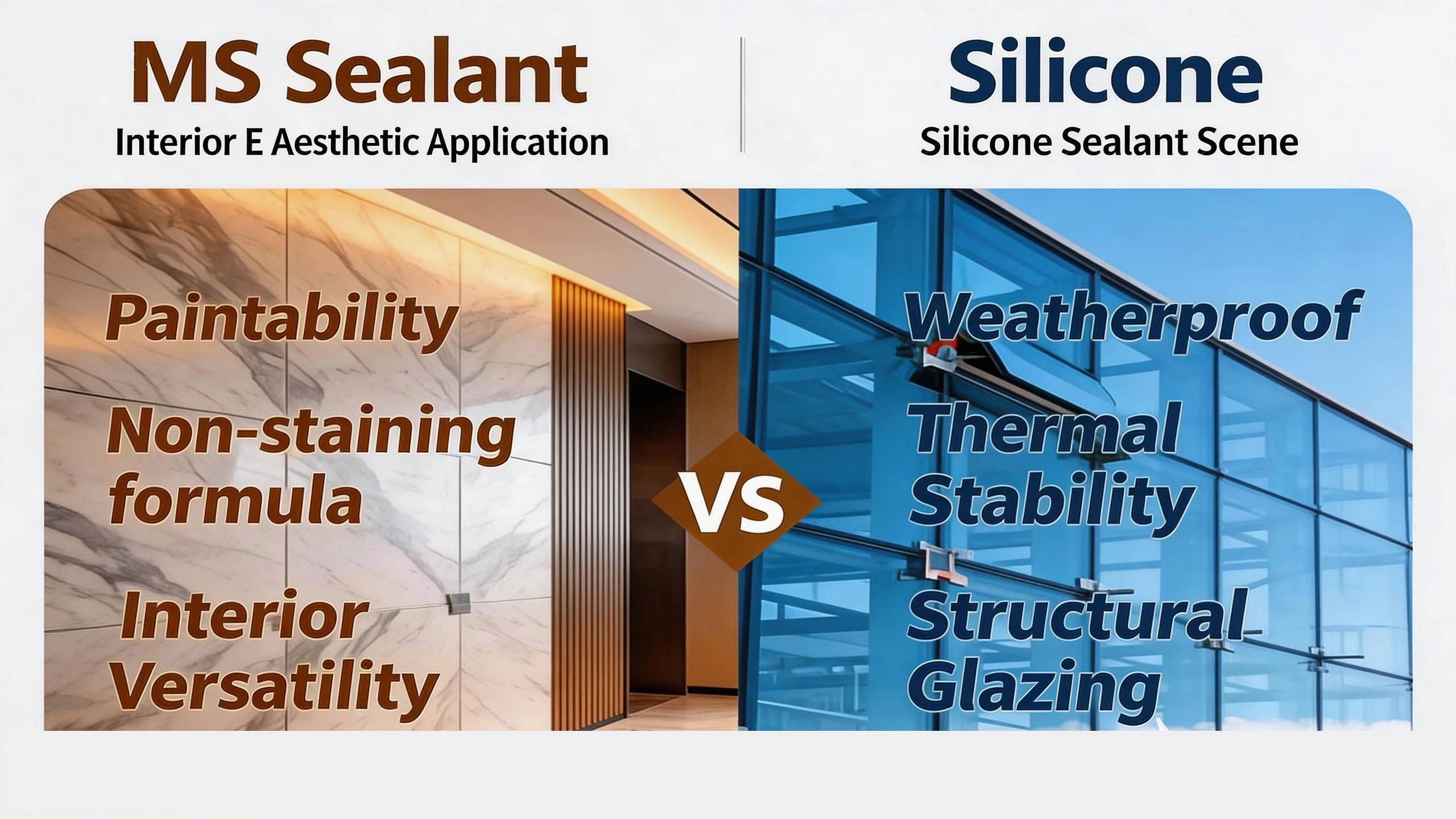
MS Sealant vs. Silicone: Which is Right for Your Construction Project?
The Ultimate Guide to Choosing a Silicone Sealant Manufacturer in 2026: 10 Critical Factors Often Overlooked
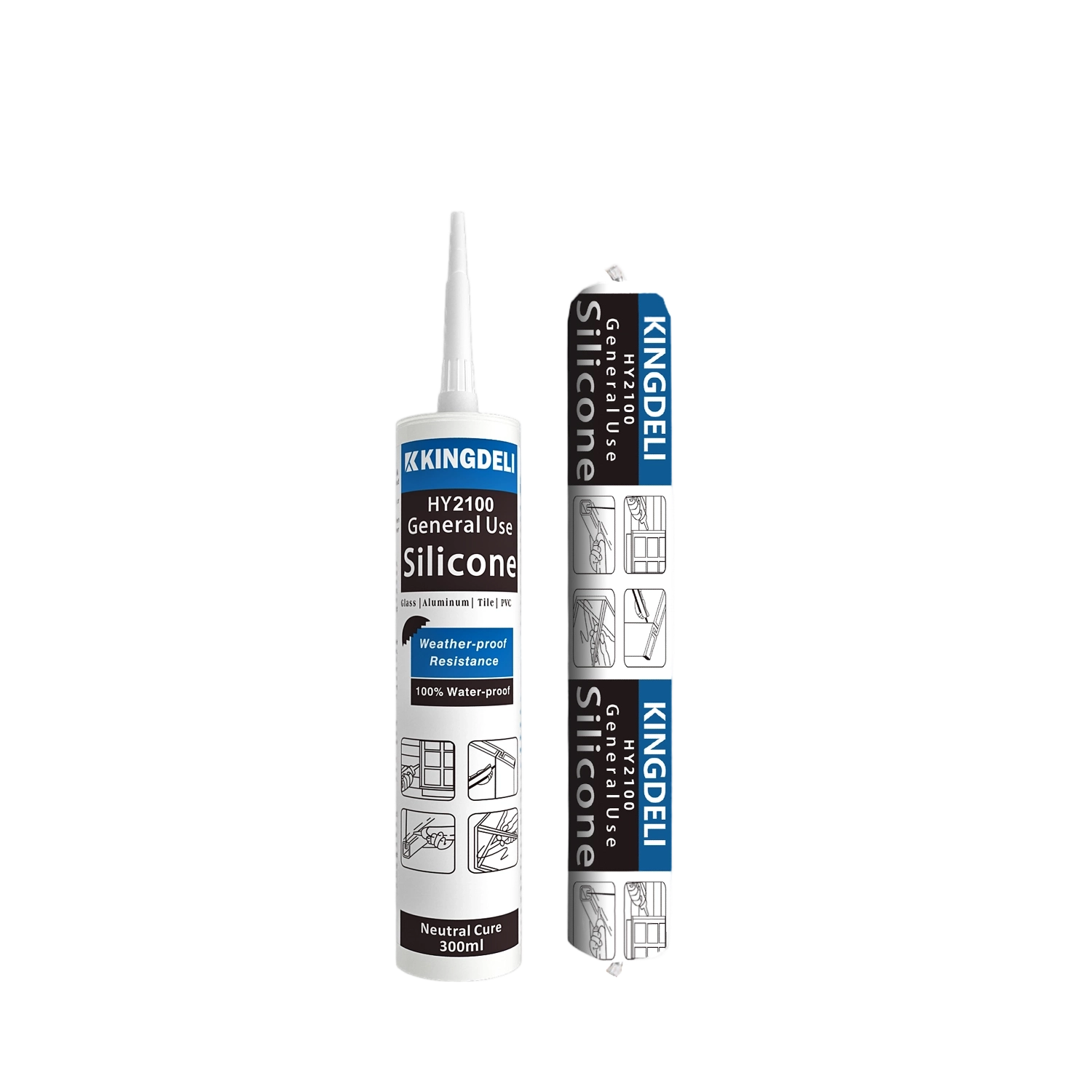
Industrial Applications of Acetic Silicone Sealant: Beyond Basic Glass Sealing
HY-2300
What is the product standard?
HY-2300 meets JC/T882-2018, grade 125HM performance test standard.
HY992
Is HY992 environmentally friendly?
Yes. HY992 is formulated with low VOC content, making it safer for users and more environmentally responsible compared with traditional high-solvent sealants.
HY982
What substrates should not be used with HY982?
HY982 should not be used on substrates that release oils, plasticizers, or solvents (such as oiled wood), on powdery wall surfaces, or for structural bonding applications.
HY922
Can HY922 be used for both sealing and bonding?
Yes. It is suitable for joint sealing, gap filling, and light to medium bonding applications across automotive and construction uses.
HY994
Are there substrates where HY994 is not recommended?
Yes. Do not use HY994 on materials that release oils, plasticizers, or solvents (e.g., oil-treated wood, certain rubber materials).
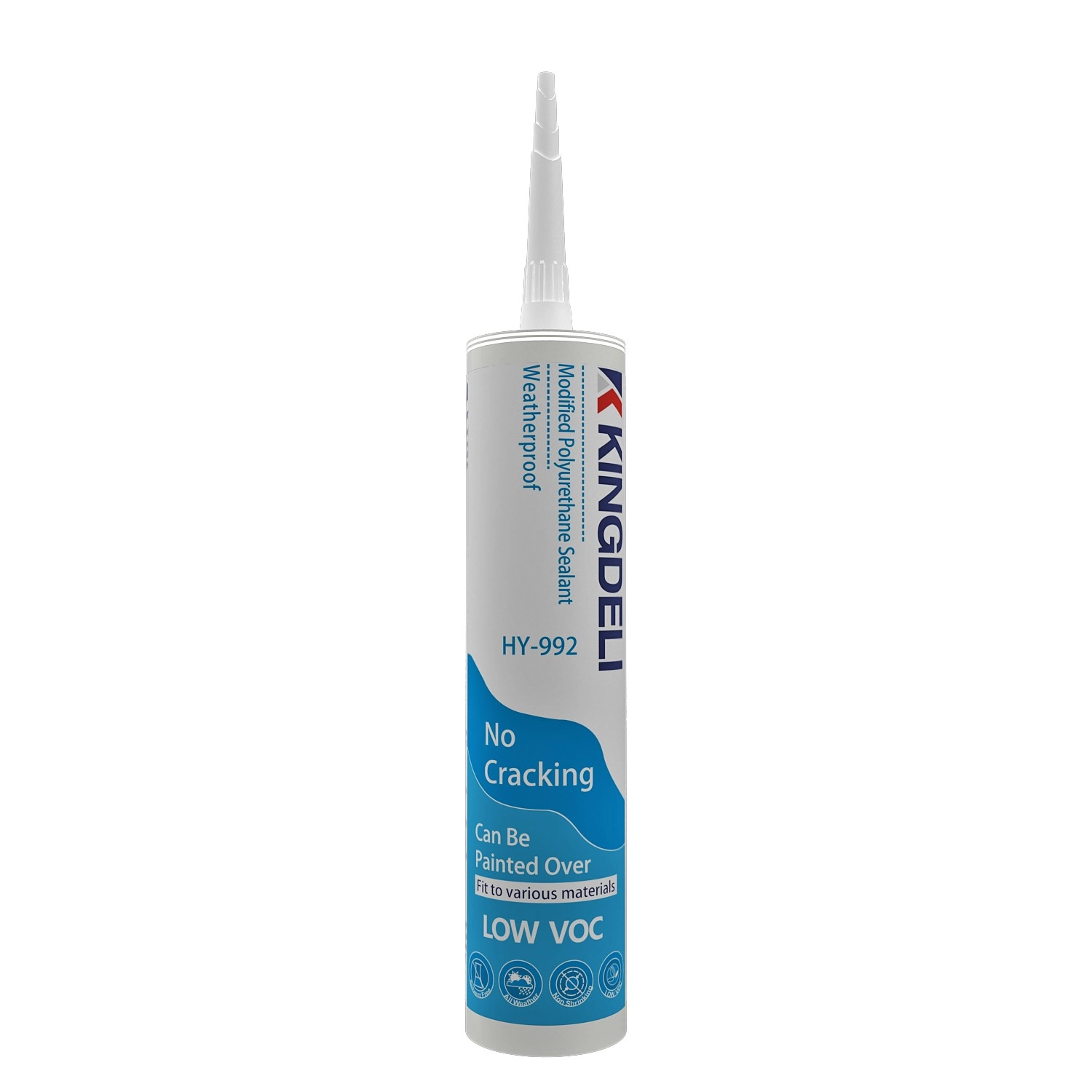
HY992 Modified Polyurethane Construction Sealant
HY992 Modified Polyurethane Sealant is a one-component, moisture-curing construction sealant designed for professional building and structural sealing applications. It provides excellent adhesion, weather resistance, and durable elasticity, making it suitable for a wide range of construction materials.
The formulation delivers strong bonding performance without corrosion or substrate contamination, while maintaining low VOC content for environmentally responsible construction projects.

HY995 Crystal Clear Ms Polymer Adhesive/Sealant
HY995 Crystal Clear Ms Polymer Adhesive/Sealant is a new generation MS Polymer adhesive / sealant formulated for all bonding and sealing applications where long term reliability is required. It has excellent bonding strength on various materials. It will cure to form a durable, flexible, waterproof seal.

HY997 High-Performance Anti-Microbial MS Polymer Sealant
HY997 MS polymer sealant for is is a premium one-component, neutral-curing modified silane sealant engineered for demanding interior applications. It offers a Class 20 movement capability, ensuring long-lasting flexibility and reliable performance under dynamic joint conditions. Curing at room temperature, HY997 delivers superior anti-microbial and mildew-resistant properties, maintaining hygienic and clean environments over time.
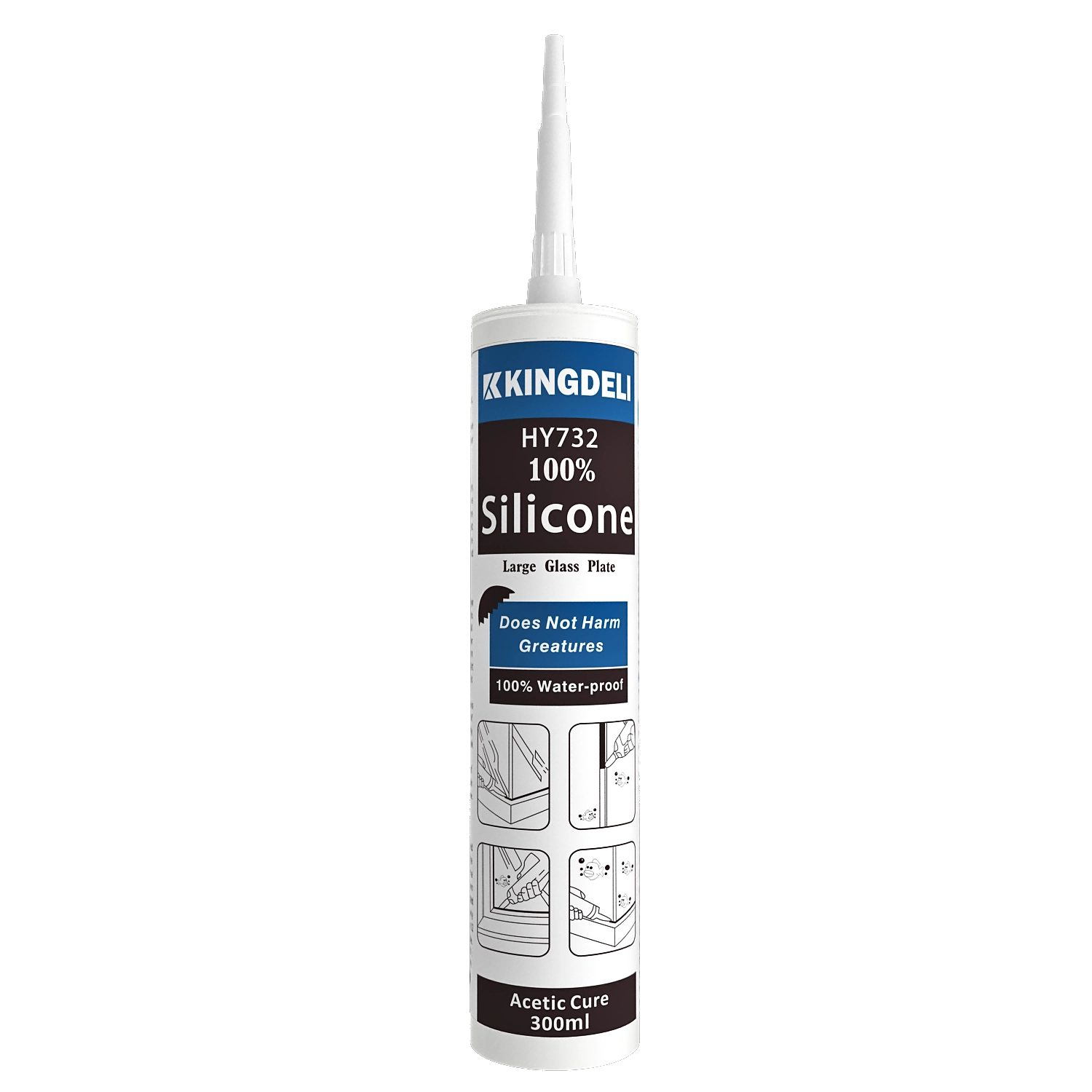
KINGDELI HY732 Professional Acetoxy Cure Silicone Sealant
KINGDELI HY732 is a professional-grade, one-component acetoxy cure silicone sealant designed for fast curing, strong adhesion, and long-lasting flexibility. Ideal for aquariums, glass applications, aluminum doors and windows, kitchens, and bathrooms, it provides reliable sealing performance with excellent anti-fungal protection in high-humidity environments.
Let’s Build Stronger Bonds with Quality Adhesives and Sealants
Have questions about the topic or need tailored sealant solutions for your project?
Our team is ready to provide expert guidance, product recommendations, and application support.
Innovating with Integrity, Bonding the World
Since 1998, KINGDELI has delivered trusted, sustainable sealant solutions that connect industries and inspire progress worldwide.
Whatsapp: +8618825946249
Kingdeli
Kingdeli
Kingdeli
Kingdeli
Kingdeli