











Best storage practices for ms silicone sealant?
MS silicone sealant (also called MS polymer or silane-modified polymer sealant) is widely used because it combines the flexibility of silicone with paintability and strong adhesion. Beginners — especially purchasing managers, site supervisors, and installers — frequently struggle with storage and handling problems that lead to cure failures, poor adhesion, or wasted product. Below are six specific, technical questions that often lack clear, actionable answers online, followed by practical, evidence-based solutions drawn from manufacturer technical data sheets (TDS), industry practice, and safety data sheet (SDS) guidance.
1. How should I rotate and manage multiple batches of MS silicone sealant on-site to prevent failed cures and adhesive rejects?
Problem: At busy sites you can have several lots of MS polymer sealant with different manufacture dates and variable storage histories. Mixing batches or using older material without verification increases the risk of partial cure, inconsistent mechanical properties, and warranty rejections.
Actionable process:
- Implement strict FIFO (first-in, first-out) by clearly labeling each cartridge/sausage with manufacture date and batch/lot number on receipt. Most manufacturers print a lot code and production date—record this in your purchase log.
- Segregate batches: store new deliveries behind older stock on shelving so older product is consumed first. Use color-coded tags or visible tape to separate lots that require special attention (e.g., near-expiry).
- Maintain a temperature log for storage zones. MS polymer cure and shelf stability are temperature-sensitive; uncontrolled temperature swings can accelerate skin formation inside cartridges or increase viscosity over time.
- Before use, perform a quick on-site verification (see Q4): extrude a small bead, check tack-free time, and confirm the bead cures to expected hardness within manufacturer-specified windows. If a batch shows slowed cure, quarantine and contact your supplier with lot number and storage history.
- Record consumption and remaining stock quantities daily for large projects to flag slow-moving batches approaching shelf life.
Why this matters: Proper batch control reduces rejects, protects warranties, and makes traceability possible if performance issues arise.
2. Can MS silicone sealant freeze during winter transport and will it regain full properties after thawing?
Problem: Cold-climate procurement teams often ship cartridges/sausages in winter. Questions arise whether a product that experienced sub-freezing temperatures is still usable.
What the chemistry says: MS polymers are moisture-curing, silane-terminated products (also called SMP). Freezing does not generally lead to phase separation the way waterborne products do, but low temperatures can increase viscosity, slow pre-cure reactions in packaging, and, in some formulations, can alter polymer chain orientation. Many manufacturers advise storage above a minimum temperature (commonly 5 °C) to preserve properties.
Practical guidance:
- Avoid freezing during transport where possible. Insulate pallets, use heated vans, or ship with cold-pack strategies only if recommended by the supplier.
- If product is exposed to freezing, do not immediately apply. Allow material to equilibrate to recommended ambient temperature (typically 15–25 °C) for 24–48 hours before testing.
- Perform on-site tests after thaw: extrude, observe viscosity, tack-free time, and full cure hardness per the TDS. If you see increased tackiness, extended cure, or uneven cure through-section, reject the batch.
- Document and report frozen-transit events to supplier—often, manufacturers will recommend batch testing or replacement under warranty if damage is suspected.
Bottom line: Freezing can be recoverable, but do not assume full recovery—test before use and insist on supplier support if performance is suspect.
3. What is the correct way to reseal partially used cartridges or sausage packs for MS silicone sealant to prolong shelf life without contamination?
Problem: Job sites often have partially used cartridges or sausages. Improper resealing introduces moisture, dust, or skin formation that ruins remaining product.
Best-practice resealing steps:
- Use original caps and plugs whenever possible. Manufacturers supply plastic end caps—replace them immediately after each use.
- For cartridges: after use, clean the nozzle/threads, insert the supplied plastic pin or cap, and store cartridges upright (nozzle up) to minimize skin formation at the tip.
- For sausages: crimp the end tightly, use a silicone-compatible clamp or pinch tool, then wrap the crimp with heavy-duty aluminum foil and place the sausage in an airtight double-bag (polyethylene). Store flat to avoid extruding cured tail material into the remaining sealant.
- Consider short-term nitrogen blanketing only in production or bulk drum environments—not practical for cartridges on site. For drums, manufacturers sometimes offer inert-gas options to extend open drum life.
- For cartridges that will be stored more than 48–72 hours, move them to refrigerated storage within recommended limits (check your TDS—commonly 5–25 °C). Refrigeration slows skin formation but avoid freezing.
- Never attempt to dilute or top-up old product with new; mixing batches can hide contamination and change cure profiles.
Removal of cured skin: carefully cut away cured sections before use; do not force cured material back into the cartridge as it will disrupt nozzle flow and cure patterns.
4. How can I verify on-site that an MS silicone sealant batch will cure properly before committing to large-area application?
Problem: Large-area failures are costly. Beginners need quick, reliable on-site checks to confirm cure performance under current site conditions.
Simple, reliable on-site verification protocol (10–30 minute preliminary, full check over 24–72 hours):
- Check labels: verify manufacture date, lot code, and TDS for recommended storage temperature and nominal tack-free/skin-over and full-cure times.
- Extrusion test: extrude a continuous 6–10 mm bead onto the substrate intended for use (cleaned per TDS). Record ambient temperature and relative humidity—MS polymers are moisture-curing, so low RH slows cure.
- Tack-free observation: note the tack-free time. Compare to TDS typical values (often 10–30 minutes at 23 °C/50% RH for skim depth; thicker beads will take longer).
- Depth of cure check: after 24 hours inspect cross-section. For a 5–10 mm cross-section, you should see a cured outer shell and advancing cure front consistent with TDS cure rate (commonly 2–4 mm/day depending on humidity and temperature).
- Adhesion test: perform a small peel/delamination check in a non-critical area after full cure time specified for that thickness (per TDS). If adhesion is poor, check substrate prep and primer compatibility before blaming the sealant.
- Document and photograph results with batch/lot number. If anything is atypical, quarantine remaining stock and contact supplier with test data.
These checks allow you to validate cure kinetics quickly and avoid retroactive remedial work.
5. What are safe long-term storage conditions for bulk drums (100–200 kg) of MS silicone sealant in a warehouse with variable seasonal temperatures?
Problem: Large projects often buy in bulk. Warehouses with seasonal swings (hot summers, cold winters) risk exposing drums to thermal cycling that accelerates degradation, skin formation inside the drum, or settlement.
Recommended storage strategy for drums:
- Temperature band: keep drums within a controlled band, typically 5–25 °C, and avoid prolonged exposure above 30 °C. Excess heat speeds chemical changes and may shorten shelf life. Avoid freezing.
- Placement: store drums indoors, off the concrete slab (use pallets), away from direct sunlight and heating vents. Keep lids tightly sealed and place bungs upright to minimize ingress of moisture into the headspace.
- Rotation and stock control: mark drums with arrival date and batch numbers. Use oldest drums first and maintain inventory records. For long-term storage beyond 6 months, perform periodic sample checks.
- Thermal insulation: if you cannot climate control the entire warehouse, isolate sealant storage in a smaller insulated room or use insulated covers for palletized drums to reduce daytime thermal swings.
- Moisture control: although MS polymers cure by moisture, ambient RH inside unopened drums should be low—avoid storage near steam lines or open water. High moisture environments can lead to partial skinning in damaged containers.
- When opening: avoid contaminating the bulk with water or reactive materials. Use drum pumps or dispensing gear designed for neutral-cure sealants. After each use, reseal bungs promptly and purge with dry air if drum will remain open for extended periods (only per supplier guidance).
Following these practices reduces product loss, contamination, and the risk of rejected large-batch material at time of application.
6. How should I store and handle primers and activators alongside MS silicone sealant to avoid cross-contamination and cure failures?
Problem: Primer and activator misuse (or storage beside bulk sealant without controls) leads to contamination, off-gassing, or premature curing in packaging.
Safe storage and handling recommendations:
- Separate storage: keep primers and activators in a dedicated cabinet separate from bulk sealants. Primers often contain solvents and can volatilize; vapors may alter sealant surface chemistry if stored together in confined spaces.
- Original containers: retain primers and activators in their original, tightly-closed containers with labels intact. Note that primers often have shorter shelf lives and are more sensitive to temperature.
- Temperature and flammability: many primers are flammable liquids. Store per the SDS—cool, ventilated area, away from ignition sources, and with spill containment. Follow local regulations for flammable storage.
- Cross-contamination prevention: use dedicated applicators (brushes, wipes) for primers and discard single-use applicators after use. Do not return used applicators to primer containers.
- On-site mixing: if activators must be applied, follow manufacturer application sequences exactly—incorrect ratios or overlapping application areas can inhibit proper cure across joints.
- Recordkeeping: log primer batch numbers used with corresponding sealant batch applied—this helps isolate issues if adhesion problems later occur.
Keeping primers and activators physically and procedurally separate from sealant storage prevents accidental contamination and ensures consistent adhesion performance.
Concluding summary
MS silicone sealant (silane-modified polymer) offers neutral cure, low VOC, excellent adhesion to many substrates, and paintability—advantages that make it a preferred hybrid for construction and industrial sealing. However, its moisture-curing chemistry and sensitivity to storage conditions make proper inventory control, temperature management, and contamination prevention critical to reliable performance. Adopting structured FIFO, careful resealing practices, on-site cure verification tests, and dedicated storage for primers/activators will reduce failed cures, wasted product, and project delays.
For project quotes, product datasheets, or batch-specific guidance, contact us for a quote at www.kingdelisealant.com or email info@kingdeliadhesive.com.
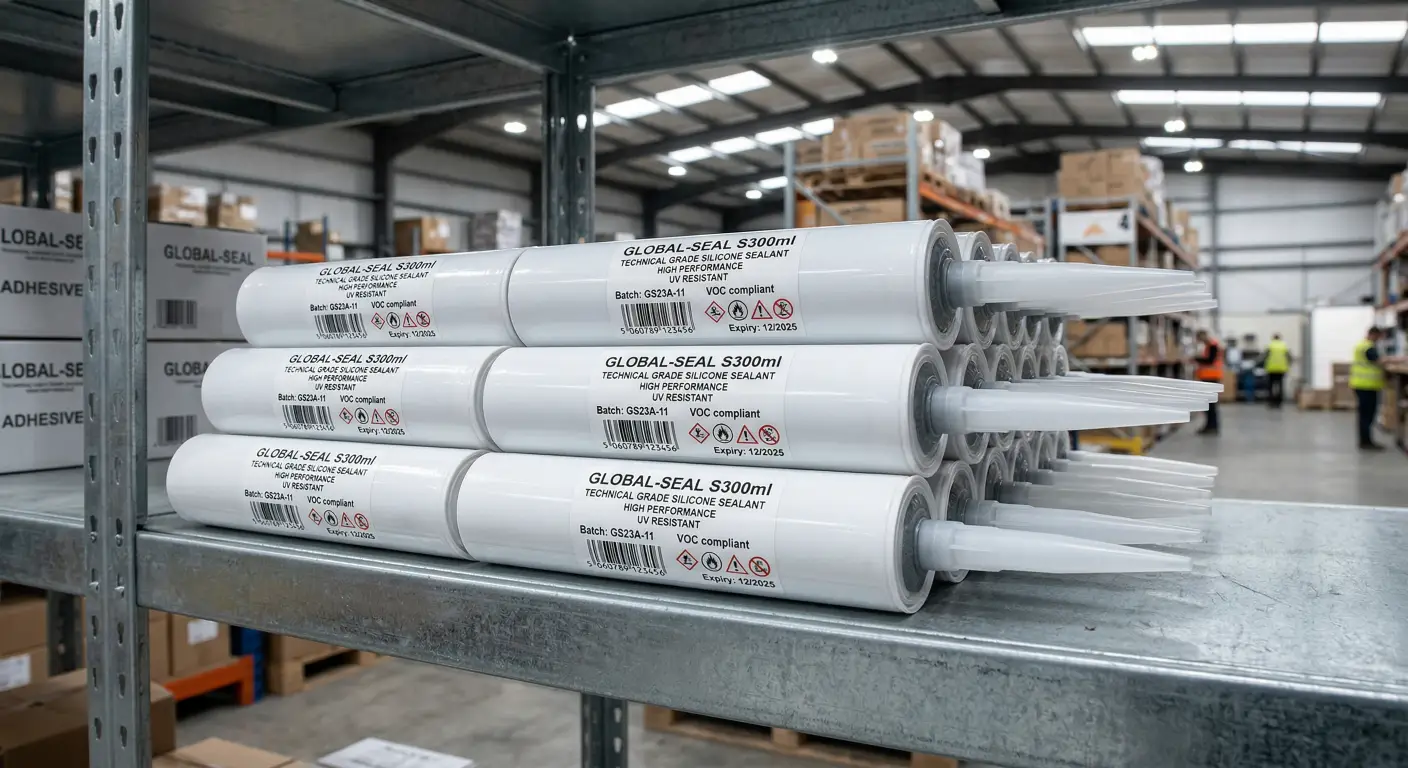
OEM vs. Branded Acetic Silicone Sealant: What’s Best for Your Distribution Business?
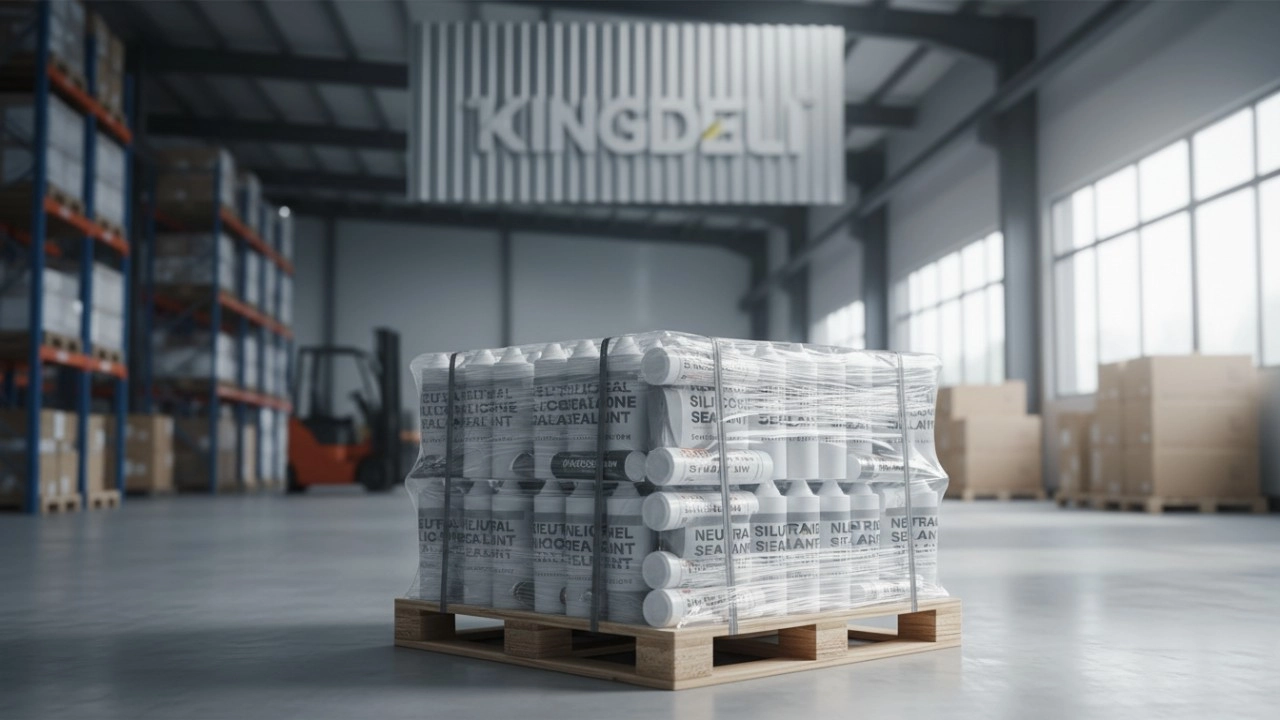
The Future of Sealants: 5 Emerging Trends in Wholesale Neutral Silicone Sealant Technology for 2026
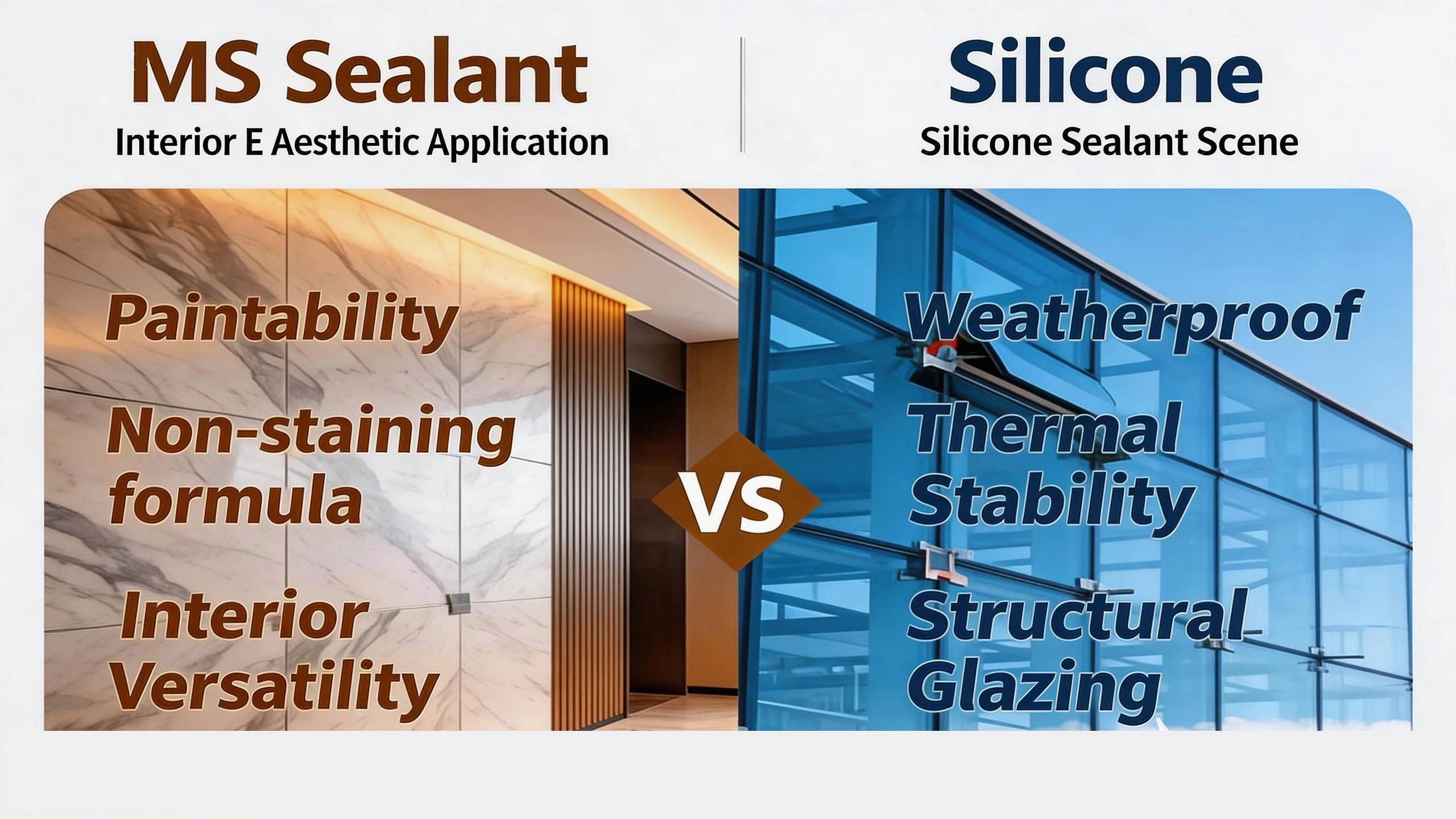
MS Sealant vs. Silicone: Which is Right for Your Construction Project?
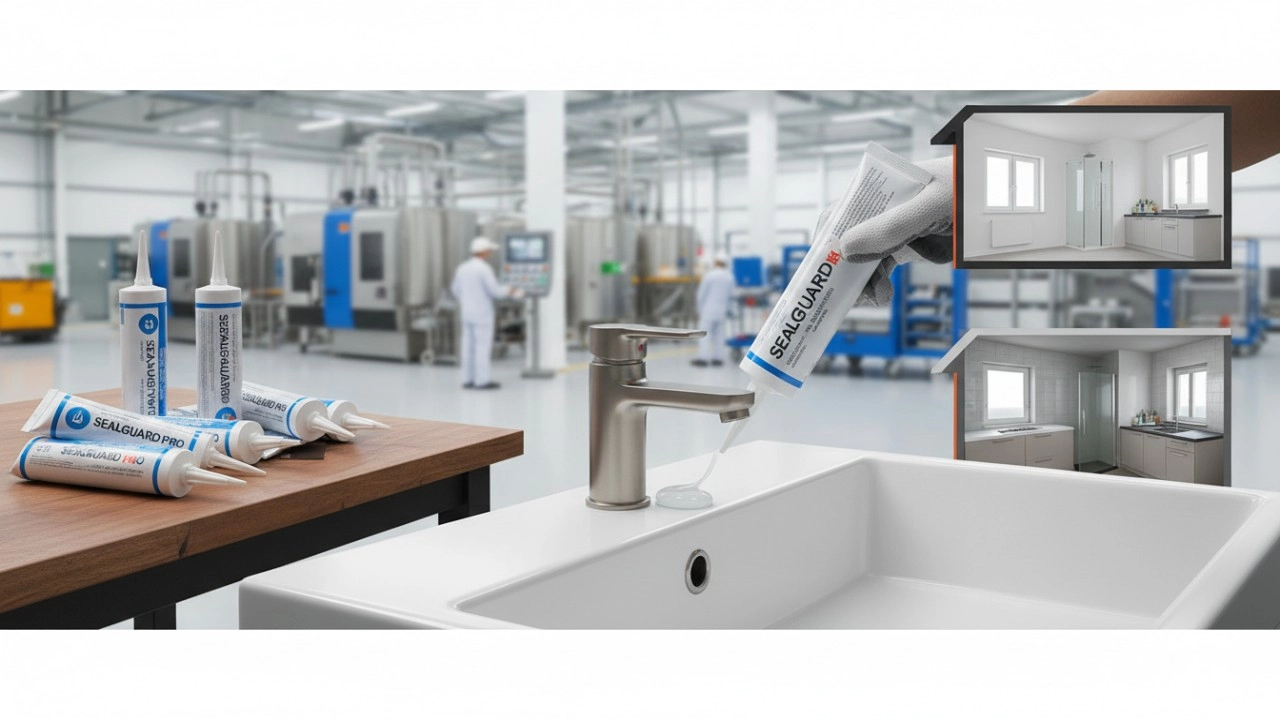
The Ultimate Guide to Choosing a Silicone Sealant Manufacturer in 2026: 10 Critical Factors Often Overlooked
HY994
What substrates can HY994 bond or seal?
HY994 adheres strongly to stone, ceramic tile, aluminum, stainless steel, metals, plastics, concrete, wood (non-oily), and many porous or smooth surfaces. It is also effective on slightly damp substrates.
HY-682
Can it be applied on wet surfaces or in rainy conditions?
Yes. The product can be applied on wet substrates and quickly achieves waterproof performance. Light rain after application does not affect its effectiveness.
HY-966
Is HY-966 suitable for flooring applications?
Yes. It is suitable for wooden flooring, paneling, and structural flooring panels when used according to application guidelines.
What colors and packaging options are available?
HY-966 is available in white and cream, supplied in 280 ml and 300 ml cartridges.
HY-939
What colors and packaging options are available?
HY939 is available in grey, red, black, clear, and customized colors. Packaging options include aluminum tubes (30–100 ml) and cartridges (280 ml / 300 ml).
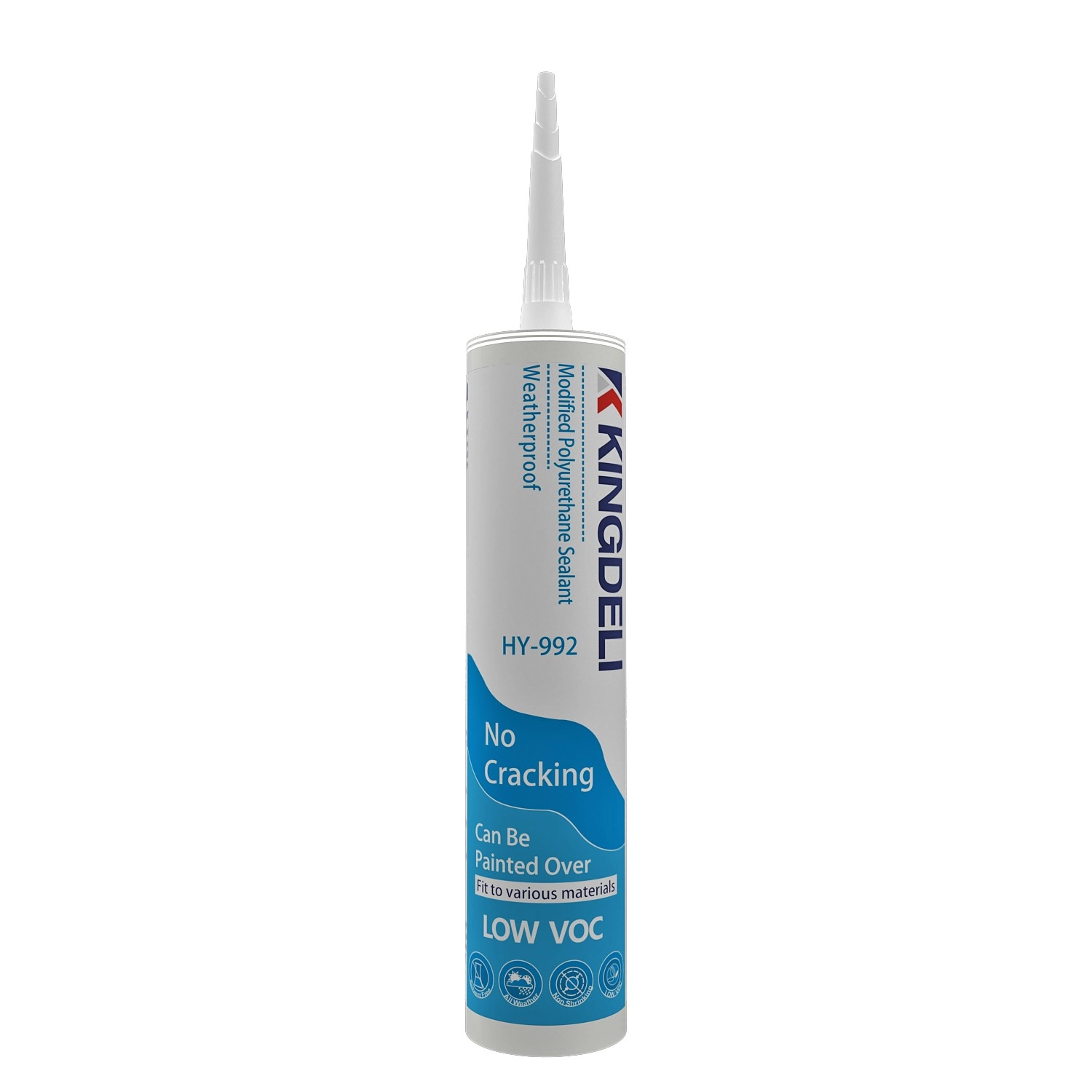
HY992 Modified Polyurethane Construction Sealant
HY992 Modified Polyurethane Sealant is a one-component, moisture-curing construction sealant designed for professional building and structural sealing applications. It provides excellent adhesion, weather resistance, and durable elasticity, making it suitable for a wide range of construction materials.
The formulation delivers strong bonding performance without corrosion or substrate contamination, while maintaining low VOC content for environmentally responsible construction projects.

HY995 Crystal Clear Ms Polymer Adhesive/Sealant
HY995 Crystal Clear Ms Polymer Adhesive/Sealant is a new generation MS Polymer adhesive / sealant formulated for all bonding and sealing applications where long term reliability is required. It has excellent bonding strength on various materials. It will cure to form a durable, flexible, waterproof seal.

HY997 High-Performance Anti-Microbial MS Polymer Sealant
HY997 MS polymer sealant for is is a premium one-component, neutral-curing modified silane sealant engineered for demanding interior applications. It offers a Class 20 movement capability, ensuring long-lasting flexibility and reliable performance under dynamic joint conditions. Curing at room temperature, HY997 delivers superior anti-microbial and mildew-resistant properties, maintaining hygienic and clean environments over time.
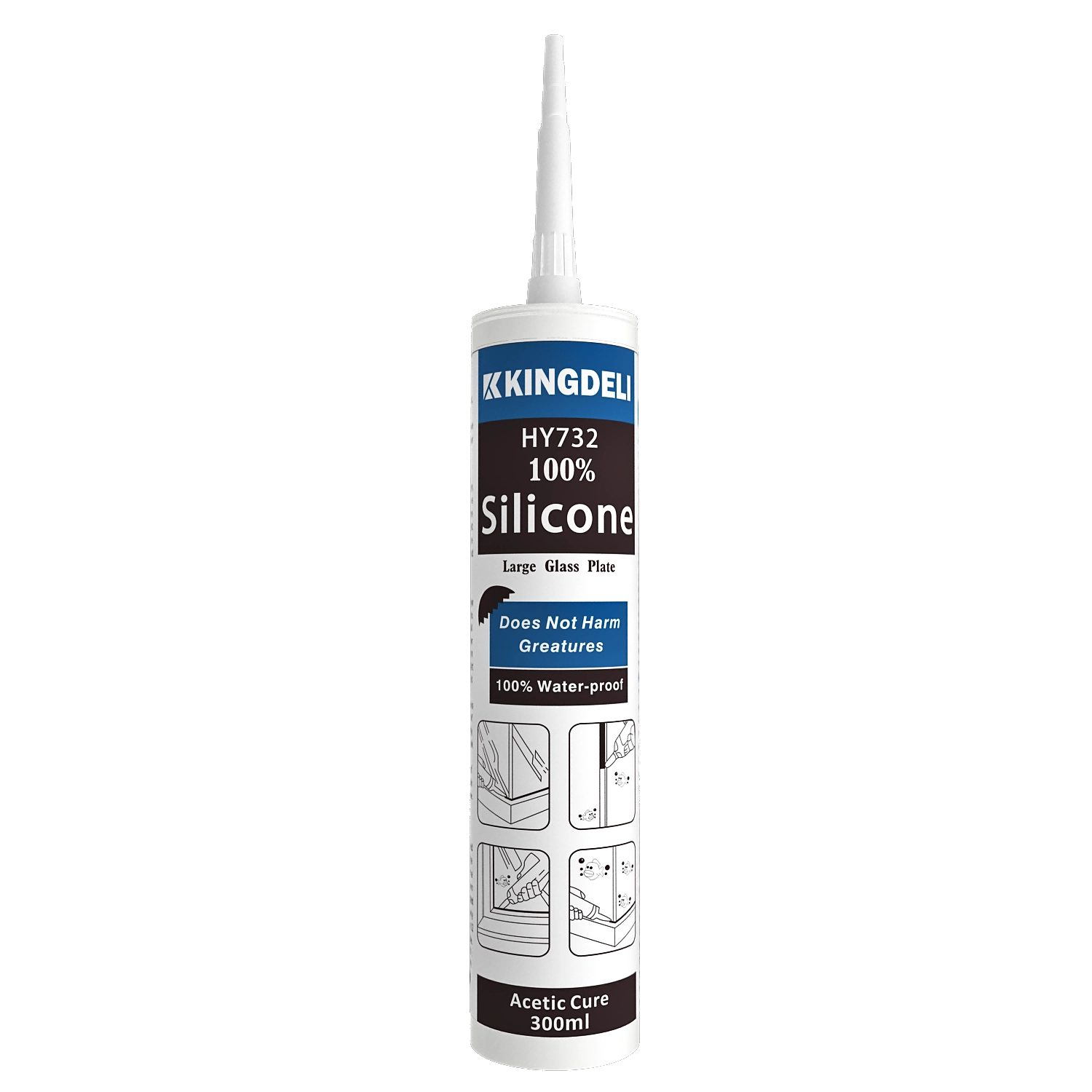
KINGDELI HY732 Professional Acetoxy Cure Silicone Sealant
KINGDELI HY732 is a professional-grade, one-component acetoxy cure silicone sealant designed for fast curing, strong adhesion, and long-lasting flexibility. Ideal for aquariums, glass applications, aluminum doors and windows, kitchens, and bathrooms, it provides reliable sealing performance with excellent anti-fungal protection in high-humidity environments.
Let’s Build Stronger Bonds with Quality Adhesives and Sealants
Have questions about the topic or need tailored sealant solutions for your project?
Our team is ready to provide expert guidance, product recommendations, and application support.
Innovating with Integrity, Bonding the World
Since 1998, KINGDELI has delivered trusted, sustainable sealant solutions that connect industries and inspire progress worldwide.
Whatsapp: +8618825946249
Kingdeli
Kingdeli
Kingdeli
Kingdeli
Kingdeli