











What certifications matter for industrial ms silicone sealant?
1. How can I verify a supplier's primerless adhesion claim on treated aluminum and powder-coated metals for MS silicone sealant?
Many suppliers advertise primerless adhesion for their MS silicone sealant (often marketed as MS polymer or hybrid sealant), but adhesion depends strongly on substrate pretreatment, coating chemistry, and test conditions. To validate claims, require the following from the supplier and run spot checks:
- Manufacturer documents: specific adhesion test reports to ASTM D4541 (pull-off adhesion) or ISO 4624 showing values on the exact substrate finish (e.g., anodized aluminum, polyester powder coat, PVDF-coated aluminum). Generic aluminum tests are inadequate.
- Detailed surface prep protocol used for the test: cleanliness, solvent type, abrasion, and whether a primer was explicitly excluded. Replicate their steps on-site when possible.
- Time-from-application to test: adhesion on 24-hour cure vs 7-day vs 28-day can differ. Ask for both short- and long-term data (24 h / 7 d / 28 d) at representative temperature and RH.
- Environmental ageing data: adhesion after 1,000 h or 2,000 h salt spray (ASTM B117), UV exposure (ASTM G154) or thermal cycling relevant to your field environment. Primerless adhesion that fails after weathering is a real risk.
- Independent lab verification: prefer third-party lab reports (SGS, Intertek, TÜV) rather than internal lab results. Ensure report has a report/reference number and testing standard.
Practical checks onsite: perform a simple cross-cut tape test (ISO 2409 / ASTM D3359) after full cure and a small pull-off test. If powder-coated parts are proprietary, ask the coating supplier for compatibility confirmation and consider a short panel trial simulating production pretreatments (degrease, alkali, conversion coating) and cure cycles.
2. Which certifications or lab reports truly prove low-VOC and indoor air quality suitability for industrial MS silicone sealant?
For installations in occupied buildings or confined spaces, low emissions matter. Look beyond marketing terms and request these measurable proofs:
- ISO 16000 series (particularly ISO 16000-6) or ASTM D5116 emission test reports showing TVOC and key VOC concentrations over time. These are lab chamber tests that quantify emissions.
- AgBB evaluation / French VOC labeling (A+, A, B, etc.) or GREENGUARD/Indoor Air Comfort certification — these schemes evaluate chamber test results against health-based thresholds.
- Declaration of VOC content (g/L) per ISO 11890-2 or equivalent. Low-VOC industrial sealants typically report VOCs <50 g/L; specialized low-VOC / zero-VOC grades can be <10–20 g/L depending on formulation.
- REACH compliance statement and SVHC screening: requires supplier disclosure of Substances of Very High Concern present above reporting thresholds; crucial for EU projects.
Actionable purchasing step: require the most recent chamber emission report (include testing date and lab accreditation). For strict projects, list acceptable certification schemes in the purchase order (e.g., GREENGUARD/AgBB) and reject products that only state low VOC without lab backing.
3. How do I interpret movement accommodation (%) versus elastic modulus when selecting an MS silicone sealant for heavy dynamic joints?
Movement accommodation (expressed as ±% or total % movement) and elastic modulus (often given as MPa at 100% elongation or as Shore A hardness) are related but answer different design questions:
- Movement accommodation tells you how much joint size change the sealant can absorb without failure. Typical MS polymers are rated from ±12.5% (25% total) up to ±25% (50% total). Choose a sealant with a rated movement capability at or above the maximum expected joint movement.
- Elastic modulus (or tensile stress at a given elongation) describes stiffness. A lower modulus (soft sealant) will distribute stress more evenly across an interface, improving adhesion retention on dissimilar substrates. Higher modulus improves load-bearing where the sealant must support weights or resist extrusion under pressure.
- Design rule of thumb: for large differential movements (thermal expansion in long metal joints, heavy vibration), favor higher movement-rated (±20–25%) hybrid/MS polymer grades and verify they maintain adhesion after cyclic elongation tests (ASTM C719 or ISO 8339/ISO 11600 cyclic movement tests).
- Ask for dynamic fatigue/cycling data: look for reports showing adhesion and lack of cohesive failure after X cycles at ± the expected movement amplitude.
In procurement specify both movement accommodation and maximum allowable elastic modulus (or Shore A target) and require cyclic testing relevant to your application (number of cycles, cycle rate, temperature range).
4. What independent fire and smoke approvals should I require for MS silicone sealant in curtain walls and fire-rated assemblies?
Fire safety is a major certification pain point. MS silicone (MS polymer/hybrid) formulations vary greatly in fire performance. Ask for:
- EN 13501-1 classification (reaction to fire) where applicable in Europe. For façade systems, also request EN 13501-2 (if relevant) and compatibility with the overall curtain wall fire strategy.
- Test reports showing performance in full-scale firestop and penetration seal tests (EN 1366-4 / EN 1366-3 or ASTM E1966 / ASTM E814) when sealant is used as part of a fire-resistive joint system. A generic fire classification is insufficient — firestop systems are system-specific and require tested assemblies.
- UL classification/listing for firestop or joint systems (where UL is the authority in your region). UL/ASTM system listings identify tested constructions and allowable uses.
- Smoke toxicity data if the project is sensitive (tunnel, shipboard, enclosed public spaces). Some projects require low-smoke, low-toxicity materials and will insist on specific lab reports.
Important procurement practice: require the supplier to list the exact tested assembly number and scope (substrates, joint width, backing material, load conditions). Do not accept a sealant “pass” unless the tested assembly mirrors your intended installation. For critical fire-rated joints, prefer products with third-party listings (UL/FM) and tested system diagrams.
5. How can I validate chemical resistance and service temperature for MS silicone sealant in marine and oil-field environments?
Marine and oil-field environments impose combined stresses: salt spray, hydrocarbons, solvents, high humidity, UV and temperature extremes. To validate a sealant:
- Request chemical compatibility charts and immersion test reports for the specific fluids your project will encounter (diesel, crude, hydraulic oils, solvents). Typical tests include measurement of swelling, loss of tensile strength, and change in elongation after immersion.
- Ask for salt spray (ASTM B117) and cyclic corrosion tests that simulate wet/dry and salt deposition. For shipboard use, check IMO criteria (e.g., IMO FTP Code for fire behavior) as well as corrosion performance.
- Service temperature: obtain manufacturer TDS stating continuous and short-term temperature limits. For MS polymers these are commonly approximately -40°C to +100–120°C continuous; however, some formulations are rated higher for short exposures. Require validated test data under expected thermal cycles.
- Mechanical property retention: request tensile strength and elongation at break before and after chemical/thermal ageing. This demonstrates whether the sealant preserves elasticity and adhesion under real exposures.
Field trial recommendation: perform coupon tests—apply sealant to representative panels, cure, then expose to the actual chemical mix, temperature swings, and UV for a defined period (e.g., 3 months accelerated equivalence) before full deployment.
6. What test reports, batch traceability and quality documentation should a supplier provide to prove consistency for long-term production use of MS silicone sealant?
For long-term production runs you need consistent material lots. Insist on the following documentation and practices as part of supplier qualification:
- ISO 9001 quality management certificate for the manufacturer and ISO 14001 if environmental controls matter.
- Batch-specific Certificates of Analysis (CoA) that list key parameters: viscosity/consistency, base polymer type, Shore A hardness, tensile/elongation, skin time, curing rate (mm/24h at 23°C/50% RH), VOC value, and date of manufacture.
- Traceability: each delivered batch should have a lot number mapped to a CoA and manufacturing records (raw material lot numbers, catalyst/monomer sources). This is essential for root-cause work if field issues arise.
- Accelerated ageing and shelf-life validation: documented stability testing supporting stated shelf life (e.g., 12 months at 5–25°C). Check storage condition recommendations and acceptance criteria after storage.
- Independent test lab reports for critical properties (ASTM C920 / ISO 11600 classification, adhesion, salt spray, UV, and any application-specific tests). Prefer third-party labs with accreditation (ISO/IEC 17025).
- Change-control policy: request written notification of formulation or raw material changes that may affect performance, plus retesting commitments for significant changes.
Procurement tip: include lot-release acceptance in your purchase contract. Require suppliers to ship only after a CoA is provided and accept initial sample checks at your facility (e.g., viscosity, color, skin time).
Concluding summary of advantages of industrial MS silicone (MS polymer/hybrid) sealant: MS silicone sealants (hybrid/MS polymer) combine neutral-cure chemistry with strong adhesion to metals, plastics and painted surfaces, low odor, paintability, low VOC formulations, good UV/weather resistance and flexible movement accommodation. They often provide primerless adhesion to many substrates, shorter skin times and easier tooling than traditional silicones, and can be formulated to meet specific fire, marine or indoor-air requirements. For critical projects, require manufacturer test data (ASTM/EN standards), third-party lab reports, batch CoAs and documented compatibility trials to ensure field performance and regulatory compliance.
If you want a specification review or a formal quote tailored to your joint designs and end-use environment, contact us for a quote. Visit www.kingdelisealant.com or email info@kingdeliadhesive.com.
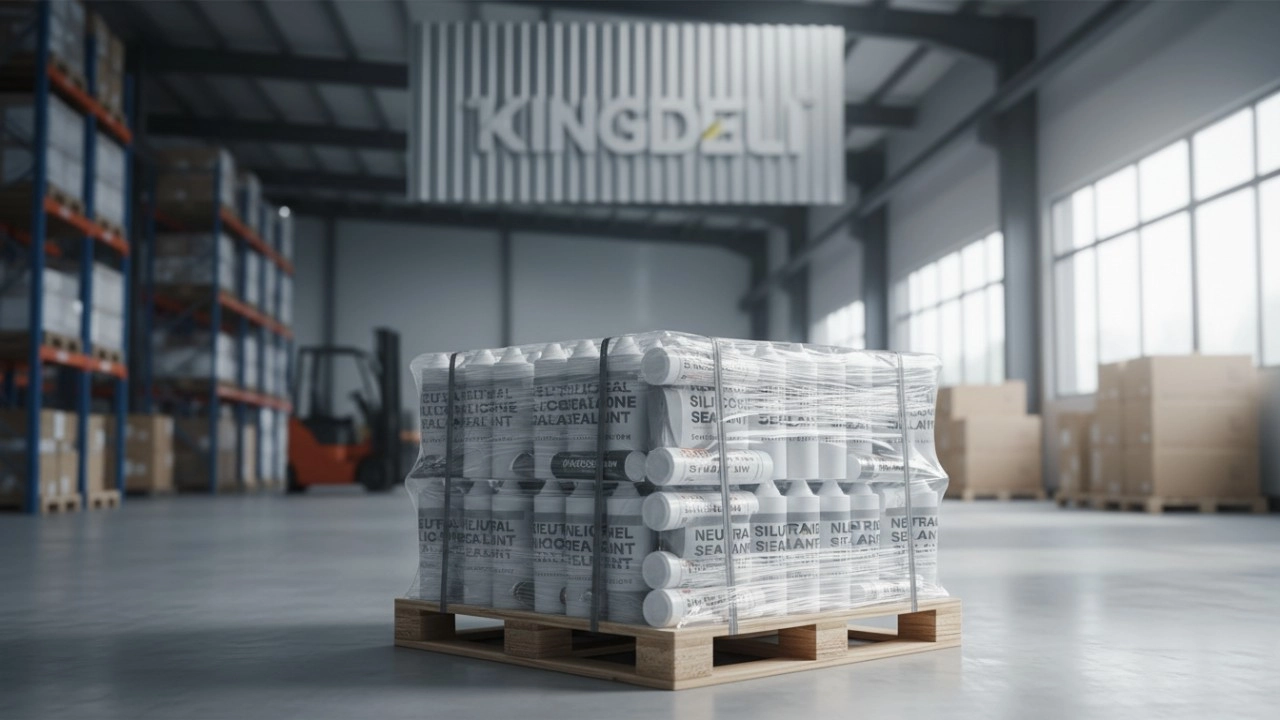
The Future of Sealants: 5 Emerging Trends in Wholesale Neutral Silicone Sealant Technology for 2026
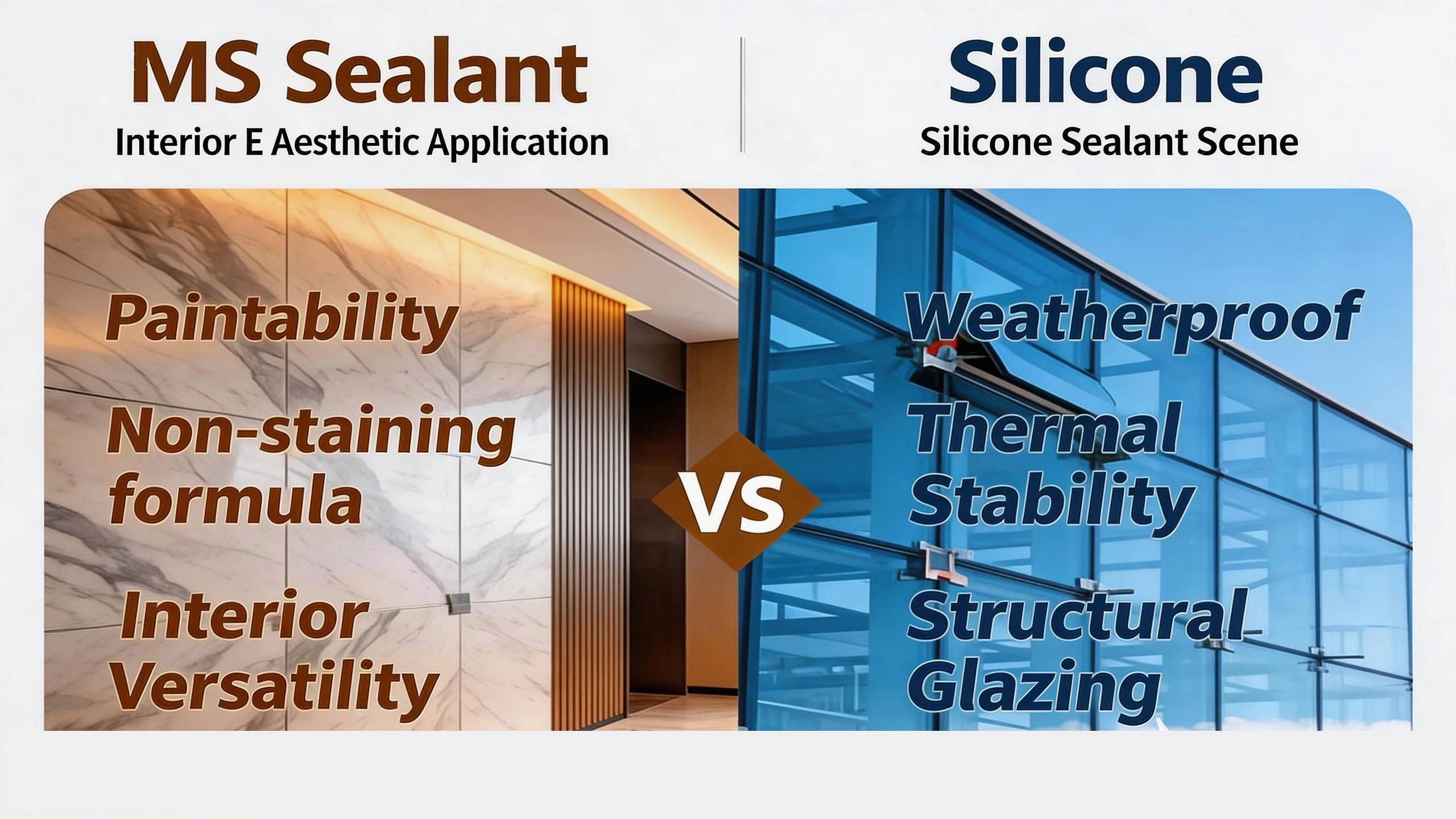
MS Sealant vs. Silicone: Which is Right for Your Construction Project?
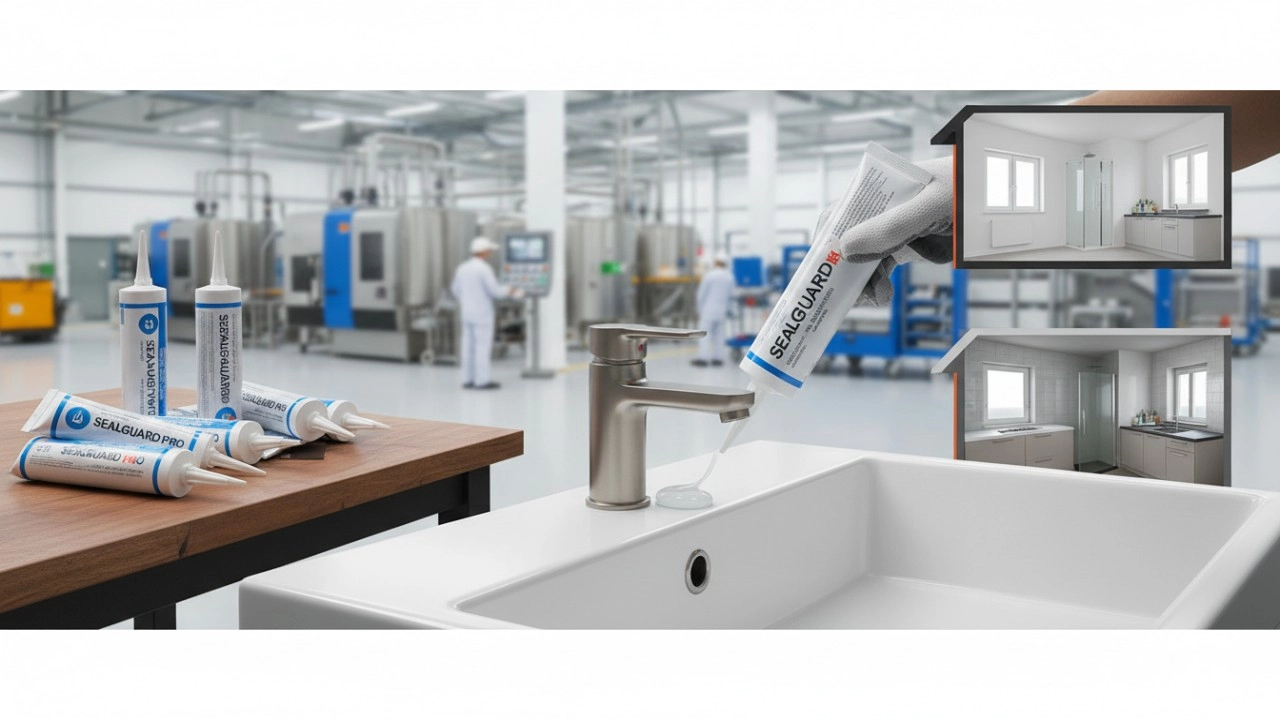
The Ultimate Guide to Choosing a Silicone Sealant Manufacturer in 2026: 10 Critical Factors Often Overlooked
Industrial Applications of Acetic Silicone Sealant: Beyond Basic Glass Sealing
HY-682
Does the product self-level after application?
Yes. The formulation is self-leveling, allowing it to flow smoothly into joints and cracks for a uniform, professional finish without additional tooling.
HY-722
Can the sealant be painted?
No. Silicone is non-paintable. Use a paintable alternative if painting is required.
HY993
What colors are available?
Standard colors include black, grey, and white. Custom colors can also be produced based on customer requirements.
HY925
Can HY925 be painted after curing?
Yes. HY925 has high viscosity and can be painted after full curing using many common coatings.
Can HY925 be used for structural glazing?
No. HY925 is a construction sealant and is not designed for structural glazing applications.
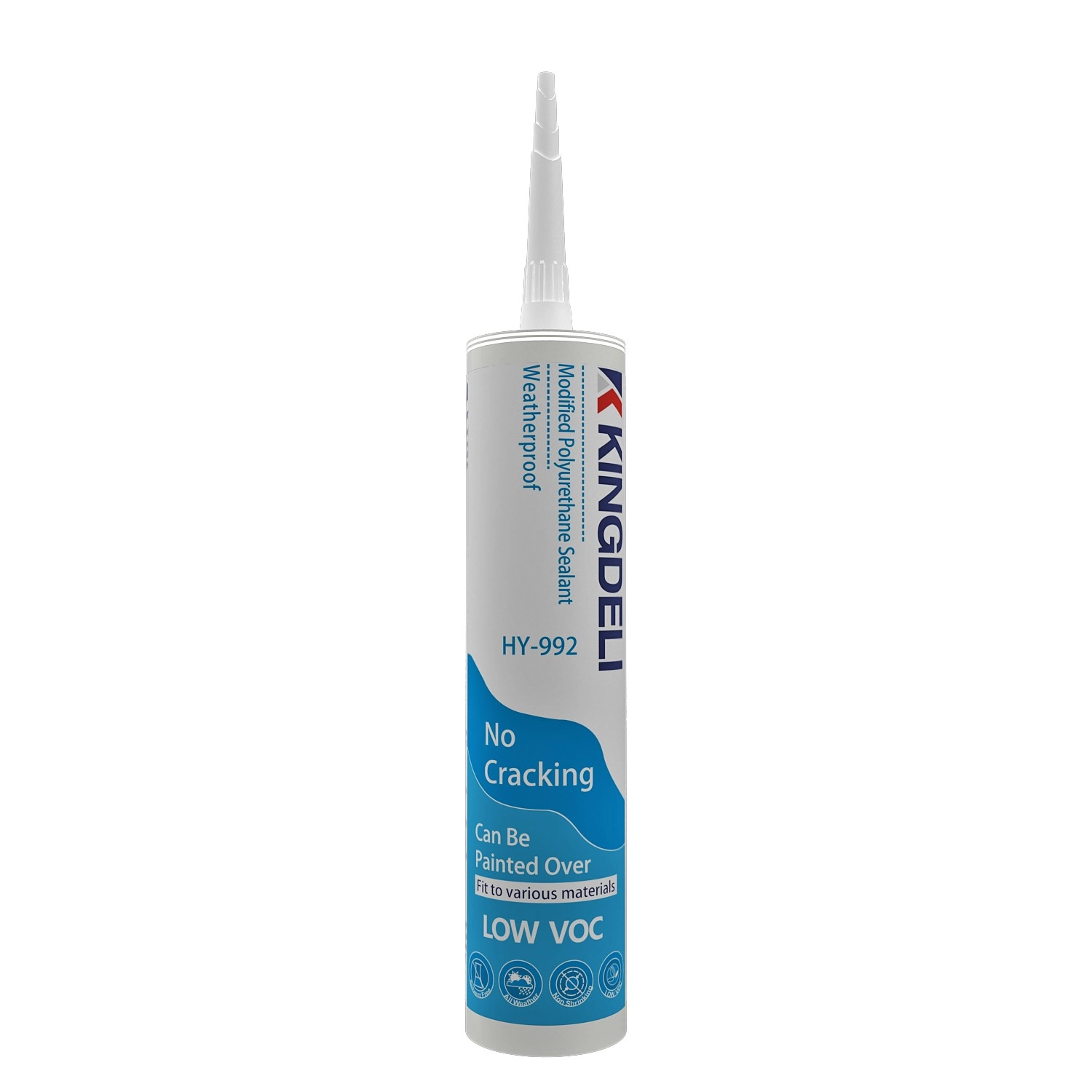
HY992 Modified Polyurethane Construction Sealant
HY992 Modified Polyurethane Sealant is a one-component, moisture-curing construction sealant designed for professional building and structural sealing applications. It provides excellent adhesion, weather resistance, and durable elasticity, making it suitable for a wide range of construction materials.
The formulation delivers strong bonding performance without corrosion or substrate contamination, while maintaining low VOC content for environmentally responsible construction projects.

HY995 Crystal Clear Ms Polymer Adhesive/Sealant
HY995 Crystal Clear Ms Polymer Adhesive/Sealant is a new generation MS Polymer adhesive / sealant formulated for all bonding and sealing applications where long term reliability is required. It has excellent bonding strength on various materials. It will cure to form a durable, flexible, waterproof seal.

HY997 High-Performance Anti-Microbial MS Polymer Sealant
HY997 MS polymer sealant for is is a premium one-component, neutral-curing modified silane sealant engineered for demanding interior applications. It offers a Class 20 movement capability, ensuring long-lasting flexibility and reliable performance under dynamic joint conditions. Curing at room temperature, HY997 delivers superior anti-microbial and mildew-resistant properties, maintaining hygienic and clean environments over time.
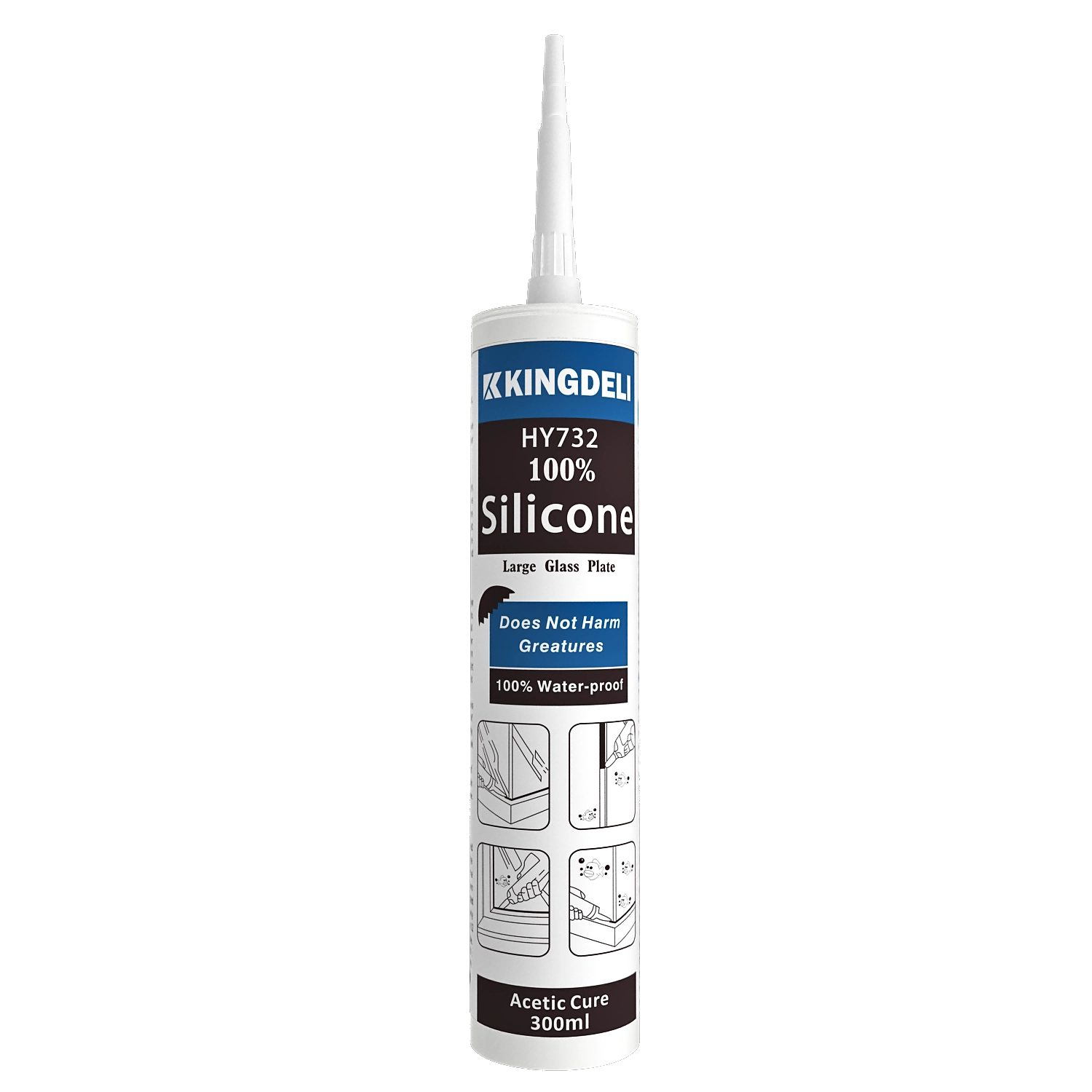
KINGDELI HY732 Professional Acetoxy Cure Silicone Sealant
KINGDELI HY732 is a professional-grade, one-component acetoxy cure silicone sealant designed for fast curing, strong adhesion, and long-lasting flexibility. Ideal for aquariums, glass applications, aluminum doors and windows, kitchens, and bathrooms, it provides reliable sealing performance with excellent anti-fungal protection in high-humidity environments.
Let’s Build Stronger Bonds with Quality Adhesives and Sealants
Have questions about the topic or need tailored sealant solutions for your project?
Our team is ready to provide expert guidance, product recommendations, and application support.
Innovating with Integrity, Bonding the World
Since 1998, KINGDELI has delivered trusted, sustainable sealant solutions that connect industries and inspire progress worldwide.
Whatsapp: +8618825946249
Kingdeli
Kingdeli
Kingdeli
Kingdeli
Kingdeli