











What application equipment suits industrial ms silicone sealant best?
Industrial MS Silicone Sealant: 6 Hard Questions About Selection & Application Equipment
This article answers six long‑tail, pain‑point questions beginners and procurement engineers frequently search for but rarely find in-depth answers to. The guidance below uses industry standards (ISO 11600, EN 15651, ASTM references), typical physical ranges for silyl‑modified (MS) polymer sealants, and real‑world application strategies for dispensing equipment—from hand and battery guns to pneumatic piston and progressive cavity pumps.
1) How do I pick the correct Shore A hardness and tensile properties for MS silicone sealant used in metal‑to‑metal structural joints on vibrating machinery?
Why this matters: Choosing the wrong hardness or elongation leads to creep, cold flow, or brittle failure under dynamic loads. MS polymer sealants are commonly chosen where moderate elasticity and strong adhesion are required without the plasticizers used in some polyurethanes.
Selection approach:- Target Shore A: For structural metal‑to‑metal joints exposed to vibration, choose an MS sealant in the Shore A 30–50 range. Softer (<30) materials give better damping but can creep; harder (>50) materials resist deformation but may debond under repeated shear.- Tensile strength & elongation: Look for tensile strength in the typical MS range (about 1–5 MPa) and elongation at break ≥150–300% for dynamic applications. Higher elongation improves fatigue resistance.- Modulus: Use low to mid‑modulus grades for bonded joints where differential thermal movement or vibration occurs; higher modulus grades are for rigid structural bonds.- Certification/standards: Verify if the product is tested to relevant standards (e.g., ISO 11600 classification for movement capability). For façade or structural glazing, check EN 15651 or project‑specific structural testing.Practical test: Before full rollout, perform a small panel test: bond representative metal coupons, cure full depth, then run cyclic shear or vibration tests to evaluate creep and cohesive failure. This real‑world test is critical because lab datasheets give ranges but not system‑level performance under your specific loads.
2) What surface prep and primer strategy ensures reliable adhesion of MS silicone sealant to anodized aluminum and galvanized steel outdoors?
Why this matters: Metals often carry oils, release agents, oxides or passivation layers that prevent primerless adhesion; outdoor exposures also require UV and corrosion resistance.> Standard practice:- Clean: Remove gross contamination with a non‑residue solvent (isopropyl alcohol or acetone depending on local safety rules). For heavy oils use a biodegradable degreaser then solvent wipe. Allow the substrate to fully dry.- Abrade: Lightly abrade anodized or zinc surfaces when possible (non‑destructive scuff with fine abrasive) to improve mechanical key on coatings. Do not over‑abrade anodized layers—consult the aluminum supplier.- Use primer selectively: Many modern MS polymer sealants are formulated for primerless adhesion to a wide range of substrates, but on anodized aluminum and galvanized steel exposed to weather, a silane‑based or metal‑specific primer increases long‑term adhesion and peel strength. Follow the sealant maker’s primer recommendations and test adhesion after full cure.- Avoid contamination after prep: Masking and controlled handling (gloves, clean tools) prevent recontamination before sealing.Practical validation: Perform cross‑cut adhesion and outdoor accelerated weathering (UV + salt spray if coastal) on production samples. If adhesion loss appears after accelerated tests, change primer or adjust cure schedule.
3) How can I predict and manage cure speed and tack‑free time of MS silicone sealant in low temperature and high humidity production lines?
Why this matters: Cure rate affects throughput, masking removal, and subsequent handling or painting steps. MS (silyl‑modified) sealants cure by moisture‑crosslinking; environmental humidity and temperature strongly affect skin formation and full cure depth.
Key points:
- Mechanism: MS polymer sealants are neutral‑cure and react with ambient moisture. Higher relative humidity and temperature accelerate skin formation and cure; low humidity/low temp slow the reaction.
- Typical ranges: For many MS products, tack‑free times are in the 10–60 minute range at 23°C/50% RH and cure rates around 2–4 mm/24h. Expect significantly slower curing at <10°C or <40% RH.
- Control strategies:
- Raise local humidity and temperature in the curing zone (heated enclosures or local infrared panels) to keep production moving without overheating parts.
- Use forced air or humidified booths where possible to maintain consistent cure conditions.
- If ambient conditions are outside the product’s recommended window, either slow the process (longer handling times) or choose a formulation with a faster cure profile designed for cold/humid conditions.
- Monitoring: Measure tack‑free time with a simple fingertip test on sacrificial beads and validate full cure with hardness and adhesion testing at production intervals.
Practical tip: For assembly lines that cannot control climate, pre‑qualification of the specific MS sealant under worst‑case ambient conditions is mandatory before specifying cycle times.
4) For 600 ml sausages and 310 ml cartridges, which applicator types minimize bead variation and waste on medium‑speed production lines?
Why this matters: Bead consistency affects joint performance and cosmetic finish; incorrect tooling creates voids, overuse, or operator fatigue.
Equipment choices by throughput:
- Low throughput / manual: High‑quality ergonomic manual caulking guns for cartridges; for 600 ml sausages, battery‑powered cordless applicators (battery purses with controlled thrust) reduce operator fatigue and give more consistent bead flow than manual guns.
- Medium throughput (several hundred parts/day): Pneumatic caulking guns with pressure regulators and flow control valves provide consistent displacement. Choose guns with an adjustable piston speed and anti‑drip features. Match nozzle internal diameter (ID) to bead size: typical IDs between 3–8 mm produce controlled beads; oversized nozzles increase waste.
- Tips for consistency:
- Use static mixing nozzles or shaped nozzles for uniform bead geometry.
- Maintain consistent supply temperature (sealant warmed slightly within supplier limits reduces viscosity and improves flow consistency).
- Train operators on steady gun travel speed and correct nozzle standoff; automated dispensers remove operator variability entirely when justified economically.
Practical validation: Set up a gauge to measure bead cross‑section on sample panels and tune gun pressure/speed to maintain tolerance. This is faster and more reproducible than visual checks alone.
5) For continuous high‑volume dispensing of high‑viscosity MS silicone sealant, which bulk pump systems give the best balance of accuracy, maintenance and material integrity?
Why this matters: High‑viscosity MS formulations can shear‑sensitive or abrasive (fillers), and poor pump selection causes de‑mixing, inconsistent flow, or excessive maintenance downtime.
Pump types and selection guidance:
- Piston/plunger (reciprocating) pumps: Provide precise volumetric dosing and are common for adhesive dosing. They work well for medium‑ to high‑viscosity MS sealants when sized correctly and when equipped with appropriate valves and pressure controls.
- Progressive cavity (Moineau) pumps: Excellent for very high viscosity, filled sealants and for gentle displacement without pulsation. These pumps maintain homogeneity and handle abrasive fillers well; they are a good choice for continuous production where low pulsation and steady flow are prioritized.
- Gear pumps: Generally less suitable for particulate‑filled or very high viscosity MS sealants because of shear and wear unless specially designed.
Operational considerations:
- Material feed: Use heated/humid‑controlled feed hoppers only if the product datasheet allows—excess heat can alter viscosity or cure profile.
- Filtration and strainers: Install coarse strainers to catch contaminants but be careful not to shear or de‑air the product.
- Maintenance: Progressive cavity pumps have predictable wear parts (stator) and are easier to service on line; piston pumps need valve maintenance and careful sealing.
- Accuracy: For dosing trace bead volumes, electromechanically driven piston pumps with closed‑loop control offer the tightest tolerances.
Practical recommendation: Pilot with both pump types using your actual MS sealant and nozzle geometry. Verify dispense weight per cycle, check for de‑aeration, and inspect cured beads for appearance and voids. Progressive cavity pumps often win on reliability for heavy, filled MS sealants, while piston systems win on absolute volumetric precision for metered dosing.
6) My automotive panels have residual oil or powder‑coat defects. How can I avoid adhesion failure when using MS silicone sealant for structural and sealing joints?
Why this matters: Surface contamination (oils, mold release, powder overspray) is the most common cause of adhesive failure in production environments. The cost of rework and field failures is high in automotive and OEM assembly.
Stepwise mitigation plan:
- Detection: Implement surface cleanliness checks (wipe tests with solvent, contact angle testing, or quick tape tests) as part of incoming inspection and pre‑assembly checks.
- Cleaning: For oils, use solvent cleaning (IPA or recommended cleaner) followed by a second wipe with a fresh solvent pad. For heavy oils, alkaline degreasers followed by rinsing and solvent wipe may be required.
- Powder‑coat defects/overspray: Remove loose powder, then abrade and solvent‑wipe the area. If the powder coat is defective or poorly cured, adhesion is unlikely; repair or recoating may be necessary.
- Use primers where necessary: On substrates where primerless adhesion fails, a metal or coating‑compatible primer can restore peel and shear strength. Choose primers compatible with neutral‑cure MS polymers (ask manufacturer for recommended primer systems).
- Process control: Minimize time between cleaning and sealant application. Use tack‑free time measurements and enforce maximum open times to avoid recontamination.
Practical QA step: Include a batch of bonded test panels every shift that are peeled after full cure to verify cohesive failure (good) vs adhesive failure (bad). If adhesive failure is observed, escalate to surface analysis and adjust cleaning/primer procedure before continuing production.
Concluding summary: Why choose MS silicone (silyl‑modified) sealant and the right application equipment?
MS polymer (silyl‑modified) sealants combine neutral cure, good adhesion to many substrates, UV and weather resistance, and a balance of elasticity and strength without isocyanates. When properly selected for Shore A hardness, tensile strength and cure profile, and when applied with matched dispensing equipment—battery guns or pneumatic applicators for cartridges and sausages, and progressive cavity or accurately controlled piston pumps for bulk dispensing—you achieve reliable, repeatable joints with minimal waste and maintenance. Controlled surface prep (cleaning, selective priming), environmental cure management, and pilot testing under production conditions eliminate most early failures.
If you need specification assistance, pump selection, or on‑site trials to qualify an MS sealant for your assemblies, contact us for a quote. Visit www.kingdelisealant.com or email info@kingdeliadhesive.com.
The 2026 Ultimate Guide to Glass Silicone Sealant: Everything You Need for a Perfect Finish
OEM vs. Branded Acetic Silicone Sealant: What’s Best for Your Distribution Business?
The Future of Sealants: 5 Emerging Trends in Wholesale Neutral Silicone Sealant Technology for 2026
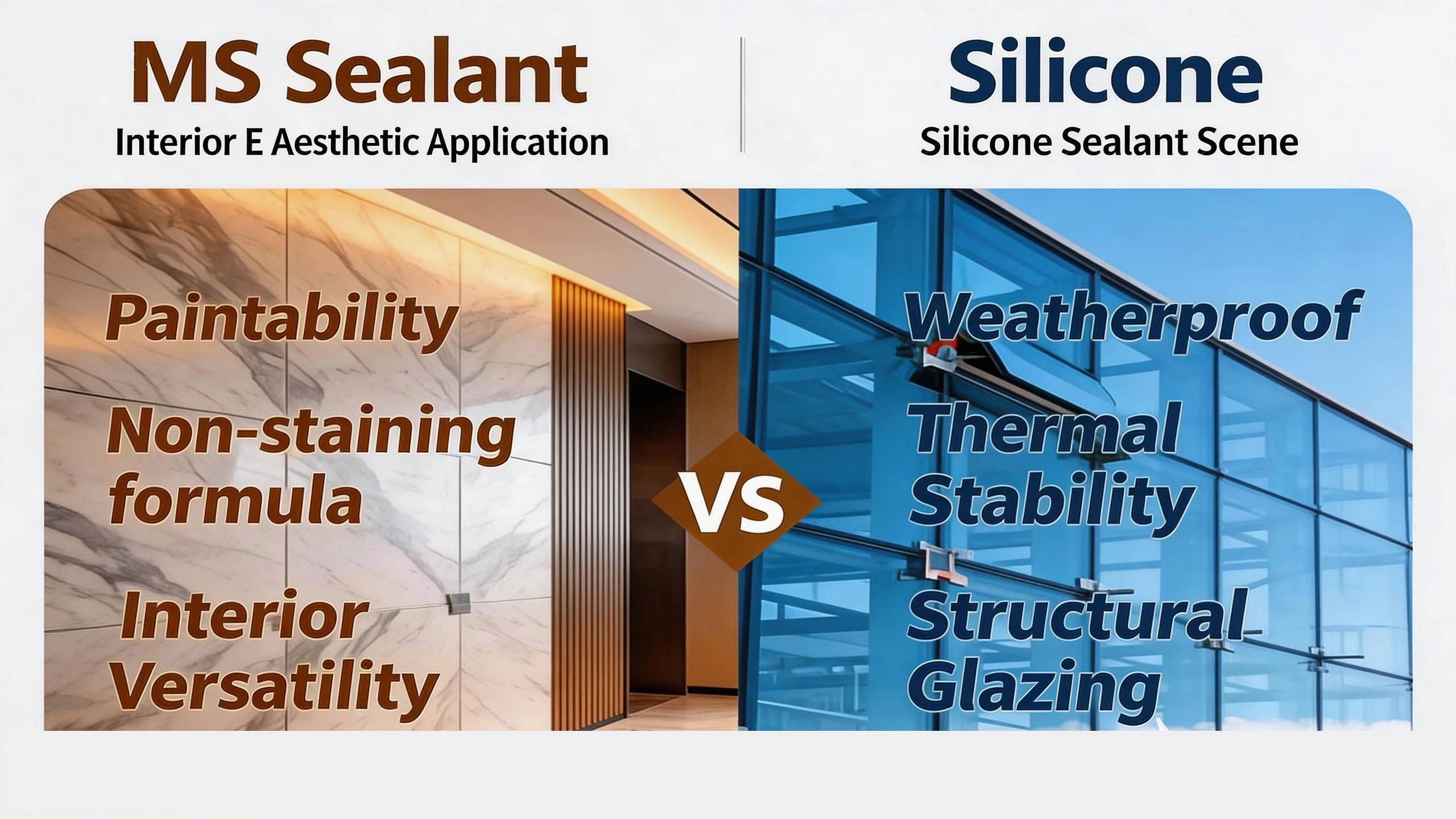
MS Sealant vs. Silicone: Which is Right for Your Construction Project?
HY924
Does the adhesive sag during application?
No. Its excellent thixotropy prevents sagging, ensuring clean and precise application.
How long does HY924 take to cure?
Curing starts as soon as the material contacts moisture. Tack-free time is typically 30–60 minutes, with full curing depending on humidity, temperature, and bead thickness.
HY993
Can HY993 be used on wet surfaces?
For best results, apply on clean, dry surfaces. Light surface moisture may be tolerated, but standing water should be removed.
HY992
What colors are available?
Standard colors include:
-
Black
-
Grey
-
White
Custom colors can also be produced according to customer requirements.
HY994
What colors are available?
Standard colors include black, white, and gray. Custom colors can be produced upon request.
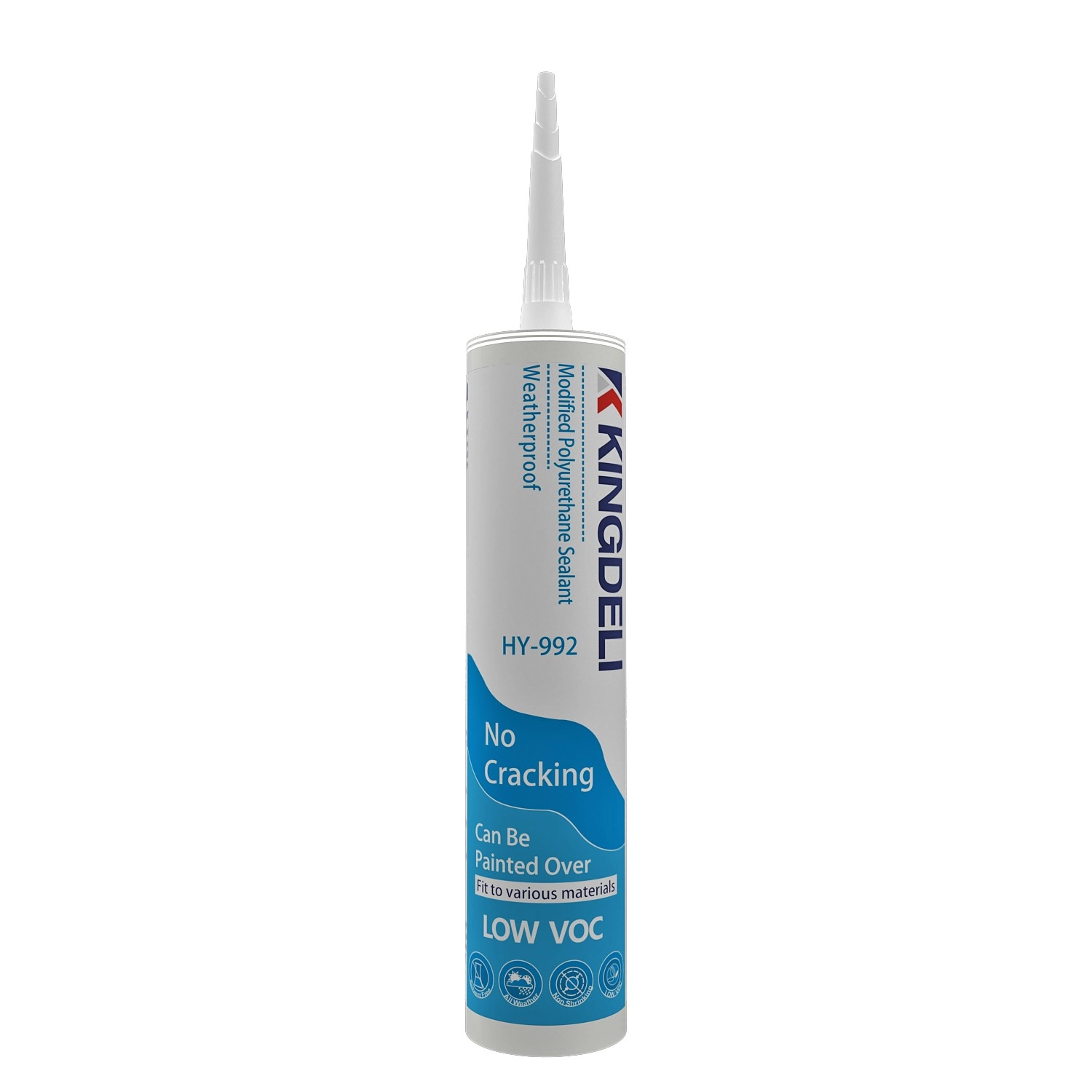
HY992 Modified Polyurethane Construction Sealant
HY992 Modified Polyurethane Sealant is a one-component, moisture-curing construction sealant designed for professional building and structural sealing applications. It provides excellent adhesion, weather resistance, and durable elasticity, making it suitable for a wide range of construction materials.
The formulation delivers strong bonding performance without corrosion or substrate contamination, while maintaining low VOC content for environmentally responsible construction projects.

HY995 Crystal Clear Ms Polymer Adhesive/Sealant
HY995 Crystal Clear Ms Polymer Adhesive/Sealant is a new generation MS Polymer adhesive / sealant formulated for all bonding and sealing applications where long term reliability is required. It has excellent bonding strength on various materials. It will cure to form a durable, flexible, waterproof seal.

HY997 High-Performance Anti-Microbial MS Polymer Sealant
HY997 MS polymer sealant for is is a premium one-component, neutral-curing modified silane sealant engineered for demanding interior applications. It offers a Class 20 movement capability, ensuring long-lasting flexibility and reliable performance under dynamic joint conditions. Curing at room temperature, HY997 delivers superior anti-microbial and mildew-resistant properties, maintaining hygienic and clean environments over time.
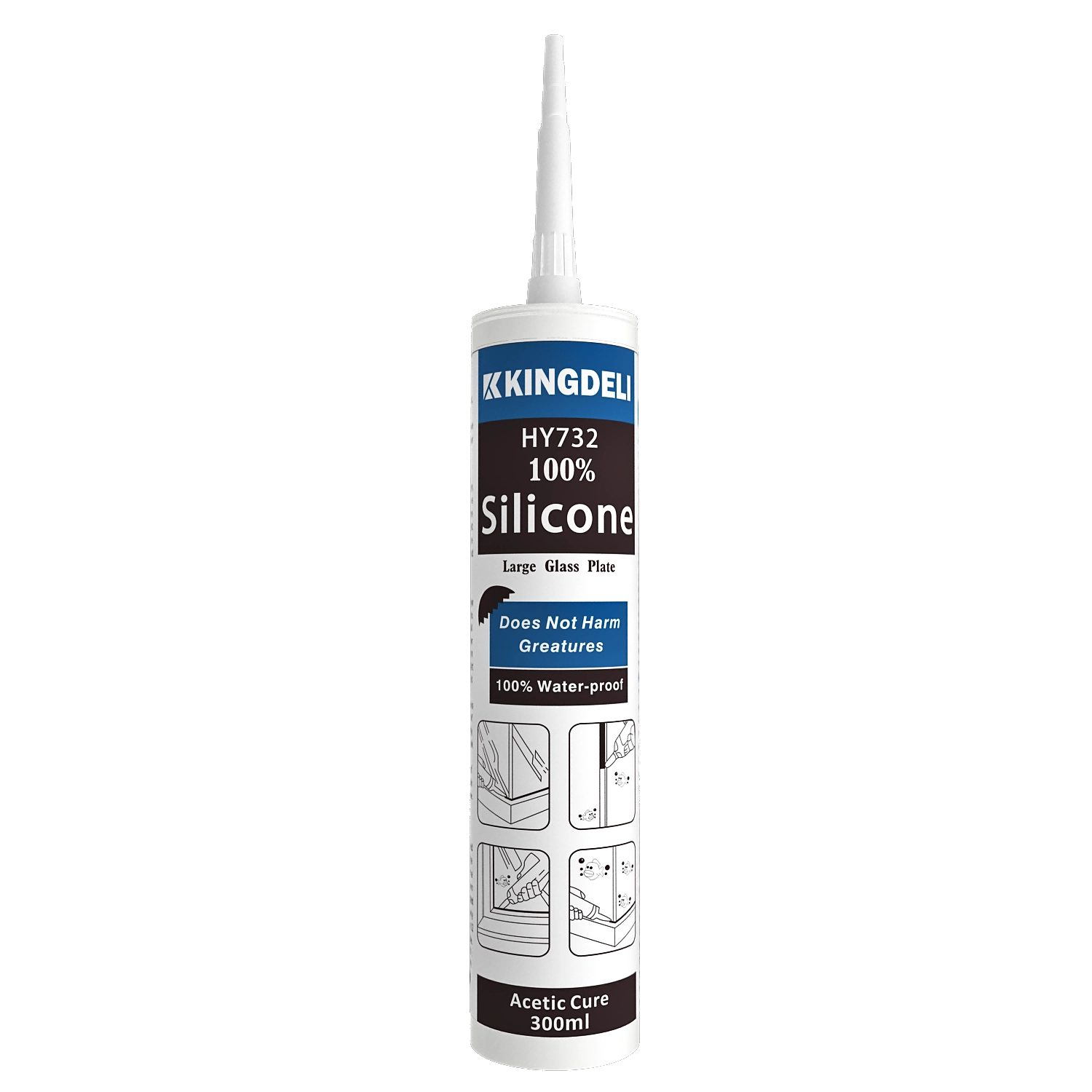
KINGDELI HY732 Professional Acetoxy Cure Silicone Sealant
KINGDELI HY732 is a professional-grade, one-component acetoxy cure silicone sealant designed for fast curing, strong adhesion, and long-lasting flexibility. Ideal for aquariums, glass applications, aluminum doors and windows, kitchens, and bathrooms, it provides reliable sealing performance with excellent anti-fungal protection in high-humidity environments.
Let’s Build Stronger Bonds with Quality Adhesives and Sealants
Have questions about the topic or need tailored sealant solutions for your project?
Our team is ready to provide expert guidance, product recommendations, and application support.
Innovating with Integrity, Bonding the World
Since 1998, KINGDELI has delivered trusted, sustainable sealant solutions that connect industries and inspire progress worldwide.
Whatsapp: +8618825946249
Kingdeli
Kingdeli
Kingdeli
Kingdeli
Kingdeli