











How to calculate cost per meter buying ms silicone sealant in bulk?
How to Calculate Cost Per Meter When Buying MS Silicone Sealant in Bulk
As procurement professionals and sealant installers increasingly choose MS polymer (often called ms silicone sealant) for its neutral-cure, paintable and durable properties, accurate cost-per-meter calculations become critical. Below are six focused questions installers and buyers frequently ask — each answered with formulas, realistic ranges and worked examples so you can price jobs, compare suppliers, and minimize waste.
1) How do I accurately calculate volume and weight per linear meter for different bead shapes (round, triangular, rectangular)?
Use cross-sectional area to get mL per meter (and therefore mass per meter using density). Key conversion: 1 mm2 cross-section = 1 mL per linear meter (because 1 mm2 × 1000 mm = 1,000 mm3 = 1 mL).
- Circular bead (diameter D in mm): area = π × D2 / 4 (mm2 → mL/m). Example: D = 6 mm → area = 3.1416 × 36 / 4 = 28.27 mm2 → 28.27 mL per m.
- Rectangular bead (width w × depth d in mm): area = w × d. Example: 10 mm × 5 mm → 50 mm2 → 50 mL per m.
- Triangular (approx for sealed joints): area ≈ (w × d) / 2. Example: 12 mm base × 6 mm depth → 36 mm2 → 36 mL per m.
Convert volume to mass: mass (g per m) = volume (mL per m) × density (g/mL). Then cost per meter = (mass per m in kg) × price per kg (or volume per m × price per L if price quoted per litre).
Worked example (using sample numbers): 6 mm round bead → 28.27 mL/m. If MS sealant density = 1.2 g/mL → 28.27 × 1.2 = 33.92 g/m ≈ 0.03392 kg/m. If bulk price = $3.50/kg → cost/m = 0.03392 × 3.5 = $0.12 per meter (plus waste & tooling losses, see Q3).
2) Which density and curing shrinkage values should I use when calculating cost per meter, and where do I find reliable values?
Always source density and cure-shrinkage from the product Technical Data Sheet (TDS) and Safety Data Sheet (SDS). Typical ranges you will see in MS polymer sealants:
- Density: roughly 1.02–1.40 g/mL depending on fillers and formulation. Many neutral-cure MS polymers cluster between 1.05–1.30 g/mL.
- Curing shrinkage (linear): generally low — often <5% by volume; often listed as <2–3% linear shrinkage for good-grade MS systems.
Why this matters: density converts mL → g and thus to cost; shrinkage affects final joint appearance and effective joint fill, but for bulk cost-per-meter use the uncured volume (what you dispense) unless you need finished quantity. Always check the manufacturer’s TDS for the exact density and curing-rate figures for your batch.
3) How do I factor joint geometry, tooling losses, and safety margins into a practical bulk-per-meter estimate on façade and window installations?
Practical installations never use 100% of calculated volume; you must account for application waste, tooling losses, start/stop waste from guns or bulk pumps, and practice/complexity. Steps to include these:
- Calculate theoretical volume per meter from bead geometry (see Q1).
- Add a site-loss allowance: typical ranges by jobtype:
- Controlled factory glazing: 3–7% waste
- Standard window installation: 7–12% waste
- Complex façade with difficult access or backer rod changes: 12–20% waste
- Include material used for tooling (extra fillets), priming excess, and pump purge. Add a contingency (5–10%) for procurement safety on large jobs.
Worked example: calculated 6 mm bead uses 28.27 mL/m. For a façade job allow 12% site loss + 5% contingency = 17%. Effective mL/m = 28.27 × 1.17 = 33.07 mL/m. Convert to kg with density then to cost.
4) How do I convert bulk drum or pail pricing into cost per meter (per linear m) including packaging yield and dispenser waste?
Procedure to convert drum/pail price into cost per meter:
- Confirm drum volume and density: e.g., 200 L drum → 200,000 mL. Multiply by density (g/mL) to get grams, then divide by 1,000 to get kg.
- Calculate effective usable yield: account for residual material left in the drum after pumping (residual typically 1–3% if you use proper pumps; higher if manual). For large contractors using drum pumps, assume 98–99% yield; for manual dispensing assume 95–97%.
- Price per usable kg = drum price / (total kg × yield fraction).
- Use mass per meter (from Q1 & density) × price per kg = cost per meter.
Drum example (illustrative): 200 L drum, density 1.2 g/mL → mass = 200,000 × 1.2 = 240,000 g = 240 kg. Drum price = $600 → raw price/kg = $600 / 240 = $2.50/kg. If pump yield 98% → usable kg = 240 × 0.98 = 235.2 kg → effective price/kg = $600 / 235.2 = $2.55/kg. If mass per meter = 0.03392 kg (from 6 mm bead example), cost/m = 0.03392 × 2.55 ≈ $0.0865/m. Add site losses and contingency as in Q3.
5) What bead diameter and joint design standards should I use to estimate linear-meter consumption for window installation and curtain wall applications?
Use manufacturer joint design guidance and industry standards (e.g., EN 15651 for sealant performance, ASTM or local equivalents for joint design). General practical guidelines:
- Typical window perimeter glazing beads: 6–9 mm diameter for internal sealing; 8–12 mm common for external interface depending on gap size and backer rod use.
- Movement joints in façades and curtain wall perimeters: width often 10–25 mm; depth set to maintain 2:1 width-to-depth ratio where possible (e.g., 10 mm width → 5 mm depth or better 10 × 5 as starting point, many authorities recommend depth = width/2 up to certain limits).
- Backer rod sizing: choose backer rod diameter that compresses about 25–50% to correctly set depth and prevent three-sided adhesion. Backer rod reduces sealant volume and affects consumption calculation.
Example: A 15 mm wide façade joint with a designed depth of 7.5 mm (2:1 W:D) → rectangular area = 15 × 7.5 = 112.5 mm2 → 112.5 mL/m. With density 1.2 g/mL → 135 g/m ≈ 0.135 kg/m. At $2.55/kg → base cost ≈ $0.344/m before waste allowances.
6) How do I compare MS silicone sealant vs neutral-cure silicones and polyurethanes for cost-effectiveness per meter, considering paintability, UV resistance, and long-term elasticity?
Cost-per-meter is only part of lifecycle value. Compare these factors:
- Performance: MS polymers (ms silicone sealant) typically combine good adhesion to diverse substrates (metal, painted surfaces, concrete, stone) often without primer, low odour, neutral cure and are paintable. Neutral-cure acetoxy silicones often offer excellent UV resistance but are not paintable and may not adhere to porous substrates without primer. Polyurethanes can provide high mechanical strength and abrasion resistance but may emit isocyanates during cure, require primers, and have different long-term UV performance.
- Durability & movement capability: MS polymers often offer moderate elasticity and low modulus, good for many movement joints. Check movement capability (%) in the TDS (often 20–35% for MS systems, varies by formulation). Polyurethanes may offer higher tensile strength but can harden and lose elasticity over long exposure if poorly formulated.
- Application & regulations: MS polymers are often solvent-free, low-VOC and more installer-friendly. Consider local VOC regulations and jobsite ventilation.
- True cost-per-meter comparison: calculate installed cost-per-meter (material cost + primer cost if needed + labour implications such as tooling and curing time). An MS sealant that costs 10–20% more per kg but avoids primer and rework can be more economical per meter.
- Always obtain product TDS and SDS for density, cure rate (mm/24h), Shore A hardness and movement capability.
- Request sample curing beads on representative substrates to confirm adhesion, colour match and paintability.
- Factor in primers, backer rod consumption, applicator/pump system efficiency and pump yield when buying bulk drums or pails.
- Use conservative site-loss percentages for early bids and refine estimates after trial runs.
Example comparison approach: compute material cost-per-meter for each system (including primer mass/m and primer price/m if required), then add projected lifecycle benefits (longer warranty, less rework) to reach a practical procurement decision.
Practical procurement checklist
In compliance with industry best practice (EN/ASTM guidance) and to meet Google E-E-A-T, rely on manufacturer TDS and SDS for final technical numbers — the ranges above reflect typical MS polymer behaviour but must be confirmed for the product batch you buy.
Conclusion: Advantages of calculating accurate cost-per-meter and buying MS silicone sealant in bulk
Accurate per-meter costs let you price jobs competitively, reduce waste, and choose the right sealant system for performance and lifecycle value. Buying MS silicone sealant in bulk (drums/pails) reduces unit cost, improves consistency, and — with proper drum pumps and planning — minimizes packaging waste. MS polymers offer neutral cure, good adhesion to many substrates, paintability and low VOC formulations that reduce prep and primer costs on many jobs, often offsetting a higher per-kg sticker price.
For precise quotes tailored to your joint geometry, bead size and local supplier pricing, contact us for a quote: www.kingdelisealant.com or email info@kingdeliadhesive.com.
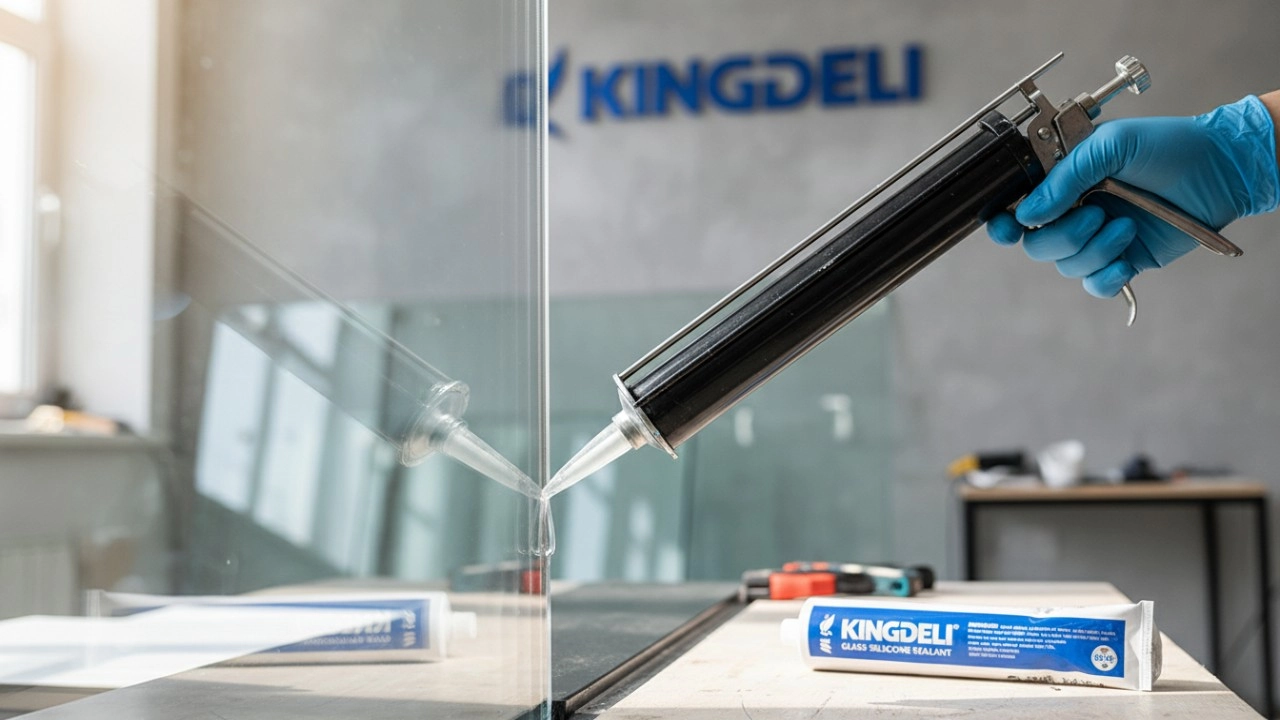
The 2026 Ultimate Guide to Glass Silicone Sealant: Everything You Need for a Perfect Finish
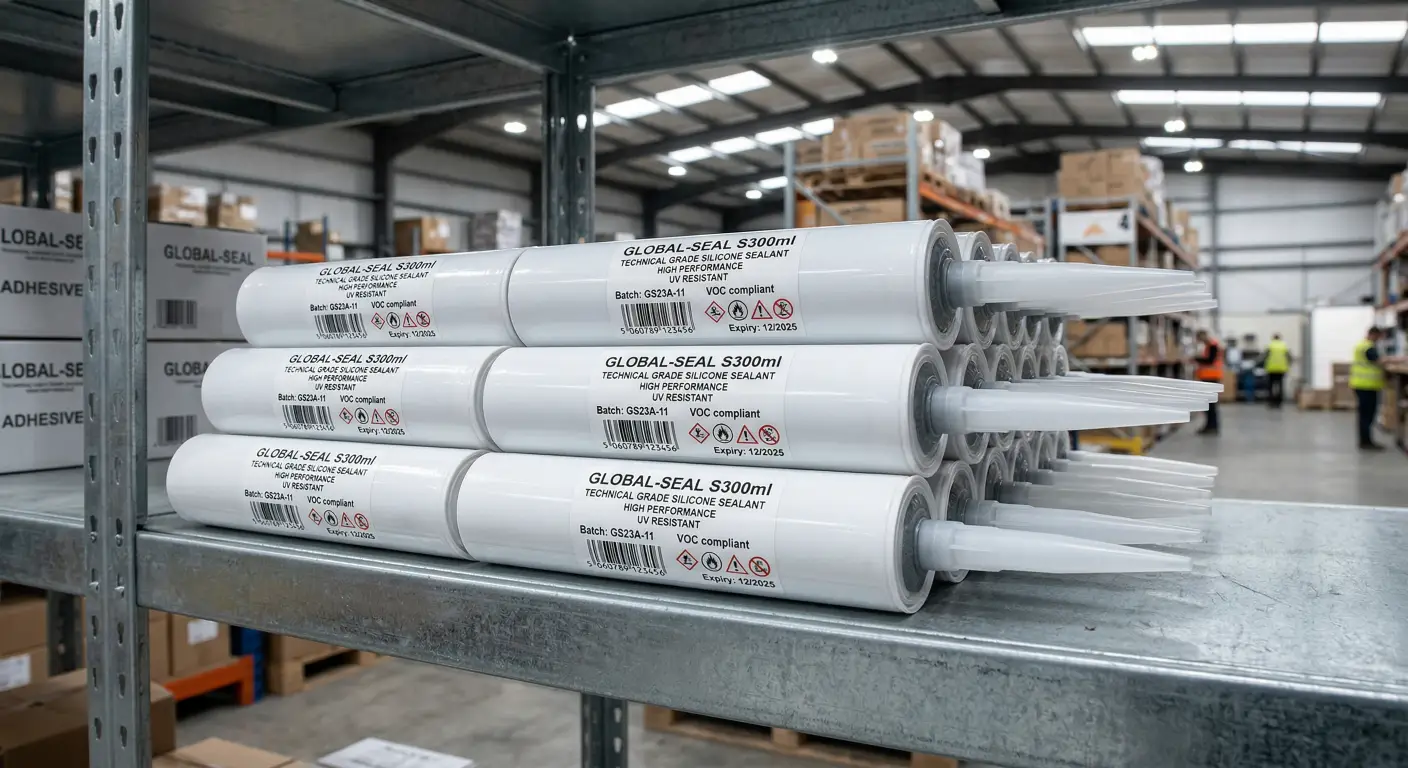
OEM vs. Branded Acetic Silicone Sealant: What’s Best for Your Distribution Business?
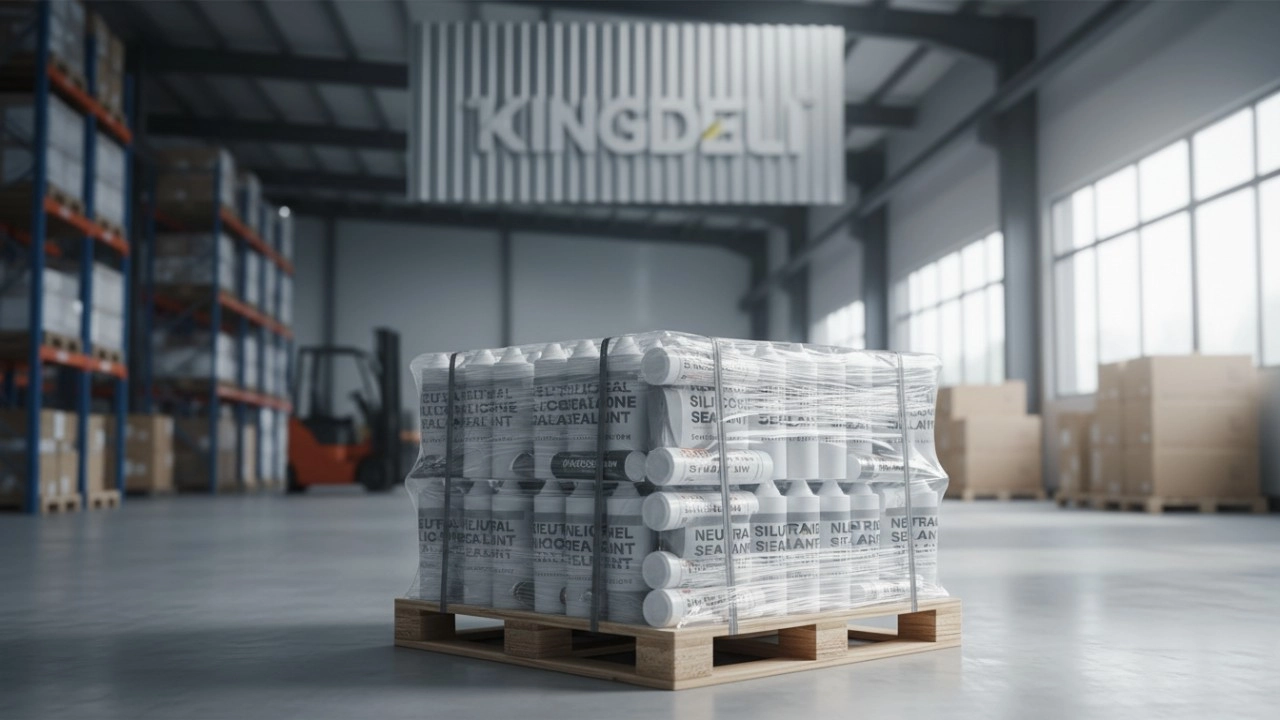
The Future of Sealants: 5 Emerging Trends in Wholesale Neutral Silicone Sealant Technology for 2026
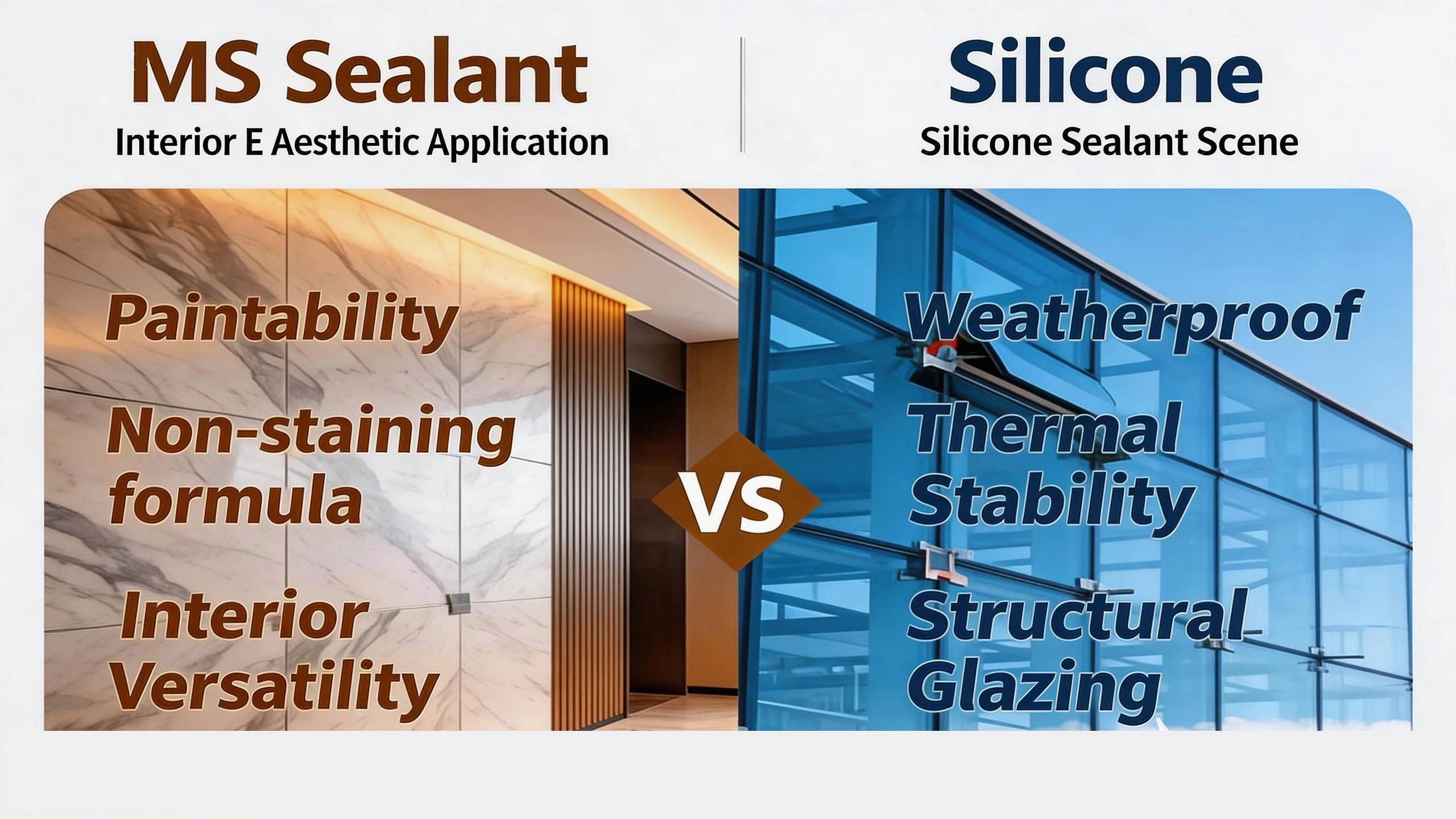
MS Sealant vs. Silicone: Which is Right for Your Construction Project?
HY982
What materials can HY982 bond?
HY982 provides excellent adhesion to a wide range of substrates, including wood, stainless steel, aluminum, stone, sintered slab, glass, ceramics, PVC, and most common building panels.
Is HY982 environmentally friendly?
Yes. HY982 is solvent-free, ultra-low VOC, non-toxic, and odorless, making it safe for indoor applications and compliant with modern environmental standards.
Distributor Partnership
How long is production and delivery time?
Typically 15–25 days depending on order size and customization requirements.
HY-976
Can the adhesive fill gaps?
Yes. It has gap-filling capability of up to 10 mm, making it suitable for uneven surfaces.
HY732
Can it be used for repair work?
Yes, HY732 is suitable for sealing and repair work on glass-related applications, including joints, gaps, and fixture sealing.
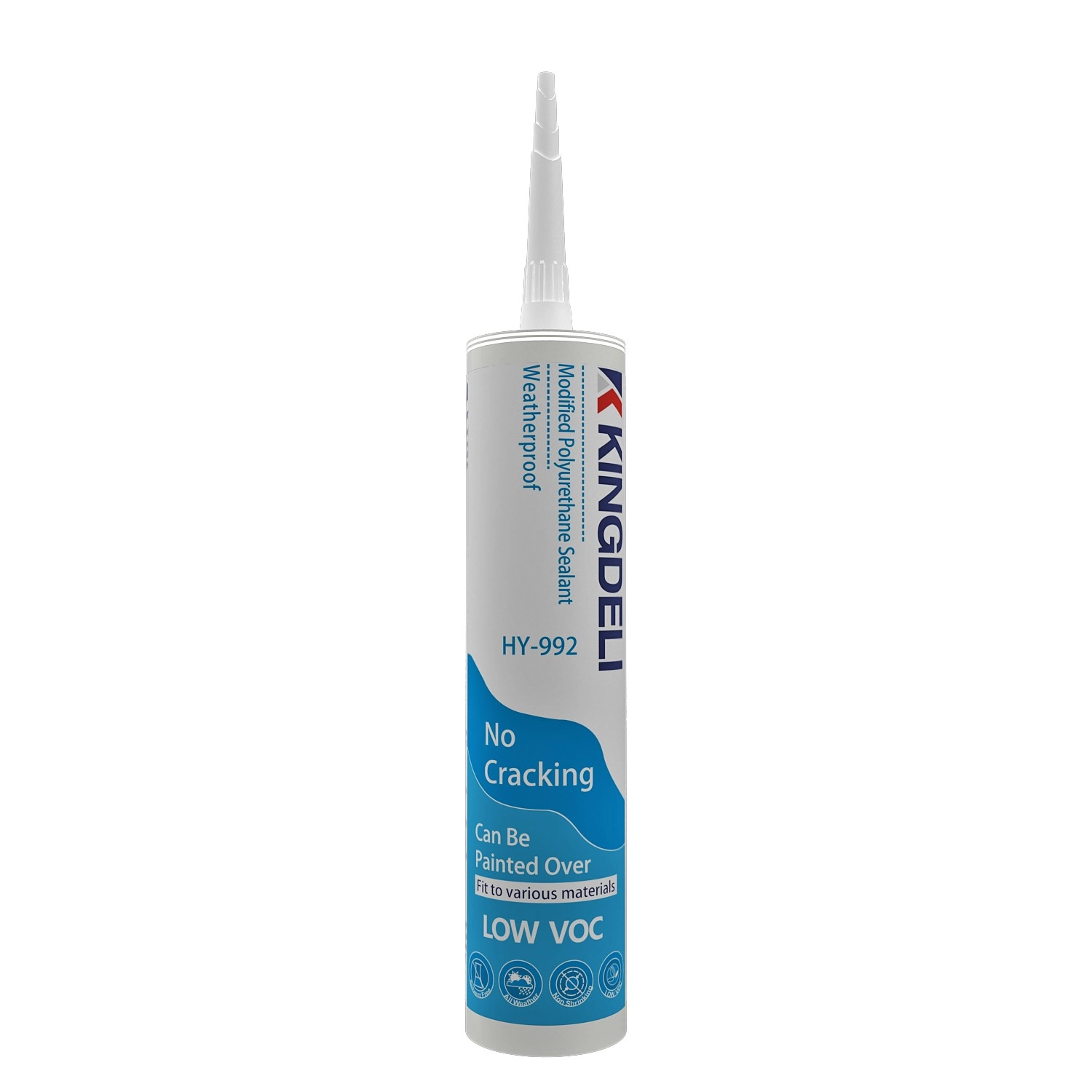
HY992 Modified Polyurethane Construction Sealant
HY992 Modified Polyurethane Sealant is a one-component, moisture-curing construction sealant designed for professional building and structural sealing applications. It provides excellent adhesion, weather resistance, and durable elasticity, making it suitable for a wide range of construction materials.
The formulation delivers strong bonding performance without corrosion or substrate contamination, while maintaining low VOC content for environmentally responsible construction projects.

HY995 Crystal Clear Ms Polymer Adhesive/Sealant
HY995 Crystal Clear Ms Polymer Adhesive/Sealant is a new generation MS Polymer adhesive / sealant formulated for all bonding and sealing applications where long term reliability is required. It has excellent bonding strength on various materials. It will cure to form a durable, flexible, waterproof seal.

HY997 High-Performance Anti-Microbial MS Polymer Sealant
HY997 MS polymer sealant for is is a premium one-component, neutral-curing modified silane sealant engineered for demanding interior applications. It offers a Class 20 movement capability, ensuring long-lasting flexibility and reliable performance under dynamic joint conditions. Curing at room temperature, HY997 delivers superior anti-microbial and mildew-resistant properties, maintaining hygienic and clean environments over time.
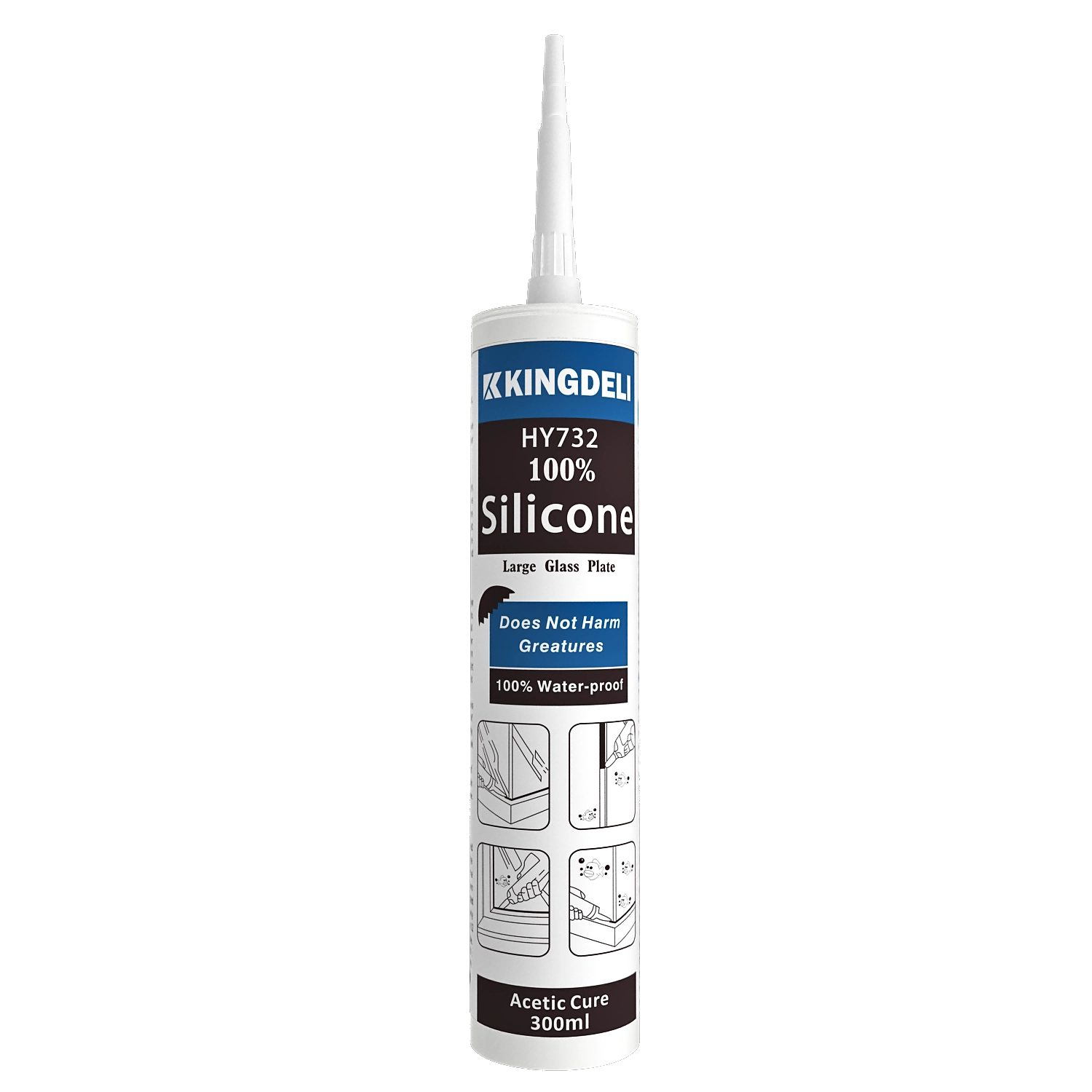
KINGDELI HY732 Professional Acetoxy Cure Silicone Sealant
KINGDELI HY732 is a professional-grade, one-component acetoxy cure silicone sealant designed for fast curing, strong adhesion, and long-lasting flexibility. Ideal for aquariums, glass applications, aluminum doors and windows, kitchens, and bathrooms, it provides reliable sealing performance with excellent anti-fungal protection in high-humidity environments.
Let’s Build Stronger Bonds with Quality Adhesives and Sealants
Have questions about the topic or need tailored sealant solutions for your project?
Our team is ready to provide expert guidance, product recommendations, and application support.
Innovating with Integrity, Bonding the World
Since 1998, KINGDELI has delivered trusted, sustainable sealant solutions that connect industries and inspire progress worldwide.
Whatsapp: +8618825946249
Kingdeli
Kingdeli
Kingdeli
Kingdeli
Kingdeli