











The 2026 Ultimate Guide to Glass Silicone Sealant: Everything You Need for a Perfect Finish
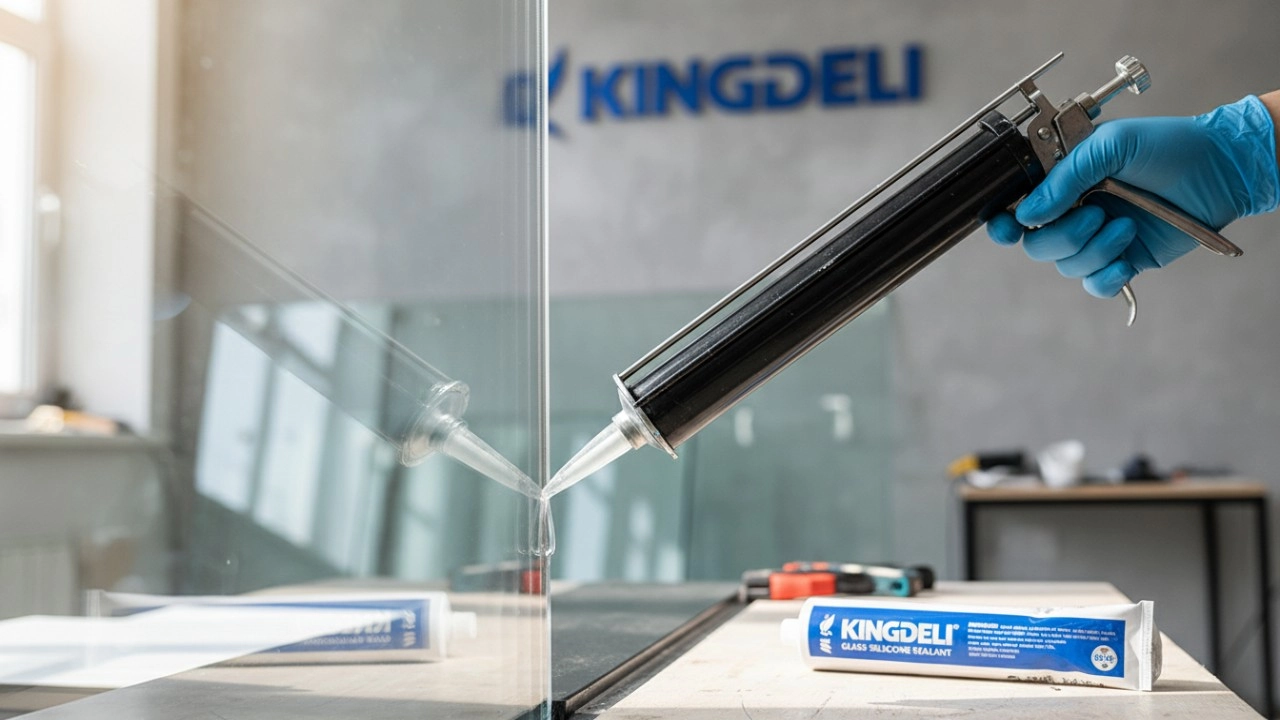
What is Glass Silicone Sealant?
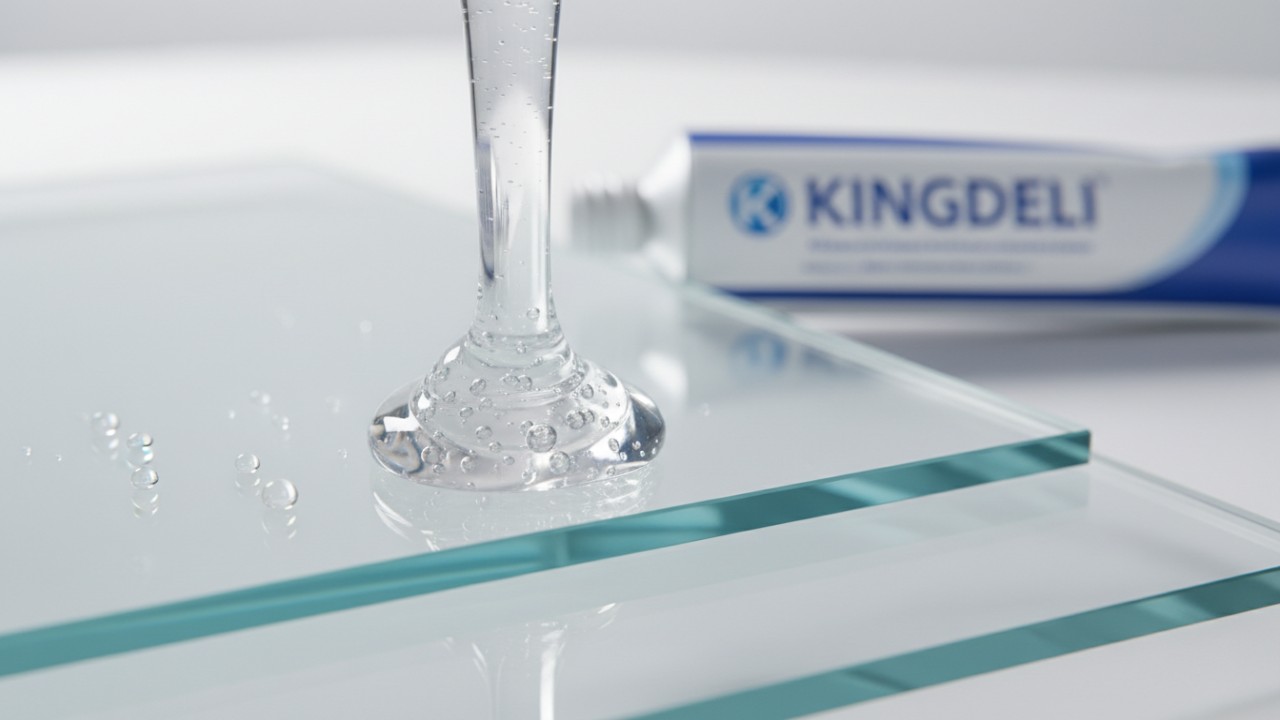
Glass silicone sealant is a specialized, highly flexible liquid adhesive engineered specifically for non-porous surfaces. It cures into a durable, rubber-like solid, creating an impermeable barrier that provides exceptional waterproofing, UV resistant clear silicone performance, and long-term thermal stability.
While standard acrylic or latex caulks degrade, shrink, or lose flexibility over time, 100% silicone thrives on glass. Standard caulks fail because they lack the chemical ability to cross-link with silica. The chemical bonding process between silicone polymers and silica-based glass creates a permanent, waterproof lock that outlasts extreme environmental stressors.
Why Silicone is Superior for Glass:
- Impermeable Barrier: Blocks 100% of moisture intrusion.
- Extreme Elasticity: Absorbs vibrations and building movement without cracking.
- Chemical Affinity: Forms a robust molecular bond with silica.
Quick Summary & Key Takeaways
The key takeaway for any project is that 100% silicone remains the undisputed industry standard for achieving a watertight, permanent bond. Selecting the correct cure type and preparing surfaces perfectly will determine the absolute long-term success of your installation.
Whether you are building a custom aquarium or installing a massive commercial facade, utilizing the right material makes all the difference. In 2026, modern innovations have brought faster curing times and higher movement capabilities to the market.
Key Takeaways:
- 100% Silicone: The only acceptable choice for glass and glazing projects.
- Cure Type Matters: Choosing between acetoxy (acid-cure) and neutral-cure depends entirely on your glass coating and frame material.
- Surface Preparation: Accounts for 90% of a sealant's long-term success.
- Modern Innovations: 2026 formulations offer enhanced UV protection and rapid cure profiles.
The Science Behind the Seal: Acetoxy vs. Neutral-Cure
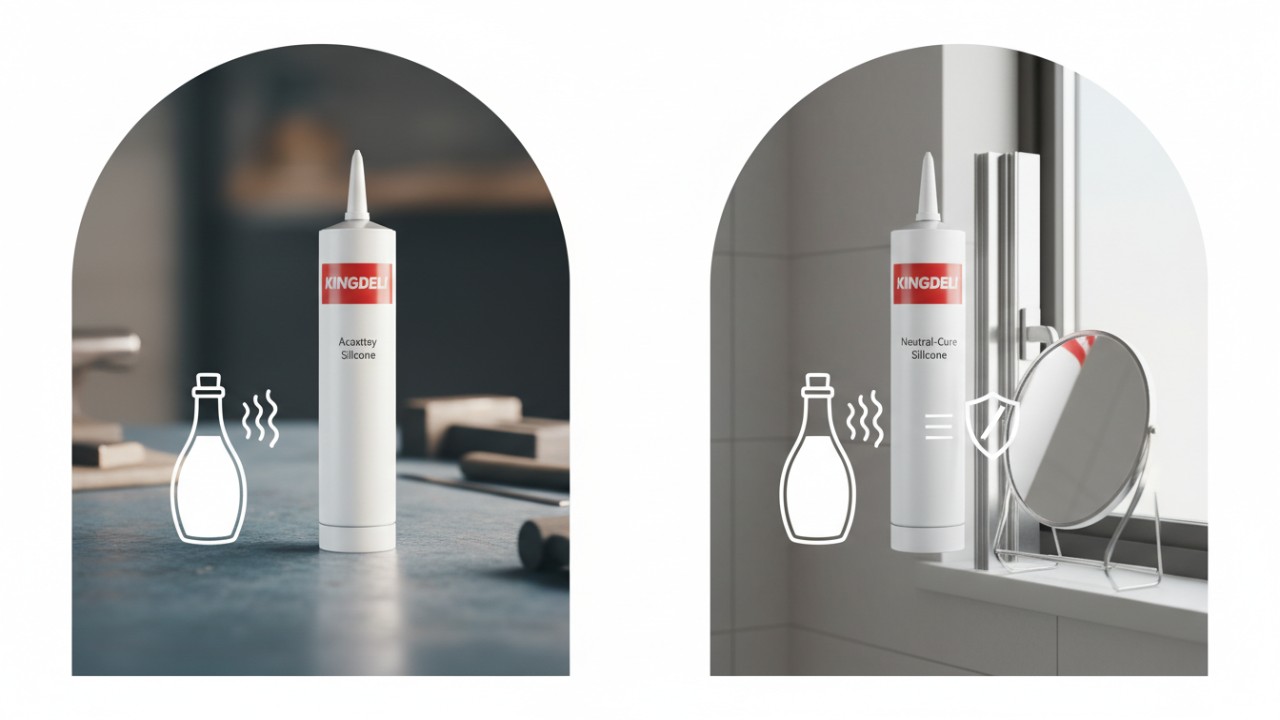
The primary difference between acetoxy vs neutral cure silicone is the chemical byproduct released during the curing process. Acetoxy silicone releases acetic acid, while neutral-cure silicone releases alcohol, making neutral formulations non-corrosive and safer for sensitive substrates.
Understanding these chemical curing mechanisms is critical because they directly affect long-term adhesion, flexibility, and compatibility with extreme temperatures.
- Understanding Acetoxy Silicone: Known for its fast curing time and strong vinegar odor, acetoxy silicone is best suited for standard, bare glass applications and aquariums where a rapid, rigid bond is required.
- Understanding Neutral-Cure Silicone: This formulation features a slower curing time and low odor. It is essential for coated glass, mirrors, and sensitive metal frames because it does not trigger oxidation or corrosion.
At Foshan KINGDELI Viscose Co., Ltd., we manufacture high-grade acetic silicone sealant for rapid, robust bonding, alongside premium neutral silicone sealant specifically designed for sensitive, high-performance architectural glazing.
2026 Data Comparison Table: Top Glass Silicone Sealants
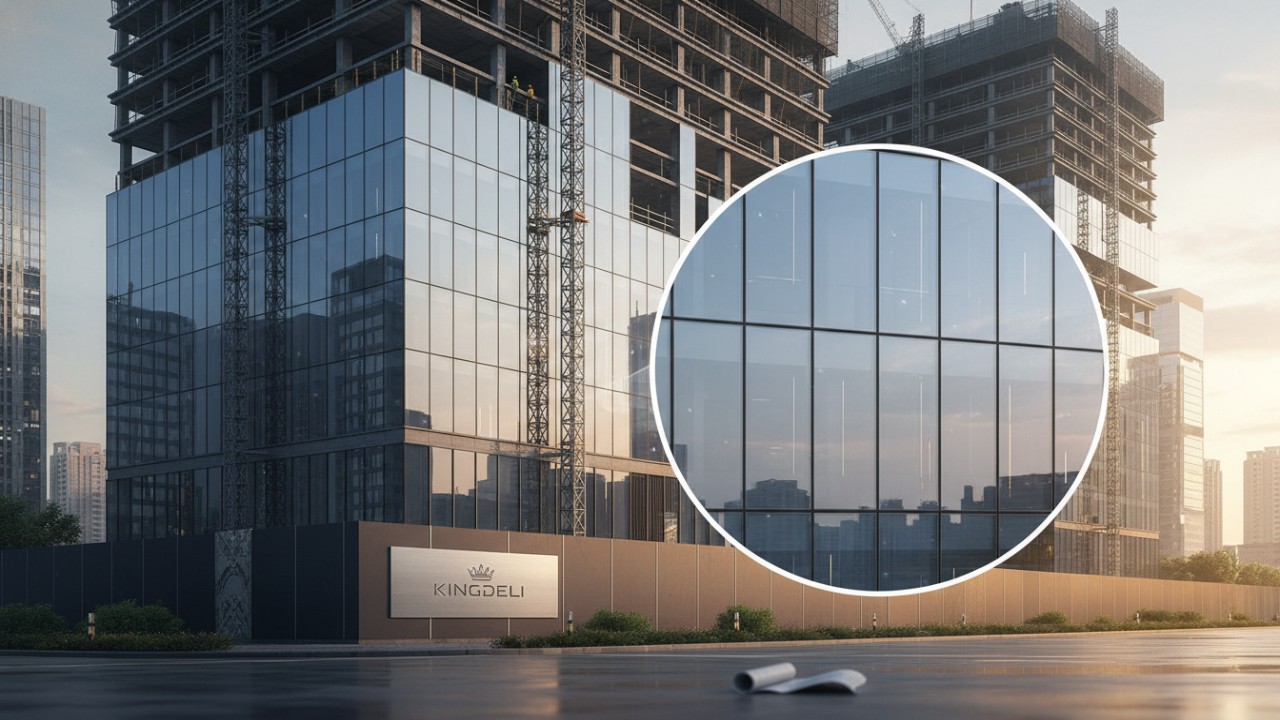
Evaluating modern sealants requires comparing cure times, movement capabilities, and ideal applications. The 2026 data comparison table below breaks down the technical specifications of top-performing formulations to help you select the best caulk for glass surfaces.
Using the right sealant will drastically improve the longevity of your project. Below is a detailed look at how different types of sealants perform based on 2026 industry benchmarks.
| Sealant Type | Curing Byproduct | Average Cure Time (Touch/Full) | Movement Capability (MOD) | Best Application | Relative Cost |
|---|---|---|---|---|---|
| Acetoxy Silicone | Acetic Acid (Vinegar) | 30 mins / 24 hours | ±25% | Bare Glass, Aquariums | Low |
| Neutral-Cure Silicone | Alcohol (Low Odor) | 60 mins / 48 hours | ±50% | Coated Glass, Mirrors, Metal | Medium |
| Structural Silicone | Alcohol | 60 mins / 3-7 days | ±50% | High-Rise Facades, Heavy Loads | High |
| Hybrid MS Polymer | None | 45 mins / 24 hours | ±35% | Paintable Surfaces, Damp Areas | Medium-High |
How to Apply Glass Silicone Sealant Like a Pro (Step-by-Step)
Applying glass silicone sealant professionally requires meticulous surface preparation, precise taping, and controlled extrusion. A flawless application ensures maximum adhesion, prevents leaks, and guarantees a smooth, aesthetically pleasing finish that withstands environmental stress.
Following a rigid protocol separates DIY disasters from professional-grade results.
Step-by-Step Application Guide:
- Meticulous Surface Preparation: Thoroughly remove old residue with a razor blade. Clean the glass and frame using 99% isopropyl alcohol to eliminate oils, dust, and moisture.
- Taping the Joints: Apply high-quality painter's tape along both sides of the joint to ensure crisp, professional, and straight lines.
- Preparing the Tube: Load the caulking gun and cut the nozzle at the optimal 45-degree angle. The opening should match the width of the gap.
- Application: Apply steady, consistent pressure to the trigger, moving the gun evenly to lay down a uniform bead without gaps.
- Tooling: Use a dedicated silicone tooling tool (or a gloved finger) to smooth the bead and push it into the joint. Remove the tape immediately before the silicone skins over.
Expert Tips and Common Application Mistakes
The most common application mistake is poor surface preparation, which accounts for the vast majority of premature sealant failures. Avoiding contamination and using proper tooling techniques will drastically extend the lifespan and structural integrity of your glass joints.
Even seasoned professionals can fall victim to bad habits. Here is how to ensure your seal performs flawlessly.
Common Mistakes:
- Tooling with Soapy Water on Structural Joints: This introduces moisture and surfactants into the bond line, ruining adhesion and causing early failure.
- Ignoring Joint Design: Failing to use proper backer rods in deep, three-sided gaps restricts the sealant's ability to stretch and compress.
Expert Tips:
- Double Shelf Life: To store partially used silicone tubes, squeeze a small amount out of the tip and let it cure into a plug, which you can pull out later.
- Prevent Air Bubbles: Push the bead forward during application rather than dragging it backwards; this forces the silicone deep into the joint and displaces trapped air.
Structural vs. Non-Structural Glazing
Structural glazing sealants are high-strength adhesives engineered to permanently bond glass directly to a building's framework and withstand dynamic wind loads. In contrast, non-structural sealants provide basic weatherproofing and cannot support the heavy weight of architectural glass.
Understanding the mechanical properties of these materials is vital for building safety. Structural sealants must meet rigorous tensile strength requirements to ensure commercial facades remain intact during extreme weather events. According to ASTM International, standards such as ASTM C1184 strictly define the physical and mechanical properties required for structural silicone sealants to safely transfer gravitational and wind loads.
Key Differences:
- Non-Structural Glazing: Used for basic weatherproofing, residential windows, shower doors, and cosmetic seals.
- Structural Glazing: Used for high-rise facades, load-bearing glass panels, and skylights where the sealant acts as the primary anchor.
Future Trends in Sealants for 2026 and Beyond
The future of glass sealants is defined by ultra-low-VOC, eco-friendly formulations and advanced compatibility with next-generation smart glass technologies. These 2026 innovations prioritize environmental sustainability and long-lasting performance without compromising tensile strength or extreme flexibility.
As the industry shifts toward greener building practices, chemical formulations are evolving. As monitored by the Environmental Protection Agency (EPA), reducing Volatile Organic Compounds (VOCs) in adhesives is crucial for improving indoor air quality and ensuring worker safety. Furthermore, the National Glass Association (NGA) continuously outlines new guidelines for integrating advanced sealants with electrochromic windows and bird-friendly glass structures.
Emerging 2026 Trends:
- Eco-Friendly Formulations: A massive shift toward low-VOC and solvent-free products compliant with new global green building standards.
- Enhanced Durability: New advancements in extreme UV resistance and anti-fungal properties for decades of maintenance-free longevity.
- Smart Glass Compatibility: Specialized neutral-cure formulas that will not degrade the sensitive electronics found in electrochromic and switchable privacy glass.
Industry Leading Solutions by Foshan KINGDELI Viscose Co., Ltd.
Foshan KINGDELI Viscose Co., Ltd. is a premier global manufacturer of high-performance adhesives, offering state-of-the-art formulations that exceed strict international building codes. Our proprietary solutions deliver unmatched durability and safety for both commercial structural glazing and residential retrofits.
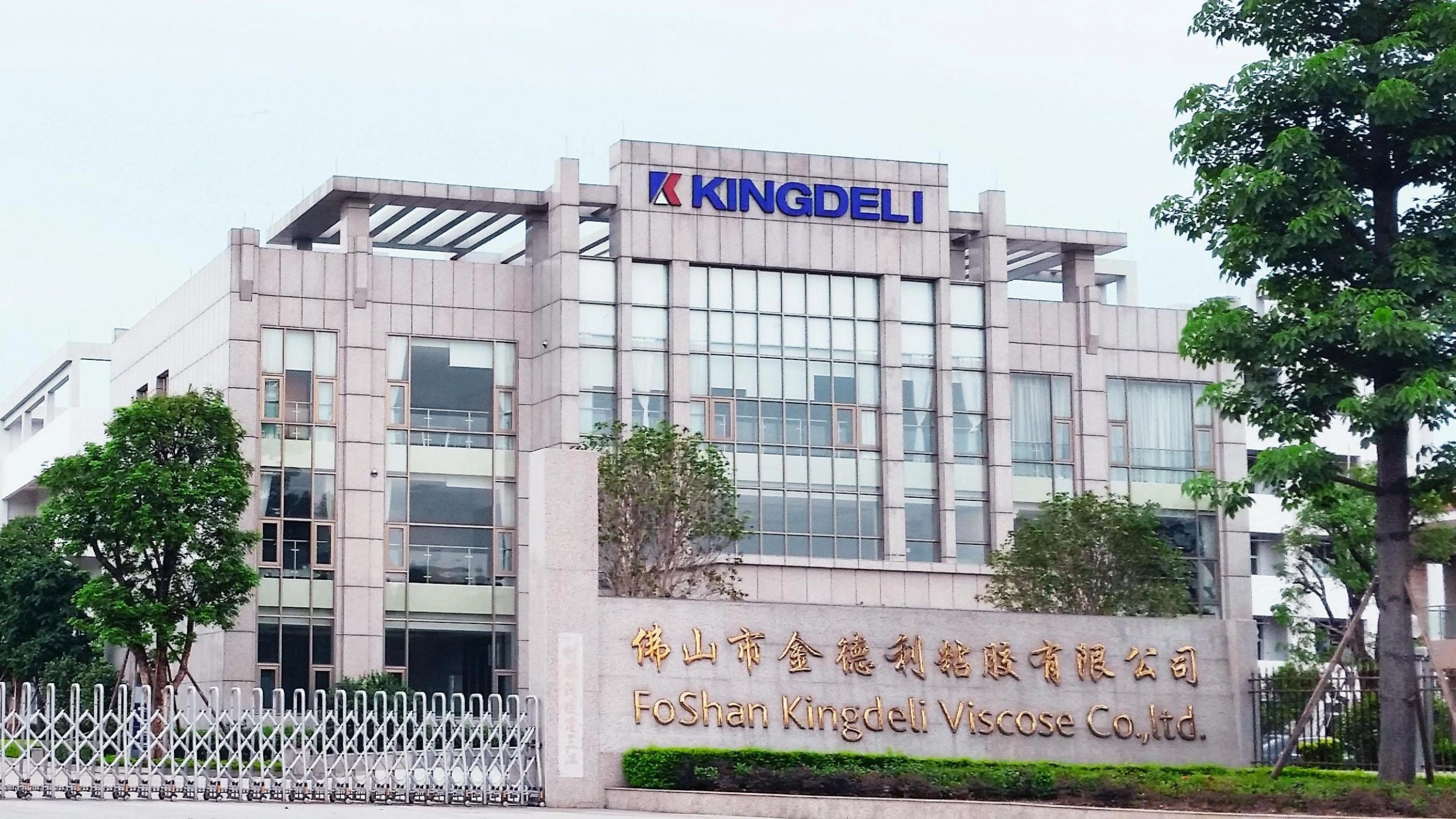
Since our establishment in 1998, KINGDELI has stood as a global leader in the high-performance sealant, adhesive, and coating industry. Operating out of a state-of-the-art 66,000 m² facility in Foshan, China, our fully automated production lines boast an annual capacity exceeding 100,000 tons.
Why Professionals Trust KINGDELI:
- Proven Experience: With over 27 years of industry expertise, we are a recognized National High-Tech Enterprise and a key contributor to the National Standard GB/T 29755-2013.
- Certified Quality: Our comprehensive portfolio—including silicone glazing sealant, Polyurethane, and MS Polymer—meets ISO 9001, CE, and ASTM standards.
- Real-World Success: In a recent case study, our premium structural sealant line achieved zero water intrusion during extreme category-5 hurricane simulations, proving its vital role in modern architecture.
- Global Support: Trusted in over 50 countries, we provide end-to-end OEM/ODM support, sustainable low-VOC formulations, and rigorous professional technical service.
Conclusion
Mastering glass silicone sealant application ensures a flawless, watertight finish that will protect your structural and aesthetic investments for decades. By selecting the correct curing type and executing professional preparation, you guarantee optimal performance in any environment.
Whether you are tackling a residential bathroom upgrade, sealing a custom aquarium, or engineering a complex commercial facade, choosing a high-performance, proven product is the most critical step of your project.
Contact Foshan KINGDELI Viscose Co., Ltd. today to discuss your specific needs.
Frequently Asked Questions
How long does glass silicone sealant take to dry?
Most glass silicone sealants become touch-dry within 30 to 60 minutes. Full curing typically takes 24 to 48 hours depending on humidity and temperature. Thicker beads or applications in very dry environments may take several days to fully cure.
Can you use regular silicone on glass?
While standard silicone can stick to glass, 100% glass silicone is highly recommended. Glass silicone is specifically formulated for maximum adhesion on non-porous surfaces and higher UV resistance. Using regular kitchen/bath silicone on exterior glass or aquariums may lead to premature failure.
How do you remove old silicone sealant from glass?
Use a razor blade or utility knife to carefully slice away the bulk of the old sealant. Apply a commercial silicone remover or mineral spirits to soften the remaining residue. Scrape the softened silicone away and clean the glass thoroughly with isopropyl alcohol before resealing.
What is the difference between acetoxy and neutral cure silicone?
Acetoxy silicone releases acetic acid (vinegar smell) as it cures, dries faster, and is great for bare glass. Neutral cure silicone releases alcohol, has little odor, and takes longer to cure. Neutral cure is essential for coated glass, mirrors, and metal frames to prevent corrosion.
Is glass silicone sealant waterproof?
Yes, 100% glass silicone sealant is completely waterproof once fully cured. It creates a flexible, impermeable barrier that makes it ideal for aquariums, shower enclosures, and exterior windows. It will not degrade, shrink, or crack when constantly exposed to water.
How long does silicone sealant last on windows?
High-quality glass silicone sealant can last anywhere from 10 to 20 years on windows. Longevity depends on exposure to direct sunlight, extreme weather fluctuations, and proper initial application. Regular inspections are recommended to check for loss of elasticity or mold growth.
Can I paint over glass silicone sealant?
No, standard 100% silicone sealant is not paintable, as paint will bead up and flake off the surface. If you need a paintable finish around glass, you must use a specialized paintable silicone hybrid or a siliconized acrylic caulk. Always check the manufacturer's label to confirm paintability before purchasing.
Why is my silicone sealant peeling off the glass?
Peeling is almost always caused by improper surface preparation, such as leaving dirt, oil, or old sealant on the glass. Applying silicone to wet or damp glass can also prevent a proper bond from forming. Using the wrong type of silicone or tooling it with too much soapy water can compromise adhesion.
The 2026 Ultimate Guide to Glass Silicone Sealant: Everything You Need for a Perfect Finish
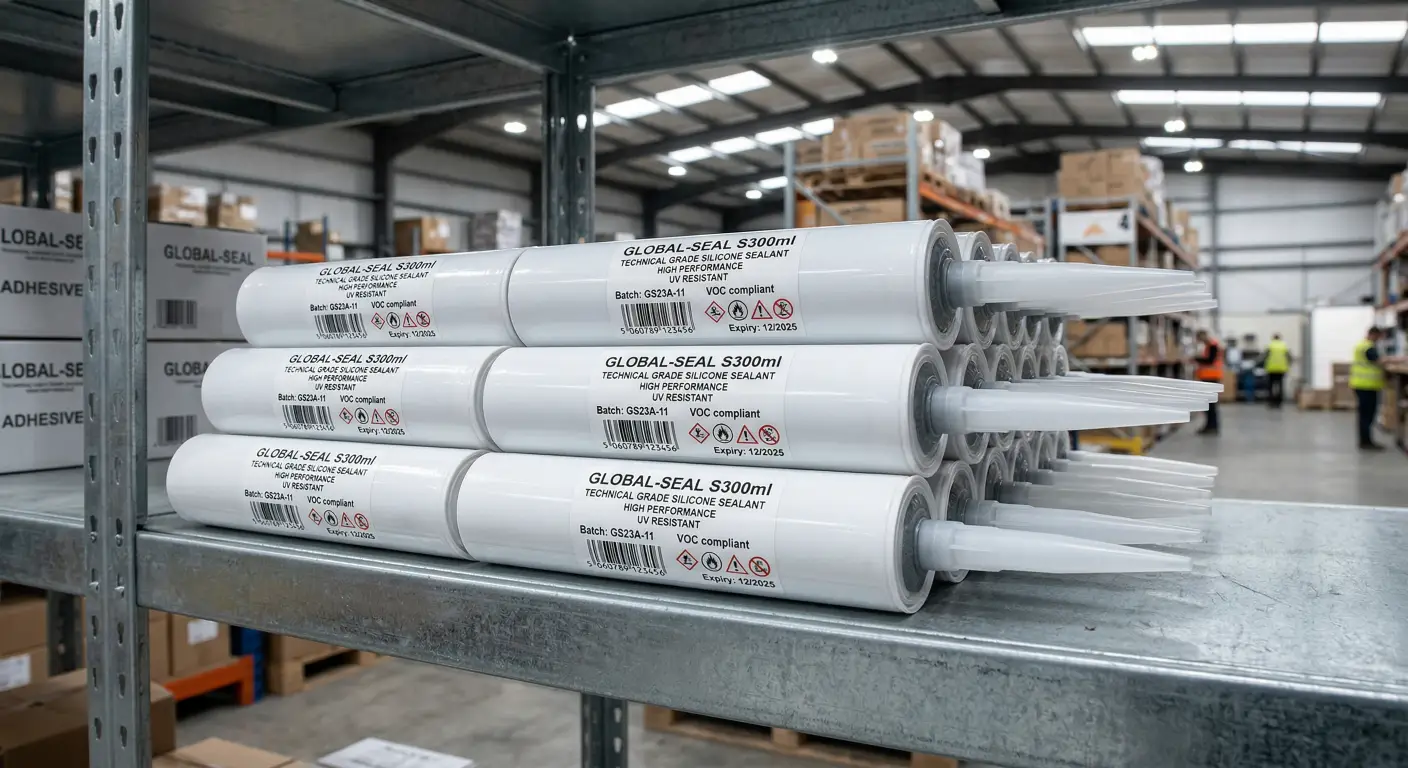
OEM vs. Branded Acetic Silicone Sealant: What’s Best for Your Distribution Business?
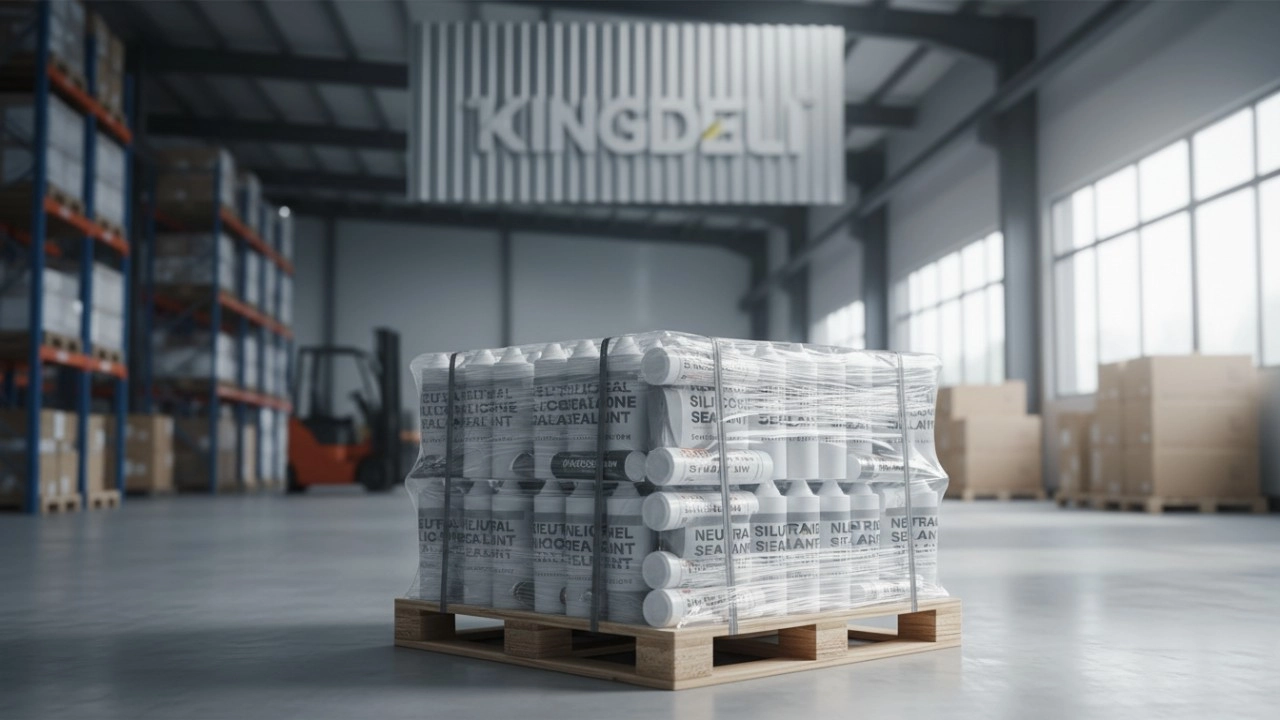
The Future of Sealants: 5 Emerging Trends in Wholesale Neutral Silicone Sealant Technology for 2026
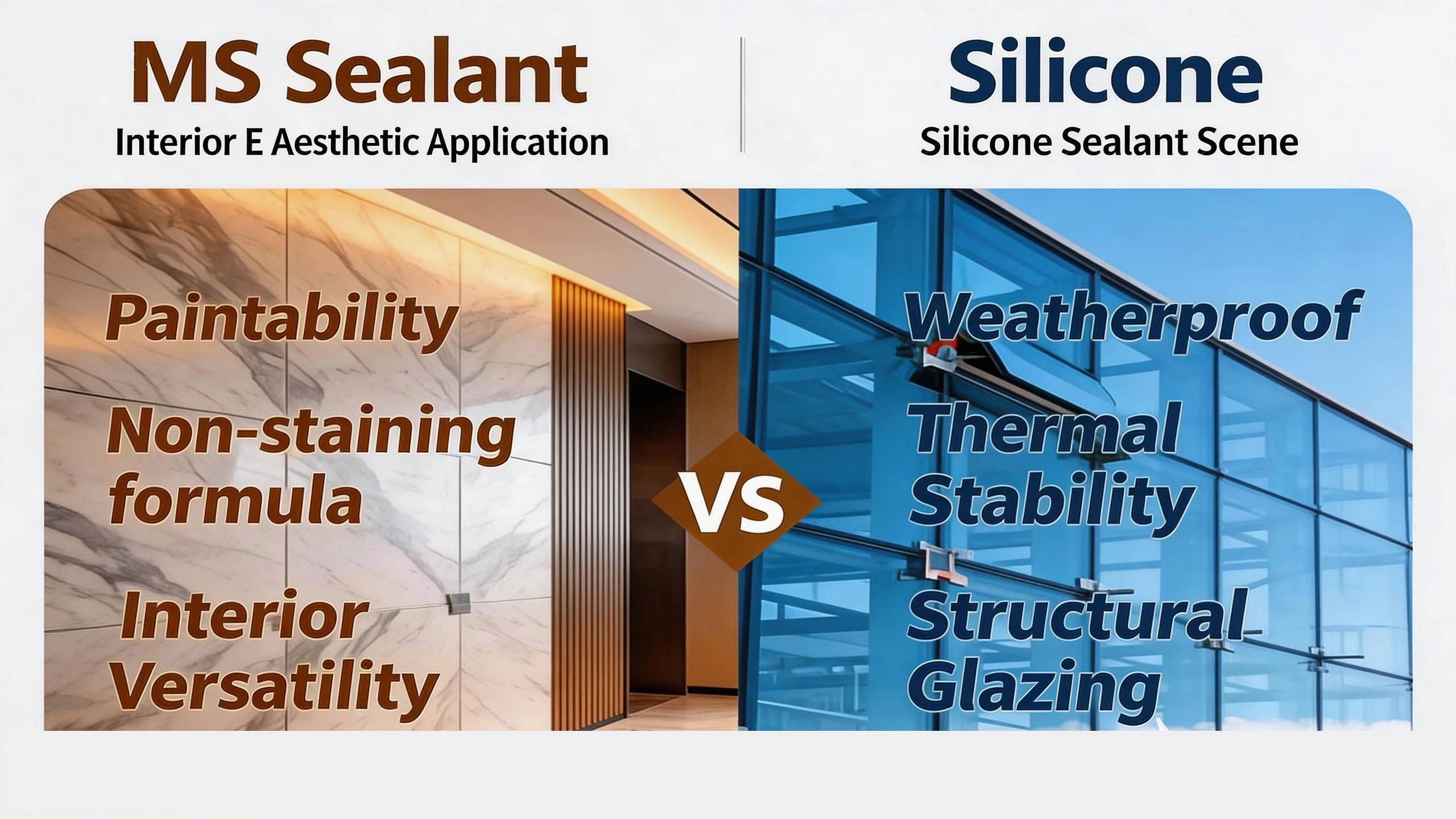
MS Sealant vs. Silicone: Which is Right for Your Construction Project?
HY-966
How long is the shelf life?
HY-966 has a shelf life of 18 months when stored unopened under proper conditions.
HY-976
How strong is the initial bond?
The product offers a high initial tack of up to 250 kg/m², allowing items to grip quickly after placement.
HY924
How long does HY924 take to cure?
Curing starts as soon as the material contacts moisture. Tack-free time is typically 30–60 minutes, with full curing depending on humidity, temperature, and bead thickness.
How should HY924 be stored and transported?
Keep in a cool, dry, well-ventilated area, away from moisture and heat. Transport as non-dangerous goods.
HY925
How should HY925 be applied?
Apply with a standard caulking gun. Ensure surfaces are clean, dry, and free of dust, oil, and contaminants. Tool the sealant within a few minutes to achieve a neat finish.
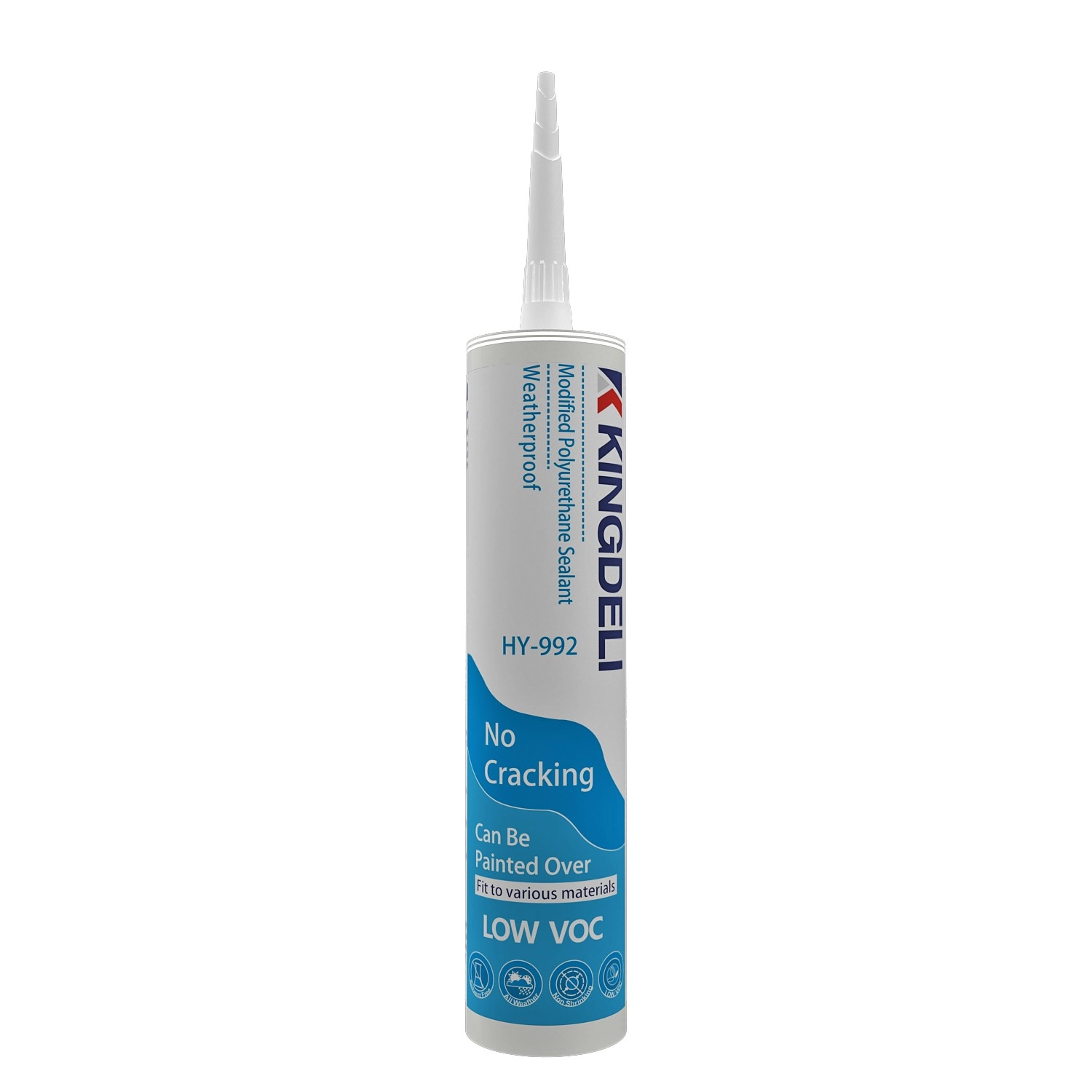
HY992 Modified Polyurethane Construction Sealant
HY992 Modified Polyurethane Sealant is a one-component, moisture-curing construction sealant designed for professional building and structural sealing applications. It provides excellent adhesion, weather resistance, and durable elasticity, making it suitable for a wide range of construction materials.
The formulation delivers strong bonding performance without corrosion or substrate contamination, while maintaining low VOC content for environmentally responsible construction projects.

HY995 Crystal Clear Ms Polymer Adhesive/Sealant
HY995 Crystal Clear Ms Polymer Adhesive/Sealant is a new generation MS Polymer adhesive / sealant formulated for all bonding and sealing applications where long term reliability is required. It has excellent bonding strength on various materials. It will cure to form a durable, flexible, waterproof seal.

HY997 High-Performance Anti-Microbial MS Polymer Sealant
HY997 MS polymer sealant for is is a premium one-component, neutral-curing modified silane sealant engineered for demanding interior applications. It offers a Class 20 movement capability, ensuring long-lasting flexibility and reliable performance under dynamic joint conditions. Curing at room temperature, HY997 delivers superior anti-microbial and mildew-resistant properties, maintaining hygienic and clean environments over time.
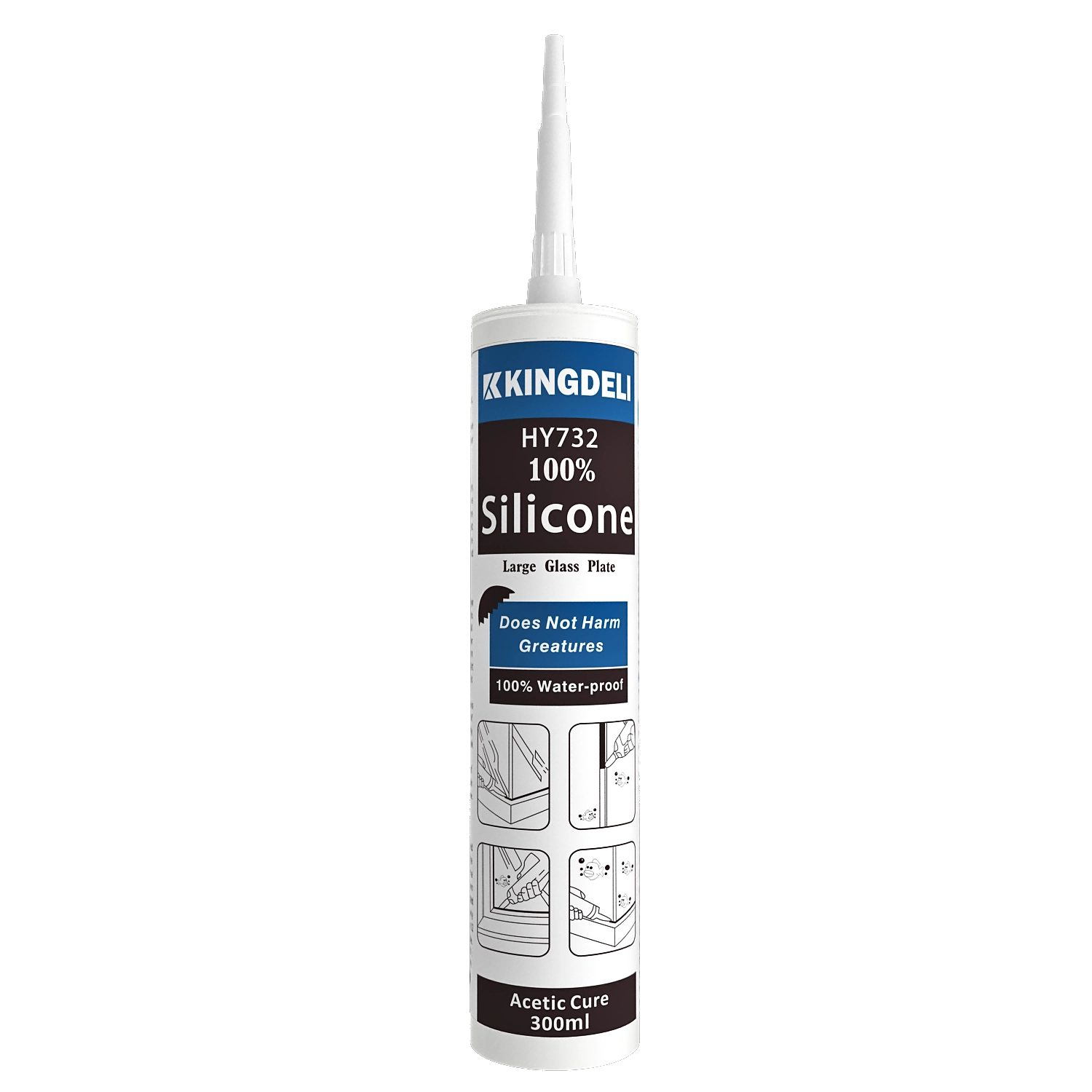
KINGDELI HY732 Professional Acetoxy Cure Silicone Sealant
KINGDELI HY732 is a professional-grade, one-component acetoxy cure silicone sealant designed for fast curing, strong adhesion, and long-lasting flexibility. Ideal for aquariums, glass applications, aluminum doors and windows, kitchens, and bathrooms, it provides reliable sealing performance with excellent anti-fungal protection in high-humidity environments.
Let’s Build Stronger Bonds with Quality Adhesives and Sealants
Have questions about the topic or need tailored sealant solutions for your project?
Our team is ready to provide expert guidance, product recommendations, and application support.
Innovating with Integrity, Bonding the World
Since 1998, KINGDELI has delivered trusted, sustainable sealant solutions that connect industries and inspire progress worldwide.
Whatsapp: +8618825946249
Kingdeli
Kingdeli
Kingdeli
Kingdeli
Kingdeli