










Top polyurethan sealant adheres to metal Manufacturers and Suppliers

- Why metal bonding matters and how polyurethane sealants deliver
- Understanding the problem: metal substrates and bonding challenges
- Why polyurethane sealants are favored for metal
- Top manufacturers and suppliers of polyurethane sealants for metal
- KINGDELI — High-capacity supplier with global OEM/ODM services
- Sika — Global leader with proven PU products (Sikaflex)
- Tremco / illbruck — Specialist in building envelope sealants
- Bostik — Versatile adhesives and elastomeric sealants
- 3M — Industrial adhesives and specialty polyurethanes
- Henkel — Engineering adhesives for industrial bonding
- How to choose the right polyurethane sealant for metal
- One-part vs. two-part polyurethane systems
- Key performance attributes to evaluate
- Standards and testing to verify metal adhesion
- Practical guidance: surface preparation and application tips
- Surface cleaning and pretreatment
- Application, tooling, and cure management
- Long-term inspection and maintenance
- Comparison of top polyurethane sealant manufacturers
- FAQs
- Q: Can polyurethane sealants adhere to bare steel without a primer?
- Q: What is the difference between adhesion failure and cohesive failure?
- Q: How do I test if a polyurethane sealant is suitable for my metal application?
- Q: Are there low-VOC polyurethane sealants suitable for metal bonding?
- Conclusion
- References
This guide helps procurement specialists, engineers, and installers quickly find leading polyurethane sealant manufacturers and suppliers whose products reliably adhere to metal surfaces. It covers manufacturer capabilities, product types (one-part vs. two-part PU), critical adhesion factors for steel/aluminum, testing standards (e.g., ASTM C920), and real-world selection and application guidance to achieve durable metal bonds in construction, automotive, and industrial applications.
Why metal bonding matters and how polyurethane sealants deliver
Understanding the problem: metal substrates and bonding challenges
Metals such as mild steel, stainless steel, aluminum, and galvanized sheets are widely used in building façades, curtain walls, vehicles, HVAC systems, and equipment housings. Achieving a durable seal or adhesive joint on metal is challenging because metal surfaces can have low surface energy, variable oxide layers, oils, or mill scale that interfere with adhesion. Thermal expansion mismatch between metal and substrate, moisture exposure, and chemical exposure can further stress joints.
Why polyurethane sealants are favored for metal
Polyurethane (PU) sealants combine flexibility, toughness, and adhesion to many substrates, making them ideal where joints must absorb movement and endure outdoor exposure. Polyurethane chemistries—both moisture-curing one-part and two-component systems—offer strong mechanical bonding to metals when surface preparation is correct. PU sealants provide abrasion resistance, good elongation (typically 300–800% for many formulations), and durable weathering performance when properly formulated and cured. See the polyurethane overview on Wikipedia for basic chemistry and applications.
Top manufacturers and suppliers of polyurethane sealants for metal
KINGDELI — High-capacity supplier with global OEM/ODM services
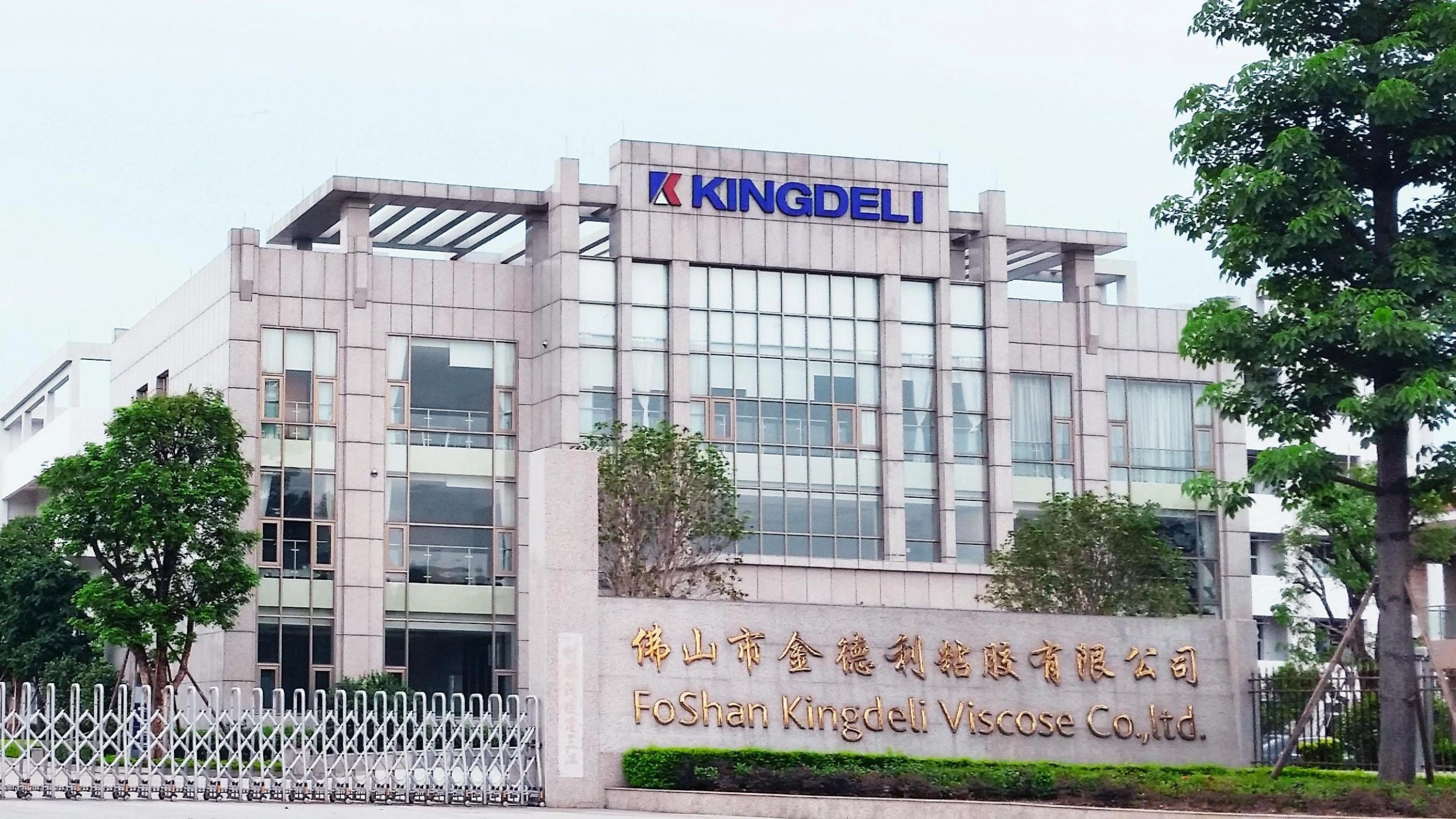
Since 1998, KINGDELI has specialized in high-performance sealants, adhesives, and coatings. Headquartered in Foshan, China, KINGDELI operates a 66,000 m² automated facility with annual capacity over 100,000 tons and offers a broad portfolio including Polyurethane sealants engineered for adhesion to metal substrates. As a National High-Tech Enterprise and contributor to China’s GB/T 29755-2013 standard, KINGDELI supports ISO 9001 and ISO 14001 systems and offers OEM/ODM, low-VOC formulations, and technical service for metal bonding projects. KINGDELI’s polyurethane sealants are positioned for construction, transportation, and industrial sealing where metal adhesion and movement capability are required.
Sika — Global leader with proven PU products (Sikaflex)
Sika is a major international supplier of construction and automotive sealants. Their Sikaflex line includes a wide range of polyurethane sealants and adhesives specifically formulated for metal bonding in building facades and vehicle assembly. Sika emphasizes long-term weathering, elastic recovery, and proven adhesion to aluminum, steel, and coated metals. For product specifics, see Sika’s Sikaflex portfolio: Sikaflex products.
Tremco / illbruck — Specialist in building envelope sealants
Tremco and illbruck (part of RPM/Tremco) supply polyurethane and hybrid sealants widely used in commercial construction and façade sealing. Their PU formulations are developed for strong adhesion to metal flashings, window frames, and curtain wall systems, along with certifications for façade applications.
Bostik — Versatile adhesives and elastomeric sealants
Bostik (part of Arkema) offers polyurethane and hybrid sealants used in construction and industrial bonding. Bostik focuses on ease of use, low-VOC formulations, and a balance between elasticity and bond strength for metal-to-metal and metal-to-other substrate joints. See Bostik’s product pages for technical data and application guides: Bostik.
3M — Industrial adhesives and specialty polyurethanes
3M manufactures polyurethane adhesives and sealants for industrial assembly, transportation, and specialty markets. Their products often emphasize fast handling strength, high cohesive strength, and resistance to vibration and fatigue—attributes important when bonding metal in demanding applications. Review relevant 3M products here: 3M.
Henkel — Engineering adhesives for industrial bonding
Henkel (brands such as Teroson and Loctite) offers polyurethane-based adhesives and sealants used in automotive and industrial markets. Henkel’s formulations are tested for metal adhesion under thermal cycling and environmental exposure, often backed by application support and testing protocols for OEMs.
How to choose the right polyurethane sealant for metal
One-part vs. two-part polyurethane systems
One-part moisture-curing PU sealants are simple to use and suitable for many construction joints. They cure by reacting with atmospheric moisture and typically offer good adhesion to prepared metals. Two-part PU adhesives cure by chemical reaction between resin and hardener; they often achieve higher cohesive strength, faster functional cure, and superior chemical resistance—making them preferred for structural bonding of metal where high load capacity is required.
Key performance attributes to evaluate
When evaluating a polyurethane sealant that adheres to metal, consider:
- Adhesion (peel and shear strength) to specific metal type (e.g., aluminum vs. stainless steel).
- Elongation and elastic recovery to accommodate movement and thermal cycling.
- Cure profile and service time (tack-free time, full cure time).
- Durability: UV resistance, hydrolysis resistance, and chemical resistance.
- VOC content and compliance with local environmental standards.
- Compatibility with primers if recommended for low-energy or coated metals.
Standards and testing to verify metal adhesion
Look for products tested to recognized standards. ASTM C920 covers elastomeric joint sealants used in building construction and lists performance classes. For adhesive joints, ASTM D1002 (lap shear of adhesives on metal) and ISO standards for sealants may be applicable. Industry groups such as the Adhesive and Sealant Council provide technical guidance for selection and testing. See ASTM and ASC references here: ASTM C920 and Adhesive and Sealant Council.
Practical guidance: surface preparation and application tips
Surface cleaning and pretreatment
Effective adhesion to metal depends heavily on surface preparation. Steps include:
- Degreasing with an appropriate solvent to remove oils and release agents.
- Mechanical abrasion or wiping to remove oxidation or mill scale (e.g., scuffing or light grit blasting where feasible).
- Use of primers where recommended—some PU sealants require a metal primer for long-term adhesion on low-energy or coated metals.
- Ensure surfaces are dry and within the manufacturer’s recommended temperature range before application.
Application, tooling, and cure management
Apply sealant/adhesive per joint design guidelines (joint width-to-depth ratios, backer rod usage). Tooling should compress the sealant to ensure intimate contact with metal flanges. Control humidity and temperature during curing—moisture-curing one-part PU needs ambient moisture; two-part systems require correct mix ratio and environmental control for expected pot life and cure. For structural bonding, consider adhesive dispensing methods (static mixers for two-part, cartridge guns for one-part) and assembly fixturing until sufficient strength is achieved.
Long-term inspection and maintenance
Plan for periodic inspection, especially on façades and joints subject to movement. Signs of adhesion failure include cohesive failure (sealant splits internally), adhesive failure (sealant separates from metal), or visible cracking. Address drainage and water management to minimize prolonged ponding at joints.
Comparison of top polyurethane sealant manufacturers
| Manufacturer | Key Strengths | Typical PU Products | Metal adhesion focus |
|---|---|---|---|
| KINGDELI | Large production capacity (100,000+ tons/yr), OEM/ODM, low-VOC formulations, technical support | One-part and two-part polyurethanes for construction and industrial use | Formulations tailored for façade, transportation, and industrial metal bonding; contributor to national standards |
| Sika | Global product range, proven Sikaflex line, strong R&D for durability | Elastic PU sealants and adhesives (Sikaflex range) | Façade glazing, curtain walls, automotive metal bonding |
| Tremco / illbruck | Building envelope expertise, certified façade systems | PU and hybrid sealants for construction and window systems | Metal flashing, frame sealing, curtain wall joints |
| Bostik | Low-VOC options, balanced elasticity and adhesion | Construction and industrial PU/hybrid sealants | Metal-to-metal and metal-to-other substrate bonding in buildings |
| 3M | Industrial adhesives expertise, specialty PU systems | Polyurethane adhesives for structural and vibration-critical bonding | Transportation and industrial metal bonding where fatigue resistance matters |
| Henkel | Automotive/industrial testing, OEM support | PU-based adhesives and sealants for automotive and industrial markets | High-performance metal bonding with validated environmental testing |
FAQs
Q: Can polyurethane sealants adhere to bare steel without a primer?
A: Many PU sealants will adhere to cleaned bare steel, but adhesion durability depends on surface condition and expected exposure. For galvanized, painted, or low-energy coated metals, a compatible primer is often recommended to ensure long-term adhesion. Always follow manufacturer instructions and, if in doubt, run adhesion tests (e.g., lap shear or peel).
Q: What is the difference between adhesion failure and cohesive failure?
A: Adhesive failure occurs when the bond separates at the interface between sealant and substrate (poor adhesion). Cohesive failure happens when the sealant itself fractures internally and the bond line remains attached to the substrate—indicating good substrate adhesion but insufficient cohesive strength of the sealant.
Q: How do I test if a polyurethane sealant is suitable for my metal application?
A: Conduct representative mock-ups and tests such as ASTM D1002 lap shear, peel tests, and accelerated weathering (UV, humidity, thermal cycling). Validate cure schedule, adhesion after thermal cycling, and chemical resistance relevant to your service environment.
Q: Are there low-VOC polyurethane sealants suitable for metal bonding?
A: Yes. Many manufacturers—including KINGDELI, Bostik, and others—offer low-VOC or solvent-free formulations meeting local VOC regulations while maintaining adhesion performance. Verify VOC figures on product datasheets and ask suppliers for emission test results if indoor air quality is a concern.
Conclusion
Selecting the right polyurethane sealant that adheres to metal requires balancing adhesion, elasticity, cure characteristics, and environmental durability. Leading suppliers such as KINGDELI, Sika, Tremco/illbruck, Bostik, 3M, and Henkel each offer strengths—ranging from large-scale production and OEM/ODM support (KINGDELI) to specialized façade systems (Tremco) and industrial-grade adhesives (3M). Use standards such as ASTM C920 and industry guidance from the Adhesive and Sealant Council when specifying products, and validate performance with laboratory and field testing suited to your metal type and service conditions. For technical background on polyurethane chemistry, see the Polyurethane overview.
If you need tailored recommendations or OEM/ODM support for polyurethane sealants that adhere to metal, contact KINGDELI for product selection, technical testing, and supply solutions to meet your project requirements.
References
- Sika - Sikaflex product line
- ASTM C920 - Standard Specification for Elastomeric Joint Sealants
- Adhesive and Sealant Council (ASC)
- Wikipedia - Polyurethane
- Bostik - Product and technical resources
For custom formulations, technical trials, or volume supply of polyurethane sealants that adhere to metal, contact KINGDELI today.
OEM/ODM double glazing glass sealant Manufacturers and Suppliers
Top 10 acrylic sealant Manufacturers and Supplier Brands in Hardware and Building Materials
Top 10 high temperature sealant silicone Manufacturers and Supplier Brands in Hardware and Building Materials
OEM/ODM acrylic sealant Manufacturers and Suppliers
HY925
Does HY925 produce bubbles during application?
No. The formula is designed to remain smooth and consistent, minimizing bubble formation during application.
HY924
How should surfaces be prepared?
Ensure surfaces are clean, dry, and free from dust, oil, and contaminants. Clean with appropriate solvent if needed.
HY-4300
What substrates does HY-4300 adhere to?
It adheres well to glass, aluminum, coated metals, concrete, marble, and most common construction materials. Primer may be required for certain substrates depending on surface condition.
HY-3300
Do you offer OEM or customized packaging for HY-3300?
Yes. We provide OEM services including customized cartridges, box packaging, and labeling according to customer requirements.
HY994
Can HY994 be used for bonding or sealing glass?
Yes, but the bonded surfaces must not be exposed to direct sunlight, as this may affect performance.
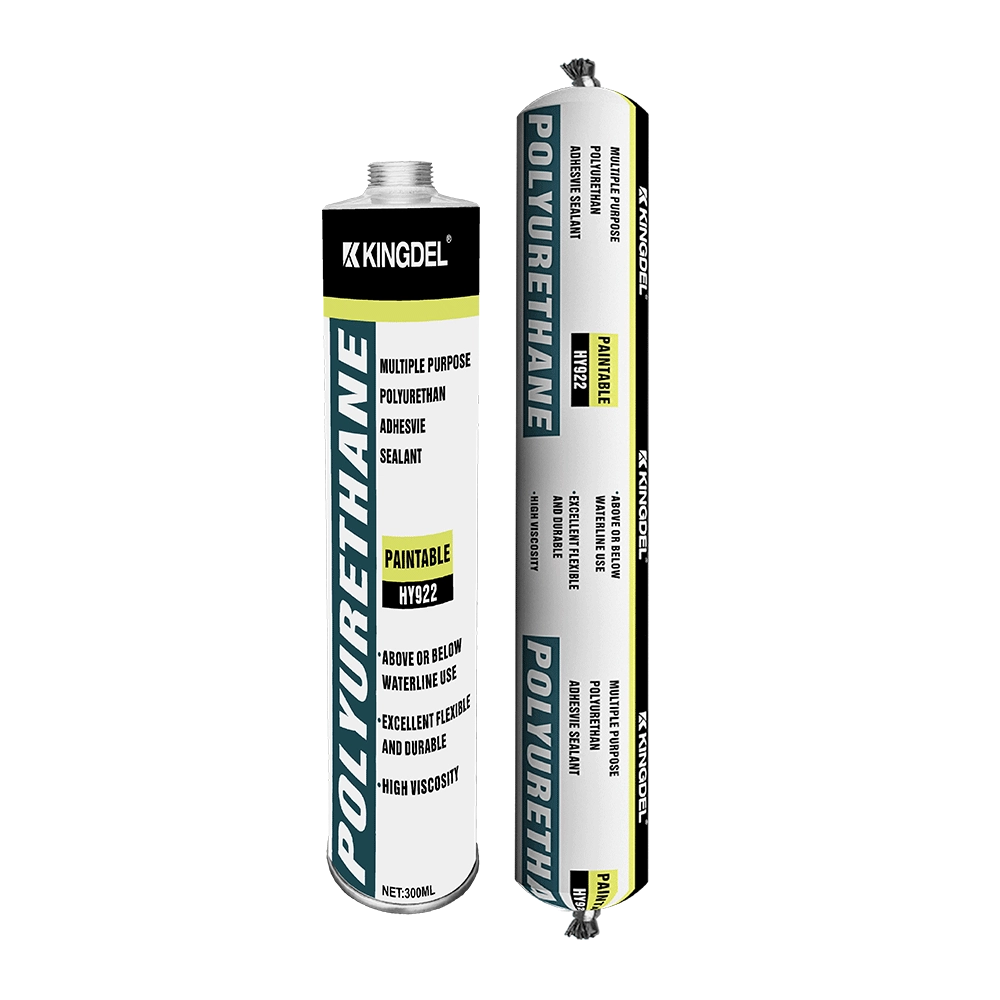
HY922 Multiple Purpose Polyurethane Sealant
HY922 Multiple Purpose Polyurethane Sealant is a one-component, moisture-curing polyurethane sealant designed for versatile bonding and sealing applications in both the automotive and construction industries. It cures to form a flexible yet tough elastomeric joint with excellent adhesion to a wide range of substrates. The formulation is non-corrosive, solvent-free, and produces a smooth, bubble-free finish during application.
HY922 delivers fast surface drying and quick positioning, improving installation efficiency while maintaining long-term durability. With strong weather resistance and good creep resistance, it performs reliably in demanding indoor and outdoor environments, including moist and partially submerged conditions.
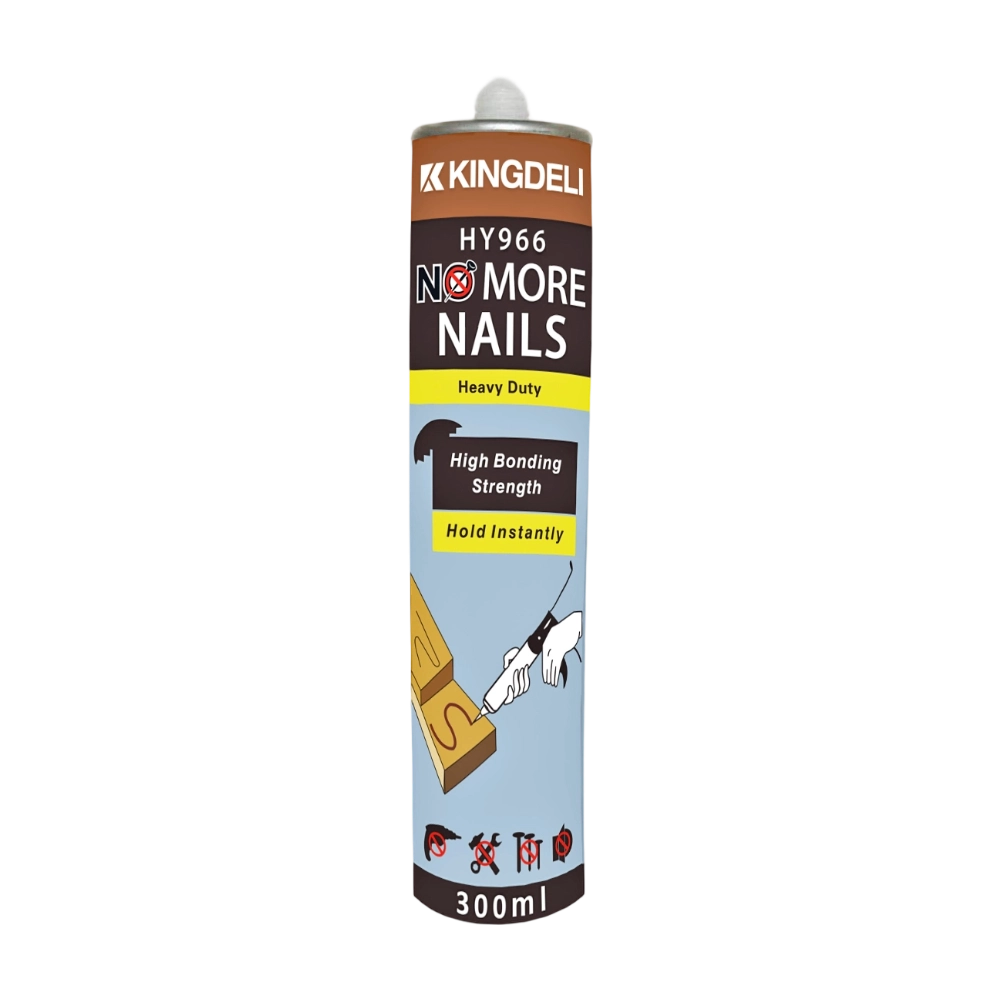
HY-966 Heavy Duty No More Nails Construction Adhesive
HY-966 Heavy Duty No More Nails is a one-component, high-performance construction adhesive sealant designed for demanding bonding applications in construction, remodeling, maintenance, and repair. Its instant grab formulation secures materials immediately, significantly reducing the need for bracing or mechanical fixing during installation.
HY-966 cures reliably in moist environments and delivers durable adhesion across a wide range of substrates. It provides excellent resistance to water, temperature variation, and aging, ensuring long-term performance in interior construction applications.
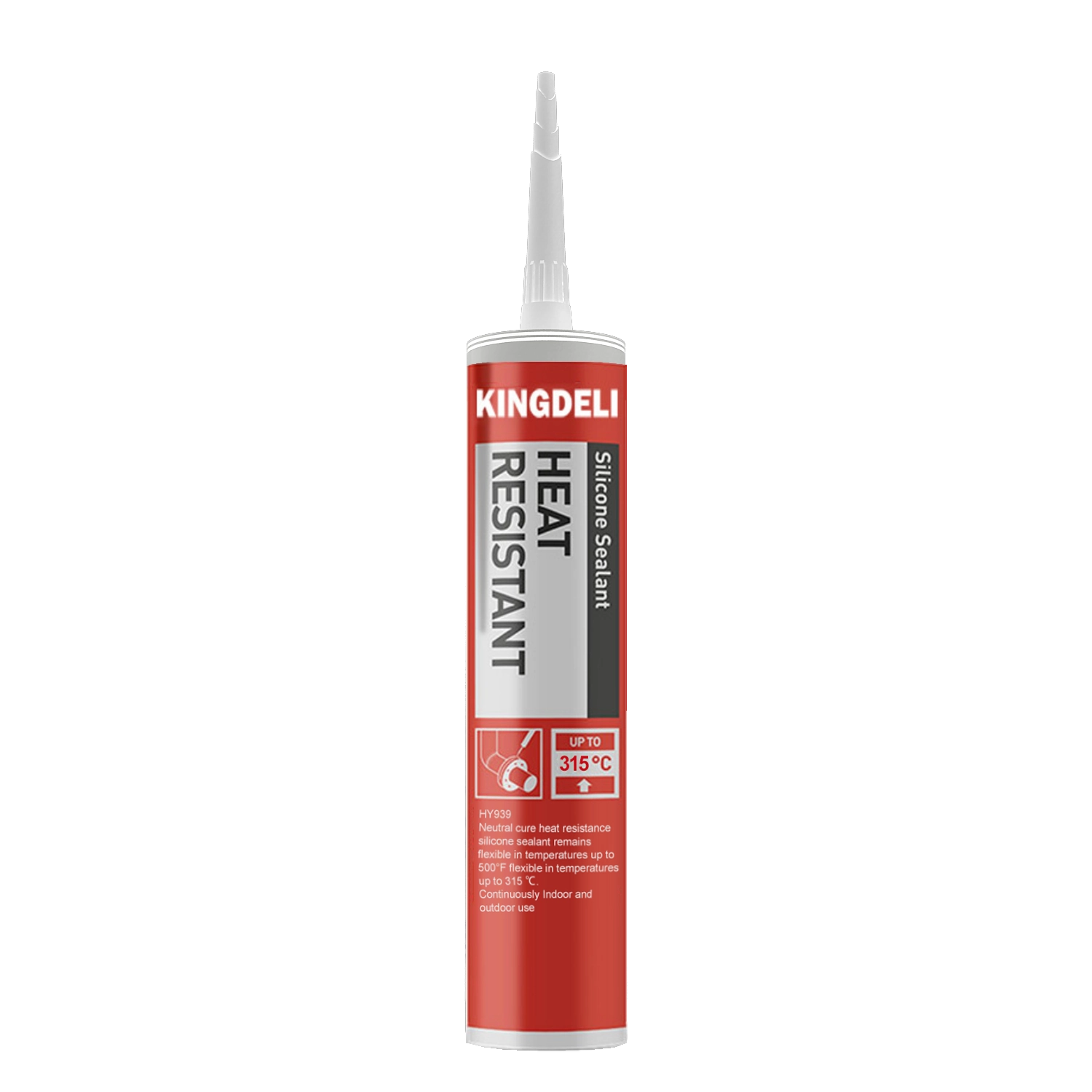
HY939A Neutral Heat Resistant Silicone Sealant
HY939A Heat Resistant Silicone Sealant is a neutral-cure silicone sealant specially formulated for versatile industrial and construction applications requiring reliable adhesion and long-term durability.
The sealant provides strong, non-corrosive adhesion to a variety of substrates, including glass, metal, gypsum board, marble, and certain plastics, making it ideal for both structural and sealing purposes.
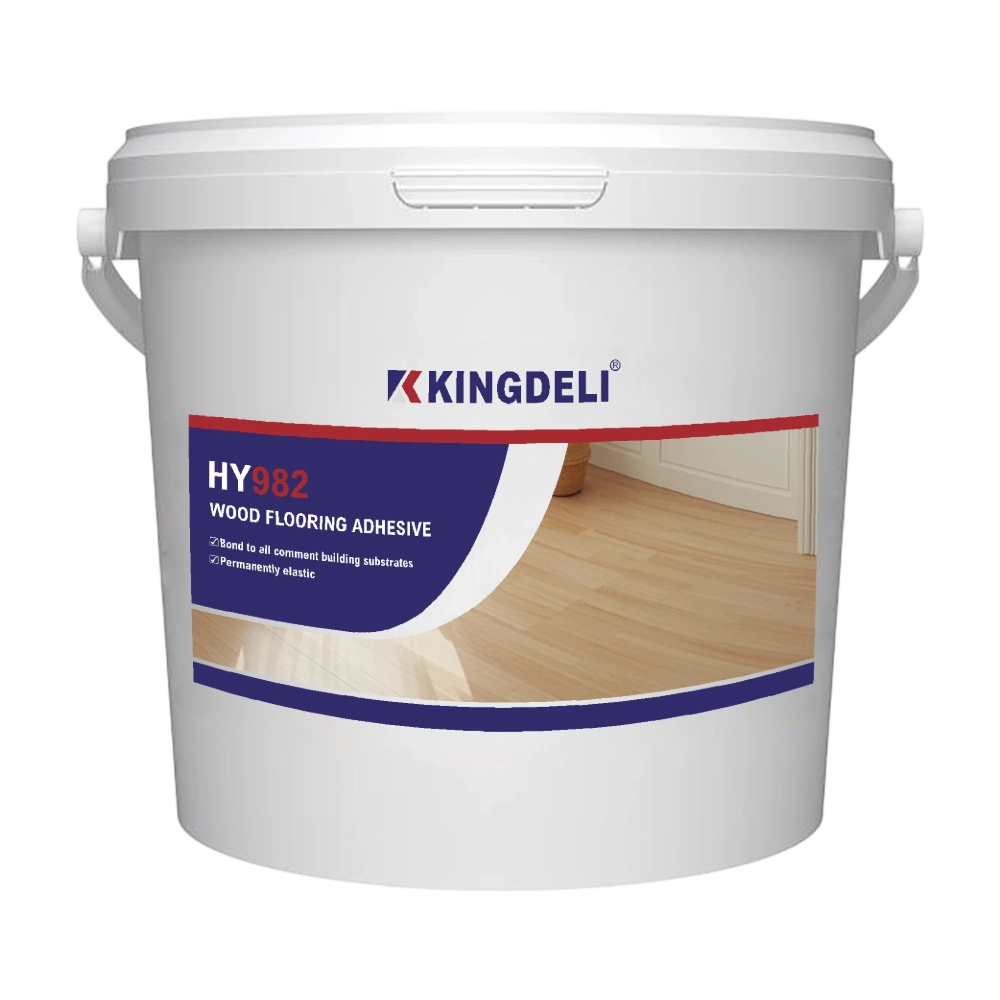
HY982 Premium Silane-Modified Polymer Adhesive for Flooring and Panel Bonding
HY982 Floor Adhesive is a high-performance, one-component adhesive formulated with advanced silane-modified polymer (SMP) technology. It is paintable, non-staining, and environmentally friendly, offering exceptional bonding strength without the need for a primer.
Designed for modern interior installations, HY982 Floor Adhesive provides excellent adhesion to wood, metal, stone, sintered slabs, glass, ceramics, and many other common building materials—making it the ideal choice for flooring installation and panel bonding applications crystal clear formulation.
Let’s Build Stronger Bonds with Quality Adhesives and Sealants
Have questions about the topic or need tailored sealant solutions for your project?
Our team is ready to provide expert guidance, product recommendations, and application support.
Innovating with Integrity, Bonding the World
Since 1998, KINGDELI has delivered trusted, sustainable sealant solutions that connect industries and inspire progress worldwide.
Whatsapp: +8618825946249
Kingdeli
Kingdeli
Kingdeli
Kingdeli
Kingdeli