











OEM/ODM acrylic sealant Manufacturers and Suppliers

- Why material selection matters in sealants
- Key properties of acrylic sealant
- Acrylic vs. silicone vs. polyurethane: practical differences
- Environmental and safety considerations
- OEM/ODM Acrylic Sealant Manufacturers and Suppliers
- What OEM/ODM partnerships involve
- How to evaluate a manufacturer: certifications, capacity, and capabilities
- KINGDELI: Manufacturing scale and OEM/ODM services
- Formulation, customization and compliance
- Custom color, viscosity, and curing profiles
- Low-VOC and sustainability approaches
- Testing, standards and quality assurance
- Selecting the right supplier: procurement checklist
- Technical support, lead times and scalability
- Packaging, logistics and minimum order quantities (MOQs)
- Cost vs. performance: evaluating total cost of ownership
This guide helps procurement managers, product developers, and specifiers quickly find and evaluate OEM/ODM acrylic sealant manufacturers and suppliers. It emphasizes performance metrics (adhesion, flexibility, paintability), regulatory compliance (ISO, VOC limits), production capacity, and technical services that matter in global sourcing. Practical comparisons, supplier evaluation checklists, and KINGDELI’s manufacturing credentials are included to support decisions and streamline supplier selection for construction, glazing, and industrial sealing needs.
Why material selection matters in sealants
Key properties of acrylic sealant
Acrylic sealants—often called acrylic latex or water-based acrylic—are versatile, paintable sealants widely used for interior and exterior joints where paintability and easy tooling are required. Core properties to evaluate include adhesion to substrates (wood, plaster, brick, painted surfaces), elastic recovery, joint movement accommodation (typically lower than silicone), and cure mechanism (water evaporation). Acrylics are commonly chosen for gap-filling, trim finishing, and decorative joints where a paintable finish is essential.
Acrylic vs. silicone vs. polyurethane: practical differences
Choosing between sealant chemistries is a frequent procurement decision. In short:
- Acrylic: Paintable, easy to tool, lower movement capability (best for non-structural joints), water-based options available.
- Silicone: Excellent UV/weather resistance and flexibility, generally not paintable, ideal for wet areas and glazing.
- Polyurethane: High adhesion and durability, good movement accommodation and mechanical resistance; often used in construction and expansion joints.
For an overview of sealant materials and applications, see the general reference on sealants: Sealant (Wikipedia).
Environmental and safety considerations
Low-VOC formulations and water-based acrylics reduce indoor air impacts and regulatory risk. Buyers should request VOC test reports and confirm compliance with local regulations. For wider context on VOCs and indoor air quality, see the U.S. EPA guidance: EPA — Volatile Organic Compounds.
OEM/ODM Acrylic Sealant Manufacturers and Suppliers
What OEM/ODM partnerships involve
OEM (Original Equipment Manufacturer) and ODM (Original Design Manufacturer) relationships vary: OEM typically means manufacturing to your specified formula and packaging; ODM expands to design, formulation, and product engineering led by the supplier. For sealants, common OEM/ODM services include custom pigmenting, viscosity and rheology adjustment, change of curing profile, packaging options (cartridge, sausage, pail), private labeling, and regulatory documentation (MSDS, technical data sheets).
How to evaluate a manufacturer: certifications, capacity, and capabilities
Key evaluation criteria:
- Quality systems: ISO 9001, and environmental systems like ISO 14001. Verify certificates and audit reports. See ISO overview: ISO 9001.
- Production capacity and automation: consistent output, ability to sustain peak orders, and redundancy to avoid supply interruptions.
- R&D and testing: on-site laboratories capable of rheology, adhesion, accelerated weathering, and VOC testing.
- Regulatory support: MSDS/ESDS preparation, compliance with regional standards (CE, ASTM where relevant).
KINGDELI: Manufacturing scale and OEM/ODM services
Since 1998, KINGDELI has focused on high-performance sealants, adhesives, and coatings. Highlights relevant to OEM/ODM sourcing:
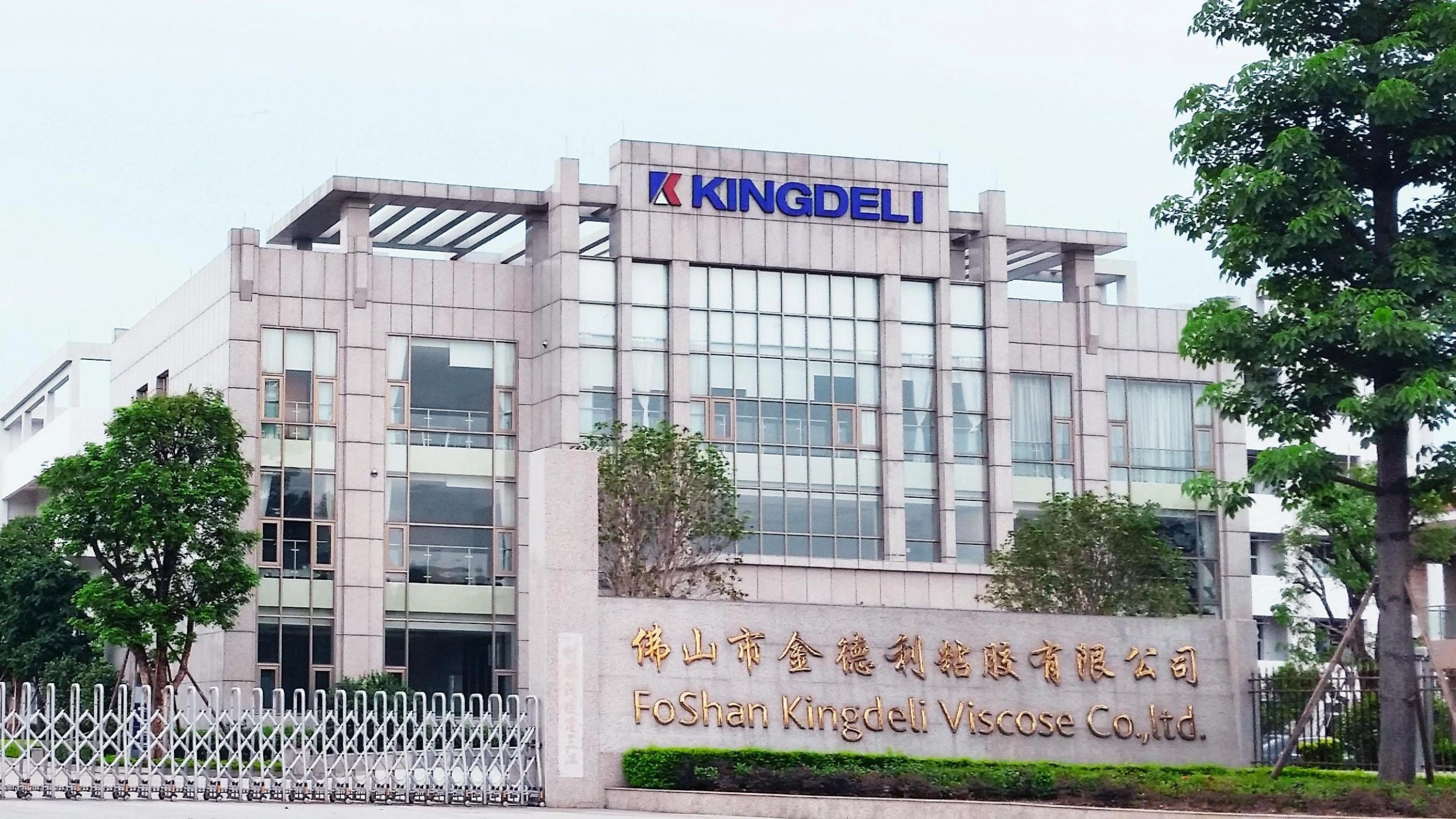
- Headquartered in Foshan, China, KINGDELI operates a 66,000 m² facility with fully automated production lines and an annual capacity exceeding 100,000 tons, supporting global supply reliability.
- Recognized as a National High-Tech Enterprise and a contributor to the National Standard GB/T 29755-2013, KINGDELI combines manufacturing scale with technical standards expertise.
- Product portfolio covers Neutral & Acetic Silicone, Polyurethane, MS Polymer, and No More Nails adhesives. International certifications include ISO 9001, ISO 14001, CE, and ASTM-tested products available on request.
- Services: end-to-end OEM/ODM formulation development, low-VOC formulations, private labeling, packaging customization, and professional technical service for field trials.
Formulation, customization and compliance
Custom color, viscosity, and curing profiles
Customers often need tailored properties: adjustable thixotropy for vertical application, different Shore hardness for movement accommodation, or pigmentation to match substrates. A competent OEM/ODM partner will offer pilot-batch trials, stability testing, and color matching. Turnaround for prototype samples typically ranges from 2–6 weeks depending on customization complexity.
Low-VOC and sustainability approaches
Low-VOC acrylic sealants are achieved through water-based systems, reactive diluents, and optimized binders. Ask suppliers for third-party VOC test certificates and documented formulations. Sustainability can also mean lower-waste packaging (recyclable cartridges, bulk refill systems) and lean production methods to reduce the supplier’s carbon footprint.
Testing, standards and quality assurance
Ensure suppliers run or provide third-party test results for:
- Adhesion (to representative substrates)
- Elongation and tensile properties
- Weathering / UV resistance (accelerated aging)
- VOC content and odor testing
Industry and standards organizations, such as the Adhesive and Sealant Council, produce technical resources and standards relevant to performance testing: Adhesive and Sealant Council (ASC).
| Chemistry | Paintability | Movement Capability | UV/Weather Resistance | Typical Uses |
|---|---|---|---|---|
| Acrylic (latex) | Excellent | Low to moderate (±5–10%) | Moderate (best for protected locations) | Interior finishing, trim, gaps, joints to be painted |
| Silicone | Poor (most types) | High (±25% or more) | Excellent | Glazing, wet areas, exterior joints requiring high flexibility |
| Polyurethane | Variable (many paintable) | High | Good | Expansion joints, heavy-duty construction sealing |
| MS Polymer (Hybrid) | Good | High | Good | Multi-purpose construction and industrial sealing |
Selecting the right supplier: procurement checklist
Technical support, lead times and scalability
Technical competence is as important as price. Evaluate suppliers based on their ability to provide application guidance, conduct on-site trials, and supply formulation adjustments. Confirm typical lead times, production ramp-up capability, and contingency plans for order surges or raw material disruptions.
Packaging, logistics and minimum order quantities (MOQs)
Common packaging includes 300–600 mL cartridges, sausages (600–1000 mL), pails (10–20 L), and ISO tanks for bulk. Discuss MOQ, private-label carton printing, and drop-shipping options. For global sourcing, confirm international shipping experience, incoterms, and customs documentation support.
Cost vs. performance: evaluating total cost of ownership
Initial unit price is only part of the equation. Consider:
- Yield per joint (coverage efficiency)
- Installation time and tooling costs
- Rework risk if paint adhesion or curing fails
- Warranty and after-sales support
A supplier who offers consistent performance and strong technical backup can reduce overall project costs even if per-unit prices are slightly higher.
Conclusion: Selecting an OEM/ODM acrylic sealant partner requires balancing technical performance (paintability, adhesion, movement accommodation) with supplier reliability (capacity, certifications, testing) and sustainability (low-VOC, packaging). KINGDELI’s large-scale automated capacity, ISO certifications, and OEM/ODM services position it to meet demanding global sourcing needs. For performance-critical specifications, insist on pilot batches, third-party testing, and a documented quality agreement to protect project outcomes.
FAQ
Q: Are acrylic sealants suitable for exterior applications?
A: Some acrylic formulations are designed for exterior use, but traditional acrylics have lower long-term UV/weather resistance than silicone or polyurethane. For exposed exterior joints with significant movement, consider hybrid or polyurethane systems or coated/UV-stable acrylics tested for accelerated weathering.
Q: How long does acrylic sealant take to cure?
A: Skin formation typically occurs within 20–60 minutes depending on humidity and thickness. Full cure is often 24–72 hours for common bead sizes; thicker joints may take longer. Always review supplier cure profiles and allow adequate time before painting.
Q: What documents should I request from a supplier?
A: Request ISO certificates, MSDS/SDS, technical data sheets (TDS) with physical properties, VOC test reports, adhesion and elongation test data, and any third-party approvals or CE/ASTM test reports relevant to your market.
Q: How can I verify a supplier’s claims?
A: Ask for sample test reports, arrange a third-party lab test, visit production sites if feasible, and request references from other customers in your region or industry. Independent certification and transparent testing are strong indicators of reliability.
References: General overview of sealants — Wikipedia; VOC guidance — U.S. EPA; industry resources — Adhesive & Sealant Council; quality management standards — ISO 9001.
Contact KINGDELI to discuss OEM/ODM acrylic sealant solutions tailored to your application and supply needs.
Best Practices for Applying Acetic Silicone Sealant in Glazing
Glass Glazing Silicone Sealant: Buyer's Guide for Architects
OEM/ODM double glazing glass sealant Manufacturers and Suppliers
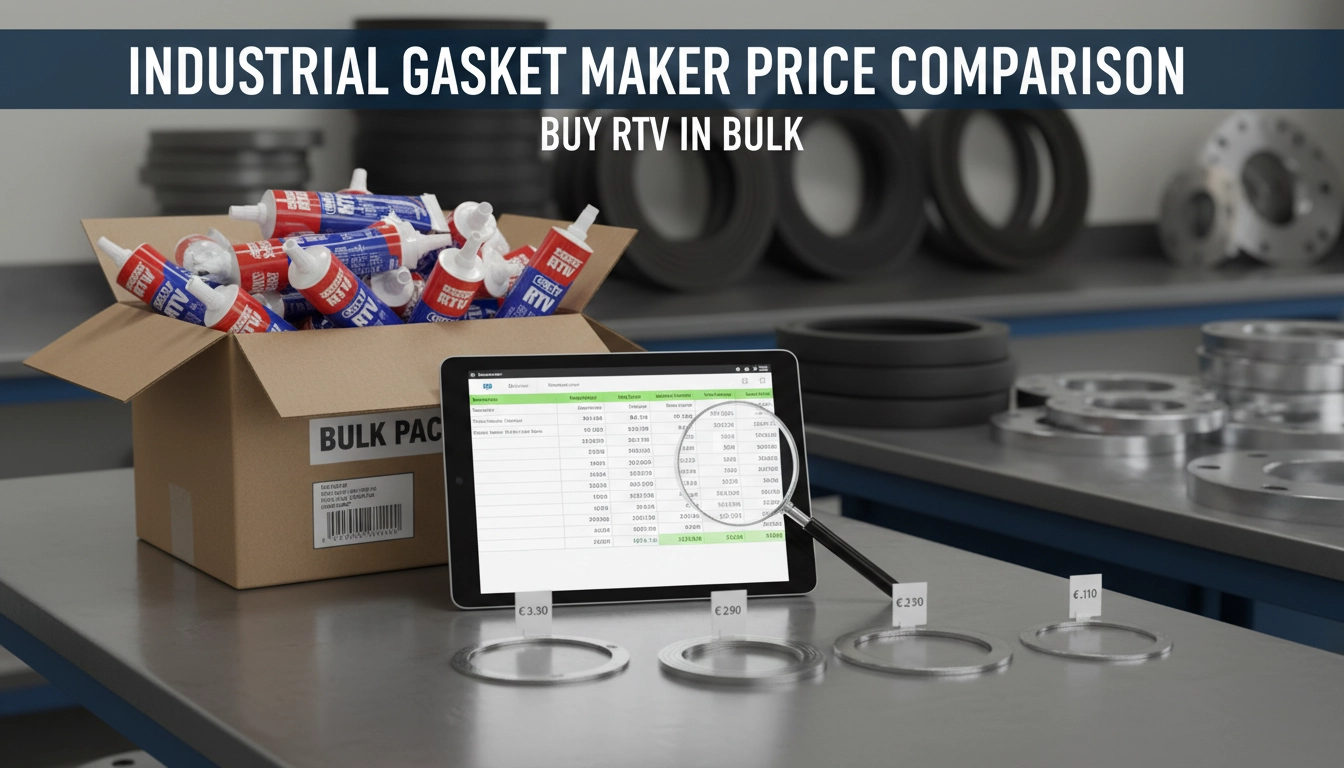
The Ultimate Guide to Buying RTV Gasket Maker Bulk: 7 Secrets to Saving 40% on Industrial Supplies (2026 Edition)
HY-2100
What materials does HY-2100 adhere to?
HY-2100 bonds well to most common building substrates including glass, aluminum, stainless steel, tile, marble, cement, plastic, and non-oily wood.
HY-4300
Can HY-4300 be used with other silicone sealants?
Yes. HY-4300 has good compatibility with neutral-cure silicone sealant systems. Compatibility testing is recommended before large-scale application.
HY-951
Is HY951 environmentally friendly?
Yes. HY951 is formulated to be environmentally friendly and suitable for indoor applications when used according to instructions.
HY- 972
How do I clean tools and excess sealant?
Uncured sealant can be easily cleaned with water. Cured material must be removed mechanically.
HY739
How fast does it cure?
It becomes tack-free quickly at room temperature. Full cure typically occurs within 24–48 hours depending on joint depth and humidity.
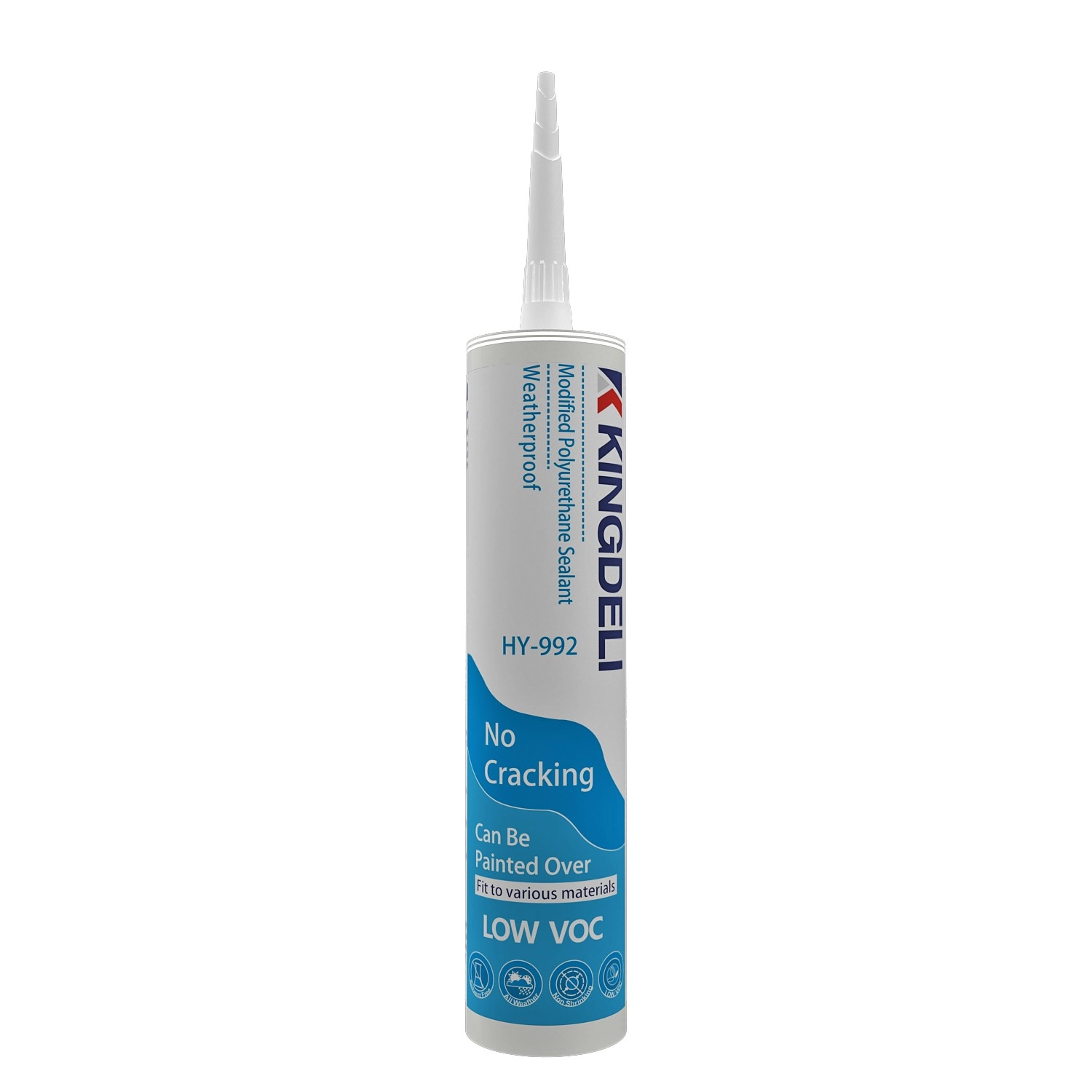
HY992 Modified Polyurethane Construction Sealant
HY992 Modified Polyurethane Sealant is a one-component, moisture-curing construction sealant designed for professional building and structural sealing applications. It provides excellent adhesion, weather resistance, and durable elasticity, making it suitable for a wide range of construction materials.
The formulation delivers strong bonding performance without corrosion or substrate contamination, while maintaining low VOC content for environmentally responsible construction projects.

HY995 Crystal Clear Ms Polymer Adhesive/Sealant
HY995 Crystal Clear Ms Polymer Adhesive/Sealant is a new generation MS Polymer adhesive / sealant formulated for all bonding and sealing applications where long term reliability is required. It has excellent bonding strength on various materials. It will cure to form a durable, flexible, waterproof seal.

HY997 High-Performance Anti-Microbial MS Polymer Sealant
HY997 MS polymer sealant for is is a premium one-component, neutral-curing modified silane sealant engineered for demanding interior applications. It offers a Class 20 movement capability, ensuring long-lasting flexibility and reliable performance under dynamic joint conditions. Curing at room temperature, HY997 delivers superior anti-microbial and mildew-resistant properties, maintaining hygienic and clean environments over time.
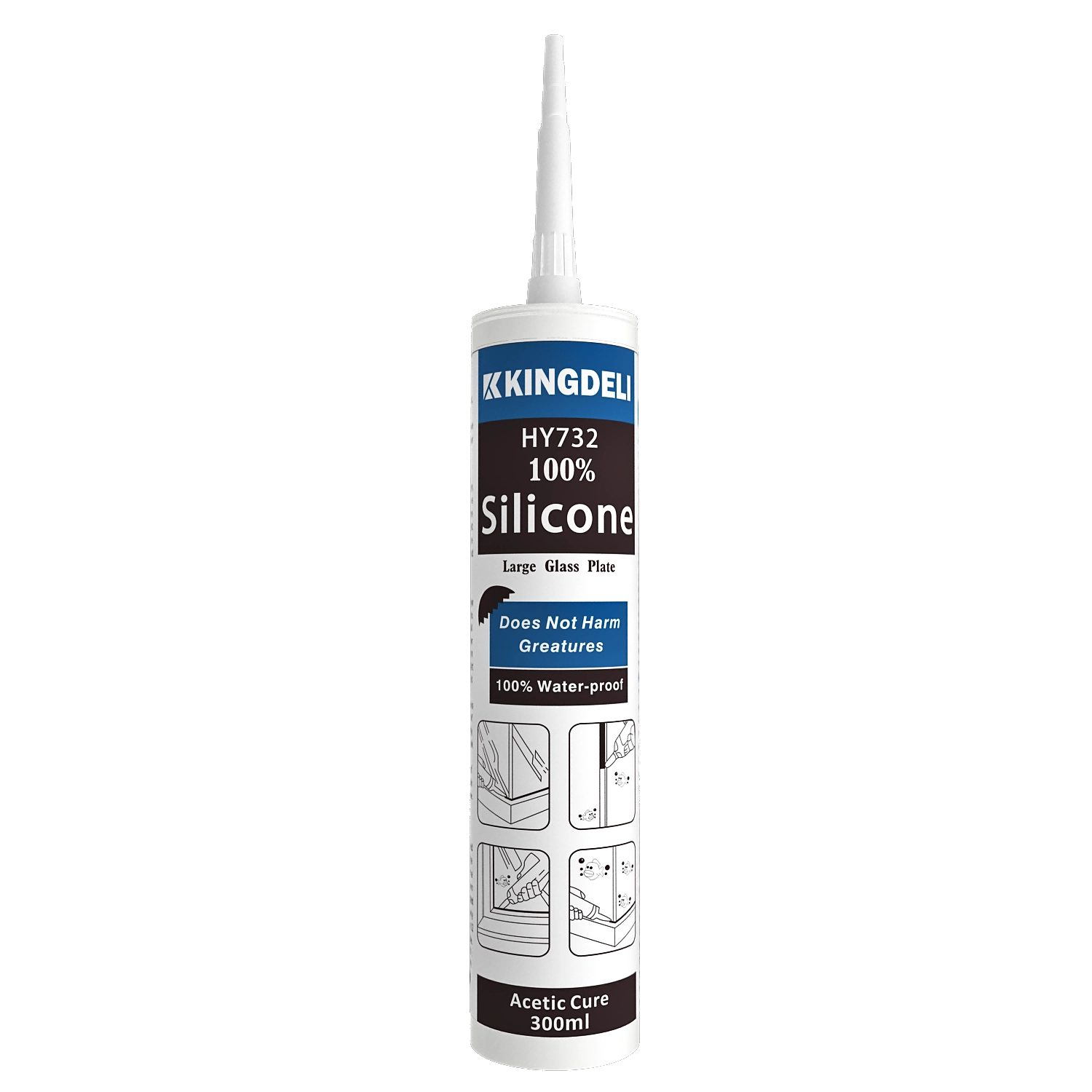
KINGDELI HY732 Professional Acetoxy Cure Silicone Sealant
KINGDELI HY732 is a professional-grade, one-component acetoxy cure silicone sealant designed for fast curing, strong adhesion, and long-lasting flexibility. Ideal for aquariums, glass applications, aluminum doors and windows, kitchens, and bathrooms, it provides reliable sealing performance with excellent anti-fungal protection in high-humidity environments.
Let’s Build Stronger Bonds with Quality Adhesives and Sealants
Have questions about the topic or need tailored sealant solutions for your project?
Our team is ready to provide expert guidance, product recommendations, and application support.
Innovating with Integrity, Bonding the World
Since 1998, KINGDELI has delivered trusted, sustainable sealant solutions that connect industries and inspire progress worldwide.
Whatsapp: +8618825946249
Kingdeli
Kingdeli
Kingdeli
Kingdeli
Kingdeli