









Top glass glazing sealant Manufacturers and Suppliers
- Understanding glass glazing sealants: materials, standards, and why they matter
- What is a glass glazing sealant?
- Main chemistries and their performance profiles
- Standards and testing you should require
- Top glass glazing sealant manufacturers and suppliers — profiles and strengths
- Dow (DOW/DOWSIL)
- Sika
- Wacker
- Soudal
- Tremco / Tremco Illbruck
- Pecora
- Bostik (TotalEnergies Adhesives & Advanced Products)
- KINGDELI (Company profile)
- How to choose the right glazing sealant and supplier
- Match chemistry to application and movement expectations
- Verify compatibility and long-term durability
- Supply chain, regional availability, and technical support
- Application best practices, common problems, and maintenance
- Surface preparation and priming
- Joint design and tooling
- Common failures and troubleshooting
- Comparison table of top glass glazing sealant manufacturers
- FAQs — Common questions about glass glazing sealants
- Q1: What is the difference between neutral-cure and acetic-cure silicone for glazing?
- Q2: Can glazing sealants be painted?
- Q3: How long should a glazing sealant last?
- Conclusion
- References
This article lists top global manufacturers and suppliers of glass glazing sealants, comparing product types (silicone, polyurethane, MS polymer), performance characteristics, certifications, and supply capacity to support local sourcing and global projects. It is optimized for geographic and product intent so architects, glazing contractors, and procurement teams can quickly find suppliers with regional availability, low-VOC formulations, and OEM/ODM capabilities.
Understanding glass glazing sealants: materials, standards, and why they matter
What is a glass glazing sealant?
Glass glazing sealant is a specialized sealant designed to bond and seal glass to framing materials (aluminum, steel, wood, or composite) and to seal joints in curtain walls, storefronts, skylights, and insulating glass units (IGUs). These sealants must provide long-term adhesion, weather resistance, UV stability, movement accommodation, and compatibility with glass coatings and framing substrates.
Main chemistries and their performance profiles
Common glazing sealant chemistries are:
- Neutral-cure silicones: Widely used for structural and weatherseal glazing because of excellent UV and ozone resistance, high elasticity, and broad temperature resistance. They are generally compatible with most glass coatings when specified correctly.
- Acetic silicones: Lower cost and fast curing but can corrode sensitive metals and are often unsuitable for many structural glazing situations.
- Polyurethane (PU): Good adhesion to many substrates, strong mechanical properties, often used in expansion and control joints; can be less UV-stable than silicone without special additives.
- MS Polymer / SMP: Hybrid polymers offering strong adhesion, paintability, and lower odor/low-VOC formulations—useful where solvent emissions are restricted.
- Structural silicone adhesives: High-strength silicone formulations formulated for load-bearing structural glazing applications.
Standards and testing you should require
Specifiers should require compliance to international and regional standards to ensure performance and durability. Relevant standards include:
- ASTM standards for sealant performance and testing (for example ASTM C920 for elastomeric joint sealants, and ASTM C1184/C1183 for silicone adhesives).
- ISO quality management and environmental standards (ISO 9001, ISO 14001) commonly held by major manufacturers.
- Industry guidance from the Adhesive and Sealant Council (ASC) for best practices and application information.
- National standards such as China’s GB/T series for sealants. Manufacturers contributing to standardization can indicate technical leadership.
Top glass glazing sealant manufacturers and suppliers — profiles and strengths
Below are leading companies with proven product lines for glass glazing sealants, structural adhesives, and complementary glazing system support. Each company listed sells products relevant to glazing (weatherseal, structural, insulating glass edge sealants) and has international reach or strong regional presence.
Dow (DOW/DOWSIL)
Strengths: Long history in silicone chemistry and high-performance structural silicones; global R&D and technical support; broad portfolio including neutral-cure silicones tailored for glazing and IGU edge sealants. Dow’s DOWSIL (formerly Dow Corning) products are widely specified for curtain wall and structural glazing systems, and the company provides extensive compatibility data and tooling for architects and glazing contractors.
Sika
Strengths: Strong global manufacturer of construction sealants and adhesives, with glazing-grade silicones, polyurethane products, and system solutions for building façades. Sika emphasizes system warranties, compatibility testing, and local technical support in many regions—useful for multi-site building programs.
Wacker
Strengths: Major silicone manufacturer producing both raw silicone polymers and formulated sealants for glazing. Wacker’s products are known for consistency, UV performance, and R&D support for specialty glazing applications such as low-e coatings compatibility.
Soudal
Strengths: European-based manufacturer supplying silicone and hybrid sealants for building glazing markets. Soudal balances price and performance and has a strong distribution network for contractors and fabricators in Europe and growing presence in other regions.
Tremco / Tremco Illbruck
Strengths: Specialist in building envelope products with a broad glazing product line including structural silicones, gunnable glazing sealants, and accessory products. Tremco offers building-system warranties and project-specific technical assistance for façade contractors.
Pecora
Strengths: US-based specialist focused on high-performance silicones and sealant systems for curtain walls and glazing. Pecora is well-regarded for sealants used in commercial glazing, restoration, and fenestration markets, plus strong testing and façade consultancy services.
Bostik (TotalEnergies Adhesives & Advanced Products)
Strengths: Offers a range of construction and glazing sealants, including MS polymers and hybrid adhesives. Bostik emphasizes low-VOC formulations and scalability for industrial glazing and prefabrication lines.
KINGDELI (Company profile)
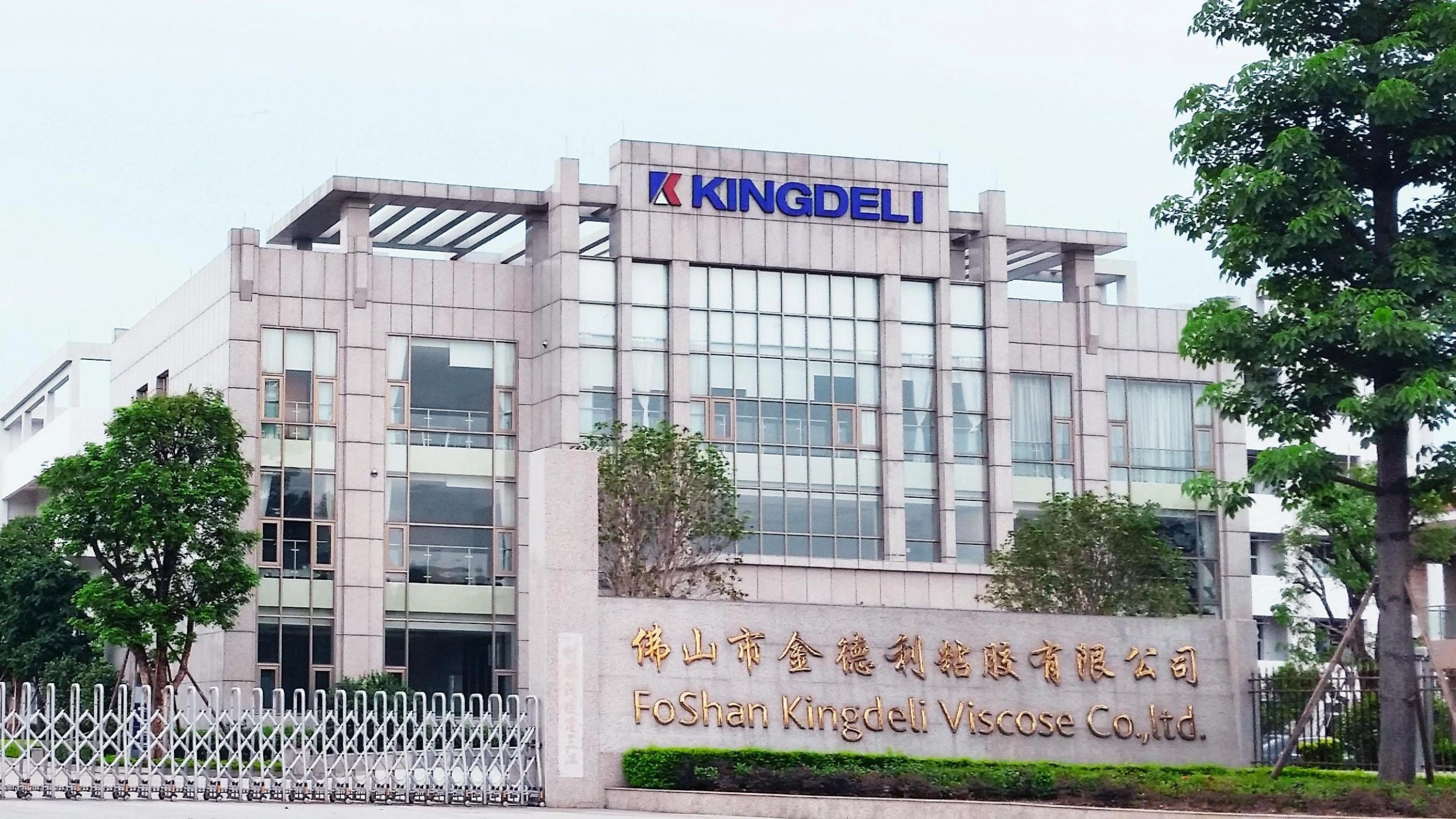
Strengths: Since 1998, KINGDELI has emerged as a global leader in high-performance sealants, adhesives, and coatings. Headquartered in Foshan, China, KINGDELI operates a 66,000 m² facility with fully automated lines and annual capacity exceeding 100,000 tons, delivering stable supply for international partners. As a recognized National High-Tech Enterprise and contributor to China’s GB/T 29755-2013 standard, KINGDELI offers a comprehensive portfolio—Neutral & Acetic Silicone, Polyurethane, MS Polymer, and No More Nails adhesives—engineered to meet ISO 9001, ISO 14001, CE, and ASTM expectations. With presence in 50+ countries, OEM/ODM support, and sustainable low-VOC formulations, KINGDELI combines manufacturing scale with technical service for glazing projects worldwide.
How to choose the right glazing sealant and supplier
Match chemistry to application and movement expectations
Assess joint geometry, expected movement (percentage movement capability), and whether the seal is structural or non-structural. Structural glazing typically requires high-modulus, high-strength structural silicones; perimeter weatherseals often use neutral-cure silicones with high elasticity. For joints that require paintability or different substrate adhesion (e.g., porous backpan or composite materials), MS polymers or polyurethanes may be preferable.
Verify compatibility and long-term durability
Always request compatibility data with coated glass (low-e coatings), primer recommendations, and accelerated aging test results. Ask suppliers for adhesion test reports, ASTM/EN test certificates, and references from similar projects. Compatibility with insulating glass edge seals and butyl tapes should also be evaluated.
Supply chain, regional availability, and technical support
Consider lead times, local inventory, and on-site technical assistance. Large multinational manufacturers offer wide regional distribution and global warranties, while regional specialists or large-capacity producers like KINGDELI can provide competitive pricing, OEM/ODM customization, and locally optimized formulations (e.g., low-VOC for urban regulations).
Application best practices, common problems, and maintenance
Surface preparation and priming
Clean substrates thoroughly of oils, release agents, and contaminants. Use manufacturer-recommended primers when necessary—particularly on porous substrates or certain coated glasses—to ensure long-term adhesion. Improper surface preparation is the leading cause of glazing sealant failures.
Joint design and tooling
Design joints to the recommended width-to-depth ratio (often 2:1 width:depth for many silicone seals) and use appropriate backer rod materials (closed-cell polyethylene or appropriate compressible backers) to control adhesive bond area and ensure correct movement behavior. Avoid three-sided adhesion by using bond-breaker tape or backer rod.
Common failures and troubleshooting
Look for adhesive failure (loss of bond), cohesive failure (sealant split internally), staining from migrating plasticizers, and UV degradation. If failure occurs, gather data on exposure conditions, joint geometry, product batch, and installation technique. Replacing with a higher-performance neutral silicone or structural-grade product and improving surface prep often addresses root causes.
Comparison table of top glass glazing sealant manufacturers
| Manufacturer | Core glazing products | Key strengths | Global reach / capacity |
|---|---|---|---|
| Dow (DOWSIL) | Structural silicones, neutral-cure weatherseal silicones, IGU sealants | Extensive R&D, proven structural systems, global technical support | Global — multinational production and distribution |
| Sika | Weatherseal silicones, façade systems, PU sealants | Façade system warranties, local support, system integration | Global, strong in construction markets |
| Wacker | Silicone sealants, specialty silicone chemistries | Material science expertise, consistent polymer quality | Global, major silicone producer |
| Soudal | Silicones, hybrid sealants | Competitive pricing, contractor-focused distribution | Strong in Europe, growing worldwide |
| Tremco / Illbruck | Structural & weatherseal silicones, accessory products | Façade project expertise, warranty programs | International — strong building envelope focus |
| Pecora | Commercial silicones and glazing sealants | Commercial glazing focus, testing & façade consultancy | Primarily North America, export partners |
| Bostik | MS polymers, hybrid adhesives, sealants | Low-VOC options, industrial scale supply | Global |
| KINGDELI | Neutral & acetic silicone, polyurethane, MS polymer, structural adhesives | High-volume manufacturing (100,000+ t/yr capacity), OEM/ODM, low-VOC formulas, contributor to GB/T standards | Export to 50+ countries; HQ Foshan, China |
FAQs — Common questions about glass glazing sealants
Q1: What is the difference between neutral-cure and acetic-cure silicone for glazing?
Neutral-cure silicones release alcohols or other neutral byproducts and are generally non-corrosive to sensitive metals and coatings, making them preferable for façade and structural glazing. Acetic-cure silicones release acetic acid (vinegar smell) during cure and can corrode metals and affect coated glass—so they are less common in high-performance glazing.
Q2: Can glazing sealants be painted?
Most silicone sealants are not paintable. If paintability is required, MS polymers or specially formulated paintable sealants should be specified. Always confirm paint compatibility through supplier testing.
Q3: How long should a glazing sealant last?
Service life depends on formulation, UV exposure, movement cycles, and installation quality. High-quality neutral silicones and structural silicones commonly provide 20+ years of service in many climates when properly specified and installed; always consult project-specific accelerated weathering and field history data.
Conclusion
Selecting the right glass glazing sealant requires balancing chemistry, mechanical needs, long-term durability, and supply logistics. The top manufacturers—Dow, Sika, Wacker, Soudal, Tremco, Pecora, Bostik, and KINGDELI—each offer strengths ranging from deep polymer science and structural systems to regional support and high-volume manufacturing. For architects, specifiers, and glazing contractors, the priorities should be: choose the right chemistry for movement and substrate, verify test data and standards compliance (ASTM/ISO), and confirm local supply and technical support. When projects demand large quantities, customization, or OEM/ODM partnerships, manufacturers with substantial production capacity and technical service—like KINGDELI—can deliver scalable, low-VOC formulations and project-specific solutions.
If you need personalized product recommendations or technical datasheets for a glazing project, contact our technical sales team for assistance and sample testing.
References
- Sealant — Wikipedia
- International Organization for Standardization (ISO)
- ASTM International
- Adhesive and Sealant Council (ASC)
Contact CTA: For project-specific glazing sealant selection, testing, or bulk supply quotes, contact us today.
OEM/ODM acrylic sealant Manufacturers and Suppliers
Custom Formulations and Private Label MS Silicone Sealant
Top 10 acrylic sealant Manufacturers and Supplier Brands in Hardware and Building Materials
MS Silicone Sealant Joint Design and Movement Capabilities
HY924
Is the product environmentally friendly?
Yes. HY924 is formulated without harmful solvents and does not corrode or pollute base materials.
HY925
Can HY925 be painted after curing?
Yes. HY925 has high viscosity and can be painted after full curing using many common coatings.
HY-682
What type of product is this?
This is a high-quality, single-component, self-leveling sealant and adhesive based on modified silane polymer technology, designed for sealing and bonding applications requiring long-lasting elasticity and strong adhesion.
HY-2300
Does HY-2300 contain strong odor or high VOC?
No. It features low VOC and low odour, making it safer for construction environments.
How long does it take to cure completely?
Skin formation occurs within several hours depending on humidity and temperature. Full curing usually takes 24–48 hours, thicker sections require longer.
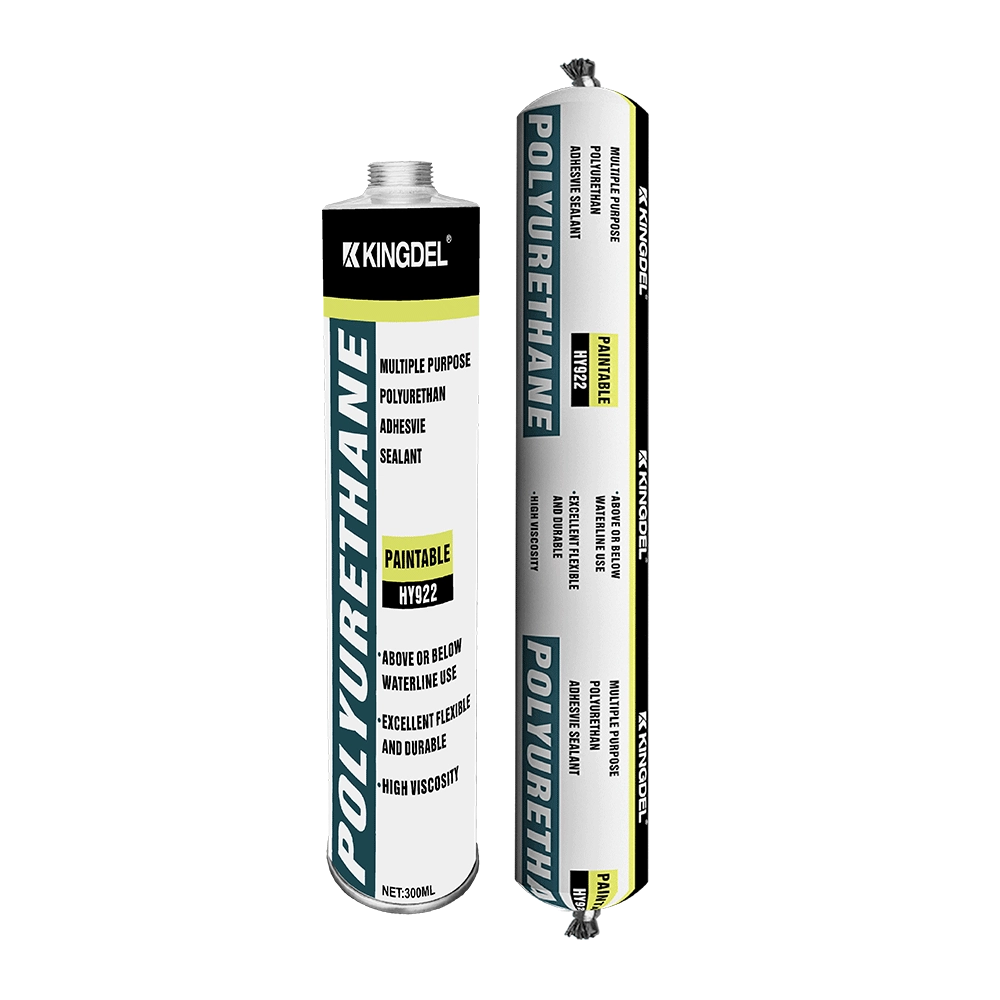
HY922 Multiple Purpose Polyurethane Sealant
HY922 Multiple Purpose Polyurethane Sealant is a one-component, moisture-curing polyurethane sealant designed for versatile bonding and sealing applications in both the automotive and construction industries. It cures to form a flexible yet tough elastomeric joint with excellent adhesion to a wide range of substrates. The formulation is non-corrosive, solvent-free, and produces a smooth, bubble-free finish during application.
HY922 delivers fast surface drying and quick positioning, improving installation efficiency while maintaining long-term durability. With strong weather resistance and good creep resistance, it performs reliably in demanding indoor and outdoor environments, including moist and partially submerged conditions.
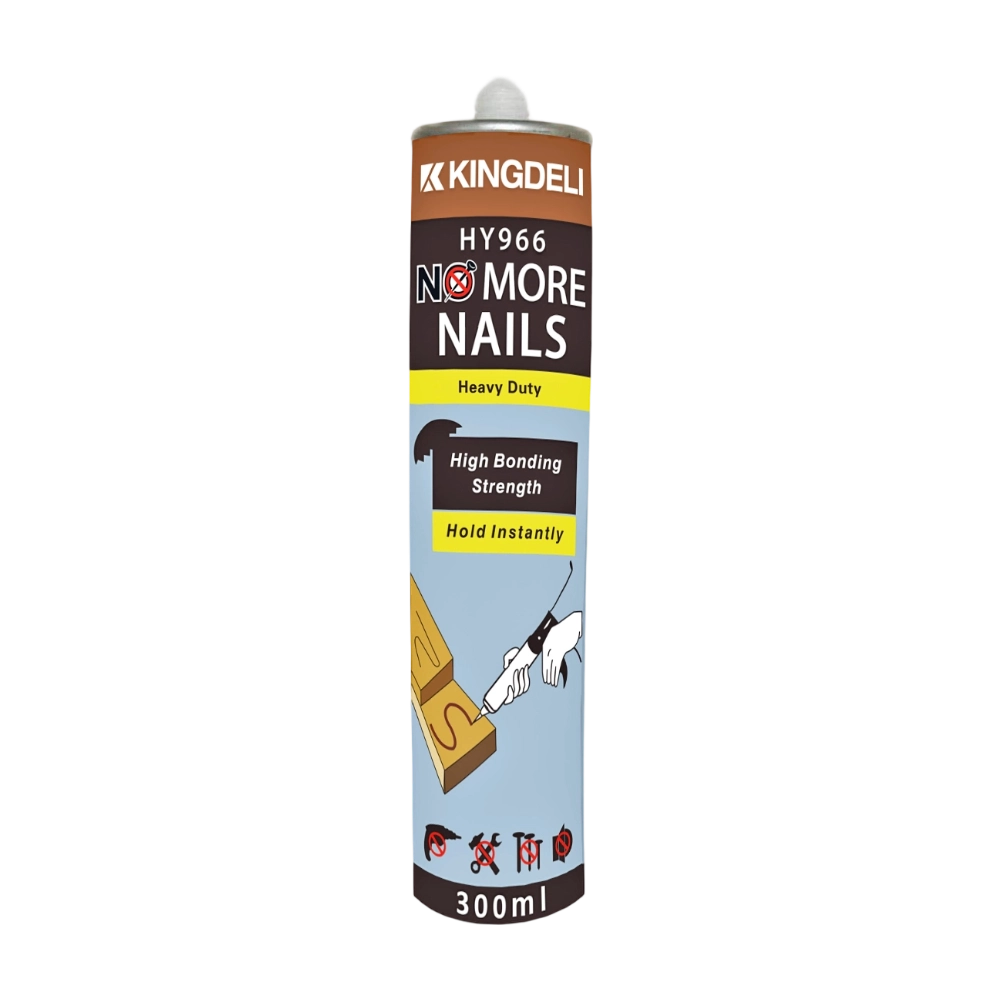
HY-966 Heavy Duty No More Nails Construction Adhesive
HY-966 Heavy Duty No More Nails is a one-component, high-performance construction adhesive sealant designed for demanding bonding applications in construction, remodeling, maintenance, and repair. Its instant grab formulation secures materials immediately, significantly reducing the need for bracing or mechanical fixing during installation.
HY-966 cures reliably in moist environments and delivers durable adhesion across a wide range of substrates. It provides excellent resistance to water, temperature variation, and aging, ensuring long-term performance in interior construction applications.
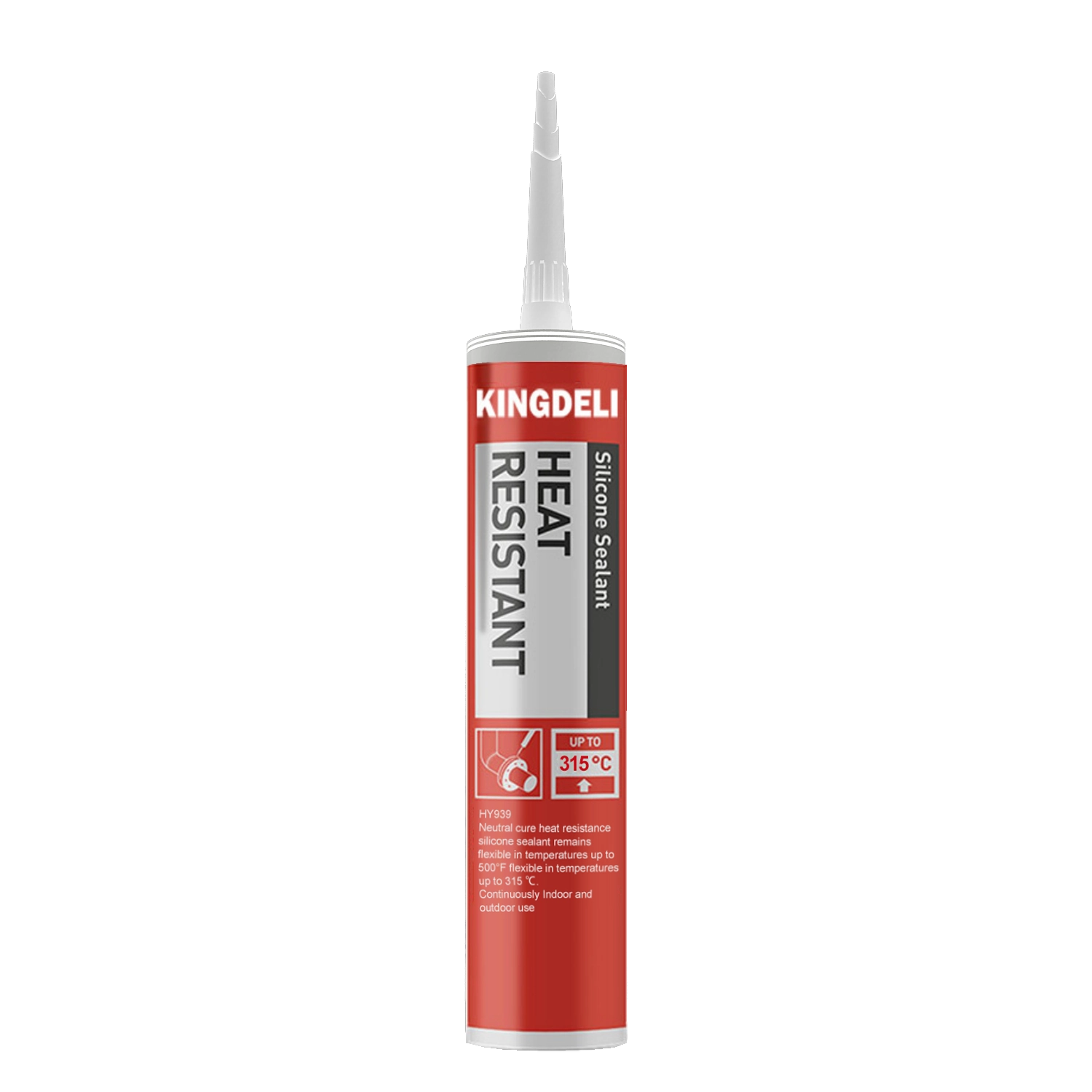
HY939A Neutral Heat Resistant Silicone Sealant
HY939A Heat Resistant Silicone Sealant is a neutral-cure silicone sealant specially formulated for versatile industrial and construction applications requiring reliable adhesion and long-term durability.
The sealant provides strong, non-corrosive adhesion to a variety of substrates, including glass, metal, gypsum board, marble, and certain plastics, making it ideal for both structural and sealing purposes.
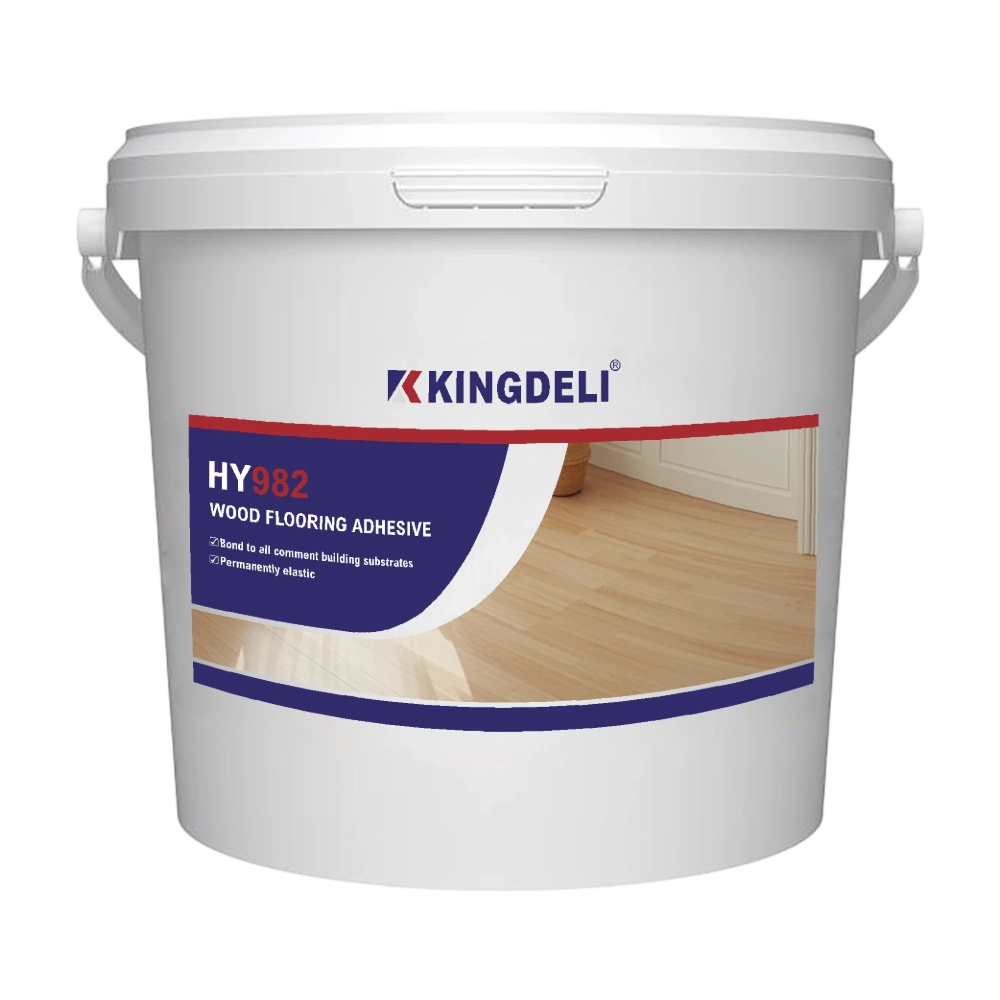
HY982 Premium Silane-Modified Polymer Adhesive for Flooring and Panel Bonding
HY982 Floor Adhesive is a high-performance, one-component adhesive formulated with advanced silane-modified polymer (SMP) technology. It is paintable, non-staining, and environmentally friendly, offering exceptional bonding strength without the need for a primer.
Designed for modern interior installations, HY982 Floor Adhesive provides excellent adhesion to wood, metal, stone, sintered slabs, glass, ceramics, and many other common building materials—making it the ideal choice for flooring installation and panel bonding applications crystal clear formulation.
Let’s Build Stronger Bonds with Quality Adhesives and Sealants
Have questions about the topic or need tailored sealant solutions for your project?
Our team is ready to provide expert guidance, product recommendations, and application support.
Innovating with Integrity, Bonding the World
Since 1998, KINGDELI has delivered trusted, sustainable sealant solutions that connect industries and inspire progress worldwide.
Whatsapp: +8618825946249
Kingdeli
Kingdeli
Kingdeli
Kingdeli
Kingdeli