











The Ultimate Guide to MS Sealant Adhesion to Metal: Unlocking Maximum Bond Strength

- What is MS Sealant Adhesion to Metal?
- Key Takeaways: Quick Summary of MS Polymer Bonding
- The Science Behind the Bond: Surface Energy and Chemistry
- MS Polymers vs. Polyurethane vs. Silicone for Metal Fabrication
- Step-by-Step Surface Preparation for Maximum Metal Adhesion
- Bonding Dissimilar Metals and Preventing Galvanic Corrosion
- Environmental Durability: From Marine Environments to High UV Exposure
- Common Mistakes and Expert Tips for Hybrid Sealant Application
- The Future of Metal Bonding: 2026 Trends and Cost-Efficiency
- Conclusion
- Do MS sealants require a primer on aluminum or stainless steel?
- How does MS polymer sealant compare to polyurethane for metal roofs?
- Can you apply MS sealants to wet or damp metal surfaces?
- What causes MS sealant to fail or peel off metal?
- Is MS sealant safe to use on galvanized steel?
- How long does MS polymer sealant take to cure on metal?
- Can MS sealants prevent galvanic corrosion between dissimilar metals?
- Are MS sealants paintable after application on metal substrates?
What is MS Sealant Adhesion to Metal?
MS sealant adhesion to metal is the chemical and mechanical bonding process of Silyl Modified Polymers to metallic substrates. It provides a high-strength, flexible, and durable bond without the need for primers on most non-porous metals.
When industrial fabricators and builders look for reliable primerless metal bonding, MS (Modified Silane) sealants have become the undisputed champion. Unlike older technologies, these advanced hybrid adhesives rely on atmospheric moisture to cure. Because they are completely free of isocyanates, they can be applied in high-humidity conditions—even on damp metal—without foaming, bubbling, or losing structural integrity.
As detailed by Wikipedia, Silyl-modified polymers are polymers terminating with a silyl group, which form the main components in solvent-free and isocyanate-free sealant products. This unique chemistry allows the sealant to wet out perfectly and interact directly with the surface energy of aluminum, steel, and specialized alloys. By cross-linking with the metal surface, it forms a permanent elastomeric bond that absorbs dynamic loads and thermal shifts.
- Primerless Application: Bonds seamlessly to stainless steel, bare aluminum, and galvanized metal.
- Isocyanate-Free Chemistry: Ensures a dense, bubble-free cure even when the metallic surface is damp.
- High Flexibility: Accommodates the significant thermal expansion and contraction coefficients of metal panels.
- Direct Interaction: The polymer matrix aligns with the metal's surface energy for maximum mechanical tear resistance.
Key Takeaways: Quick Summary of MS Polymer Bonding
The primary advantage of MS polymer bonding is its ability to deliver primerless, structural-grade adhesion on metals while maintaining extreme environmental resilience and permanent elasticity. This unique chemistry ensures bubble-free curing and superior vibration control across industrial applications.
Before diving into the deep science and application protocols, it helps to understand the core benefits that make these adhesives superior. For project managers and technicians, knowing these key takeaways can drastically reduce installation time and lifecycle costs when upgrading away from traditional silicones or urethanes.
- Primerless Application: Achieves structural-grade adhesion on stainless steel, aluminum, and galvanized metals without initial priming, saving massive labor costs.
- Environmental Resilience: Highly resistant to UV degradation, saltwater corrosion, and extreme temperature fluctuations, making it ideal for exterior architecture.
- Safety and Aesthetics: Being isocyanate-free and solvent-free improves worker safety. The sealant is highly paintable and leaves no bubbling or shrinkage after curing.
- Vibration Control: Maintains permanent elasticity to absorb dynamic stresses, mechanical shocks, and thermal expansion in architectural cladding and automotive metal assembly.
The Science Behind the Bond: Surface Energy and Chemistry
The science of MS sealant bonding relies on silane-terminated polymers cross-linking upon exposure to ambient moisture, interacting directly with the surface energy of metal. This creates a secure chemical bond that seamlessly accommodates thermal expansion and contraction.
To truly unlock maximum bond strength, we must understand the chemical mechanisms at play. The curing process of an MS polymer involves the hydrolysis of silyl ethers. When exposed to ambient humidity, the moisture acts as a catalyst, triggering a condensation process that builds a robust siloxane linkage network.
This chemical reaction allows the adhesive to achieve an incredibly high-tack, secure grip. The absence of isocyanates is critical here; it prevents the outgassing of carbon dioxide during the curing phase, ensuring a dense, solid bead that will not suffer from micro-voids or internal bubbling.
- Moisture-Curing Cross-Linkage: Silane-terminated polymers rely on the air's humidity to trigger robust chemical bonding networks.
- Surface Energy Alignment: The high surface energy of clean metals attracts the polymer molecules, creating an unbreakable mechanical interlock.
- Bubble-Free Curing: Zero isocyanates mean zero outgassing, ensuring the sealant bead remains dense and structurally sound.
- Thermal Flexibility: The elastomeric properties inherently accommodate the shifting thermal expansion and contraction coefficients of various metal substrates.
MS Polymers vs. Polyurethane vs. Silicone for Metal Fabrication
When comparing MS polymer vs polyurethane metal adhesion and silicone, MS polymers combine the UV resistance of silicone with the mechanical strength of polyurethane. This hybrid nature eliminates common drawbacks like damp-metal bubbling and poor tear resistance.
Choosing the right industrial adhesive often comes down to evaluating lifecycle costs and maintenance intervals. Historically, polyurethane and silicone were the only two viable options for commercial metal fabrication, but each brought significant compromises. Today, hybrid polymers bridge the gap perfectly by offering a master formulation.
Polyurethanes are notorious for their susceptibility to UV degradation—chalking and cracking when exposed to sunlight over time. They also react poorly to moisture before curing. Silicones, while excellent at resisting UV rays and weathering, are notoriously difficult to paint over and lack the structural tear resistance required for heavy metal panels.
- Polyurethane Drawbacks: Prone to UV degradation, yellowing, and severe bubbling if applied to damp metal surfaces due to isocyanate reactions.
- Silicone Drawbacks: Extremely difficult to paint over, lower mechanical tear resistance, and often prone to dirt pick-up over time.
- MS Polymer Advantages: Blends the extreme elasticity and UV resistance of silicone with the paintability and mechanical strength of polyurethane.
- Longevity Comparison: Analyzing lifecycle costs proves that hybrid sealants require far fewer maintenance intervals, offering superior long-term ROI in industrial metalworking.
Step-by-Step Surface Preparation for Maximum Metal Adhesion
Effective hybrid sealant surface preparation requires a combination of mechanical abrasion and chemical degreasing to remove oxidation and contaminants. Properly preparing the substrate ensures the sealant achieves maximum contact area and wet-out for a permanent, structural bond.
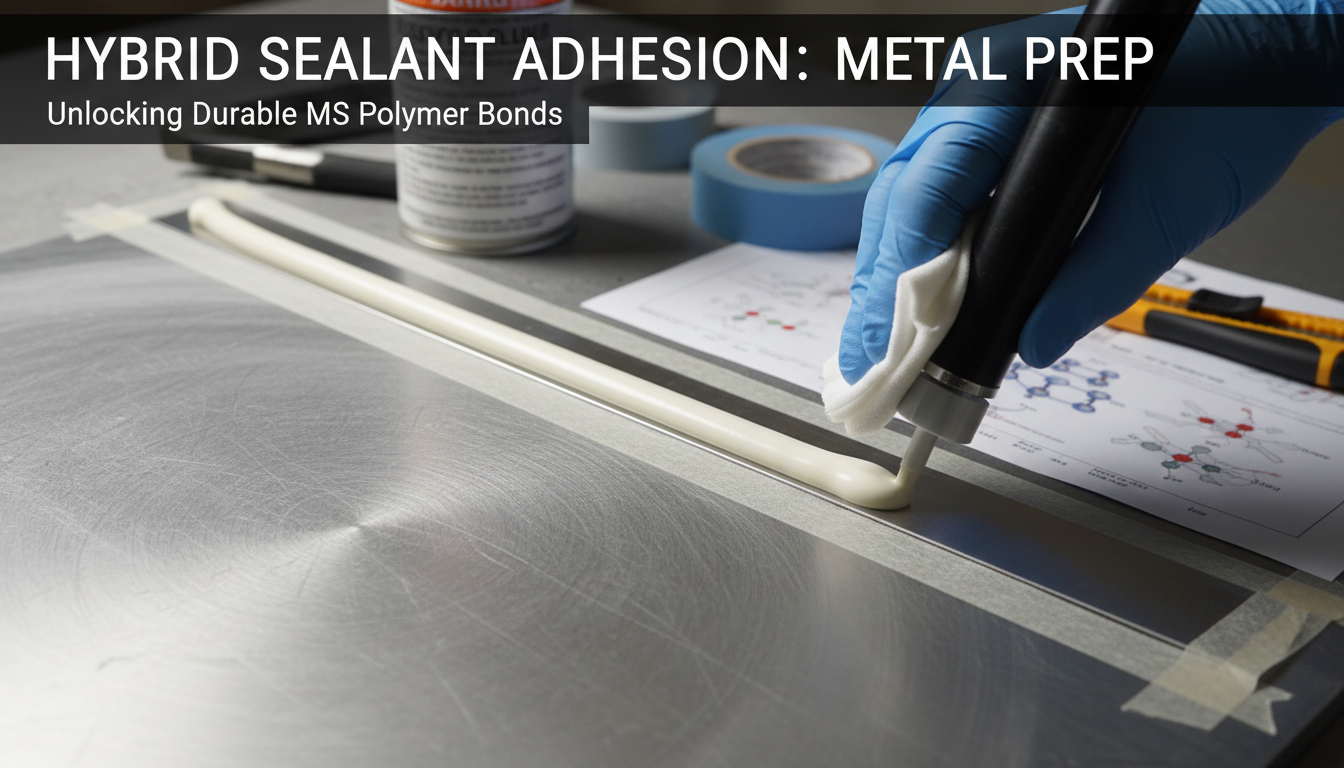
No matter how advanced an adhesive formulation is, it will inevitably fail if applied to a contaminated surface. The goal of preparation is to expose the raw, high-energy metal underneath layers of dirt, grease, mill oils, and microscopic oxidation.
A pristine surface allows the MS polymer to achieve total "wet-out"—the ability of the liquid adhesive to flow over and intimately cover the microscopic topography of the metal. Following a strict protocol guarantees that your sealant bonds to the metal itself, rather than to a microscopic layer of oil or rust.
- Step 1: Use mechanical abrasion (like wire brushing or scuff pads) to remove heavy oxidation layers, rust, or mill scale from the metal.
- Step 2: Perform chemical degreasing using approved, non-residue solvents such as isopropyl alcohol or acetone. Wipe in one direction to lift away oils.
- Step 3: Evaluate the need for primers exclusively on heavily treated, powder-coated, or specialized galvanized surfaces that resist standard bonding.
- Step 4: Ensure optimal ambient humidity and temperature before gunning the sealant bead, allowing for a steady, uniform cure rate.
Bonding Dissimilar Metals and Preventing Galvanic Corrosion
Bonding dissimilar metals requires electrically isolating materials like aluminum and steel to prevent electrochemical degradation in moist environments. MS sealants act as a highly effective dielectric barrier, breaking the electrical pathway and completely preventing galvanic corrosion with sealants.
In metal fabrication, bringing two different metals into contact—such as copper and steel, or aluminum and galvanized iron—can be a recipe for disaster. As explained by Wikipedia, galvanic corrosion is an electrochemical process in which one metal corrodes preferentially when it is in electrical contact with another, in the presence of an electrolyte like water.
By placing a thick, elastomeric bead of MS sealant between these joints, you introduce an insulating dielectric layer. This breaks the electrical circuit necessary for the anode-cathode reaction, saving the structural integrity of the assembly while simultaneously providing a weatherproof seal.
- Electrochemical Mechanics: Galvanic corrosion rapidly destroys the less noble metal when aluminum, steel, and copper interact in moist or salty environments.
- Dielectric Isolation: MS sealants serve as an electrical insulator, effectively preventing the ion transfer that causes dissimilar metal corrosion.
- Broad Applications: Essential for HVAC manufacturing, automotive assembly, and complex architectural cladding where multiple metal types converge.
- Vibration Damping: Protects the joint's structural integrity by absorbing dynamic movements and vibrations that would otherwise stress the rigid connection.
Environmental Durability: From Marine Environments to High UV Exposure
The environmental durability of MS sealants stems from their unique hybrid chemistry, which resists salt spray, extreme hydrodynamic stress, and severe UV degradation. This ensures hybrid polymers remain elastomeric and structurally sound even in harsh marine or sub-zero industrial environments.
Industrial metal assemblies are rarely babied; they face the harshest climates on earth. Whether securing aluminum hulls on marine vessels or sealing exposed metal roofs in high-altitude freezing conditions, the adhesive must endure. MS sealants excel in accelerated weathering tests because their siloxane backbone is inherently immune to UV chalking.
Furthermore, they exhibit phenomenal freeze-thaw stability. While lesser adhesives become brittle and snap under sub-zero thermal contraction, hybrid sealants stretch and compress, maintaining total bond integrity without micro-cracking.
- Salt Spray Resistance: Marine industries rely heavily on MS sealants for aluminum hulls and stainless fittings due to their immunity to saltwater corrosion.
- UV Stability: The hybrid chemistry prevents chalking, cracking, and unsightly yellowing on exposed exterior metal roofs and architectural facades.
- Hydrodynamic Stress: Maintains unmatched peel adhesion strength while continuously subjected to heavy rainfall, submersion, or dynamic water pressure.
- Freeze-Thaw Cycling: Remains completely elastomeric in sub-zero industrial environments, easily accommodating the intense thermal contraction of frozen metals.
Common Mistakes and Expert Tips for Hybrid Sealant Application
The most frequent mistakes in hybrid sealant application involve inadequate surface cleaning and using incompatible solvents that leave an oily residue. Avoiding these errors by properly degreasing and performing peel tests guarantees optimal silyl modified polymer applications and lasting adhesion.
Even seasoned technicians can fall prey to bad habits. The term "primerless" is often dangerously misinterpreted as "prep-less." While you do not need an expensive chemical primer for most bare metals, failing to clean the substrate is the leading cause of catastrophic adhesive failure.
Additionally, tooling the bead correctly is non-negotiable. Tooling forces the sealant into the microscopic pores of the metal, maximizing the contact area and pushing out microscopic air pockets that could weaken the joint over years of stress.
- Mistake: Using incompatible chemical cleaners like mineral spirits or petroleum-based solvents that leave a bond-breaking oily film on the metal.
- Mistake: Assuming 'primerless' means 'no cleaning required'—meticulous surface prep and degreasing is always mandatory for a structural bond.
- Expert Tip: Perform a simple, standardized peel adhesion test on a scrap piece of the target metal before committing to large-scale application.
- Expert Tip: Tool the sealant immediately after application with steady pressure to ensure maximum wet-out and surface contact area with the metal.
The Future of Metal Bonding: 2026 Trends and Cost-Efficiency
The future of metal bonding centers on adopting zero-VOC, isocyanate-free adhesives to meet strict 2026 sustainability mandates in commercial construction. Transitioning to advanced MS polymers also dramatically improves ROI by eliminating labor-intensive primer steps and enabling automated robotic dispensing.
As environmental regulations tighten globally, the adhesive and sealant industry is pivoting rapidly. Toxic solvents and off-gassing polyurethanes are being phased out of commercial spec sheets. According to resources and initiatives from the Adhesive and Sealant Council, the shift toward sustainable, high-performance bonding solutions is accelerating across all manufacturing sectors.
This transition isn't just about compliance; it's about cost-efficiency. By switching to MS polymers, fabrication facilities eliminate the hazardous storage, ventilation requirements, and massive labor costs associated with applying primers.
- 2026 Sustainability Mandates: Forecasting stricter regulations that require zero-VOC, environmentally safe, and isocyanate-free adhesives in all new commercial construction.
- ROI Analysis: Eliminating multi-step primer applications drastically reduces direct labor costs, hazardous waste disposal, and overall production cycle times.
- Next-Generation Formulas: Development of hyper-advanced hybrid formulas featuring even higher "green strength" and instant grab for mounting heavy metal panels vertically.
- Robotic Automation: The consistent viscosity and bubble-free nature of MS sealants make them the ideal choice for fully automated, robotic dispensing in pre-fab metal architecture.
Conclusion
MS sealants have permanently transformed the industrial metalworking landscape by providing primerless, highly flexible, and incredibly durable bonding solutions. Embracing these advanced hybrid polymers ensures your metal assemblies can withstand the harshest environmental stresses while remaining structurally flawless.
By thoroughly understanding the principles of surface preparation, galvanic isolation, and the unique chemical benefits of moisture-curing silanes, fabrication teams can guarantee permanent adhesion on virtually any metallic substrate. From aluminum HVAC ducting to stainless steel marine fittings, the versatility of these products is entirely unmatched in the current market.
As we look toward stricter 2026 environmental standards, transitioning away from outdated polyurethanes and silicones is more than just a performance upgrade—it is a critical, future-proof investment for your business. Contact us today for technical support and product recommendations to optimize your hybrid sealant strategy.
Do MS sealants require a primer on aluminum or stainless steel?
In most cases, MS sealants offer excellent primerless adhesion to bare aluminum and stainless steel. However, the metal must be thoroughly cleaned and degreased before application to remove oils and oxidation. A primer may only be necessary if the metal has a highly specialized coating, such as certain powder coats, or is subjected to extreme, continuous underwater submersion.
How does MS polymer sealant compare to polyurethane for metal roofs?
MS polymers offer superior UV resistance compared to polyurethanes, which tend to chalk, yellow, or degrade when exposed to direct sunlight over time. Furthermore, they do not contain isocyanates, meaning they will not bubble or outgas if applied to a damp metal roof during a morning dew. MS sealants also maintain better long-term flexibility, easily handling the severe daily thermal expansion and contraction of metal roofing panels.
Can you apply MS sealants to wet or damp metal surfaces?
Yes, one of the major advantages of MS sealants is their unique ability to cure and bond effectively even on damp metal surfaces. Because they cure via ambient moisture rather than chemical solvents, and completely lack isocyanates, the presence of water does not cause bubbling, foaming, or structural failure. For absolute maximum bond strength in critical load-bearing applications, however, applying to a dry, clean surface is always the best practice.
What causes MS sealant to fail or peel off metal?
The most common cause of adhesion failure is poor surface preparation, such as leaving machine oil, grease, or heavy layers of oxidation on the raw metal. Using improper chemical cleaners that leave a petroleum residue can also prevent the sealant from wetting out and chemically bonding to the metal substrate. Additionally, applying the sealant to a highly specialized or incompatible powder coating without utilizing a required primer can also lead to premature peeling.
Is MS sealant safe to use on galvanized steel?
Yes, MS sealants bond exceptionally well to galvanized steel without causing any unwanted chemical corrosion. They are completely neutral-curing, meaning they do not release acetic acid during the curing phase—unlike some traditional silicones—which can aggressively attack and degrade the protective zinc coating. It is crucial, however, to ensure the galvanized surface is entirely free of "white rust" (zinc oxide) before applying the sealant bead.
How long does MS polymer sealant take to cure on metal?
Skin-over time for MS sealants typically occurs within 20 to 40 minutes, depending heavily on the ambient temperature and humidity levels in the workspace. The full structural cure rate is generally 2 to 3 millimeters of depth per 24 hours. Higher ambient humidity and warmer temperatures will significantly accelerate the curing process, while very cold, dry conditions will slow it down considerably.
Can MS sealants prevent galvanic corrosion between dissimilar metals?
Yes, MS sealants act as excellent dielectric insulators when applied correctly. By placing a thick, continuous bead of MS sealant between two dissimilar metals (such as an aluminum panel and a steel frame), you completely break the electrical pathway. This dielectric isolation effectively prevents the electrochemical transfer process that causes rapid galvanic corrosion, protecting the structural integrity of both metals.
Are MS sealants paintable after application on metal substrates?
Yes, unlike standard silicone sealants which repel paint, MS polymers are highly paintable with most water-based, acrylic, and synthetic industrial paints. They can often be painted "wet-on-wet" shortly after application, saving massive amounts of time in rapid fabrication and assembly processes. It is always recommended, however, to test compatibility with your specific industrial paint system before proceeding with full-scale production application.
OEM/ODM neutral cure clear silicone sealant Manufacturers and Suppliers
Best silicone sealant manufacturers and supplier brands in Automotive Solutions
Top 10 neutral silicone sealant Manufacturers and Supplier Brands in Hardware and Building Materials
Surface Preparation for Optimal MS Silicone Sealant Adhesion
HY- 972
Does the product contain solvents?
No. HY-972 is a low-VOC, environmentally friendly acrylic sealant.
HY-682
What are typical applications?
Typical applications include sealing and bonding for:
✓Expansion and settlement joints
✓Roof cracks and structural walls
✓Underground garages and basements
✓Industrial floors (epoxy and painted surfaces)
✓General indoor and outdoor sealing and positioning
What substrates can it bond to?
It adheres strongly to almost all common construction and industrial materials, including concrete, metal, stone, ceramics, epoxy flooring, and painted surfaces.
Exceptions: PE, PP, and PPR materials.
HY925
Can HY925 be used for structural glazing?
No. HY925 is a construction sealant and is not designed for structural glazing applications.
HY922
Will HY922 corrode metal substrates?
No. The formulation is non-corrosive and safe for use on metals such as aluminum and steel, as well as non-metal substrates.
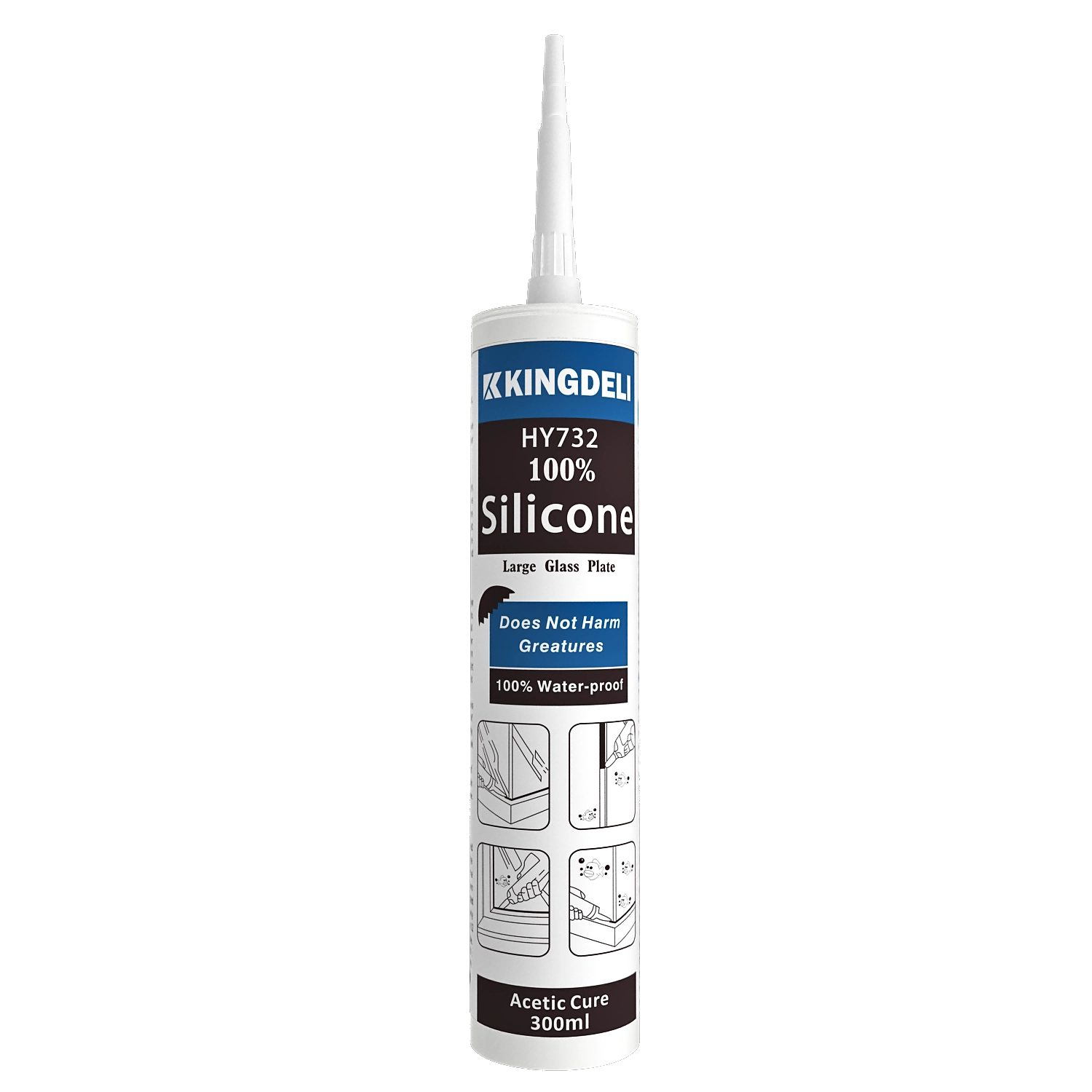
KINGDELI HY732 Professional Acetoxy Cure Silicone Sealant
KINGDELI HY732 is a professional-grade, one-component acetoxy cure silicone sealant designed for fast curing, strong adhesion, and long-lasting flexibility. Ideal for aquariums, glass applications, aluminum doors and windows, kitchens, and bathrooms, it provides reliable sealing performance with excellent anti-fungal protection in high-humidity environments.
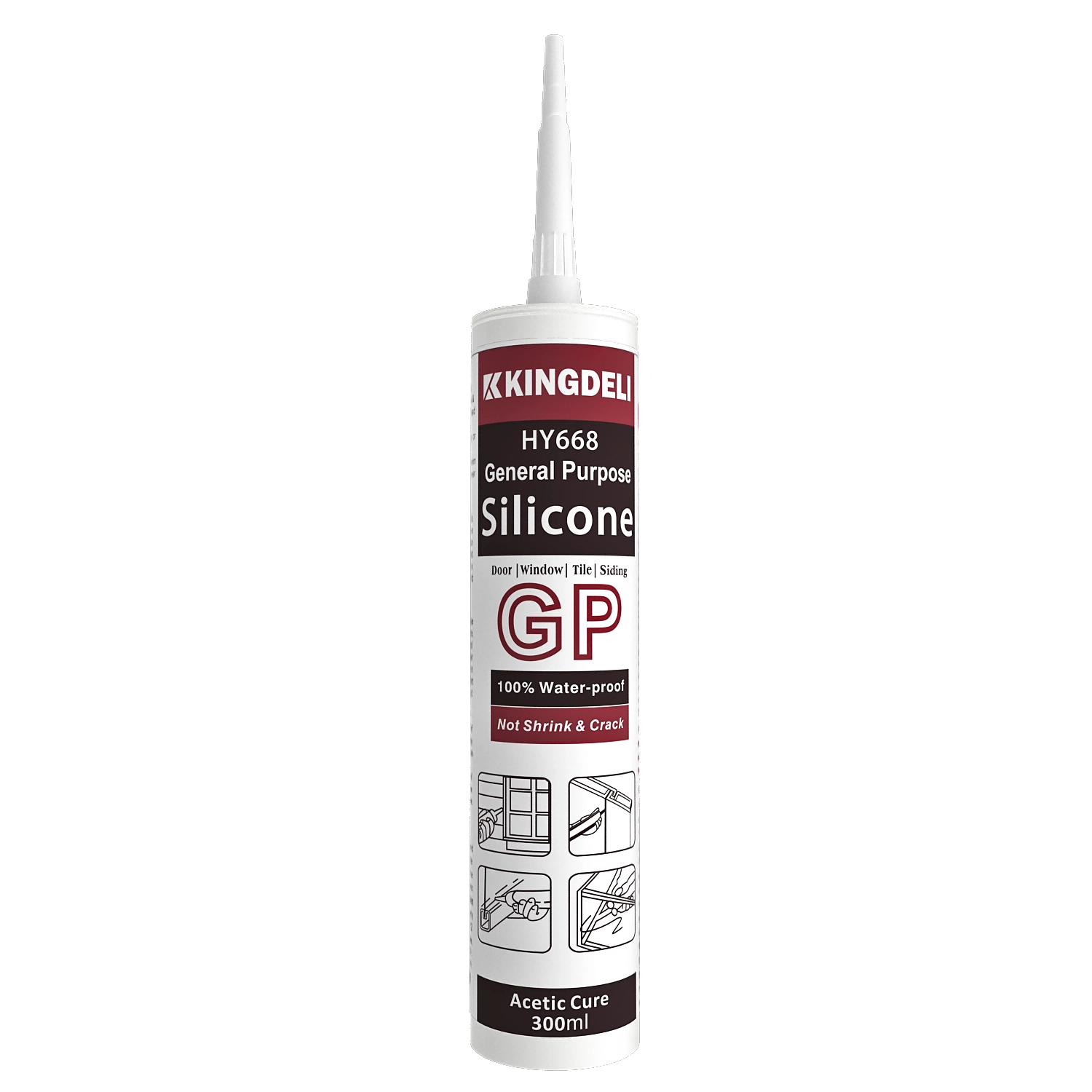
HY668 General Purpose Acetic Silicone Sealant
HY-668 General-Purpose Acetic Silicone Sealant is a easy-to-use sealant for everyday sealing and glazing applications. It offers good adhesion, fast curing, and a durable flexible seal, making it ideal for windows, doors, interior joints, and general construction use
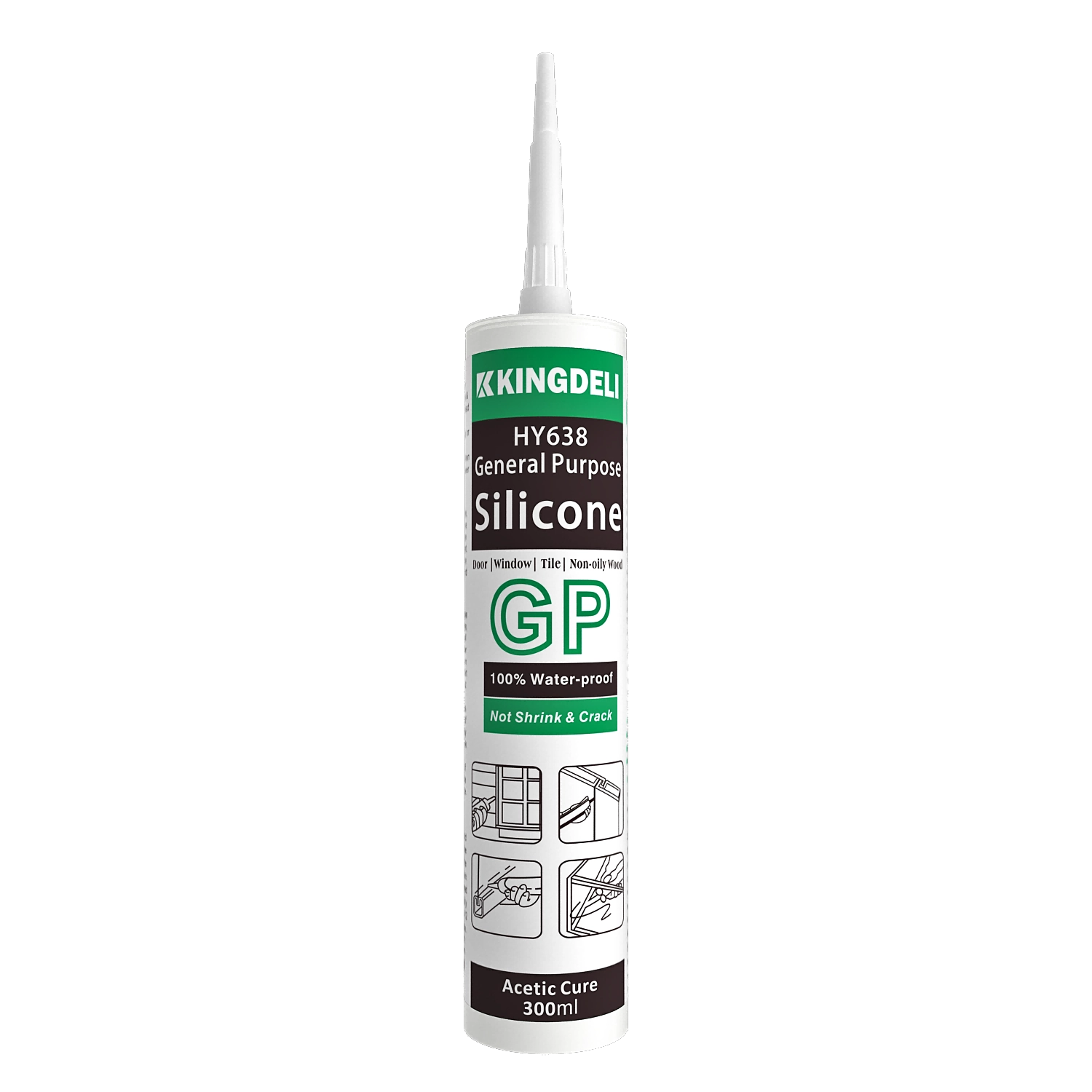
HY638 Economic General Purpose Acetic Silicone Sealant
HY-638 Economic General-Purpose Acetic Silicone Sealant is a cost-effective, one-component, shelf-stable, acetoxy-curing silicone sealant designed for general-purpose sealing and bonding applications. After curing, it forms a durable, elastomeric seal with the following characteristics:
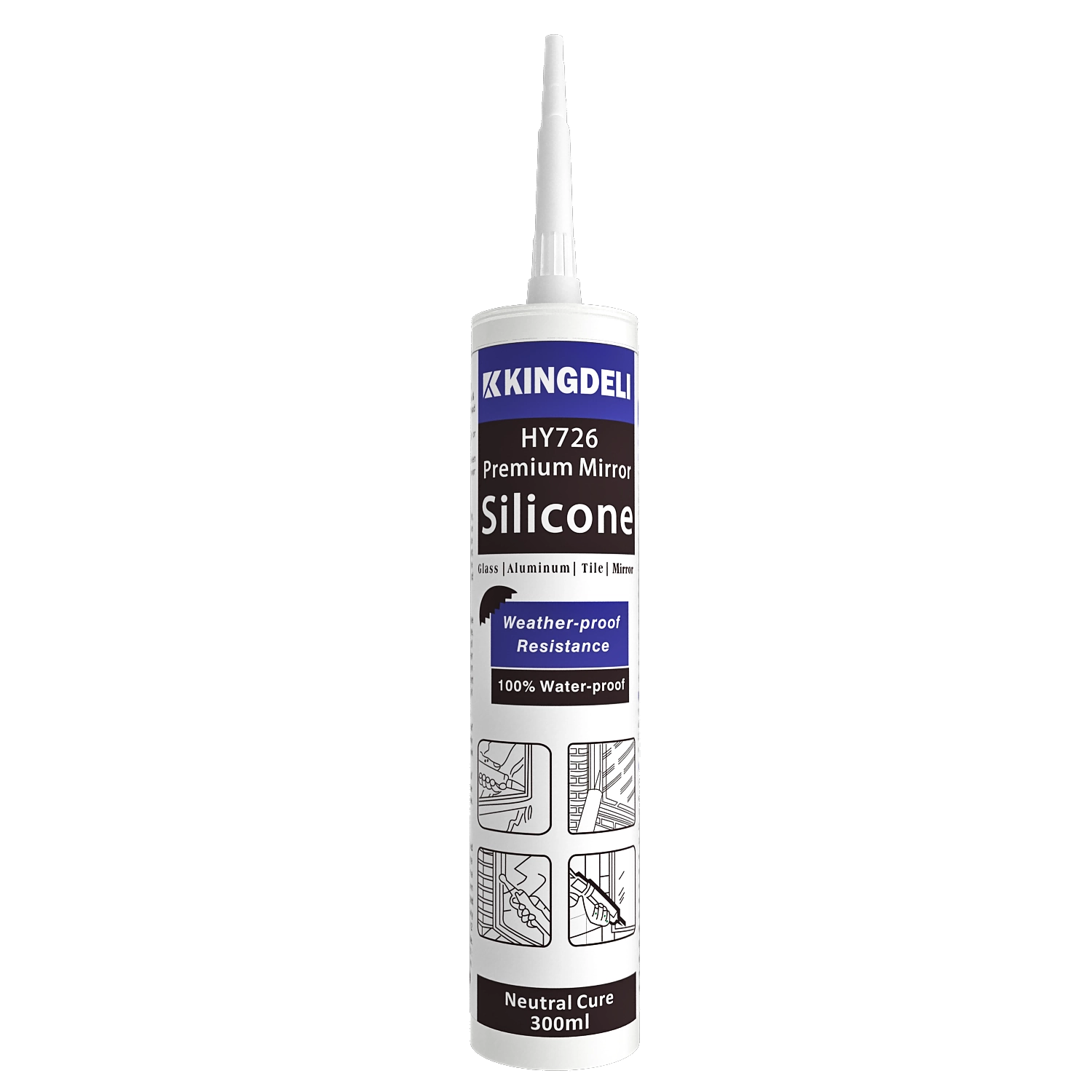
HY-726 Premium Clear Neutral Silicone Sealant
HY726 one-component, shelf-stable, 100% silicone elastomeric adhesive using alkoxy technology. It is specifically designed for sealing sensitive surfaces such as copper, gold, and metal-coated mirrors.
Let’s Build Stronger Bonds with Quality Adhesives and Sealants
Have questions about the topic or need tailored sealant solutions for your project?
Our team is ready to provide expert guidance, product recommendations, and application support.
Innovating with Integrity, Bonding the World
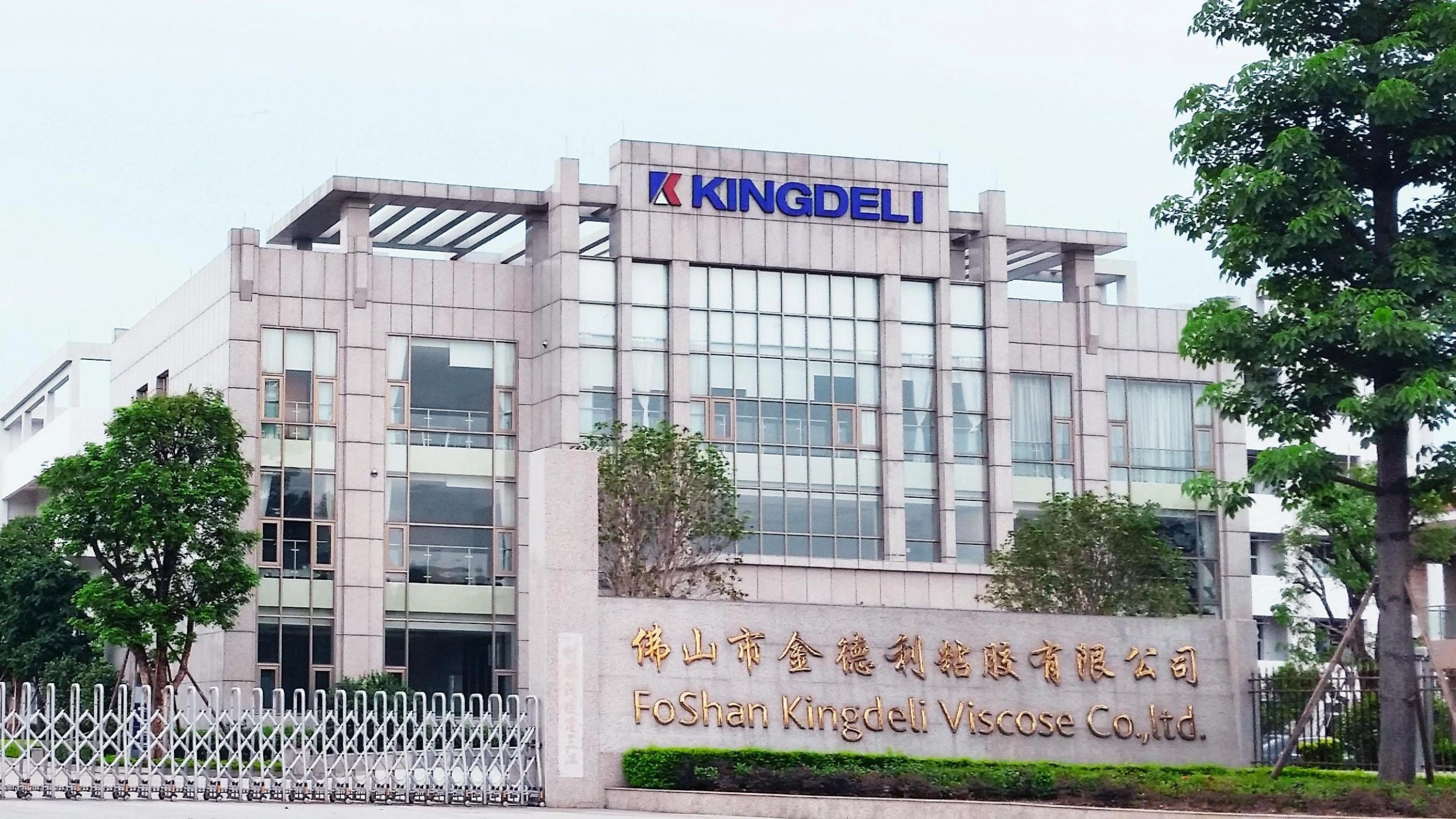
Since 1998, KINGDELI has delivered trusted, sustainable sealant solutions that connect industries and inspire progress worldwide.
Whatsapp: +8618825946249
Kingdeli
Kingdeli
Kingdeli
Kingdeli
Kingdeli