











Specifying Low-VOC MS Silicone Sealant for Regulatory Compliance

- Why Low-VOC Matters in Buildings and Projects
- Health, IAQ and occupant expectations
- Market and certification drivers
- Practical benefits beyond compliance
- Understanding MS Silicone Sealant and Low-VOC Formulations
- What is MS silicone (MS polymer) sealant?
- How low-VOC MS formulations are achieved
- Performance trade-offs and selection criteria
- Regulatory Frameworks, Standards and Testing
- Key standards and test methods
- Emission testing and product declarations
- Regional differences you must consider
- Specifying and Implementing Low-VOC MS Silicone Sealant
- How to write a robust specification clause
- Pre-installation testing and mock-ups
- Field best practices to maintain compliance
- Comparative overview: common sealant technologies
- KINGDELI: Low-VOC MS Solutions and Technical Advantage
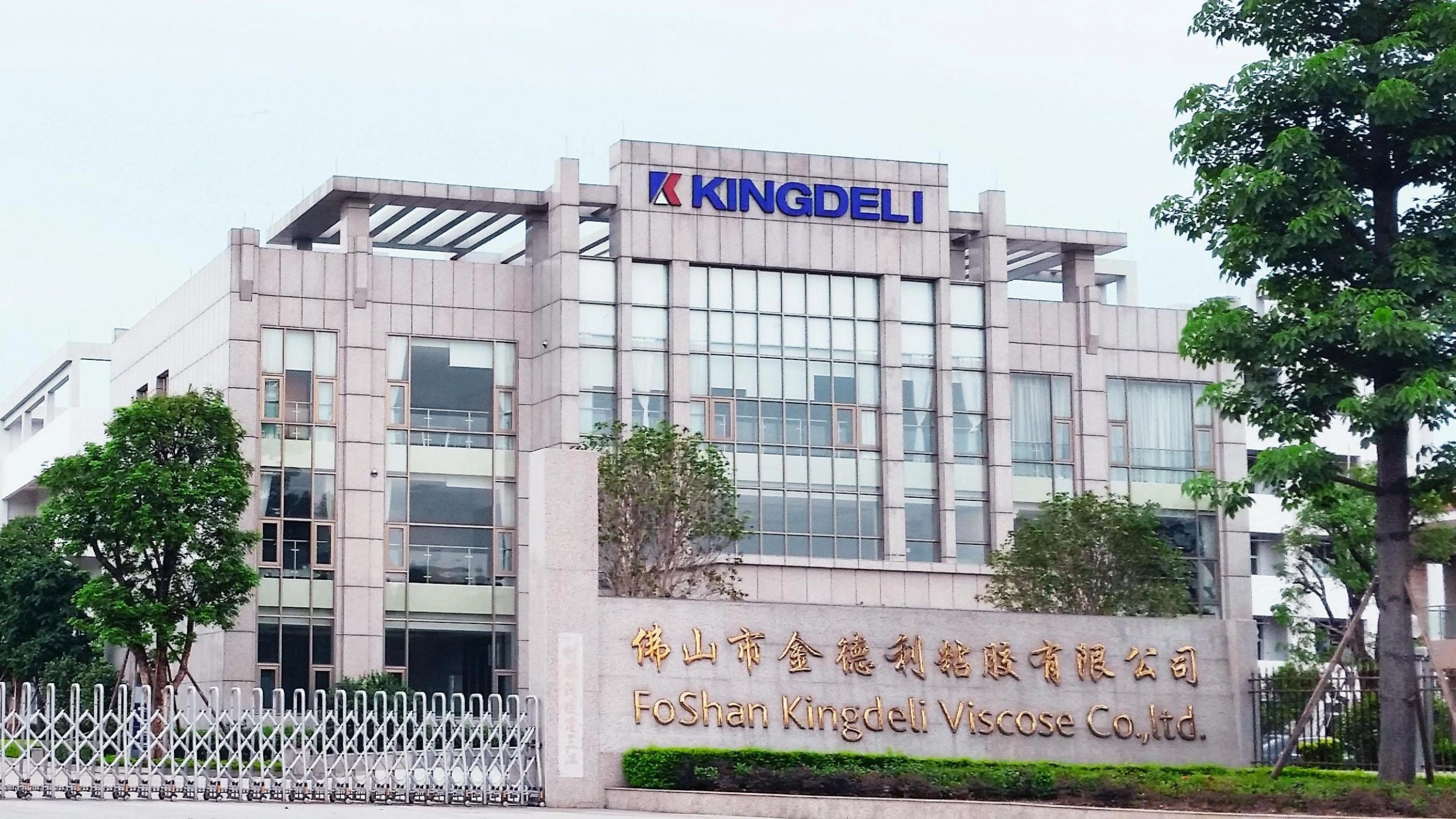
- KINGDELI at a glance
- Standards, capabilities and sustainability
- Why I specify KINGDELI low-VOC MS silicone sealant
- Verification, Documentation and QA at Handover
- What documentation to request from suppliers
- On-site verification methods
- Common pitfalls and how to avoid them
- Frequently Asked Questions (FAQ)
- 1. What is the difference between MS silicone and traditional silicone sealants?
- 2. How do I prove a sealant meets low-VOC claims?
- 3. Are low-VOC MS polymer sealants as durable as polyurethane or silicone?
- 4. Can low-VOC MS sealants be painted?
- 5. What installation conditions matter most for good performance?
- 6. How do local VOC regulations affect procurement?
- Contact, Samples and Product Inquiry
I write from years of hands-on specification work in construction, façade engineering, and product development for sealants and adhesives. In this article I walk you through why low-VOC MS silicone sealant (also called MS polymer sealant) is often the best route to satisfy indoor air quality, LEED/Green Building, and local regulatory demands, how these materials behave compared with traditional silicones and polyurethanes, what standards and test methods you need to reference, and practical steps to ensure compliance from spec to field verification.
Why Low-VOC Matters in Buildings and Projects
Health, IAQ and occupant expectations
Volatile organic compounds (VOCs) affect indoor air quality and occupant comfort. Regulators and building owners increasingly demand materials with low VOC emissions to limit off-gassing, odors, and long-term exposure risks. The U.S. EPA provides an overview of VOCs and their impact on indoor environments: EPA — VOCs and IAQ.
Market and certification drivers
Green building programs (LEED, WELL), procurement policies, and third-party product lists (e.g., SCAQMD, BREEAM credits) push design teams toward low-emitting materials. Specifying a low-VOC MS silicone sealant supports credits for low-emitting materials and helps meet procurement rules in many jurisdictions.
Practical benefits beyond compliance
Low-VOC MS polymer formulations often reduce jobsite odor, improve indoor comfort during and after installation, and can provide better adhesion to mixed substrates (metal, glass, powder-coated surfaces) than acetic silicones, enabling faster turnover.
Understanding MS Silicone Sealant and Low-VOC Formulations
What is MS silicone (MS polymer) sealant?
MS polymer (modified silane) sealants are hybrid materials that combine silicone-like flexibility with polyurethane-like adhesion without isocyanates. They cure by moisture to form an elastomeric polymer. Unlike common acetic-cure silicones, neutral-cure MS polymers are non-corrosive, paintable, and more compatible with many substrates.
How low-VOC MS formulations are achieved
Low-VOC MS silicone sealants minimize or eliminate volatile solvents and utilize reactive silane chemistry and low-odor additives. The resulting products are usually labeled 'solvent-free' or 'low-VOC' and often conform to VOC emission test protocols used by environmental agencies and green-rating schemes.
Performance trade-offs and selection criteria
When I compare low-VOC MS polymer sealants with other technologies, I look at adhesion, movement capability (percent joint movement), paintability, cure speed, and substrate compatibility. Low-VOC MS polymers typically provide:
- Excellent primerless adhesion to many substrates
- Good flexibility and movement accommodation (commonly ±25% or higher depending on formulation)
- Neutral cure with minimal odor
- Paintability (after full cure for many formulations)
Regulatory Frameworks, Standards and Testing
Key standards and test methods
To specify for compliance you must reference recognized standards. Relevant documents include ASTM C920 (joint sealants for building construction) for performance classification (ASTM C920), ISO methods for indoor air VOC testing (see ISO 16000 series), and local VOC regulations such as SCAQMD Rule 1168 in California for adhesives and sealants (SCAQMD Rule 1168).
Emission testing and product declarations
Validated emission test methods (e.g., chamber testing per ISO 16000-9 / ASTM D6670 variants or California Section 01350 for building materials) give project stakeholders confidence. For green-building compliance, request third-party test reports or SCAQMD/GreenGuard/Eurofins certificates showing measured TVOC or specified thresholds.
Regional differences you must consider
Regulatory thresholds and labeling differ by region. For example, California and some EU member states have specific VOC content or emissions limits and clear product labeling rules; some public procurement contracts explicitly list acceptable test protocols. I always verify local authority having jurisdiction (AHJ) requirements before finalizing a spec.
Specifying and Implementing Low-VOC MS Silicone Sealant
How to write a robust specification clause
A practical specification includes:
- Performance standard (e.g., ASTM C920 class or movement capability)
- VOC/emission requirement with accepted test method (e.g., TVOC per ISO 16000 or Section 01350)
- Cure type (neutral cure, solvent-free)
- Adhesion requirements and required primers for difficult substrates
- Manufacturer product references and requirement for third-party test reports
Example clause (short): Provide neutral-cure, solvent-free MS polymer sealant, VOC emissions certified per ISO 16000/Section 01350 with documented TVOC performance. Product shall meet ASTM C920 class XXX and demonstrate adhesion to aluminum, glass and painted steel per manufacturer's data.
Pre-installation testing and mock-ups
I always require mock-ups: adhesion tests on representative substrates, accelerated weathering for exterior joints, and in-situ odor checks. For sensitive interiors (hospitals, schools), perform chamber emission tests or request manufacturer-submitted test reports from independent labs.
Field best practices to maintain compliance
Installation matters. To avoid failures or unexpected VOC spikes, enforce:
- Surface preparation (clean, dry, and primer where required)
- Correct joint design and backing material (closed-cell backer rod to prevent 3-sided adhesion)
- Temperature and humidity limits during curing
- Waste management and proper disposal of cartridges and masking tape
Comparative overview: common sealant technologies
| Property | Neutral MS Polymer (low-VOC) | Acetic Silicone | Polyurethane |
|---|---|---|---|
| VOC / Odor | Low VOC, low odor | Low VOC, acetic odor | Often higher VOC, solvent odor |
| Adhesion | Excellent to many substrates (often primerless) | Good to glass/ceramic, poor to some plastics/paints | Good to many substrates, may require primer |
| Paintability | Typically paintable after cure | Generally not paintable | Paintable (surface-dependent) |
| Movement capability | Good (form-dependent) | Excellent elasticity | Very good |
KINGDELI: Low-VOC MS Solutions and Technical Advantage
KINGDELI at a glance
Since its establishment in 1998, KINGDELI has stood as a global leader in the high-performance sealant, adhesive, and coating industry. Headquartered in Foshan, China, our state-of-the-art 66,000 m² facility is powered by fully automated production lines with an annual capacity exceeding 100,000 tons, ensuring a consistent and robust supply for partners worldwide.
Standards, capabilities and sustainability
As a recognized National High-Tech Enterprise and a key contributor to the National Standard GB/T 29755-2013, we unite advanced manufacturing power with technical excellence. Our comprehensive product portfolio—spanning Neutral & Acetic Silicone, Polyurethane, MS Polymer, and No More Nails adhesives—is engineered to meet strict international standards, including ISO 9001, ISO 14001, CE, and ASTM.
Why I specify KINGDELI low-VOC MS silicone sealant
Having reviewed many datasheets and tested products in mock-ups, I specify KINGDELI when I need:
- Proven low-emission formulations suitable for sensitive interiors
- Reliable adhesion to mixed façades without aggressive primers
- OEM/ODM flexibility for color and packaging to meet project requirements
- Documented test reports and factory QA for consistent batch-to-batch performance
KINGDELI's main products relevant to low-VOC specifications include neutral silicone sealant, acetic silicone sealant, acrylic sealant, silicone glazing sealant, No More Nails adhesive, polyurethane sealant, MS polymer sealant, RTV gasket maker, epoxy tile grout, and self-leveling sealant.
Verification, Documentation and QA at Handover
What documentation to request from suppliers
Always require:
- Third-party emission reports (ISO 16000 or equivalent)
- Safety Data Sheets (SDS) with VOC content declaration
- Product technical data sheets showing movement capability and adhesion
- Certificates of conformity (ISO/CE/ASTM where applicable)
On-site verification methods
Post-installation verification can include simple IAQ spot checks, odor assessments, or more rigorous chamber sampling of installed materials per project requirements. For occupied sensitive environments, I recommend independent lab testing if the owner requires an extra level of assurance.
Common pitfalls and how to avoid them
Typical problems I see are: incorrect joint design, using the wrong backing rod, contamination of substrates left uncleaned, and installation outside recommended temperature/humidity ranges. Address these by writing clear acceptance criteria into the contract and performing on-site QA during early installation.
Frequently Asked Questions (FAQ)
1. What is the difference between MS silicone and traditional silicone sealants?
MS silicone (MS polymer) is a hybrid polymer technology with neutral cure, often solvent-free and low-odor, providing broader adhesion and paintability. Traditional silicones (especially acetic-cure) emit acetic acid during cure and can be corrosive to some substrates.
2. How do I prove a sealant meets low-VOC claims?
Request independent emission test reports (ISO 16000 series, Section 01350 where applicable) or third-party certifications (e.g., GREENGUARD). Also check SDS for VOC content and verify manufacturing QA documents.
3. Are low-VOC MS polymer sealants as durable as polyurethane or silicone?
High-quality MS polymers offer comparable durability and movement capability for many applications. For extreme UV exposure or specialized chemical environments, review accelerated weathering and chemical resistance data specific to the product.
4. Can low-VOC MS sealants be painted?
Many neutral MS polymer sealants are paintable after full cure. Verify paint compatibility with manufacturer data and perform a paint adhesion test on-site or in a lab mock-up.
5. What installation conditions matter most for good performance?
Surface cleanliness, correct backing material, ambient temperature/humidity within product limits, and adherence to primer recommendations are key. Poor preparation is the leading cause of failures.
6. How do local VOC regulations affect procurement?
Procurement may require specific test methods and emission thresholds. Always cross-check local AHJ rules, and include acceptable test methods and documentation requirements in the specification to avoid nonconforming products being delivered to site.
Contact, Samples and Product Inquiry
If you need help writing specification language, evaluating product data sheets, or arranging independent emission testing and mock-ups, contact me or reach out to KINGDELI for product samples and technical service. KINGDELI offers end-to-end OEM/ODM support, sustainable low-VOC formulations, and professional technical service to ensure your projects meet regulatory and occupant requirements.
For consultations, product datasheets, or to request low-VOC MS polymer samples, please contact KINGDELI's technical sales team or visit the KINGDELI website to view product lines and certifications.
References:
- U.S. EPA — Volatile Organic Compounds and Indoor Air Quality: https://www.epa.gov/indoor-air-quality-iaq/volatile-organic-compounds-impact-indoor-air-quality
- ASTM C920 — Standard Specification for Elastomeric Joint Sealants: https://www.astm.org/Standards/C920.htm
- SCAQMD — Rule 1168 and related documents: http://www.aqmd.gov/home/rules-compliance/rules/scaqmd-rule-book/reg-ix
- GB/T 29755-2013 — National Standard contributor (KINGDELI involvement referenced in company materials)
- ISO 16000 series — Indoor air and VOC test methods (see ISO.org for details)
Best neutral silicone sealant manufacturers and supplier brands in Automotive Solutions
Custom Formulations and Private Label MS Silicone Sealant
Cost Saving Tips for Bulk Procurement of MS Silicone Sealant
Best acrylic sealant for glass manufacturers and supplier brands in Automotive Solutions
HY982
Can the cured surface be painted?
Yes. After surface curing, HY982 can be painted or coated, allowing it to blend seamlessly with surrounding finishes.
How long does it take to cure?
Skin formation: approximately 20–40 minutes
Full cure: approximately 24–48 hours, depending on temperature, humidity, and adhesive thickness
HY-4300
Can HY-4300 be used with other silicone sealants?
Yes. HY-4300 has good compatibility with neutral-cure silicone sealant systems. Compatibility testing is recommended before large-scale application.
What type of sealant is HY-4300?
HY-4300 is a one-component, high-modulus, neutral-cure structural silicone sealant designed for structural glazing and other load-bearing sealing applications.
HY-2300
Will it corrode metal or cement surfaces?
No. HY-2300 is a neutral curing silicone sealant, ensuring no corrosion to metal and cement substrates.
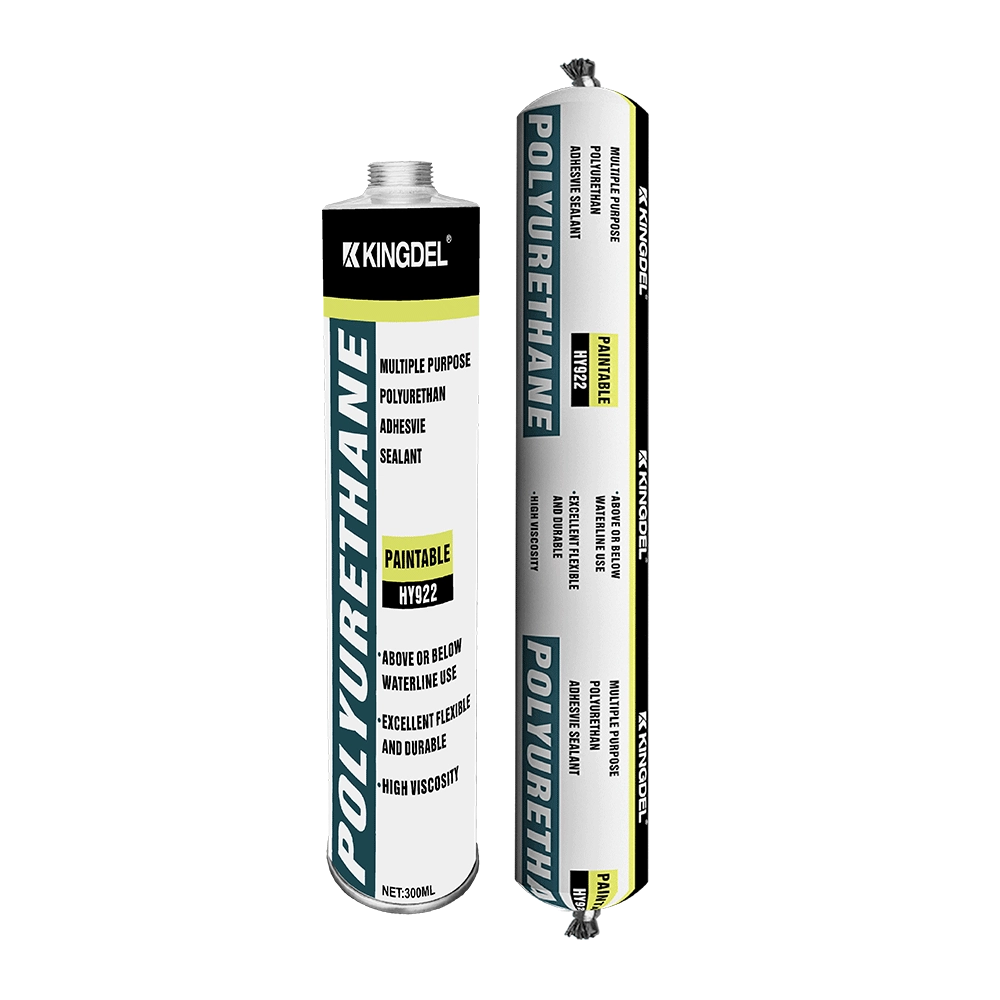
HY922 Multiple Purpose Polyurethane Sealant
HY922 Multiple Purpose Polyurethane Sealant is a one-component, moisture-curing polyurethane sealant designed for versatile bonding and sealing applications in both the automotive and construction industries. It cures to form a flexible yet tough elastomeric joint with excellent adhesion to a wide range of substrates. The formulation is non-corrosive, solvent-free, and produces a smooth, bubble-free finish during application.
HY922 delivers fast surface drying and quick positioning, improving installation efficiency while maintaining long-term durability. With strong weather resistance and good creep resistance, it performs reliably in demanding indoor and outdoor environments, including moist and partially submerged conditions.
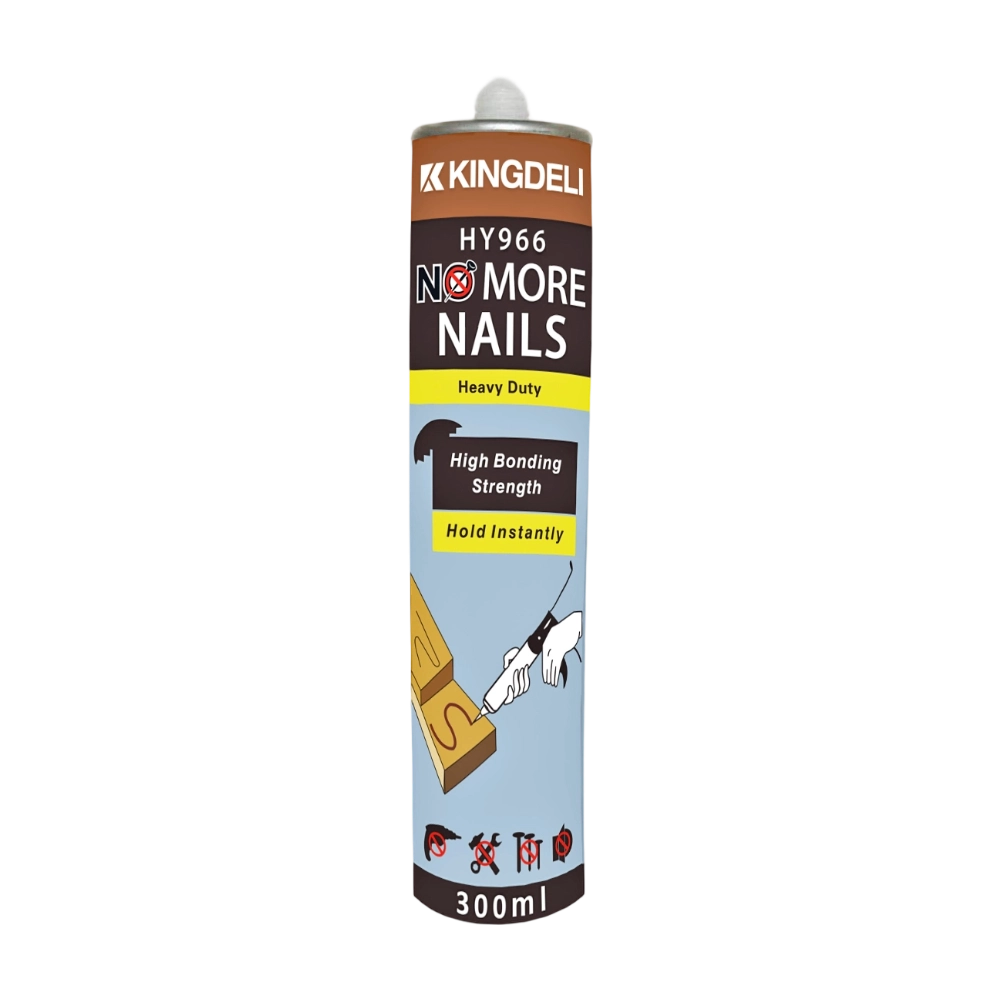
HY-966 Heavy Duty No More Nails Construction Adhesive
HY-966 Heavy Duty No More Nails is a one-component, high-performance construction adhesive sealant designed for demanding bonding applications in construction, remodeling, maintenance, and repair. Its instant grab formulation secures materials immediately, significantly reducing the need for bracing or mechanical fixing during installation.
HY-966 cures reliably in moist environments and delivers durable adhesion across a wide range of substrates. It provides excellent resistance to water, temperature variation, and aging, ensuring long-term performance in interior construction applications.
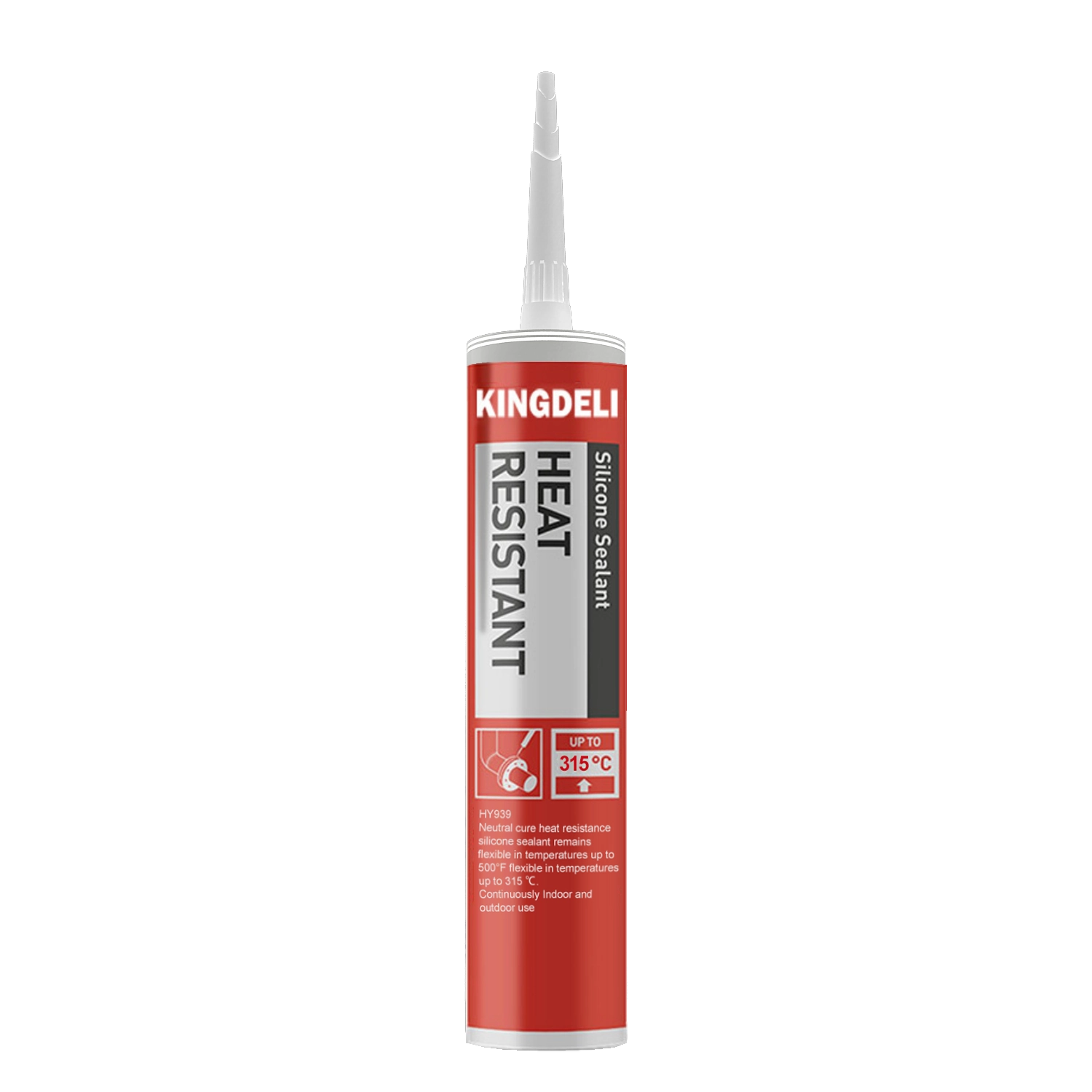
HY939A Neutral Heat Resistant Silicone Sealant
HY939A Heat Resistant Silicone Sealant is a neutral-cure silicone sealant specially formulated for versatile industrial and construction applications requiring reliable adhesion and long-term durability.
The sealant provides strong, non-corrosive adhesion to a variety of substrates, including glass, metal, gypsum board, marble, and certain plastics, making it ideal for both structural and sealing purposes.
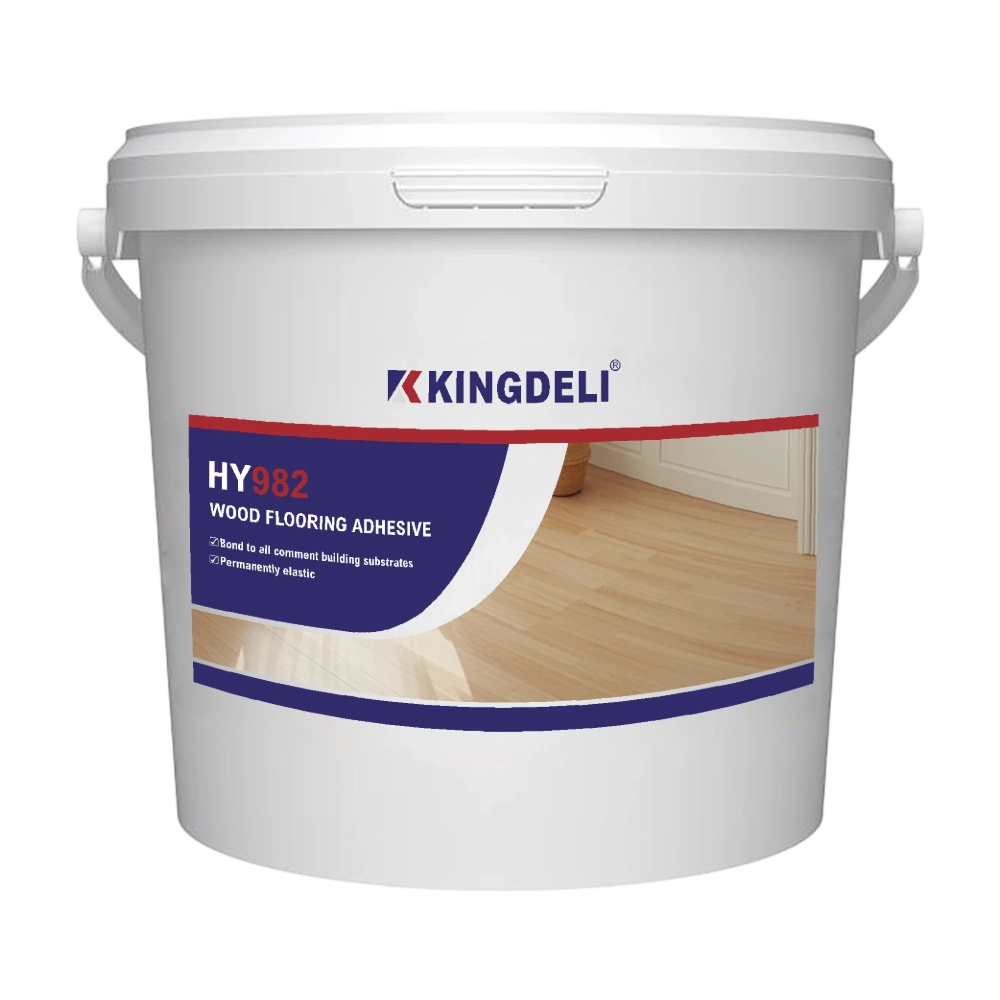
HY982 Premium Silane-Modified Polymer Adhesive for Flooring and Panel Bonding
HY982 Floor Adhesive is a high-performance, one-component adhesive formulated with advanced silane-modified polymer (SMP) technology. It is paintable, non-staining, and environmentally friendly, offering exceptional bonding strength without the need for a primer.
Designed for modern interior installations, HY982 Floor Adhesive provides excellent adhesion to wood, metal, stone, sintered slabs, glass, ceramics, and many other common building materials—making it the ideal choice for flooring installation and panel bonding applications crystal clear formulation.
Let’s Build Stronger Bonds with Quality Adhesives and Sealants
Have questions about the topic or need tailored sealant solutions for your project?
Our team is ready to provide expert guidance, product recommendations, and application support.
Innovating with Integrity, Bonding the World
Since 1998, KINGDELI has delivered trusted, sustainable sealant solutions that connect industries and inspire progress worldwide.
Whatsapp: +8618825946249
Kingdeli
Kingdeli
Kingdeli
Kingdeli
Kingdeli