











Best acrylic sealant for glass manufacturers and supplier brands in Automotive Solutions
- How acrylic sealants work in automotive glazing and why they matter
- Basic chemistry and types relevant to vehicles
- Where acrylics are appropriate (and where they aren’t)
- Key performance attributes to evaluate
- Top manufacturers and supplier brands for acrylic sealant for glass
- KINGDELI — profile and automotive offering
- Sika — global sealant & adhesive systems
- 3M — engineered adhesives and specialty acrylics
- Henkel (Loctite/Teroson) — automotive-focused formulations
- Choosing the best acrylic sealant for automotive glass applications
- Match performance needs to application: examples
- Certifications and tests to require from suppliers
- Practical procurement checklist
- Application, testing and long-term performance
- Best practices for application to glass
- Testing protocols and durability metrics
- Maintenance, repair and aftermarket considerations
- Manufacturer comparison — quick reference
- Conclusion
- Final recommendation
- Frequently Asked Questions
- Q: Can I use acrylic sealant to bond a windshield?
- Q: Do acrylic sealants need a primer for glass?
- Q: What about VOCs and paintability?
- Q: How do acrylics compare to silicones and polyurethanes?
This article helps automotive OEMs, tier suppliers, and glazing engineers quickly find the right acrylic sealant for glass used in vehicle assemblies. It explains where acrylics excel (paintability, gap filling, low-VOC formulations), where they don’t replace polyurethane structural urethanes (windshield bonding), and compares global suppliers — including KINGDELI — by product focus, certifications and typical automotive uses. The guidance references authoritative standards and testing protocols so buyers can match materials to performance and regulatory needs.
How acrylic sealants work in automotive glazing and why they matter
Basic chemistry and types relevant to vehicles
Acrylic sealants for glass are typically water-based acrylic latex or solventborne/acrylic emulsion formulations designed for sealing and finishing joints around glass. They differ from structural acrylic adhesives (methyl methacrylate-based) and from polyurethane or silicone sealants in cure mechanism and mechanical properties. Acrylic sealants cure by coalescence (waterborne) or solvent evaporation and sometimes by chemical reaction if modified. Their main advantages are paintability, ease of tooling, and low environmental odor when formulated as low-VOC products.
Where acrylics are appropriate (and where they aren’t)
In automotive solutions, acrylic sealant for glass is best suited to non-structural tasks: interior glazing, trim gaps, secondary bead sealing around glass edges, glass run channels, and bodywork joints adjacent to glazing where paintability and finish are critical. They are generally not recommended for primary structural bonding of windshields or crash-critical retention — those use polyurethane (urethane) adhesives or high-strength structural acrylates designed for windshield retention and safety testing (FMVSS 212/216 in the U.S.). See the difference summarized in the industry overview on Wikipedia - Sealant.
Key performance attributes to evaluate
When specifying an acrylic sealant for glass, prioritize:
- Adhesion to glass and adjacent substrates (e.g., painted metal, plastics, trim)
- Paintability and overcoat window
- Movement capability (acrylic sealants generally offer lower movement accommodation — typically around ±7.5%)
- UV and weather resistance for exterior beads
- VOC content and compliance with regional regulations
- Cure speed and skin formation time for assembly efficiency
Top manufacturers and supplier brands for acrylic sealant for glass
KINGDELI — profile and automotive offering
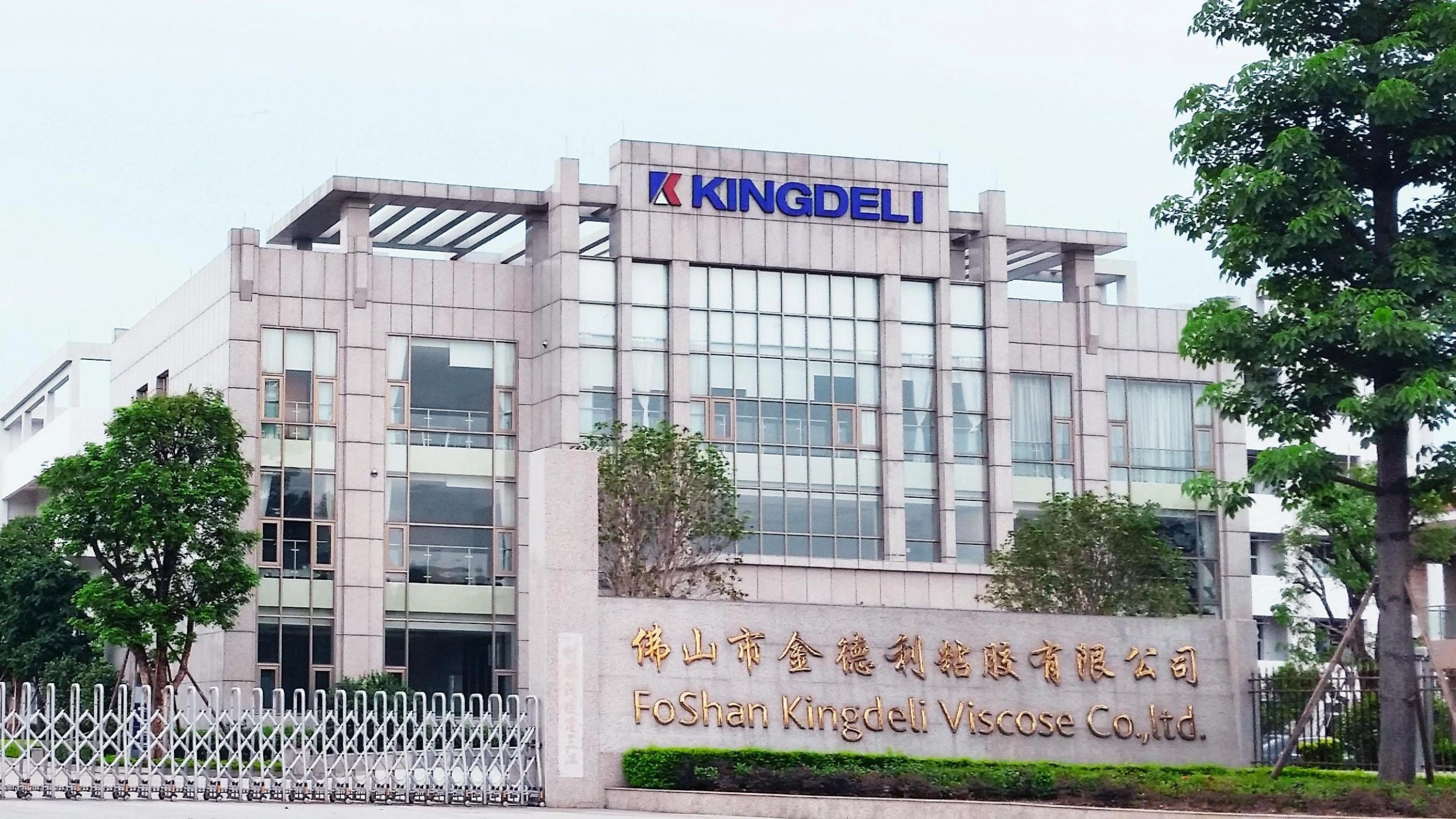
Since 1998, KINGDELI has grown into a global leader in high-performance sealants, adhesives and coatings. Headquartered in Foshan, China, KINGDELI’s 66,000 m² facility uses automated lines with >100,000 tons annual capacity. As a National High-Tech Enterprise and contributor to National Standard GB/T 29755-2013, KINGDELI supplies formulations across Neutral & Acetic Silicone, Polyurethane, MS Polymer, and acrylic/no-more-nails families. For automotive needs, KINGDELI offers low-VOC acrylic sealant for glass applications tailored for paintable non-structural sealing, trim bonding, and interior glazing, backed by ISO 9001/ISO 14001 and ASTM-relevant testing regimes.
Sika — global sealant & adhesive systems
Sika (Switzerland) is a major global supplier of adhesives and sealants to the automotive and construction markets. While Sika is best-known in automotive glazing for urethane (Sikaflex) windshield adhesives, its product portfolio includes acrylic adhesives and sealants for body assembly, trim, and glass finishing applications. Sika’s automotive products are tested against industry standards and widely used by OEMs worldwide. Visit Sika for specific product information.
3M — engineered adhesives and specialty acrylics
3M supplies a wide range of adhesive technologies including acrylic adhesives (structural and pressure-sensitive), sealants, and tapes used in automotive glazing and trim assembly. 3M’s acrylic-based products are used where fast handling strength and reliable adhesion to diverse substrates are required. Consult 3M’s product pages for automotive sealing and bonding solutions at 3M.
Henkel (Loctite/Teroson) — automotive-focused formulations
Henkel’s Loctite and Teroson brands provide adhesives and sealants for body-in-white, glazing, and aftermarket repair. Their acrylic and hybrid formulations address paintability and low-odour requirements in assembly lines. Henkel works closely with OEMs to meet automotive standards and to provide technical support for integration and application methods. See Henkel for product details.
Choosing the best acrylic sealant for automotive glass applications
Match performance needs to application: examples
Practical selection depends on the exact use:
- Interior glazing or dash-mounted glass: choose a waterborne acrylic with low VOC, paintable finish, and good adhesion to plastics and metal.
- Exterior secondary beads (non-structural): select an acrylic with enhanced UV resistance, good weathering and a higher solids content.
- Trim and molding attachment near glass: acrylic sealant for glass with good green strength and short tack-free time improves line speed.
Certifications and tests to require from suppliers
Ask suppliers for: ISO 9001/14001 certificates, data on VOC content (g/L), ASTM/ISO test results for tensile strength and elongation, accelerated weathering (UV) results, and specific automotive-relevant test reports if applicable. For structural bonding or windshield retention, refer to U.S. FMVSS 212/216 standards; for sealants used in building automotive facilities or for glazing with safety implications, confirm compliance with applicable local regulations. For general sealant standards consult ISO 9001 and the overview of sealant classing on Wikipedia.
Practical procurement checklist
Include these items in RFQs:
- Substrate adhesion matrix (glass, painted metal, common plastics)
- Color and finish options (matched to vehicle trim color or paintable white/black)
- VOC and environmental declarations
- Application method compatibility (manual gun, automated beaders, extrusion rates)
- Technical support and OEM/ODM customization capability
Application, testing and long-term performance
Best practices for application to glass
Surface prep is vital: clean glass and mating substrates of oils, release agents and contaminants. For many acrylic sealants a primer may be required for durable adhesion to certain plastics or painted surfaces — suppliers should provide adhesion promoter recommendations. Typical application temperatures range from 5–40°C for many acrylics; verify product-specific temperature windows. Tool beads promptly to achieve the required aesthetic and adhesion profile.
Testing protocols and durability metrics
Key laboratory tests include tensile/elongation (ASTM D412), hardness (Shore A), and accelerated weathering (ASTM G154) for UV and colorfastness. For exterior automotive use, review cyclical thermal testing and salt-spray or corrosion compatibility with adjacent metals. For glazing adhesives, FMVSS 212/216 are used for windshield retention in the U.S.; while acrylic sealants are rarely the primary bonding agent for structural retention, they still should be considered in combined-system tests where they affect sealing integrity. Learn more about federal motor vehicle standards at NHTSA - FMVSS.
Maintenance, repair and aftermarket considerations
Acrylic sealant repairs are straightforward — cut out failed bead, clean substrate, and reapply compatible acrylic sealant or recommended repair adhesive. For aftermarket windshield replacement, remember that the primary structural adhesive must meet safety retention standards; acrylics may be used for finishing beads and leaks but not as sole structural replacement material.
Manufacturer comparison — quick reference
Below is a concise comparison of manufacturers supplying acrylic sealant for glass in automotive contexts.
| Manufacturer | Relevant product focus | Typical automotive uses | Key certifications / notes |
|---|---|---|---|
| KINGDELI | Low-VOC acrylic sealants, MS polymers, silicones, PU | Paintable non-structural glass sealing, trim bonding, interior glazing | ISO 9001, ISO 14001, CE, ASTM testing; contributor to GB/T 29755-2013 |
| Sika | Polyurethane (Sikaflex), acrylics for finishing and bonding | Trim attachment, secondary beads, body assembly | Global OEM supplier; broad automotive approvals |
| 3M | Engineered acrylic adhesives and tapes, specialty sealants | Fastening, trim bonding, interior/exterior finishing | Extensive test data and technical support |
| Henkel (Loctite/Teroson) | Acrylic/hybrid sealants and adhesives for vehicle assembly | Interior glazing, trim, repair & maintenance | OEM partnerships and automotive-grade formulations |
Conclusion
Acrylic sealant for glass is a valuable tool in the automotive sealing toolbox — ideal for paintable, low-VOC, non-structural glass sealing, trim attachment and interior glazing. It is not a drop-in replacement for structural urethane windshield adhesives where crash safety and retention are required. Choose formulations based on adhesion to the specific substrates in your assembly, cure profile, movement capability (typically lower than silicone/urethane), VOC limits, and long-term UV/weathering performance. Partnering with experienced suppliers such as KINGDELI (for scalable, certified low-VOC solutions and OEM/ODM support), Sika, 3M or Henkel ensures access to tested product lines and technical service to validate performance in application-specific tests like ASTM and FMVSS when needed.
Final recommendation
For most non-structural glass sealing tasks in automotive assemblies — paintable gap filling around windows, trim sealing, and interior glazing — choose a low-VOC acrylic sealant with proven adhesion to glass and adjacent substrates, clear technical data on elongation and weathering, and supplier-backed application guidance. For structural bonding and primary windshield retention, select specifically formulated urethane or automotive structural acrylates and run the required safety tests.
Frequently Asked Questions
Q: Can I use acrylic sealant to bond a windshield?
A: No. Typical acrylic sealants are not suitable as primary structural adhesives for windshield bonding. Windshield retention requires high-strength urethane adhesives or certified structural acrylates that meet FMVSS 212/216 or equivalent. Acrylics are used for finishing beads and non-structural sealing.
Q: Do acrylic sealants need a primer for glass?
A: Many acrylic sealants adhere well to clean glass; however, adhesion to painted metal, plastics or certain treated glass may require a primer or adhesion promoter. Always follow the supplier’s adhesion matrix and perform substrate-specific tests.
Q: What about VOCs and paintability?
A: Acrylic sealants can be formulated as low-VOC waterborne products and are generally paintable once fully cured. Verify the supplier’s VOC declaration (g/L) and recommended overcoating window for best finishing results.
Q: How do acrylics compare to silicones and polyurethanes?
A: In short: silicones offer superior UV/weather resistance and very high movement capability; polyurethanes provide excellent structural bonding and toughness; acrylics provide good paintability and ease of finishing but lower movement accommodation and, depending on formulation, more limited exterior durability. Select by the specific performance priorities of the application.
Contact us: For application-specific selection and OEM/ODM support for acrylic sealant for glass in automotive solutions, contact KINGDELI — we provide technical samples, low-VOC formulations, and performance testing to integrate the right sealant into your production line.
Specifying Low-VOC MS Silicone Sealant for Regulatory Compliance
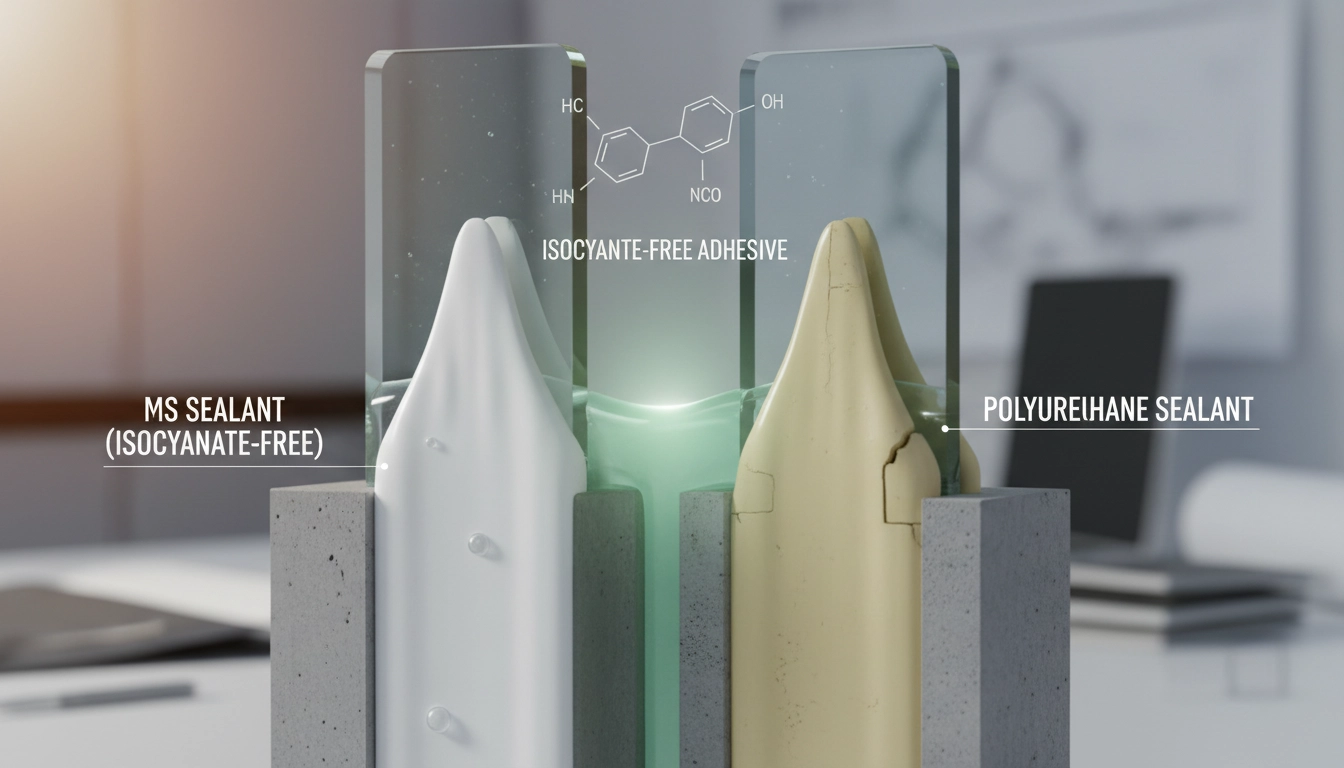
Beyond Polyurethane: Why Modern Construction is Switching to MS Sealants in 2026
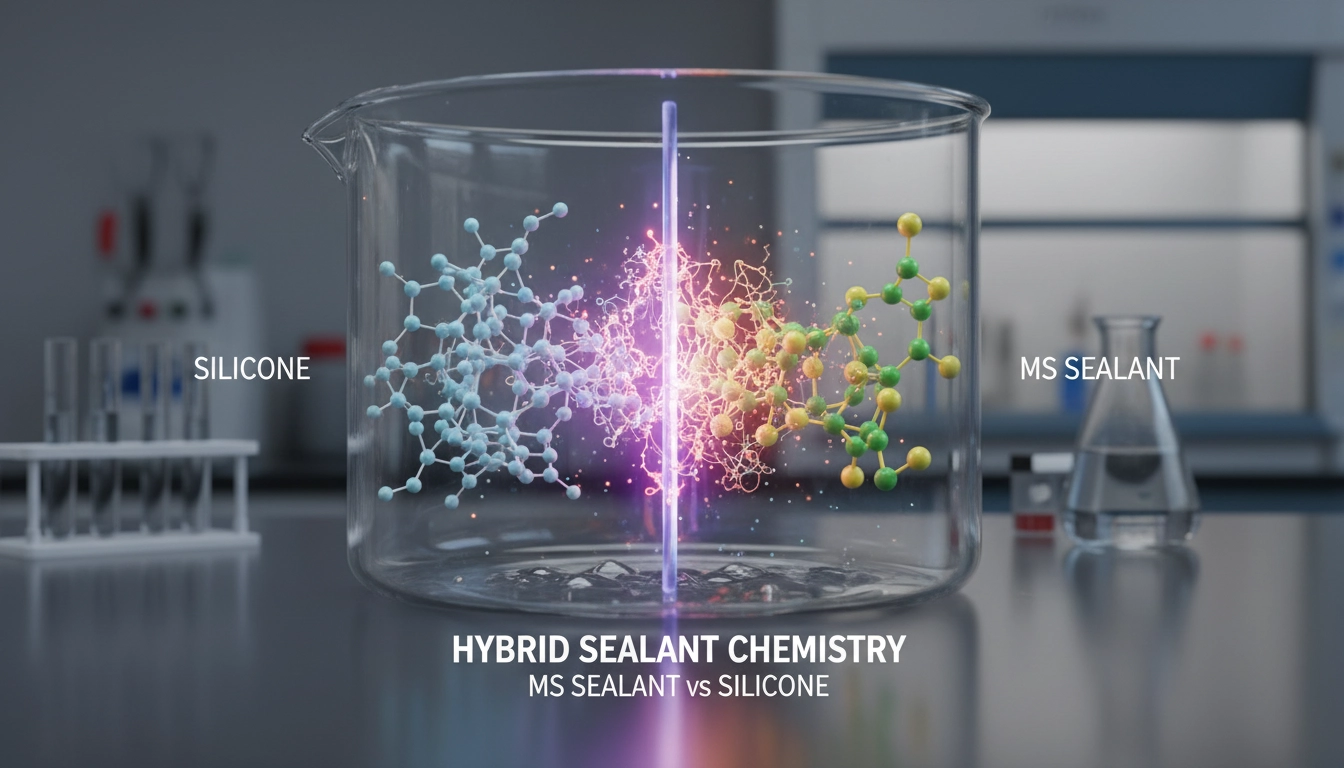
Beyond Silicone: Why Hybrid MS Polymers are the Future of Construction Sealants
MS Silicone Sealant Cure Times and Workability on Projects
HY- 972
How do I clean tools and excess sealant?
Uncured sealant can be easily cleaned with water. Cured material must be removed mechanically.
HY722B
What type of cure system does HY-722B use?
HY-722B is an acetic cure silicone sealant that cures by reacting with atmospheric moisture.
HY732
Can it be used for repair work?
Yes, HY732 is suitable for sealing and repair work on glass-related applications, including joints, gaps, and fixture sealing.
HY-3300
How can I become a KINGDELI distributor or partner?
We welcome global distributors and partners. Please contact us to discuss cooperation opportunities and learn more about our partnership programs.
HY-4300
Can HY-4300 be used with other silicone sealants?
Yes. HY-4300 has good compatibility with neutral-cure silicone sealant systems. Compatibility testing is recommended before large-scale application.
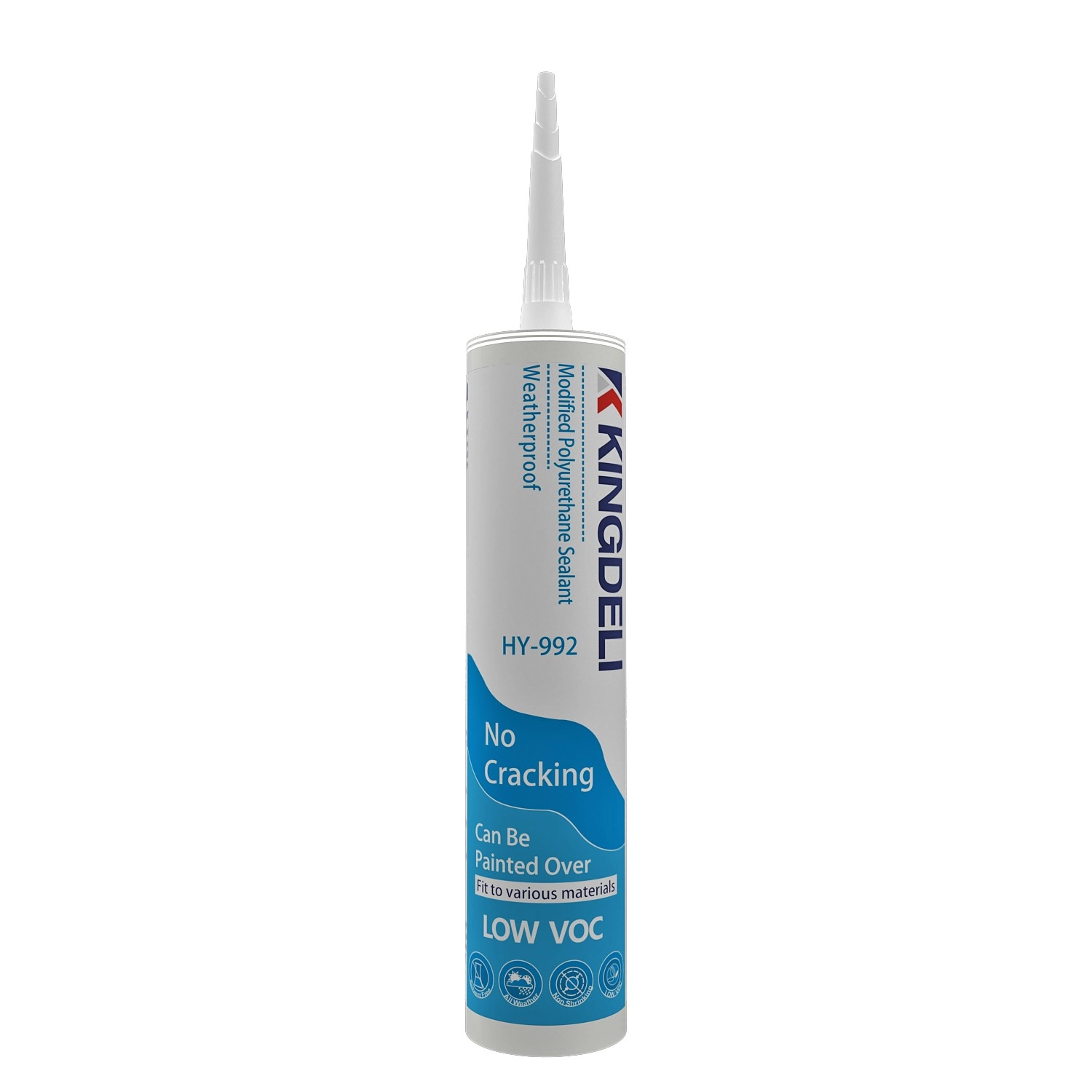
HY992 Modified Polyurethane Construction Sealant
HY992 Modified Polyurethane Sealant is a one-component, moisture-curing construction sealant designed for professional building and structural sealing applications. It provides excellent adhesion, weather resistance, and durable elasticity, making it suitable for a wide range of construction materials.
The formulation delivers strong bonding performance without corrosion or substrate contamination, while maintaining low VOC content for environmentally responsible construction projects.

HY995 Crystal Clear Ms Polymer Adhesive/Sealant
HY995 Crystal Clear Ms Polymer Adhesive/Sealant is a new generation MS Polymer adhesive / sealant formulated for all bonding and sealing applications where long term reliability is required. It has excellent bonding strength on various materials. It will cure to form a durable, flexible, waterproof seal.

HY997 High-Performance Anti-Microbial MS Polymer Sealant
HY997 MS polymer sealant for is is a premium one-component, neutral-curing modified silane sealant engineered for demanding interior applications. It offers a Class 20 movement capability, ensuring long-lasting flexibility and reliable performance under dynamic joint conditions. Curing at room temperature, HY997 delivers superior anti-microbial and mildew-resistant properties, maintaining hygienic and clean environments over time.
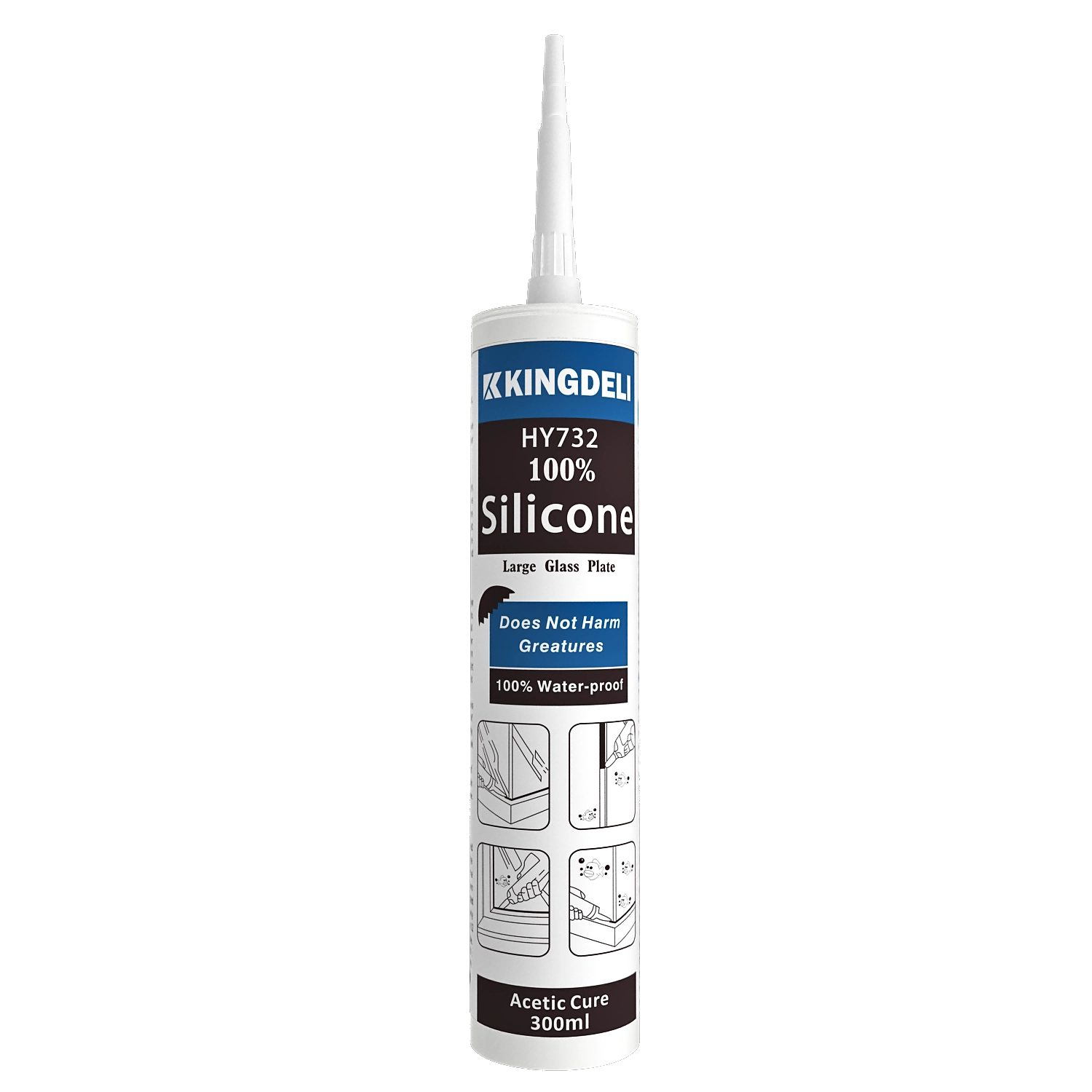
KINGDELI HY732 Professional Acetoxy Cure Silicone Sealant
KINGDELI HY732 is a professional-grade, one-component acetoxy cure silicone sealant designed for fast curing, strong adhesion, and long-lasting flexibility. Ideal for aquariums, glass applications, aluminum doors and windows, kitchens, and bathrooms, it provides reliable sealing performance with excellent anti-fungal protection in high-humidity environments.
Let’s Build Stronger Bonds with Quality Adhesives and Sealants
Have questions about the topic or need tailored sealant solutions for your project?
Our team is ready to provide expert guidance, product recommendations, and application support.
Innovating with Integrity, Bonding the World
Since 1998, KINGDELI has delivered trusted, sustainable sealant solutions that connect industries and inspire progress worldwide.
Whatsapp: +8618825946249
Kingdeli
Kingdeli
Kingdeli
Kingdeli
Kingdeli