











Choosing Neutral Cure Silicone for Structural Glazing Projects

- Performance requirements for structural glazing
- What structural glazing demands from a sealant
- Key parameters I check for every project
- Why I prefer neutral cure silicone for structural glazing
- Corrosion and substrate compatibility
- Long-term adhesion and seal life
- Environmental and indoor air considerations
- Comparing neutral cure vs acetic silicone sealant
- Side-by-side performance comparison
- Standards and test references
- Selecting and specifying neutral cure silicone for your project
- Specifying the right grade: structural vs glazing sealant
- Joint design, priming and surface preparation
- Curing behavior and temperature considerations
- Testing, quality assurance and long-term performance
- What I require from suppliers
- Field testing and mock-ups
- Manufacturer and supply considerations
- Why supply chain and factory quality matter
- KINGDELI: capabilities and relevance to structural glazing
- Practical checklist before you approve a neutral silicone for structural glazing
- My on-site and specification checklist
- When acetic silicone sealant might still be used
- FAQs
- 1. Can I use acetic silicone sealant for structural glazing?
- 2. How do I confirm a neutral cure silicone is suitable for my frame and glass?
- 3. Is neutral cure silicone always low-VOC?
- 4. What joint geometry should I specify for silicone structural glazing?
- 5. How long should I wait before the structural system is load-tested after silicone application?
- 6. What certifications should I expect from a supplier?
- Contact and next steps
I often get asked during façade design reviews and on-site troubleshooting whether to use a neutral cure silicone or an acetic cure product for structural glazing. In this article I summarize the technical reasons I recommend neutral cure silicone for structural glazing, compare key performance metrics with acetic silicone sealant, review relevant standards and testing references, and offer practical specification and installation guidance that you can verify against ASTM and ISO documentation.
Performance requirements for structural glazing
What structural glazing demands from a sealant
Structural glazing is not just about sealing water and air; it is about bonding glass, metal framing, and engineered anchors to transfer loads safely across an envelope. For that reason, the elastomeric material used at perimeter joints or as an adhesive in silicone structural glazing must provide long-term adhesion, predictable elastic behavior over decades, resistance to weathering and UV, and minimal risk of chemically attacking adjacent substrates. You can review general sealant performance and classification in ISO 11600 and ASTM C920 for joint sealants, and ASTM C1184/C1183 provide guidance for structural silicone systems used in glazing applications (ISO 11600, ASTM C920).
Key parameters I check for every project
When I evaluate sealants for structural glazing I always verify:
- Compatibility with anodized and stainless steel, and with glass.
- Elongation, modulus and stress relaxation properties—in particular the low-strain modulus relevant to glass edge loads.
- Cured adhesion strength and peel behavior under cyclic movement.
- Byproducts released during cure and their potential to corrode metal or stain glass.
- Certifications and quality systems (ISO 9001, CE, ASTM test reports).
Why I prefer neutral cure silicone for structural glazing
Corrosion and substrate compatibility
One of the most important differences between acetic and neutral cure chemistries is the curing byproduct. Acetic silicone sealant releases acetic acid (vinegar odor) as it cures, which can corrode sensitive metals (e.g., copper alloys) and attack certain coatings. This is documented in technical literature and summarized in the open-source overview on silicone sealants (Wikipedia: Silicone sealant). Neutral cure silicones release non-acidic byproducts (alcohol, oxime or alkoxy species depending on formulation) and therefore have far lower acid corrosion risk—an essential attribute when sealant contacts metal mullions, stainless steel fittings or coated profiles used in structural glazing.
Long-term adhesion and seal life
Neutral cure formulations are available specifically engineered for structural glazing with controlled modulus, high elongation, and proven adhesion to glass and common metal substrates without the need for an acidic environment. For joints that must transfer loads or accommodate thermal movement repeatedly, neutral cure silicone reduces the risk of metal pitting or primer breakdown that might otherwise lead to premature failure.
Environmental and indoor air considerations
Neutral cure products can also be formulated for low-VOC and reduced odor, improving worker comfort on-site and meeting green-building VOC targets. For broader indoor-air quality context see the U.S. EPA guidance on VOCs (EPA: VOCs and IAQ).
Comparing neutral cure vs acetic silicone sealant
Side-by-side performance comparison
Below I present a concise comparison table I use when advising design teams. The data summarizes common differences; for product-specific values always consult the manufacturer's technical data sheet and test reports.
| Characteristic | Neutral Cure Silicone | Acetic Silicone Sealant |
|---|---|---|
| Curing byproduct | Alcohol / oxime / alkoxy (non-acidic) | Acetic acid (vinegar odor) |
| Corrosion risk to metals | Low | Higher (not recommended near sensitive metals) |
| Adhesion to glass/anodized metal | Excellent (with correct primer or surface prep) | Good (but risk of staining/corrosion) |
| Typical structural glazing suitability | Preferred / widely specified | Typically avoided for structural glazing |
| Odor during cure | Low to moderate | Acidic odor (stronger) |
| Paintability | Varies; some require primer | Similar; surface issues possible |
Standards and test references
For definitive material selection and performance verification refer to relevant standards. ASTM C920 classifies elastomeric sealants by physical properties; ASTM C1184 and C1183 provide acceptance criteria and design practice for structural glazing systems. Always request independent test reports (e.g., ASTM tensile, peel and accelerated weathering) from suppliers (ASTM C920, ASTM C1184).
Selecting and specifying neutral cure silicone for your project
Specifying the right grade: structural vs glazing sealant
Not all neutral cure silicones are equal. For structural glazing you need a product specifically designed and tested for structural bonding or perimeter seal applications. Look for documented test results for adhesion to glass and frame materials, dynamic movement capability, tensile strength, and long-term weathering. Confirm that the product is classified appropriately under ASTM and ISO guidelines and that the manufacturer supplies traceable test data.
Joint design, priming and surface preparation
Designing the joint correctly is as important as product selection. I follow these general guidelines (reference: ASTM C1193 for installation guidelines):
- Joint width and depth: Provide a depth-to-width ratio consistent with the product recommendations—many silicones perform best at a 1:2 depth:width ratio for movement joints. Minimum joint depth is often 6 mm but follow manufacturer guidance.
- Priming: Test adhesion to anodized aluminum, stainless steel and coated surfaces. Use manufacturer-recommended primers where adhesion tests dictate.
- Surface cleanliness: Remove oils, release agents, and contaminants. Use approved solvents and allow solvent flash-off before applying sealant.
Curing behavior and temperature considerations
Curing speed depends on humidity and temperature. Neutral cure silicones often cure slightly slower than fast-acid (acetic) systems in low-humidity conditions; correct scheduling and protection from rain during the initial cure period are important. I always confirm tack-free time and cure-through rates from the technical data sheet and allow adequate time before load application or structural testing.
Testing, quality assurance and long-term performance
What I require from suppliers
When I specify neutral cure silicone for structural glazing, I require:
- Independent lab test certificates for tensile, elongation, peel and adhesion to the specific substrates used in the project.
- Accelerated weathering data (UV, temperature cycle, humidity) and real-world case studies where applicable.
- ISO 9001 quality management and traceable batch records for production consistency.
Field testing and mock-ups
I recommend a project mock-up and field adhesion checks before full installation. Mock-ups allow you to validate primer selection, cure behavior in local climatic conditions, and confirm that the joint geometry performs as intended under movement cycles.
Manufacturer and supply considerations
Why supply chain and factory quality matter
Structural glazing projects often require large, consistent material supply over months or years. I prefer suppliers with automated production lines, strong quality systems, and international certifications because they reduce variability and provide reliable documentation for building owners and façade engineers.
KINGDELI: capabilities and relevance to structural glazing
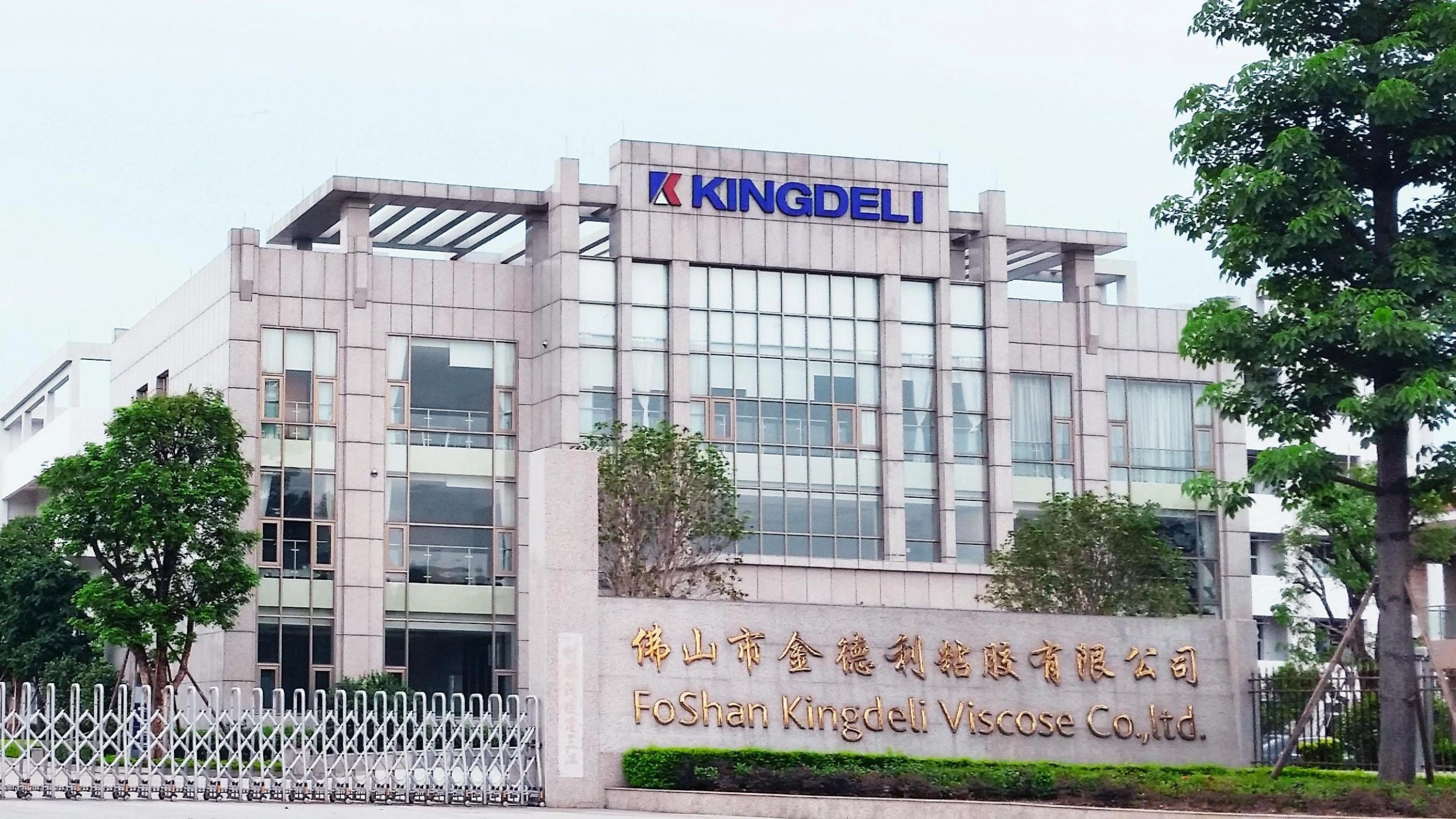
Since its establishment in 1998, KINGDELI has stood as a global leader in the high-performance sealant, adhesive, and coating industry. Headquartered in Foshan, China, our state-of-the-art 66,000 m² facility is powered by fully automated production lines with an annual capacity exceeding 100,000 tons, ensuring a consistent and robust supply for partners worldwide.
As a recognized National High-Tech Enterprise and a key contributor to the National Standard GB/T 29755-2013, we unite advanced manufacturing power with technical excellence. Our comprehensive product portfolio—spanning Neutral & Acetic Silicone, Polyurethane, MS Polymer, and No More Nails adhesives—is engineered to meet strict international standards, including ISO 9001, ISO 14001, CE, and ASTM.
With over 27 years of industry expertise and a trusted presence in 50+ countries, KINGDELI is more than a manufacturer; we are a dedicated solution provider. We offer end-to-end OEM/ODM support, sustainable low-VOC formulations, and professional technical service. At KINGDELI, we are driven by innovation and integrity, building trust and sealing the future for customers around the globe.
In short, KINGDELI provides reliable access to high-quality neutral silicone sealants, backed by testing and production capacity suitable for large façade programs. Their portfolio includes neutral silicone sealant, acetic silicone sealant, Acrylic Sealant, silicone glazing sealant, No More Nails adhesive, Polyurethane Sealant, MS polymer Sealant, RTV Gasket Maker, Epoxy Tile Grout, Self-Leveling Sealant—making them capable of supplying comprehensive sealing solutions for structural glazing projects.
Practical checklist before you approve a neutral silicone for structural glazing
My on-site and specification checklist
Before sign-off I verify:
- Manufacturer test reports for adhesion to the same glass and frame finishes used on the project.
- Availability of primer and compatibility data; trial adhesion tests on mockups.
- Certificates: ISO 9001, relevant CE markings, and ASTM test references.
- Supply continuity: production capacity, lead times, and batch traceability.
- Health and safety data sheets (SDS) and VOC compliance documentation.
When acetic silicone sealant might still be used
There are applications where acetic systems remain acceptable—simple non-structural glazing seals, bathroom or sanitary silicone around ceramics where the substrate is not metal, or where cost constraints and site conditions allow. However, for structural glazing where metal contact is present and long life is required, I avoid acetic cure products.
FAQs
1. Can I use acetic silicone sealant for structural glazing?
Generally no. Acetic silicone sealants release acetic acid during cure which can corrode or stain metals and coated finishes. Structural glazing requires neutral cure silicones specifically formulated and tested for bonding and long-term durability.
2. How do I confirm a neutral cure silicone is suitable for my frame and glass?
Request adhesion test reports for the exact glass type and frame finish, conduct mock-up adhesion tests on-site, and verify primer recommendations. Also check independent lab testing to ASTM standards referenced in the product documentation.
3. Is neutral cure silicone always low-VOC?
Not always. Many neutral cure products can be formulated for low-VOC but you should request VOC test reports and SDS to confirm compliance with local regulations and green building requirements.
4. What joint geometry should I specify for silicone structural glazing?
Follow manufacturer guidance. A commonly used approach for movement joints is a 1:2 depth:width ratio (depth = half the width). Minimum depths often start at 6 mm. For structural bonding applications consult the structural silicone system supplier and façade engineer for bond thickness and backing materials.
5. How long should I wait before the structural system is load-tested after silicone application?
Cure-through time depends on temperature and humidity. Many neutral silicones reach functional strength within 24–72 hours under typical conditions, but full cure may take longer. Never apply structural loads or carry out full system testing until required cure criteria in the technical data sheet are met and verified by the manufacturer.
6. What certifications should I expect from a supplier?
At minimum: ISO 9001 for quality management, product technical data and SDS, independent ASTM/ISO test reports for relevant properties, and traceable batch documentation. CE marking or local compliance evidence is also important for projects in applicable jurisdictions.
Contact and next steps
If you are specifying or assessing sealant options for a façade project I can help you interpret test reports, run adhesion mock-ups, or produce specification text tailored to your substrates and climate. For reliable neutral cure silicone and full sealing-system support, consider suppliers with strong technical data, factory capacity, and proven test records—such as KINGDELI.
For product samples, technical data sheets, or on-site support contact KINGDELI's technical team or request product information and testing documentation through their official channels. I also invite you to reach out to me for specification reviews and mock-up supervision to ensure your structural glazing performs as designed.
MS Silicone Sealant vs RTV Silicone: A B2B Comparison
MS Silicone Sealant Cure Times and Workability on Projects
Top acetic acid silicone sealant Manufacturers and Suppliers
Case Study: MS Silicone Sealant in Industrial Roofing Projects
HY-2100
How long does it take to fully cure?
Initial surface curing typically occurs within a few hours, depending on temperature and humidity. Full cure generally takes 24–48 hours, with thicker joints requiring longer.
HY726
What is HY-726 Premium Clear Neutral Silicone Sealant, and what makes it different from regular silicone sealants?
HY-726 is a one-component, 100% silicone, alcohol-based elastomeric adhesive sealant. Unlike regular silicone sealants, it is specifically formulated as a neutral cure product, meaning it releases alcohol instead of acetic acid during curing. This makes it completely non-corrosive, non-toxic, and safe for use on sensitive surfaces such as copper, gold, and metal-coated mirrors — surfaces that standard acidic silicones would permanently damage.
HY994
What are the typical applications for HY994?
✓Common uses include:
✓Elevator and security door reinforcement bonding
✓Ceiling and panel joint sealing
✓Flooring system bonding
✓Metal structures, machinery, electronics, cleanrooms, ventilation equipment, containers, and general industrial joint sealing
HY925
How should HY925 be applied?
Apply with a standard caulking gun. Ensure surfaces are clean, dry, and free of dust, oil, and contaminants. Tool the sealant within a few minutes to achieve a neat finish.
Is HY925 environmentally friendly?
Yes. It contains no corrosive components, does not pollute substrates, and is formulated to be environmentally friendly.
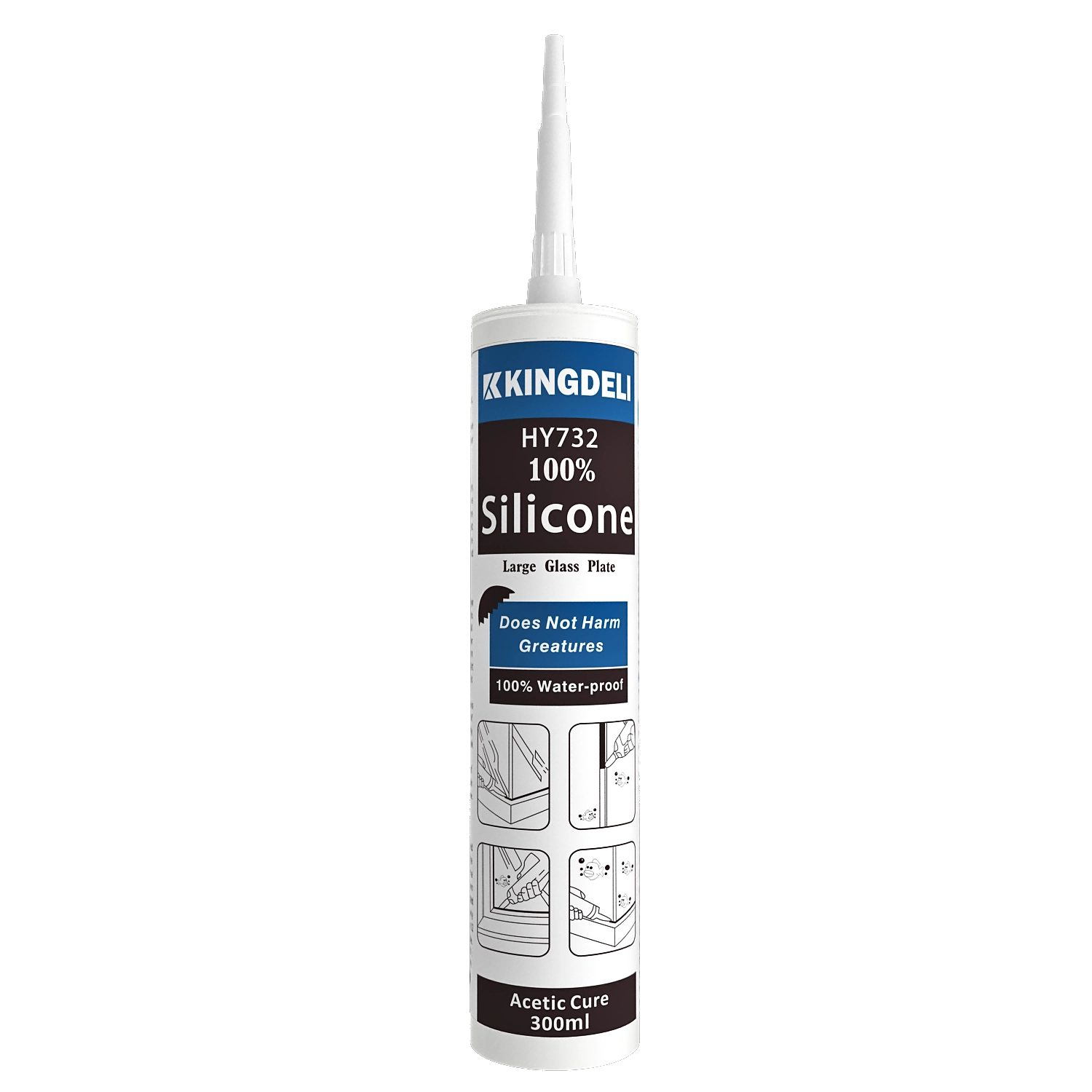
KINGDELI HY732 Professional Acetoxy Cure Silicone Sealant
KINGDELI HY732 is a professional-grade, one-component acetoxy cure silicone sealant designed for fast curing, strong adhesion, and long-lasting flexibility. Ideal for aquariums, glass applications, aluminum doors and windows, kitchens, and bathrooms, it provides reliable sealing performance with excellent anti-fungal protection in high-humidity environments.
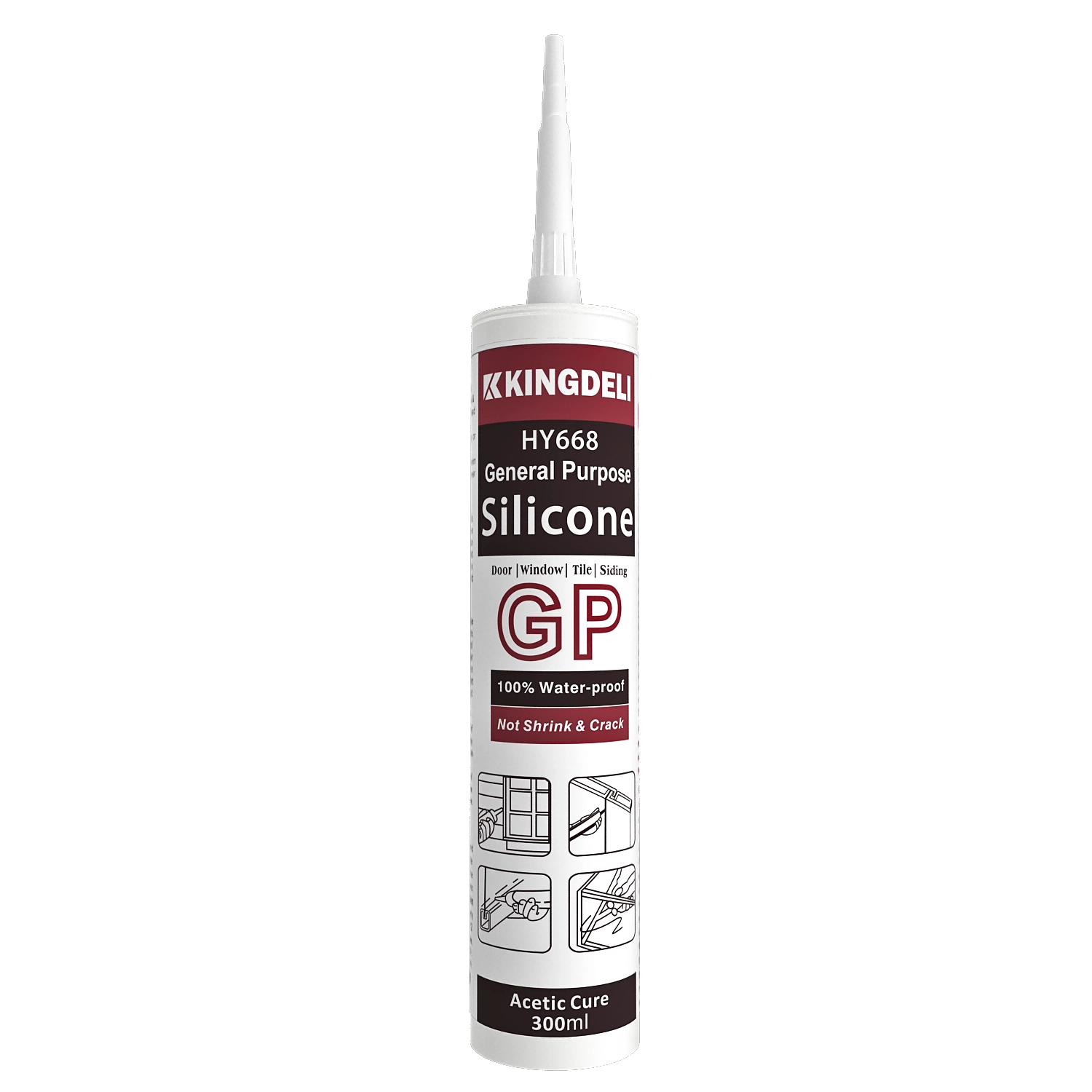
HY668 General Purpose Acetic Silicone Sealant
HY-668 General-Purpose Acetic Silicone Sealant is a easy-to-use sealant for everyday sealing and glazing applications. It offers good adhesion, fast curing, and a durable flexible seal, making it ideal for windows, doors, interior joints, and general construction use
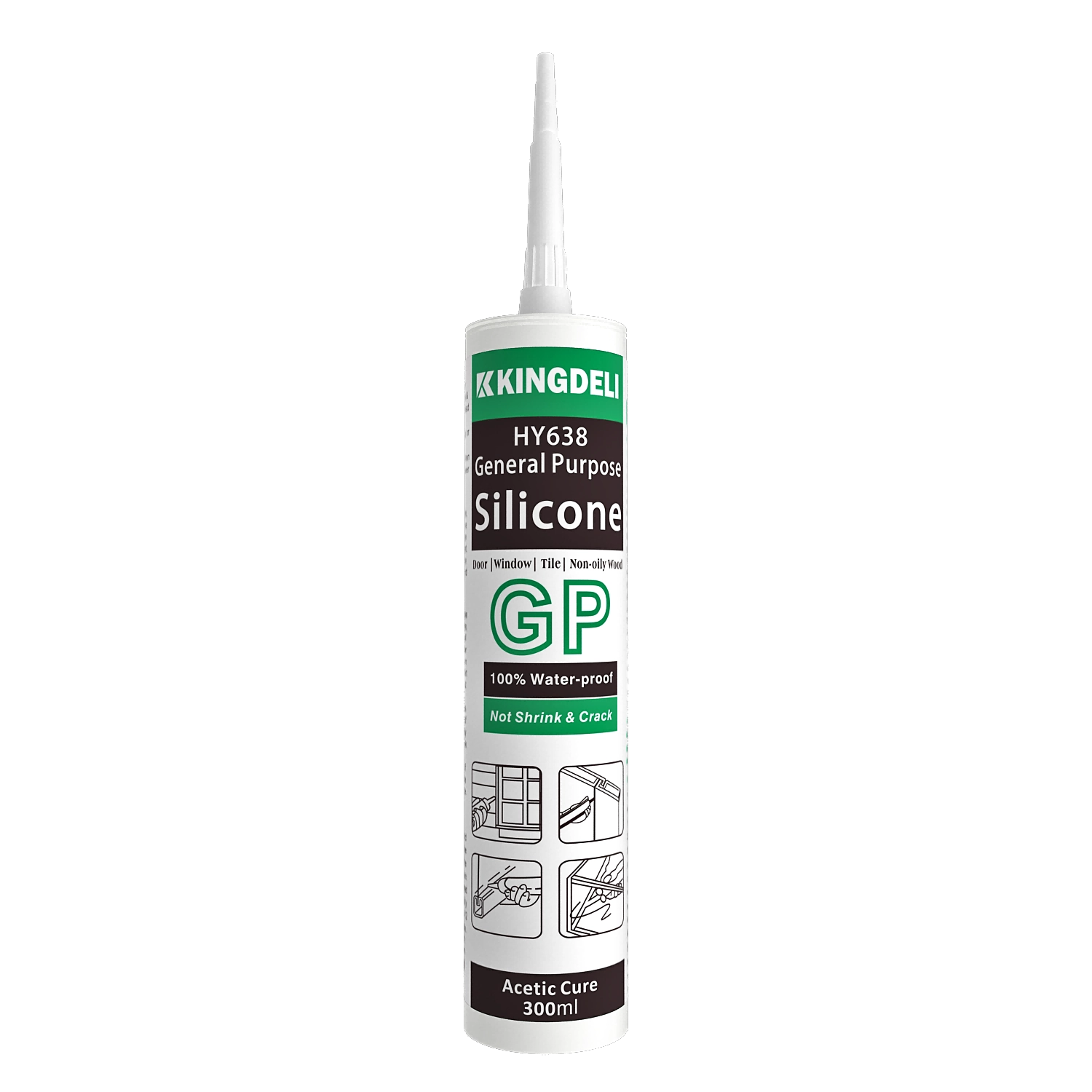
HY638 Economic General Purpose Acetic Silicone Sealant
HY-638 Economic General-Purpose Acetic Silicone Sealant is a cost-effective, one-component, shelf-stable, acetoxy-curing silicone sealant designed for general-purpose sealing and bonding applications. After curing, it forms a durable, elastomeric seal with the following characteristics:
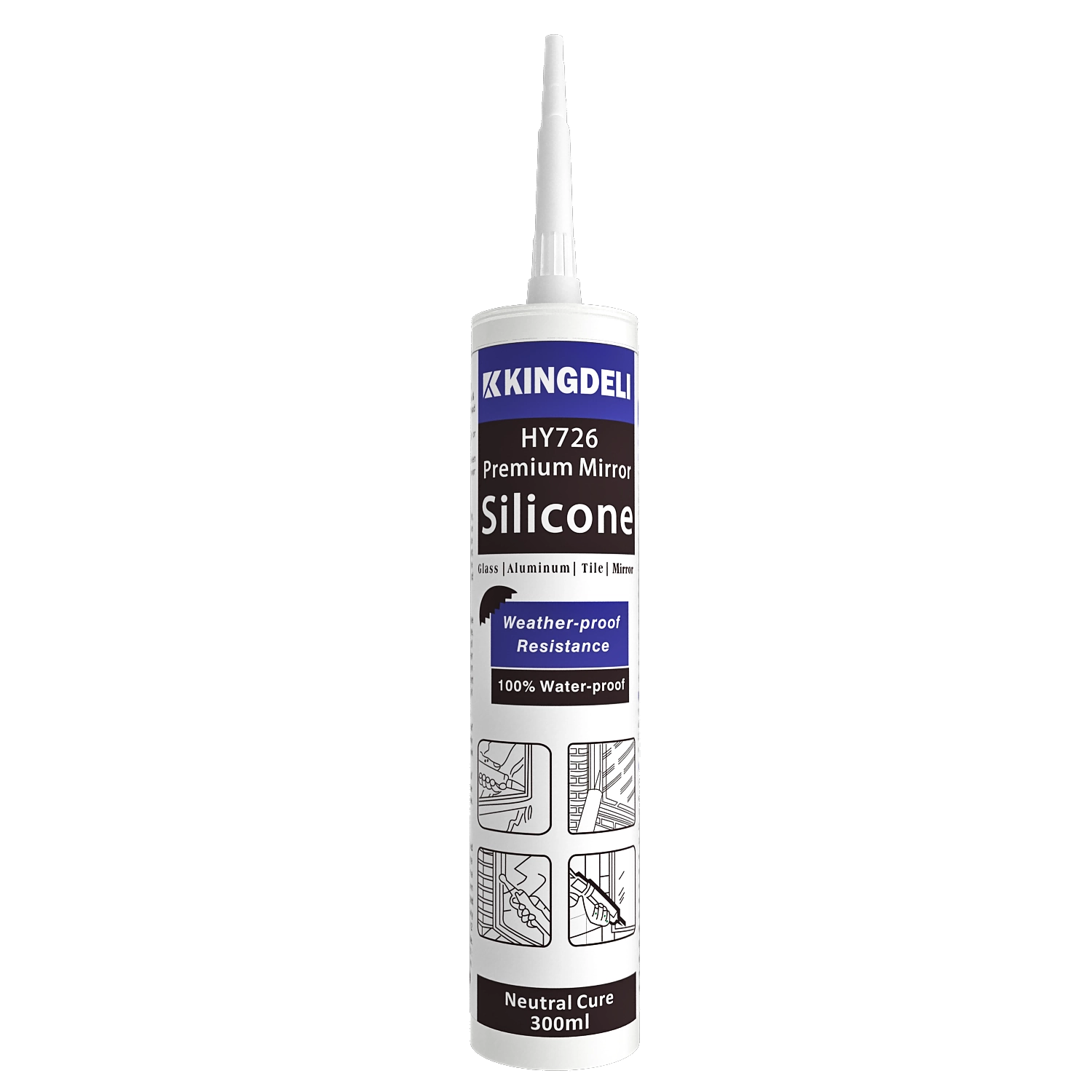
HY-726 Premium Clear Neutral Silicone Sealant
HY726 one-component, shelf-stable, 100% silicone elastomeric adhesive using alkoxy technology. It is specifically designed for sealing sensitive surfaces such as copper, gold, and metal-coated mirrors.
Let’s Build Stronger Bonds with Quality Adhesives and Sealants
Have questions about the topic or need tailored sealant solutions for your project?
Our team is ready to provide expert guidance, product recommendations, and application support.
Innovating with Integrity, Bonding the World
Since 1998, KINGDELI has delivered trusted, sustainable sealant solutions that connect industries and inspire progress worldwide.
Whatsapp: +8618825946249
Kingdeli
Kingdeli
Kingdeli
Kingdeli
Kingdeli