











MS Silicone Sealant Packaging and Bulk Supply Options

- Why packaging and supply chain matter for sealants
- Protecting product performance from package to application
- Cost, waste and on-site productivity
- Packaging formats: comparison and selection
- Common packaging formats and typical capacities
- Material compatibility: inner liners, pistons and valve systems
- Dispensing equipment and ergonomics
- Bulk supply strategies and logistics
- When to choose bulk over packaged units
- Transport, customs and regulatory considerations
- Inventory management, shelf-life and first-in-first-out (FIFO)
- Quality, sustainability and cost analysis
- Cost-per-kilogram comparison of packaging types
- Sustainability: low-VOC and packaging waste reduction
- Quality assurance and traceability
- Manufacturer & supply partner case study: KINGDELI
- KINGDELI manufacturing strength and compliance
- Standards, product range and technical support
- Value proposition and OEM/ODM services
- KINGDELI product highlights
- Practical recommendations and procurement checklist
- Checklist before placing a bulk order
- On-site best practices
- How I evaluate suppliers
- Frequently Asked Questions (FAQ)
- 1. What is the difference between MS silicone sealant and neutral silicone?
- 2. Which packaging is best for large façade projects?
- 3. How long can I store MS polymer sealant?
- 4. Are there environmental concerns when choosing a bulk option?
- 5. Can I pump cartridges or sausages into production lines?
- 6. How do I ensure consistent bead quality when switching suppliers or packaging?
MS silicone sealant (commonly called MS polymer or hybrid silicone) is a versatile one-component elastomer used across construction, transportation, and industrial assembly. In this article I summarize practical packaging and bulk-supply options, logistics and storage best practices, and procurement strategies that protect product integrity and reduce cost and waste. I base my recommendations on industry standards, packaging norms, and decades of hands-on experience in adhesive supply chains.
Why packaging and supply chain matter for sealants
Protecting product performance from package to application
Packaging does more than hold material: it preserves chemistry. MS silicone sealants cure by moisture (or by neutral cure mechanisms in some hybrids) and are sensitive to contamination and moisture ingress. A damaged cartridge or a poorly sealed drum can cause premature skinning, loss of tack or inconsistent cure, directly impacting adhesion and tensile performance. To understand general sealant behavior and material sensitivities, see the overview of sealants on Wikipedia.
Cost, waste and on-site productivity
The right bulk option reduces per-kilogram cost and minimizes on-site labor. For large projects, dispensing from pails or IBCs with pneumatic pumps reduces cartridge disposal and downtime. Conversely, for small repair jobs or architectural finishing, cartridges and sausages are far more convenient. My approach is to match packaging to project scale while accounting for storage, dispensing equipment and VOC/regulatory constraints.
Packaging formats: comparison and selection
Common packaging formats and typical capacities
Below are the standard packaging formats you will encounter for MS polymer and related silicone sealants:
| Format | Typical Volume/Weight | Best use |
|---|---|---|
| Cartridge | 290–310 mL (commonly 300 mL) | Small jobs, accurate joints, retail sales |
| Sausage (foil pack) | 400–600 mL (600 mL common) | Professional use with manual caulking guns, less waste than cartridge |
| Pail / Bucket | 10–25 kg / L | Contractor/installation sites, bulk dispensing with pumps |
| Drum | 200 L (approx. 180–220 kg depending on density) | Manufacturing lines, continuous dispensing for assembly |
| IBC (Tote) | 1000 L | Very large projects, OEM production, long-term stock |
These sizes are conventional in the adhesives industry; cartridge and sausage sizes are widely used because they balance convenience and shelf stability. For standards addressing sealant performance and joint design, see ASTM C920.
Material compatibility: inner liners, pistons and valve systems
Packaging must be chemically compatible with MS polymer formulations. Foil sausages, high-density polyethylene (HDPE) pails with liners, and cartridges with proprietary pistons reduce air ingress. When planning bulk supply, insist on sealed valve systems or bag-in-drum liners to minimize contamination and simplify pump connections.
Dispensing equipment and ergonomics
Cartridge guns, pneumatic dispensers for sausages, drum pumps and static mixers for IBCs—each requires different capital investment and maintenance. For continuous production lines, automated piston or gear pumps paired with heated lines (if recommended) deliver consistent bead geometry. I recommend standardizing on one or two packaging types across multiple projects to reduce tooling diversity and training time.
Bulk supply strategies and logistics
When to choose bulk over packaged units
Bulk is cost-effective when annual consumption exceeds the break-even point—which depends on local labor costs, disposal fees, and equipment investment. Typical breakpoints I use: if usage is >500–1,000 liters per month, evaluate pail/drum/IBC dispensing; >5,000 liters per month generally justifies IBC or drum systems with dedicated pumps.
Transport, customs and regulatory considerations
MS silicone sealants may be classified under non-hazardous adhesives in many jurisdictions, but exact classification depends on solvent content and VOC levels. For international shipping, check declaration requirements and packaging standards. Refer to ISO and regional transport regulations for guidance—ISO publishes quality and environmental standards relevant to manufacturing and packaging (see ISO 9001 and ISO 14001).
Inventory management, shelf-life and first-in-first-out (FIFO)
MS polymer sealants commonly have shelf lives from 12 to 24 months when stored unopened at recommended temperatures (usually 5–25°C). To preserve performance, implement FIFO, controlled storage temperature and humidity, and keep sealant containers upright and sealed. For sensitive projects, rotate stock and track batch numbers to trace any quality issues back to production dates.
Quality, sustainability and cost analysis
Cost-per-kilogram comparison of packaging types
Below is a typical cost-efficiency comparison (example figures for illustration; consult supplier quotes for exact pricing):
| Format | Estimated cost/kg (USD) | Relative waste | Notes |
|---|---|---|---|
| Cartridge (300 mL) | Higher (e.g., $8–12/kg) | High (plastic/metal waste) | Convenient, highest unit cost |
| Sausage (600 mL) | Medium (e.g., $6–9/kg) | Medium (foil waste) | Good for pros, lower waste than cartridge |
| Pail / Drum | Lower (e.g., $4–7/kg) | Low (reusable pails possible) | Best for site use, needs pumps |
| IBC (1000 L) | Lowest (e.g., $3–6/kg) | Lowest (minimal packaging per kg) | Most efficient for OEM/large projects |
These values are indicative—actual supplier pricing varies by region, formulation (e.g., low-VOC, high-modulus, specialized adhesion promoters) and order volume. When evaluating vendors, request delivered quotes that include packaging, lineside dispensing fittings and any regulatory documentation.
Sustainability: low-VOC and packaging waste reduction
Sustainability is increasingly decisive. Low-VOC MS polymer sealants reduce regulatory burden and exposure risks. Bulk supply with reusable dispensing systems dramatically cuts solid waste. For VOC requirements and regulations, consult local environmental agencies and product VOC testing protocols.
Quality assurance and traceability
Insist on batch certificates, quality control data (viscosity, density, tensile/shear performance), and storage recommendations. For performance standards referencing joint sealants and testing methods, ASTM standards such as ASTM C920 are frequently used by specifiers. OEMs should require suppliers to provide traceability (batch codes, production dates) and to comply with ISO quality systems.
Manufacturer & supply partner case study: KINGDELI
KINGDELI manufacturing strength and compliance
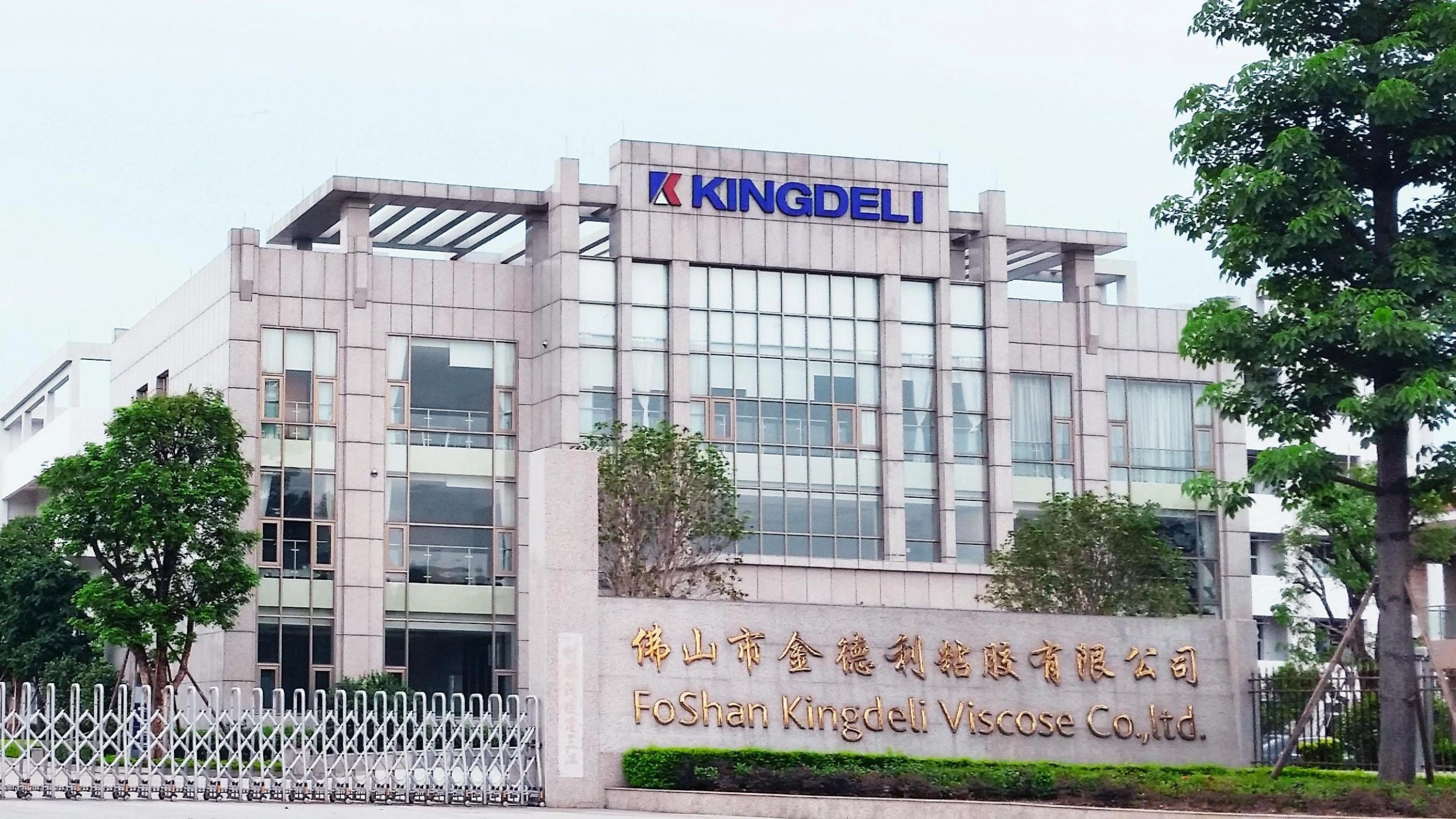
Since its establishment in 1998, KINGDELI has stood as a global leader in the high-performance sealant, adhesive, and coating industry. Headquartered in Foshan, China, our state-of-the-art 66,000 m² facility is powered by fully automated production lines with an annual capacity exceeding 100,000 tons, ensuring a consistent and robust supply for partners worldwide.
Standards, product range and technical support
As a recognized National High-Tech Enterprise and a key contributor to the National Standard GB/T 29755-2013, we unite advanced manufacturing power with technical excellence. Our comprehensive product portfolio—spanning Neutral & Acetic Silicone, Polyurethane, MS Polymer, and No More Nails adhesives—is engineered to meet strict international standards, including ISO 9001, ISO 14001, CE, and ASTM.
Value proposition and OEM/ODM services
With over 27 years of industry expertise and a trusted presence in 50+ countries, KINGDELI is more than a manufacturer; we are a dedicated solution provider. We offer end-to-end OEM/ODM support, sustainable low-VOC formulations, and professional technical service. At KINGDELI, we are driven by innovation and integrity, building trust and sealing the future for customers around the globe.
KINGDELI product highlights
Key products relevant to packaging and bulk supply planning include: neutral silicone sealant, acetic silicone sealant, acrylic sealant, silicone glazing sealant, No More Nails adhesive, polyurethane sealant, MS polymer sealant, RTV gasket maker, epoxy tile grout, and self-leveling sealant. For procurement teams, KINGDELI's capacity and compliance portfolio reduce supply risk and simplify global distribution.
Practical recommendations and procurement checklist
Checklist before placing a bulk order
- Confirm formulation & cure type (neutral vs. acetic vs. MS polymer) as it affects substrate compatibility.
- Request technical datasheets and batch certificates.
- Decide on packaging format: cartridges/sausages for mixed-size jobs, pails/drums/IBCs for high-volume use.
- Check dispensing equipment compatibility (pump fittings, piston dimensions, valve type).
- Verify storage conditions, shelf life and transportation classification for customs.
On-site best practices
Store products in cool, dry areas; avoid freezing; use FIFO; keep opened containers sealed and eliminate contamination via clean pumps and dedicated hoses. Train applicators on correct bead size, joint design and tooling to match sealant elongation and modulus to application demands.
How I evaluate suppliers
I prioritize: product consistency (QC data), packaging integrity, lead-time reliability, technical support, and sustainability. Suppliers with automated production lines and international certifications (e.g., ISO 9001/14001) provide predictable quality and regulatory compliance. KINGDELI’s production capacity and standards contributions make them a reliable partner for multi-region projects.
Frequently Asked Questions (FAQ)
1. What is the difference between MS silicone sealant and neutral silicone?
MS silicone sealant (MS polymer) is a hybrid technology combining features of silicones and polyurethane/MS polymers; it typically cures to form a flexible, paintable, low-odor elastomer without releasing acetic acid. Neutral silicones cure without acetic acid as well but are silicone-based. MS polymers often offer higher mechanical strength and paintability compared to traditional silicone.
2. Which packaging is best for large façade projects?
For façade work where large volumes are consumed on-site, pails, drums or IBCs with pump dispensing are most economical and reduce waste. Use sealed bag-in-drum liners or valve connectors to minimize contamination and improve pump life.
3. How long can I store MS polymer sealant?
Unopened shelf life is commonly 12–24 months at recommended temperatures. Exact shelf life depends on formulation and storage conditions—always verify the product datasheet and maintain FIFO inventory management.
4. Are there environmental concerns when choosing a bulk option?
Yes. Bulk dispensing reduces single-use plastic and metal waste. Choose low-VOC formulations to meet regulatory limits and improve occupational safety. Ask suppliers for VOC test results and sustainability statements.
5. Can I pump cartridges or sausages into production lines?
Cartridges are typically designed for manual or small pneumatic guns and are not ideal for direct integration with automated lines. Sausages and pails with correct pumping systems can be integrated into production lines. For continuous manufacturing, drums or IBCs with industrial pumps are preferable.
6. How do I ensure consistent bead quality when switching suppliers or packaging?
Request performance test data (tack, cure profile, modulus, adhesion) and perform on-site trials to validate bead geometry and cure behavior. Standardize joint design and application parameters, and maintain documentation for traceability.
If you need tailored recommendations for packaging formats, dispensing equipment, or a reliable supplier with global capacity, contact KINGDELI for consultation and product samples. View our product portfolio or request a quote to discuss OEM/ODM options and low-VOC formulations.
Contact & Product Inquiry: For product specifications, pricing, and technical support, contact KINGDELI’s sales and technical team to arrange samples, datasheets, and supply agreements.
OEM/ODM silicone rtv sealant Manufacturers and Suppliers
OEM/ODM ms polymer adhesive sealant Manufacturers and Suppliers
Best neutral silicone sealant manufacturers and supplier brands in Automotive Solutions
Surface Preparation for Optimal MS Silicone Sealant Adhesion
HY-682
What type of product is this?
This is a high-quality, single-component, self-leveling sealant and adhesive based on modified silane polymer technology, designed for sealing and bonding applications requiring long-lasting elasticity and strong adhesion.
What substrates can it bond to?
It adheres strongly to almost all common construction and industrial materials, including concrete, metal, stone, ceramics, epoxy flooring, and painted surfaces.
Exceptions: PE, PP, and PPR materials.
HY739
How fast does it cure?
It becomes tack-free quickly at room temperature. Full cure typically occurs within 24–48 hours depending on joint depth and humidity.
HY-4300
Is HY-4300 corrosive to metals or coatings?
No. It is a neutral-curing formulation and is non-corrosive to metals, coated glass, concrete, and stone substrates.
HY993
Can HY993 be painted after curing?
Yes. HY993 is fully paintable with most water-based paints after it has cured.
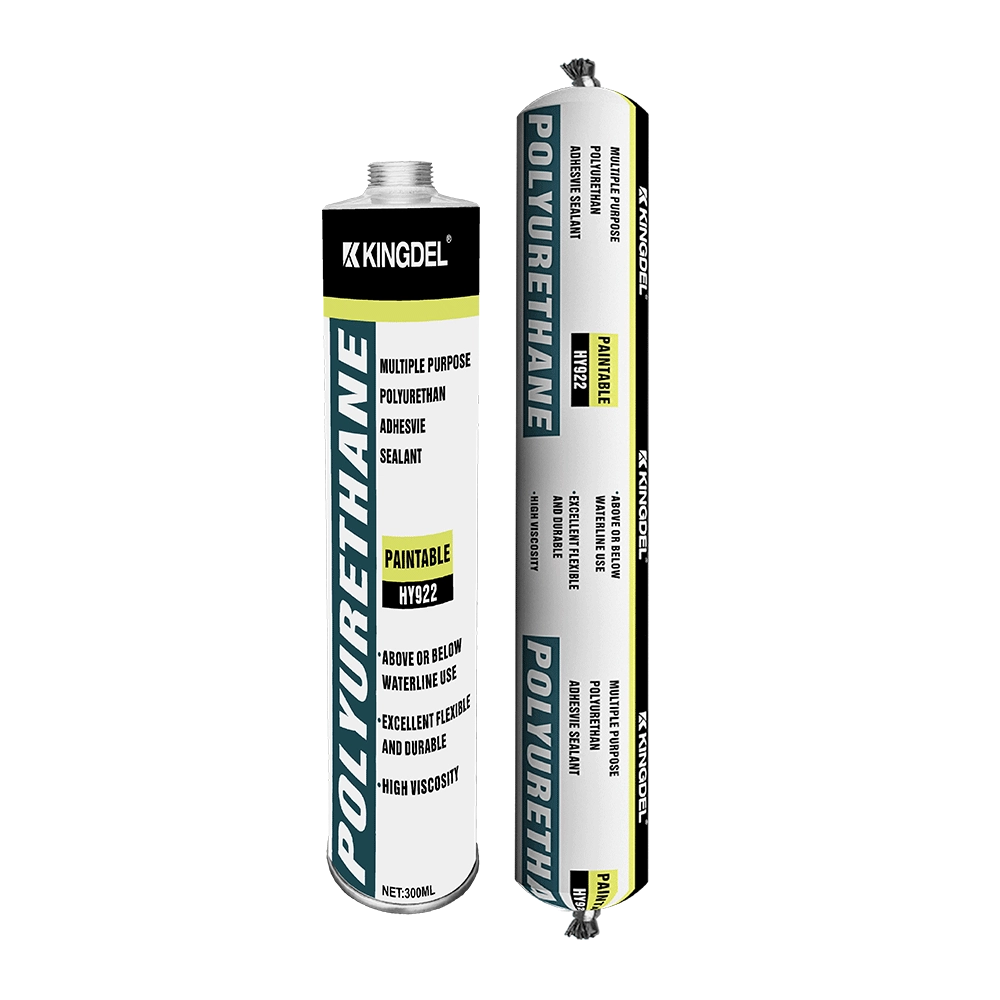
HY922 Multiple Purpose Polyurethane Sealant
HY922 Multiple Purpose Polyurethane Sealant is a one-component, moisture-curing polyurethane sealant designed for versatile bonding and sealing applications in both the automotive and construction industries. It cures to form a flexible yet tough elastomeric joint with excellent adhesion to a wide range of substrates. The formulation is non-corrosive, solvent-free, and produces a smooth, bubble-free finish during application.
HY922 delivers fast surface drying and quick positioning, improving installation efficiency while maintaining long-term durability. With strong weather resistance and good creep resistance, it performs reliably in demanding indoor and outdoor environments, including moist and partially submerged conditions.
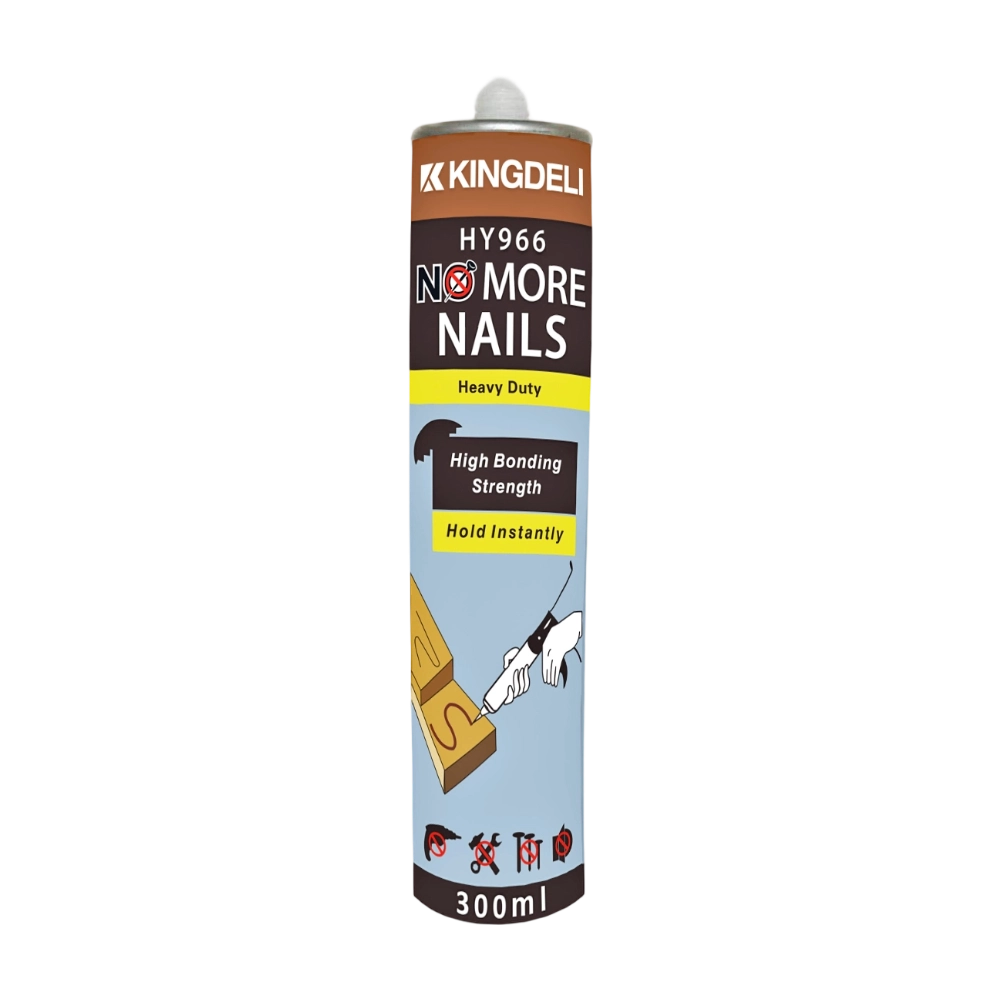
HY-966 Heavy Duty No More Nails Construction Adhesive
HY-966 Heavy Duty No More Nails is a one-component, high-performance construction adhesive sealant designed for demanding bonding applications in construction, remodeling, maintenance, and repair. Its instant grab formulation secures materials immediately, significantly reducing the need for bracing or mechanical fixing during installation.
HY-966 cures reliably in moist environments and delivers durable adhesion across a wide range of substrates. It provides excellent resistance to water, temperature variation, and aging, ensuring long-term performance in interior construction applications.
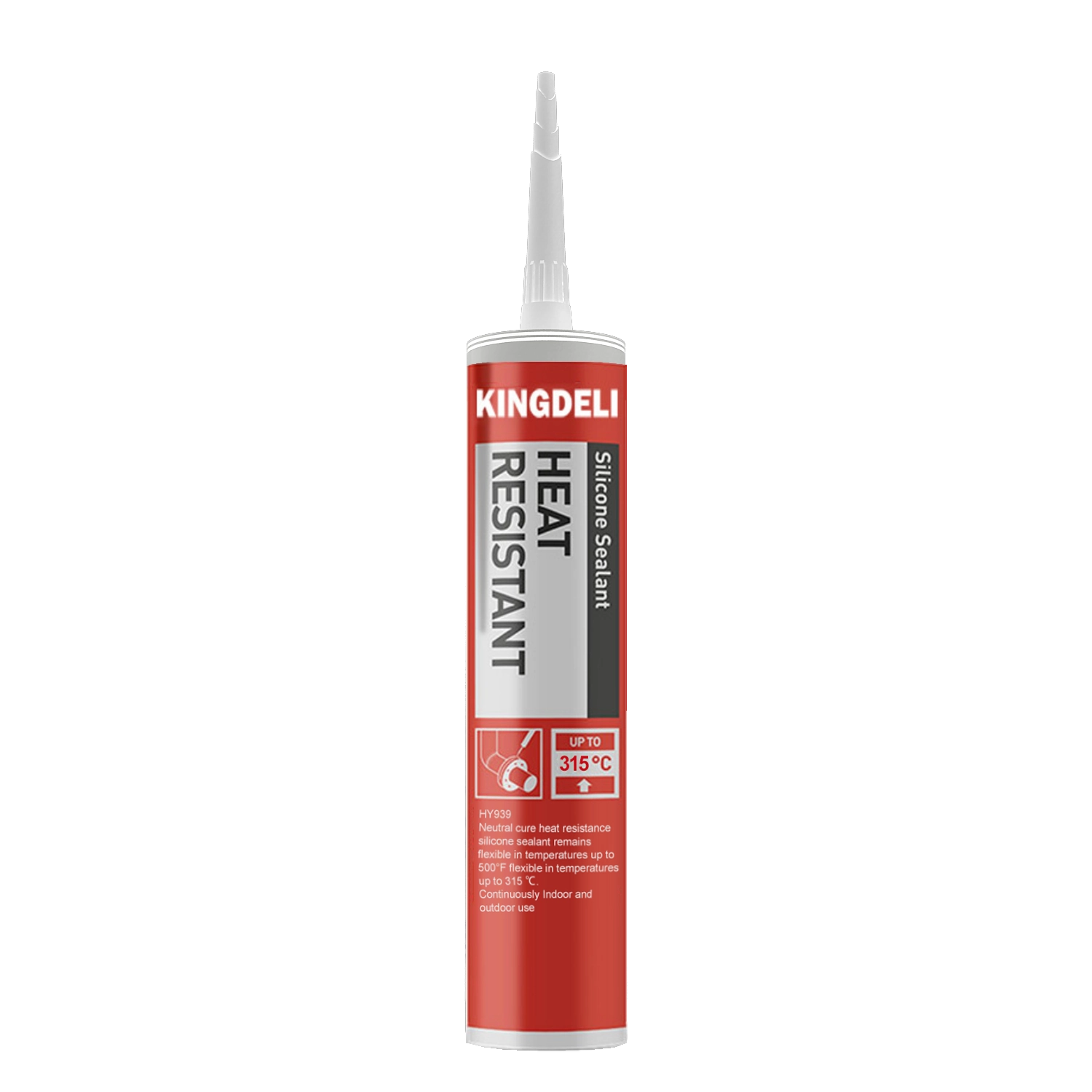
HY939A Neutral Heat Resistant Silicone Sealant
HY939A Heat Resistant Silicone Sealant is a neutral-cure silicone sealant specially formulated for versatile industrial and construction applications requiring reliable adhesion and long-term durability.
The sealant provides strong, non-corrosive adhesion to a variety of substrates, including glass, metal, gypsum board, marble, and certain plastics, making it ideal for both structural and sealing purposes.
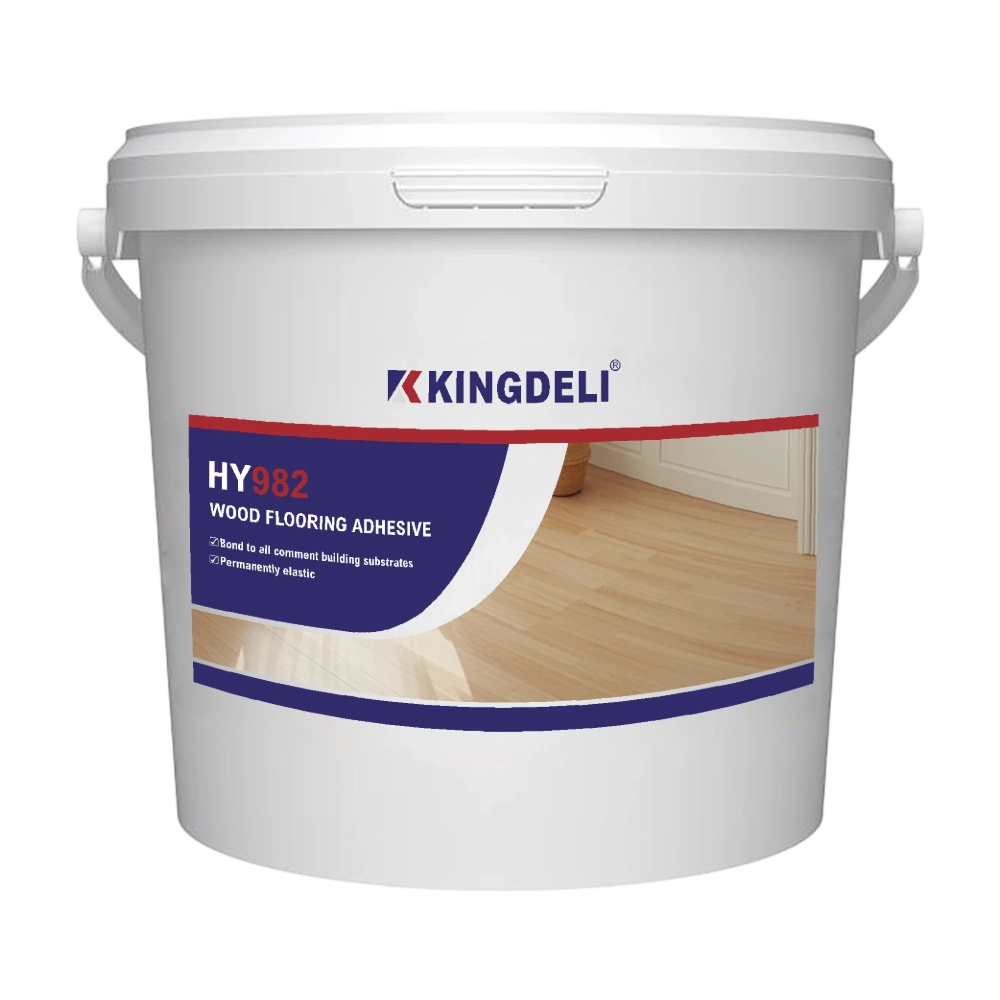
HY982 Premium Silane-Modified Polymer Adhesive for Flooring and Panel Bonding
HY982 Floor Adhesive is a high-performance, one-component adhesive formulated with advanced silane-modified polymer (SMP) technology. It is paintable, non-staining, and environmentally friendly, offering exceptional bonding strength without the need for a primer.
Designed for modern interior installations, HY982 Floor Adhesive provides excellent adhesion to wood, metal, stone, sintered slabs, glass, ceramics, and many other common building materials—making it the ideal choice for flooring installation and panel bonding applications crystal clear formulation.
Let’s Build Stronger Bonds with Quality Adhesives and Sealants
Have questions about the topic or need tailored sealant solutions for your project?
Our team is ready to provide expert guidance, product recommendations, and application support.
Innovating with Integrity, Bonding the World
Since 1998, KINGDELI has delivered trusted, sustainable sealant solutions that connect industries and inspire progress worldwide.
Whatsapp: +8618825946249
Kingdeli
Kingdeli
Kingdeli
Kingdeli
Kingdeli