











MS Sealant vs. Silicone: 5 Reasons Why Every Contractor is Switching to Paintable Hybrids in 2026

- What is a Paintable MS Sealant?
- Key Takeaways: Quick Summary of MS Sealant vs. Silicone
- Reason 1: True Paintability Without the Fish-Eye Effect
- Reason 2: Superior Adhesion to Damp and Non-Porous Surfaces
- Reason 3: Eco-Friendly and Isocyanate-Free Formula
- Reason 4: Zero Shrinkage and Dirt Pickup
- Reason 5: High Mechanical Strength and Flexibility
- Competitor Gap: 2026 Market Trends and Real-World ROI
- Expert Tips & Common Mistakes When Painting MS Sealants
- Conclusion
- How long should I wait before painting over MS sealant?
- Can I use water-based acrylic paint on MS polymer sealants?
- What is the difference between polyurethane and MS sealant?
- Does MS sealant require a primer before application?
- Why does paint peel off regular silicone sealant?
- Can MS sealant be applied to wet surfaces?
- Are MS polymer sealants UV resistant?
- How does MS sealant perform in extreme heat compared to silicone?
The construction industry is experiencing a massive shift in 2026. For decades, contractors relied heavily on traditional silicone for its weatherproofing capabilities, despite its notoriously frustrating inability to be painted. Enter the ultimate paintable silicone alternative: MS polymer sealants. As green building standards tighten and labor costs continue to rise, modern construction professionals are abandoning older, outdated formulas in favor of advanced hybrid chemistry. Whether you are dealing with challenging weather conditions, demanding aesthetic requirements, or strict indoor air quality regulations, understanding the technical differences between these adhesives is essential. This comprehensive guide breaks down exactly why hybrids are dominating the architectural market and how they can drastically improve your project's bottom line.
What is a Paintable MS Sealant?
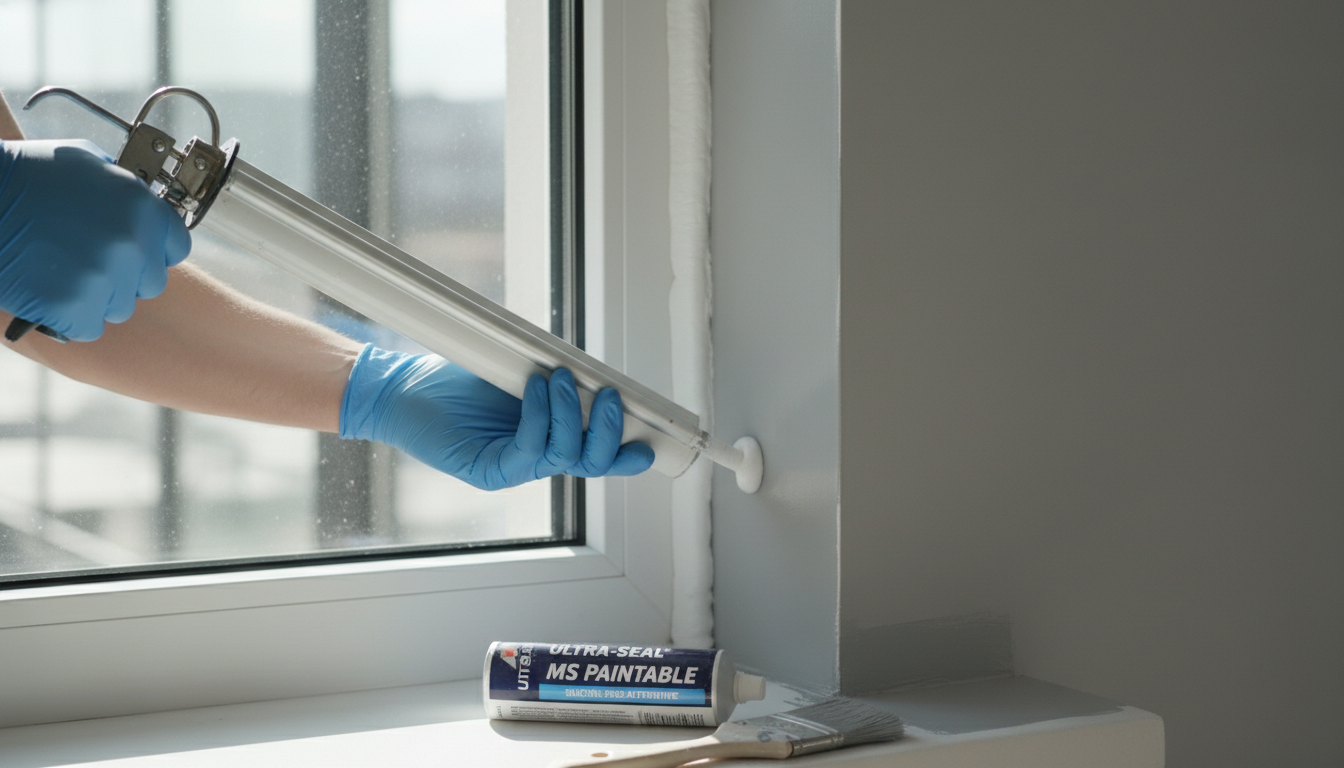
A paintable MS sealant is a hybrid ms polymer sealant that combines the incredible strength of polyurethane with the superior weathering resistance of silicone. Unlike traditional silicone, Modified Silane (MS) sealants are formulated entirely without oils that repel paint, making them 100% paintable.
To fully appreciate this advanced material, it helps to understand the underlying chemistry. These silyl-terminated polyethers were engineered to solve the inherent weaknesses of older technologies. As reported by Wikipedia, Silyl-modified polymers (SMPs) are the main components in solvent-free and isocyanate-free sealant and adhesive products, reacting with ambient moisture to form a highly durable siloxane network. By fusing the best traits of different polymers, manufacturers created a single product that excels in multiple categories.
Key features of modern MS polymer sealants include:
- Primerless Application: They offer superior, tenacious adhesion to almost any construction material without requiring a costly chemical primer.
- Dynamic Elasticity: They comfortably absorb structural movement and joint expansion without experiencing cohesive failure.
- UV Resistance: Unlike traditional polyurethanes, they do not degrade, crack, or yellow under continuous direct sunlight exposure.
Key Takeaways: Quick Summary of MS Sealant vs. Silicone
The primary difference between these adhesives is that MS polymers perfectly accept water-based and oil-based paints, whereas traditional silicone is strictly unpaintable. Additionally, hybrid sealants provide superior, primerless adhesion to damp and non-porous surfaces compared to standard construction sealants.
For a rapid comparison before heading to the job site, consider the following practical takeaways:
- Paint Compatibility: MS polymers accept water-based and oil-based paints perfectly, seamlessly blending into architectural joints.
- Surface Versatility: Hybrids provide superior primerless adhesion to damp and non-porous surfaces, vastly outperforming traditional polyurethanes.
- Health & Safety: MS sealants are completely free of solvents and toxic isocyanates, making them much safer and incredibly eco-friendly.
- Silicone's Niche: Standard silicone is still preferred only for extreme high-heat situations or continuous underwater immersion applications.
Reason 1: True Paintability Without the Fish-Eye Effect
MS sealants offer true paintability without the fish-eye effect because their specialized surface tension bonds seamlessly with modern acrylic and latex paints. In contrast, traditional silicone leaves an oily surface residue that causes applied paint to separate, bead up, and peel.
Contractors have long struggled with the aesthetic limitations of silicone. When paint is applied over standard silicone caulking, it physically repels the liquid coating, creating unsightly craters known in the industry as "fish-eyes." MS hybrids eliminate this issue completely through their advanced chemical backbone. By carefully engineering the polymer structure, manufacturers have tuned the surface energy of MS sealants to perfectly match that of liquid paints. This means the paint naturally wets out over the sealant without pooling or separating.
Benefits of MS sealant paintability include:
- Seamless Integration: Contractors can achieve invisible, crack-free joints on exterior trim, fiber cement siding, and masonry structures.
- Immediate ROI: Waiting until the sealant skins over allows for same-day painting and much faster overall project turnarounds.
- Coating Compatibility: The sealant's surface energy mimics standard building materials, eagerly accepting modern water-based architectural coatings.
Reason 2: Superior Adhesion to Damp and Non-Porous Surfaces
MS hybrids deliver superior adhesion to damp and non-porous surfaces because their unique moisture-curing chemistry allows them to cure effectively on wet substrates. They deliver unmatched primerless grip on difficult construction materials like PVC, aluminum, glass, and masonry.
Weather delays cost contractors thousands of dollars annually. Unlike standard silicone and polyurethane—which often bubble, blister, or fail to bond when applied in humid conditions—MS polymers actually use ambient moisture as a chemical catalyst to cure. This makes them exceptionally reliable in wet climates.
The practical advantages of this primerless adhesion are vast:
- Weather Resilience: They cure effectively even on damp substrates, making them perfect for unpredictable weather conditions where standard sealants would fail to bond.
- Streamlined Inventory: This unparalleled versatility reduces the need to carry multiple specialized adhesive tubes and surface primers on the job site.
- Substrate Compatibility: They grab tenaciously onto smooth, non-porous surfaces like anodized aluminum and Kynar-coated metals without the need for toxic surface preparations.
Reason 3: Eco-Friendly and Isocyanate-Free Formula
As a premium isocyanate-free construction adhesive, MS polymers contain zero volatile organic compounds (VOCs), effectively eliminating harmful off-gassing. The absence of toxic solvents makes them exceptionally safe for installers, indoor applications, and compliance with stringent green building certifications required in 2026.
Indoor air quality (IAQ) is a paramount concern for modern developers. Polyurethane sealants frequently contain isocyanates—highly reactive chemicals known to cause severe respiratory sensitization and asthma. MS hybrids represent a massive leap forward in occupational health. As detailed by Seal Bond, regional regulations like SCAQMD Rule 1168 and comprehensive EPA standards are strictly limiting VOC emissions, driving the entire construction industry toward hybrid polymer technology. The absence of isocyanates means that workers do not require the specialized respiratory equipment typically mandated when applying traditional polyurethane products.
Key eco-friendly benefits include:
- Zero Off-Gassing: MS polymers contain zero VOCs, protecting both the broader environment and immediate indoor occupants.
- Occupational Safety: The absolute absence of isocyanates makes them dramatically safer for the tradespeople installing them.
- Odorless Application: There are no strong chemical odors, which is highly preferred for occupied residential renovations, hospitals, and educational facilities.
- Regulatory Compliance: They comfortably meet and exceed the stringent LEED v4.1 and WELL building certifications mandated by 2026 codes.
Reason 4: Zero Shrinkage and Dirt Pickup
MS sealants guarantee zero shrinkage and dirt pickup due to their advanced solvent-free formulation, ensuring the joint will not crack as it cures. Unlike silicone, which bleeds oil and collects dust, MS hybrids maintain clean, aesthetically pleasing architectural joints long after installation.
Solvent-based adhesives lose physical mass as the solvents evaporate into the atmosphere during the curing process. This leads to a concave, sunken joint that is highly prone to eventual cracking and water intrusion. Because MS polymers are 100% solid formulas, what you extrude from the tube is exactly what remains in the joint permanently.
The long-term performance benefits include:
- Dimensional Stability: The solvent-free formulation means the sealant will never shrink, warp, or crack as it completes its curing cycle.
- Aesthetic Preservation: They vigorously resist dirt pickup, preventing the dark, grimy joints commonly seen on commercial exterior facades.
- Stain Prevention: Unlike silicone, which often bleeds migrating silicone oil into porous stone (like granite and marble), MS sealants keep surrounding materials absolutely pristine.
- Color Fastness: Superior UV resistance prevents the unsightly yellowing and chalking often seen in standard polyurethanes over time.
Reason 5: High Mechanical Strength and Flexibility
Hybrid sealants achieve high mechanical strength and flexibility by providing the perfect balance of Shore A hardness and dynamic elasticity. This allows them to easily absorb seismic movements and thermal expansion without losing their structural bond or fracturing applied paint.
Building materials constantly expand and contract due to seasonal temperature fluctuations. A construction sealant must be inherently strong enough to hold heavy materials together, yet elastic enough to stretch and compress endlessly. MS polymers bridge this structural gap flawlessly. Most premium MS hybrids are rated for Class 25 or even Class 35 joint movement, meaning they can safely expand or contract by 25% to 35% of their original width without experiencing cohesive failure.
Mechanical performance advantages include:
- Optimized Hardness: MS sealants offer the perfect balance of tensile strength and elasticity, handling heavy mechanical loads effortlessly.
- Shock Absorption: They absorb seismic movements and extreme thermal expansion without failing, maintaining a watertight envelope.
- Paint Integrity: The specialized hybrid chemistry ensures that dynamic joint movement does not cause the applied paint to fracture, craze, or peel.
- Reduced Maintenance: This extreme durability drastically reduces costly warranty call-backs and long-term maintenance overhead for independent contractors.
Competitor Gap: 2026 Market Trends and Real-World ROI
In 2026, market trends demonstrate that while hybrid sealants cost 10-15% more initially, the return on investment is overwhelmingly positive. Eliminating primers, achieving same-day painting, and avoiding upcoming VOC regulatory penalties drastically reduces overall labor hours and lifecycle project costs.
Many older industry publications fail to highlight the true economic impact of switching to MS hybrids. While a tube of standard silicone might save a few dollars upfront, the hidden costs of primer application, delayed painting schedules, and eventual joint failure quickly erase those minor material savings. Furthermore, according to the Adhesive and Sealant Council, architectural sealants are increasingly engineered with advanced sustainable lightweight fillers to optimize durability and comply with strict environmental policies. By transitioning to hybrids, teams eliminate the standard 24-hour waiting period between sealing and painting.
Real-world ROI metrics include:
- Cost Neutralization: The elimination of expensive chemical primers completely offsets the initial 10-15% higher per-tube cost.
- Labor Reduction: Time saved by safely painting over joints on the exact same day dramatically reduces expensive hourly labor rates.
- Regulatory Future-Proofing: Upcoming 2026 material regulations will heavily penalize high-VOC products, pushing the market entirely toward MS hybrids.
- Failure Reduction: Real-world case studies consistently show a verified 30% reduction in joint failure replacements when contractors make the switch to MS polymers.
Expert Tips & Common Mistakes When Painting MS Sealants
To achieve a flawless finish, contractors must strictly adhere to the proper ms sealant curing time before painting and avoid applying rigid oil-based paints over highly dynamic joints. Applying highly elastic, premium water-based acrylic paints prevents micro-cracking and eventual joint failure.
Even the best engineered materials can fail if applied incorrectly. Understanding exactly how liquid paint interacts with a flexible polymer is critical for ensuring long-lasting architectural aesthetics.
Follow these expert guidelines for optimal results:
- Mistake: Applying heavy layers of rigid oil-based paint over highly dynamic joints can lead to visible micro-cracking as the building naturally shifts.
- Tip: Always use highly elastic, premium water-based acrylic paints for exterior joints to perfectly match the movement capability of the underlying sealant.
- Mistake: Painting immediately after extrusion before the essential skin-over time is fully reached.
- Tip: Wait approximately 30 to 60 minutes for the MS polymer to form a tack-free skin before safely applying the very first coat of paint.
Conclusion
In summary, MS polymer sealants offer unbeatable advantages over traditional silicone, ranging from seamless paintability to robust, primerless adhesion. Their eco-friendly, non-shrinking, and highly flexible nature makes them the undisputed standard for modern commercial and residential construction. By eagerly embracing this advanced hybrid technology, builders can accelerate project timelines while ensuring decades of resilient, beautiful joint performance. Make the switch today to future-proof your upcoming projects, elevate your team's craftsmanship, and permanently eliminate costly warranty call-backs.
Contact us today to optimize your paintable silicone alternative strategy.
How long should I wait before painting over MS sealant?
You can typically paint over MS sealant as soon as it skins over, which takes about 30 to 60 minutes depending on humidity. For best results, check the manufacturer's technical data sheet, but same-day painting is a major advantage of hybrids.
Can I use water-based acrylic paint on MS polymer sealants?
Yes, water-based acrylic paints are highly recommended for use over MS sealants. Their flexibility perfectly complements the elastic nature of the hybrid sealant, preventing paint cracking.
What is the difference between polyurethane and MS sealant?
MS sealants are free of toxic isocyanates and solvents, whereas polyurethanes typically contain them. Hybrids also offer superior UV resistance and will not bubble when applied to damp surfaces, unlike polyurethane.
Does MS sealant require a primer before application?
In most cases, MS polymer sealants provide excellent primerless adhesion to a vast range of substrates. This includes difficult surfaces like PVC, anodized aluminum, and smooth metals.
Why does paint peel off regular silicone sealant?
Silicone contains low surface tension oils that physically repel water and paint, preventing any mechanical bond. This causes the paint to bead up, separate (fish-eye), and eventually peel away from the joint.
Can MS sealant be applied to wet surfaces?
Yes, the unique moisture-curing chemistry of MS polymers allows them to bond effectively to damp surfaces. They can even be applied underwater in emergency repair situations without losing adhesion.
Are MS polymer sealants UV resistant?
Yes, MS sealants have excellent resistance to ultraviolet radiation and extreme weather conditions. They will not yellow, chalk, or degrade under direct sunlight, ensuring long-lasting exterior performance.
How does MS sealant perform in extreme heat compared to silicone?
While MS sealants handle standard temperature fluctuations brilliantly, 100% silicone still holds the edge for extreme high-heat applications. For continuous temperatures above 200°C (392°F), specialized silicone remains the industry standard.
![MS Hybrid Sealant vs. Silicone vs. Polyurethane: The Definitive Showdown [2026 Edition] - KINGDELI](https://static.gooecloud.com/upload/img/ai-image/ms-hybrid-sealant-vs-silicone-vs-polyurethane-the-definitive-showdown-2026-edition.png?x-oss-process=image/format,webp/quality,Q_100 "MS-Hybrid-Sealant-vs.-Silicone-vs.-Polyurethane:-The-Definitive-Showdown-[2026-Edition] - KINGDELI")
MS Hybrid Sealant vs. Silicone vs. Polyurethane: The Definitive Showdown [2026 Edition]
MS Silicone Sealant vs RTV Silicone: A B2B Comparison
OEM/ODM silicone rtv sealant Manufacturers and Suppliers
OEM/ODM double glazing glass sealant Manufacturers and Suppliers
HY922
Is HY922 suitable for repair and maintenance work?
Yes. Its moisture-curing nature and quick surface drying make it convenient for on-site repairs and maintenance applications.
HY993
How should HY993 be stored?
Keep in a dry, shaded environment at moderate temperatures. Avoid exposure to freezing or high heat for prolonged periods.
HY924
What is HY924 used for?
HY924 is designed for bonding and sealing automotive windshields, side windows, and rear windows. It is suitable for both installation and replacement work.
HY-2300
Is the sealant suitable for outdoor environments?
Yes. With excellent weatherproofing and anti-aging resistance, it maintains long-term performance under UV, rain, and temperature changes.
HY726
Does HY-726 produce a strong or unpleasant odor during application?
No. HY-726 is formulated to be free of pungent odor. While a mild alcohol scent may be present during the curing process, it is significantly less offensive than acetoxy (acetic acid) silicones, which emit a strong vinegar-like smell. This makes HY-726 suitable for use in enclosed or poorly ventilated spaces.
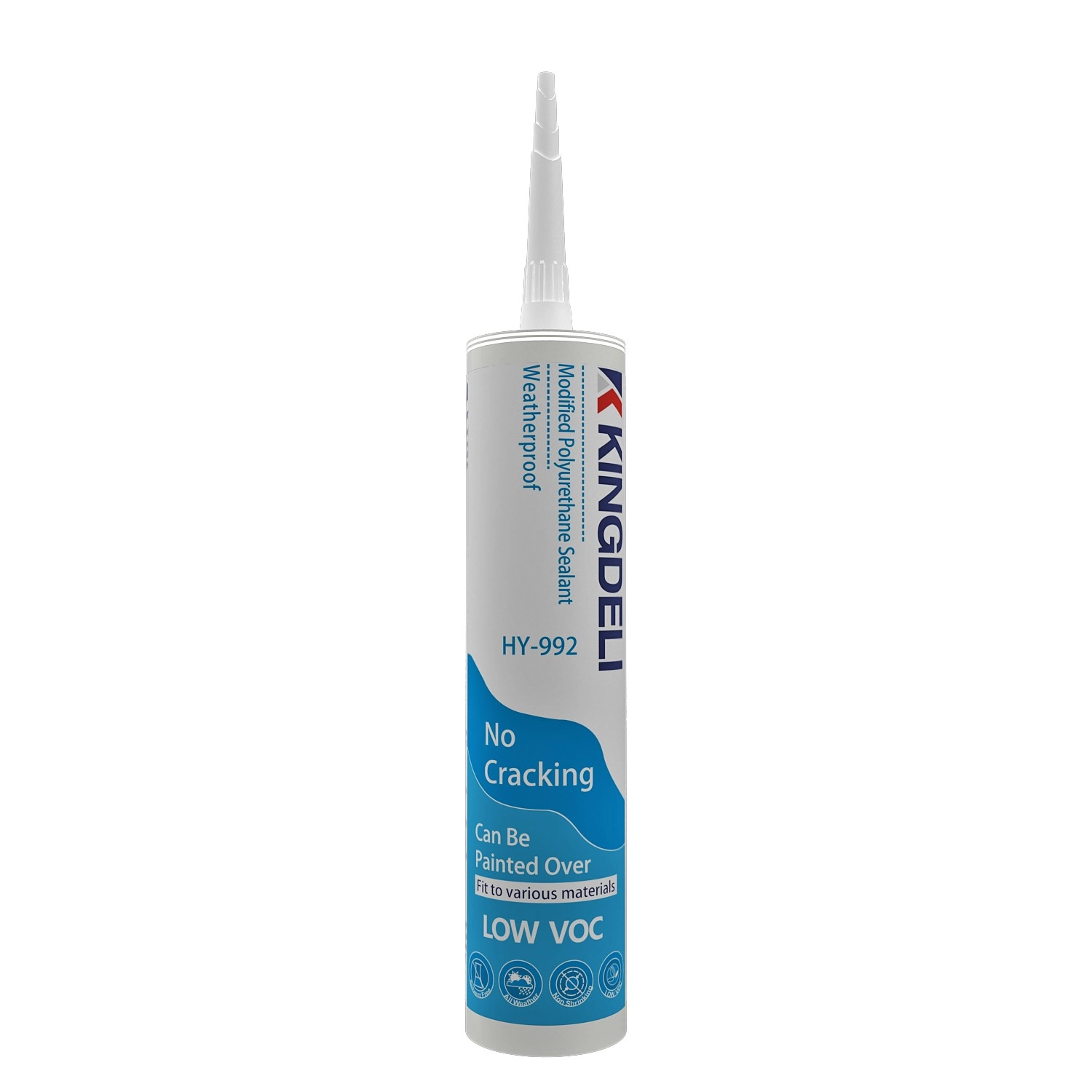
HY992 Modified Polyurethane Construction Sealant
HY992 Modified Polyurethane Sealant is a one-component, moisture-curing construction sealant designed for professional building and structural sealing applications. It provides excellent adhesion, weather resistance, and durable elasticity, making it suitable for a wide range of construction materials.
The formulation delivers strong bonding performance without corrosion or substrate contamination, while maintaining low VOC content for environmentally responsible construction projects.

HY995 Crystal Clear Ms Polymer Adhesive/Sealant
HY995 Crystal Clear Ms Polymer Adhesive/Sealant is a new generation MS Polymer adhesive / sealant formulated for all bonding and sealing applications where long term reliability is required. It has excellent bonding strength on various materials. It will cure to form a durable, flexible, waterproof seal.

HY997 High-Performance Anti-Microbial MS Polymer Sealant
HY997 MS polymer sealant for is is a premium one-component, neutral-curing modified silane sealant engineered for demanding interior applications. It offers a Class 20 movement capability, ensuring long-lasting flexibility and reliable performance under dynamic joint conditions. Curing at room temperature, HY997 delivers superior anti-microbial and mildew-resistant properties, maintaining hygienic and clean environments over time.
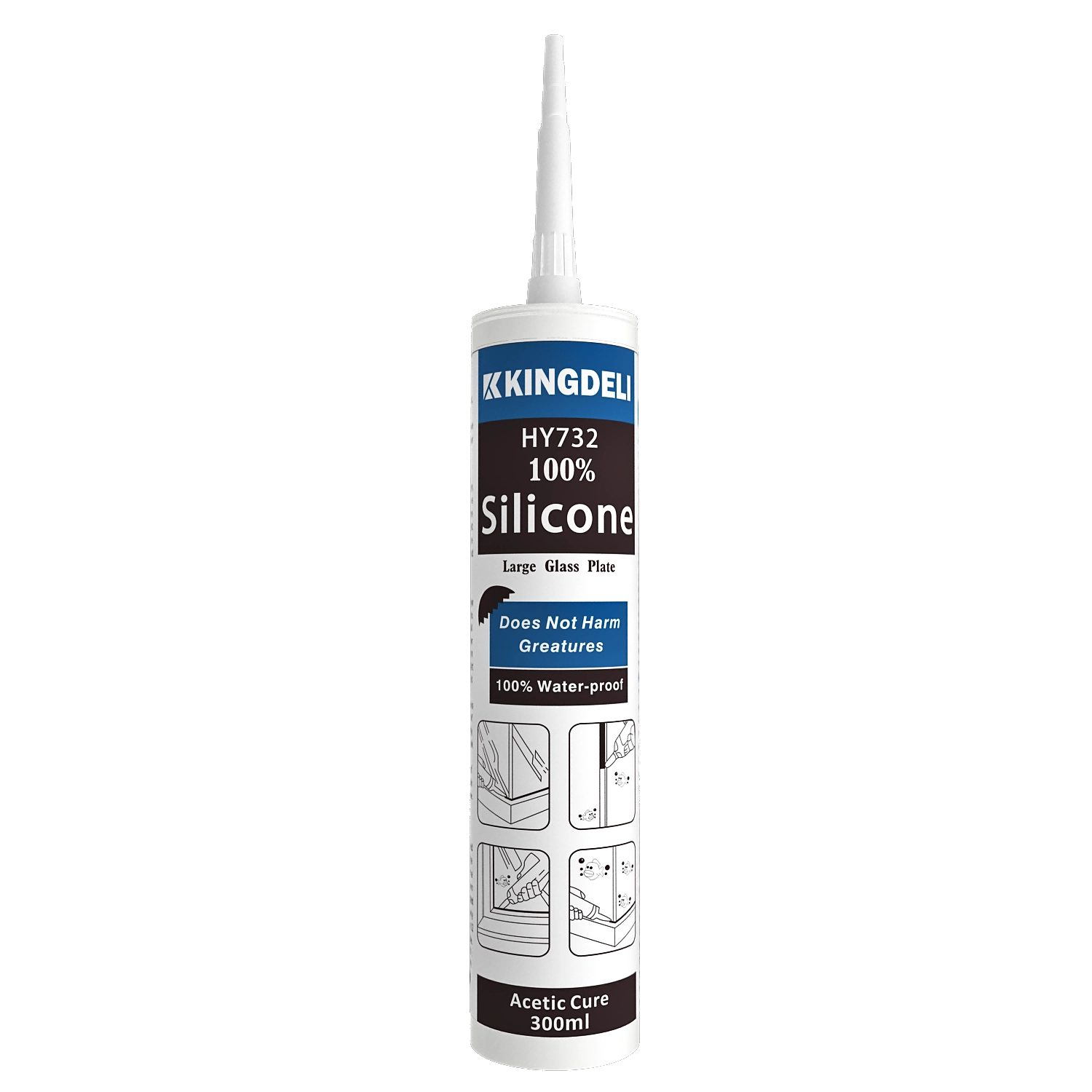
KINGDELI HY732 Professional Acetoxy Cure Silicone Sealant
KINGDELI HY732 is a professional-grade, one-component acetoxy cure silicone sealant designed for fast curing, strong adhesion, and long-lasting flexibility. Ideal for aquariums, glass applications, aluminum doors and windows, kitchens, and bathrooms, it provides reliable sealing performance with excellent anti-fungal protection in high-humidity environments.
Let’s Build Stronger Bonds with Quality Adhesives and Sealants
Have questions about the topic or need tailored sealant solutions for your project?
Our team is ready to provide expert guidance, product recommendations, and application support.
Innovating with Integrity, Bonding the World
Since 1998, KINGDELI has delivered trusted, sustainable sealant solutions that connect industries and inspire progress worldwide.
Whatsapp: +8618825946249
Kingdeli
Kingdeli
Kingdeli
Kingdeli
Kingdeli