











MS Polymer vs. Silicone vs. Polyurethane: Why Experts Choose MS Sealant for Windows [Comparison Table]

- What is MS Sealant for Windows?
- Quick Summary: Key Takeaways on Window Sealants
- The Ultimate Comparison Table: MS Polymer vs. Silicone vs. Polyurethane
- Visual Comparison of Sealant Types | Feature / Property | Silicone Sealant | Polyurethane Sealant | MS Polymer (Hybrid Sealant) |
- Cost vs. ROI Analysis for Contractors
- Deep Dive: Why Experts Prefer MS Sealant for Window Installation
- Mastering Primerless Adhesion
- Wet Surface Application and Weather Resilience
- Environmental and Installer Safety Benefits
- Expert Tips: Common Mistakes to Avoid When Applying Window Sealants
- Critical Installation Errors to Prevent
- Future Trends: Window Sealing Codes and Technologies for 2026+
- Navigating the Future of Construction
- Conclusion
- Can you paint over MS polymer sealant?
- Is MS polymer better than silicone for exterior windows?
- How long does MS sealant take to cure on windows?
- Does MS sealant work on wet surfaces?
- What is the lifespan of MS sealant in exterior applications?
- What is the difference between SMP and MS polymer?
- Why do contractors use hybrid sealants instead of polyurethane?
- Can I use MS polymer sealant in freezing temperatures?
What is MS Sealant for Windows?
MS (Modified Silyl) sealant is an advanced hybrid adhesive designed for window installations, combining the durability of polyurethane with the extreme weather resistance of silicone. It utilizes unique chemistry to create flexible, waterproof seals around window perimeters without shrinking or degrading.
The evolution of construction adhesives has led to a major breakthrough in how we seal building envelopes. For decades, contractors were forced to choose between the paintability and strength of polyurethane or the UV resistance and flexibility of silicone. This compromise often resulted in long-term failures, especially in highly demanding exterior applications. Enter MS sealant, a revolutionary product that eliminates these compromises entirely.
It is built on the chemical foundation of Silyl Modified Polymers (SMP). This unique polymer structure provides a highly reactive backbone that cures upon exposure to ambient moisture in the air. As reported by Wikipedia, Silyl-modified polymers (SMP) are the main components in solvent-free and isocyanate-free sealant products, offering key properties like higher elasticity, UV resistance, and adhesion to a wider range of substrates.
By leveraging this advanced chemistry, these sealants deliver the best of both worlds:
- Mechanical Superiority: They offer the tough, resilient mechanical strength traditionally associated with polyurethane, ensuring the seal can withstand severe wind loads and structural movement.
- Extreme Weatherability: They possess the elemental defiance of silicone, meaning they will not break down, chalk, or yellow when subjected to decades of intense ultraviolet radiation.
- Unmatched Bonding Capability: Unlike traditional caulks that demand exhaustive surface preparation and chemical primers to form a bond, MS polymers offer extraordinary primerless adhesion to PVC, bare aluminum, glass, and masonry.
Quick Summary: Key Takeaways on Window Sealants
Comparing window sealants reveals that MS Polymers offer the best balance of long-term performance, paintability, and UV stability. They consistently outperform traditional silicone and polyurethane by eliminating common installation failures like bubbling, shrinking, and poor adhesion.
When planning a commercial glazing project or a residential window replacement, the choice of sealant dictates the lifespan of the installation. Water intrusion around windows is a leading cause of structural rot, mold proliferation, and energy loss. Therefore, selecting the correct chemical formulation is not just a matter of preference—it is a critical engineering decision.
Key Takeaways for Contractors and Installers:
- Ultimate Paintability and UV Stability: MS Polymers resolve the classic contractor dilemma. They are highly paintable with water-based and synthetic paints (a major limitation of silicone) while aggressively resisting UV degradation and surface chalking (a primary weakness of polyurethane).
- Flawless Damp Surface Curing: These hybrid sealants for window installation will cure perfectly without bubbling or outgassing, even when applied to damp substrates or used in highly humid, coastal environments.
- Health and Safety Compliance: They are incredibly safe for indoor and outdoor environments, functioning as a high-performance low VOC window caulking that contains zero toxic isocyanates or hazardous solvents.
- Superior Long-Term ROI: Experts overwhelmingly choose MS sealants for their extended lifespan on exterior facades. While they may cost slightly more per tube, the dramatic reduction in callback rates and warranty claims ensures exceptional long-term cost-efficiency.
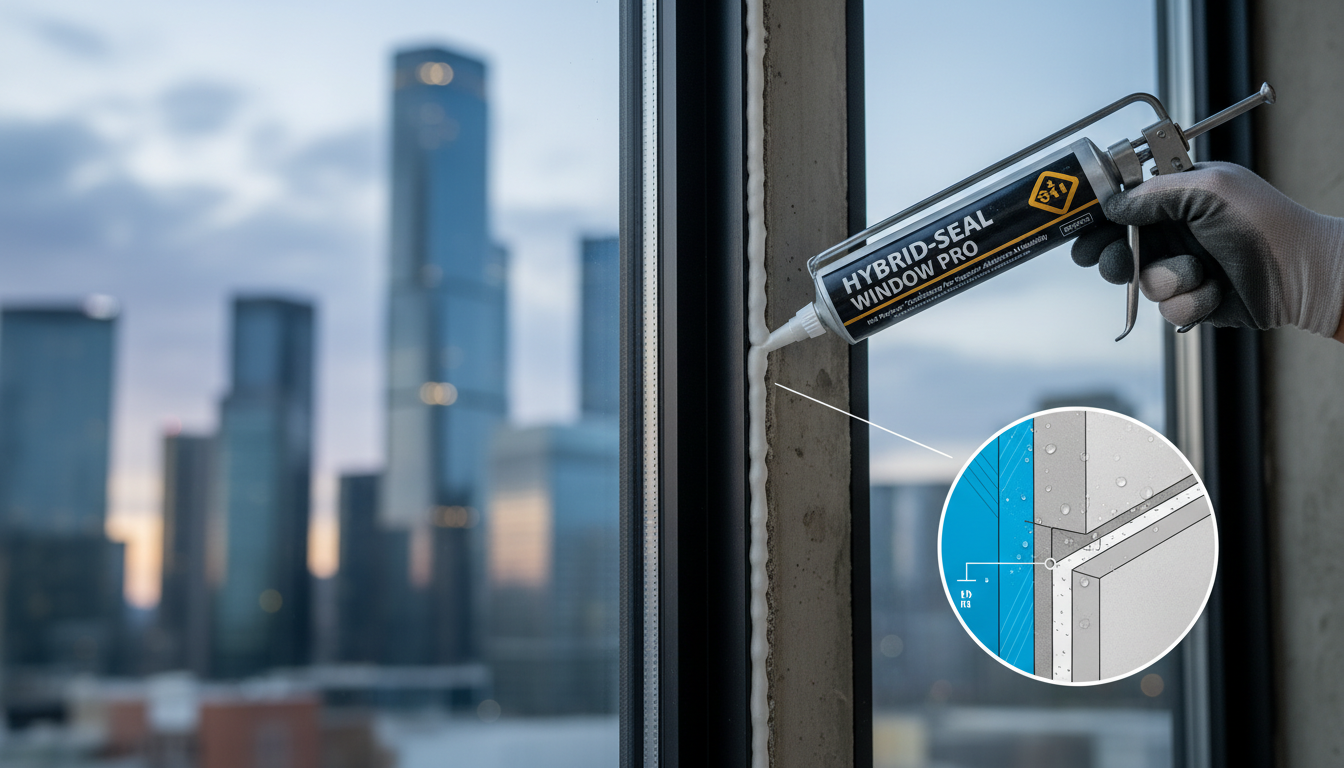
The Ultimate Comparison Table: MS Polymer vs. Silicone vs. Polyurethane
The ultimate comparison highlights MS Polymer as the superior choice due to its hybrid benefits, combining excellent UV stability, paintability, and safe chemistry. While silicone and polyurethane have traditional merits, they both carry significant drawbacks that MS sealants effectively solve.
To truly understand why the industry is shifting toward hybrid technology, it is essential to look at how MS polymers stack up against the legacy options side-by-side.
Visual Comparison of Sealant Types | Feature / Property | Silicone Sealant | Polyurethane Sealant | MS Polymer (Hybrid Sealant) |
| :--- | :--- | :--- | :--- || UV & Weather Resistance | Excellent (Highly stable) | Poor (Prone to chalking and cracking) | Excellent (Highly stable) || Paintability | No (Repels paint) | Yes (Accepts paint well) | Yes (Accepts most paints) || Wet Surface Application | Poor (Often loses adhesion) | Poor (Blisters and bubbles heavily) | Excellent (Bubble-free curing) || Adhesion Profile | Good (Often requires primer) | Good (Needs primer on glass/PVC) | Exceptional (Primerless adhesion) || Dirt Pickup | High (Attracts dirt and dust) | Low | Low (Remains clean over time) || Toxicity / Safety | Low VOC | High (Contains toxic isocyanates) | Ultra-Low VOC (Isocyanate-free) |
Cost vs. ROI Analysis for Contractors
Understanding the true cost of a sealant goes far beyond the price tag on the cartridge.
- Initial Material Cost: MS Polymers typically carry a higher upfront material cost compared to basic acetoxy silicones or standard polyurethanes. However, this is just a fraction of the total installation expense.
- Massive Labor Savings: Because SMP technology bonds aggressively without chemical primers, contractors eliminate an entire step from their workflow. The labor hours saved by not having to apply and wait for primer to flash off drastically outweigh the initial material cost difference.
- Reduced Callbacks: The unique formulation prevents bubbling in damp weather and stops adhesion failure on dissimilar materials. This guarantees a robust, leak-proof seal, protecting your company's reputation and bottom line from expensive post-installation repairs.
Deep Dive: Why Experts Prefer MS Sealant for Window Installation
Experts prefer MS sealant for window installations because it delivers flawless primerless adhesion, bubble-free wet surface curing, and enhanced installer safety. These technical advantages directly translate to faster project turnarounds, higher quality seals, and a lower risk of structural water damage.
The transition from legacy sealants to hybrid polymers is driven by practical, on-the-job benefits. Professional glaziers and envelope consultants recognize that building materials are evolving. Modern windows use complex vinyl extrusions, fiberglass, and specialized metallic coatings, all of which require advanced chemical bonding.
Mastering Primerless Adhesion
One of the most profound advantages of SMP technology is how MS sealants bond flawlessly to dissimilar materials. In a typical window installation, the sealant must bridge the gap between a porous substrate (like brick, EIFS, or concrete) and a non-porous substrate (like a vinyl window frame or aluminum cladding). Historically, this required treating the substrates with different chemical primers to ensure the polyurethane or silicone would stick. MS polymers bypass this entirely. The silane-terminated backbone creates an incredibly strong chemical bond natively, saving time and ensuring that the window perimeter joints remain watertight through decades of thermal expansion and contraction.
Wet Surface Application and Weather Resilience
Unpredictable weather is a commercial contractor's worst enemy. A sudden rainstorm can halt a glazing project in its tracks if the crew is using polyurethane. Polyurethane sealants react violently with moisture during their curing phase, releasing carbon dioxide gas that gets trapped in the bead, creating a weak, porous, bubble-filled joint. The unique chemistry of MS polymers handles moisture entirely differently. They actually utilize atmospheric moisture to cure smoothly. This allows installers to apply SMP sealants during light rain or on damp substrates without compromising the structural integrity or aesthetics of the bond.
Environmental and Installer Safety Benefits
Protecting the health of the installation crew is paramount in modern construction. Traditional polyurethane sealants carry significant health risks due to their chemical makeup. As reported by Wikipedia, a polyurethane is typically produced by reacting a polymeric isocyanate with a polyol. This means it inherently contains isocyanates, which are known respiratory toxins that can cause severe sensitization and asthma. By switching to MS sealants, companies completely eliminate isocyanate exposure. Furthermore, MS polymers easily meet strict green building certifications (such as LEED and WELL) as they are recognized as top-tier low VOC window caulking solutions.
Expert Tips: Common Mistakes to Avoid When Applying Window Sealants
Avoiding common mistakes like skipping surface preparation, improper tooling, and ignoring joint design ensures the longevity of your window sealants. Even the most advanced hybrid polymers require correct application techniques to achieve their maximum lifespan and weatherproofing potential.
While MS polymer is a highly forgiving and versatile material, human error during application remains the leading cause of window leaks. Professionals must adhere to best practices to maximize the product's performance.
Critical Installation Errors to Prevent
- Skipping Basic Surface Prep: It is a common misconception that primerless adhesion means no cleaning is required. This is absolutely false. Even with exceptional native bonding capabilities, the substrate must be structurally sound. Installers must ensure the area is free of heavy dust, loose debris, oils, grease, and pooling standing water before gunning the sealant.
- Improper Tooling Techniques: Tooling is the process of smoothing the sealant bead to push it firmly against the substrates. Over-tooling hybrid sealants—pressing too hard and thinning out the center of the joint—can drastically reduce its movement capability. A joint that is too thin will suffer from concentrated stress and may tear during extreme seasonal temperature shifts.
- Ignoring Proper Joint Design: Failing to use a closed-cell backer rod for deep window perimeter joints is a fatal engineering error. If sealant is pumped into a deep gap without a backer rod, it will bond to the back of the joint as well as the sides, creating "three-sided adhesion." When the building shifts, the sealant cannot stretch properly and will tear away from the window frame. A backer rod ensures the sealant only bonds to the two parallel substrates, allowing it to act like a rubber band.
- Applying in Extreme Temperatures: While MS polymers remain highly extrudable and easy to gun in cold weather, applying them completely outside their optimal temperature limits can hinder the moisture-curing process. Always verify the manufacturer's temperature guidelines and ensure the surface is completely free of frost or microscopic ice layers before application.
Future Trends: Window Sealing Codes and Technologies for 2026+
Future window sealing trends for 2026 and beyond focus heavily on stricter energy efficiency codes, absolute airtightness requirements, and advanced cross-linking hybrid technologies. As the construction industry pushes for greener, zero-emission buildings, the role of high-performance sealants becomes critical in meeting new legal standards.
Building codes are evolving rapidly to combat climate change, and the building envelope is under more scrutiny than ever before. Window perimeters are notorious for being the weakest link in a building's thermal and air barrier, making the choice of sealant a major factor in regulatory compliance.
Navigating the Future of Construction
- Stringent 2026+ Energy Standards: The regulatory landscape is demanding much tighter buildings. As reported by Building Enclosure Online, the adoption of the 2024 IECC and ASHRAE 90.1-2022 standards into 2026 tightens allowable leakage rates, making proper continuous sealing around windows absolutely mandatory. Blower-door testing will become standard practice, meaning any microscopic failure in a window sealant joint will cause a building to fail inspection.
- Advanced SMP Technologies: Chemical manufacturers are not resting on their laurels. The rise of next-generation, cross-linking Silyl Modified Polymers (SMP) is offering even greater tensile strength and tear resistance. These new formulations are bridging the gap between high-strength structural adhesives and highly flexible weather seals, providing unprecedented durability.
- Net-Zero and Passive House Builds: As the architectural world embraces Net-Zero and Passive House standards, hybrid sealants will play a crucial role. Their ability to maintain a perfectly airtight, flexible seal over multiple decades without degrading ensures that homes meet hyper-efficient thermal performance goals without requiring frequent maintenance or re-caulking.
Conclusion
MS Polymer sealants clearly outperform traditional silicone and polyurethane by offering superior paintability, bubble-free damp curing, and safer, eco-friendly chemistry. Choosing the right sealant is the most critical step in ensuring a leak-proof, long-lasting window installation that meets modern building codes. By investing in high-quality hybrid technology, contractors reduce expensive callbacks, protect their workers from hazardous chemicals, and deliver superior, energy-efficient results to their clients.
Contact us today for expert advice, bulk pricing, and technical support on incorporating MS sealants into your next major glazing project.
Can you paint over MS polymer sealant?
Yes, MS polymer sealants are highly paintable with most water-based and synthetic paints. Unlike silicone, which repels paint and causes it to bead up and peel, hybrid sealants accept paint easily, making them ideal for seamless aesthetic finishes on exterior windows and architectural facades.
Is MS polymer better than silicone for exterior windows?
MS polymer is generally preferred over silicone for exterior windows because it does not attract dirt, will not bleed silicone oils into surrounding masonry (which causes permanent staining), and can be easily painted. While silicone has great UV resistance, MS polymers match that durability while actively solving silicone's biggest aesthetic drawbacks.
How long does MS sealant take to cure on windows?
MS sealants typically form a skin within 20 to 40 minutes, depending on the ambient temperature and humidity levels. Full curing usually occurs at a rate of 2mm to 3mm per 24 hours as they cure by reacting with the natural moisture present in the air.
Does MS sealant work on wet surfaces?
Yes, one of the biggest advantages of MS polymer is its ability to bond aggressively to damp surfaces. It cures without bubbling, foaming, or outgassing, unlike polyurethane, making it a highly reliable solution for contractors working in unpredictable weather or humid climates.
What is the lifespan of MS sealant in exterior applications?
High-quality MS polymer sealants can last 20 years or more on exterior window installations. Thanks to their advanced hybrid chemistry, they maintain their elasticity and do not shrink, crack, chalk, or yellow heavily over time, even under direct and constant sunlight.
What is the difference between SMP and MS polymer?
There is no difference; SMP (Silyl Modified Polymer) is simply the technical chemical term for MS (Modified Silyl) polymer. Both terms refer to the exact same advanced hybrid sealant technology used extensively in the modern construction and glazing industry.
Why do contractors use hybrid sealants instead of polyurethane?
Contractors prefer hybrid sealants because they do not contain toxic isocyanates, making them much safer to handle and apply. Additionally, hybrid sealants have vastly better UV resistance than polyurethane, which tends to chalk, harden, and crack under direct sunlight over a few years.
Can I use MS polymer sealant in freezing temperatures?
Yes, MS polymers remain highly extrudable and easy to gun even in colder weather, unlike polyurethanes which can become too stiff to pump. However, users should ensure the window substrate is completely free of hidden frost or ice before application to guarantee a strong, permanent bond.
Surface Preparation for Optimal MS Silicone Sealant Adhesion
Top 10 acrylic sealant Manufacturers and Supplier Brands in Hardware and Building Materials
Top ms polymer sealant Manufacturers and Suppliers
Top glass glazing sealant Manufacturers and Suppliers
HY982
What are the application temperature requirements?
The recommended application temperature range is +5°C to +35°C. Application should be avoided when substrate temperatures are below 4°C or above 40°C.
Can the cured surface be painted?
Yes. After surface curing, HY982 can be painted or coated, allowing it to blend seamlessly with surrounding finishes.
HY925
How should HY925 be applied?
Apply with a standard caulking gun. Ensure surfaces are clean, dry, and free of dust, oil, and contaminants. Tool the sealant within a few minutes to achieve a neat finish.
HY723
How long does the sealant resist fire?
It provides fire resistance for up to four hours, though the exact duration depends on the specific joint configuration.
HY-3300
How long is the shelf life of HY-3300?
Cartridge: 12 months
Aluminum foil: 12 months
Store in a cool, dry, and well-ventilated area below 25℃ for best performance.
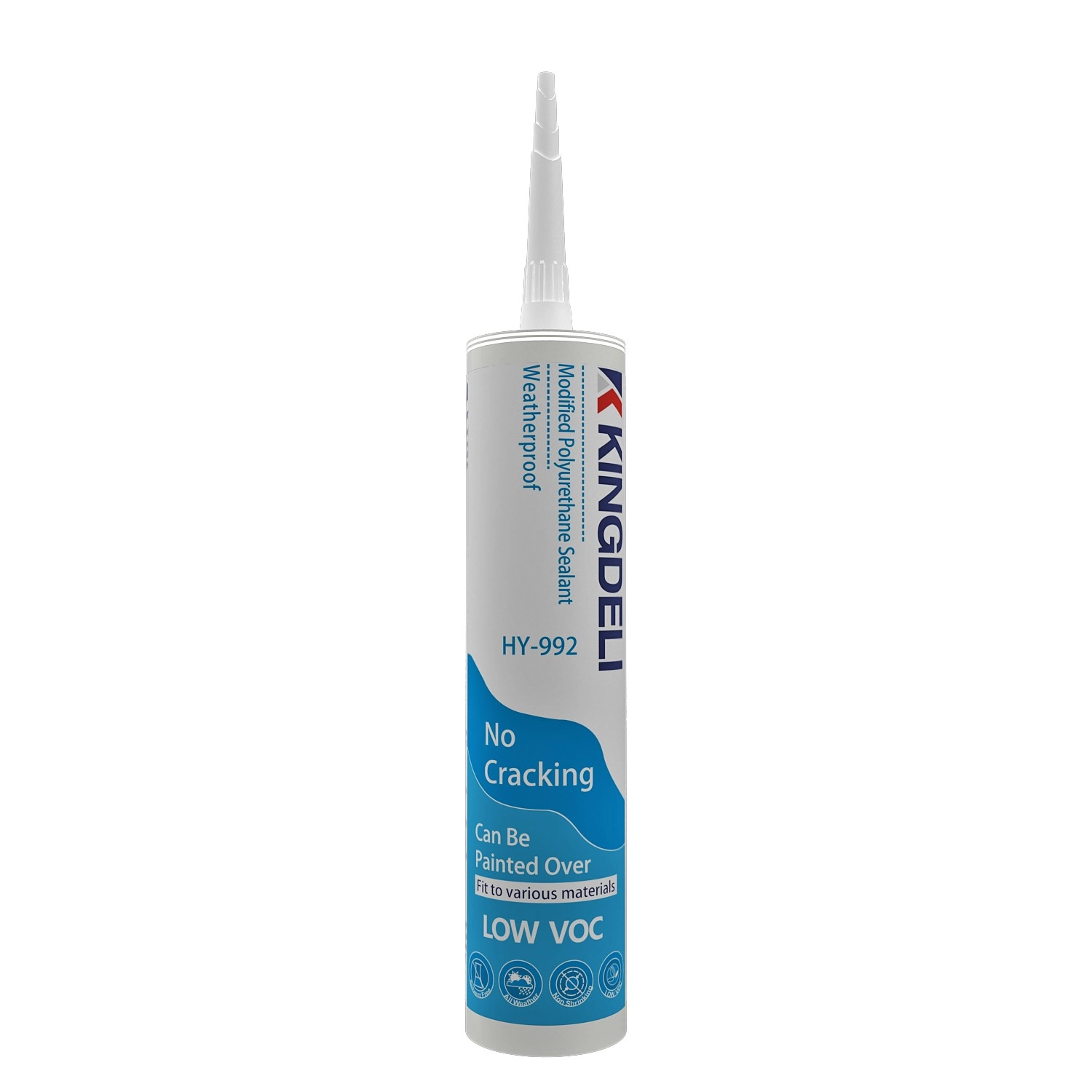
HY992 Modified Polyurethane Construction Sealant
HY992 Modified Polyurethane Sealant is a one-component, moisture-curing construction sealant designed for professional building and structural sealing applications. It provides excellent adhesion, weather resistance, and durable elasticity, making it suitable for a wide range of construction materials.
The formulation delivers strong bonding performance without corrosion or substrate contamination, while maintaining low VOC content for environmentally responsible construction projects.

HY995 Crystal Clear Ms Polymer Adhesive/Sealant
HY995 Crystal Clear Ms Polymer Adhesive/Sealant is a new generation MS Polymer adhesive / sealant formulated for all bonding and sealing applications where long term reliability is required. It has excellent bonding strength on various materials. It will cure to form a durable, flexible, waterproof seal.

HY997 High-Performance Anti-Microbial MS Polymer Sealant
HY997 MS polymer sealant for is is a premium one-component, neutral-curing modified silane sealant engineered for demanding interior applications. It offers a Class 20 movement capability, ensuring long-lasting flexibility and reliable performance under dynamic joint conditions. Curing at room temperature, HY997 delivers superior anti-microbial and mildew-resistant properties, maintaining hygienic and clean environments over time.
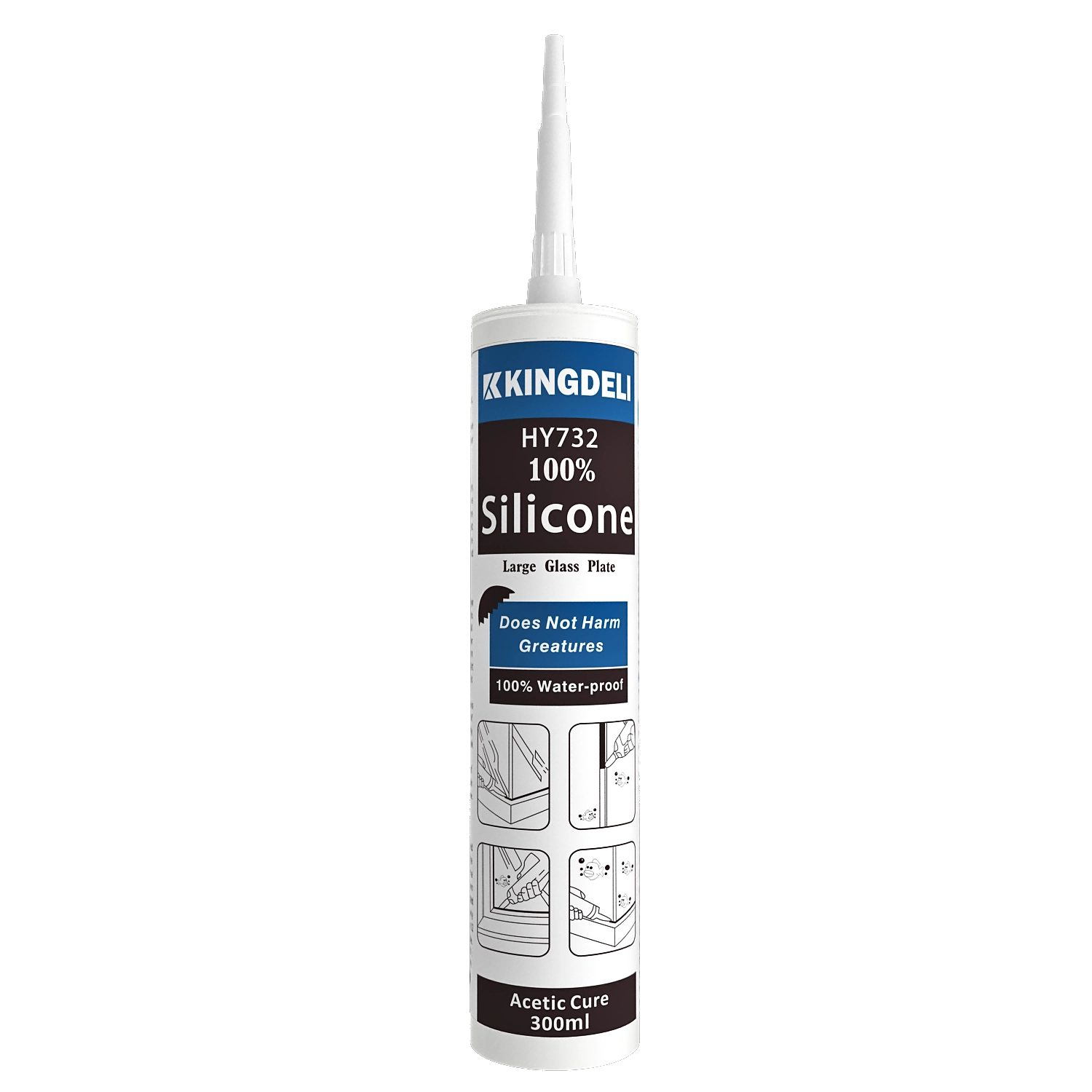
KINGDELI HY732 Professional Acetoxy Cure Silicone Sealant
KINGDELI HY732 is a professional-grade, one-component acetoxy cure silicone sealant designed for fast curing, strong adhesion, and long-lasting flexibility. Ideal for aquariums, glass applications, aluminum doors and windows, kitchens, and bathrooms, it provides reliable sealing performance with excellent anti-fungal protection in high-humidity environments.
Let’s Build Stronger Bonds with Quality Adhesives and Sealants
Have questions about the topic or need tailored sealant solutions for your project?
Our team is ready to provide expert guidance, product recommendations, and application support.
Innovating with Integrity, Bonding the World
Since 1998, KINGDELI has delivered trusted, sustainable sealant solutions that connect industries and inspire progress worldwide.
Whatsapp: +8618825946249
Kingdeli
Kingdeli
Kingdeli
Kingdeli
Kingdeli