











Low-VOC Silicone Sealants for Sustainable Glazing Projects

- Why sustainability matters in glazing
- Environmental and health drivers
- Regulatory and client expectations
- Technical performance and selecting the right low-VOC silicone
- Understanding silicone chemistry and sealant types
- Key performance criteria for glazing sealants
- What low-VOC means in practice
- Application practices, testing and verification
- Surface preparation and priming
- Mock-ups, accelerated aging and field testing
- Installation quality control
- Comparing low-VOC silicone with other sealant technologies
- Performance and environmental comparison
- When to prefer low-VOC silicone
- Cost and lifecycle considerations
- KINGDELI: supply, standards, and product fit for sustainable glazing
- Company capabilities and relevance to glazing projects
- Standards, product portfolio and sustainability focus
- Key products for glazing applications
- Practical checklist for project teams
- Specification and procurement checklist
- On-site installation checklist
- Verification and maintenance
- FAQ
- 1. What VOC level qualifies a silicone as low-VOC?
- 2. Can low-VOC silicones match the durability of conventional silicones?
- 3. Are neutral-cure silicones always better for glazing?
- 4. Do low-VOC sealants require special primers?
- 5. How should I verify manufacturer VOC claims?
- Contact and next steps
I have worked on dozens of façade and glazing projects where specifying the right glass glazing silicone sealant made the difference between long-term performance and premature failures. In this article I synthesize technical requirements, sustainability drivers, testing and installation practices for low-VOC silicone sealants, and how these products deliver durable, low-impact seals for contemporary glazing systems. My goal is to give architects, façade engineers, contractors, and procurement teams clear, evidence-based guidance so you can select and apply sealants that meet performance, environmental and regulatory demands.
Why sustainability matters in glazing
Environmental and health drivers
Glass curtain walls and windows account for a growing share of urban building envelopes. While glazing enhances daylight and energy efficiency, the materials used in the joints and perimeters influence indoor air quality and lifecycle environmental impact. Volatile organic compounds (VOCs) emitted during curing and over time can affect indoor air and may contribute to smog formation outdoors. The U.S. EPA has long documented the role of VOCs in indoor air quality concerns and outdoor ozone formation (EPA: VOCs and Indoor Air Quality).
Regulatory and client expectations
Green building certifications (LEED, BREEAM), local low-emission product lists, and many public procurement specifications increasingly require low-VOC adhesives and sealants. Clients often expect product documentation like VOC test reports, emissions testing, and relevant certifications, and some jurisdictions mandate maximum VOC limits for construction products. As a specifier, plan early to secure compliant low-VOC sealants that also meet mechanical and durability needs.
Technical performance and selecting the right low-VOC silicone
Understanding silicone chemistry and sealant types
Silicone sealants used for glazing are typically neutral-cure or acetoxy-cure formulations, each with different adhesion and substrate compatibility. Neutral cure silicones are often preferred for architectural glazing because they minimize corrosion risk on metals and do not release acetic acid during cure. For an accessible overview of silicone materials, see the Wikipedia entry on silicone (Silicone - Wikipedia).
Key performance criteria for glazing sealants
When evaluating low-VOC glass glazing silicone sealant, prioritize:
- Movement capability (ASTM C920 class/grade) and elongation—glazed façades require high movement tolerance.
- Adhesion to typical substrates: glass (coated and uncoated), aluminium, stainless steel, and composite panels.
- Durability: UV resistance, shrinkage, low dirt pickup, and long-term elastic recovery.
- Cure profile and toolability for on-site productivity.
- Verified VOC content and emissions data (see testing below).
ASTM C920 remains the primary standard for elastomeric joint sealants used in building construction; choosing products that reference ASTM C920 gives you a clear performance baseline (ASTM C920 - Wikipedia).
What low-VOC means in practice
Low-VOC is a relative term—regulatory thresholds vary by region and application. Many commercial low-VOC silicone glazing sealants target VOC contents well below common limits set by regional authorities (e.g., some products <50 g/L or even <10 g/L for specialized lines). Always check third-party test reports and declareable VOC values. For guidance on VOC impacts and definitions, consult the EPA overview (EPA VOC guidance).
Application practices, testing and verification
Surface preparation and priming
Successful seals begin with meticulous substrate preparation: clean, dry, and free of release agents, oils, or frost. Many low-VOC silicones are formulated for primerless adhesion to specific substrates, but qualification tests on mock-ups or adhesion pull-off tests are essential, especially on coated glass and anodized aluminum. If a primer is required, ensure it is compatible and that its VOC profile aligns with project requirements.
Mock-ups, accelerated aging and field testing
I always recommend full-scale mock-ups and accelerated weathering to validate product selection. Common tests include adhesion after thermal cycling, UV exposure (e.g., ASTM G154 accelerated weathering), and movement cycling per ASTM C719 or equivalent. Require manufacturers to provide performance data or conduct independent lab testing where necessary.
Installation quality control
Even the best low-VOC silicone can fail if installed improperly. Key QC points: correct joint design and dimensions (width-to-depth ratios), continuous bead without contamination, tooling to ensure contact with joint walls, and protection during cure. Track batches, cure times, and on-site temperature/humidity during application for traceability.
Comparing low-VOC silicone with other sealant technologies
Performance and environmental comparison
Below is a summarized comparison of typical low-VOC silicone glazing sealant versus conventional silicone and polyurethane alternatives. Values are representative; verify specific product datasheets and test reports before specification.
| Property | Low-VOC Silicone (typical) | Standard Silicone | Polyurethane Sealant |
|---|---|---|---|
| VOC Content | <50 g/L common; High Quality lines <10 g/L | Variable; often higher than low-VOC lines | Often <50 g/L available; depends on formulation |
| Movement Capability | High (±25% typical) | High | Moderate to high (but may lose elasticity over long term) |
| UV/Ozone Resistance | Excellent | Excellent | Good but can degrade faster than silicone |
| Adhesion to glass/metal | Excellent (neutral-cure preferred) | Good/Excellent (acetoxy may corrode metals) | Excellent to porous substrates; primers often needed on glass |
| Typical Use in Structural/Perimeter Glazing | Widely used | Widely used | Used where movement and UV exposure are limited |
Sources: manufacturer technical data and industry standards such as ASTM C920 and guidance on VOC impacts from the EPA (EPA), plus general silicone chemistry references (Wikipedia: Silicone).
When to prefer low-VOC silicone
Choose low-VOC silicone when indoor air quality, green certifications, client requirements, or regional VOC limits are decisive, provided the selected product demonstrates the necessary movement capability and adhesion. In many modern façades, neutral-cure low-VOC silicone combines durability, low emissions, and broad substrate compatibility.
Cost and lifecycle considerations
Low-VOC formulations sometimes come at a slight High Quality, but this cost must be weighed against benefits: reduced risk of rework, compliance with procurement specifications, potential points in green building rating systems, and long-term durability that lowers replacement costs. I recommend lifecycle cost analysis that includes maintenance cycles, replacement risk, and indoor air quality benefits.
KINGDELI: supply, standards, and product fit for sustainable glazing
Company capabilities and relevance to glazing projects
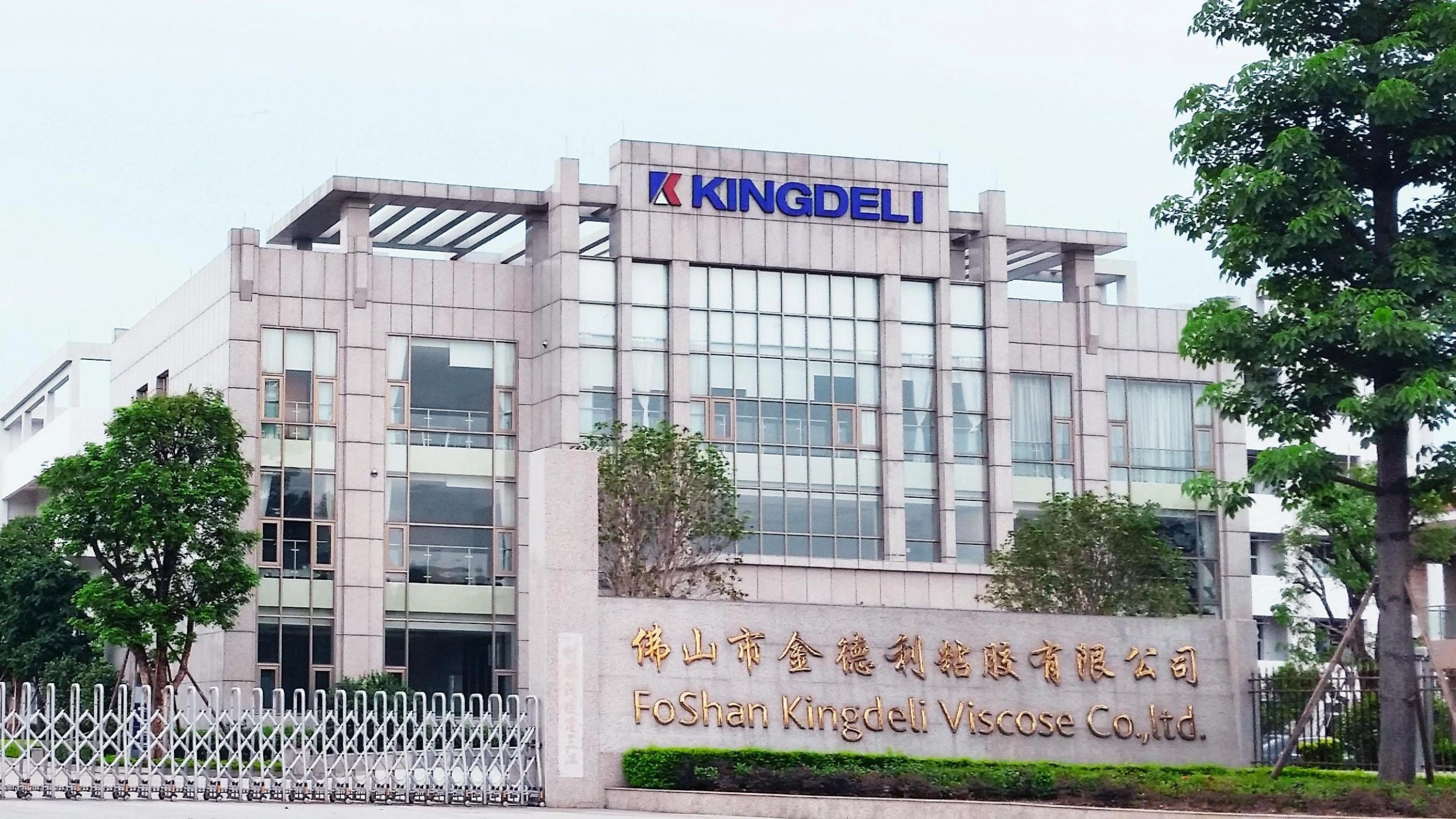
Since its establishment in 1998, KINGDELI has stood as a global leader in the high-performance sealant, adhesive, and coating industry. Headquartered in Foshan, China, our state-of-the-art 66,000 m² facility is powered by fully automated production lines with an annual capacity exceeding 100,000 tons, ensuring a consistent and robust supply for partners worldwide.
Standards, product portfolio and sustainability focus
As a recognized National High-Tech Enterprise and a key contributor to the National Standard GB/T 29755-2013, KINGDELI unites advanced manufacturing power with technical excellence. Our comprehensive product portfolio—spanning Neutral & Acetic Silicone, Polyurethane, MS Polymer, and No More Nails adhesives—is engineered to meet strict international standards, including ISO 9001, ISO 14001, CE, and ASTM. We provide sustainable low-VOC formulations suitable for architectural glazing and offer OEM/ODM support, technical guidance, and global logistics to meet project timelines.
Key products for glazing applications
Relevant KINGDELI products include neutral silicone glazing sealants, silicone glazing sealant grades optimized for movement and adhesion, and complementary primers and structural adhesives. Typical offerings include neutral silicone sealant, acetic silicone sealant, acrylic sealant, polyurethane sealant, MS polymer sealant, RTV gasket maker, epoxy tile grout, and self-leveling sealant. KINGDELI’s long-term presence in 50+ countries and certifications provide assurance for façade specifiers seeking verified low-VOC, high-performance sealants.
Practical checklist for project teams
Specification and procurement checklist
- Specify glass glazing silicone sealant by performance (ASTM C920 class), movement capability, and substrate adhesion, not just by VOC claim.
- Require VOC test reports and emissions testing where required by green building programs.
- Mandate mock-ups and aging tests for coated glass and complex profiles.
- Document installation conditions and QC procedures in the contract.
On-site installation checklist
- Confirm substrate preparation and compatibility with the selected low-VOC silicone.
- Check bead geometry, backer rod sizing, and tooling quality.
- Record ambient conditions and cure times; protect fresh seals from contamination.
Verification and maintenance
Schedule periodic inspections for joint integrity and consider a documented maintenance plan. Replacement decisions should balance sealant age, adhesion loss, and visible cracking; the longevity of high-quality silicone seals commonly exceeds 10–20 years depending on exposure, but field verification is essential.
FAQ
1. What VOC level qualifies a silicone as low-VOC?
Low-VOC thresholds vary by region. Many low-VOC silicone glazing products target <50 g/L, while High Quality lines may achieve <10 g/L. Always review the product’s test reports and regional regulations or procurement specifications.
2. Can low-VOC silicones match the durability of conventional silicones?
Yes. Modern low-VOC formulations are engineered to match or exceed conventional silicones in UV resistance, movement capability, and adhesion—provided they are properly selected and installed.
3. Are neutral-cure silicones always better for glazing?
Neutral-cure silicones are generally preferred for glazing because they avoid acetic acid release during cure that can corrode metals and affect sensitive coatings. However, selection should be based on substrate compatibility and testing.
4. Do low-VOC sealants require special primers?
Some low-VOC silicones are primerless on certain substrates, but adhesion performance should be verified on coated glass, treated metals, or porous substrates. If a primer is needed, verify its compatibility and emissions profile.
5. How should I verify manufacturer VOC claims?
Request third-party VOC test reports or emissions test data (e.g., ISO or EN emissions testing where applicable). Cross-check lab accreditation and testing methodology to ensure compliance with project or regional standards.
Contact and next steps
If you are planning a glazing project and need assistance specifying or sourcing glass glazing silicone sealant with verified low-VOC performance, I can help evaluate options, coordinate mock-up testing, and liaise with manufacturers. For proven, project-ready solutions, consider KINGDELI’s range of neutral silicone sealant, silicone glazing sealant, polyurethane sealant, MS polymer sealant and other products geared for sustainable façades.
Contact us to request technical datasheets, VOC test reports, samples, or a project quotation. Check KINGDELI product lines and request OEM/ODM support to tailor sealants to your project’s sustainability and performance goals.
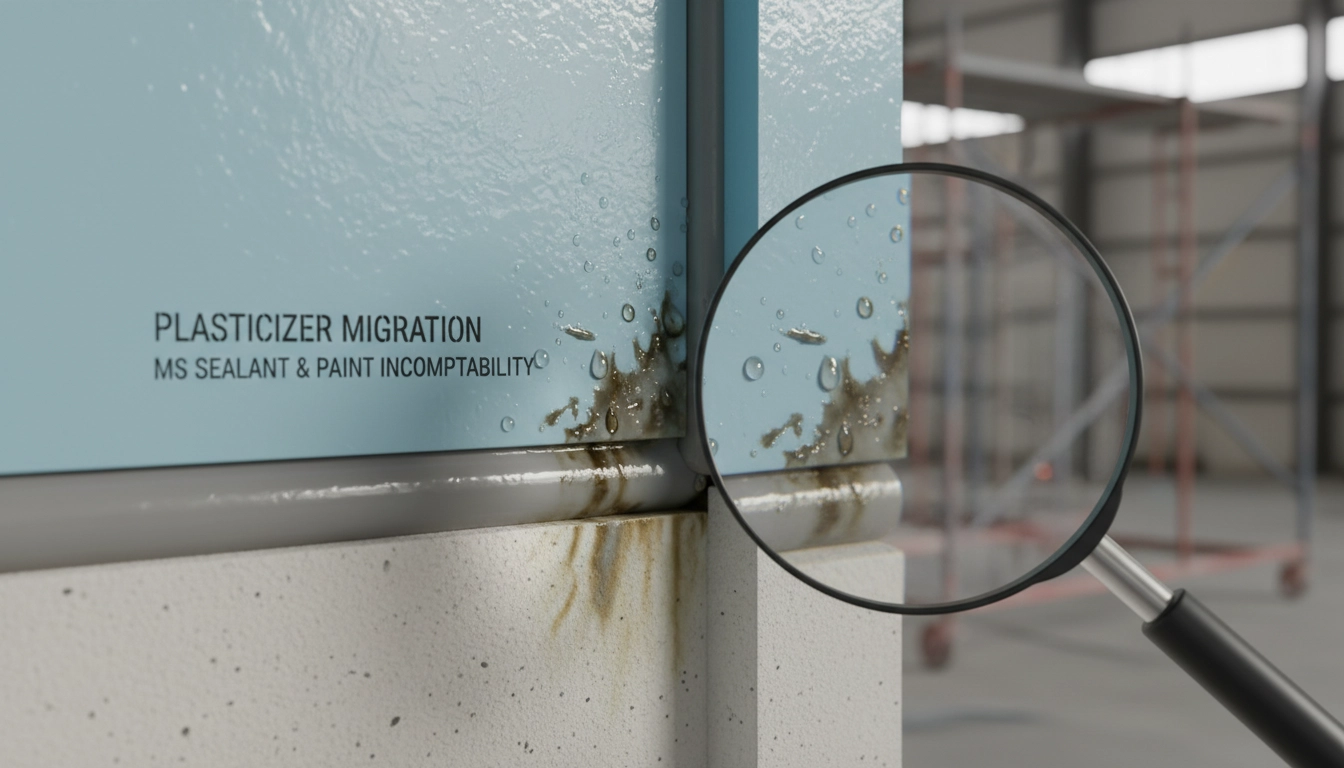
7 Costly Mistakes When Painting Over MS localized Polymer Sealants in 2026 (And How to Fix Them)
Adhesion Tests and Certifications for MS Silicone Sealant
OEM/ODM acetic cure silicone sealant Manufacturers and Suppliers
Acetic vs Neutral Silicone: A Buyer’s Comparison Guide
HY982
What are the application temperature requirements?
The recommended application temperature range is +5°C to +35°C. Application should be avoided when substrate temperatures are below 4°C or above 40°C.
Is HY982 suitable for flooring installation?
Yes. HY982 is specifically designed for wood flooring, PVC flooring, and panel installation, offering strong initial tack, long-term elasticity, and excellent durability.
HY994
Is HY994 environmentally friendly?
Yes. The formula is solvent-free, ultra-low VOC, non-toxic, and non-corrosive, making it suitable for projects with strict environmental requirements.
HY-951
Does the grout change color or turn yellow over time?
No. HY951 features strong anti-yellowing performance and long-lasting color stability when applied and cured correctly.
HY-722
Can the sealant be painted?
No. Silicone is non-paintable. Use a paintable alternative if painting is required.
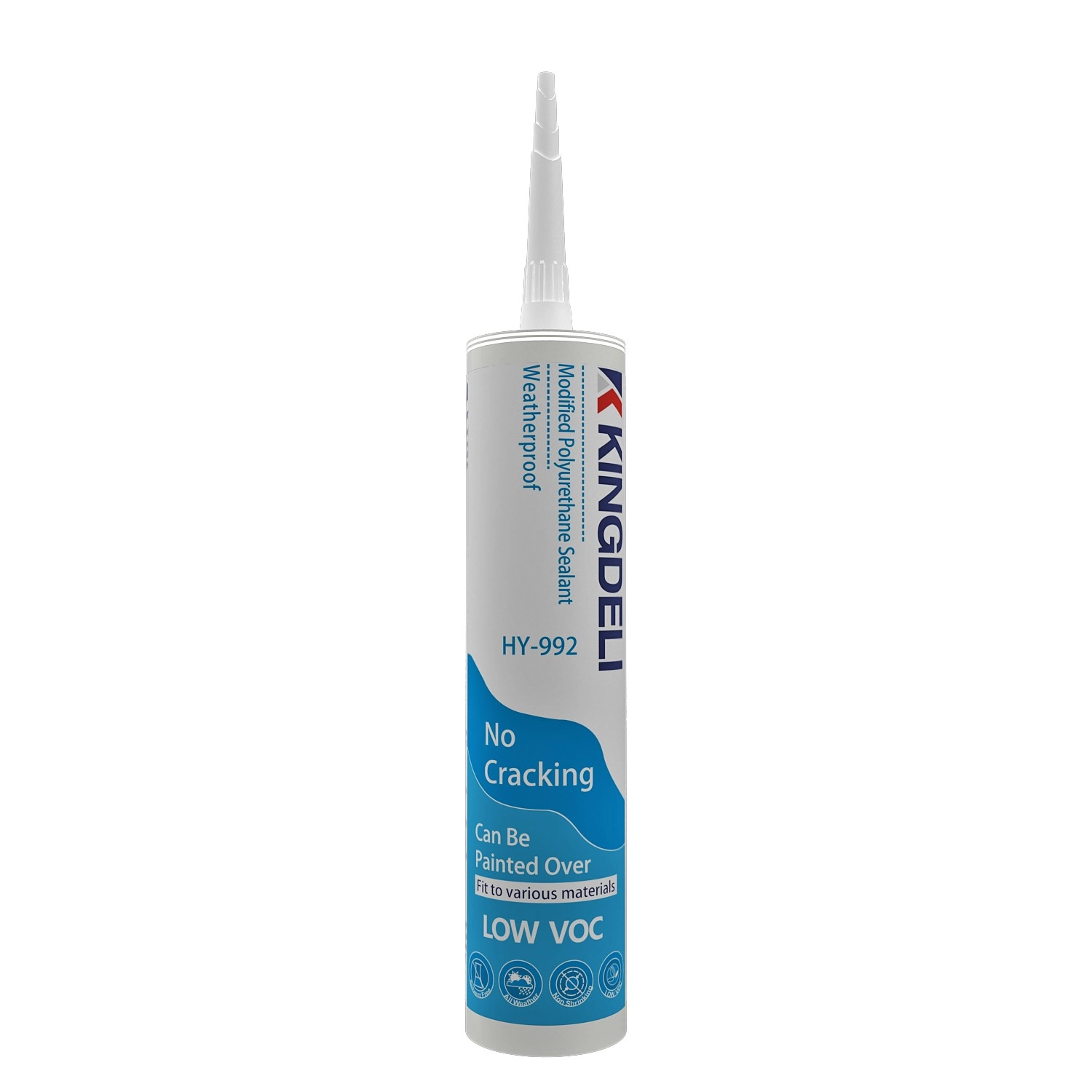
HY992 Modified Polyurethane Construction Sealant
HY992 Modified Polyurethane Sealant is a one-component, moisture-curing construction sealant designed for professional building and structural sealing applications. It provides excellent adhesion, weather resistance, and durable elasticity, making it suitable for a wide range of construction materials.
The formulation delivers strong bonding performance without corrosion or substrate contamination, while maintaining low VOC content for environmentally responsible construction projects.

HY995 Crystal Clear Ms Polymer Adhesive/Sealant
HY995 Crystal Clear Ms Polymer Adhesive/Sealant is a new generation MS Polymer adhesive / sealant formulated for all bonding and sealing applications where long term reliability is required. It has excellent bonding strength on various materials. It will cure to form a durable, flexible, waterproof seal.

HY997 High-Performance Anti-Microbial MS Polymer Sealant
HY997 MS polymer sealant for is is a premium one-component, neutral-curing modified silane sealant engineered for demanding interior applications. It offers a Class 20 movement capability, ensuring long-lasting flexibility and reliable performance under dynamic joint conditions. Curing at room temperature, HY997 delivers superior anti-microbial and mildew-resistant properties, maintaining hygienic and clean environments over time.
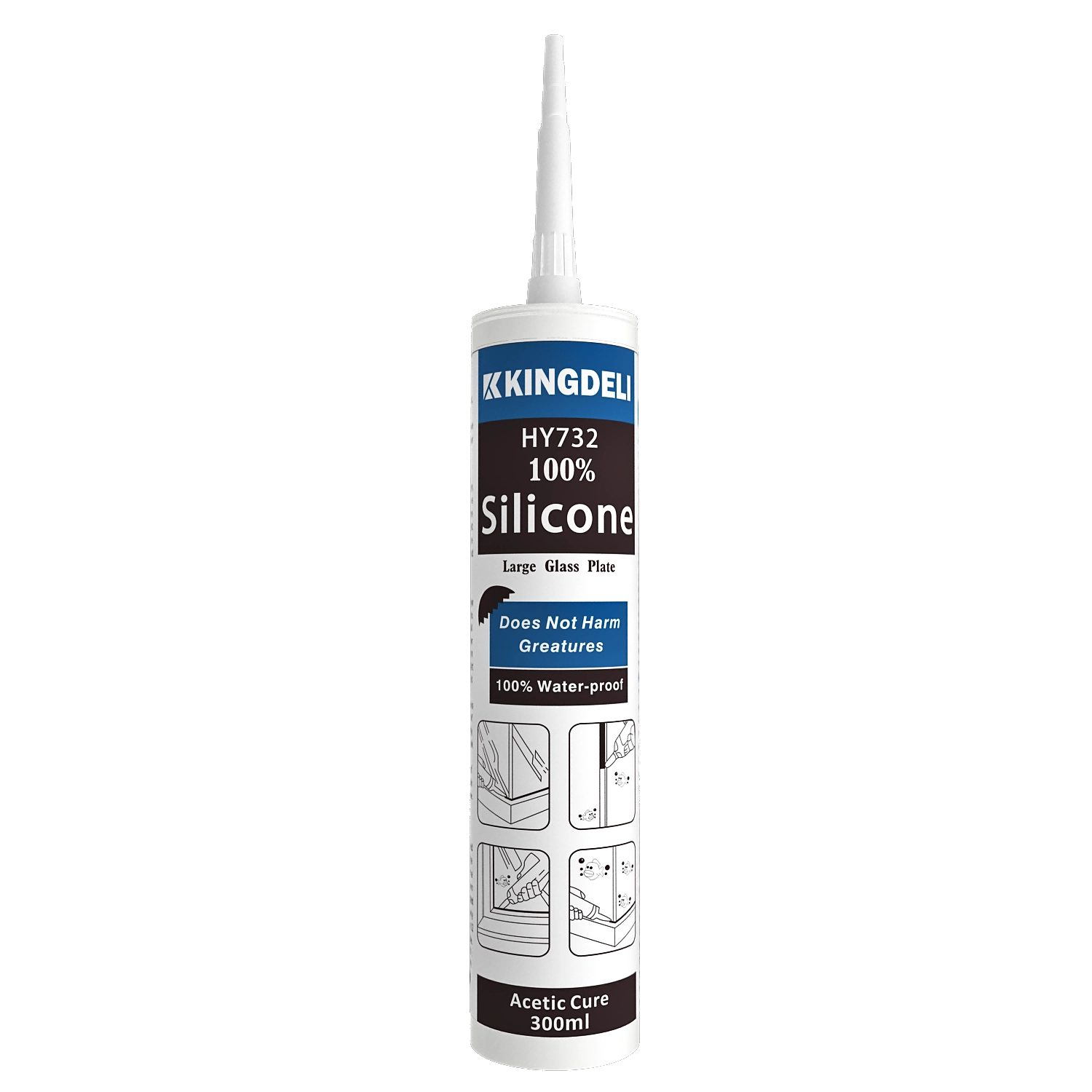
KINGDELI HY732 Professional Acetoxy Cure Silicone Sealant
KINGDELI HY732 is a professional-grade, one-component acetoxy cure silicone sealant designed for fast curing, strong adhesion, and long-lasting flexibility. Ideal for aquariums, glass applications, aluminum doors and windows, kitchens, and bathrooms, it provides reliable sealing performance with excellent anti-fungal protection in high-humidity environments.
Let’s Build Stronger Bonds with Quality Adhesives and Sealants
Have questions about the topic or need tailored sealant solutions for your project?
Our team is ready to provide expert guidance, product recommendations, and application support.
Innovating with Integrity, Bonding the World
Since 1998, KINGDELI has delivered trusted, sustainable sealant solutions that connect industries and inspire progress worldwide.
Whatsapp: +8618825946249
Kingdeli
Kingdeli
Kingdeli
Kingdeli
Kingdeli