











Custom Formulations and Private Label MS Silicone Sealant

- Why MS Silicone Sealant Is Often the Best Choice
- Core properties and chemistry
- Typical applications where MS outperforms alternatives
- MS vs. other technologies — quick comparison
- How I Develop Custom MS Silicone Sealant Formulations
- Defining the brief: performance, compliance, and cost
- Key formulation variables
- Testing and validation: standards and methods
- Private Label and OEM Process: Practical Steps I Use
- From NDA and sampling to pilot batches
- MOQ, lead times, packaging and labelling
- Quality assurance, traceability and compliance
- Application, Troubleshooting and Long-Term Performance
- Surface preparation and best application practices
- Common failure modes and remedies
- Storage, shelf life and warranty
- Production Partner Spotlight: KINGDELI — Capabilities and Why It Matters
- Frequently Asked Questions (FAQ)
- 1. What is the main difference between MS silicone sealant and neutral silicone?
- 2. Can MS silicone be painted, and how long should I wait to paint?
- 3. What regulatory certifications should I check for private label sealants?
- 4. How do you handle color matching and color stability for outdoor joints?
- 5. What are typical minimum order quantities and lead times for private label MS silicone?
- 6. How do I assess adhesion to difficult plastics or coatings?
- Contact and Next Steps
I help manufacturers, distributors, and design teams develop and private label high-performance MS silicone sealant solutions to meet specific substrate, environmental, and regulatory requirements. In this article I describe how MS (silane-modified) silicone sealants differ from other sealants, how I approach custom formulations, the private-label process from sampling to full production, and practical application and troubleshooting advice that reduces field failures and improves customer satisfaction.
Why MS Silicone Sealant Is Often the Best Choice
Core properties and chemistry
MS silicone sealant (often called MS polymer or silane-terminated polymer sealant) is a hybrid technology that combines the elastomeric flexibility and UV/weather resistance associated with silicones with paintability and lower VOCs common to polymer-based sealants. Its cure mechanism is based on moisture-triggered silane condensation rather than acetic acid (as in acetic silicones) or isocyanate chemistry (as in many polyurethanes). For a general overview of sealants and their functions see Sealant — Wikipedia.
Typical applications where MS outperforms alternatives
I recommend MS silicone sealant where you need good adhesion to mixed substrates (metal, glass, anodized aluminum, coated panels, powder-coated surfaces, some plastics), UV stability, and paintability. Common applications include curtain wall glazing secondary seals, facade joints, window and door perimeters, vehicle interiors and exteriors, and industrial assembly where low odor and low-VOC formulations are required. For background on silicone characteristics see Silicone — Wikipedia.
MS vs. other technologies — quick comparison
| Property | MS Silicone Sealant | Neutral/Acetic Silicone | Polyurethane Sealant | Acrylic Sealant |
|---|---|---|---|---|
| Cure mechanism | Moisture-triggered silane condensation | Moisture (acetic or neutral) | Polyaddition (isocyanate based) | Water-based polymerization |
| Odor and corrosion risk | Low odor, non-corrosive | Acetic can be corrosive; neutral is better | Moderate odor; careful substrate prep | Low odor; paintable |
| Paintability | Excellent | Poor to limited | Good | Excellent |
| UV/weather resistance | Very good | Excellent | Good | Poor |
| Typical VOC | Low | Low to moderate | Variable; can be higher | Low |
Sources: industry overviews and product literature; general references include the Adhesive and Sealant Council and manufacturer technical datasheets.
How I Develop Custom MS Silicone Sealant Formulations
Defining the brief: performance, compliance, and cost
Every custom formulation begins with a clear client brief. I gather target substrates, expected joint movement, exposure conditions (UV, salt spray, chemicals), color and paintability needs, shelf-life expectations, regulatory constraints (low-VOC limits or specific certifications), packaging preferences, and target unit cost. A well-documented brief reduces iterations and shortens time-to-market.
Key formulation variables
When creating or tweaking an MS silicone sealant I typically consider the following variables:
- Polymer backbone and molecular weight — controls elasticity and sag resistance.
- Crosslinker type and level — adjusts cure speed and final mechanical properties.
- Fillers and rheology modifiers — determine slump, tooling, and hardness.
- Adhesion promoters — tailored for difficult substrates like certain plastics or coated metals.
- Plasticizers and flexibility modifiers — for wide joint movement capability (e.g., ±25%).
- Colorants and UV stabilizers — necessary for long-term color stability and aesthetic requirements.
- VOC-reducing solvents or solvent-free systems — to meet regional environmental rules.
Each change affects other parameters (e.g., faster cure can reduce adhesion on low-temperature substrates), so I use design-of-experiments (DoE) to optimize formulations efficiently.
Testing and validation: standards and methods
Before moving to production I require a validation matrix that includes adhesion testing, shore A hardness, tensile and elongation tests, accelerated weathering (UV/condensation), chemical resistance, and movement capability testing. Relevant standards and references include ISO 9001 for quality management (ISO 9001), environmental management guidance (ISO 14001), and industry performance standards such as ASTM C920 for elastomeric joint sealants. For regulatory VOC considerations see the US EPA overview on VOCs.
Private Label and OEM Process: Practical Steps I Use
From NDA and sampling to pilot batches
I start every private label project with a mutual NDA and a technical questionnaire. After reviewing the brief I provide a scope, timeline, and budget. Typical stages are prototype samples (lab quantities), performance iteration, small pilot batch (for packaging validation), and full-scale production. Clear acceptance criteria accelerate approval cycles.
MOQ, lead times, packaging and labelling
Typical minimum order quantities and lead times depend on the manufacturer and formulation complexity. The table below reflects common industry ranges (as a guideline):
| Item | Typical Range |
|---|---|
| MOQ (cartons) | 1,000 - 5,000 units (varies by packaging and customer) |
| Pilot batch | 100 - 500 units |
| Lead time (prototype) | 2 - 6 weeks |
| Lead time (mass production) | 4 - 12 weeks after approval |
| Packaging options | Tubes, sausages, cartridges, bulk pails, IBCs |
These ranges are typical; I always confirm real-time capacity and logistics constraints with the selected manufacturer.
Quality assurance, traceability and compliance
Good private-label suppliers offer ISO-compliant quality systems, batch traceability, and third-party testing. I insist on certificates of analysis and stability testing. Where projects target export markets, certifications such as CE marking or ASTM compliance may be necessary. For industry-wide quality practices see ISO and the ASTM standards body.
Application, Troubleshooting and Long-Term Performance
Surface preparation and best application practices
Success in the field begins before squeezing the sealant. I recommend:
- Cleaning surfaces of oil, silicone contaminants, curing agents or release agents — ideal cleaners include isopropyl alcohol or manufacturer-recommended primers where necessary.
- Using a compatible primer for porous or low-energy plastics when testing shows adhesion risk.
- Applying correct joint geometry — typically a 2:1 width-to-depth ratio is a starting point; backer rod selection is critical for proper cure depth and joint movement.
- Tooling and finishing within the toolable time window to ensure adhesion and smooth appearance.
Common failure modes and remedies
Typical field problems and my recommended remedies:
- Poor adhesion: check contamination and consider a primer or change to a more adhesive MS grade.
- Skinning too fast or too slow: adjust crosslinker content or advise on ambient humidity control.
- Color shift or staining: use UV stabilizers, choose pigment systems with proven outdoor performance.
- Softening after chemical exposure: advise clients on chemical compatibility tests and recommend alternative chemistries where needed.
Storage, shelf life and warranty
MS silicone sealants generally store well if kept sealed in original packaging, away from heat and direct sunlight. Typical shelf life is 12–18 months depending on the formulation and storage conditions. My contracts include agreed-upon warranty provisions tied to specified substrates, joint design, and approved application procedures. For any safety and environmental obligations consult relevant local laws and global guidance such as the EPA.
Production Partner Spotlight: KINGDELI — Capabilities and Why It Matters
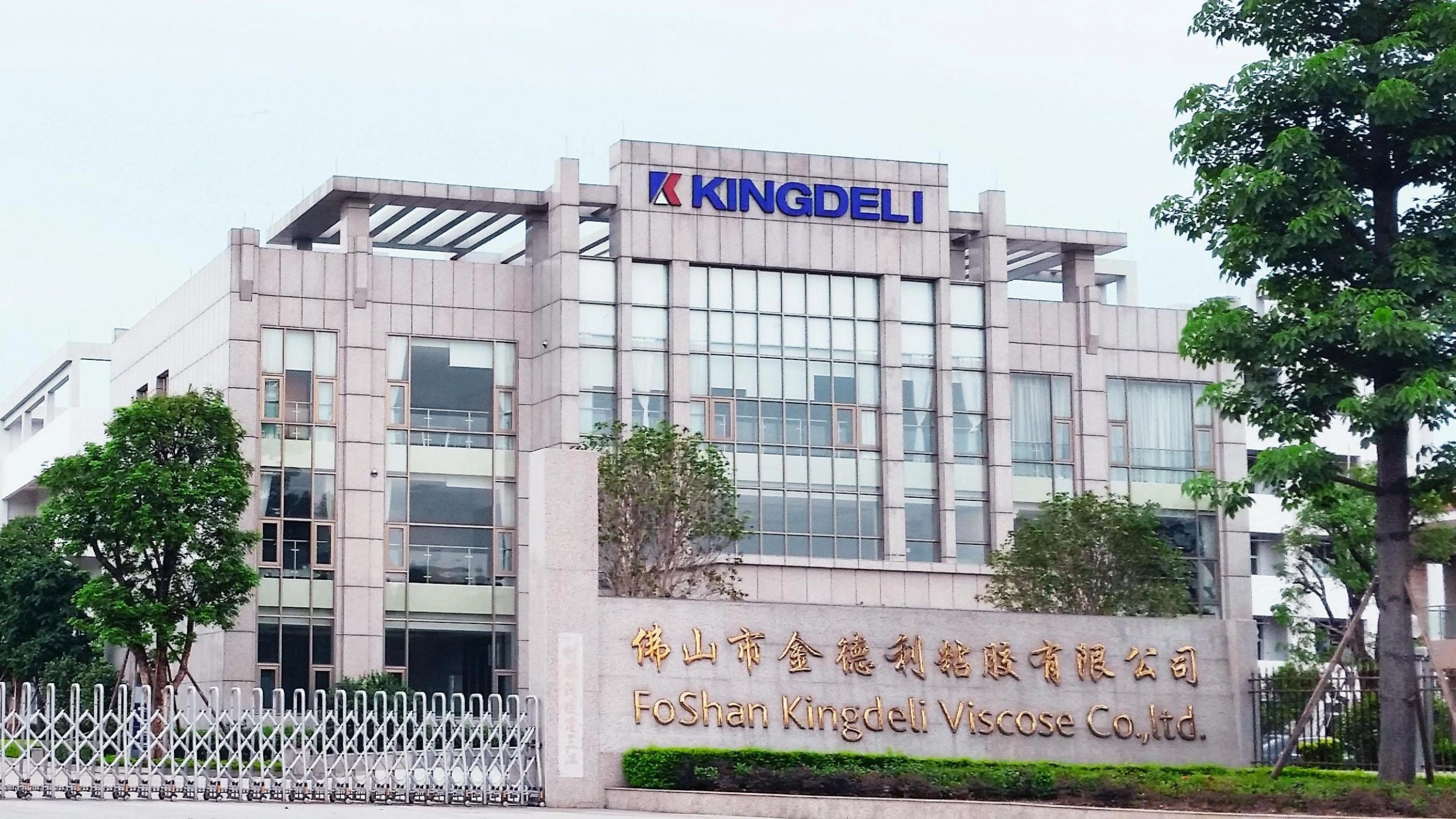
Since its establishment in 1998, KINGDELI has stood as a global leader in the high-performance sealant, adhesive, and coating industry. Headquartered in Foshan, China, our state-of-the-art 66,000 m² facility is powered by fully automated production lines with an annual capacity exceeding 100,000 tons, ensuring a consistent and robust supply for partners worldwide.
As a recognized National High-Tech Enterprise and a key contributor to the National Standard GB/T 29755-2013, we unite advanced manufacturing power with technical excellence. Our comprehensive product portfolio—spanning Neutral & Acetic Silicone, Polyurethane, MS Polymer, and No More Nails adhesives—is engineered to meet strict international standards, including ISO 9001, ISO 14001, CE, and ASTM.
With over 27 years of industry expertise and a trusted presence in 50+ countries, KINGDELI is more than a manufacturer; we are a dedicated solution provider. We offer end-to-end OEM/ODM support, sustainable low-VOC formulations, and professional technical service. At KINGDELI, we are driven by innovation and integrity, building trust and sealing the future for customers around the globe.
To summarize KINGDELI's competitive strengths in relation to custom MS silicone sealant projects: a long production history, automated high-capacity lines for supply reliability, contribution to national standards (GB/T 29755-2013), international certifications (ISO 9001, ISO 14001, CE, ASTM compliance), strong R&D for custom and low-VOC formulations, and full OEM/ODM support for private-label customers.
Key product families available for private label include: neutral silicone sealant, acetic silicone sealant, acrylic sealant, silicone glazing sealant, No More Nails adhesive, polyurethane sealant, MS polymer sealant, RTV gasket maker, epoxy tile grout, and self-leveling sealant.
Frequently Asked Questions (FAQ)
1. What is the main difference between MS silicone sealant and neutral silicone?
MS silicone (silane-modified) is a hybrid polymer with moisture cure and is paintable and non-corrosive. Neutral silicone cures neutral (non-acetic) and is typically excellent for glazing but may not be as paintable as MS in some formulations. Selection depends on substrate compatibility and end-use requirements.
2. Can MS silicone be painted, and how long should I wait to paint?
Most MS silicone sealants are paintable, but the paintability window and primer requirements vary. I recommend performing adhesion tests with the intended paint system. As a rule of thumb, allow full cure (depending on joint depth and humidity) and consult your technical datasheet; a typical waiting time is 24–72 hours for surface painting after initial tack-free time.
3. What regulatory certifications should I check for private label sealants?
Check for ISO quality management (ISO 9001), environmental management (ISO 14001), product standards relevant to your market (e.g., ASTM standards in the US, CE marking in the EU), and VOC compliance for your target markets. Suppliers should provide test reports and certificates.
4. How do you handle color matching and color stability for outdoor joints?
I specify UV-stable pigments and additives, perform accelerated weathering (QUV) tests, and supply trial panels for client approval. For dark or custom colors, adjust formulation to resist chalking and fading, and document acceptable tolerances.
5. What are typical minimum order quantities and lead times for private label MS silicone?
Typical MOQs can range from 1,000 to 5,000 units depending on packaging and the manufacturer's policies; lead times vary from a few weeks for prototypes to several weeks for full production. Exact terms are negotiated per project; see the earlier table for typical ranges.
6. How do I assess adhesion to difficult plastics or coatings?
Perform adhesion tests (peel and tensile) after recommended surface preparation; where adhesion is marginal, a primer can be used. I always recommend a bonded joint test under expected service conditions including temperature and humidity cycling.
Contact and Next Steps
If you are considering custom formulations or private label MS silicone sealant products, I can help evaluate requirements, select the right chemistry, and manage the OEM/ODM process end-to-end. For product samples, technical datasheets, and commercial terms, please contact our technical sales team or view our product catalog. I can also arrange trial panels or on-site support to validate joint designs and application methods.
Contact us to discuss your project scope, timelines, and regulatory needs. Explore our product range and request custom samples to accelerate your time to market.
MS Silicone Sealant Compatibility with Paints and Coatings
Top polyurethan sealant adheres to metal Manufacturers and Suppliers
Top 10 acrylic sealant Manufacturers and Supplier Brands in Hardware and Building Materials
OEM/ODM neutral cure clear silicone sealant Manufacturers and Suppliers
HY-682
What substrates can it bond to?
It adheres strongly to almost all common construction and industrial materials, including concrete, metal, stone, ceramics, epoxy flooring, and painted surfaces.
Exceptions: PE, PP, and PPR materials.
HY-939
Can parts sealed with HY939 be disassembled later?
Yes. The cured sealant allows for relatively easy disassembly during maintenance without damaging mating surfaces.
HY993
What is the shelf life of HY993?
Both cartridge and foil packaging have a 12-month shelf life when stored unopened in cool, dry conditions.
HY-951
Is HY951 waterproof and mildew-resistant?
Yes. HY951 provides excellent waterproof performance and long-term mildew resistance, making it ideal for wet and high-humidity environments.
Is HY951 easy to clean and maintain?
Yes. The smooth, non-porous surface resists stains and dirt, making routine cleaning quick and simple.
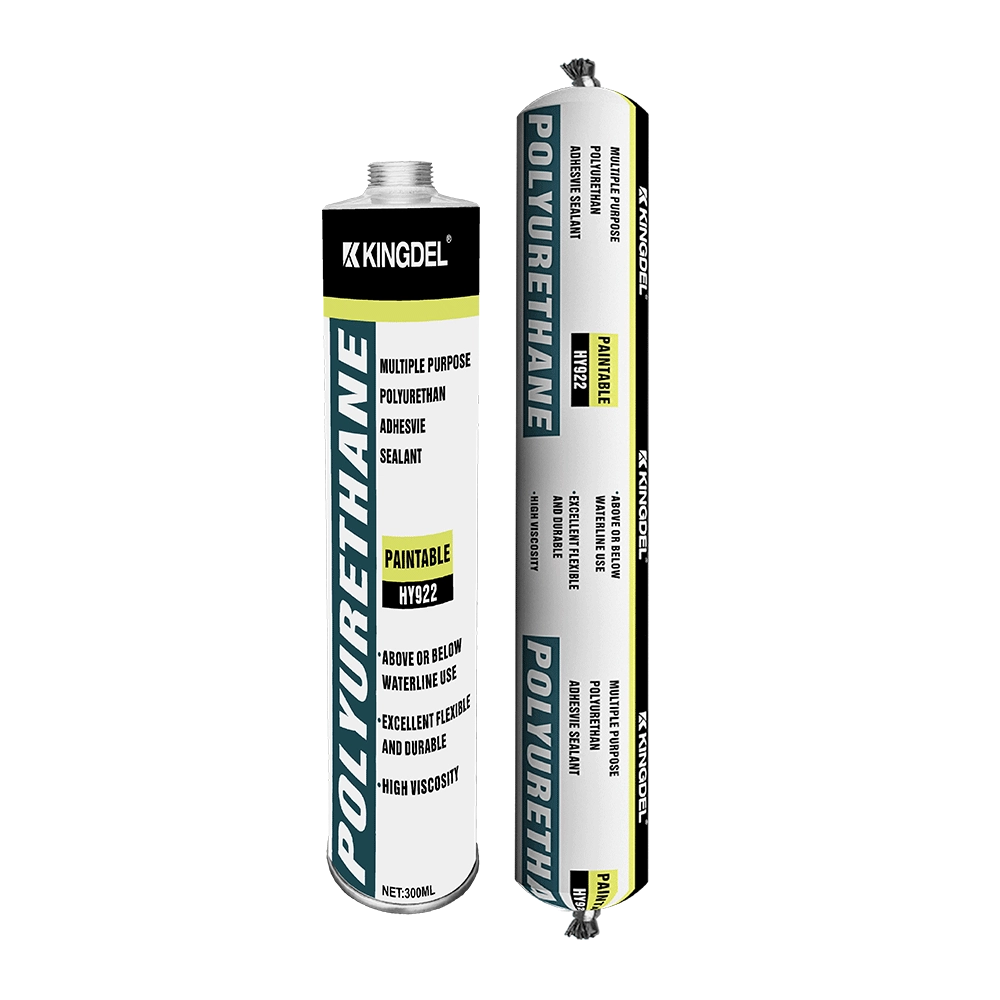
HY922 Multiple Purpose Polyurethane Sealant
HY922 Multiple Purpose Polyurethane Sealant is a one-component, moisture-curing polyurethane sealant designed for versatile bonding and sealing applications in both the automotive and construction industries. It cures to form a flexible yet tough elastomeric joint with excellent adhesion to a wide range of substrates. The formulation is non-corrosive, solvent-free, and produces a smooth, bubble-free finish during application.
HY922 delivers fast surface drying and quick positioning, improving installation efficiency while maintaining long-term durability. With strong weather resistance and good creep resistance, it performs reliably in demanding indoor and outdoor environments, including moist and partially submerged conditions.
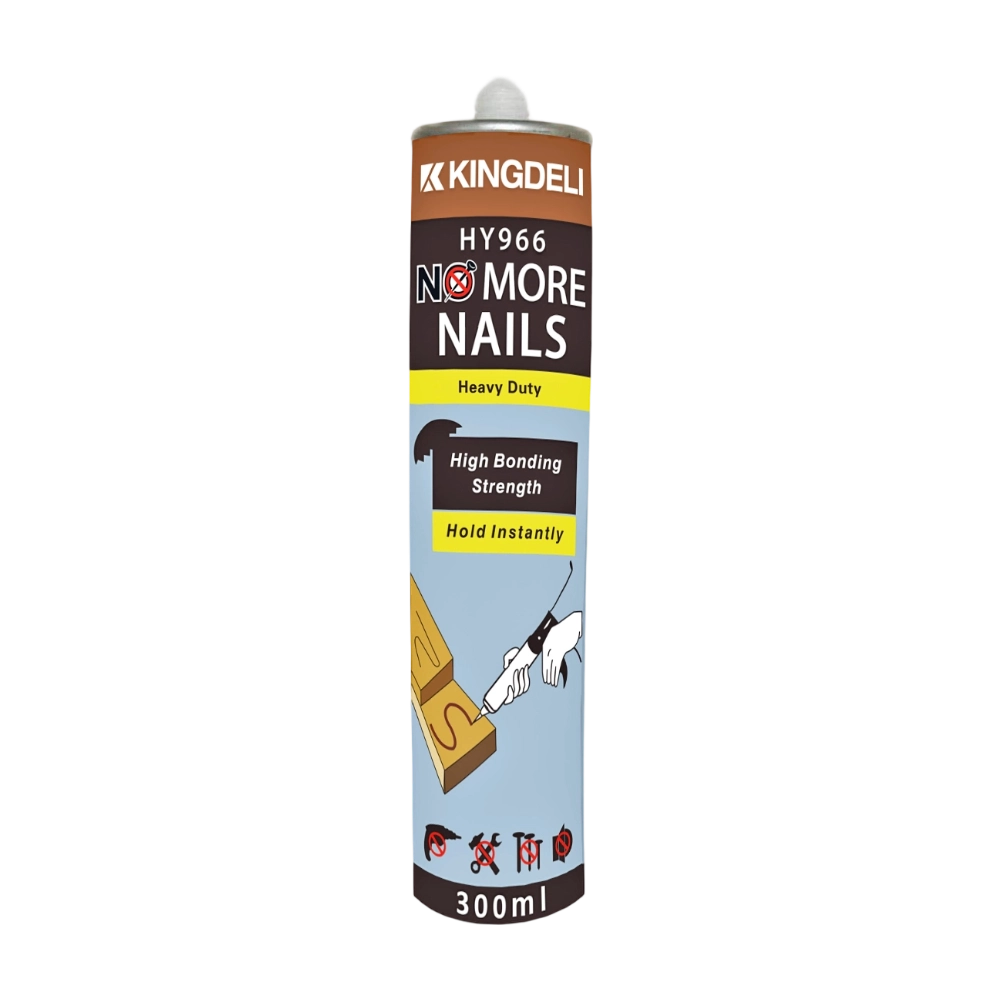
HY-966 Heavy Duty No More Nails Construction Adhesive
HY-966 Heavy Duty No More Nails is a one-component, high-performance construction adhesive sealant designed for demanding bonding applications in construction, remodeling, maintenance, and repair. Its instant grab formulation secures materials immediately, significantly reducing the need for bracing or mechanical fixing during installation.
HY-966 cures reliably in moist environments and delivers durable adhesion across a wide range of substrates. It provides excellent resistance to water, temperature variation, and aging, ensuring long-term performance in interior construction applications.
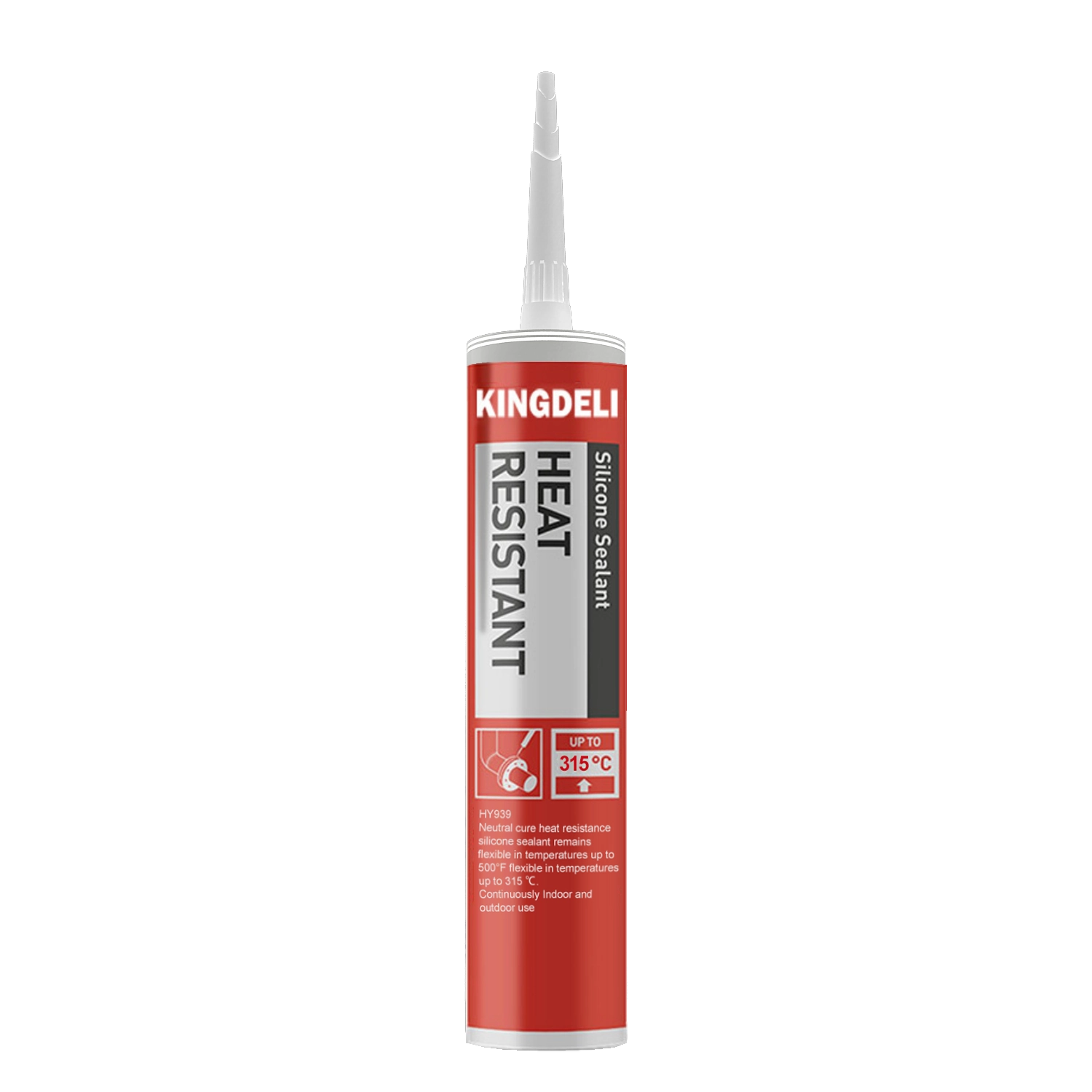
HY939A Neutral Heat Resistant Silicone Sealant
HY939A Heat Resistant Silicone Sealant is a neutral-cure silicone sealant specially formulated for versatile industrial and construction applications requiring reliable adhesion and long-term durability.
The sealant provides strong, non-corrosive adhesion to a variety of substrates, including glass, metal, gypsum board, marble, and certain plastics, making it ideal for both structural and sealing purposes.
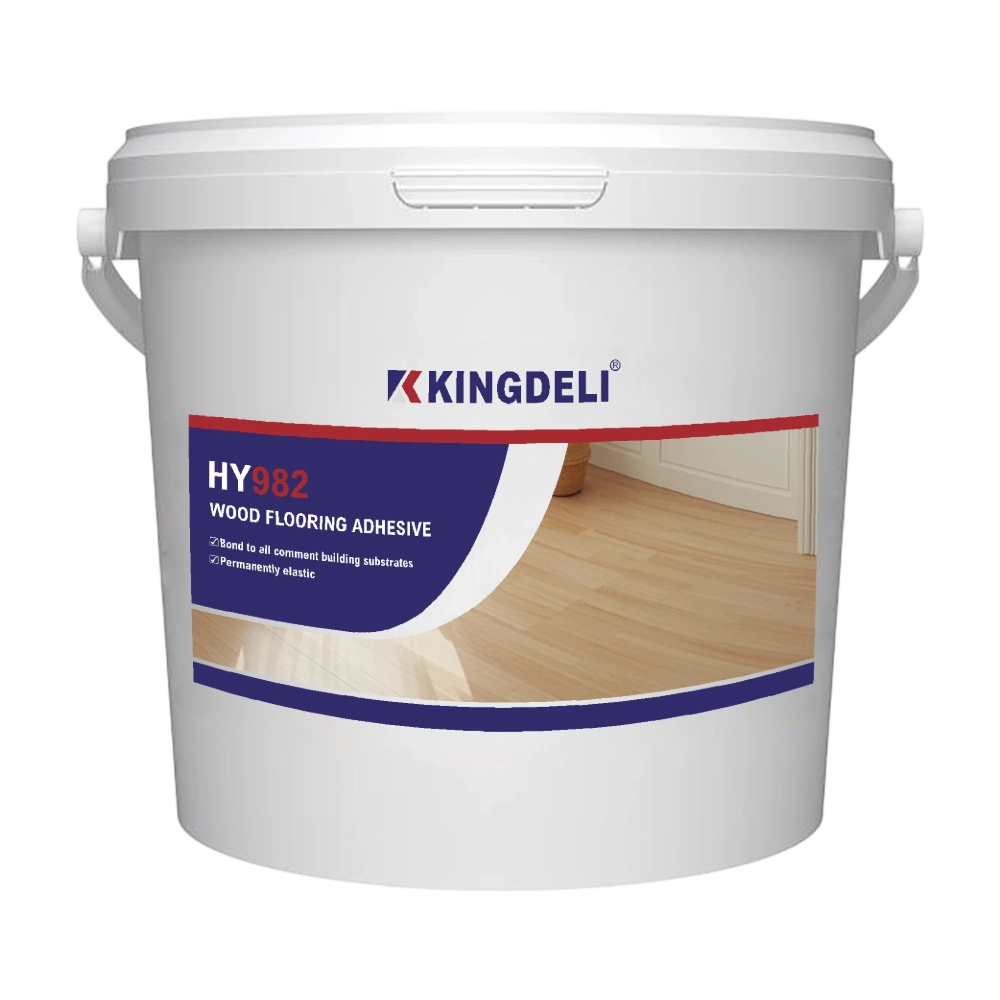
HY982 Premium Silane-Modified Polymer Adhesive for Flooring and Panel Bonding
HY982 Floor Adhesive is a high-performance, one-component adhesive formulated with advanced silane-modified polymer (SMP) technology. It is paintable, non-staining, and environmentally friendly, offering exceptional bonding strength without the need for a primer.
Designed for modern interior installations, HY982 Floor Adhesive provides excellent adhesion to wood, metal, stone, sintered slabs, glass, ceramics, and many other common building materials—making it the ideal choice for flooring installation and panel bonding applications crystal clear formulation.
Let’s Build Stronger Bonds with Quality Adhesives and Sealants
Have questions about the topic or need tailored sealant solutions for your project?
Our team is ready to provide expert guidance, product recommendations, and application support.
Innovating with Integrity, Bonding the World
Since 1998, KINGDELI has delivered trusted, sustainable sealant solutions that connect industries and inspire progress worldwide.
Whatsapp: +8618825946249
Kingdeli
Kingdeli
Kingdeli
Kingdeli
Kingdeli