











Custom Formulations and OEM Options for Acetic Silicone

- Understanding Acetic Silicone: chemistry, properties and use cases
- How acetic silicone cures and why that matters
- Key performance attributes and typical limitations
- Custom formulation levers for acetic silicone sealant
- Defining the performance brief: adhesion, mechanicals, and durability
- Additives and modifiers: tailoring cure, adhesion and longevity
- Color, gloss and pigment management
- OEM production and quality considerations
- Scale-up: from lab batch to 100,000+ tons annual capacity
- Testing, standards and certifications required for market acceptance
- Packaging, logistics and shelf-life control
- How I evaluate and recommend OEM partners
- Technical support, R&D and formulation IP
- Quality systems, traceability and regulatory compliance
- KINGDELI — a partner profile and capabilities
- Practical comparisons and selection guide
- FAQs about acetic silicone sealant formulations and OEM options
- 1. Can an acetic silicone be made low-VOC or odorless?
- 2. Will acetic silicone corrode metal fasteners or substrates?
- 3. How long does a custom formulation take from concept to production?
- 4. Can you match a competitor color and mechanical profile for an OEM product?
- 5. What tests should I require from an OEM before accepting production batches?
- 6. How do I balance speed of cure and long-term flexibility?
Acetic silicone sealant is a widely used single-component, acetoxy-cure sealant known for fast skin formation, strong adhesion to glass and non-porous substrates, and economical performance for glazing and general construction. In this article I draw on years of R&D and OEM experience to explain how we create custom formulations, what trade-offs you must manage (adhesion, cure rate, corrosion risk, color stability), and how OEM supply decisions affect cost, consistency, and compliance for global projects. I also outline testing and regulatory checkpoints and show how an experienced partner can translate a product brief into a manufacturable, certifiable sealant.
Understanding Acetic Silicone: chemistry, properties and use cases
How acetic silicone cures and why that matters
Acetic silicone sealants (often called acetoxy-cure silicones) cure by release of acetic acid during crosslinking. This chemistry yields rapid skin formation and early tack development, which benefits fast production assembly and vertical glazing. The curing mechanism is well summarized in public resources such as the Silicone sealant Wikipedia entry (https://en.wikipedia.org/wiki/Silicone_sealant) and general silicone chemistry overviews (https://en.wikipedia.org/wiki/Silicone).
Key performance attributes and typical limitations
Typical strengths of acetic silicone sealant include excellent adhesion on glass, glazed ceramics and many metals, long-term elasticity, and good weather resistance. Limitations include potential corrosion on sensitive metals (e.g., copper, zinc), strong vinegar-like odor during cure from acetic acid, and challenges with paintability. When I design formulations, I balance these attributes according to the customer brief: speed versus substrate friendliness, hardness versus movement accommodation, and colorfastness versus cost.
Custom formulation levers for acetic silicone sealant
Defining the performance brief: adhesion, mechanicals, and durability
Every custom formulation starts with a clear performance brief. I ask targeted questions: which substrates (glass, anodized aluminum, painted metal, plastics) must the sealant adhere to? What joint movement (%) must it tolerate? Is early green strength critical? What are exposure conditions (UV, salt spray, high humidity, subzero)? Typical targets I use are:
- Movement capability: 12.5%–25% for general glazing, up to 50% for expansion joints.
- Shore A hardness: 15–50 depending on tooling and modulus needs.
- Tensile/elongation: specify vendor-acceptable ranges; many silicones reach 200%–700% elongation in datasheets.
Those ranges come from aggregated industry datasheets and standards; for standards and definitions see ISO guidance on sealants and movement classes (https://www.iso.org/standard/).
Additives and modifiers: tailoring cure, adhesion and longevity
To reach a target brief I select crosslinker levels, fillers, plasticizers and adhesion promoters. Common levers include:
- Silane-functional adhesion promoters for primerless adhesion to plastics and painted substrates.
- Fumed silica and treated fillers to adjust rheology and sag resistance for vertical joints.
- Plasticizers or low-modulus base polymers to boost movement capability and lower Shore A.
When low-VOC performance is required, I prefer active raw materials with minimal volatile by-products or explore neutral-cure alternatives for sensitive projects, although neutral silicones present different trade-offs. For VOC context see the U.S. EPA overview on volatile organic compounds (https://www.epa.gov/indoor-air-quality-iaq/technical-overview-vocs).
Color, gloss and pigment management
Color consistency across batches is a common OEM challenge. I specify pigment systems and dispersants early. For pigmented acetic silicone sealants we control pigmentation at the millisecond of mixing and lock formula in the bill of materials to maintain Delta E targets. UV-stable inorganic pigments (e.g., coated iron oxides) typically outperform organic pigments in outdoor colorfastness.
OEM production and quality considerations
Scale-up: from lab batch to 100,000+ tons annual capacity
Scaling a custom acetic silicone involves process reproducibility, mixing energy control, degassing, and controlled addition of moisture-scavenging ingredients. Manufacturing partners with automated metering and closed transfer systems reduce variability and contamination risk. For companies seeking global supply consistency I emphasize the importance of documented process controls and batch traceability.
Testing, standards and certifications required for market acceptance
Products should be tested against relevant standards. Useful references include FEICA (Association of the European Adhesive & Sealant Industry) documentation (https://www.feica.eu/) and general quality systems like ISO 9001 (https://www.iso.org/iso-9001-quality-management.). Typical tests used in OEM validation programs include:
- Adhesion over time on target substrates (peel and lap shear).
- Weathering and UV/thermal cycling tests to evaluate durability.
- Corrosion tests where metal compatibility is a concern (salt spray).
- VOC content and emission testing for low-VOC claims.
Many OEM customers require CE/ASTM testing or project-specific certificates; anticipating those early avoids delays.
Packaging, logistics and shelf-life control
I advise OEM customers to standardize on packaging formats suited to their use case: cartridges for field application, sausages for industrial automation, and bulk drums for dispensing lines. For acetic silicone, moisture ingress control is critical for shelf life, so sealed barrier packaging and nitrogen blankets for large storage are common practices.
How I evaluate and recommend OEM partners
Technical support, R&D and formulation IP
When selecting a manufacturer I prioritize partners with in-house R&D, pilot-scale lines, and the ability to develop and protect custom formulations. A strong partner provides toll-manufacturing options, accelerated aging tests, and joint failure-mode analysis. This reduces time-to-market and mitigates post-launch quality issues.
Quality systems, traceability and regulatory compliance
Certifications like ISO 9001, ISO 14001 and recognized product test reports are minimum expectations. For environmental and corporate compliance, an OEM should provide Material Safety Data Sheets (MSDS), RoHS/REACH status when applicable, and assist with product registrations in target markets.
KINGDELI — a partner profile and capabilities
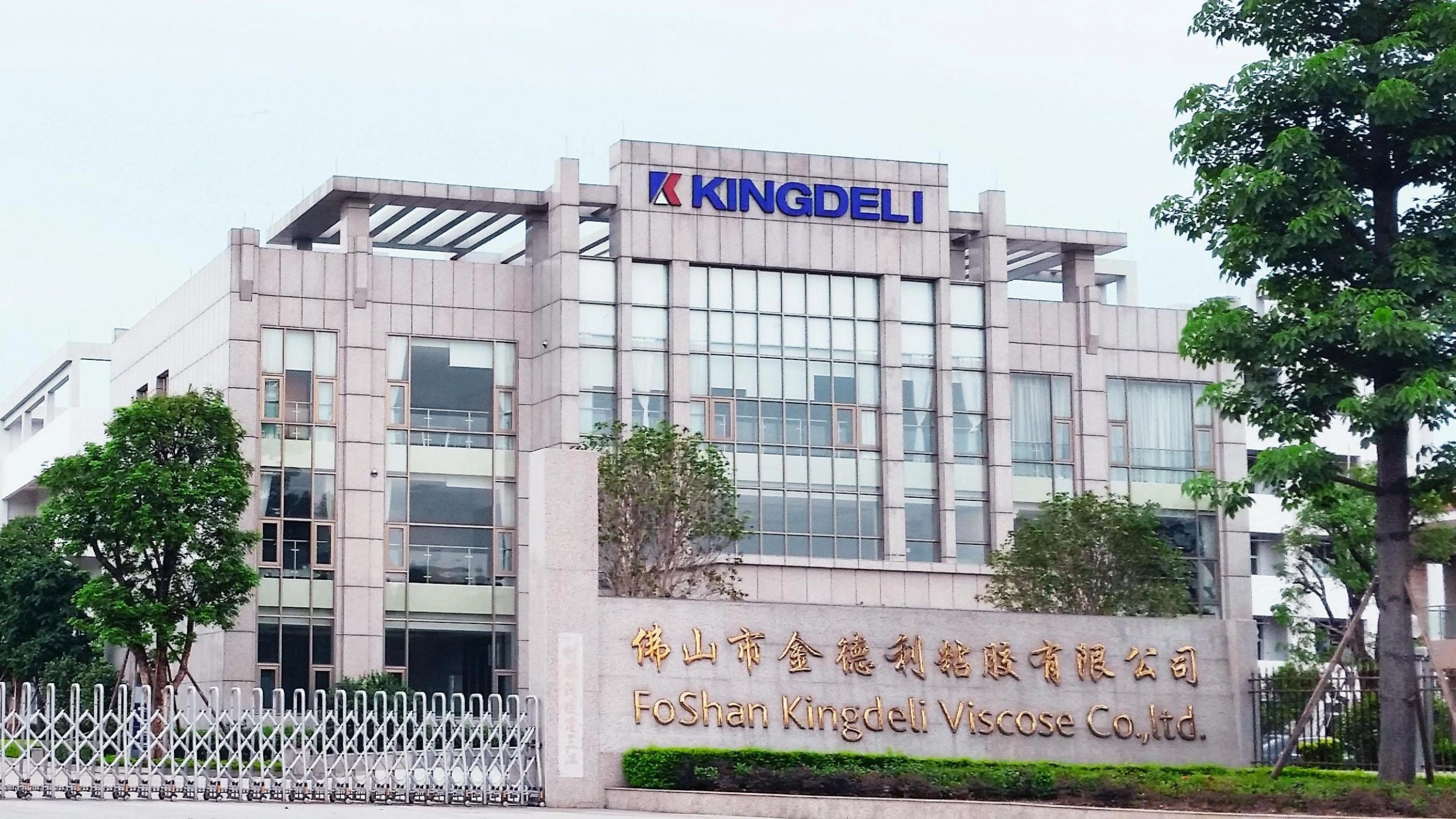
Since its establishment in 1998, KINGDELI has stood as a global leader in the high-performance sealant, adhesive, and coating industry. Headquartered in Foshan, China, our state-of-the-art 66,000 m² facility is powered by fully automated production lines with an annual capacity exceeding 100,000 tons, ensuring a consistent and robust supply for partners worldwide.
As a recognized National High-Tech Enterprise and a key contributor to the National Standard GB/T 29755-2013, we unite advanced manufacturing power with technical excellence. Our comprehensive product portfolio—spanning Neutral & Acetic Silicone, Polyurethane, MS Polymer, and No More Nails adhesives—is engineered to meet strict international standards, including ISO 9001, ISO 14001, CE, and ASTM.
With over 27 years of industry expertise and a trusted presence in 50+ countries, KINGDELI is more than a manufacturer; we are a dedicated solution provider. We offer end-to-end OEM/ODM support, sustainable low-VOC formulations, and professional technical service. At KINGDELI, we are driven by innovation and integrity, building trust and sealing the future for customers around the globe.
KINGDELI main products include: neutral silicone sealant, acetic silicone sealant, Acrylic Sealant, silicone glazing sealant, No More Nails adhesive, Polyurethane Sealant, MS polymer Sealant, RTV Gasket Maker, Epoxy Tile Grout, Self-Leveling Sealant.
Practical comparisons and selection guide
Below is a concise comparison between acetic (acetoxy) silicone and neutral-cure silicone sealants to help choose the right chemistry for your application.
| Property | Acetic (acetoxy) silicone | Neutral-cure silicone |
|---|---|---|
| Curing by-product | Acetic acid (vinegar odor) | Alcohol or oxime (milder odor) |
| Substrate compatibility | Excellent on glass; can corrode sensitive metals | Better for metals and electronics |
| Typical application | Glazing, sanitary joints, general sealing | Electronics, sensitive metals, food-contact varieties |
| Price | Generally lower-cost | Often higher-cost |
Sources for general chemistry and application notes include FEICA and the Wikipedia overview on silicone sealants (https://en.wikipedia.org/wiki/Silicone_sealant), and industry guidance from FEICA (https://www.feica.eu/).
FAQs about acetic silicone sealant formulations and OEM options
1. Can an acetic silicone be made low-VOC or odorless?
Acetoxy-cure chemistries inherently release acetic acid during cure, so they cannot be completely odorless in the same way some neutral-cure systems can. However, I can formulate low-VOC acetoxy products that minimize additional volatiles and use additives to reduce perceived odor during early cure. For truly low-odor or non-acidic cures, a neutral-cure or oxime/alkoxy system is preferable.
2. Will acetic silicone corrode metal fasteners or substrates?
Acetic acid vapors from cure can cause corrosion on sensitive metals such as copper, brass, zinc and some plated surfaces. I recommend compatibility testing and, when necessary, a neutral-cure silicone or protective priming/coating to prevent corrosion. For guidance on material compatibility, refer to FEICA resources (https://www.feica.eu/).
3. How long does a custom formulation take from concept to production?
Typical development timelines I use: 4–8 weeks for a prototype formulation and lab validation, 2–6 weeks for pilot runs and packaging validation, and an additional 4–12 weeks for full production qualification and certification depending on testing requirements. Complex regulatory or project-specific testing can extend timelines.
4. Can you match a competitor color and mechanical profile for an OEM product?
Yes. With access to a sample and a clear specification for mechanicals and color tolerance (Delta E), an experienced R&D team can produce a matched formula. I emphasize that process controls and raw material stability are as important as the initial recipe to maintain long-term color and mechanical consistency.
5. What tests should I require from an OEM before accepting production batches?
Require a documented quality plan including batch certificates, adhesion test results on representative substrates, tensile/elongation and Shore A hardness testing, VOC reporting if claimed, and accelerated weathering data if the product will be exposed outdoors. For critical applications, request third-party or lab-verified reports referencing recognized standards.
6. How do I balance speed of cure and long-term flexibility?
This is a classic formulation trade-off. Faster cure often increases crosslink density and initial modulus, which may reduce long-term flexibility. I typically adjust crosslinker type and level, and use selected plasticizers or base polymer blends to achieve desired cure kinetics while preserving low modulus and high elongation for movement joints.
If you have a specific project brief, substrate list, or regulatory target, I can help turn that into a detailed OEM specification and production plan. Contact us to discuss formulation options, request samples, or start an OEM evaluation.
Contact / Request Samples: For custom formulation inquiries or to view KINGDELI product specifications for acetic silicone sealant and other adhesives, contact our technical team to arrange a consultation and sample program. We provide OEM/ODM services, product data sheets, and testing support to ensure your project success.
Top 10 high temperature sealant silicone Manufacturers and Supplier Brands in Hardware and Building Materials
Specifying Low-VOC MS Silicone Sealant for Regulatory Compliance
Cost Saving Tips for Bulk Procurement of MS Silicone Sealant
MS Silicone Sealant vs RTV Silicone: A B2B Comparison
HY723
How long does the sealant resist fire?
It provides fire resistance for up to four hours, though the exact duration depends on the specific joint configuration.
HY732
Is HY732 suitable for aquariums?
Yes, HY732 is suitable for aquarium bonding and sealing applications, offering strong adhesion and durable performance on glass surfaces.
HY-2100
How long does it take to fully cure?
Initial surface curing typically occurs within a few hours, depending on temperature and humidity. Full cure generally takes 24–48 hours, with thicker joints requiring longer.
HY-976
Is the adhesive paintable?
Yes. Once fully dry, the adhesive can be painted over.
HY-722
Can the sealant be painted?
No. Silicone is non-paintable. Use a paintable alternative if painting is required.
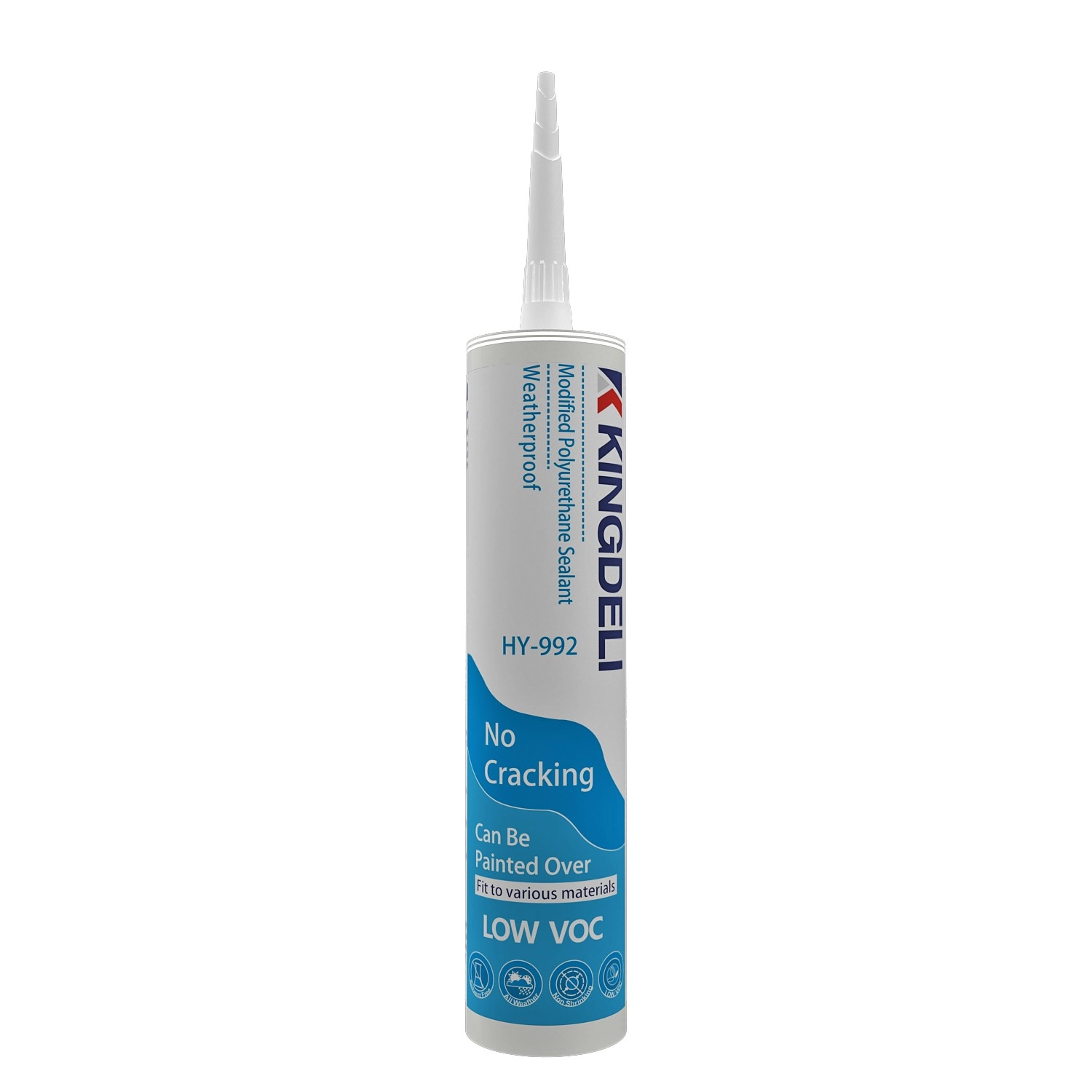
HY992 Modified Polyurethane Construction Sealant
HY992 Modified Polyurethane Sealant is a one-component, moisture-curing construction sealant designed for professional building and structural sealing applications. It provides excellent adhesion, weather resistance, and durable elasticity, making it suitable for a wide range of construction materials.
The formulation delivers strong bonding performance without corrosion or substrate contamination, while maintaining low VOC content for environmentally responsible construction projects.

HY995 Crystal Clear Ms Polymer Adhesive/Sealant
HY995 Crystal Clear Ms Polymer Adhesive/Sealant is a new generation MS Polymer adhesive / sealant formulated for all bonding and sealing applications where long term reliability is required. It has excellent bonding strength on various materials. It will cure to form a durable, flexible, waterproof seal.

HY997 High-Performance Anti-Microbial MS Polymer Sealant
HY997 MS polymer sealant for is is a premium one-component, neutral-curing modified silane sealant engineered for demanding interior applications. It offers a Class 20 movement capability, ensuring long-lasting flexibility and reliable performance under dynamic joint conditions. Curing at room temperature, HY997 delivers superior anti-microbial and mildew-resistant properties, maintaining hygienic and clean environments over time.
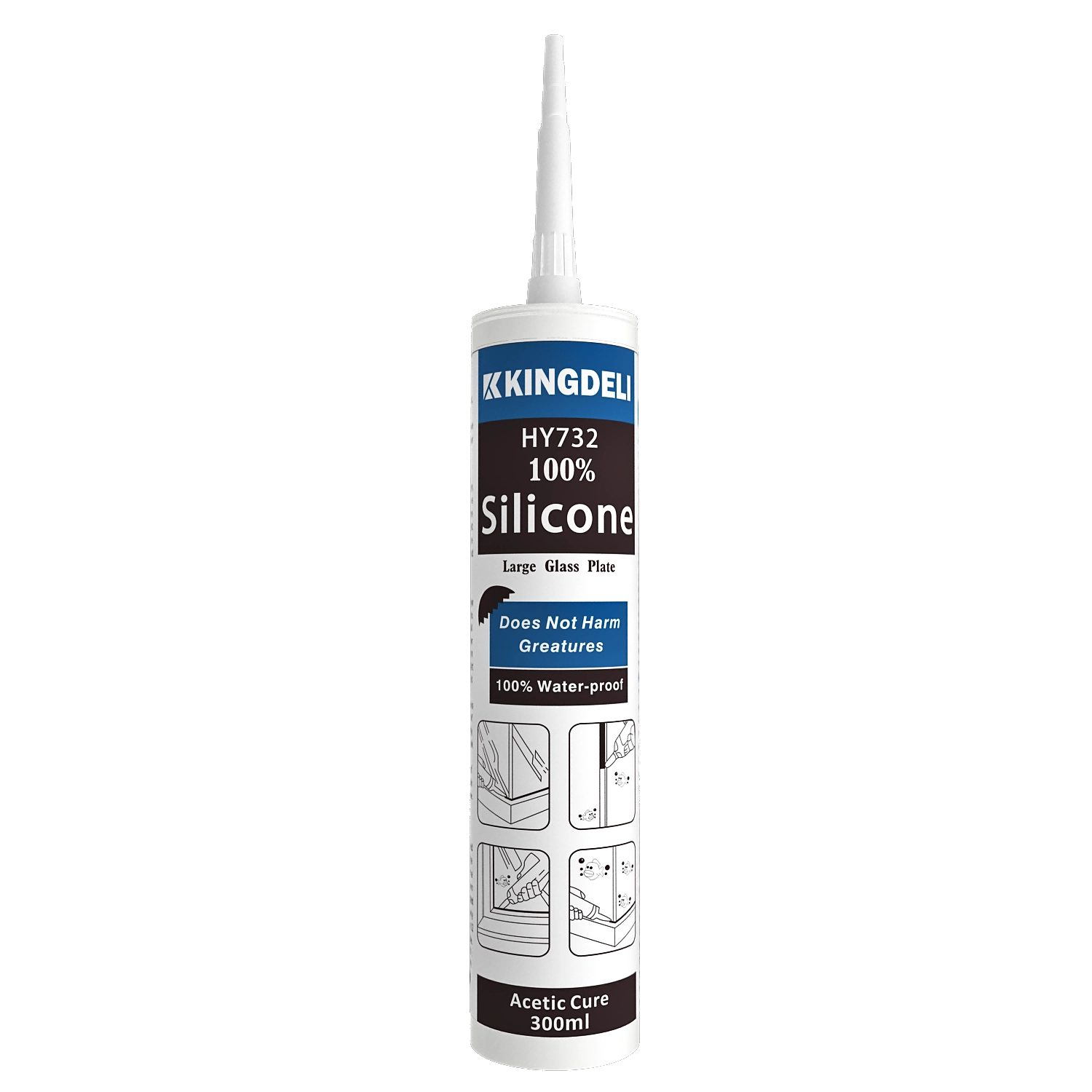
KINGDELI HY732 Professional Acetoxy Cure Silicone Sealant
KINGDELI HY732 is a professional-grade, one-component acetoxy cure silicone sealant designed for fast curing, strong adhesion, and long-lasting flexibility. Ideal for aquariums, glass applications, aluminum doors and windows, kitchens, and bathrooms, it provides reliable sealing performance with excellent anti-fungal protection in high-humidity environments.
Let’s Build Stronger Bonds with Quality Adhesives and Sealants
Have questions about the topic or need tailored sealant solutions for your project?
Our team is ready to provide expert guidance, product recommendations, and application support.
Innovating with Integrity, Bonding the World
Since 1998, KINGDELI has delivered trusted, sustainable sealant solutions that connect industries and inspire progress worldwide.
Whatsapp: +8618825946249
Kingdeli
Kingdeli
Kingdeli
Kingdeli
Kingdeli