











Compatibility: Substrates and Primers for Acetic Silicone Sealant

- Choosing the right sealant system for the job
- Why substrate compatibility matters
- When to choose acetic vs neutral silicone
- Relevant standards and testing
- Substrate-by-substrate compatibility and primer recommendations
- Non-porous mineral substrates: glass, glazed ceramics, porcelain
- Porous mineral substrates: concrete, brick, stone
- Metals and coated metals
- Primers: when, which type, and application best practices
- When is a primer necessary?
- Types of primers and their functions
- Application and quality control
- Troubleshooting adhesion failures and best practice test matrix
- Common failure modes and causes
- Practical test matrix I use on site
- Comparative table: substrate vs primer recommendation
- KINGDELI: industry competence and product fit
- Practical project checklist and final recommendations
- Pre-application checklist
- Field best practices
- When to consult a specialist
- FAQ
- 1. Can I use acetic silicone on aluminum?
- 2. Do I always need a primer for concrete?
- 3. How do I test adhesion before specifying a sealant?
- 4. Will acetic silicone stain natural stone?
- 5. Can I paint over acetic silicone?
- 6. How long should I wait after priming to apply the sealant?
- Contact & product consultation
As a consultant with years of hands-on experience in sealants and adhesives, I start this article with a concise, acetic silicone sealant is a fast-curing, acetate-releasing, single-component elastomer widely used for glazing, sanitary joints, and general construction sealing. Its adhesion performance depends heavily on substrate chemistry, surface energy, porosity and the correct use of primers. In this article I walk through substrate compatibility, when and how to use primers, test methods to verify adhesion, and practical troubleshooting—citing industry standards and authoritative sources to make recommendations you can validate.
Choosing the right sealant system for the job
Why substrate compatibility matters
From my project experience, the most common cause of sealing failures is poor understanding of substrate-silicone interactions. Acetic silicone sealants cure by reacting with atmospheric moisture to form a crosslinked silicone elastomer, releasing acetic acid in the process. This chemical cure mechanism yields excellent adhesion to many oxides and hydrophilic surfaces (glass, ceramics, glazed tiles) but can be problematic on certain metals, porous substrates, or plastics. For general guidance on silicone chemistry and properties, see Wikipedia: Silicone.
When to choose acetic vs neutral silicone
Acetic (acetoxy) silicones tend to give faster skin times and strong adhesion to glass and non-porous ceramics, but they emit acetic odor and can corrode sensitive metals (e.g., copper, brass) and some coatings. Neutral cure silicones avoid acid release and are preferred where corrosion resistance or paintability is critical. In practice, I recommend acetic silicone when the project involves glass-to-glass glazing, sanitary ceramics, or non-reactive substrates where speed and cost-efficiency matter; otherwise select neutral silicone or alternative chemistries (polyurethane, MS Polymer).
Relevant standards and testing
For classification and performance criteria of building sealants, refer to standards such as ISO 11600, and guidance from industry associations like FEICA. These standards define movement classes, hardness and durability parameters that help specify an appropriate sealant system.
Substrate-by-substrate compatibility and primer recommendations
Non-porous mineral substrates: glass, glazed ceramics, porcelain
Acetic silicone adheres extremely well to glass and glazed ceramics without primer in most cases. Proper cleaning (solvent degrease, IPA) and removal of surface contamination are usually sufficient. I always perform a small adhesion test (ASTM C794 style peel test) on new materials to confirm bond strength before full-scale application.
Porous mineral substrates: concrete, brick, stone
Porous substrates present two primary challenges: outgassing and poor contact due to surface roughness or high porosity. For concrete and natural stone, I typically recommend a silane or silicone-compatible primer to reduce substrate porosity and improve wetting. Primers also reduce bubble formation during cure. Ensure substrates are fully cured and free of form-release agents, curing compounds, or efflorescence.
Metals and coated metals
Compatibility with metals depends on the metal type and any coatings. Acetic silicones can corrode soft metals (copper, brass, zinc) due to acetic acid; where such metals are present, use a neutral cure silicone or use a protective coating/primer designed for metal. For anodized aluminum and stainless steel, acetic silicone can perform adequately after solvent cleaning and, if necessary, an appropriate primer (e.g., organosilane-based primer) to enhance adhesion and durability.
Primers: when, which type, and application best practices
When is a primer necessary?
I apply primers in situations where: (1) the substrate is porous; (2) there is known low surface energy (e.g., many plastics); (3) the substrate is chemically active (some metals); or (4) past experience or manufacturer TDS specifies primer for sustained performance. A conservative rule: if initial adhesion tests (tack, peel/adhesion tests) show low bond strength or cohesive failure, trial a suitable primer.
Types of primers and their functions
Common primer chemistries include silane-based primers, solvent-based adhesion promoters, and reactive primers tailored for plastics. Silane primers (e.g., organofunctional silanes) are effective on mineral substrates and certain metals; solvent-based primers can aid wetting on porous surfaces; specialty primers are needed for low surface energy plastics like polyethylene or polypropylene.
Application and quality control
Apply primers in thin, uniform coats following manufacturer instructions. Typical steps: clean substrate with solvent (isopropyl alcohol), allow to dry; apply primer sparingly; allow prescribed flash-off time; apply acetic silicone within the recommended window. Maintain records of ambient temperature, humidity, primer batch, and cure times for traceability—these parameters affect cure speed and adhesion. For guidance on adhesion testing, see methodologies like ASTM C794 (peel adhesion) and ASTM C1087 (shear/adhesion tests).
Troubleshooting adhesion failures and best practice test matrix
Common failure modes and causes
From field cases I’ve audited, failures typically show as adhesive failure (debonding at substrate interface), cohesive failure (sealant tears), or surface contamination issues (blooming, poor cure). Identifying the failure mode is the first diagnostic step. Adhesive failure often indicates incorrect primer choice or surface contamination; cohesive failure can mean improper sealant selection for joint movement or undercutting due to over-acceleration of cure.
Practical test matrix I use on site
Before specification, I run a simple matrix combining substrate type, surface preparation (solvent-cleaned, grit-blasted, primed), and environmental exposure (wet/dry, UV). For each cell I perform a peel test after 7, 14, and 28 days to evaluate bond evolution. Documenting results provides defensible data for recommending primer use or alternative chemistries.
Comparative table: substrate vs primer recommendation
| Substrate | Typical Primer | Acetic Silicone Suitability | Notes |
|---|---|---|---|
| Annealed/Tempered Glass | None (solvent clean) | Excellent | Fast curing; no primer usually required. |
| Glazed Ceramic/Porcelain | None (solvent clean) | Excellent | Avoid contamination; test glazed coatings. |
| Concrete/Natural Stone | Silane or silicone primer | Good with primer | Reduces outgassing and improves contact. |
| Anodized Aluminum | Organosilane primer | Good with primer | Acetic cure OK if primer used; consider neutral for longevity. |
| Stainless Steel | None or metal primer | Good | Clean and degrease; compatibility with surface finish needed. |
| Copper/Brass/Zinc | Special corrosion-inhibiting primer | Poor (corrosion risk) | Prefer neutral cure or barrier coating to protect metal. |
| Plastics (PVC, Acrylic) | Plastic-specific primer | Variable | Low-surface-energy plastics (PE, PP) need special primers or treatment. |
Data sources: industry technical guidelines and standard testing protocols (see FEICA and ISO 11600).
KINGDELI: industry competence and product fit
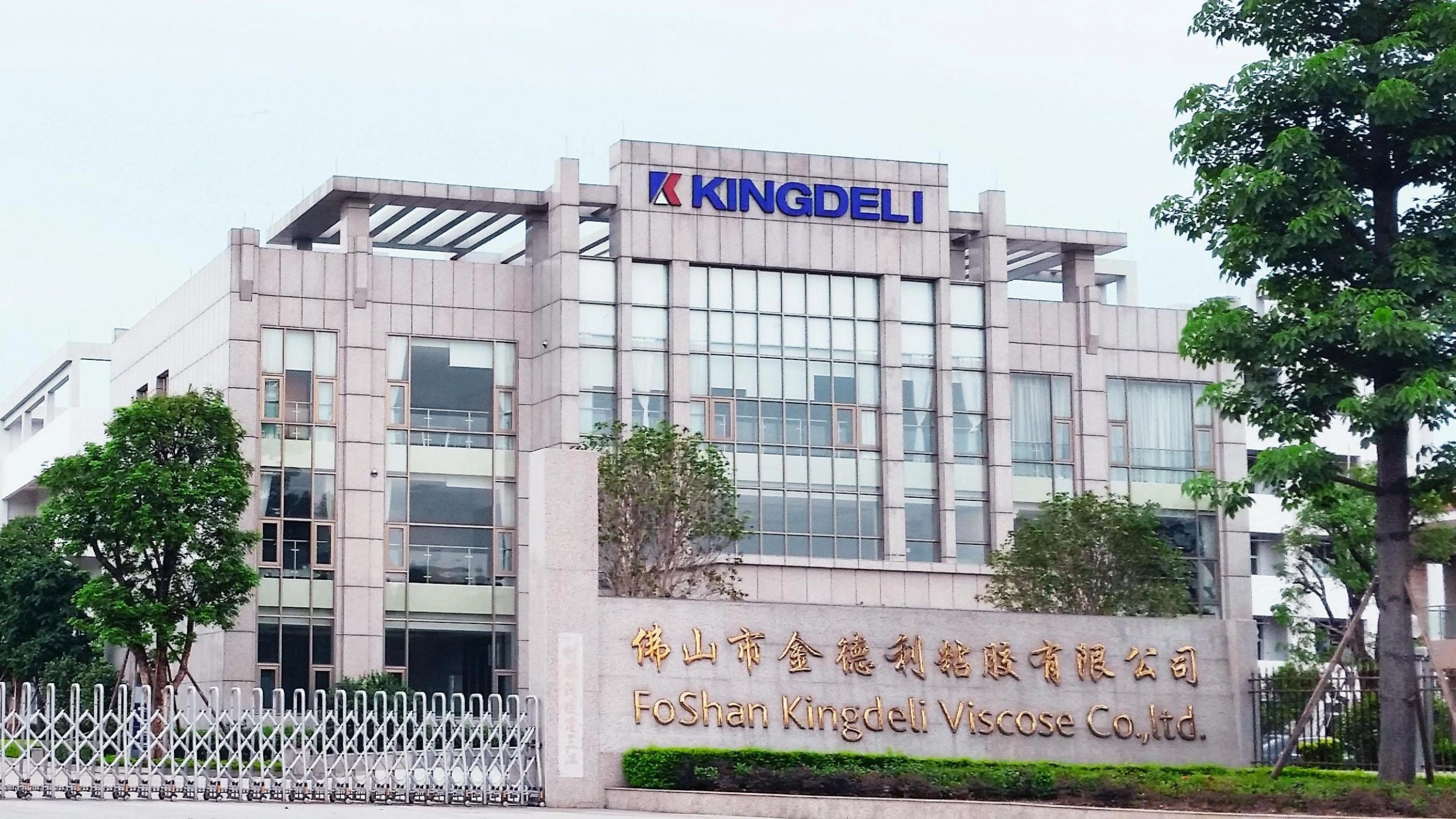
Since its establishment in 1998, KINGDELI has stood as a global leader in the high-performance sealant, adhesive, and coating industry. Headquartered in Foshan, China, our state-of-the-art 66,000 m² facility is powered by fully automated production lines with an annual capacity exceeding 100,000 tons, ensuring a consistent and robust supply for partners worldwide.
As a recognized National High-Tech Enterprise and a key contributor to the National Standard GB/T 29755-2013, we unite advanced manufacturing power with technical excellence. Our comprehensive product portfolio—spanning Neutral & Acetic Silicone, Polyurethane, MS Polymer, and No More Nails adhesives—is engineered to meet strict international standards, including ISO 9001, ISO 14001, CE, and ASTM.
With over 27 years of industry expertise and a trusted presence in 50+ countries, KINGDELI is more than a manufacturer; we are a dedicated solution provider. We offer end-to-end OEM/ODM support, sustainable low-VOC formulations, and professional technical service. At KINGDELI, we are driven by innovation and integrity, building trust and sealing the future for customers around the globe.
How this relates to acetic silicone sealant compatibility: KINGDELI’s product range includes specialized primers and neutral/acid-cure options so you can choose a tailored solution based on substrate testing. Our technical team supports adhesion testing and can supply product data sheets that reference performance under ISO and ASTM test protocols.
Main KINGDELI products relevant to this topic include: neutral silicone sealant, acetic silicone sealant, acrylic sealant, silicone glazing sealant, No More Nails adhesive, polyurethane sealant, MS polymer sealant, RTV gasket maker, epoxy tile grout, and self-leveling sealant. These offerings, combined with technical support, differentiate KINGDELI as a partner able to advise on primer selection, substrate pretreatment and long-term durability strategies.
Practical project checklist and final recommendations
Pre-application checklist
- Identify substrate types and record surface finishes.
- Clean surfaces: solvent degrease (isopropyl alcohol), remove contamination.
- Perform small-scale adhesion tests (peel/shear) with expected cure conditions.
- Select appropriate primer if tests show insufficient adhesion or if substrate is porous/low-energy.
- Document primer batch, application method, ambient conditions and cure times.
Field best practices
Maintain manufacturer’s recommended joint design (width-to-depth ratio), use backer rods where required, and avoid over-pressurizing joints during tooling. For acetic silicone sealants, provide adequate ventilation during cure because of acetic acid release. Where corrosion-sensitive metals or coatings are present, consider neutral cure silicones or protective treatments.
When to consult a specialist
If long-term performance is critical (facades, watertight glazing, chemically aggressive environments), engage materials testing and manufacturer technical service early. I often advise clients to involve the sealant supplier to witness adhesion tests and approve primers—this reduces warranty risk and ensures accountability.
FAQ
1. Can I use acetic silicone on aluminum?
Yes, on anodized or properly cleaned aluminum acetic silicone can work, but for long-term exposure or when painting/metal corrosion is a concern, using a primer or switching to a neutral cure silicone is safer.
2. Do I always need a primer for concrete?
Not always, but I recommend a primer for new concrete, highly porous stone, or where early adhesion is critical. Primers reduce outgassing and improve adhesion uniformity.
3. How do I test adhesion before specifying a sealant?
Perform a simple peel/shear test using small coupons of the actual substrate, cured under representative temperature and humidity. ASTM standards like ASTM C794 can guide the methodology.
4. Will acetic silicone stain natural stone?
Acetic silicones themselves rarely stain stone, but impurities, plasticizers or primers can. Test on an inconspicuous area first. For sensitive stones, a neutral silicone plus approved primer is often recommended.
5. Can I paint over acetic silicone?
Most acetic silicones are not paintable. Use a paintable acrylic or a properly selected MS polymer/neutral silicone if painting is required. Always consult the sealant’s technical data sheet.
6. How long should I wait after priming to apply the sealant?
Follow the primer manufacturer’s flash-off time—typically between a few minutes to 30 minutes depending on solvent and ambient conditions. Do not exceed the maximum open time specified without re-priming.
Contact & product consultation
If you need technical assistance selecting the right acetic silicone sealant, primer, or an alternative system for complex substrates, contact our technical team. We provide adhesion testing, OEM/ODM formulation support and field troubleshooting. View our product catalog or request technical datasheets and sample kits to run on-site compatibility tests.
For expert consultation or to order KINGDELI samples and primers, please contact our sales team or visit our product pages to learn more about neutral silicone sealant, acetic silicone sealant, acrylic sealant, silicone glazing sealant, No More Nails adhesive, polyurethane sealant, MS polymer sealant, RTV gasket maker, epoxy tile grout and self-leveling sealant.
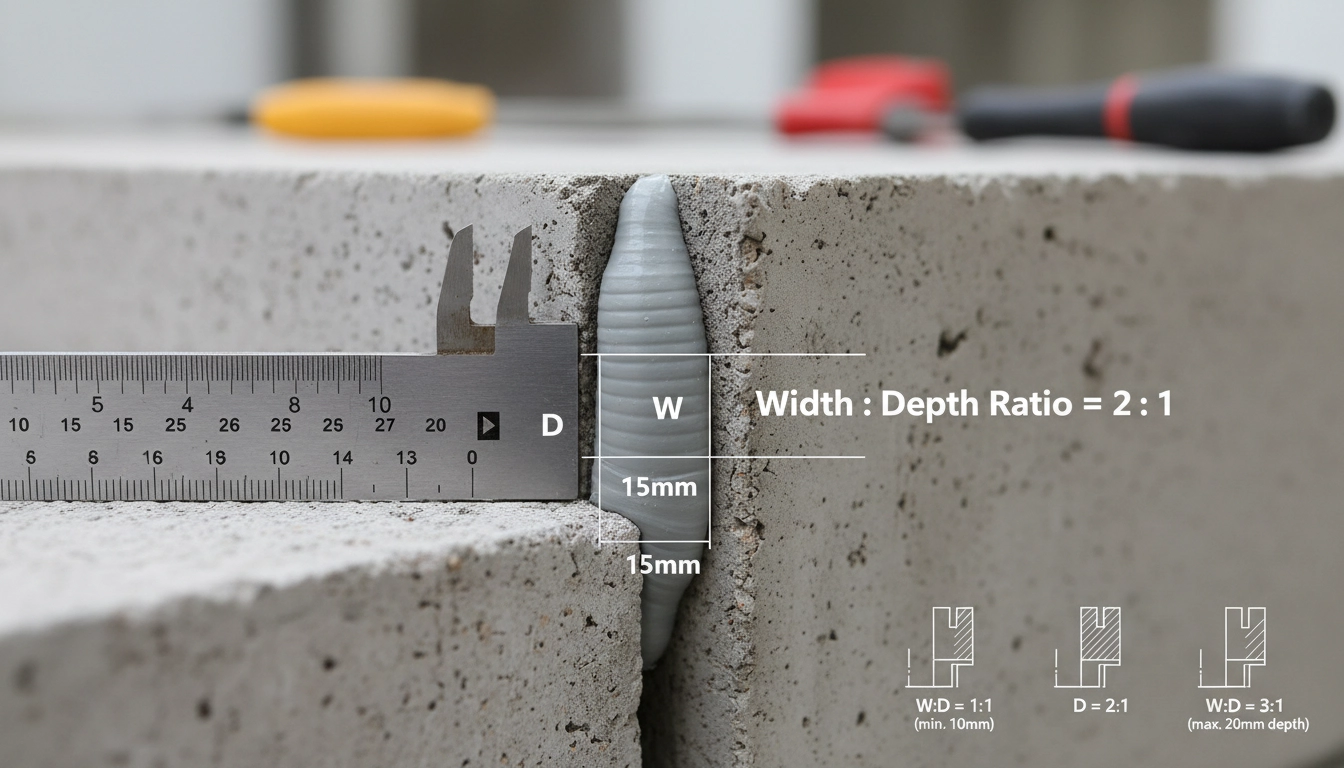
Calculating the Perfect Seal: A Deep Dive into MS Sealant Joint Geometry and Movement (2026 Guide)
Application Guide: MS Silicone Sealant for Window Frames
Top 10 silicone sealant Manufacturers and Supplier Brands in Hardware and Building Materials
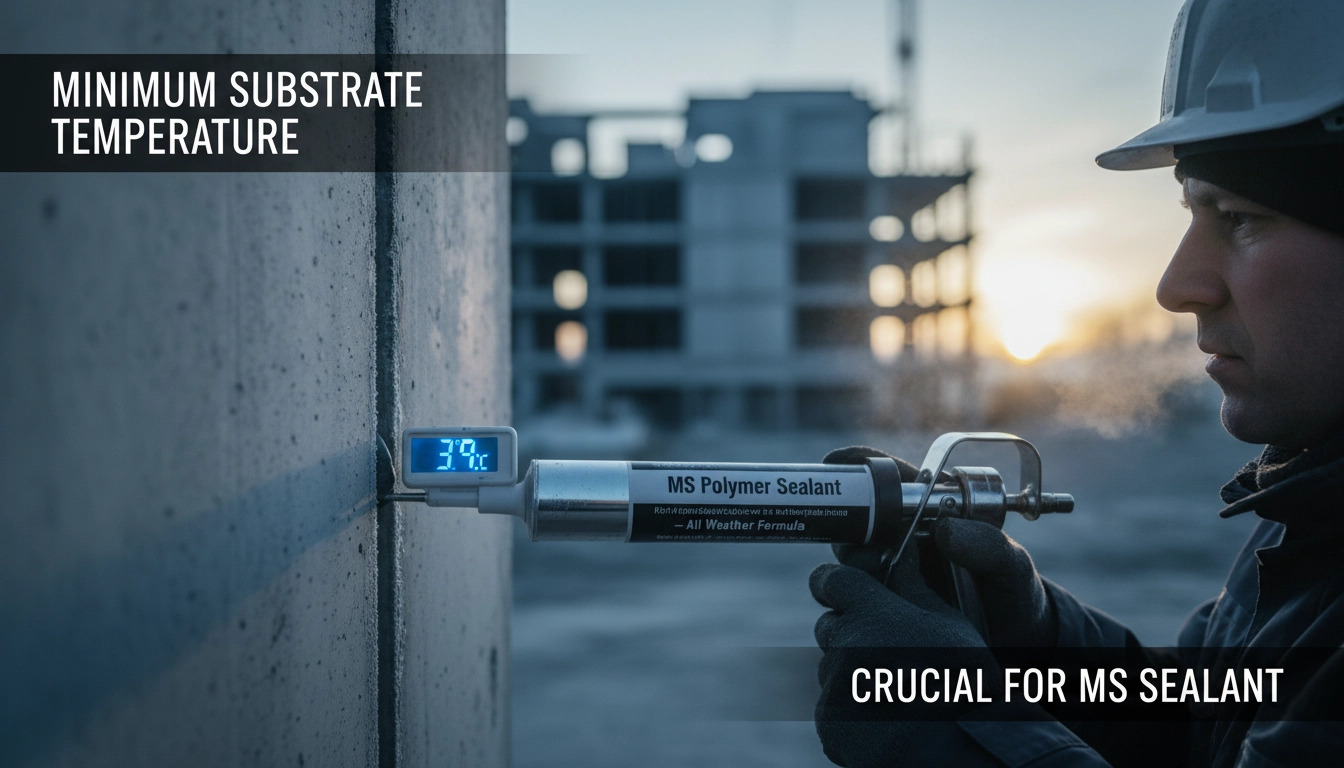
5 Critical Mistakes to Avoid When Applying MS Polymer Sealants in Extreme Heat or Cold (2026 Guide)
HY-682
What substrates can it bond to?
It adheres strongly to almost all common construction and industrial materials, including concrete, metal, stone, ceramics, epoxy flooring, and painted surfaces.
Exceptions: PE, PP, and PPR materials.
HY-966
What colors and packaging options are available?
HY-966 is available in white and cream, supplied in 280 ml and 300 ml cartridges.
HY939A
Does the sealant slump or sag during application?
No. The product has excellent thixotropic properties, allowing it to stay in place after application and ensuring clean, controlled tooling.
HY-4300
What substrates does HY-4300 adhere to?
It adheres well to glass, aluminum, coated metals, concrete, marble, and most common construction materials. Primer may be required for certain substrates depending on surface condition.
HY723
How long does the sealant resist fire?
It provides fire resistance for up to four hours, though the exact duration depends on the specific joint configuration.
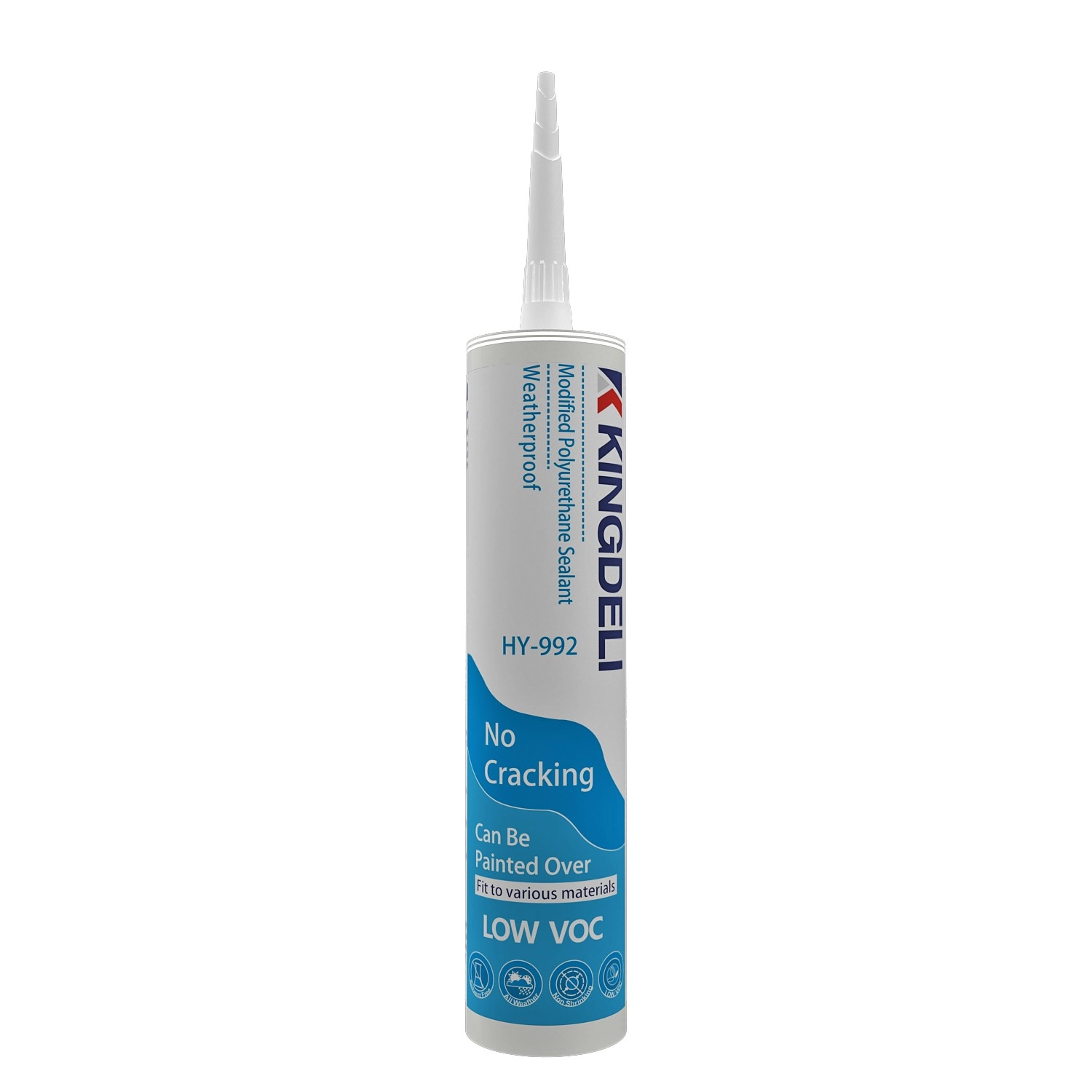
HY992 Modified Polyurethane Construction Sealant
HY992 Modified Polyurethane Sealant is a one-component, moisture-curing construction sealant designed for professional building and structural sealing applications. It provides excellent adhesion, weather resistance, and durable elasticity, making it suitable for a wide range of construction materials.
The formulation delivers strong bonding performance without corrosion or substrate contamination, while maintaining low VOC content for environmentally responsible construction projects.

HY995 Crystal Clear Ms Polymer Adhesive/Sealant
HY995 Crystal Clear Ms Polymer Adhesive/Sealant is a new generation MS Polymer adhesive / sealant formulated for all bonding and sealing applications where long term reliability is required. It has excellent bonding strength on various materials. It will cure to form a durable, flexible, waterproof seal.

HY997 High-Performance Anti-Microbial MS Polymer Sealant
HY997 MS polymer sealant for is is a premium one-component, neutral-curing modified silane sealant engineered for demanding interior applications. It offers a Class 20 movement capability, ensuring long-lasting flexibility and reliable performance under dynamic joint conditions. Curing at room temperature, HY997 delivers superior anti-microbial and mildew-resistant properties, maintaining hygienic and clean environments over time.
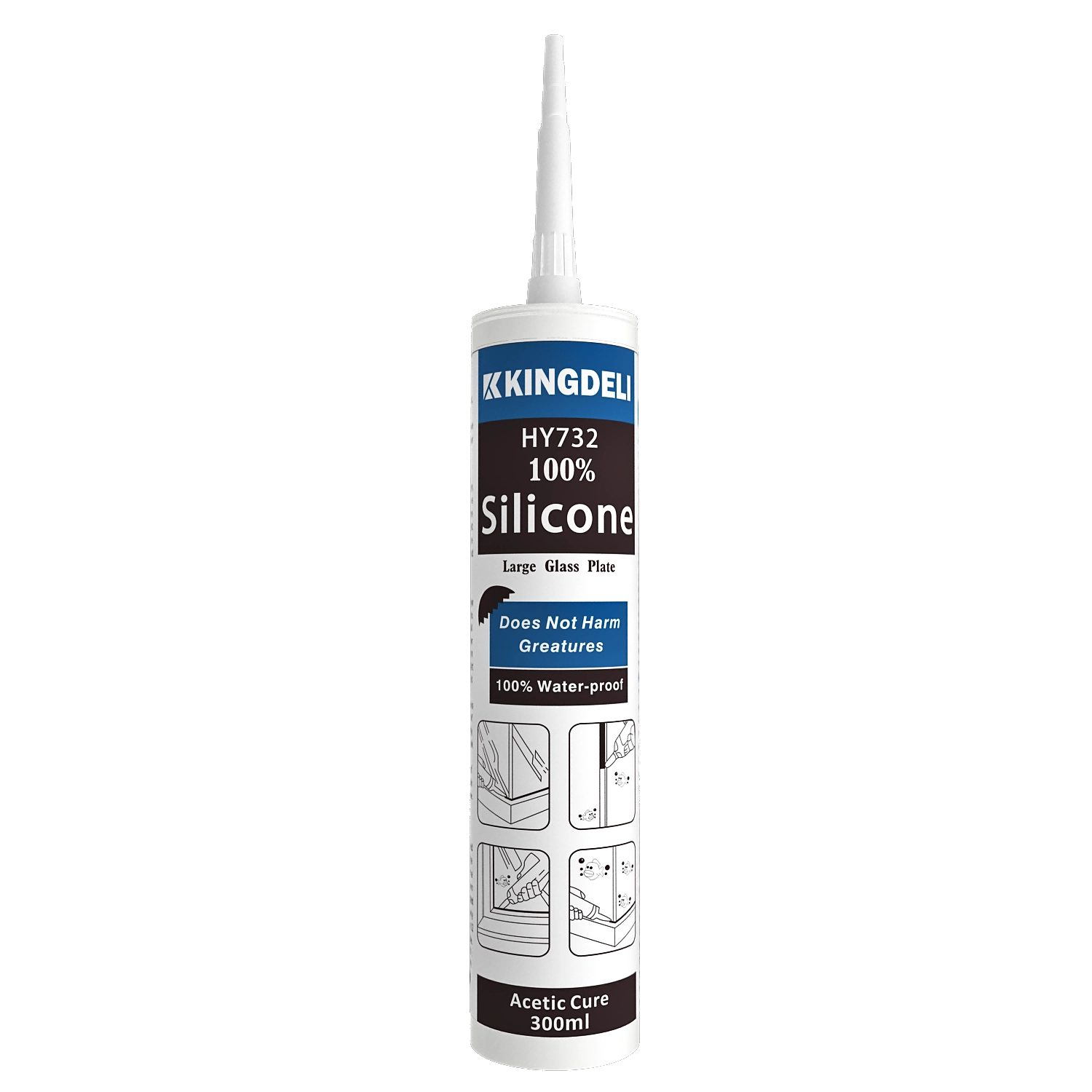
KINGDELI HY732 Professional Acetoxy Cure Silicone Sealant
KINGDELI HY732 is a professional-grade, one-component acetoxy cure silicone sealant designed for fast curing, strong adhesion, and long-lasting flexibility. Ideal for aquariums, glass applications, aluminum doors and windows, kitchens, and bathrooms, it provides reliable sealing performance with excellent anti-fungal protection in high-humidity environments.
Let’s Build Stronger Bonds with Quality Adhesives and Sealants
Have questions about the topic or need tailored sealant solutions for your project?
Our team is ready to provide expert guidance, product recommendations, and application support.
Innovating with Integrity, Bonding the World
Since 1998, KINGDELI has delivered trusted, sustainable sealant solutions that connect industries and inspire progress worldwide.
Whatsapp: +8618825946249
Kingdeli
Kingdeli
Kingdeli
Kingdeli
Kingdeli