











Certifications and Quality Standards for Acetic Silicone Sealant

- Why certifications matter for construction and industrial sealants
- Protecting performance and safety
- Regulatory compliance and market access
- Sustainability, VOC rules and indoor air quality
- Key international standards and what they mean for acetic silicone sealant
- Performance and product standards: ASTM, ISO and EN
- Quality management and environmental certifications
- Chemical regulations and health concerns
- Laboratory testing and certification pathways I recommend
- Essential tests to ask for (and why)
- Interpreting test reports and batch traceability
- Third-party certification versus manufacturer declarations
- Selecting and specifying acetic silicone sealant: practical guidance and supplier due diligence
- Specifying in contract documents
- Common failure modes and how standards mitigate them
- Supplier verification checklist
- Standards and certifications comparison
- KINGDELI: how a certified supplier can reduce project risk
- How KINGDELI supports certification needs
- Practical checklist: specifying and verifying acetic silicone sealant on a project
- Before procurement
- During supplier evaluation
- On-site acceptance
- Frequently Asked Questions (FAQ)
- 1. What is the difference between acetic and neutral silicone sealant?
- 2. Which standard should I specify for exterior glazing joints?
- 3. Is ISO 9001 enough to guarantee product performance?
- 4. Can acetic silicone be used on anodized aluminum?
- 5. How do VOC regulations affect silicone sealants?
- 6. What documentation should a supplier provide with deliveries?
I write from over two decades of hands-on experience in sealants and adhesives, advising engineers, architects and procurement teams on specifying the right products. In this article I focus on certifications and quality standards for acetic silicone sealant — an acetoxy-cure RTV silicone widely used for glazing, sanitary, and general-purpose sealing. I will explain which standards matter, what tests you should require, how to interpret certificates and lab reports, and practical steps for supplier qualification so you get reliable adhesion, durability and regulatory compliance on project sites.
Why certifications matter for construction and industrial sealants
Protecting performance and safety
Certifications translate laboratory performance into documented expectations on site. For acetic cure silicones, issues like adhesion to glass, aluminum and painted substrates, cure profile (acetoxy releases acetic acid), tensile properties, elongation, hardness and UV resistance determine long-term joint performance. Independent testing gives you measurable parameters instead of vendor claims.
Regulatory compliance and market access
Different markets require different documentation. In the EU, harmonized standards such as EN 15651 (for façade and glazing sealants) and chemical regulation like REACH affect product acceptance. In North America, ASTM standards such as ASTM C920 are industry benchmarks. Without appropriate declarations or third-party certifications, products can be refused at points of use despite technical suitability.
Sustainability, VOC rules and indoor air quality
Many specifications now include low-VOC limits or require compliance with local air-quality rules. Manufacturers should provide VOC test reports and environmental management certifications (for example, ISO 14001) to show they control manufacturing emissions and materials selection.
Key international standards and what they mean for acetic silicone sealant
Performance and product standards: ASTM, ISO and EN
Core standards specify mechanical and physical performance and classification criteria:
- ASTM C920 — widely used in the USA and internationally; classifies elastomeric joint sealants and provides test methods for movement capability, adhesion, and other properties. See the standard at ASTM C920.
- ISO 11600 — classification system for building jointing products; useful when harmonizing international specifications. Reference: ISO 11600.
- EN 15651 — European standard for sealants used in façade, glazing and sanitary applications (parts 1,2,3). It specifies performance classes and requirements for strains, weathering and microbial resistance. FEICA summarizes it well: EN 15651.
Quality management and environmental certifications
Management system certifications don't test a single product but indicate consistent production and control:
- ISO 9001 (quality management) — ensures documented production, traceability and corrective action processes.
- ISO 14001 (environmental management) — increasingly requested for projects with sustainability requirements.
- CE marking / Declaration of Performance — required for construction products placed on the EU market when harmonized standards apply; check local CPR rules.
Chemical regulations and health concerns
Acetic silicones cure by releasing acetic acid — a corrosive vapour that can affect sensitive substrates (e.g., certain metals) and has a strong odour. Regulatory scrutiny focuses on raw materials (silane crosslinkers, solvents, additives) and potential hazardous impurities. In the EU, compliance with REACH is commonly demanded; in other jurisdictions local chemical inventories and VOC rules apply.
Laboratory testing and certification pathways I recommend
Essential tests to ask for (and why)
When qualifying an acetic silicone sealant, I require the following test data from manufacturers or independent labs:
- Adhesion (peel and shear) to representative substrates (glass, anodized aluminium, painted metals, plastics) — to quantify bond strength and risk of adhesive failure.
- Tensile strength and elongation (e.g., ASTM D412) — to understand movement accommodation and recovery after cyclic loading.
- Movement capability (per ASTM C920 or EN 15651 requirements) — to verify the product suits joint design movement ratios.
- Durability tests including accelerated weathering (UV), thermal cycling, and humidity/immersion for sanitary uses.
- Shore A hardness and tack-free time — for application handling and tooling characteristics.
Interpreting test reports and batch traceability
Always request raw test data, not just pass/fail summaries. Examine the specimen preparation, conditioning, and test standard references. Ask for batch numbers and Certificates of Analysis (CoA) linked to physical samples — this allows root cause analysis if field failures occur. If the supplier cannot attach test results to specific production batches, that is a red flag.
Third-party certification versus manufacturer declarations
Third-party approvals (e.g., accredited labs or notified bodies) carry more weight than self-declared conformity, especially for public procurement or high-risk projects. For EN 15651 or CE marking, independent assessment may be required. I recommend a mix: independent type-testing combined with ongoing factory quality audits (ISO 9001) and production controls.
Selecting and specifying acetic silicone sealant: practical guidance and supplier due diligence
Specifying in contract documents
In specifications I write, I include:
- Required standard/class (for example: EN 15651-1 F EXT-INT S, ASTM C920 Class 25 or 50, or specific ISO classification).
- Tested substrates and minimum adhesion values.
- VOC limits and environmental requirements (e.g., low-VOC formulation meeting local regulations).
- Required documentation: CoA, independent lab reports, SDS, Declaration of Performance or equivalent, batch traceability.
Common failure modes and how standards mitigate them
Typical field failures I see with acetic silicones include: poor adhesion to certain metals or coatings, staining of porous materials, and incompatible substrates reacting with acetic acid. Standards tackle these by requiring adhesion or compatibility testing, movement capability, and durability assessments. However, field mock-ups and specific substrate testing remain essential — standards are complementary, not a substitute for project-specific trials.
Supplier verification checklist
My minimum checklist for suppliers:
- ISO 9001 certification and documented QC procedures.
- Independent test reports linked to the product and production batch.
- Relevant product standard compliance (ASTM C920, EN 15651, or equivalent).
- Material Safety Data Sheet (SDS) and VOC data.
- Warranty terms and post-sale technical support for mock-ups and troubleshooting.
Standards and certifications comparison
| Standard / Certification | Scope | What it verifies | Reference |
|---|---|---|---|
| ASTM C920 | Elastomeric joint sealants | Movement capability, adhesion, tensile properties | ASTM C920 |
| EN 15651 | Sealants for façades, glazing, sanitary | Performance classes, weathering, microbiological behavior | EN 15651 (FEICA summary) |
| ISO 11600 | Classification of building jointing products | Classification scheme for jointing sealants | ISO 11600 |
| ISO 9001 / ISO 14001 | Management systems | Quality / Environmental management and consistent manufacturing | ISO 9001 | ISO 14001 |
| REACH / Local chemical regs | Chemical safety and restricted substances | Restricted substances, registration and safety data | ECHA REACH |
KINGDELI: how a certified supplier can reduce project risk
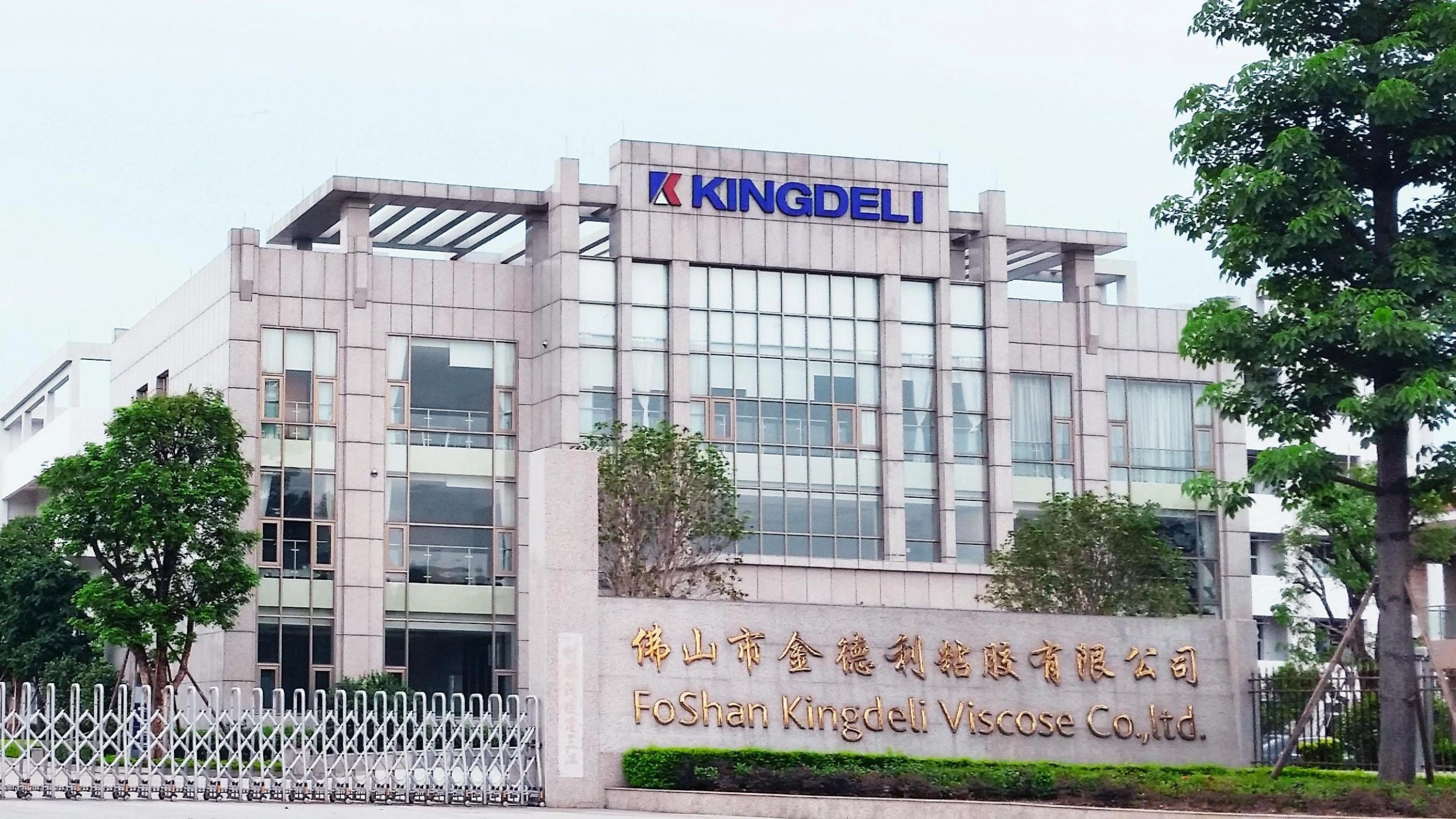
Since its establishment in 1998, KINGDELI has stood as a global leader in the high-performance sealant, adhesive, and coating industry. Headquartered in Foshan, China, our state-of-the-art 66,000 m² facility is powered by fully automated production lines with an annual capacity exceeding 100,000 tons, ensuring a consistent and robust supply for partners worldwide.
As a recognized National High-Tech Enterprise and a key contributor to the National Standard GB/T 29755-2013, we unite advanced manufacturing power with technical excellence. Our comprehensive product portfolio—spanning Neutral & Acetic Silicone, Polyurethane, MS Polymer, and No More Nails adhesives—is engineered to meet strict international standards, including ISO 9001, ISO 14001, CE, and ASTM.
With over 27 years of industry expertise and a trusted presence in 50+ countries, KINGDELI is more than a manufacturer; we are a dedicated solution provider. We offer end-to-end OEM/ODM support, sustainable low-VOC formulations, and professional technical service. At KINGDELI, we are driven by innovation and integrity, building trust and sealing the future for customers around the globe.
KINGDELI core products include: neutral silicone sealant, acetic silicone sealant, acrylic sealant, silicone glazing sealant, No More Nails adhesive, polyurethane sealant, MS polymer sealant, RTV gasket maker, epoxy tile grout and self-leveling sealant. Our combination of manufacturing capacity, standards involvement and third-party certifications reduces qualification time and project risk for architects, contractors and distributors.
How KINGDELI supports certification needs
From my evaluation of suppliers over the years, the most valuable capabilities are: (1) providing independent lab reports tied to batch numbers, (2) maintaining ISO 9001 factory audits and (3) offering technical support for mock-ups. KINGDELI provides those elements and can help specifiers generate the right documentation for compliance in international markets.
Practical checklist: specifying and verifying acetic silicone sealant on a project
Before procurement
- Define performance class (e.g., EN 15651 F-EXT-INT S) and movement requirements.
- List substrates to be tested and require substrate-specific adhesion results.
- Set VOC and hazardous-substance requirements (REACH or local equivalents).
During supplier evaluation
- Request independent lab reports, CoAs and SDS.
- Verify ISO 9001 / ISO 14001 certificates and factory audit records.
- Require mock-up trials on project substrates where contact or appearance matters.
On-site acceptance
- Check batch numbers and labels against documentation.
- Inspect tooling and finish consistency; test adhesion on a spare sample if doubts arise.
- Document environmental conditions during application (temperature, humidity) — acetic silicones can be sensitive to substrate moisture.
Frequently Asked Questions (FAQ)
1. What is the difference between acetic and neutral silicone sealant?
Acetic silicone (acetoxy cure) releases acetic acid while curing and often bonds well to glass and many metals but can corrode sensitive metals and stain porous materials. Neutral (oxime or alkoxy cure) silicones cure without releasing acetic acid and are preferred where metal corrosion or odour is a concern.
2. Which standard should I specify for exterior glazing joints?
For Europe, specify EN 15651-2 for glazing where relevant. In North America, ASTM C920 classes and movement ratings are commonly specified. Always match the standard to the region and application and require substrate-specific adhesion tests.
3. Is ISO 9001 enough to guarantee product performance?
ISO 9001 demonstrates consistent manufacturing processes but does not replace product testing. Always require independent product test reports, CoAs, and, where necessary, third-party certification for critical applications.
4. Can acetic silicone be used on anodized aluminum?
Many acetic silicones can bond to anodized aluminum, but adhesion varies with surface treatment and coating. Always test on the actual anodized finish or request manufacturer adhesion data on the same substrate.
5. How do VOC regulations affect silicone sealants?
VOC regulations limit certain solvent levels and can influence product choice in sensitive indoor environments. Request VOC test reports and compliant formulations; water-based or low-VOC silicone alternatives exist where needed.
6. What documentation should a supplier provide with deliveries?
Provide SDS, CoA with batch number, independent test reports referenced to the batch or product type, declaration of conformity (if applicable), and application instructions and storage info.
If you need project-specific advice, product data sheets, or test reports for procurement, contact us for technical support and samples. To view certified options and learn more about our product range, request product catalogs or OEM/ODM solutions from KINGDELI today.
Contact / Request: For technical inquiries, mock-up support or to request certificates and sample kits, please contact our sales and technical team. We provide full documentation (CoAs, lab reports, ISO certificates) to support specification and approval.
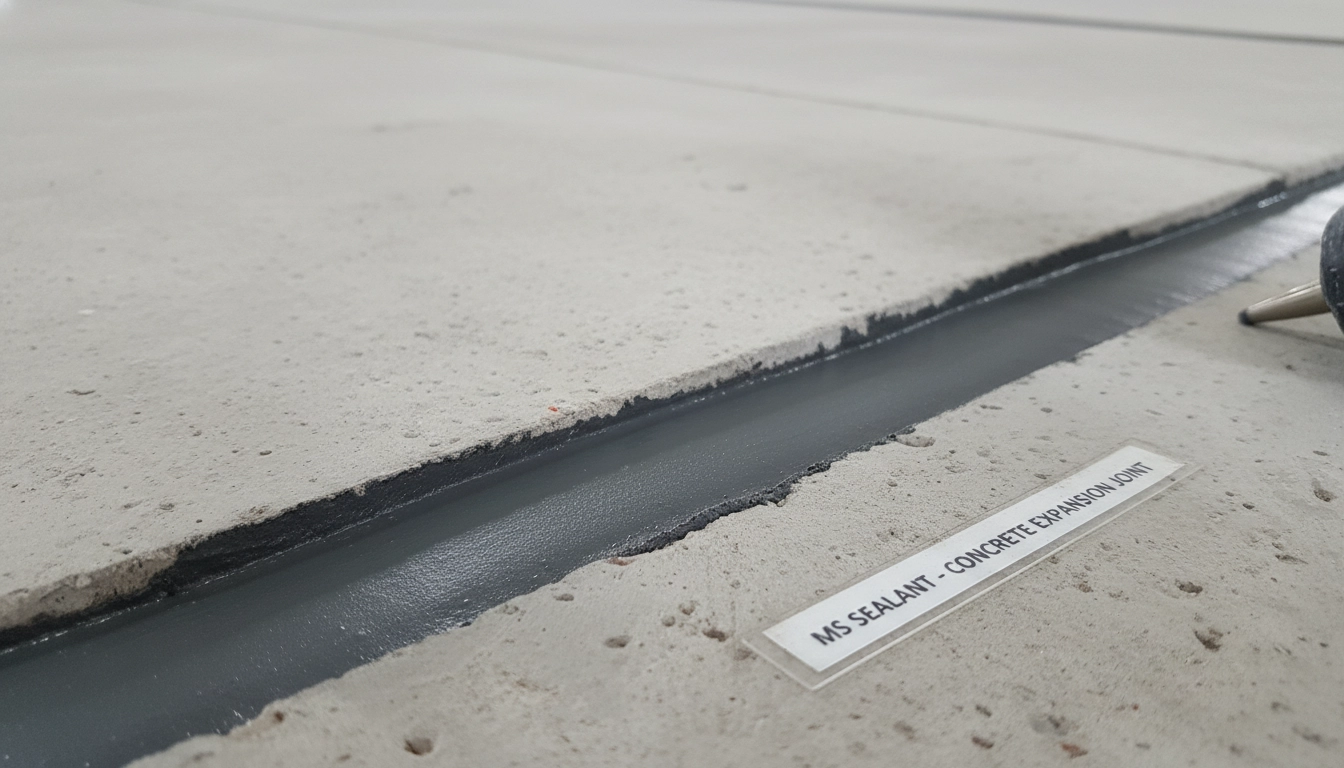
How to Use MS Sealant for Concrete: A Step-by-Step Professional Checklist (2026 Guide)
MS Silicone Sealant for Automotive Assembly and Bonding
MS Silicone Sealant Storage, Shelf Life and Logistics
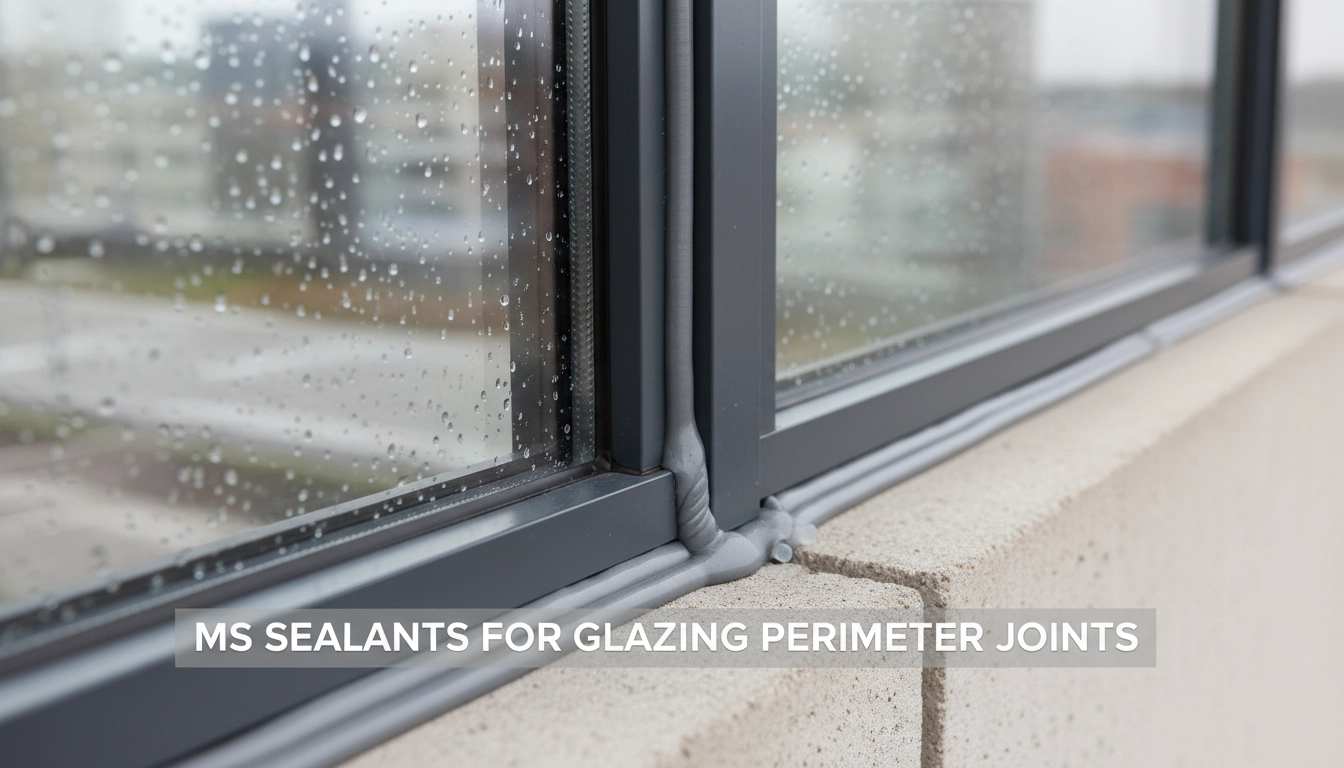
10 Reasons Why Top Glaziers are Switching to MS Polymer Sealants for High-Rise Projects (2026 Guide)
HY922
What surfaces does HY922 adhere to?
HY922 adheres well to metal, glass, cement-based materials, brick, ceramic, marble, wood, aluminum, PVC, and many other common construction substrates.
HY-976
How long does it take to fully cure?
Curing time depends on surface porosity and environmental conditions. Full strength is typically achieved within 48 hours.
How should the adhesive be applied?
Apply in spots, wave-shaped beads, or straight strands depending on surface size and required initial tack, then press firmly with a twisting motion.
Is the adhesive safe to use indoors?
Yes. It is low-odour, solvent-free, and designed specifically for indoor applications when used according to instructions.
HY-2300
Is the sealant suitable for outdoor environments?
Yes. With excellent weatherproofing and anti-aging resistance, it maintains long-term performance under UV, rain, and temperature changes.
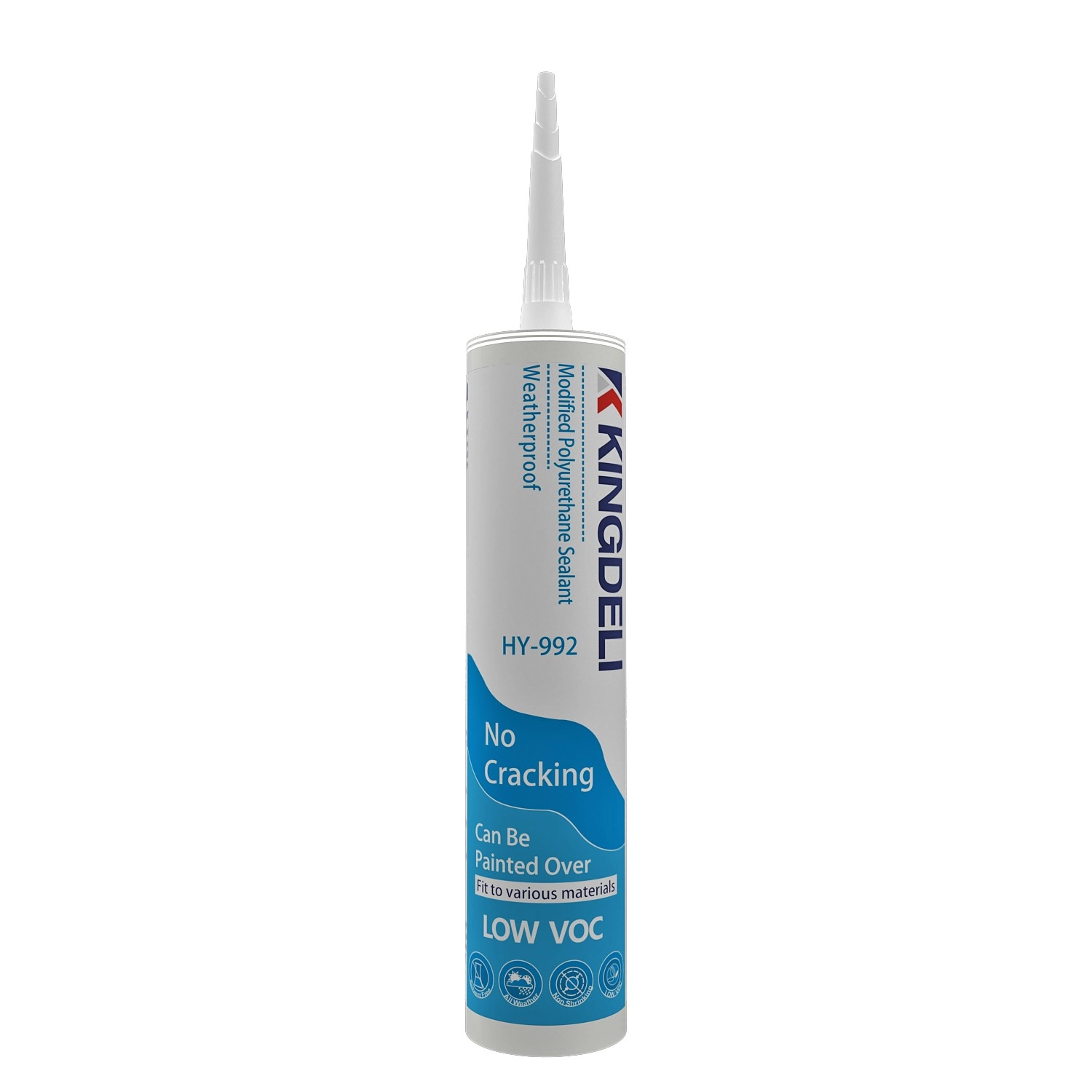
HY992 Modified Polyurethane Construction Sealant
HY992 Modified Polyurethane Sealant is a one-component, moisture-curing construction sealant designed for professional building and structural sealing applications. It provides excellent adhesion, weather resistance, and durable elasticity, making it suitable for a wide range of construction materials.
The formulation delivers strong bonding performance without corrosion or substrate contamination, while maintaining low VOC content for environmentally responsible construction projects.

HY995 Crystal Clear Ms Polymer Adhesive/Sealant
HY995 Crystal Clear Ms Polymer Adhesive/Sealant is a new generation MS Polymer adhesive / sealant formulated for all bonding and sealing applications where long term reliability is required. It has excellent bonding strength on various materials. It will cure to form a durable, flexible, waterproof seal.

HY997 High-Performance Anti-Microbial MS Polymer Sealant
HY997 MS polymer sealant for is is a premium one-component, neutral-curing modified silane sealant engineered for demanding interior applications. It offers a Class 20 movement capability, ensuring long-lasting flexibility and reliable performance under dynamic joint conditions. Curing at room temperature, HY997 delivers superior anti-microbial and mildew-resistant properties, maintaining hygienic and clean environments over time.
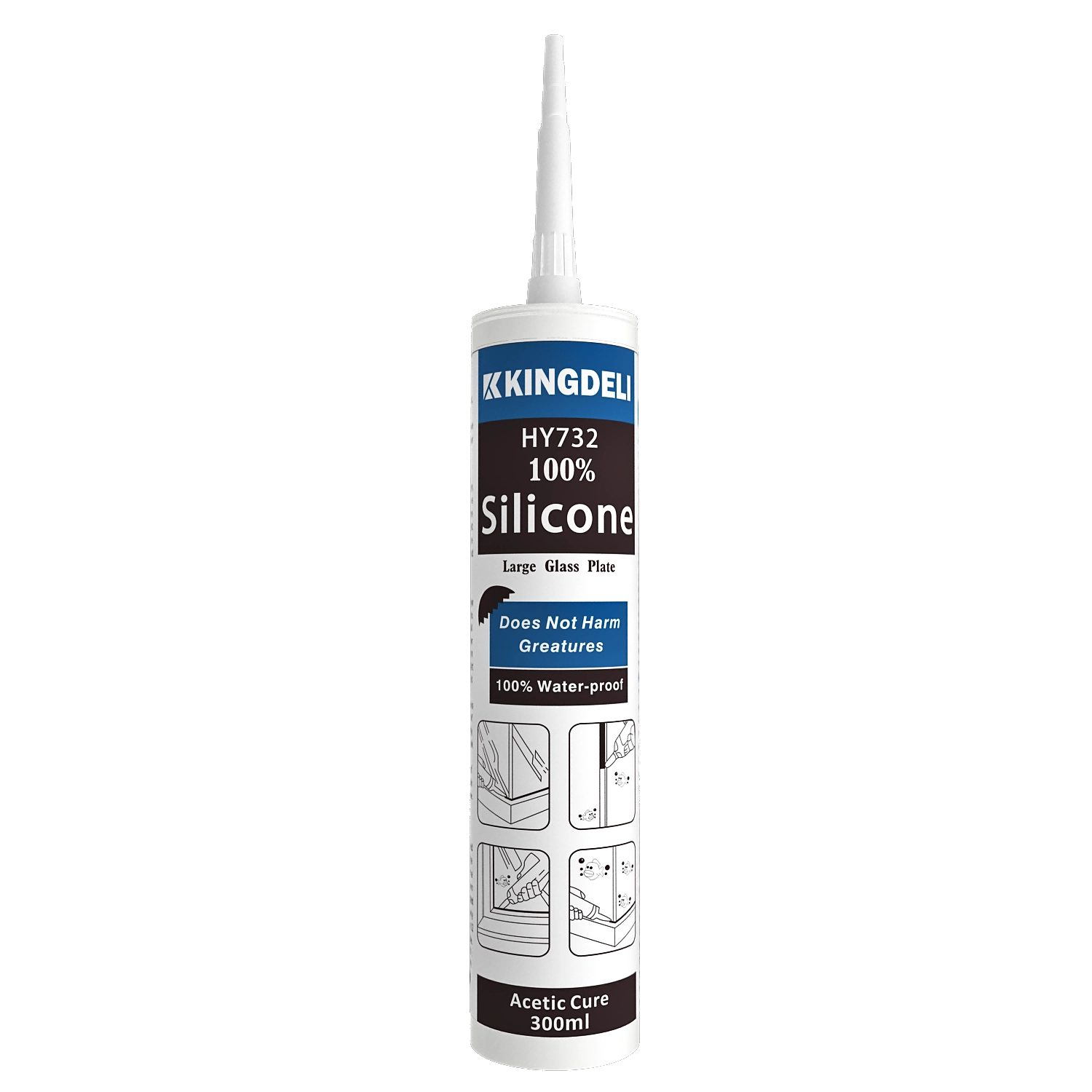
KINGDELI HY732 Professional Acetoxy Cure Silicone Sealant
KINGDELI HY732 is a professional-grade, one-component acetoxy cure silicone sealant designed for fast curing, strong adhesion, and long-lasting flexibility. Ideal for aquariums, glass applications, aluminum doors and windows, kitchens, and bathrooms, it provides reliable sealing performance with excellent anti-fungal protection in high-humidity environments.
Let’s Build Stronger Bonds with Quality Adhesives and Sealants
Have questions about the topic or need tailored sealant solutions for your project?
Our team is ready to provide expert guidance, product recommendations, and application support.
Innovating with Integrity, Bonding the World
Since 1998, KINGDELI has delivered trusted, sustainable sealant solutions that connect industries and inspire progress worldwide.
Whatsapp: +8618825946249
Kingdeli
Kingdeli
Kingdeli
Kingdeli
Kingdeli