











Benefits of MS Silicone Sealant for Commercial Construction

- Selecting the right sealant for commercial projects
- Key performance criteria I evaluate
- Common failure modes and how selection prevents them
- Interpreting standards and test reports
- Why MS silicone sealant excels in commercial construction
- Adhesion and substrate compatibility
- Durability, movement capability and weathering
- Environmental and safety advantages
- Specification and application best practices
- Surface preparation and primer guidance
- Joint design and movement accommodation
- Curing, tooling and quality control
- Comparing MS silicone sealant to other commercial sealants
- Performance comparison table
- Cost and lifecycle considerations
- When not to choose MS silicone
- Practical on-site tips I use with contractors
- Mock-ups and adhesion tests
- Storage, handling and dispensing
- Maintenance and lifecycle inspection
- KINGDELI: manufacturing strength and product breadth
- Frequently Asked Questions (FAQs)
- 1. What exactly is MS silicone sealant?
- 2. Is MS silicone paintable?
- 3. Does MS silicone need a primer?
- 4. How do I specify movement capability?
- 5. Are MS silicone sealants suitable for exterior curtain wall joints?
- 6. How should I handle VOC and indoor air quality concerns?
- 7. What maintenance should be scheduled for MS silicone joints?
As an industry consultant with years of on-site and specification experience in commercial construction, I’ve seen projects succeed or fail based on the choice and application of sealants. MS silicone sealant—often called silyl-modified hybrid sealant or MS polymer sealant—combines many advantages of silicones and polyurethane systems. In this article I summarize practical benefits, cite standards and authoritative sources, provide specification and application guidance, compare MS silicone to other common sealants, and answer the real questions I get from specifiers and contractors.
Selecting the right sealant for commercial projects
Key performance criteria I evaluate
When I specify a joint sealant for commercial construction (curtain wall joints, precast concrete, expansion joints, fenestration, roofing details), I look first at: adhesion to substrates, movement capability (percent +/-), durability under UV and weathering, chemical and stain resistance, paintability, cure characteristics (neutral or acidic by-products), VOC content and regulatory compliance, and practical application factors like tooling time and ease of gun application. These criteria align with established standards such as industry summaries and performance specifications such as ASTM C920 and joint classification per ISO 11600.
Common failure modes and how selection prevents them
Common field failures include adhesive delamination, cohesive failure (crumbly or chalking sealant), staining of porous substrates (e.g. natural stone), paint incompatibility, and loss of elasticity. Choosing an MS silicone sealant reduces several of these risks because it often cures to a durable, elastic polymer with wide substrate compatibility and neutral cure chemistry, limiting corrosion and staining on sensitive substrates such as metals and stone.
Interpreting standards and test reports
When I review manufacturer test reports, I cross-check listed movement capability, adhesion after aging, shore hardness, tensile properties, and VOC measurements against ASTM and ISO benchmarks. For commercial projects targeting LEED or local VOC limits, I require independent lab VOC measurements and MSDS verification—MS silicone sealants commonly meet low-VOC formulations when specified correctly.
Why MS silicone sealant excels in commercial construction
Adhesion and substrate compatibility
MS silicone sealants are formulated to bond without primers to many substrates—aluminum, stainless steel, anodized finishes, glass, concrete, brick, stone, and many plastics—reducing labor and risk of missed priming steps. This broad adhesion results from silyl-functional polymer chemistry that forms robust interfacial bonds while maintaining elasticity. For substrate-sensitive applications such as natural stone or coated metals, I favor neutral-cure MS silicones to avoid corrosive acetic by-products common in acetoxy silicones. Manufacturer technical literature and hybrid sealant overviews from reputable suppliers confirm this broad compatibility (see Sika’s hybrid sealants overview: Sika – Sealants).
Durability, movement capability and weathering
Commercial joints require long-term elasticity and UV resistance. MS silicone sealants typically deliver excellent UV and ozone resistance comparable to neutral silicones, while offering better mechanical properties (toughness) than many pure silicone or acrylic systems. Typical movement accommodation ranges for modern MS systems are in the 25–50% class depending on product grade and joint geometry; always confirm the product-specific value in datasheets. ASTM and ISO classifications (see ASTM C920 and ISO 11600) should be referenced when specifying movement capability quantitatively.
Environmental and safety advantages
MS silicone sealants often cure via moisture to release no acidic by-products, and many manufacturers provide low-VOC, low-odor formulations suitable for occupied buildings. This is beneficial for interior joints and retrofit work in hospitals or schools. When compliance with green building programs is required, request third-party VOC testing and product declarations—these are commonly available for reputable MS sealant product lines.
Specification and application best practices
Surface preparation and primer guidance
Good adhesion begins with cleaning: remove oils, release agents, dust, and curing compounds. For porous or highly smooth substrates, or when long-term adhesion is critical, use a manufacturer-recommended primer. I emphasize trial adhesion tests during mock-ups—this is industry best practice and often highlighted in technical bulletins. If a primer is required, the choice of primer is product-specific and should be listed in the technical data sheet (TDS).
Joint design and movement accommodation
Design joints according to the standard width-to-depth ratios (commonly 2:1 width-to-depth for many horizontal and vertical joints) and select appropriate backer rod materials. For movement, use the sealant’s specified % movement and design for peak expected thermal and structural displacement. Oversized joints may require flexible sealants with higher movement capability; undersized joints risk premature failure.
Curing, tooling and quality control
Curing rate varies with temperature, humidity and sealant chemistry. MS silicones cure by moisture and generally form an outer skin quickly while full cure through the joint takes longer; plan in schedules accordingly. Tooling should be performed within the recommended skin time. For QA, I require adhesion testing (e.g., adhesion after UV and heat aging per manufacturer or ASTM accelerated tests) and visual inspections to catch pinholes, voids, or adhesion loss before project sign-off.
Comparing MS silicone sealant to other commercial sealants
Performance comparison table
| Property | MS Silicone (Hybrid) | Neutral Silicone | Polyurethane (PU) | Acrylic Sealant |
|---|---|---|---|---|
| Adhesion (many substrates) | Very good, often primerless | Good to very good (glass/metal) | Good, may need primers on some surfaces | Poor on non-porous; best on painted/porous |
| Movement capability (typical) | ±25% to ±50% (product-dependent) | ±25% to ±50% | ±25% (some formulations higher) | ±12.5% or less |
| Paintability | Often paintable after cure | Usually not paintable (silicone particles inhibit paint) | Paintable | Paintable |
| UV/weathering | Excellent | Excellent | Good (depends on formulation) | Poor |
| VOCs and odor | Low VOC options available | Low VOC (neutral silicones) | Varies; some solvent-based PUs higher VOC | Low VOC water-based |
| Stain/corrosion risk | Low (neutral cure) | Low (neutral); acetic silicones can etch metal/stone | May attack some metals if acidic additives present | May crack/lose adhesion outdoors |
Sources: manufacturer technical data sheets and industry standards such as ASTM C920 and product literature (e.g., hybrid sealant technical notes from major suppliers: Sika).
Cost and lifecycle considerations
Upfront cost of MS silicone sealant can be higher than commodity acrylics but lower or comparable to high-performance silicones and specialty polyurethanes. From a lifecycle cost perspective—considering service life, maintenance cycles, and risk of failure—the superior adhesion, weathering, and paintability of MS hybrids often reduce total cost of ownership on commercial facades and joints.
When not to choose MS silicone
MS silicones are versatile but not universal. For extremely high-temperature joints (>150–200°C continuous), special high-temperature silicones or silicones with specific certifications are preferred. For joints requiring extremely low modulus or specialist chemical resistance, consult product datasheets—some applications are still best served by specialty silicones, fluorosilicones, or engineered polysulfide systems.
Practical on-site tips I use with contractors
Mock-ups and adhesion tests
Always specify a mock-up and adhesion pull test on representative substrates before bulk installation. Mock-ups reveal real-world interactions (substrate contaminants, coating incompatibility) that lab data alone can miss. I require these tests for warranty acceptance on critical façade elements.
Storage, handling and dispensing
Store cartridges/tubes as the manufacturer recommends (typically cool, dry conditions). For large projects, plan caulk gun and bulk equipment maintenance: blocked static mixers or inappropriate guns can change flow and tooling behavior, increasing waste and rework.
Maintenance and lifecycle inspection
Plan scheduled inspections at 3–5 year intervals on high-exposure façades—look for joint cracking, adhesion loss, staining, or hardening. Many MS sealants maintain elasticity over long periods, but UV exposure and building movement can accelerate wear on poorly detailed joints.
KINGDELI: manufacturing strength and product breadth
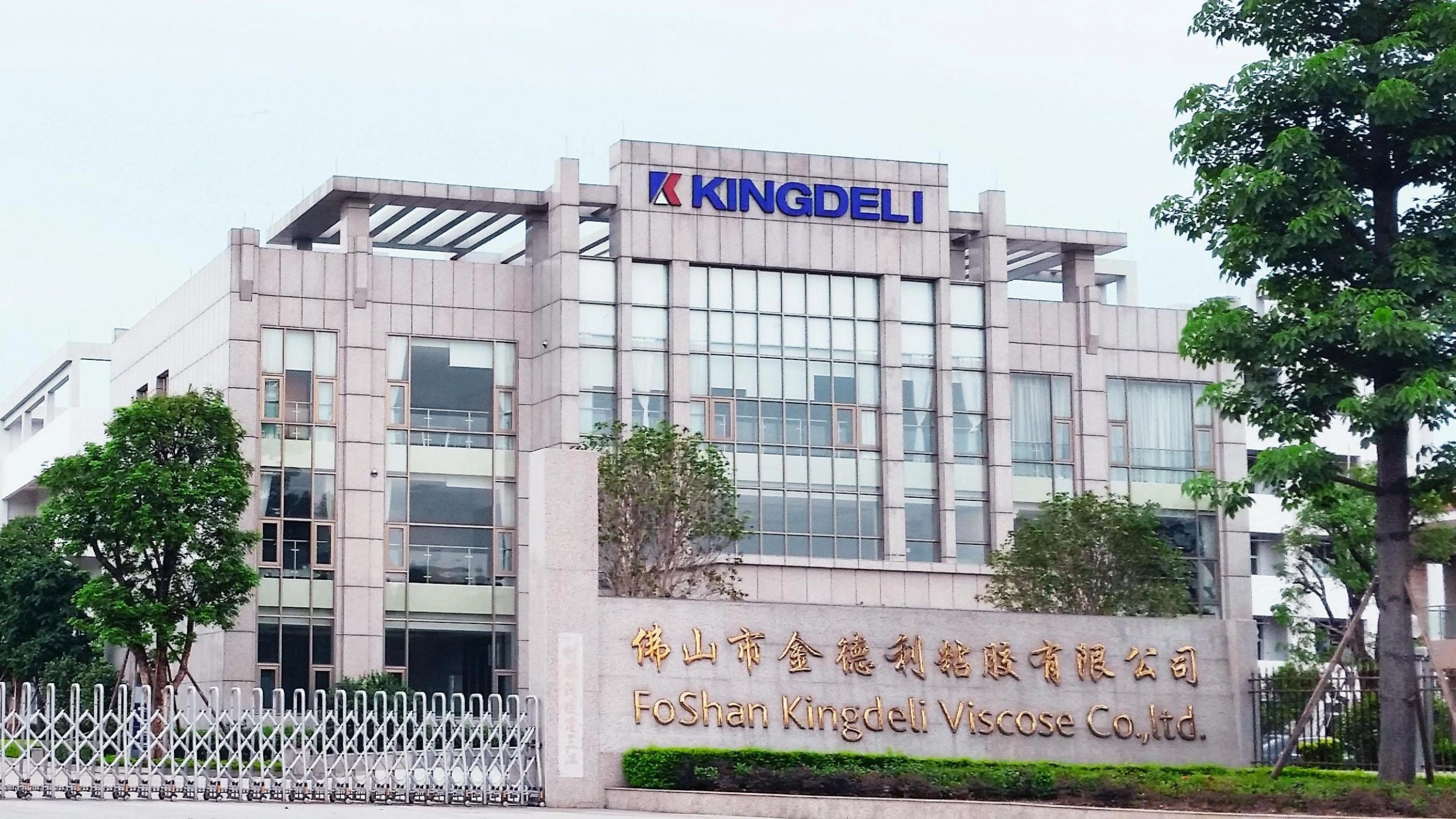
Since its establishment in 1998, KINGDELI has stood as a global leader in the high-performance sealant, adhesive, and coating industry. Headquartered in Foshan, China, our state-of-the-art 66,000 m² facility is powered by fully automated production lines with an annual capacity exceeding 100,000 tons, ensuring a consistent and robust supply for partners worldwide.
As a recognized National High-Tech Enterprise and a key contributor to the National Standard GB/T 29755-2013, we unite advanced manufacturing power with technical excellence. Our comprehensive product portfolio—spanning Neutral & Acetic Silicone, Polyurethane, MS Polymer, and No More Nails adhesives—is engineered to meet strict international standards, including ISO 9001, ISO 14001, CE, and ASTM.
With over 27 years of industry expertise and a trusted presence in 50+ countries, KINGDELI is more than a manufacturer; we are a dedicated solution provider. We offer end-to-end OEM/ODM support, sustainable low-VOC formulations, and professional technical service. At KINGDELI, we are driven by innovation and integrity, building trust and sealing the future for customers around the globe.
KINGDELI advantages include stable automated production capacity, contributions to national standards (GB/T 29755-2013), and full compliance with major certifications—beneficial for large commercial projects that demand consistent supply and verifiable compliance. Our main products include neutral silicone sealant, acetic silicone sealant, Acrylic Sealant, silicone glazing sealant, No More Nails adhesive, Polyurethane Sealant, MS polymer Sealant, RTV Gasket Maker, Epoxy Tile Grout, and Self-Leveling Sealant.
Frequently Asked Questions (FAQs)
1. What exactly is MS silicone sealant?
MS silicone sealant, commonly referred to as an MS polymer or silyl-modified polymer, is a hybrid elastomeric sealant that combines properties of silicones and other polymers. It cures by moisture to form a durable, elastic sealant with broad substrate adhesion and often neutral cure chemistry. For a general background on sealant types see Wikipedia: Sealant.
2. Is MS silicone paintable?
Many MS silicone formulations are paintable after full cure—unlike many neutral silicones that resist paint. Always confirm with the manufacturer's technical data sheet and perform a paint compatibility test before full-scale painting.
3. Does MS silicone need a primer?
Often MS silicones bond primerless to many substrates (especially metals, glass and some plastics), but primers are recommended for certain porous substrates or where long-term adhesion is critical. Refer to the product’s primer guide and conduct mock-up adhesion tests.
4. How do I specify movement capability?
Specify movement capability as a percentage (e.g., ±25%) per project movement analysis. Cross-reference the selected product’s rated movement capability and use standards such as ASTM C920 or ISO 11600 for classification and acceptance criteria.
5. Are MS silicone sealants suitable for exterior curtain wall joints?
Yes—when the product is specified for exterior use, has verified UV/weathering resistance, and meets the required movement capability. Ensure proper joint design, backer rod selection, and field mock-ups are part of the contract requirements.
6. How should I handle VOC and indoor air quality concerns?
Request third-party VOC test data and low-VOC product formulations when working in occupied or sensitive environments. Many MS sealants are available in low-VOC variants suitable for LEED and other green building criteria.
7. What maintenance should be scheduled for MS silicone joints?
Inspect joints periodically (commonly 3–5 years) for surface weathering, adhesion loss, or mechanical damage. Replace failed joints as found; proactive maintenance can prevent water ingress and secondary damage to building elements.
If you have project-specific questions, need product datasheets, or would like a specification-ready recommendation for your façade, joint, or retrofit project, contact our technical team or view KINGDELI’s product lines for detailed TDS and sample requests. For commercial inquiries and OEM/ODM support, please reach out to KINGDELI to discuss project demands and supply capabilities.
Contact & Product Inquiry: For tailored recommendations, datasheets, or samples, contact KINGDELI sales and technical support or visit our product catalog to view neutral silicone sealant, acetic silicone sealant, Acrylic Sealant, silicone glazing sealant, No More Nails adhesive, Polyurethane Sealant, MS polymer Sealant, RTV Gasket Maker, Epoxy Tile Grout, and Self-Leveling Sealant.
OEM/ODM acrylic sealant Manufacturers and Suppliers
Top ms polymer sealant Manufacturers and Suppliers
Top acetic acid silicone sealant Manufacturers and Suppliers
Top 10 high temperature sealant silicone Manufacturers and Supplier Brands in Hardware and Building Materials
HY994
Is HY994 environmentally friendly?
Yes. The formula is solvent-free, ultra-low VOC, non-toxic, and non-corrosive, making it suitable for projects with strict environmental requirements.
HY-939
Does the sealant shrink after curing?
No. HY939 does not shrink after curing and maintains long-term elasticity.
Is HY939 safe for use on metal and plastic parts?
Yes. It is non-corrosive and provides excellent adhesion to metals such as aluminum, copper, and stainless steel, as well as engineering plastics including PC and ABS.
HY-951
Are special tools required for application?
HY951 is designed for cartridge application using standard epoxy grout or caulking tools. Proper surface preparation and correct component mixing are essential for best results.
HY-976
Does the adhesive require mechanical fixings?
In most applications, no mechanical fixings are required. However, very heavy or distorted items may need temporary support while the adhesive cures.
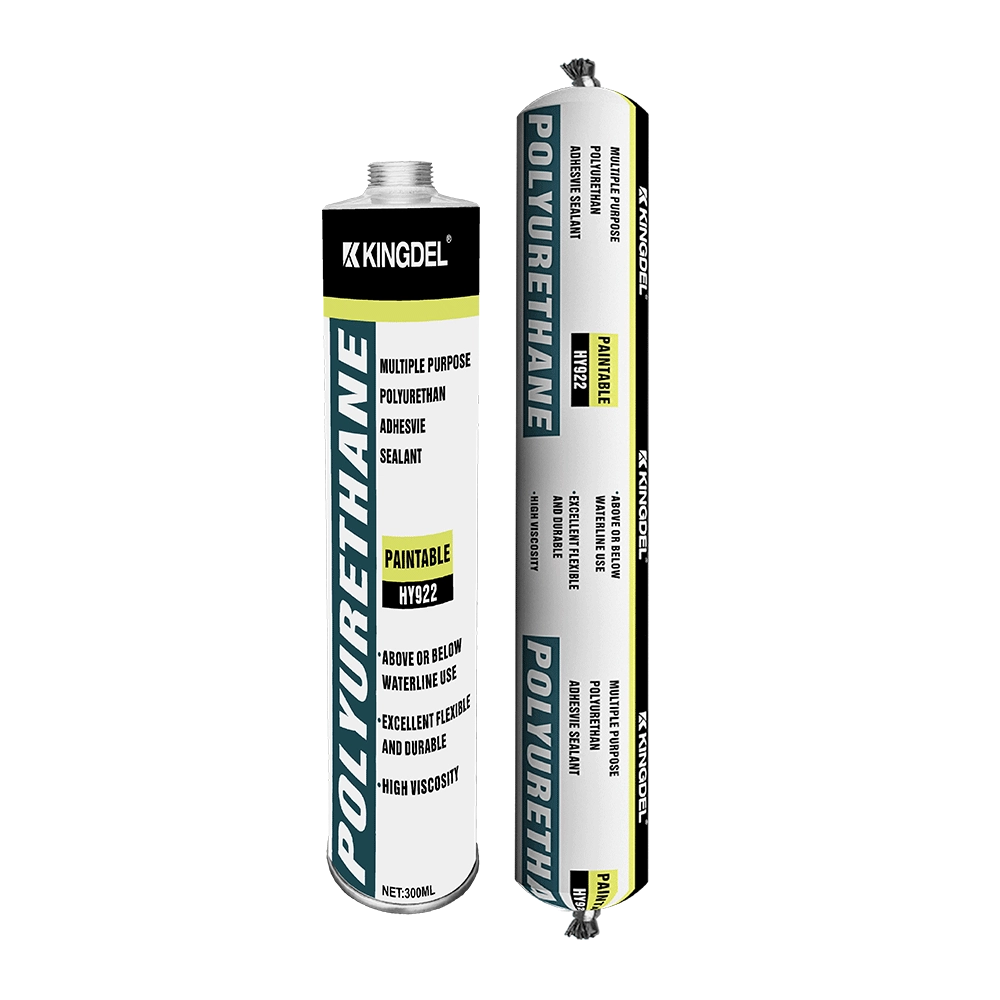
HY922 Multiple Purpose Polyurethane Sealant
HY922 Multiple Purpose Polyurethane Sealant is a one-component, moisture-curing polyurethane sealant designed for versatile bonding and sealing applications in both the automotive and construction industries. It cures to form a flexible yet tough elastomeric joint with excellent adhesion to a wide range of substrates. The formulation is non-corrosive, solvent-free, and produces a smooth, bubble-free finish during application.
HY922 delivers fast surface drying and quick positioning, improving installation efficiency while maintaining long-term durability. With strong weather resistance and good creep resistance, it performs reliably in demanding indoor and outdoor environments, including moist and partially submerged conditions.
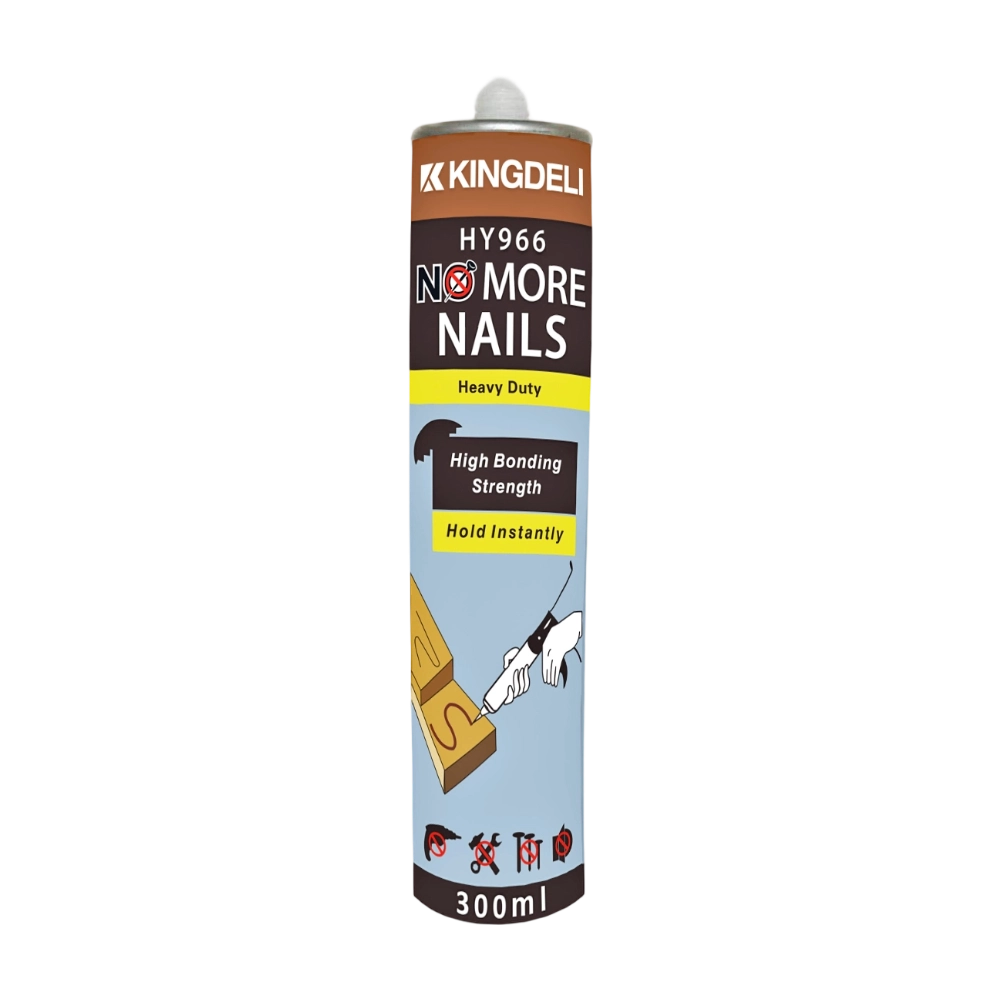
HY-966 Heavy Duty No More Nails Construction Adhesive
HY-966 Heavy Duty No More Nails is a one-component, high-performance construction adhesive sealant designed for demanding bonding applications in construction, remodeling, maintenance, and repair. Its instant grab formulation secures materials immediately, significantly reducing the need for bracing or mechanical fixing during installation.
HY-966 cures reliably in moist environments and delivers durable adhesion across a wide range of substrates. It provides excellent resistance to water, temperature variation, and aging, ensuring long-term performance in interior construction applications.
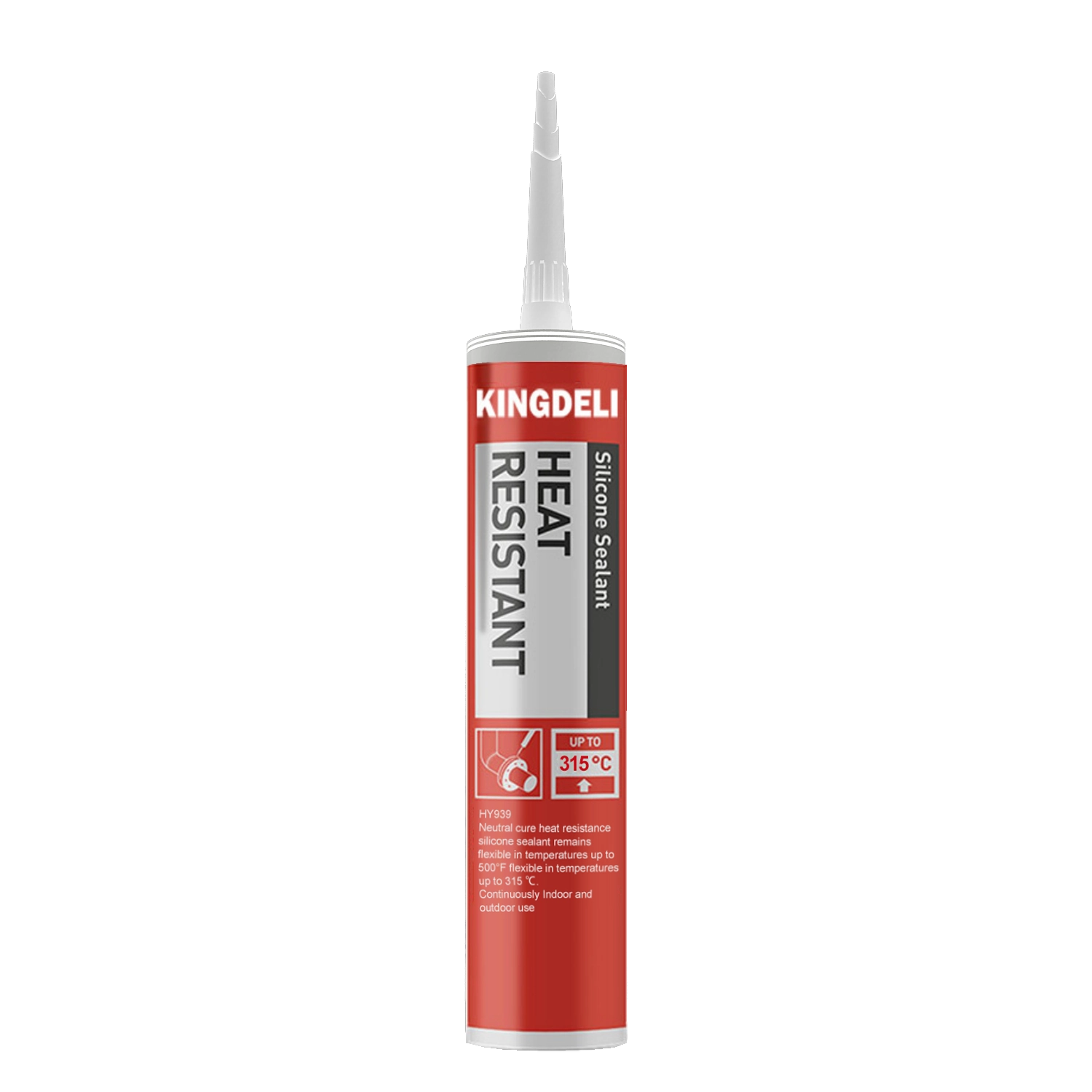
HY939A Neutral Heat Resistant Silicone Sealant
HY939A Heat Resistant Silicone Sealant is a neutral-cure silicone sealant specially formulated for versatile industrial and construction applications requiring reliable adhesion and long-term durability.
The sealant provides strong, non-corrosive adhesion to a variety of substrates, including glass, metal, gypsum board, marble, and certain plastics, making it ideal for both structural and sealing purposes.
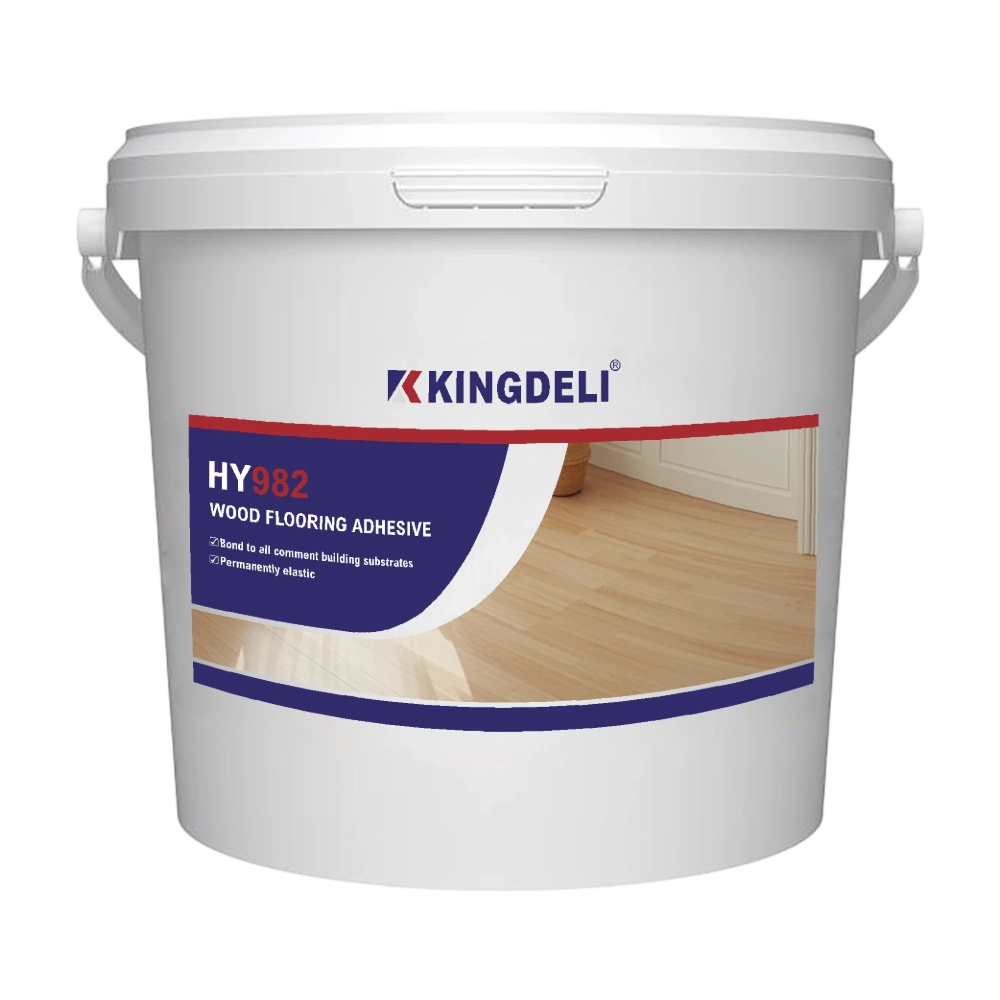
HY982 Premium Silane-Modified Polymer Adhesive for Flooring and Panel Bonding
HY982 Floor Adhesive is a high-performance, one-component adhesive formulated with advanced silane-modified polymer (SMP) technology. It is paintable, non-staining, and environmentally friendly, offering exceptional bonding strength without the need for a primer.
Designed for modern interior installations, HY982 Floor Adhesive provides excellent adhesion to wood, metal, stone, sintered slabs, glass, ceramics, and many other common building materials—making it the ideal choice for flooring installation and panel bonding applications crystal clear formulation.
Let’s Build Stronger Bonds with Quality Adhesives and Sealants
Have questions about the topic or need tailored sealant solutions for your project?
Our team is ready to provide expert guidance, product recommendations, and application support.
Innovating with Integrity, Bonding the World
Since 1998, KINGDELI has delivered trusted, sustainable sealant solutions that connect industries and inspire progress worldwide.
Whatsapp: +8618825946249
Kingdeli
Kingdeli
Kingdeli
Kingdeli
Kingdeli