











Acetic vs Neutral Silicone: A Buyer’s Comparison Guide

- Understanding Silicone Sealants
- What is a silicone sealant?
- Curing mechanisms: acetic vs neutral
- Standards and classification
- Acetic vs Neutral: Technical Comparison
- Chemistry and cure by-products
- Adhesion and substrate compatibility
- Paintability and finishing
- Performance comparison table
- Choosing the Right Sealant for Applications
- Glazing and exterior joints
- Sanitary, bathroom, and tile applications
- Natural stone and porous substrates
- Installation, Safety, and Troubleshooting
- Best practices for application
- Health, odor, and workplace ventilation
- Common failures and fixes
- Field Decision Matrix and Examples
- Quick selection matrix
- Example: selecting for an aluminum curtain wall
- Example: kitchen backsplash with copper trim
- KINGDELI: Manufacturer Profile and Why It Matters
- References and Further Reading
- FAQ
- 1. Is acetic silicone sealant safe to use around metals?
- 2. Can I paint over cured silicone?
- 3. Which is better for bathroom joints—acetic or neutral?
- 4. How long does each type take to cure?
- 5. How do I test compatibility before full installation?
- Contact & Product Inquiry
I write from more than two decades working with sealants and adhesives across building, glazing, sanitary, and industrial markets. When buyers ask whether to choose an acetic silicone sealant or a neutral-cure silicone, they want clear, practical guidance: which chemistry suits their substrates, how each behaves during curing, what risks (corrosion, odor, paintability) they should anticipate, and how to ensure long-term joint performance. Below I provide a technical yet practical buyer’s comparison with verifiable references, application guidance, and my recommendations based on field experience.
Understanding Silicone Sealants
What is a silicone sealant?
Silicone sealants are one-part or two-part polymeric sealants based on polysiloxane (silicone) chemistry used to seal joints, bond components, and provide flexible, durable weatherproofing. The broad chemistry and versatile properties make silicones common in construction, glazing, sanitary, and industrial applications. For general background on silicone chemistry and uses, see the Wikipedia overview on silicone: https://en.wikipedia.org/wiki/Silicone.
Curing mechanisms: acetic vs neutral
One key differentiator among common one-part silicones is the cure mechanism. Acetic (acetoxy) cure silicones release acetic acid as the by-product of cure, producing a vinegar-like odor. Neutral-cure silicones use alternative chemistries (e.g., oxime, alkoxy, or proprietary neutral systems) that produce non-acidic by-products and generally have lower odor and lower corrosivity to sensitive metals.
Standards and classification
Silicone joint sealants used in construction commonly reference standards such as ASTM C920 (Standard Specification for Elastomeric Joint Sealants) for performance classes and ISO/EN standards for additional testing. See ASTM C920 for details on performance classifications and test requirements: https://www.astm.org/Standards/C920.htm.
Acetic vs Neutral: Technical Comparison
Chemistry and cure by-products
Acetic silicone sealant cures by releasing acetic acid (CH3COOH), which causes the characteristic sharp odor. Neutral silicones cure with alternative volatiles (e.g., oxime, alcohols from alkoxy) or other low-acid products, producing neutral pH residues and lower odor.
Adhesion and substrate compatibility
Acetic silicones typically bond well to common non-porous substrates like glass, glazed tiles, and many ceramics. However, their acidic cure can corrode susceptible metals (e.g., copper, brass, lead, some plated finishes) and can cause staining on porous stones. Neutral silicones are designed for broader substrate compatibility, including many metals and painted surfaces, and are therefore preferred where metal corrosion or staining is a concern.
Paintability and finishing
Most acetic silicones are not paintable; paints often fail to adhere to cured silicone surfaces and paints can be chemically incompatible with acid residues. Neutral silicones—particularly those specifically formulated as paintable—offer better compatibility with coatings, though some testing with the chosen paint manufacturer is always recommended.
Performance comparison table
| Property | Acetic Silicone Sealant | Neutral Silicone Sealant |
|---|---|---|
| Cure by-product | Acetic acid (vinegar odor) | Oxime/alkoxy/alcohols or other neutral by-products |
| Odor during cure | Strong | Low to moderate |
| Compatibility with sensitive metals | Poor—may corrode copper, brass, lead | Good—designed to avoid corrosion |
| Paintability | Usually not paintable | Many neutral grades are paintable (verify with paint supplier) |
| Cure speed | Fast skin formation in typical conditions | Variable—some neutral systems cure slower but produce less odor |
| Use with natural stone/glass | Risk of staining on porous stone | Preferred for stone and sensitive finishes |
Data sources: product technical bulletins and industry standards summarized (see ASTM C920). For general silicone background: Wikipedia – Silicone. For ASTM standard information: ASTM C920.
Choosing the Right Sealant for Applications
Glazing and exterior joints
For structural or non-structural glazing applications where metal framing and long-term weatherability are critical, I recommend neutral cure silicones specifically tested for glazing (look for structural or glazing-grade designations per ASTM/EN where applicable). Neutral products reduce the risk of metal corrosion and are more likely to meet paint/finish compatibility requirements.
Sanitary, bathroom, and tile applications
Acetic silicone sealant is commonly used in sanitary joints because it adheres well to ceramic tiles and forms a resilient bead resistant to water. However, for metal fittings or specialty tiles, neutral silicones (especially mould- and mildew-resistant neutral formulations) can be a better choice to avoid staining and corrosion behind fixtures.
Natural stone and porous substrates
Natural stones (marble, limestone, some sandstones) are susceptible to staining or chemical alteration from acidic cure by-products. For stone, neutral silicones or specially formulated stone-grade sealants should be specified. When in doubt, perform a small-area compatibility test or consult the stone supplier.
Installation, Safety, and Troubleshooting
Best practices for application
Preparation is critical: clean and dry substrates, use appropriate primers where recommended by the manufacturer, backer rods for correct joint depth, and tooling to ensure adhesion and finish. Ambient temperature and humidity influence cure—acetic silicones tend to skin faster in moderate humidity; some neutral systems cure slower and may require longer joint support.
Health, odor, and workplace ventilation
Because acetic silicone releases acetic acid during cure, good ventilation is essential in enclosed spaces to mitigate odor and potential respiratory irritation. Neutral silicones generally produce less pungent odors, improving comfort on occupied jobsites. For both types, follow product safety data sheets (SDS) and local occupational safety guidance (e.g., OSHA). For environmental and management standards, see ISO 14001: https://www.iso.org/iso-14001-environmental-management..
Common failures and fixes
Failures often trace back to poor surface preparation, incompatible substrate or paint, incorrect joint geometry, or using the wrong sealant chemistry (e.g., acetic sealant against copper). Remedies include removing failed sealant, thoroughly cleaning the joint, using an appropriate primer, and selecting a compatible sealant. For detailed performance testing and joint design, refer to industry standards such as ASTM C920 and manufacturer technical data sheets.
Field Decision Matrix and Examples
Quick selection matrix
| Application | Recommended Cure Type | Key Reason |
|---|---|---|
| Exterior structural glazing | Neutral silicone (glazing-grade) | Lower corrosion risk to metal framing; proven weatherability |
| Bathroom/tile around fixtures | Acetic or neutral (mildew-resistant) | Acetic bonds well to glazed tile; neutral avoids metal corrosion |
| Natural stone (marble, limestone) | Neutral silicone (stone-grade) | Prevents acid staining and surface degradation |
| Food-contact (indirect) or pharmaceutical areas | Specialty neutral silicones with certification | Regulatory and VOC considerations; verify certs |
Example: selecting for an aluminum curtain wall
In curtain wall glazing, anodized or painted aluminum and metal gaskets are common. I specify a neutral, low-modulus glazing silicone tested for compatibility with the framing system to avoid potential acid-induced corrosion and to comply with glazing joint specifications under ASTM/EN standards.
Example: kitchen backsplash with copper trim
With copper trim present, acetic silicone is a poor choice due to corrosion risk. A neutral silicone with proven copper compatibility is the safer option to avoid discoloration and long-term metallurgical issues.
KINGDELI: Manufacturer Profile and Why It Matters
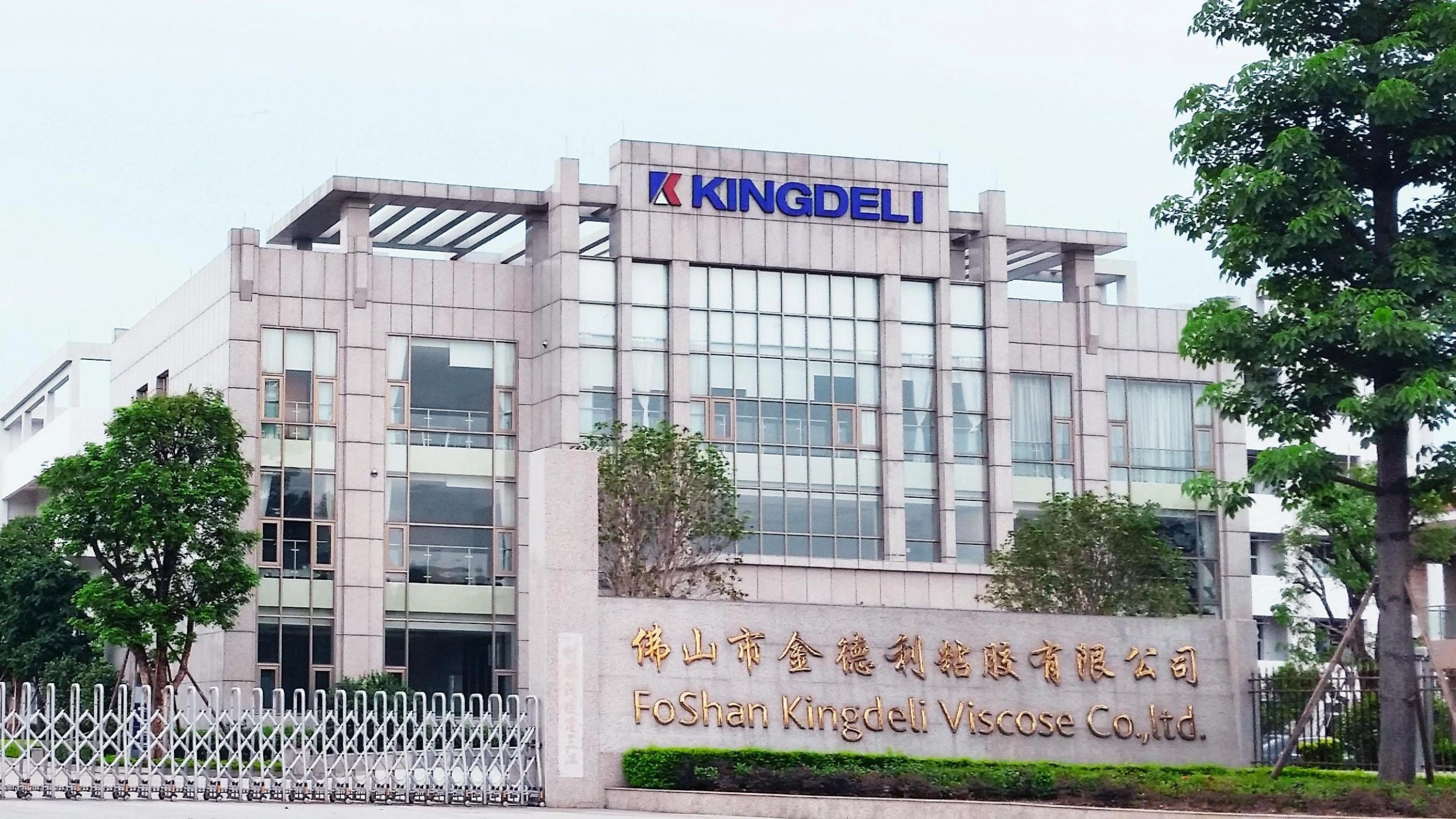
Since its establishment in 1998, KINGDELI has stood as a global leader in the high-performance sealant, adhesive, and coating industry. Headquartered in Foshan, China, our state-of-the-art 66,000 m² facility is powered by fully automated production lines with an annual capacity exceeding 100,000 tons, ensuring a consistent and robust supply for partners worldwide.
As a recognized National High-Tech Enterprise and a key contributor to the National Standard GB/T 29755-2013, we unite advanced manufacturing power with technical excellence. Our comprehensive product portfolio—spanning Neutral & Acetic Silicone, Polyurethane, MS Polymer, and No More Nails adhesives—is engineered to meet strict international standards, including ISO 9001, ISO 14001, CE, and ASTM.
With over 27 years of industry expertise and a trusted presence in 50+ countries, KINGDELI is more than a manufacturer; we are a dedicated solution provider. We offer end-to-end OEM/ODM support, sustainable low-VOC formulations, and professional technical service. At KINGDELI, we are driven by innovation and integrity, building trust and sealing the future for customers around the globe.
Our main product lines include neutral silicone sealant, acetic silicone sealant, acrylic sealant, silicone glazing sealant, No More Nails adhesive, polyurethane sealant, MS polymer sealant, RTV gasket maker, epoxy tile grout, and self-leveling sealant. KINGDELI’s competitive edge lies in consistent large-scale production, compliance with international standards, and deep technical support for specification, testing, and custom formulations.
References and Further Reading
- ASTM International – ASTM C920 Standard: https://www.astm.org/Standards/C920.htm
- ISO – ISO 9001 Quality Management and ISO 14001 Environmental Management: https://www.iso.org/iso-9001-quality-management. and https://www.iso.org/iso-14001-environmental-management.
- Wikipedia – Silicone (background chemistry and uses): https://en.wikipedia.org/wiki/Silicone
FAQ
1. Is acetic silicone sealant safe to use around metals?
Acetic cure sealants release acetic acid during cure and can corrode or discolor sensitive metals like copper, brass, and lead. For metal-rich assemblies, choose a neutral-cure silicone or confirm compatibility with the metal supplier and perform tests.
2. Can I paint over cured silicone?
Most acetic silicones are not paintable. Some neutral silicones are formulated to be paintable—always confirm with the sealant technical data sheet and test with the chosen paint system prior to specification.
3. Which is better for bathroom joints—acetic or neutral?
Both can be used. Acetic silicones have long been common in sanitary joints due to good adhesion to glazed tiles, but neutral silicones reduce corrosion risks to metal fixtures and often offer improved mildew-resistant formulations. Choose based on substrate and fixture materials.
4. How long does each type take to cure?
Cure speed varies with formulation, ambient temperature, and humidity. Acetic silicones often form a surface skin quickly; neutral silicones may cure more slowly in some formulations. Always check manufacturer cure-rate charts for planning.
5. How do I test compatibility before full installation?
Perform a small-area adhesion and staining test under project conditions, including the intended paint or metal finishes. Follow manufacturer primer recommendations and document test results before large-scale application.
Contact & Product Inquiry
If you need help selecting the right sealant for a specific project, or want to review KINGDELI’s neutral and acetic silicone sealant product lines and technical datasheets, contact our technical sales team for OEM/ODM support, sampling, and specification assistance. Visit our product pages or reach out for a project consultation—our team can provide compatibility testing, NCC/ASTM performance data, and tailored recommendations.
For standards and technical references used in this guide, see ASTM C920 and ISO documentation linked above.
Top silicone sealant Manufacturers and Suppliers
![MS Hybrid Sealant vs. Silicone vs. Polyurethane: The Definitive Showdown [2026 Edition] - KINGDELI](https://static.gooecloud.com/upload/img/ai-image/ms-hybrid-sealant-vs-silicone-vs-polyurethane-the-definitive-showdown-2026-edition.png?x-oss-process=image/format,webp/quality,Q_100 "MS-Hybrid-Sealant-vs.-Silicone-vs.-Polyurethane:-The-Definitive-Showdown-[2026-Edition] - KINGDELI")
MS Hybrid Sealant vs. Silicone vs. Polyurethane: The Definitive Showdown [2026 Edition]
MS Silicone Sealant vs RTV Silicone: A B2B Comparison
Top 10 rtv gasket maker Manufacturers and Supplier Brands in Hardware and Building Materials
Distributor Partnership
What if I am new in this industry?
No problem. We provide complete product knowledge, marketing support, and guidance to help you start quickly.
HY726
What is HY-726 Premium Clear Neutral Silicone Sealant, and what makes it different from regular silicone sealants?
HY-726 is a one-component, 100% silicone, alcohol-based elastomeric adhesive sealant. Unlike regular silicone sealants, it is specifically formulated as a neutral cure product, meaning it releases alcohol instead of acetic acid during curing. This makes it completely non-corrosive, non-toxic, and safe for use on sensitive surfaces such as copper, gold, and metal-coated mirrors — surfaces that standard acidic silicones would permanently damage.
HY-4300
Is HY-4300 corrosive to metals or coatings?
No. It is a neutral-curing formulation and is non-corrosive to metals, coated glass, concrete, and stone substrates.
HY924
How long does HY924 take to cure?
Curing starts as soon as the material contacts moisture. Tack-free time is typically 30–60 minutes, with full curing depending on humidity, temperature, and bead thickness.
HY-2100
What is the recommended working temperature?
Application can be done within 4℃ to 40℃. After curing, the sealant performs well from -50℃ to 100℃.
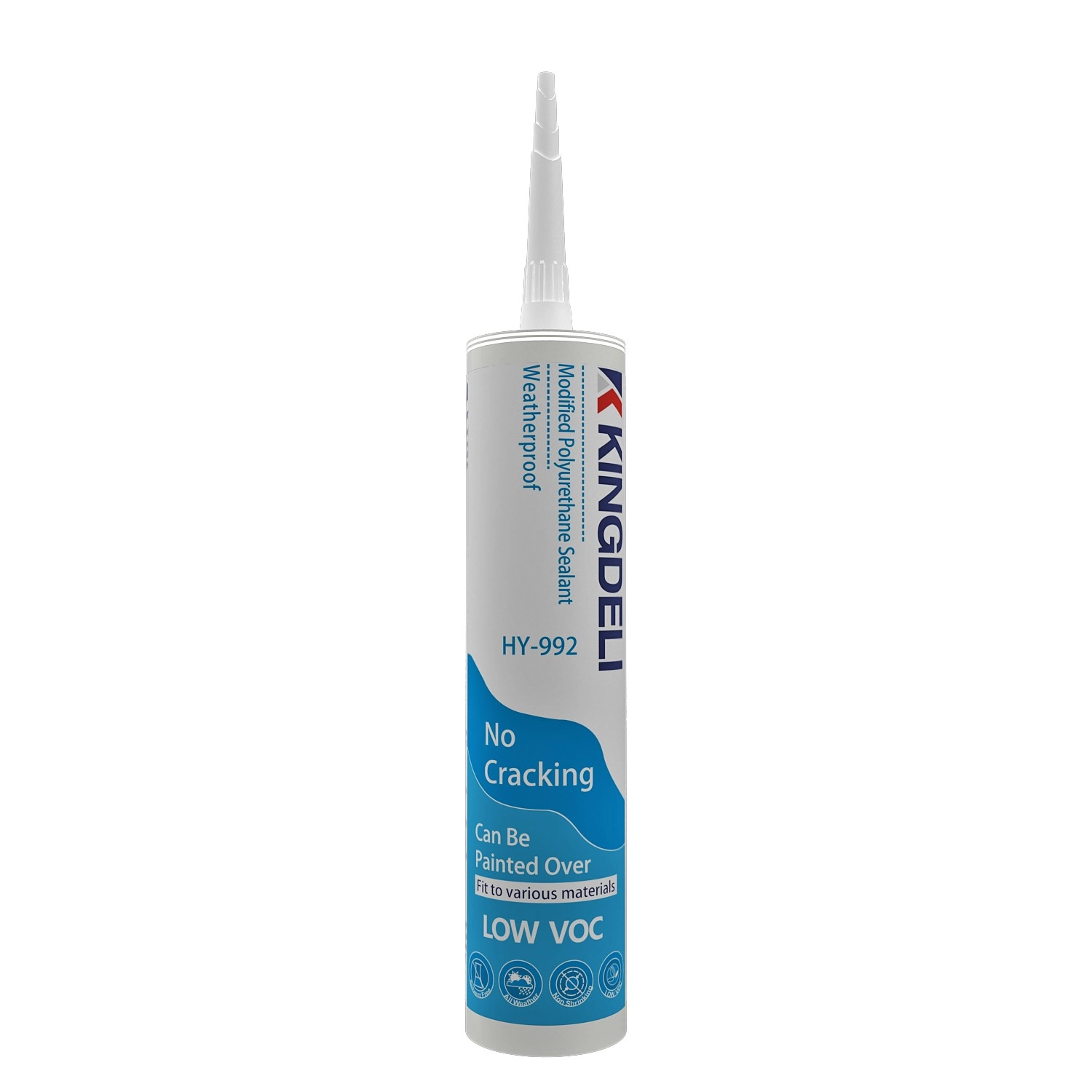
HY992 Modified Polyurethane Construction Sealant
HY992 Modified Polyurethane Sealant is a one-component, moisture-curing construction sealant designed for professional building and structural sealing applications. It provides excellent adhesion, weather resistance, and durable elasticity, making it suitable for a wide range of construction materials.
The formulation delivers strong bonding performance without corrosion or substrate contamination, while maintaining low VOC content for environmentally responsible construction projects.

HY995 Crystal Clear Ms Polymer Adhesive/Sealant
HY995 Crystal Clear Ms Polymer Adhesive/Sealant is a new generation MS Polymer adhesive / sealant formulated for all bonding and sealing applications where long term reliability is required. It has excellent bonding strength on various materials. It will cure to form a durable, flexible, waterproof seal.

HY997 High-Performance Anti-Microbial MS Polymer Sealant
HY997 MS polymer sealant for is is a premium one-component, neutral-curing modified silane sealant engineered for demanding interior applications. It offers a Class 20 movement capability, ensuring long-lasting flexibility and reliable performance under dynamic joint conditions. Curing at room temperature, HY997 delivers superior anti-microbial and mildew-resistant properties, maintaining hygienic and clean environments over time.
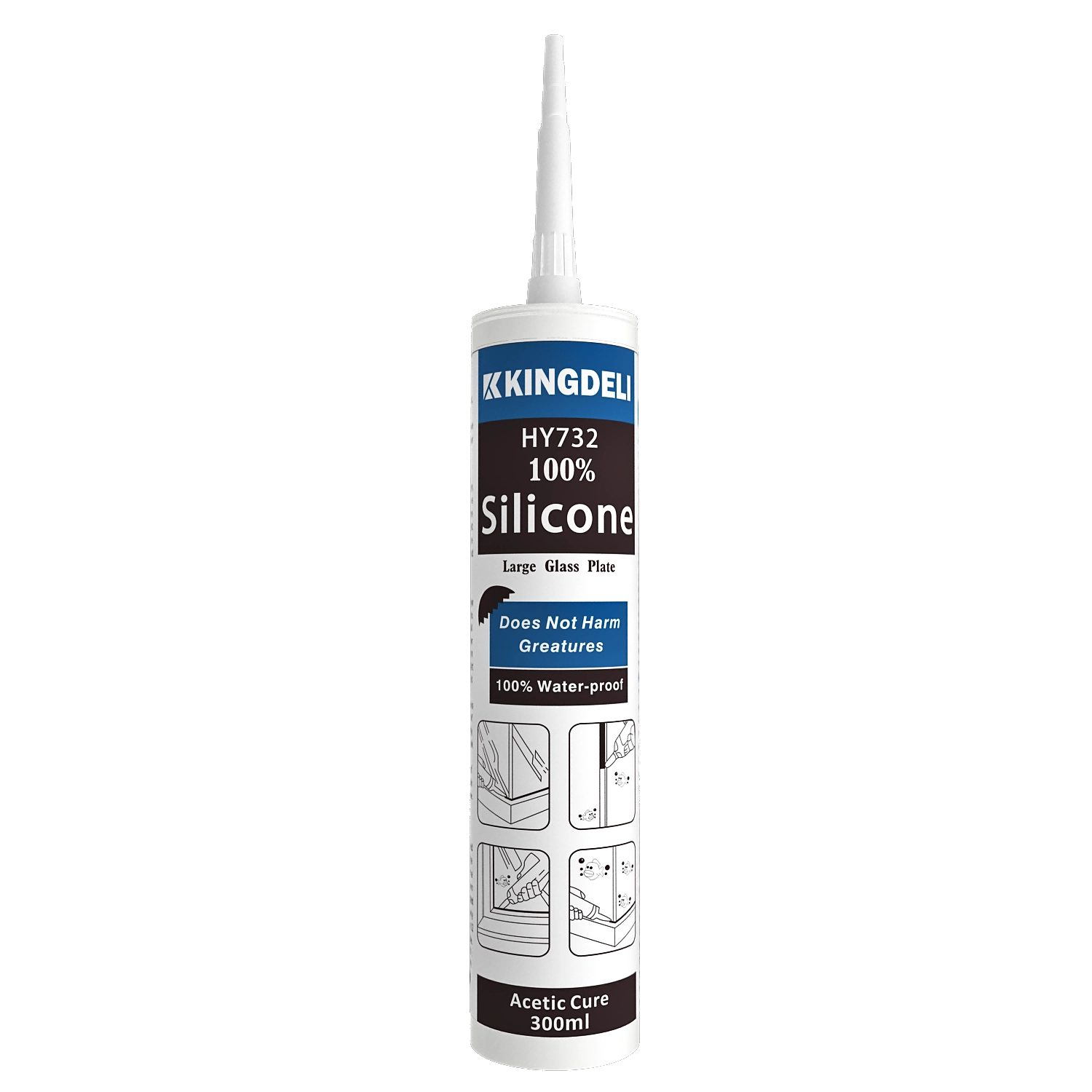
KINGDELI HY732 Professional Acetoxy Cure Silicone Sealant
KINGDELI HY732 is a professional-grade, one-component acetoxy cure silicone sealant designed for fast curing, strong adhesion, and long-lasting flexibility. Ideal for aquariums, glass applications, aluminum doors and windows, kitchens, and bathrooms, it provides reliable sealing performance with excellent anti-fungal protection in high-humidity environments.
Let’s Build Stronger Bonds with Quality Adhesives and Sealants
Have questions about the topic or need tailored sealant solutions for your project?
Our team is ready to provide expert guidance, product recommendations, and application support.
Innovating with Integrity, Bonding the World
Since 1998, KINGDELI has delivered trusted, sustainable sealant solutions that connect industries and inspire progress worldwide.
Whatsapp: +8618825946249
Kingdeli
Kingdeli
Kingdeli
Kingdeli
Kingdeli