











Storage, Handling and Shelf Life for Acetic Silicone Sealants

- Why proper storage and handling matter for silicone sealants
- Performance loss and common degradation pathways
- Commercial impact: waste, callbacks and liability
- Key measurable controls I track
- Storage conditions for acetic silicone sealants
- Recommended temperature and humidity ranges
- Packaging and container considerations
- Storage location, FIFO and inventory control
- Practical shelf-life expectations and verification
- Typical shelf-life ranges and how they differ
- How to verify shelf-life on receipt (quick QC checks)
- When to perform lab testing
- On-site handling, application and safety
- Pre-application checks and conditioning
- Application practices that protect sealant integrity
- Personal protection and VOC/acid considerations
- Troubleshooting, rejection criteria and rework
- Common issues tied to storage and simple remedies
- When to reject material
- Recordkeeping and contractual risk mitigation
- KINGDELI: supply reliability and product solutions
- FAQ — Common questions about acetic silicone storage and shelf life
- 1. What is the typical shelf life of acetic silicone sealant?
- 2. Can I extend shelf life by refrigeration?
- 3. How do I know a cartridge has gone bad?
- 4. Do acetic silicones damage metal substrates?
- 5. What are the best QC tests to perform on incoming sealant lots?
- 6. Who sets industry standards for storage and performance?
- Contact and product consultation
I write from years of field and laboratory experience working with silicone sealants across construction, glazing and industrial markets. In this article I provide practical, verifiable guidance to help manufacturers, specifiers and contractors preserve the performance of acetic silicone sealant—from receiving and storage to on-site handling and final application—while reducing waste, rework and safety risks.
Why proper storage and handling matter for silicone sealants
Performance loss and common degradation pathways
Acetic silicone sealant cures by releasing acetic acid (vinegar smell) as it crosslinks. Improper storage accelerates moisture ingress, premature curing or polymer breakdown, which can lead to reduced adhesion, tack loss, phase separation or skin formation inside cartridges. These failure modes translate to field issues such as bond failure, staining on sensitive substrates and reduced movement capability.
Regulatory and standards organizations emphasize maintaining product integrity for safety and performance; for general background on silicone sealants and their chemistries see the Wikipedia overview on silicone sealant (https://en.wikipedia.org/wiki/Silicone_sealant).
Commercial impact: waste, callbacks and liability
From my consulting projects, storage-related failures are a leading cause of premature replacement and warranty claims. Controlling storage conditions and validating shelf life reduces inventory write-offs and protects installers from costly rework and potential liability for building envelope failures.
Key measurable controls I track
I routinely monitor: lot-by-lot shelf-life dates, storage temperature and humidity, original container integrity, and small-sample cure and adhesion tests upon receipt and before use. These controls align with good manufacturing and quality management practices such as ISO 9001 (https://www.iso.org/iso-9001-quality-management.).
Storage conditions for acetic silicone sealants
Recommended temperature and humidity ranges
Best practice is to store acetic silicone sealants in a cool, dry environment, ideally between 5–25°C (41–77°F) with relative humidity below 60%. These ranges minimize premature crosslinking and preserve the integrity of cartridge seals and foil membranes. Many manufacturers and adhesive councils recommend similar ranges; see general industry guidance at the Adhesive and Sealant Council (https://www.ascouncil.org/).
Packaging and container considerations
Always keep product in original, unopened cartridges, sausages or bulk containers until use. Original packaging includes engineered barriers—e.g., foil-laminate sausages or sealed cartridges—that limit moisture contact. Avoid transferring product to non‑approved containers unless performed under controlled conditions with traceability.
Storage location, FIFO and inventory control
Store cartridges off the floor, away from direct sunlight, in pallets or shelving with temperature monitoring. Implement a First-In-First-Out (FIFO) system and label stock with receipt date, lot number and expiry. For larger operations, use digital inventory systems that trigger quality checks as product approaches end-of-life.
Practical shelf-life expectations and verification
Typical shelf-life ranges and how they differ
Shelf life depends on formulation, packaging and storage. Typical guidance is shown below. These values are consistent with manufacturer datasheets and industry practice; always confirm with the product’s technical data sheet (TDS).
| Sealant type | Typical unopened shelf life (at 23±2°C) | Storage note |
|---|---|---|
| Acetic silicone sealant (general-purpose) | 9–12 months | Shorter if exposed >25°C or high humidity |
| Neutral-cure silicone | 12–24 months | Often more stable in metal-sensitive substrates |
| Specialty high-temperature/low-VOC silicones | Varies; 12–18 months | Follow manufacturer TDS |
Manufacturers frequently state 9–18 months for acetic silicones depending on antioxidants and packaging. For any given product, always defer to the printed shelf-life on the cartridge or the TDS. If you need formal standards, consult manufacturer specifications and industry literature such as guidance from adhesive manufacturers and standards bodies (ISO, ASTM).
How to verify shelf-life on receipt (quick QC checks)
When receiving stock I recommend these quick checks before accepting or staging for use:
- Visual inspection—no bulged cartridges, ruptured foil or phase separation.
- Smell test—acetic silicones have a vinegar odor; excessive or off-odors may indicate degradation.
- Extrusion test—extrude a small quantity to confirm steady flow and tack; check cure skin time on a small sample laid out as a thin film.
- Adhesion/cure sample—adhesion test to representative substrate and a basic hardness/cure test after recommended cure time.
When to perform lab testing
If performance is mission-critical (glazing, wet rooms, food-adjacent areas), perform periodic lab tests: FTIR for uncured chemistry, rheology for viscosity, cure profile and adhesion tests to substrates. For traceability include lot numbers and storage history in your QC records.
On-site handling, application and safety
Pre-application checks and conditioning
Store cartridges in a conditioned area before use. If product has been stored below recommended temperature, condition at room temperature for at least 12–24 hours to return viscosity to expected values. Always check expiration and perform an extrusion sample to confirm flow and cure.
Application practices that protect sealant integrity
Use appropriate application tools and avoid contaminating cartridges. Replace nozzles frequently; if you reseal partially used cartridges, minimize air exposure and avoid using cheap caps that don’t compress the seal. For sausages, use proper static mixers if specified—do not hand-mix one-part silicones with incompatible materials.
Personal protection and VOC/acid considerations
Acetic cure releases acetic acid vapor during cure. Ensure adequate ventilation, use gloves and eye protection, and follow SDS requirements. For indoor projects, consider low-VOC or neutral cure products if acetic fumes are a concern. See product SDS for exposure limits and first-aid.
Troubleshooting, rejection criteria and rework
Common issues tied to storage and simple remedies
Slow or incomplete cure: often caused by expired product, contaminated substrate or low humidity (silicones need atmospheric moisture to cure). Remedy: verify shelf life, clean substrate, and ensure appropriate ambient humidity or select alternative cure chemistry.
Skin formation in cartridges: often due to damaged packaging or repeated temperature swings. Remedy: reject lot if internal cure is observed; small external skin can sometimes be removed but hidden cure indicates compromised product.
When to reject material
Reject cartridges showing bulging (pressure build-up), strong off-odors, significant phase separation (liquid separation), or cured lumps inside when extruded. Document rejections with photos, lot numbers and storage conditions to enable root-cause analysis with your supplier.
Recordkeeping and contractual risk mitigation
Implement acceptance testing protocols in purchase specifications: define acceptable extrusion behavior, adhesion criteria and shelf-life thresholds. Keep storage logs and supplier certificates. These records protect you in warranty claims and ensure traceability for critical projects.
KINGDELI: supply reliability and product solutions
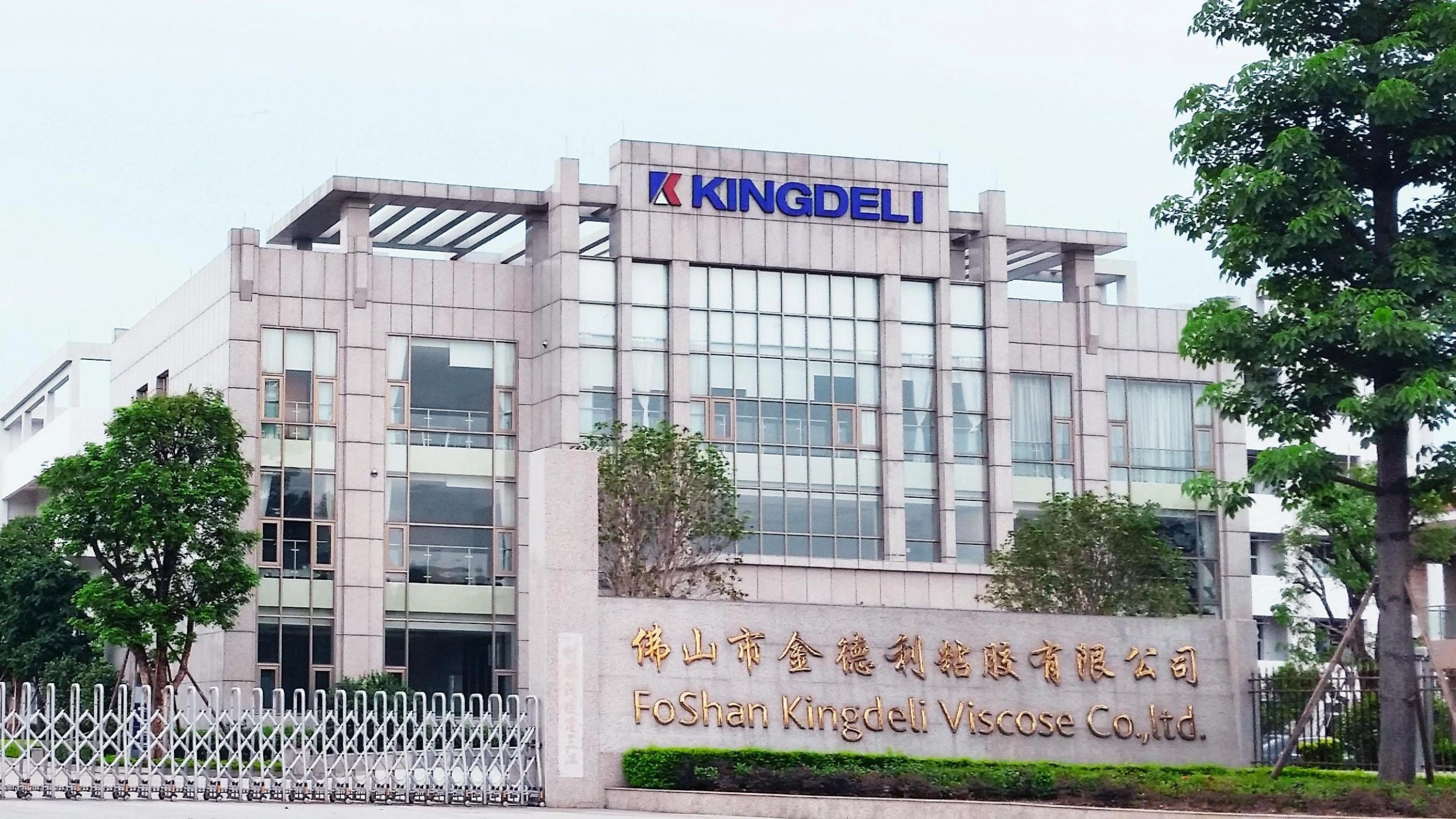
Since its establishment in 1998, KINGDELI has stood as a global leader in the high-performance sealant, adhesive, and coating industry. Headquartered in Foshan, China, our state-of-the-art 66,000 m² facility is powered by fully automated production lines with an annual capacity exceeding 100,000 tons, ensuring a consistent and robust supply for partners worldwide.
As a recognized National High-Tech Enterprise and a key contributor to the National Standard GB/T 29755-2013, we unite advanced manufacturing power with technical excellence. Our comprehensive product portfolio—spanning Neutral & Acetic Silicone, Polyurethane, MS Polymer, and No More Nails adhesives—is engineered to meet strict international standards, including ISO 9001, ISO 14001, CE, and ASTM.
With over 27 years of industry expertise and a trusted presence in 50+ countries, KINGDELI is more than a manufacturer; we are a dedicated solution provider. We offer end-to-end OEM/ODM support, sustainable low-VOC formulations, and professional technical service. At KINGDELI, we are driven by innovation and integrity, building trust and sealing the future for customers around the globe.
KINGDELI’s competitive strengths I rely on when specifying suppliers include:
- Large, automated production capacity that reduces supply chain risk.
- Certifications and participation in national standards that demonstrate technical capability.
- Comprehensive product range: neutral silicone sealant, acetic silicone sealant, Acrylic Sealant, silicone glazing sealant, No More Nails adhesive, Polyurethane Sealant, MS polymer Sealant, RTV Gasket Maker, Epoxy Tile Grout, Self-Leveling Sealant.
- Technical support and tailored formulations for specific storage and application environments.
If you require supply reliability and tailored product support for projects sensitive to storage and shelf-life constraints, KINGDELI’s global footprint and in-house R&D provide a strong basis for partnership.
FAQ — Common questions about acetic silicone storage and shelf life
1. What is the typical shelf life of acetic silicone sealant?
Typical unopened shelf life ranges 9–12 months at recommended storage (approximately 23°C). Always verify the manufacturer’s printed expiry and the TDS for the product you purchased.
2. Can I extend shelf life by refrigeration?
Cold storage (above freezing) can slow chemical reactions, but repeated temperature fluctuations and condensation risk can cause problems. If you refrigerate, keep product sealed, avoid freezing, and condition to room temperature before use. Record the storage method in inventory logs.
3. How do I know a cartridge has gone bad?
Reject cartridges with bulging, ruptured seals, cured lumps, phase separation (clear liquid layer), or strong abnormal odors. An extrusion and skin-time test can confirm performance before application.
4. Do acetic silicones damage metal substrates?
Acetic cure releases acetic acid and can corrode sensitive metals (e.g., copper, brass). For metal-sensitive substrates, prefer neutral-cure silicones. Manufacturer guidance and substrate compatibility testing are essential.
5. What are the best QC tests to perform on incoming sealant lots?
Quick checks: visual inspection, extrusion test, skin time (thin film cure), and adhesion to representative substrates. For critical applications, perform lab tests for rheology, FTIR, and bond strength.
6. Who sets industry standards for storage and performance?
Standards bodies like ISO, ASTM and national standards organizations set relevant quality and testing benchmarks for sealants. Manufacturer TDS and industry groups such as the Adhesive and Sealant Council provide practical guidance and technical resources (https://www.ascouncil.org/).
Contact and product consultation
If you’d like help establishing storage controls, incoming inspection protocols or selecting the right acetic versus neutral silicone for your project, contact KINGDELI’s technical team for specification support and sample testing. Visit KINGDELI’s product pages or request technical data sheets and MSDS for precise shelf-life and storage guidance.
Contact KINGDELI for product catalogs, OEM/ODM solutions and technical consultation — we can help you design inventory and QC programs that protect product performance and reduce waste.
References and further reading: Wikipedia on silicone sealant (https://en.wikipedia.org/wiki/Silicone_sealant), ISO 9001 overview (https://www.iso.org/iso-9001-quality-management.), Adhesive and Sealant Council (https://www.ascouncil.org/), ASTM standards portal (https://www.astm.org/).
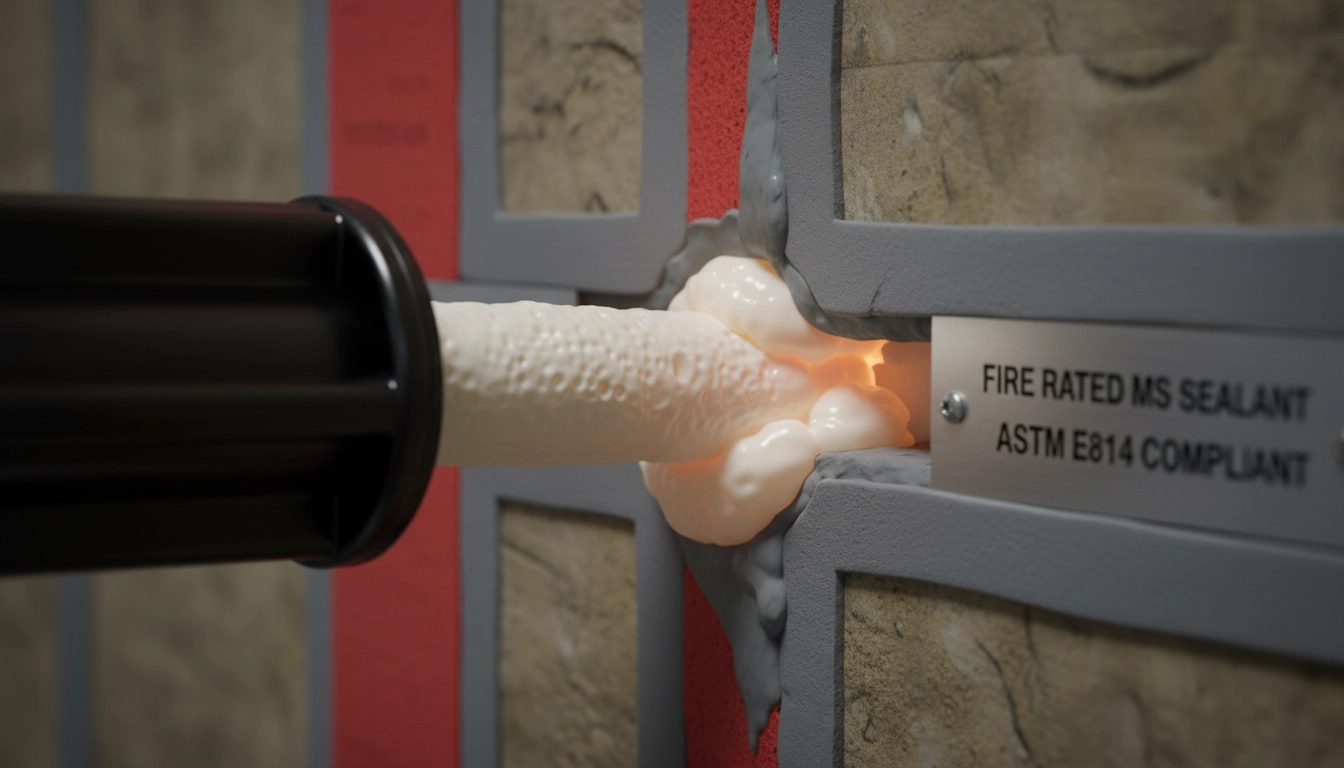
The Ultimate Guide to Fire-Rated MS Sealants: Everything You Need to Know for 2026
Choosing MS Silicone Sealant for Facade and Curtain Walls
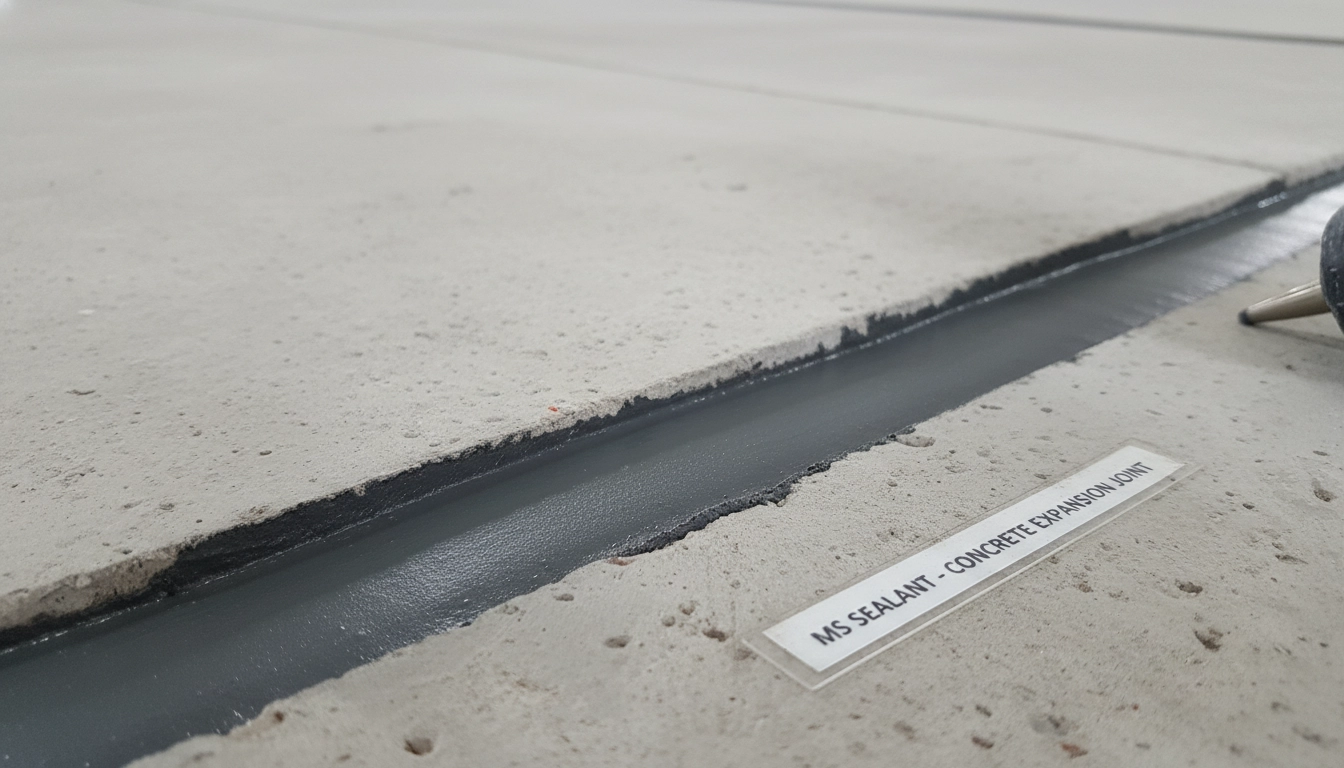
How to Use MS Sealant for Concrete: A Step-by-Step Professional Checklist (2026 Guide)
Best neutral silicone sealant manufacturers and supplier brands in Automotive Solutions
HY-2300
Is the sealant suitable for outdoor environments?
Yes. With excellent weatherproofing and anti-aging resistance, it maintains long-term performance under UV, rain, and temperature changes.
HY-951
What packaging options are available?
HY951 is supplied in 400 ml cartridges for convenient application.
HY925
Can HY925 be painted after curing?
Yes. HY925 has high viscosity and can be painted after full curing using many common coatings.
HY-939
What temperature range can HY939 withstand?
HY939 performs reliably in a wide temperature range from -60 °C to 350 °C, making it suitable for both high-temperature and low-temperature environments.
HY722B
What is the shelf life of the product?
The shelf life is 12 months when stored in unopened cartridges under cool, dry conditions.
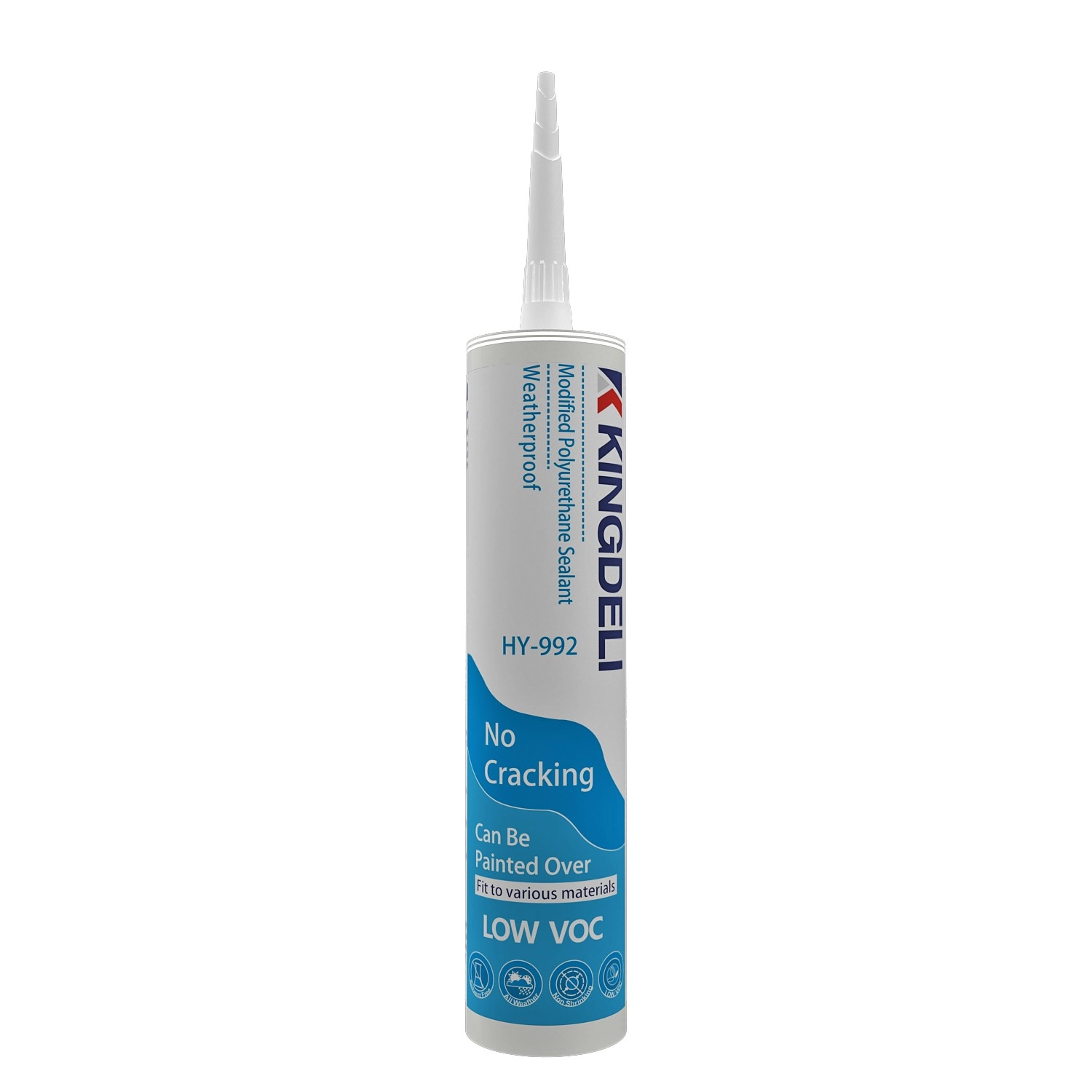
HY992 Modified Polyurethane Construction Sealant
HY992 Modified Polyurethane Sealant is a one-component, moisture-curing construction sealant designed for professional building and structural sealing applications. It provides excellent adhesion, weather resistance, and durable elasticity, making it suitable for a wide range of construction materials.
The formulation delivers strong bonding performance without corrosion or substrate contamination, while maintaining low VOC content for environmentally responsible construction projects.

HY995 Crystal Clear Ms Polymer Adhesive/Sealant
HY995 Crystal Clear Ms Polymer Adhesive/Sealant is a new generation MS Polymer adhesive / sealant formulated for all bonding and sealing applications where long term reliability is required. It has excellent bonding strength on various materials. It will cure to form a durable, flexible, waterproof seal.

HY997 High-Performance Anti-Microbial MS Polymer Sealant
HY997 MS polymer sealant for is is a premium one-component, neutral-curing modified silane sealant engineered for demanding interior applications. It offers a Class 20 movement capability, ensuring long-lasting flexibility and reliable performance under dynamic joint conditions. Curing at room temperature, HY997 delivers superior anti-microbial and mildew-resistant properties, maintaining hygienic and clean environments over time.
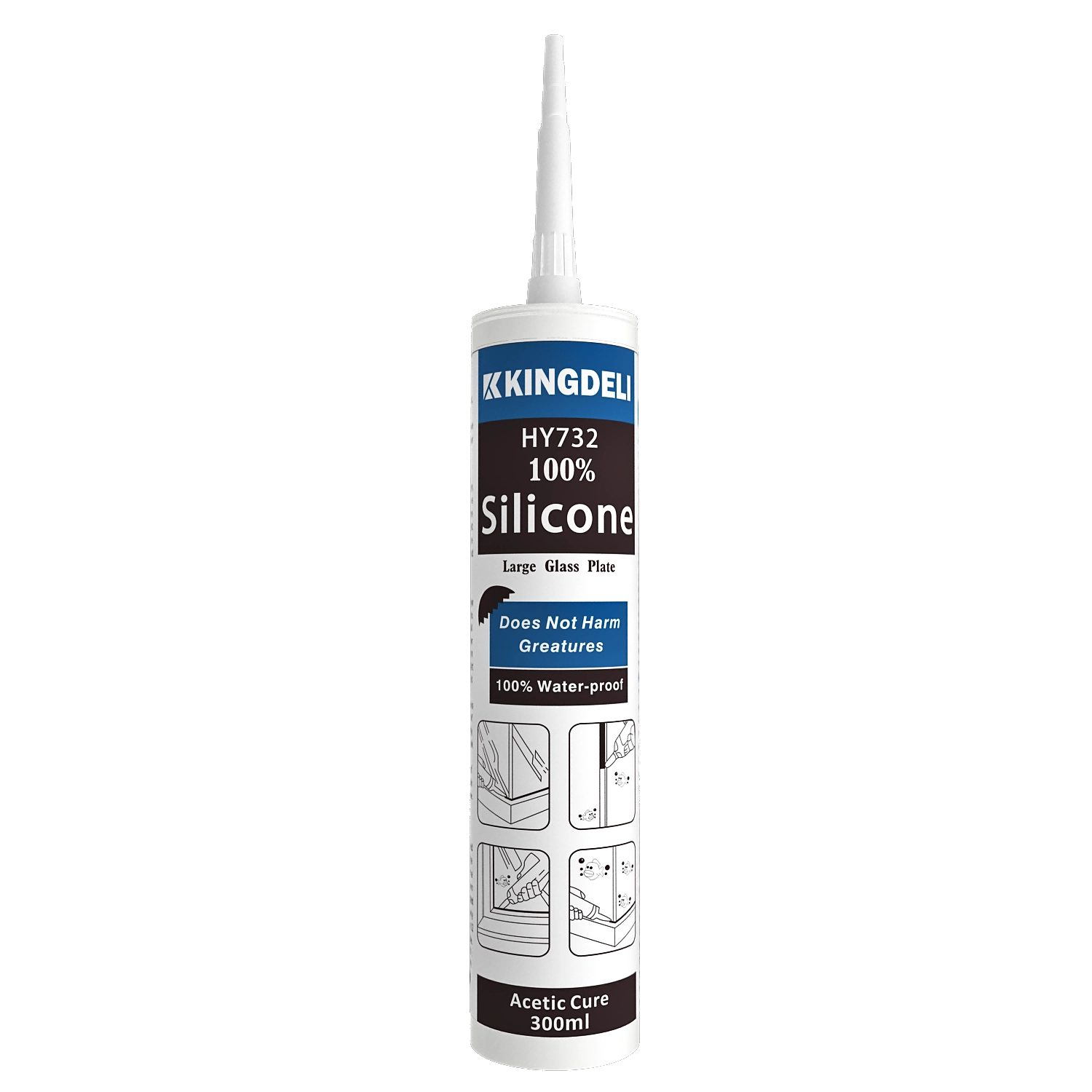
KINGDELI HY732 Professional Acetoxy Cure Silicone Sealant
KINGDELI HY732 is a professional-grade, one-component acetoxy cure silicone sealant designed for fast curing, strong adhesion, and long-lasting flexibility. Ideal for aquariums, glass applications, aluminum doors and windows, kitchens, and bathrooms, it provides reliable sealing performance with excellent anti-fungal protection in high-humidity environments.
Let’s Build Stronger Bonds with Quality Adhesives and Sealants
Have questions about the topic or need tailored sealant solutions for your project?
Our team is ready to provide expert guidance, product recommendations, and application support.
Innovating with Integrity, Bonding the World
Since 1998, KINGDELI has delivered trusted, sustainable sealant solutions that connect industries and inspire progress worldwide.
Whatsapp: +8618825946249
Kingdeli
Kingdeli
Kingdeli
Kingdeli
Kingdeli