











Which industries benefit most from acetic silicone sealant?
1. Can acetic silicone sealant be used on aluminum curtain walls without causing corrosion or adhesion failure?
Short answer: not without careful substrate evaluation, correct primer selection, and design controls. Acetic (acetoxy) silicone sealants release acetic acid as they cure. That acid vapour can accelerate corrosion or cause staining on reactive metals and metal finishes (for example, bare or poorly anodized aluminum, copper alloys, brass, and some galvanised steels). The risk is higher in confined cavities and when sealant is in direct contact with unfinished metal surfaces for long periods.
Technical guidance:
- Substrate condition: Use anodized or properly coated aluminum where possible. Remove machining oils, oxide films and fingerprints using approved cleaners (isopropyl alcohol, acetone where permitted) and allow complete evaporation before applying sealant.
- Primers: Where adherence to aluminum is required, use a silane-based primer specifically validated for acetoxy silicones and the exact aluminum finish (test data required). Primers reduce the need for direct metal contact and mitigate corrosion risk.
- Design: Avoid trapping uncured sealant in crevices or behind gaskets. Provide drainage and ventilated cavities where feasible so acetic vapour can escape. Use backer rods to control sealant depth and prevent three-sided adhesion.
- Material selection: For long-term façade glazing or structural curtain wall joints, prefer neutral-cure silicone or manufacturer-specified glazing sealants designed for metal contact. Acetic silicones are commonly used as secondary or sanitary seals rather than primary structural seals in curtain-wall systems.
- Specification and testing: Require manufacturer adhesion and corrosion test reports for the exact aluminum alloy, finish, and environmental class. Perform mock-up testing (including accelerated weathering per ASTM C1135 or equivalent) before approval.
Bottom line: Acetic silicone can be used in curtain wall applications only after confirming compatibility with the aluminum finish, applying the correct primer, controlling joint design and ventilation, and validating with mock-ups—otherwise select a neutral-cure or metal-compatible sealant.
2. Is acetic silicone safe for aquarium use or potable water contact, and what certifications are required?
Short answer: Generally no—acetic silicone sealants are not recommended for aquaria or potable water applications unless explicitly certified by the manufacturer. They release acetic acid during cure and may continue to off-gas; additives and residual curing products can be harmful to aquatic life and may leach into drinking water.
Details and procurement advice:
- Certifications: For potable-water and food-contact applications you must specify sealants with appropriate approvals (for example, NSF/ANSI 61 for drinking water contact in the U.S. or equivalent regional approvals). Most standard acetoxy silicones are not NSF-listed.
- Aquaria: For freshwater or marine tanks, aquarists and manufacturers routinely specify neutral-cure silicones formulated and marketed as aquarium-safe (commonly clear acetic silicones are marketed for home aquarium repair but reputable aquarium builders advise using neutral-cure, low-volatile formulations that are specifically tested). If any silicone lacks explicit aquarium approval, do not use it inside a tank containing fish or corals.
- Alternative choices: Use silicones or elastomers that state NSF/ANSI, WRAS, KTW, or local potable-water compliance. For food contact, look for FDA 21 CFR-compliant materials—again, only if the product documentation specifically states compliance.
- Testing: Where a project touches public health, require full material declarations (Declaration of Composition), migration/leach testing, and certificates from accredited labs before approval.
Bottom line: Unless a manufacturer explicitly certifies an acetoxy silicone for potable water or aquarium use (rare), select certified neutral-cure or food-/water-grade sealants and require documentation.
3. How can I ensure durable paint adhesion and a good finish when using acetic silicone joints?
Short answer: Expect poor paint adhesion over cured acetic silicone. Most acetoxy silicones are inherently non-paintable. Plan joint detailing or choose an alternative sealant if the joint must be painted.
Actionable strategies:
- Choose the right product: If paintability is required, specify a silicone explicitly labelled “paintable” and validated to adhere to the target coating system. Alternatively, use polyurethane or hybrid MS sealants known for paintability.
- Joint detailing: Recess the silicone behind trim or use cap beads and joint covers where coatings must cross the joint line. This avoids directly painting over the silicone.
- Surface prep and testing: Even with “paintable” silicones, compatibility with architectural paints varies. Carry out adhesion tests using the actual paint system and exposure conditions (accelerated weathering tests per ASTM D4587 or similar are recommended).
- Primers and tie-coats: There are specialist adhesion promoters for some combinations, but they are system-specific and require manufacturer instruction and testing. Do not assume a general-purpose primer will provide long-term paint adhesion.
- Maintenance planning: Expect occasional maintenance—if movement and long-term elasticity are required for the joint, accept that periodic reseal or repaint may be necessary depending on traffic and exposure.
Bottom line: Avoid relying on standard acetic silicone if you need long-term painted joints. Either redesign to hide the silicone or specify a paintable/hybrid alternative and validate with mock-ups and adhesion tests.
4. What are realistic cure-time and movement-capability expectations for large joints using acetic silicone in cold, low-humidity conditions?
Short answer: Cure rate slows significantly in cold/low-humidity environments; movement capability should be taken from the product’s technical data sheet (TDS) and validated in project conditions. Acetic cure silicones are generally low- to medium-modulus and commonly rated for ±25% movement, but specifics vary by formulation.
Important technical points:
- Cure mechanism and rate: Acetoxy silicones cure by reaction with atmospheric moisture. At typical lab conditions (23°C, 50% RH), skin-over can occur in minutes to an hour and full cross-section cure proceeds roughly 2–3 mm per 24 hours for many general-purpose silicones. In cold (<5–10°C) or low-humidity (<30% RH) conditions the skin time lengthens and internal cure rate may drop to a fraction of the nominal rate.
- Joint depth control: Thicker beads cure much slower at the center. Keep joint depth within manufacturer recommendations—typically 6–12 mm for many joints—and use backer rods to avoid excessive depths that trap uncured core material.
- Movement capability: Check the TDS for the sealant’s movement class (many non-structural silicones are specified to ±25% movement; some specialty formulations are rated ±50%). Don’t assume structural performance—acetic silicones are usually not suitable for structural glazing or load-bearing joints.
- Practical acceleration tips: Raising temperature and humidity accelerates cure—apply heat (carefully, within safe limits for the substrate) and, where safe, introduce modest humidity to the workspace. Do not use solvents or contaminants to force cure; they can inhibit adhesion or cause defects.
- Quality control: For critical joints, specify on-site cure monitoring (e.g., measure tack-free time and cure-through in representative mock-ups) and include acceptance criteria tied to environmental conditions in the specification.
Bottom line: Plan for slower cure in cold/dry conditions, design joints to recommended depths, confirm movement capability from the manufacturer, and validate with site mock-ups under expected environmental conditions.
5. How should I specify and test acetic silicone for porous substrates like concrete or natural stone to prevent staining and adhesion loss?
Short answer: Porous substrates pose two main risks—surface staining/discoloration and poor long-term adhesion. Acetic silicones can cause temporary or permanent staining on some natural stones and may not penetrate or bond properly to untreated porous concrete or masonry without primer.
Specification and testing steps:
- Pre-construction mock-ups: Always perform full-scale mock-ups on the actual stone or concrete panels that replicate exposure (sunlight, rain, salt, freeze–thaw). Visual inspection and accelerated weathering should be part of acceptance criteria.
- Stain testing: Apply a test bead in an inconspicuous area and inspect after full cure (often 7–28 days). Some limestones, marbles, and calcareous stones are especially susceptible to staining from acetic silicones; use neutral-cure products in those cases.
- Surface preparation: Remove dust, laitance, release agents, and curing compounds. For concrete, a suitable primer or consolidant may be required to stabilise powdery surfaces. For stone, follow supplier guidance.
- Primers and bond promoters: Use manufacturer-approved primers to improve adhesion on porous substrates. The correct primer can also act as a barrier to prevent staining, but primer selection must be validated with the exact stone type.
- Joint backer and bond-breaker: Use closed-cell polyethylene backer rods and non-adhesive bond-breaker tape to ensure two-sided adhesion only and control joint depth to the manufacturer’s recommendations.
- Standards and tests: Specify adhesion and compatibility testing per recognized methods (for example, ASTM C794 adhesion-in-peel, or project-specific pull-off tests) and require written acceptance criteria before production installation.
Bottom line: For porous materials, require mock-ups, conduct stain and adhesion testing, use appropriate primers, and control joint geometry. Where staining risk is unacceptable, choose a neutral-cure or specifically stone-compatible sealant.
6. Which industries benefit most from acetic silicone sealant, and what are typical applications and limitations by sector?
Short answer: Acetic (acetoxy) silicone sealants are widely used across multiple industries where flexible, weatherproof, mildew-resistant sealing is required and where the release of acetic acid will not cause compatibility issues. However, they are less suitable where metal corrosion, potable-water contact, aquarium exposure, or paintability are primary concerns.
Industry-by-industry overview (common applications and limitations):
- Construction and glazing: Widely used for sanitary seals, secondary glazing seals, perimeter seals around fixed glazing (non-structural) and weatherproofing window/door frames. Advantages: excellent adhesion to glass and ceramics, good UV and weather resistance. Limitations: not for structural glazing; check metal compatibility and use neutral-cure where metal corrosion is a concern.
- Sanitary and plumbing: Common for bathroom and sanitary joints due to mildew resistance and water repellence. Advantages: good adhesion to glazed tiles and ceramic. Limitations: not typically certified for potable-water contact—verify approvals.
- Appliance manufacturing: Used to seal glass-to-metal joints and provide weatherproof seals in ovens, household appliances and enclosures. Advantages: heat tolerance and flexibility. Limitations: curing odor (acetic) may be undesirable in enclosed assembly operations—adequate ventilation required.
- Automotive (non-structural): Used for trim sealing, light housings, and non-structural glass sealing where quick adhesion and weather resistance are required. Limitations: not a substitute for structural adhesives; chemical compatibility with painted or plated substrates must be validated.
- Electrical enclosures and HVAC: Useful for exterior weather seals and small penetrations. Advantages: elastic seal, good temperature range and UV resistance. Limitations: not ideal for electronic potting or where acetic off-gassing could affect components—neutral cure or low-outgassing silicones are preferred for sensitive electronics.
- Marine (non-immersed use): Used for deck fittings and non-structural seals where mildew and UV resistance are needed. Limitations: in constant submersion or contact with untreated wood and certain metals, neutral or marine-specific sealants are often preferable.
Common cross-industry limitations to consider during procurement: acetic odor and off-gassing during cure, potential corrosion on reactive metals, limited or no paintability, and variable cure behaviour in cold/dry environments. Procurement teams should require product TDS, SDS, movement-class data, and independent test reports (adhesion, weathering) and align specifications with ASTM C920 and ISO 11600 classification expectations.
Concluding summary — advantages of acetic silicone sealant: Acetic silicone sealants provide durable, low-modulus, mildew- and UV-resistant sealing with excellent adhesion to glass, glazed ceramics and many non-porous substrates. They offer good environmental durability, flexibility for joint movement (commonly ±25% in general-purpose grades), and convenient cartridge or sausage packaging for handheld application. When selected and specified correctly—with attention to substrate compatibility (especially metals and natural stone), joint design, primers, and environmental cure conditions—acetoxy silicones are cost-effective, long-lasting solutions for non-structural sealing in glazing, sanitary, appliance and many exterior sealing applications.
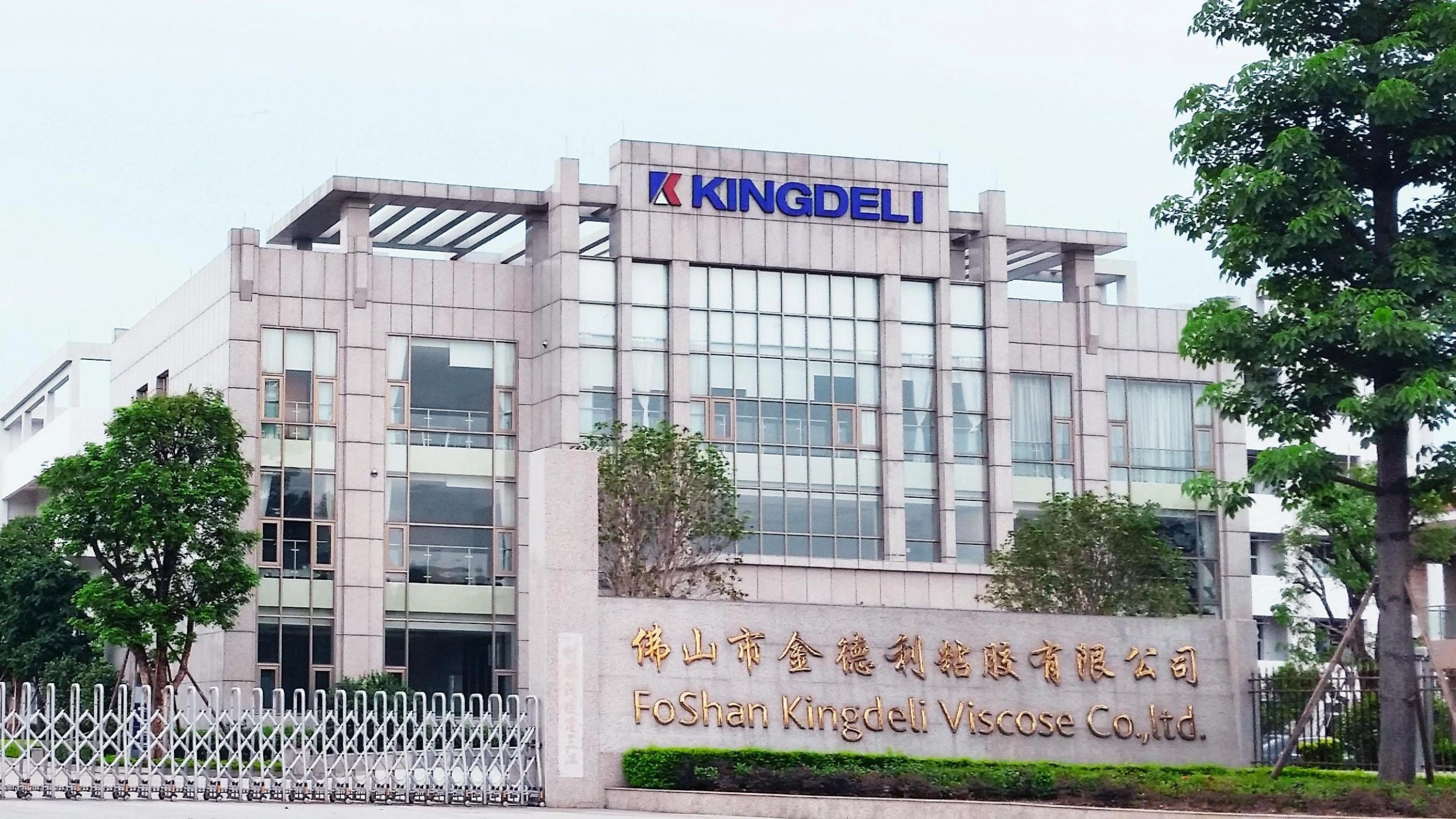
For project-specific recommendations, test protocols, or to request sealed product data (TDS/SDS), contact Kingdeli Sealant at www.kingdelisealant.com or email info@kingdeliadhesive.com for a formal quote and on-site compatibility support.
References and standards to consult when specifying: ASTM C920 (Specification for Elastomeric Joint Sealants), ISO 11600 (Building construction — Sealants), and project-specific performance and health approvals (NSF/ANSI, FDA, regional potable water standards) as applicable. Always require manufacturer documentation and independent testing when health, structural, or finish considerations are critical.
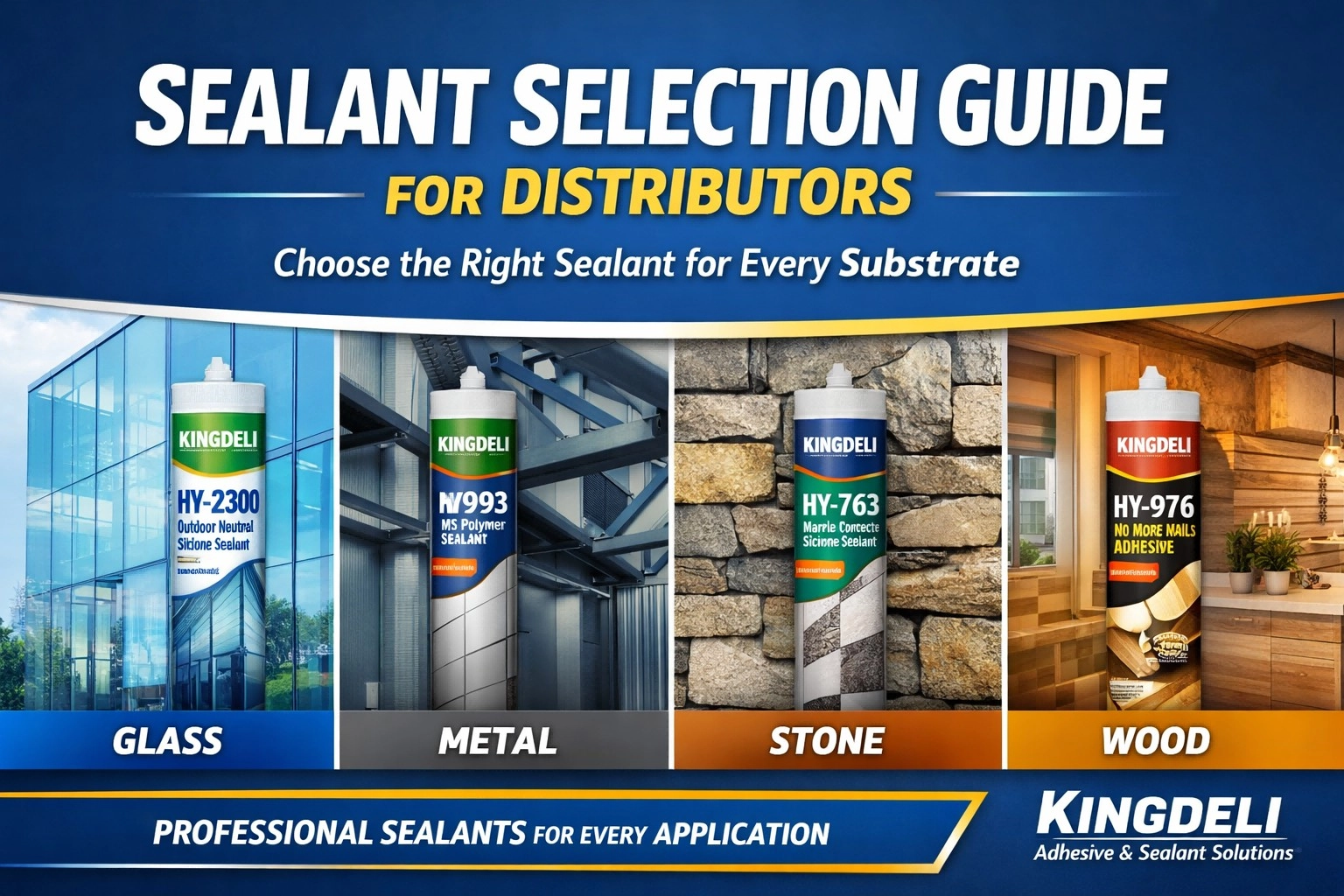
The Complete Sealant Selection Guide for Distributors & Building Supply Partners
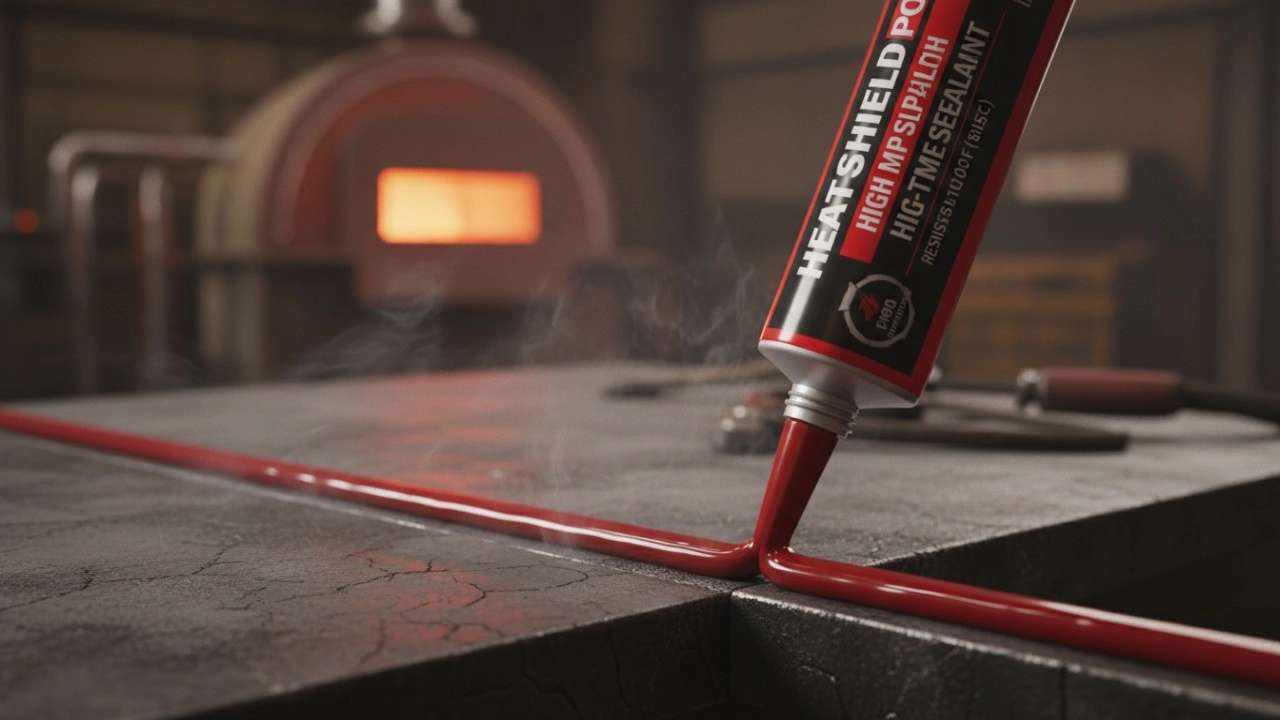
How to Apply High Temperature Silicone Sealant Like a Pro: 5 Secrets for a Lifetime Seal
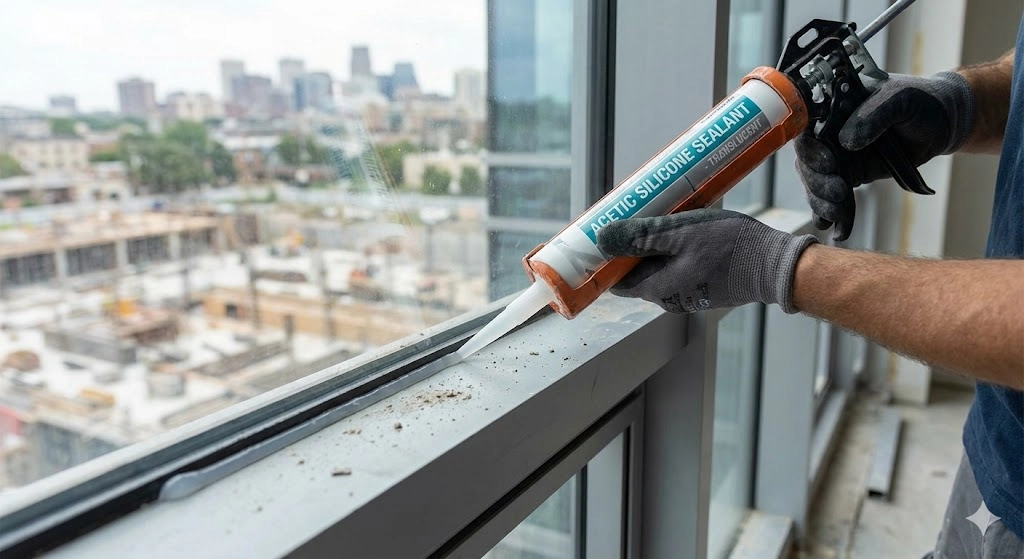
Acid Cure vs. Neutral Silicone: Why Choose Acetic Silicone Sealant for Glass?
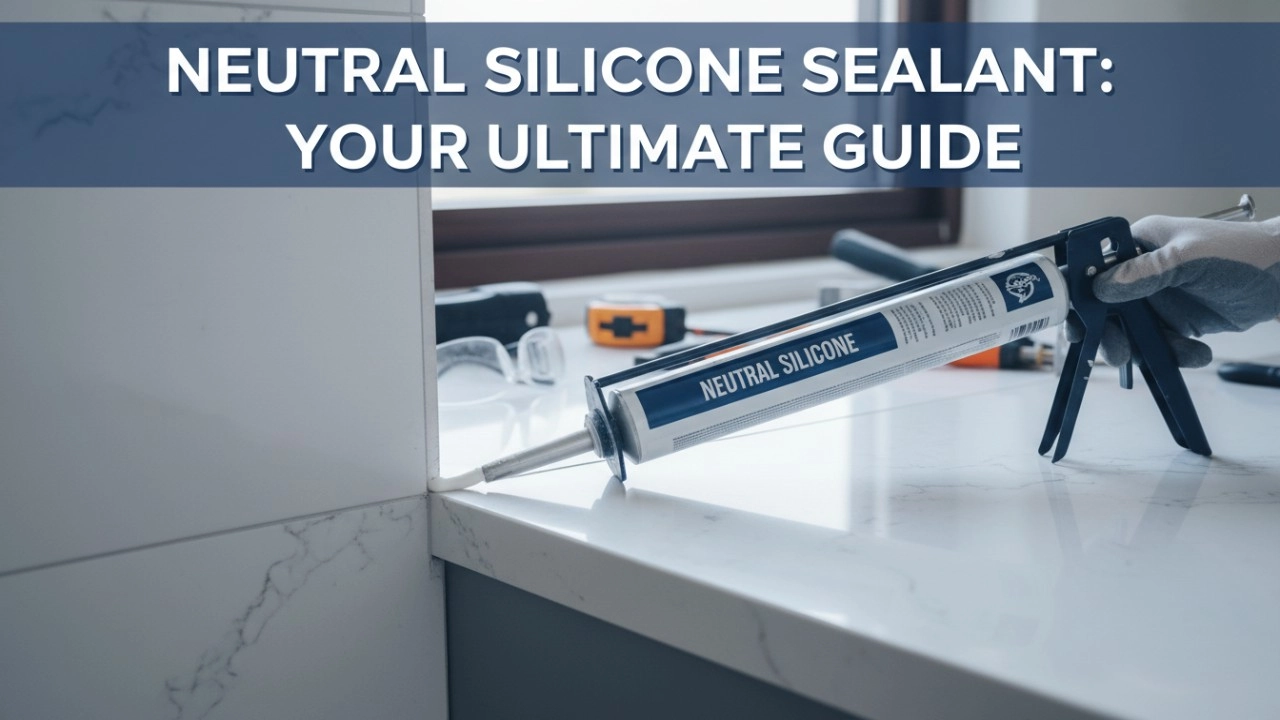
7 Critical Mistakes to Avoid When Using Neutral Silicone Sealant for High-End Projects
HY993
What is the temperature resistance after curing?
HY993 maintains performance across a wide range of temperatures typically required in construction, industrial, marine, and automotive environments. (If you want, I can include specific temperature ranges.)
HY994
Can HY994 be used outdoors?
Yes.HY994 has excellent weather resistance, UV stability, and long-term aging performance, making it suitable for both interior and exterior applications.
HY-2300
Does HY-2300 contain strong odor or high VOC?
No. It features low VOC and low odour, making it safer for construction environments.
Can HY-2300 be painted after curing?
Silicone sealants are generally not paintable. For paint-required applications, please select a paintable MS sealant option.
HY922
Will HY922 corrode metal substrates?
No. The formulation is non-corrosive and safe for use on metals such as aluminum and steel, as well as non-metal substrates.
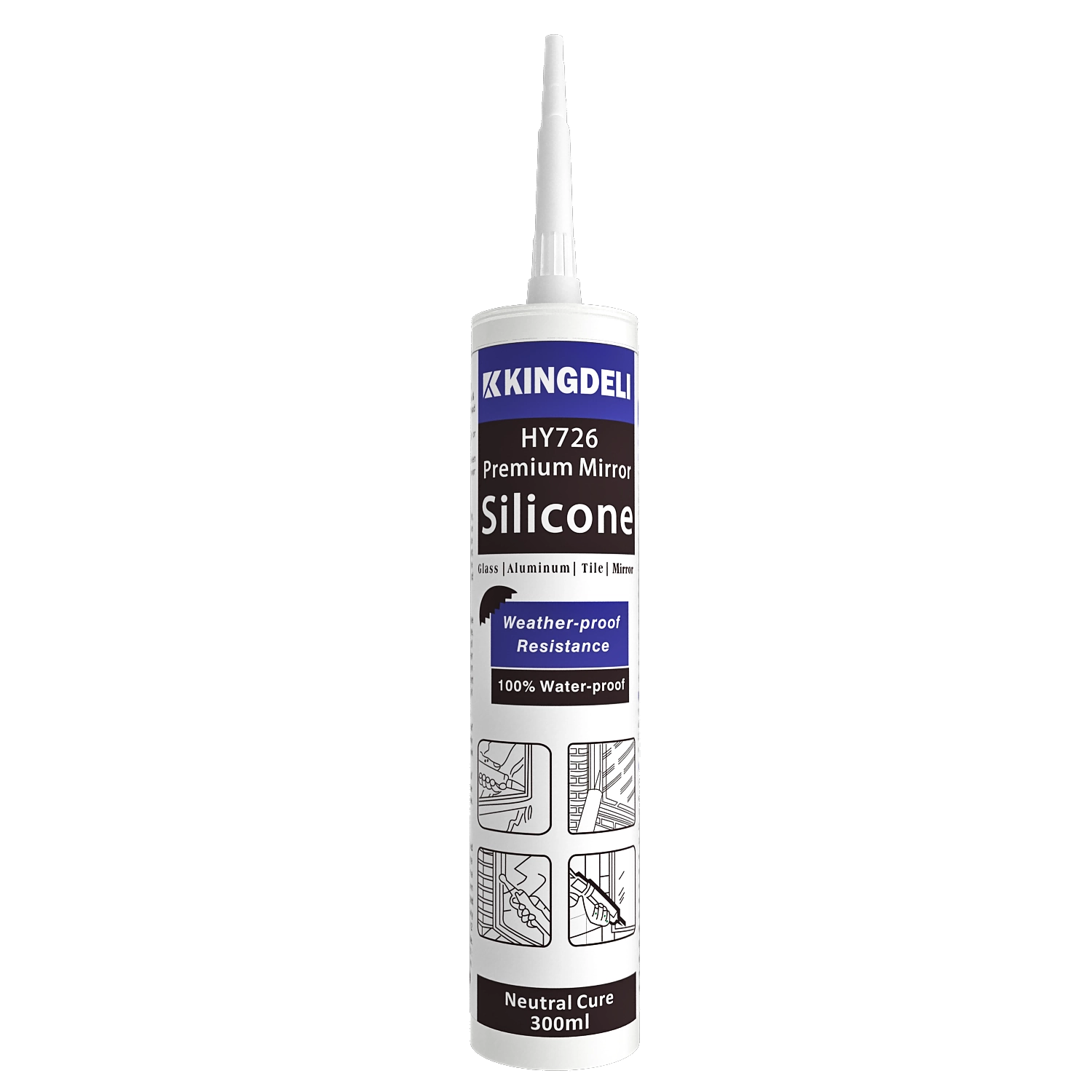
HY-726 Premium Clear Neutral Silicone Sealant
HY726 one-component, shelf-stable, 100% silicone elastomeric adhesive using alkoxy technology. It is specifically designed for sealing sensitive surfaces such as copper, gold, and metal-coated mirrors.
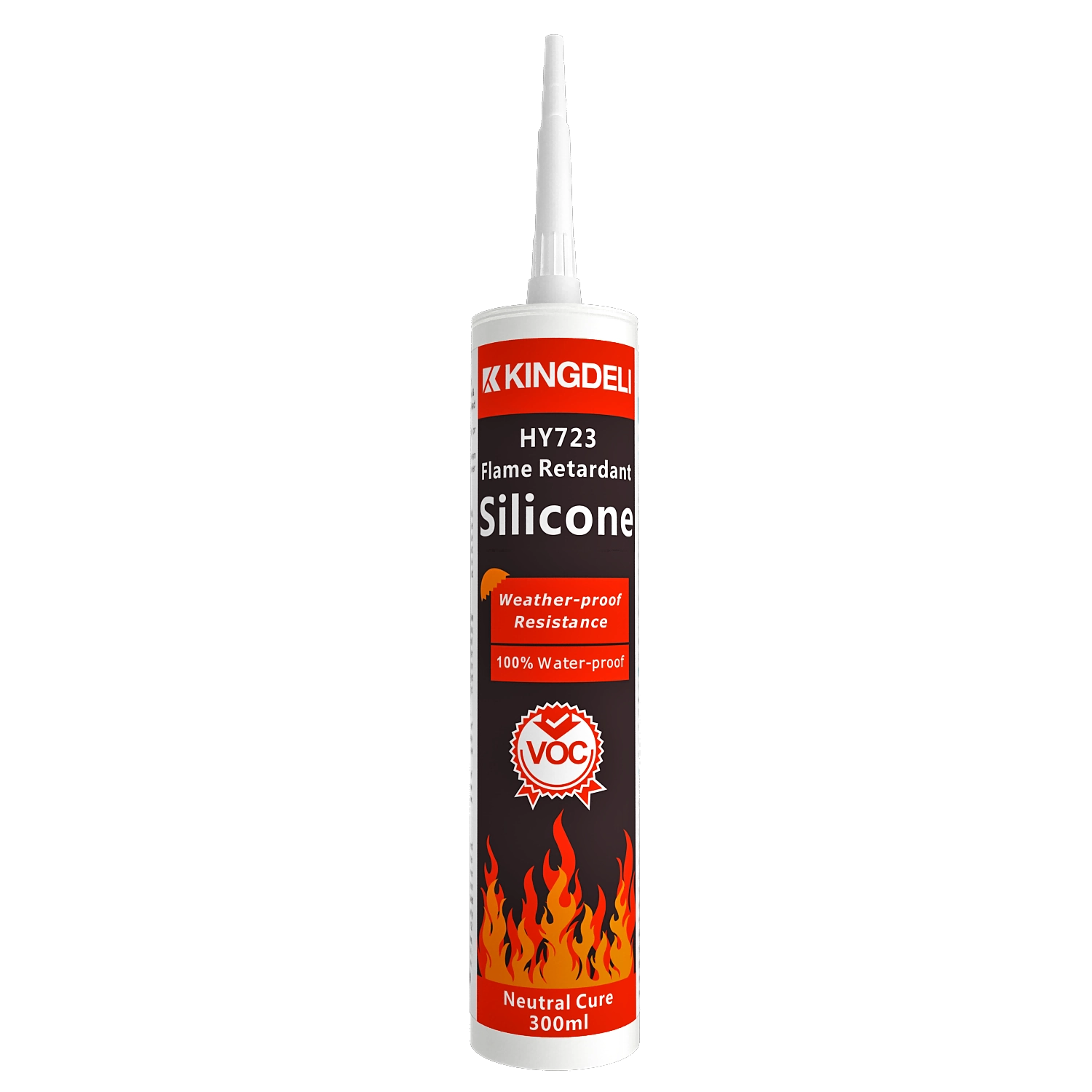
HY-723 Flame Retardant Neutral Silicone Sealant
HY-723 Flame Retardant Neutral Silicone Sealant is a high modulus one-component, shelf-stable, neutral cure, elastomeric adhesive. s. It helps control the spread of fire, smoke, and toxic fumes within a given area surrounded by firewalls for a period of up to four hours, depending on joint configuration.
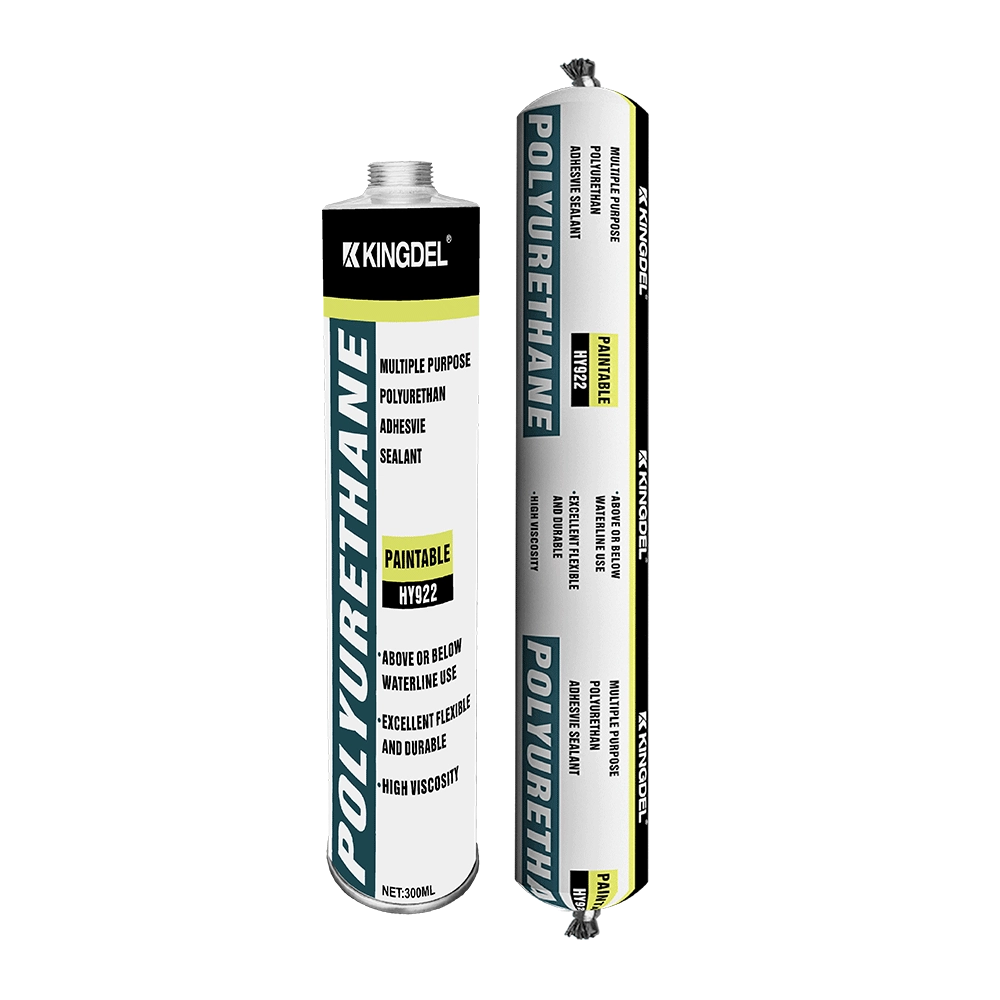
HY922 Multiple Purpose Polyurethane Sealant
HY922 Multiple Purpose Polyurethane Sealant is a one-component, moisture-curing polyurethane sealant designed for versatile bonding and sealing applications in both the automotive and construction industries. It cures to form a flexible yet tough elastomeric joint with excellent adhesion to a wide range of substrates. The formulation is non-corrosive, solvent-free, and produces a smooth, bubble-free finish during application.
HY922 delivers fast surface drying and quick positioning, improving installation efficiency while maintaining long-term durability. With strong weather resistance and good creep resistance, it performs reliably in demanding indoor and outdoor environments, including moist and partially submerged conditions.
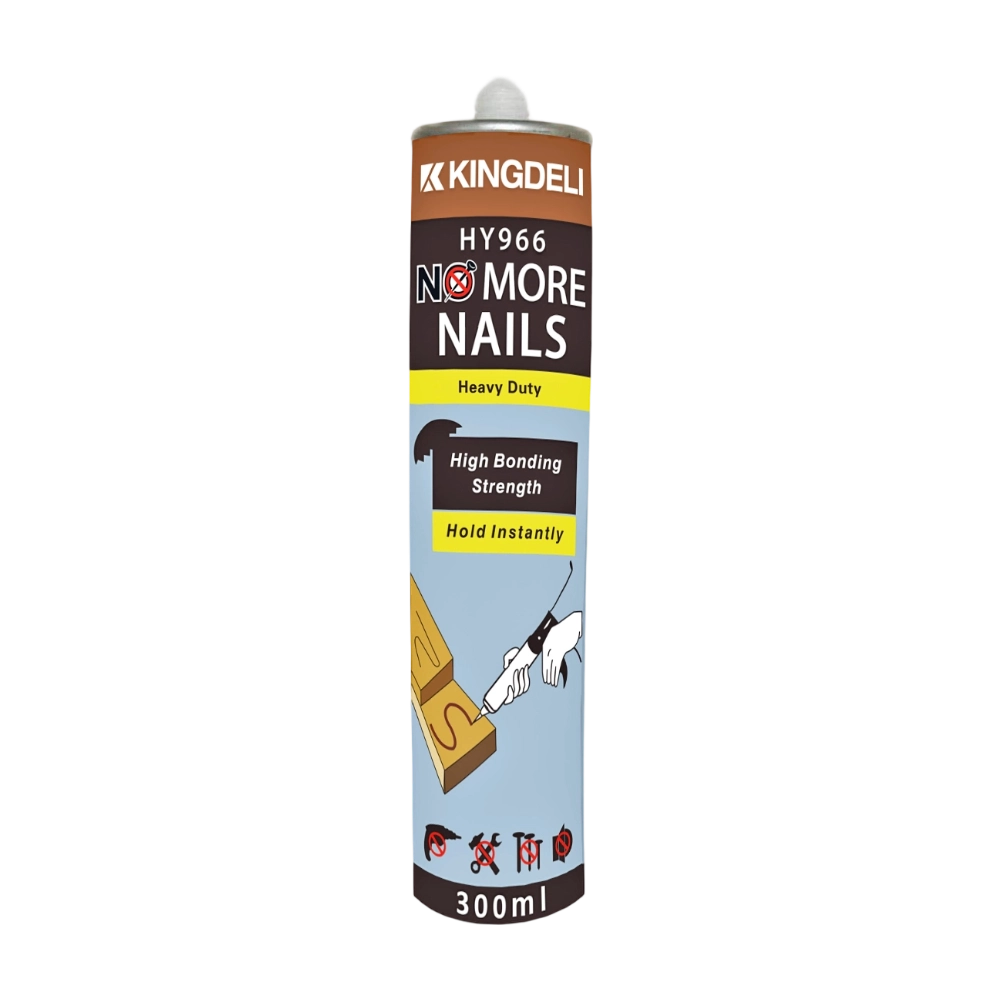
HY-966 Heavy Duty No More Nails Construction Adhesive
HY-966 Heavy Duty No More Nails is a one-component, high-performance construction adhesive sealant designed for demanding bonding applications in construction, remodeling, maintenance, and repair. Its instant grab formulation secures materials immediately, significantly reducing the need for bracing or mechanical fixing during installation.
HY-966 cures reliably in moist environments and delivers durable adhesion across a wide range of substrates. It provides excellent resistance to water, temperature variation, and aging, ensuring long-term performance in interior construction applications.
Let’s Build Stronger Bonds with Quality Adhesives and Sealants
Have questions about the topic or need tailored sealant solutions for your project?
Our team is ready to provide expert guidance, product recommendations, and application support.
Innovating with Integrity, Bonding the World
Since 1998, KINGDELI has delivered trusted, sustainable sealant solutions that connect industries and inspire progress worldwide.
Whatsapp: +8618825946249
Kingdeli
Kingdeli
Kingdeli
Kingdeli
Kingdeli