











How to choose acetic silicone sealant suppliers for bulk orders?
How to Choose Acetic Silicone Sealant Suppliers for Bulk Orders: 6 Deep Questions Beginners Miss
Buying acetic (acetoxy) silicone sealant in bulk requires more than price-shopping. Below are six specific, practical questions procurement engineers, specifiers, and installers frequently ask — with step-by-step, standards-based answers you can use to vet suppliers, run tests and estimate real costs. This guide references industry standards (ASTM C920, ISO 11600, EN 15651) and manufacturer practice (e.g., Wacker, Dow, Momentive) so you can act with E‑E‑A‑T soundness.
1) How can I verify an acetic silicone sealant's cure profile and residual acetic acid emissions before placing a large order?
Pain point: installations fail or metal corrodes because residual acetic acid or slow cure were not identified early.
What to request from the supplier:
- Technical Data Sheet (TDS) with tack-free (skin) time, full cure rate per mm, Shore A hardness, tensile strength and elongation (typical results referenced to ASTM D412 or equivalent).
- Safety Data Sheet (SDS) that lists volatile products — look for acetic acid concentration and recommended ventilation.
- Batch Certificate/COA showing measured tack-time and viscosity for the batch you will sample.
Actions and tests you should run on samples (accept 1–3 cartridges and 1 pail):
- Skin/tack test: apply a 3–5 mm bead at 23±2 °C/50±5% RH and record tack-free time (should match TDS). Faster skin time may be desirable for production lines; slower times indicate low humidity cure conditions or formulation issues.
- Depth-of-cure: measure cure through a 6 mm day-by-day until full cure (touch-free to center). Typical acetoxy silicones cure ~1–3 mm/24 hr depending on humidity; verify with supplier claimed cure rate.
- Acetic acid off-gassing: for sensitive substrates (plated metals, electronics), request VOC and acetic acid emission tests (ISO 16000 series or equivalent). If unavailable, ask for a simple sniff/corrosion pre-test: place a metal coupon (e.g., copper, zinc-plated steel) adjacent to a curing bead in a sealed chamber 48–72 hrs and inspect for staining/corrosion.
- Adhesion test: apply to your actual substrates (glass, anodized aluminum, painted steel) without primer and after recommended primer. Use a cross-cut or peel test and document failure mode (adhesive vs. cohesive).
Red flags: supplier cannot provide batch COA, cure-rate data, or refuses simple corrosion/emission tests. If your project involves electronics or sensitive plated parts, consider neutral-cure RTVs — acetoxy silicone releases acetic acid and can accelerate corrosion.
2) What minimum certifications, test reports and compliance documents should I insist on for bulk acetic silicone shipments to EU/US markets?
Pain point: shipments blocked or product unfit for market because required certificates were not obtained before ordering.
Required and recommended documentation:
- Mandatory: SDS (GHS format) in buyer languages; TDS showing physical properties and recommended substrates.
- Quality system: ISO 9001 certificate for supplier’s manufacturing quality management is a minimum expectation for bulk buyers.
- Regulatory: REACH compliance statement for shipments into the EU (declaration of no SVHCs beyond allowed thresholds). RoHS declarations if the sealant is used in electrical/electronic assemblies.
- Standards-based performance reports: independent lab tests to ASTM C920 (sealant properties), ISO 11600 classification (for movement capability), and EN 15651 series (for façade, glazing, sanitary) if the sealant is marketed for those applications.
- Food-contact: If you claim food-contact use, request specific FDA (21 CFR) or EU (Regulation (EC) No 1935/2004) compliance documents. Note: most acetoxy silicones are not formulated for direct food contact without specific certification.
- Fire/smoke if required: any required UL/BS/EN fire test reports for building-code compliance (e.g., ASTM E84 or EN 13501 series) when used in specified penetrations.
How to verify authenticity: validate certificates against issuing body registries, request recent lab report PDFs with lab accreditation (ISO/IEC 17025), and require batch-linked COAs for production lots. For critical projects, ask for third‑party testing instead of supplier self-declarations.
3) How should I evaluate a supplier’s production capacity, lead‑time risk and raw-material resilience for custom acetic formulations?
Pain point: supplier delays or raw material shortages break construction schedules and force change orders.
Checklist to evaluate supplier readiness:
- Installed capacity: number of production lines for silicone sealants, typical batch size (kg), and maximum daily output. Ask for current utilization rates — >70% utilization can mean limited ability to scale quickly.
- Raw material sourcing: confirm where key feedstocks (silane crosslinkers, silicone polymers, fillers, fungicides/pigments) are sourced from. Single-source raw materials create supply risk.
- Inventory and buffer: documented minimum inventory levels and lead times for key raw materials. Strong suppliers maintain 1–3 months strategic stock for critical items.
- Flexibility: capability to produce small pre-production batches, color matching lines, and to supply alternate packaging (cartridges, sausages, 20 kg pails, drums). Verify Minimum Order Quantity (MOQ) and whether they accept staggered deliveries.
- Quality control capacity: in-house QC lab with capability to run viscosity, extrusion rate, Shore A, tensile (ASTM D412), and accelerated aging (UV/weathering) tests.
Practical vetting steps: ask for lead‑time examples for past orders of similar size, request references from buyers in your region, and consider a short-term trial order (one month’s consumption) before committing to multi-month contracts. Use Incoterms and a clear delivery timeline with penalties or partial acceptance options to safeguard schedules.
4) Which quality checks should I run on incoming bulk cartons, cartridges and 20 kg pails to ensure batch‑to‑batch consistency for architectural glazing?
Pain point: inconsistent color, extrusion force or cure leading to rework on-site and warranty claims.
Simple incoming QC you can do at your warehouse (sample 1%–2% of incoming pallets):
- Visual & color check: use the TDS color reference and a spectrophotometer for critical façade colors (ΔE tolerance agreed contractually).
- Viscosity/extrusion: measure the extrusion force from a standard 300 ml cartridge or run a torque test for sausages. Record and compare to supplier’s specified viscosity or flow class.
- Tack/skin time: record tack-free time at your warehouse conditions to confirm cure consistency.
- Adhesion spot-check: apply small bead to representative substrates used on your project and check after the supplier’s recommended cure time for cohesive failure (preferred) vs. adhesive failure.
- Packaging integrity & labeling: check batch number, manufacture date, shelf-life statement and storage instructions. Broken seals or missing batch numbers are immediate reject triggers.
Labor testing for each lot (monthly or for new batches): tensile strength & elongation (ASTM D412), Shore A hardness, compression set, and accelerated weathering (ASTM G154/ISO 11341 QUV). For glazing applications, include movement capability tests per ISO 11600 and adhesion after thermal cycling.
5) How do I compare acetic silicone sealant prices across suppliers without sacrificing performance — what’s the true cost per joint?
Pain point: low unit price hides low coverage, higher waste or more rework.
Use a cost-per-linear-meter calculation that converts price/kg into installed cost. Steps:
- Decide bead cross-section. Example typical joint for glazing or perimeter: 6 mm x 6 mm square or equivalent circular bead.
- Calculate volume per meter: convert bead cross-section to cm2 and multiply by 100 cm. Example: 6 mm x 6 mm = 0.36 cm2 → volume per meter = 0.36 × 100 = 36 cm3.
- Convert volume to mass using density. Typical acetic silicones density ≈ 1.02 g/cm3 (confirm on TDS). Mass per meter = volume × density = 36 × 1.02 ≈ 36.7 g = 0.0367 kg.
- Compute cost per meter = price per kg × kg per meter. If price = $3.50/kg, cost per meter ≈ $3.50 × 0.0367 ≈ $0.13/m.
Other cost drivers to include:
- Yield/coverage deviations (waste from purging cartridges, first-bead rejects).
- Productivity effects of tack/skin time on installers (slower cure can slow production when masking or handling is needed).
- Rework and warranty rates — use supplier warranty history or ask for failure rates on similar projects.
- Freight, duties, MOQ-driven inventory carrying cost, and packaging differences (cartridges vs. bulk pails can affect on-site efficiency).
Price comparison must therefore be normalized to installed cost per meter plus proven quality metrics. Negotiate price tiers tied to quality acceptance criteria and volume so you don’t buy cheapest material that raises total project cost.
6) What packaging, shelf‑life, and storage conditions should I insist on to avoid quality loss and waste during long-term warehousing?
Pain point: product ages in storage, becomes hard or discolored, and fails on the first job.
Packaging options and practical recommendations:
- Common pack sizes: 300 ml cartridges, 600 ml sausages, 5–20 kg pails, and 190–200 kg drums. For high‑volume production lines, 20 kg pails or drums reduce packaging waste and per‑kg cost.
- Shelf life: most commercial acetic silicones have an unopened shelf life of ~9–18 months when stored in original, unopened containers at recommended temperatures (typically 5–25 °C). Always require supplier-specified shelf life on the label and TDS. Note: heat (>30 °C) shortens shelf life; freezing can cause phase separation.
- Storage conditions: cool, dry, out of direct sunlight, no condensation. Maintain FIFO (first-in, first-out) and mark containers with production date and expiry. For large warehouses, log pallet temperature history if ambient extremes occur seasonally.
- Open pails: once opened, recommend using within a short window (days to weeks) and seal with film or nitrogen if available. Returned partially used pails are higher risk — accept only unopened full pails unless you have rework protocols.
Contractual clauses: specify acceptable shelf life on delivery (e.g., at least 9 months remaining at delivery) and rejection rights for expired or improperly stored lots. Require supplier packaging that prevents contamination and clearly shows batch number/manufacture date.
Concluding summary — Advantages of choosing the right acetic silicone sealant and supplier
Selecting an acetic (acetoxy) silicone sealant and supplier correctly reduces field failures, lowers real installed cost, and protects warranty performance. When suppliers provide clear TDS/SDS, batch COAs, third‑party test reports (ASTM C920, ISO 11600, EN 15651 where applicable), and robust production capacity, you gain predictable cure behavior, consistent extrusion and color, and minimized corrosion risk on sensitive substrates. Proper incoming QC, shelf‑life controls, and a cost-per-meter comparison let you buy for performance rather than price alone. For projects involving electronics, plated metals, or food contact, insist on specific emission/corrosion data or consider neutral-cure alternatives.
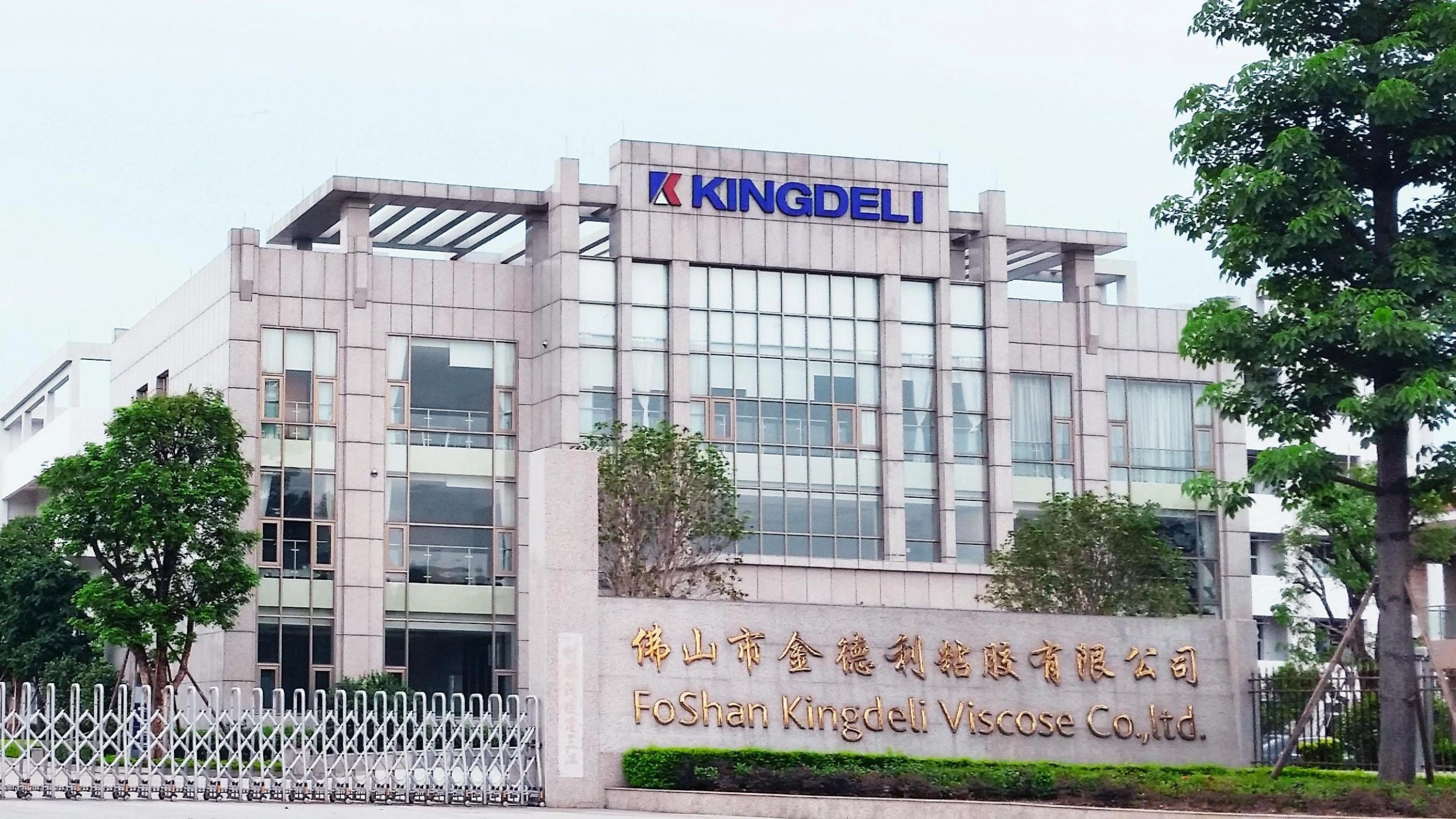
If you’d like, we can provide sample-testing checklists, a supplier-vetting template or arrange a trial order. Contact Kingdeli for quotes and technical assistance at www.kingdelisealant.com or email info@kingdeliadhesive.com.
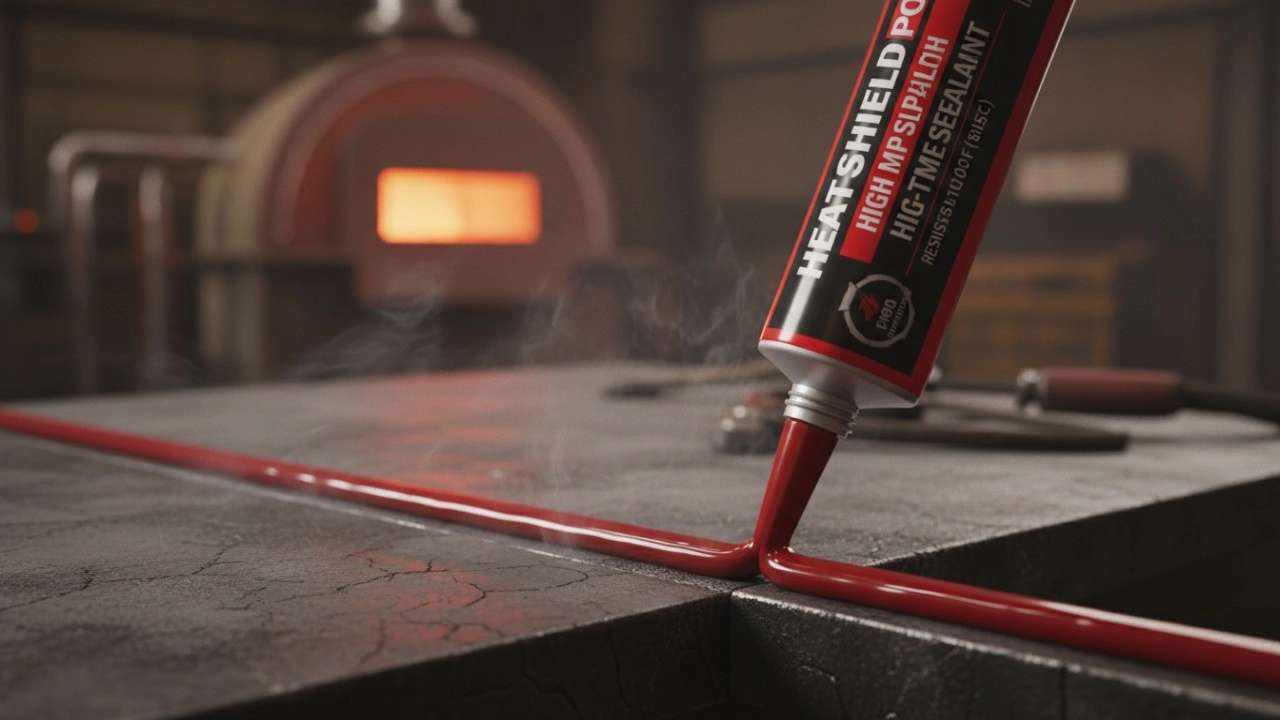
How to Apply High Temperature Silicone Sealant Like a Pro: 5 Secrets for a Lifetime Seal
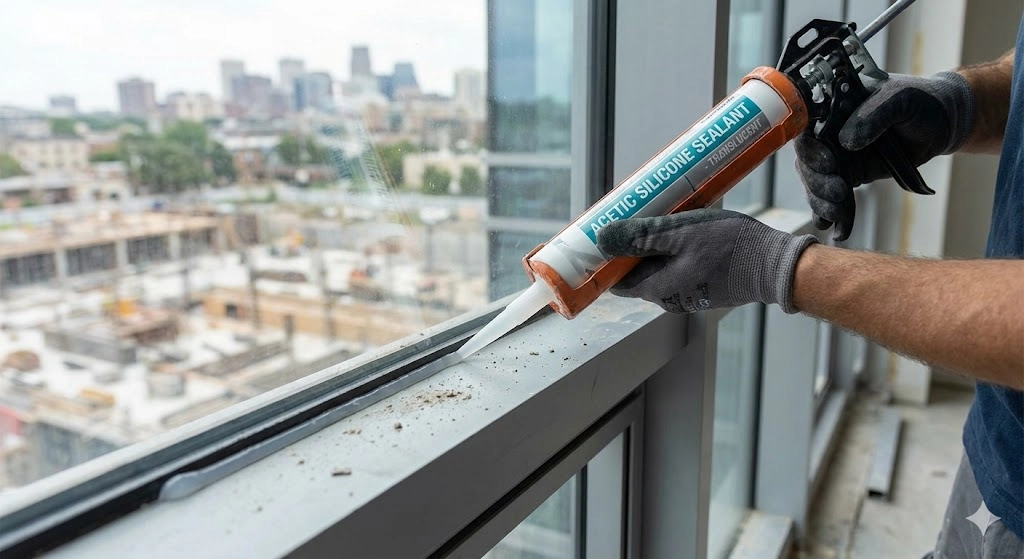
Acid Cure vs. Neutral Silicone: Why Choose Acetic Silicone Sealant for Glass?
7 Critical Mistakes to Avoid When Using Neutral Silicone Sealant for High-End Projects
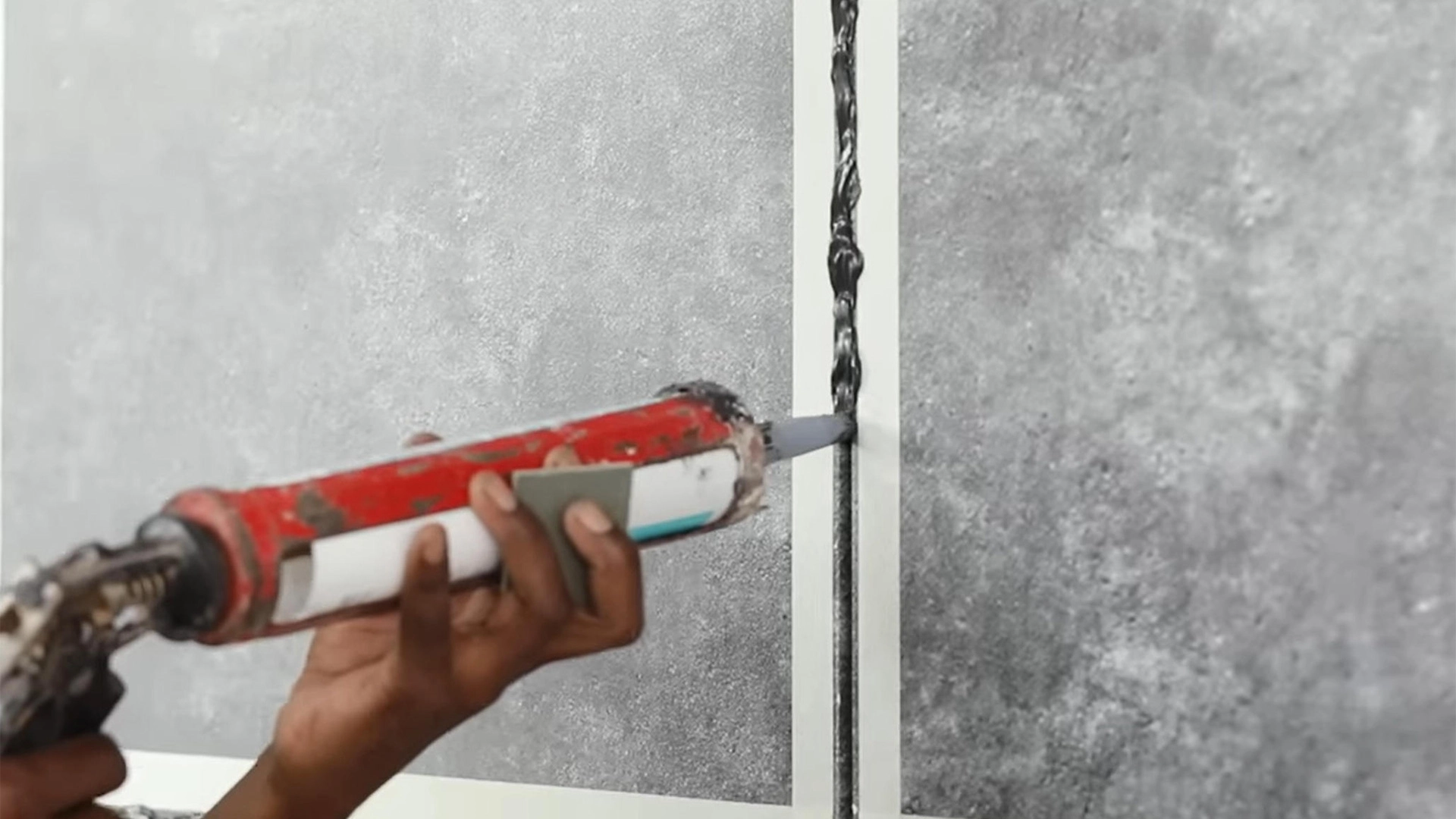
What’s the Difference Between Silicone Sealant and MS Adhesive for ACP?
HY939A
What substrates does this sealant adhere to?
It provides excellent adhesion to a wide range of materials, including glass, metal, aluminum, gypsum board, marble, and certain engineering plastics, without causing corrosion.
HY982
How is the product applied?
HY982 is supplied in bucket packaging and should be applied using a trowel, spatula, or serrated spreader. Stir well before use and spread evenly to ensure full surface contact.
HY-951
Where can HY951 be used?
HY951 is suitable for kitchens, bathrooms, shower rooms, bathtubs, glass partitions, countertops, basins, cabinets, furniture joints, and sanitary ware installations. It is widely used in residential, hotel, and commercial projects.
HY-2100
Can the product be painted after curing?
Silicone sealants are generally not paintable. If painting is required, use compatible paintable sealants or consult us for alternatives.
HY925
What is the shelf life?
Aluminum cartridge: 12 months
Aluminum foil: 12 months
Store in a cool, dry place below 25°C for optimal performance.
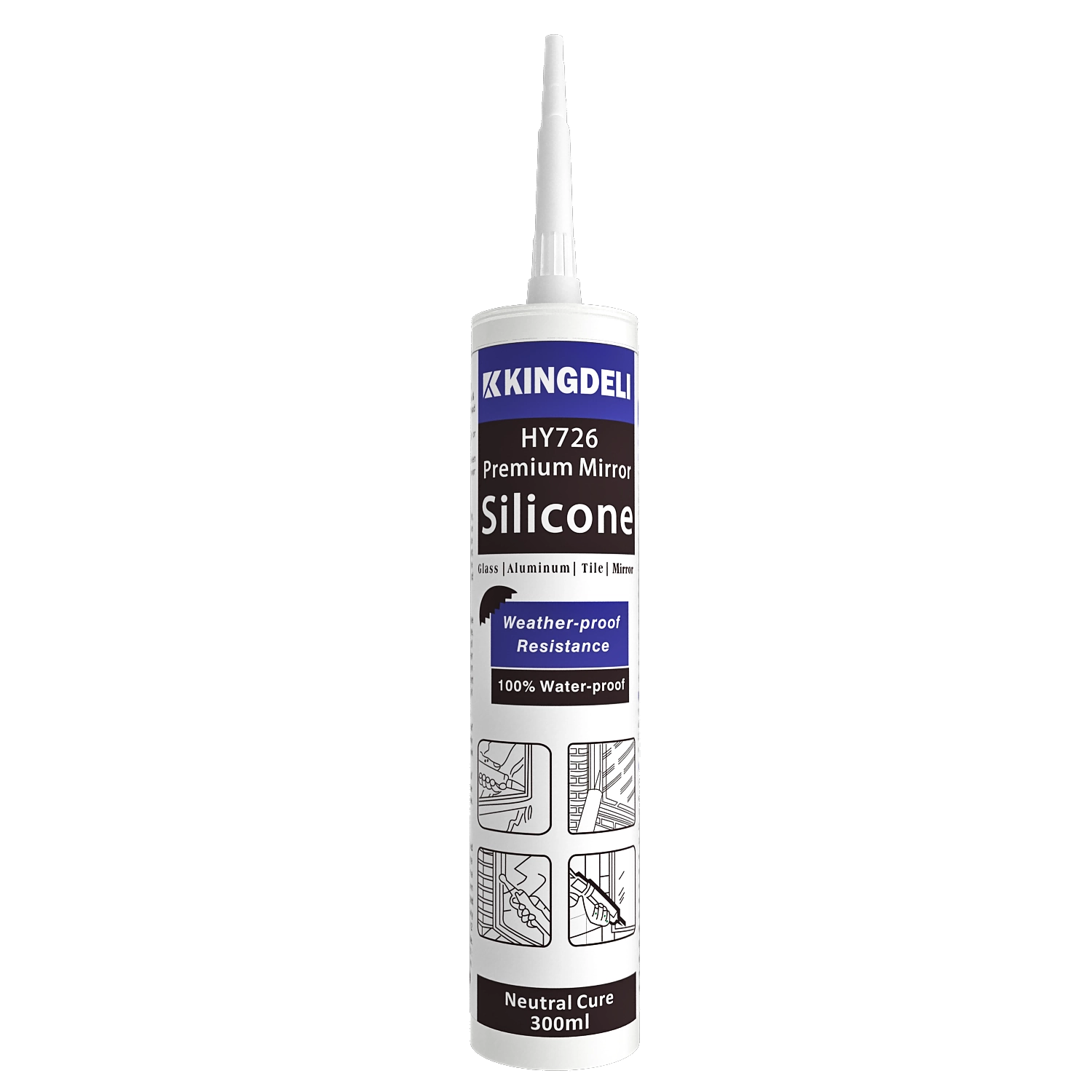
HY-726 Premium Clear Neutral Silicone Sealant
HY726 one-component, shelf-stable, 100% silicone elastomeric adhesive using alkoxy technology. It is specifically designed for sealing sensitive surfaces such as copper, gold, and metal-coated mirrors.
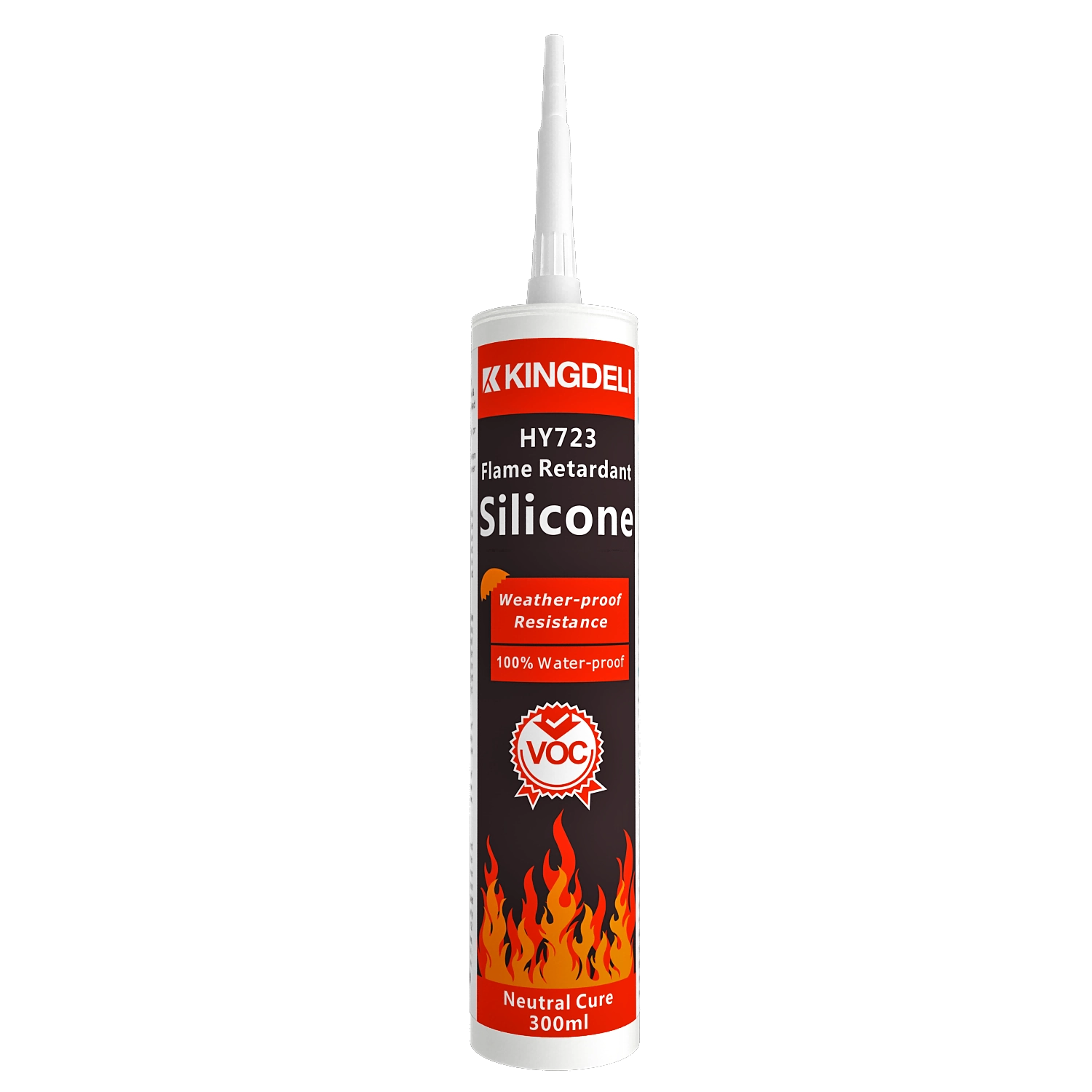
HY-723 Flame Retardant Neutral Silicone Sealant
HY-723 Flame Retardant Neutral Silicone Sealant is a high modulus one-component, shelf-stable, neutral cure, elastomeric adhesive. s. It helps control the spread of fire, smoke, and toxic fumes within a given area surrounded by firewalls for a period of up to four hours, depending on joint configuration.
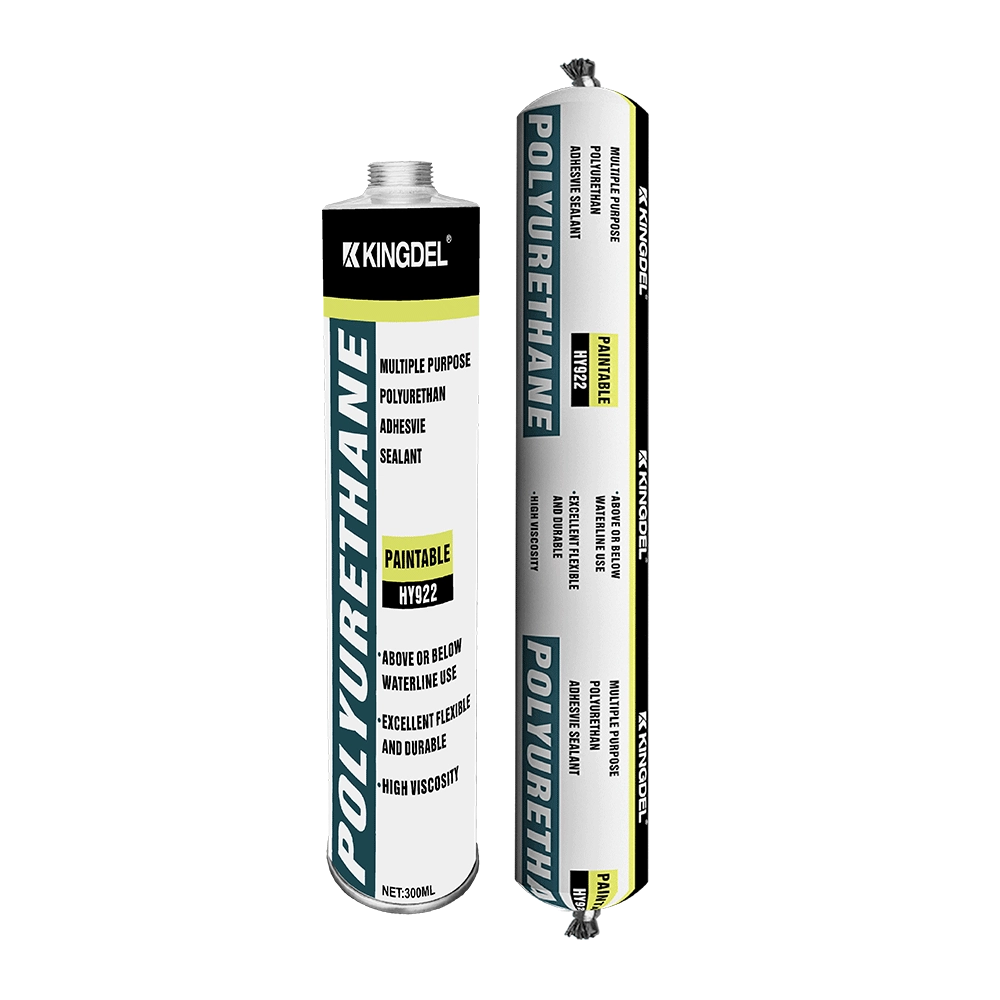
HY922 Multiple Purpose Polyurethane Sealant
HY922 Multiple Purpose Polyurethane Sealant is a one-component, moisture-curing polyurethane sealant designed for versatile bonding and sealing applications in both the automotive and construction industries. It cures to form a flexible yet tough elastomeric joint with excellent adhesion to a wide range of substrates. The formulation is non-corrosive, solvent-free, and produces a smooth, bubble-free finish during application.
HY922 delivers fast surface drying and quick positioning, improving installation efficiency while maintaining long-term durability. With strong weather resistance and good creep resistance, it performs reliably in demanding indoor and outdoor environments, including moist and partially submerged conditions.
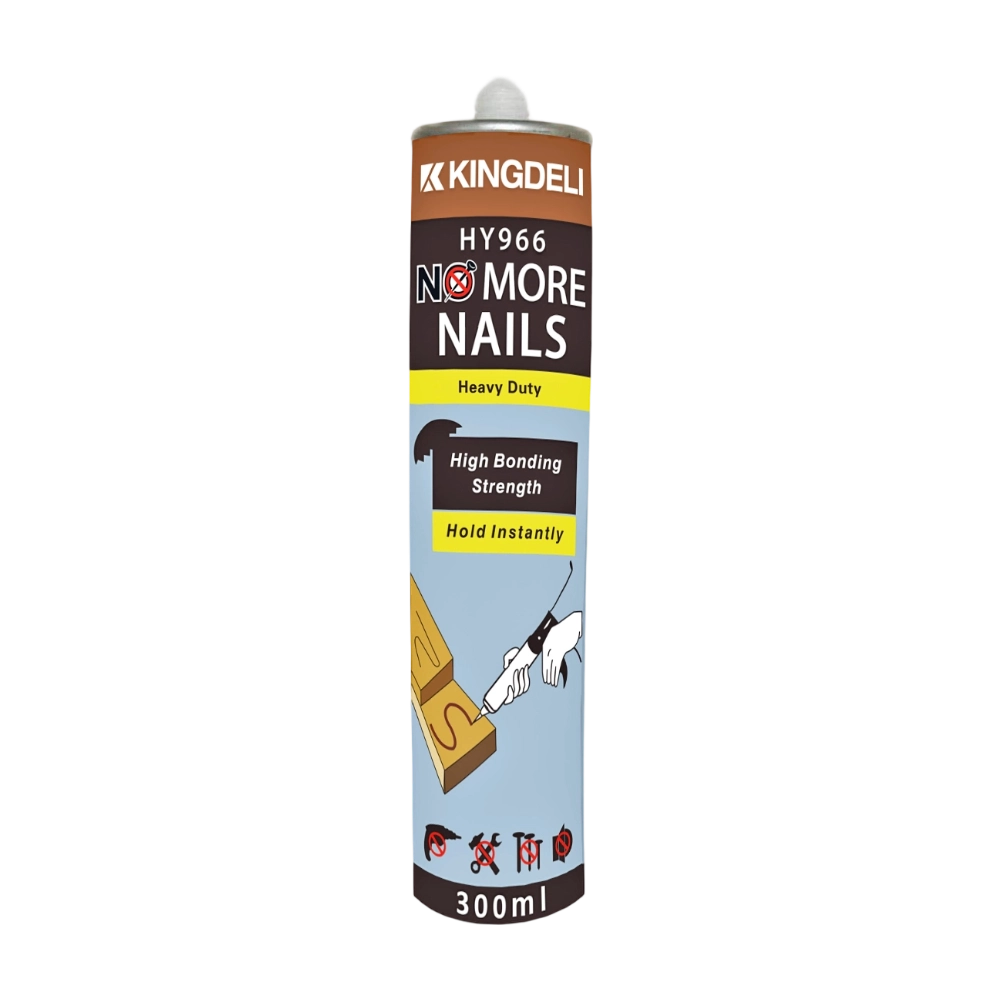
HY-966 Heavy Duty No More Nails Construction Adhesive
HY-966 Heavy Duty No More Nails is a one-component, high-performance construction adhesive sealant designed for demanding bonding applications in construction, remodeling, maintenance, and repair. Its instant grab formulation secures materials immediately, significantly reducing the need for bracing or mechanical fixing during installation.
HY-966 cures reliably in moist environments and delivers durable adhesion across a wide range of substrates. It provides excellent resistance to water, temperature variation, and aging, ensuring long-term performance in interior construction applications.
Let’s Build Stronger Bonds with Quality Adhesives and Sealants
Have questions about the topic or need tailored sealant solutions for your project?
Our team is ready to provide expert guidance, product recommendations, and application support.
Innovating with Integrity, Bonding the World
Since 1998, KINGDELI has delivered trusted, sustainable sealant solutions that connect industries and inspire progress worldwide.
Whatsapp: +8618825946249
Kingdeli
Kingdeli
Kingdeli
Kingdeli
Kingdeli