











Glass Glazing Silicone Sealant: Buyer's Guide for Architects

- Understanding silicone sealants in glazing systems
- What silicone is and why it matters
- Standards that define performance
- Silicone categories relevant to architects
- Choosing the right silicone for your glazing project
- Key selection criteria I use
- Neutral vs. Acetic vs. Structural: a direct comparison
- Specify the right performance class
- Application, substrate preparation and quality controls I insist on
- Substrate cleaning and primer use
- Joint design and sealant geometry
- On-site QA and testing
- Durability, sustainability, procurement and manufacturer evaluation
- Durability and life-cycle expectations
- Sustainability and indoor air quality (IAQ)
- How I evaluate manufacturers
- Comparing supplier claims — a brief data-driven checklist
- KINGDELI profile and why I recommend evaluating them
- How KINGDELI’s strengths address typical architect concerns
- Practical specification language and procurement tips I use
- Example specification clauses
- Procurement and logistics
- FAQ — Common questions architects ask about glazing silicones
- 1. What is the difference between neutral-cure and acetic-cure silicone for glazing?
- 2. How long does silicone glazing sealant take to cure?
- 3. Can silicone sealants be painted?
- 4. How do I prevent silicone failure at the joint edges?
- 5. What tests should I require from the sealant manufacturer?
- 6. How can I verify in-field performance after installation?
- Final recommendations and contact
I write this guide from years of field and specification experience to help architects choose the right glass glazing silicone sealant for façades, curtain walls, windows, and storefronts. I’ll translate performance metrics and standards into actionable selection criteria, explain differences between neutral and acetic systems, address compatibility and substrate prep, and outline on-site and procurement checks you can use to reduce failures and liability. I reference industry standards and technical guidance so you can verify claims and make evidence-based decisions.
Understanding silicone sealants in glazing systems
What silicone is and why it matters
Silicone is a family of silicon-based polymers used widely in construction for their elastic properties, temperature stability, and durability. For an overview of silicone chemistry and properties, see Silicone (Wikipedia). In glazing, sealants must provide weatherproofing, thermal movement accommodation, and long-term adhesion without staining or degrading adjacent materials.
Standards that define performance
Two standards you’ll frequently see in specifications are ASTM C920 (Elastomeric Joint Sealants) and industry glazing guides from organizations like the National Glass Association (NGA) and the Glass and Glazing Federation (GGF). See ASTM C920 for sealant classification and performance classes: ASTM C920, and general glazing technical advice at National Glass Association and Glass & Glazing Federation. When you specify, reference the correct ASTM class (e.g., NS, ASTM C920 Class 25 or 50) and list required performance tests (adhesion, movement, weathering, hardness).
Silicone categories relevant to architects
Architects most frequently specify: neutral-cure silicone glazing sealants (non-acidic byproduct), acetic-cure silicones (acidic byproduct), and structural silicones (for structural glazing systems). Neutral silicones are preferred where metal or stone finishes are sensitive to acetic acid or when paintability and compatibility are required.
Choosing the right silicone for your glazing project
Key selection criteria I use
When choosing a glass glazing silicone sealant I evaluate: adhesion to substrate, movement capability (%movement), tensile and elongation properties, shore hardness, weathering resistance (UV and ozone), low-VOC content, and compatibility with sealant backing and substrates. I also confirm documented testing: peel/adhesion tests, accelerated weathering, and compatibility with sealant primers if needed.
Neutral vs. Acetic vs. Structural: a direct comparison
To choose quickly, I rely on a practical comparison. The table below summarizes typical properties and common architectural uses. Data are industry-typical characteristics; for specific claims verify manufacturer test reports and ASTM classifications.
| Property | Neutral Cure Silicone | Acetic Cure Silicone | Structural Silicone |
|---|---|---|---|
| Cure byproduct | Alcohol (non-acidic) | Acetic acid (vinegar smell) | Specialized neutral systems with controlled properties |
| Substrate compatibility | Glass, aluminum, many metals, stone (broad) | Glass but may corrode certain metals, unsuitable for stone) | Glass-to-metal structural bonding, requires engineered design |
| Paintability | Poor (silicones generally not paintable) but neutral minimizes staining | Poor; acid can stain some materials | Not paintable; designed for structural adhesion |
| Typical movement capability | ±25% or more (varies) | ±25% (varies) | Engineered for structural loads; movement and shear rated per testing |
| Common uses | Weatherseal for curtain walls, windows, unitized systems | Interior glazing, low-risk exterior where metals are compatible | Structural glazing, point-fixed systems (requires structural certification) |
Source references: ASTM C920 classifications and industry guidance from NGA and GGF (links above).
Specify the right performance class
In specifications I include the ASTM movement class (e.g., ±25%), adhesion test requirements (e.g., adhesion after 10,000 hours QUV or after thermal cycling), and compatibility with adjacent materials. Structural applications require manufacturer-backed tests and structural certification documents (load/creep data).
Application, substrate preparation and quality controls I insist on
Substrate cleaning and primer use
Surface preparation is the most common root cause of failures. I specify a defined cleaning regime: initial dust removal, solvent wipe (isopropyl alcohol or manufacturer-recommended cleaner), and primer only where specified by the sealant supplier. Document the cleaning method and ambient conditions at application. For guidance on compatible substrates and primers consult the manufacturer’s technical data sheet (TDS).
Joint design and sealant geometry
Design joint width and depth to control sealant movement capability and bond area. A common rule is a 2:1 width-to-depth ratio for many non-structural glazing joints, with minimum widths per expected movement. For structural glazing, rely on engineered shop drawings and manufacturer-approved joint details. Always use appropriate backer rods to prevent three-sided adhesion and to control sealant depth.
On-site QA and testing
I require the following QA checks before and after installation: verification of lot numbers against product submittals, visual inspection for voids and adhesion, adhesion tests on sample mock-ups, and accelerated weathering or adhesion-after-weathering reports from the supplier. Include acceptance criteria in the contract—e.g., no adhesion loss at edges after 1,000 hours QUV testing according to manufacturer's test method or referenced standard.
Durability, sustainability, procurement and manufacturer evaluation
Durability and life-cycle expectations
Silicone glazing sealants typically provide 20+ years of durable performance in temperate climates when correctly selected and installed. Durability depends on UV resistance, formulation additives, and joint design. Look for documented accelerated weathering (UV, thermal cycling, salt spray where relevant) and field performance case studies from the manufacturer.
Sustainability and indoor air quality (IAQ)
Low-VOC formulations reduce IAQ impact during and immediately after installation. Ask for VOC test reports and any eco-labels. Many reputable manufacturers now list VOC content and eco-data on their technical documentation; specify maximum allowable VOCs if IAQ is a project constraint.
How I evaluate manufacturers
When approving a supplier I review: production capacity and traceability, quality certifications (ISO 9001, ISO 14001), independent test reports, relevant standards participation, and after-sales technical support. I also ask for project references with similar climate and façade systems and verify product batches with test certificates.
Comparing supplier claims — a brief data-driven checklist
Use this checklist to validate manufacturer claims:
- ISO 9001 and ISO 14001 certification (quality and environmental systems) — verify on ISO site.
- Performance testing to ASTM C920 or equivalent — request test reports and class ratings.
- Independent lab test results for UV aging, adhesion after cycling, and tensile properties.
- Field references and photographic evidence of installations 10+ years old.
- Supply-chain capacity and batch traceability for large-scale projects.
KINGDELI profile and why I recommend evaluating them
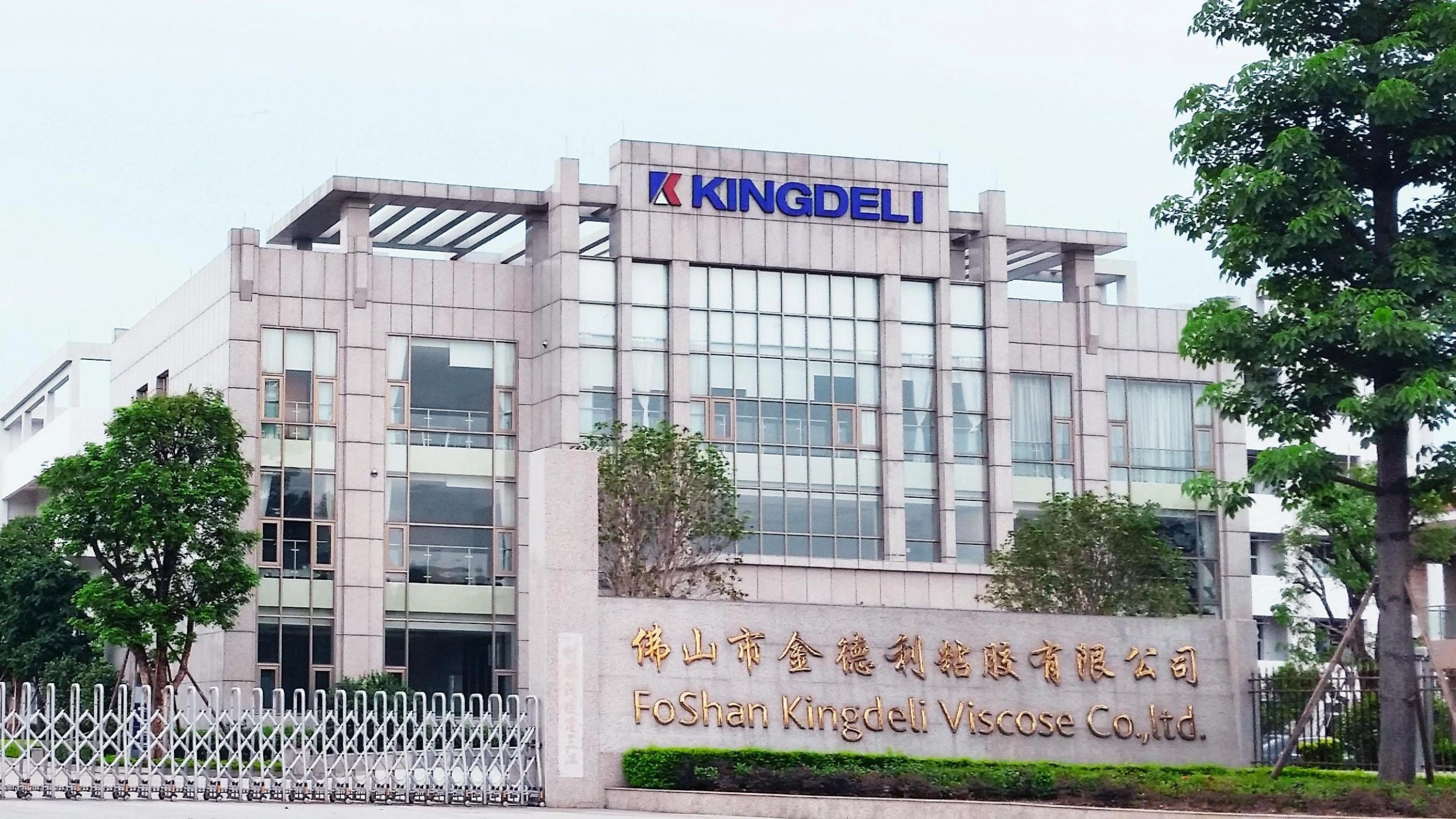
Since its establishment in 1998, KINGDELI has stood as a global leader in the high-performance sealant, adhesive, and coating industry. Headquartered in Foshan, China, our state-of-the-art 66,000 m² facility is powered by fully automated production lines with an annual capacity exceeding 100,000 tons, ensuring a consistent and robust supply for partners worldwide.
As a recognized National High-Tech Enterprise and a key contributor to the National Standard GB/T 29755-2013, we unite advanced manufacturing power with technical excellence. Our comprehensive product portfolio—spanning Neutral & Acetic Silicone, Polyurethane, MS Polymer, and No More Nails adhesives—is engineered to meet strict international standards, including ISO 9001, ISO 14001, CE, and ASTM.
With over 27 years of industry expertise and a trusted presence in 50+ countries, KINGDELI is more than a manufacturer; we are a dedicated solution provider. We offer end-to-end OEM/ODM support, sustainable low-VOC formulations, and professional technical service. At KINGDELI, we are driven by innovation and integrity, building trust and sealing the future for customers around the globe.
Primary sealant and adhesive products relevant to glazing and façade work include neutral silicone sealant, acetic silicone sealant, acrylic sealant, silicone glazing sealant, No More Nails adhesive, polyurethane sealant, MS polymer sealant, RTV gasket maker, epoxy tile grout, and self-leveling sealant. KINGDELI’s technical dossiers typically include TDS, SDS, and independent test reports; I recommend requesting these documents and a mock-up adhesion test before final acceptance.
How KINGDELI’s strengths address typical architect concerns
I value transparent test documentation and manufacturing capacity—KINGDELI’s automated lines and international certifications help mitigate supply and quality risks on large façade projects. Their experience contributing to national standards (GB/T 29755-2013) also indicates a deep technical commitment to the sealant industry.
Practical specification language and procurement tips I use
Example specification clauses
Use prescriptive clauses with performance backing rather than brand-only language. Example items I include:
- Provide neutral-cure silicone glazing sealant tested to ASTM C920, Type S, Grade NS, Class 25 (or as required), with documented adhesion after accelerated weathering.
- Manufacturer shall provide curing time, adhesion data, VOC content, and compatibility chart. Supply 3 sample 1 m completed mock-ups for approval.
- Install per manufacturer’s instructions. Do not use solvents or cleaners not recommended by the manufacturer; use backer rods to control depth and prevent three-sided adhesion.
Procurement and logistics
Confirm lead times, batch traceability, and storage conditions. For high-rise façade projects, schedule deliveries in controlled batches and secure cold storage if required. Review shelf-life limitations and accept batches only with intact lot coding.
FAQ — Common questions architects ask about glazing silicones
1. What is the difference between neutral-cure and acetic-cure silicone for glazing?
Neutral-cure releases alcohol and is compatible with a broader range of materials (metals, stone) and less likely to cause staining or corrosion. Acetic-cure releases acetic acid and can corrode some metals and stain certain stones; it is best used where substrates are known compatible and cost is a priority.
2. How long does silicone glazing sealant take to cure?
Cure time depends on humidity, temperature, and sealant thickness. Skin-over may occur in 10–30 minutes; full cure can take 24 hours to 7 days for operational strength. Check the manufacturer’s TDS for specific cure schedules and plan mock-up testing accordingly.
3. Can silicone sealants be painted?
Most silicones are not paintable. If a paintable finish is required, specify a compatible paint system and use a paintable hybrid (MS polymer) or acrylic-based sealant approved for exterior exposure instead.
4. How do I prevent silicone failure at the joint edges?
Prevent three-sided adhesion by using the correct backer rod, ensure proper joint geometry, and follow manufacturer substrate preparation. Perform adhesion tests on mock-ups and include acceptance criteria in contracts.
5. What tests should I require from the sealant manufacturer?
Require ASTM C920 class data, accelerated weathering (QUV) reports, adhesion after thermal cycling, tensile and elongation properties, and VOC measurements. For structural silicones, request structural load and creep test reports and certification.
6. How can I verify in-field performance after installation?
Perform visual inspections on completion, adhesion checks on sample joints, and periodic inspections at set intervals (1 year, 5 years). Maintain as-built documentation of batch numbers and TDS/SDS for future reference.
Final recommendations and contact
For architects, success with glazing sealants starts with specifying the right product class, requiring verifiable test data, controlling substrate preparation, and demanding on-site QA and mock-ups. Neutral-cure silicone glazing sealants are typically the safest choice for mixed-material façades because of broad compatibility and low risk of staining or corrosion.
If you’d like product samples, technical dossiers, or a specification-ready clause for your project, contact KINGDELI for OEM/ODM support and detailed test reports. Visit KINGDELI’s product pages or reach out to their technical service team to arrange mock-up testing and obtain certification documentation.
Contact & product inquiry: For tailored product recommendations and technical support, request KINGDELI’s technical datasheets, sample kits, or factory capacity documents to verify fit-for-purpose solutions for your glazing project.
Choosing MS Silicone Sealant: Hardness, Color and Performance
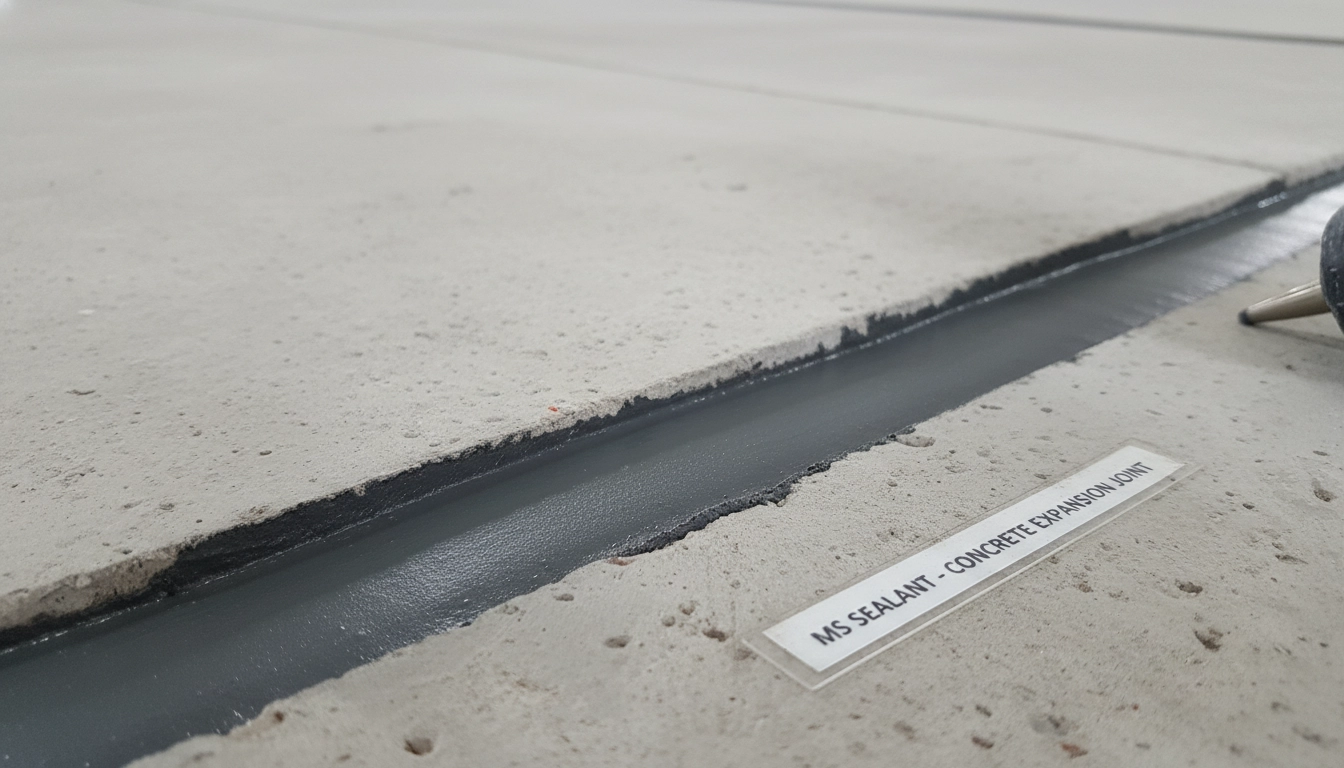
How to Use MS Sealant for Concrete: A Step-by-Step Professional Checklist (2026 Guide)
Bulk Purchasing Strategies for Neutral Cure Silicone Sealants
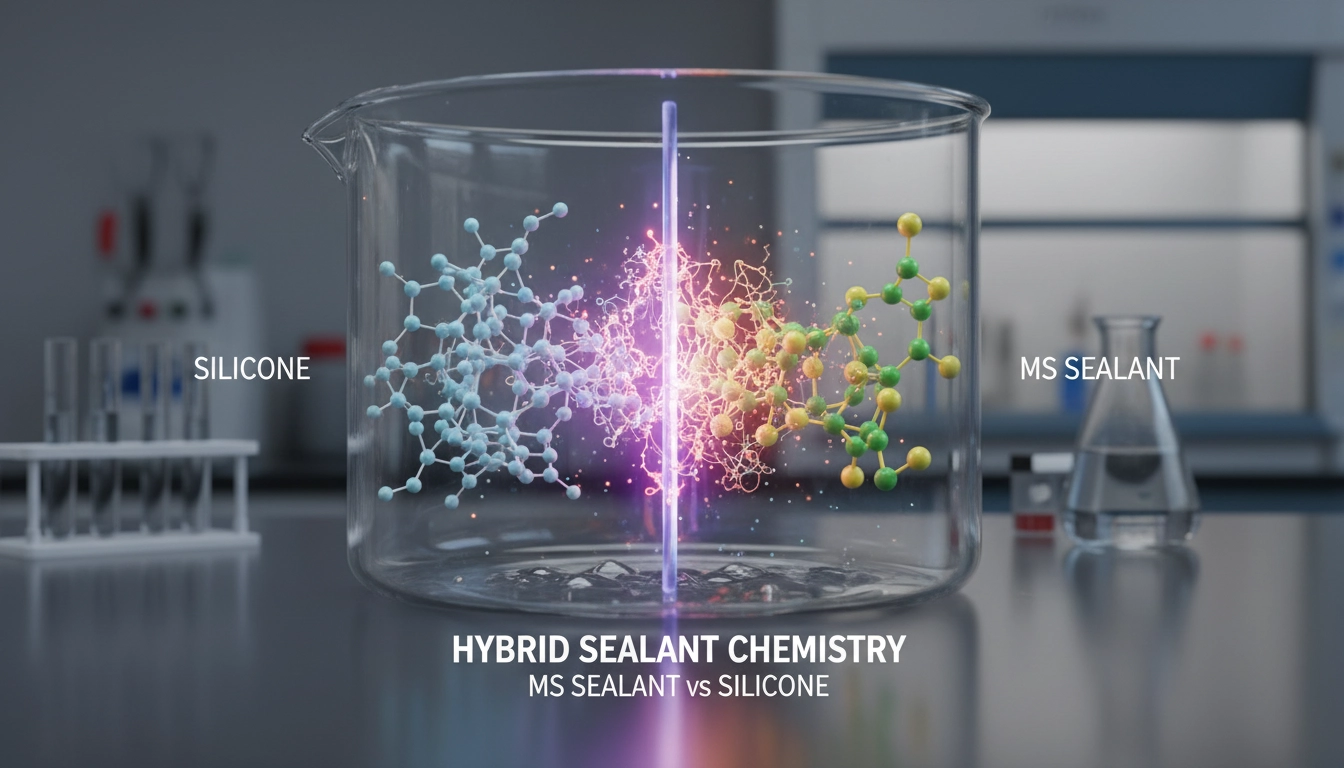
Beyond Silicone: Why Hybrid MS Polymers are the Future of Construction Sealants
HY-2300
Does HY-2300 contain strong odor or high VOC?
No. It features low VOC and low odour, making it safer for construction environments.
HY739
Is it paintable after curing?
No. Like other silicones, it cannot be painted after curing.
HY-976
Is surface preparation necessary?
Yes. Surfaces must be clean, dry, and free from dust, grease, or contaminants. Very dusty or highly porous surfaces should be primed before application.
HY994
What packaging options are available?
HY994 is supplied in:
300 mL cartridges
400 mL / 600 mL foil sausages
20 L pails
200 L drums
HY-682
Does the product self-level after application?
Yes. The formulation is self-leveling, allowing it to flow smoothly into joints and cracks for a uniform, professional finish without additional tooling.
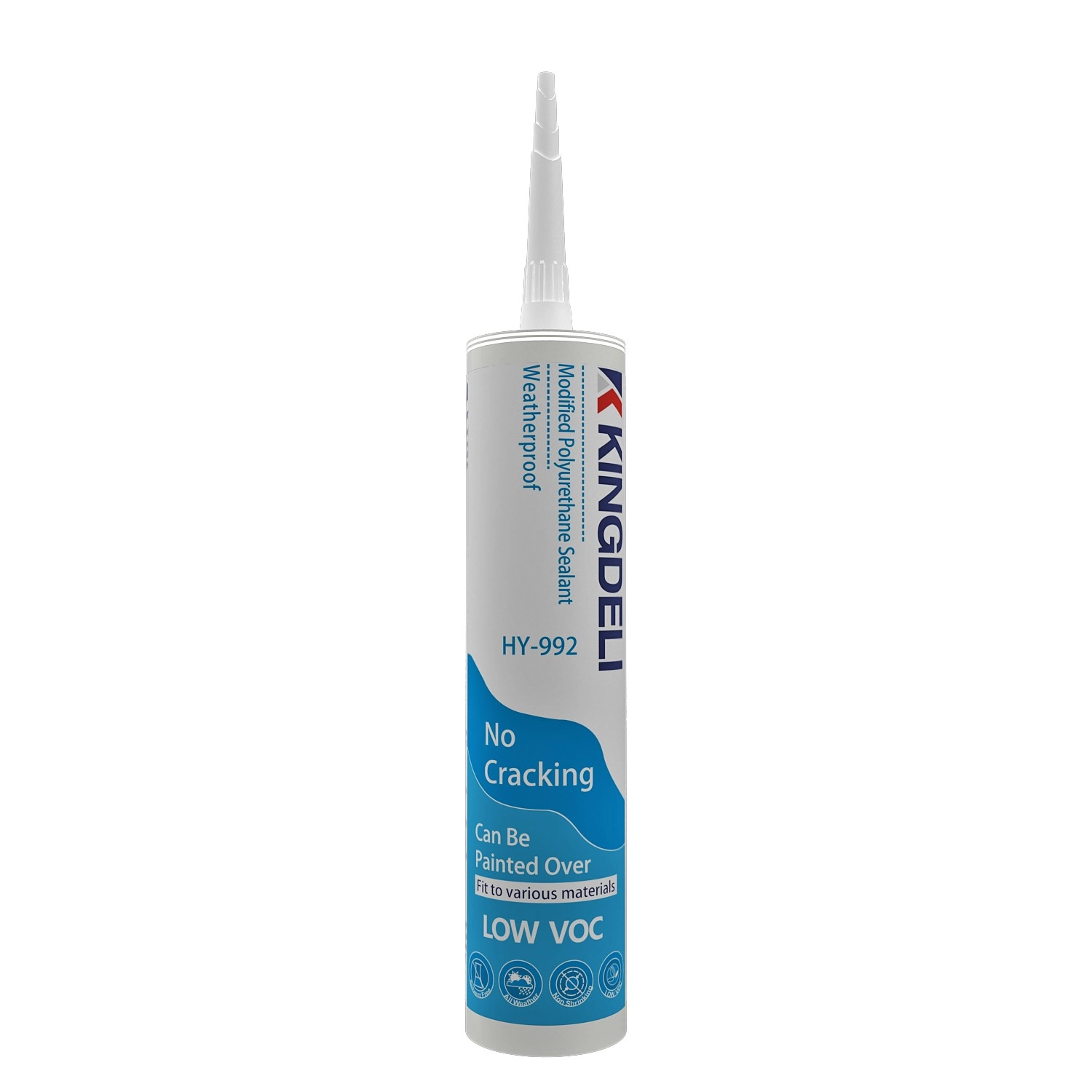
HY992 Modified Polyurethane Construction Sealant
HY992 Modified Polyurethane Sealant is a one-component, moisture-curing construction sealant designed for professional building and structural sealing applications. It provides excellent adhesion, weather resistance, and durable elasticity, making it suitable for a wide range of construction materials.
The formulation delivers strong bonding performance without corrosion or substrate contamination, while maintaining low VOC content for environmentally responsible construction projects.

HY995 Crystal Clear Ms Polymer Adhesive/Sealant
HY995 Crystal Clear Ms Polymer Adhesive/Sealant is a new generation MS Polymer adhesive / sealant formulated for all bonding and sealing applications where long term reliability is required. It has excellent bonding strength on various materials. It will cure to form a durable, flexible, waterproof seal.

HY997 High-Performance Anti-Microbial MS Polymer Sealant
HY997 MS polymer sealant for is is a premium one-component, neutral-curing modified silane sealant engineered for demanding interior applications. It offers a Class 20 movement capability, ensuring long-lasting flexibility and reliable performance under dynamic joint conditions. Curing at room temperature, HY997 delivers superior anti-microbial and mildew-resistant properties, maintaining hygienic and clean environments over time.
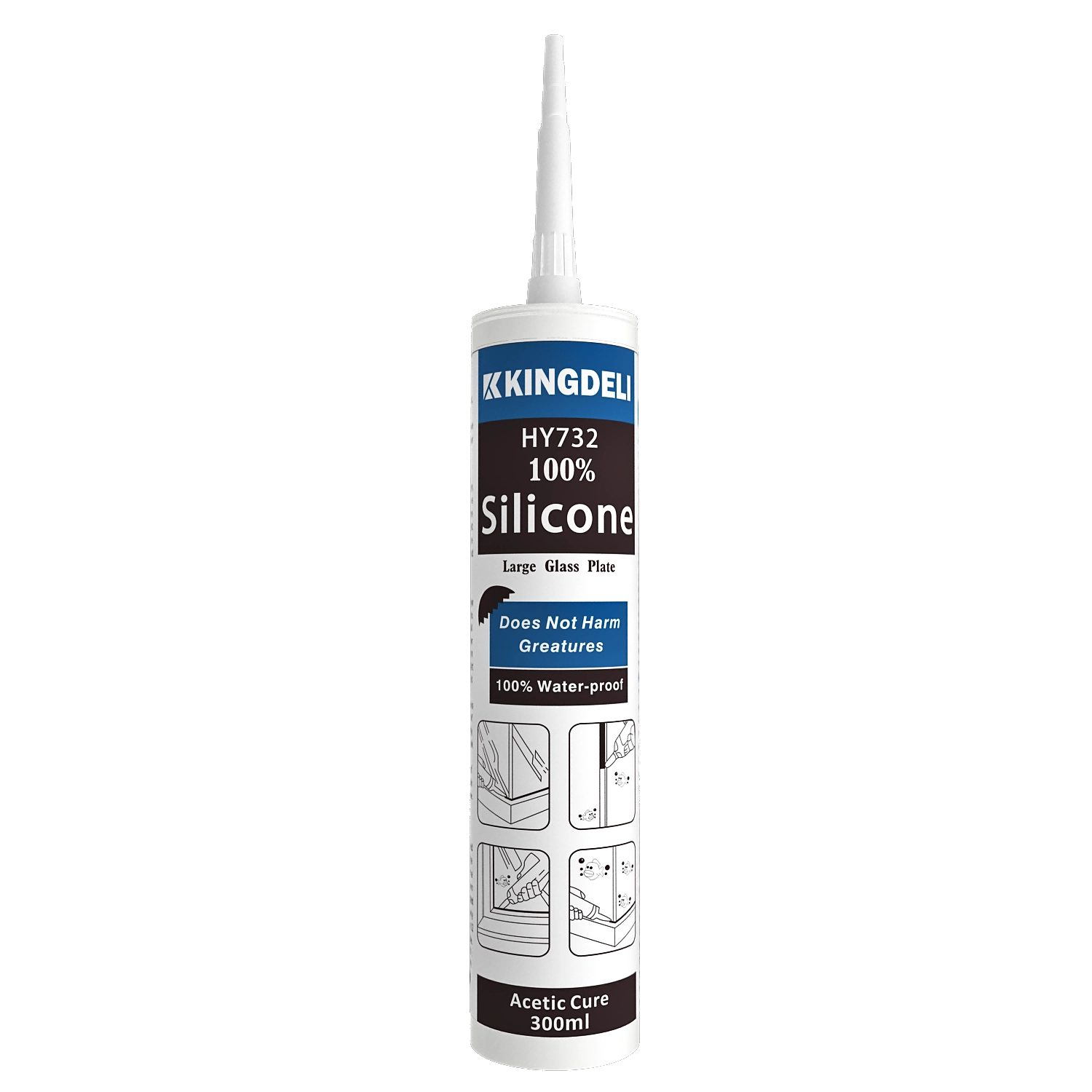
KINGDELI HY732 Professional Acetoxy Cure Silicone Sealant
KINGDELI HY732 is a professional-grade, one-component acetoxy cure silicone sealant designed for fast curing, strong adhesion, and long-lasting flexibility. Ideal for aquariums, glass applications, aluminum doors and windows, kitchens, and bathrooms, it provides reliable sealing performance with excellent anti-fungal protection in high-humidity environments.
Let’s Build Stronger Bonds with Quality Adhesives and Sealants
Have questions about the topic or need tailored sealant solutions for your project?
Our team is ready to provide expert guidance, product recommendations, and application support.
Innovating with Integrity, Bonding the World
Since 1998, KINGDELI has delivered trusted, sustainable sealant solutions that connect industries and inspire progress worldwide.
Whatsapp: +8618825946249
Kingdeli
Kingdeli
Kingdeli
Kingdeli
Kingdeli