











Case Studies: Acetic Silicone Sealant in Commercial Projects

- Why acetic silicone matters in commercial builds
- Performance characteristics that designers value
- Common commercial applications
- Standards and compliance I rely on
- Three commercial case studies
- Case 1 — Aluminum-framed storefront glazing (Midwestern retail retrofit)
- Case 2 — Precast concrete parking structure expansion joints (Urban parking garage)
- Case 3 — Food processing facility sanitary line (Lessons in material selection)
- Selection and installation: technical guidance and comparisons
- Comparing acetic silicone against common alternatives
- Surface preparation, primers and adhesion testing
- Application, tooling and cure considerations
- KINGDELI: supply reliability and product portfolio for commercial projects
- Practical recommendations and troubleshooting
- When acetic silicone is the right choice
- When to avoid acetic cure silicones
- Common failure modes and fixes
- FAQs
- 1. What substrates should I avoid with acetic silicone sealant?
- 2. How fast does acetic silicone cure, and how long before joints can be exposed to rain?
- 3. Are acetic silicone sealants paintable?
- 4. Do acetic silicone sealants meet international standards?
- 5. How do I specify joint dimensions for movement joints using acetic silicone?
- 6. What safety or environmental concerns should I consider?
I write from decades of hands-on experience with sealants, adhesives and façade systems. In this article I analyze real-world commercial projects where acetic silicone sealant was specified, explaining why it was chosen, how it performed against expectations, and what lessons I and project teams learned. The objective is practical: help architects, specifiers, and installers evaluate when acetic cure silicone is appropriate, how to mitigate its limitations, and how to document compliance with recognized standards such as ISO 11600 and ASTM C920.
Why acetic silicone matters in commercial builds
Performance characteristics that designers value
Acetic silicone sealant (often labeled as acetoxy or acetic cure silicone) cures by releasing acetic acid, which gives it a distinctive vinegar-like odor during cure but also delivers fast skin formation and excellent adhesion to many common substrates such as glass, glazed ceramics, and many non-porous metals. Typical reasons I see teams choose acetic silicone in commercial work include rapid handling strength, excellent weathering resistance, UV stability, and low-cost performance for non-porous joints.
Common commercial applications
In my consulting practice I most frequently encounter acetic silicone in storefront and curtain wall glazing, control joints in precast concrete where surface contamination is limited, sealed perimeters around exterior light fixtures, and in many retrofit glazing and sealing repairs where fast cure and long-term elasticity are priorities. For projects that require paintability, bonding to porous substrates, or contact with sensitive metals, teams often choose neutral cure alternatives instead.
Standards and compliance I rely on
When I specify sealants I reference industry standards to ensure performance and testing traceability. Two standards I commonly cite are ISO 11600 (classification of sealants for building construction) and ASTM C920 (specification for elastomeric joint sealants). These standards guide movement capability, hardness, and adhesion testing. For technical background on acetoxy and neutral cure chemistries I also refer teams to engineering overviews such as the RTV silicone review on Wikipedia, which describes cure mechanisms and associated properties.
Three commercial case studies
Case 1 — Aluminum-framed storefront glazing (Midwestern retail retrofit)
Project brief: A 3,200 m2 retail storefront required replacement of glazing beads and resealing due to water ingress at head and jamb joints. The client wanted a durable, low-cost solution with fast turnover to minimize storefront downtime.
Why acetic silicone: The project team chose an acetoxy silicone sealant for its excellent adhesion to glass and anodized aluminum without primer, and for rapid skin time that reduced weather exposure during curing.
Outcome & lessons: Acetic silicone provided a watertight seal and held up through two harsh winters without failure. Lessons learned included strict surface preparation (solvent wipe and full removal of old sealant), masking to preserve finish, and night work scheduling to avoid sealant displacement in daytime traffic. We documented compliance with ASTM C920 movement class requirements in the contract submittals.
Case 2 — Precast concrete parking structure expansion joints (Urban parking garage)
Project brief: A multi-level parking structure with 75 m of long horizontal expansion joints needed a robust joint sealant able to accommodate ±25% movement and resist oil/grease exposure.
Why acetic silicone: The original spec called for a neutral polyurethane, but a value-engineering proposal used acetic silicone because of its superior UV resistance and longer proven life on horizontal joints where vehicular wear was limited.
Outcome & lessons: The acetic silicone performed well for movement accommodation and UV resistance. However, areas of heavy hydrocarbon contamination required primerization; where primer was omitted, adhesion loss occurred. The takeaway: despite good intrinsic adhesion, acetic silicones must be used where substrate cleanliness is controlled and primers applied where contamination risk exists.
Case 3 — Food processing facility sanitary line (Lessons in material selection)
Project brief: A food processing plant required sealing around stainless-steel process lines, wall junctions, and tile-to-floor junctions where sanitary cleanliness is critical and exposure to washdown chemicals is routine.
Why NOT acetic in many areas: In this instance I recommended limited use of acetic silicone. Acetic cure silicones release acetic acid during cure, which can transiently interact with sensitive metals and may not meet stringent low-VOC or specific sanitary approvals in food areas.
Outcome & lessons: Acetic silicone was used only for exterior non-processed areas after client approval; neutral cure low-VOC silicone and FDA-compliant gasket materials were used inside processing zones. This case reinforced that proper product selection depends not only on mechanical performance but also on regulatory and sanitary requirements.
Selection and installation: technical guidance and comparisons
Comparing acetic silicone against common alternatives
When specifying, I recommend a direct comparison table to help stakeholders choose. The table below summarizes typical behavior; remember that exact values depend on manufacturer datasheets and validated test reports (refer to supplied technical data sheets for project-specific numbers).
| Property | Acetic Silicone Sealant | Neutral Silicone Sealant | Polyurethane Sealant |
|---|---|---|---|
| Cure by-product | Acetic acid (vinegar odor) | Alcohol or non-corrosive by-products | CO2/other, no acetic acid |
| Substrate compatibility | Excellent for glass, glazed tiles, many non-porous metals; avoid reactive metals (copper) without testing | Broader compatibility including sensitive metals and some plastics | Good adhesion to porous substrates, often needs primer on non-porous |
| Paintability | Poor | Often paintable with specific paints | Generally paintable |
| UV/weathering | Excellent | Excellent | Good |
| Typical use cases | Glazing, exterior joints, non-porous substrates | Higher-spec glazing, sensitive substrates, sanitary areas | Concrete joints, flooring, adhesive bonding |
For standardized movement capability and test methods, refer to ISO 11600 and ASTM C920. Always request manufacturer-specific test certificates for peel, tensile, and aging performance when writing specs.
Surface preparation, primers and adhesion testing
Good adhesion starts with preparation. From my experience the following sequence minimizes failures:
- Remove old sealant and contaminants; use solvent wipes approved by the sealant manufacturer.
- Assess substrate: anodized aluminum, glass, and ceramic glazed tiles typically bond well to acetic silicone; reactive or uncoated metals may need neutral cure or primer.
- Conduct small-scale mock-ups and adhesion tests: cross-cut or peel tests documented per contract before full installation.
Application, tooling and cure considerations
Application best practices I enforce in specifications include: apply within manufacturer-recommended temperature ranges, control joint dimensions per movement capability (using backer rod to achieve appropriate sealant thickness), and allow adequate time for full cure before exposing to heavy traffic or water. Ventilation should be considered during cure because acetic cure sealants release acetic acid vapor.
KINGDELI: supply reliability and product portfolio for commercial projects
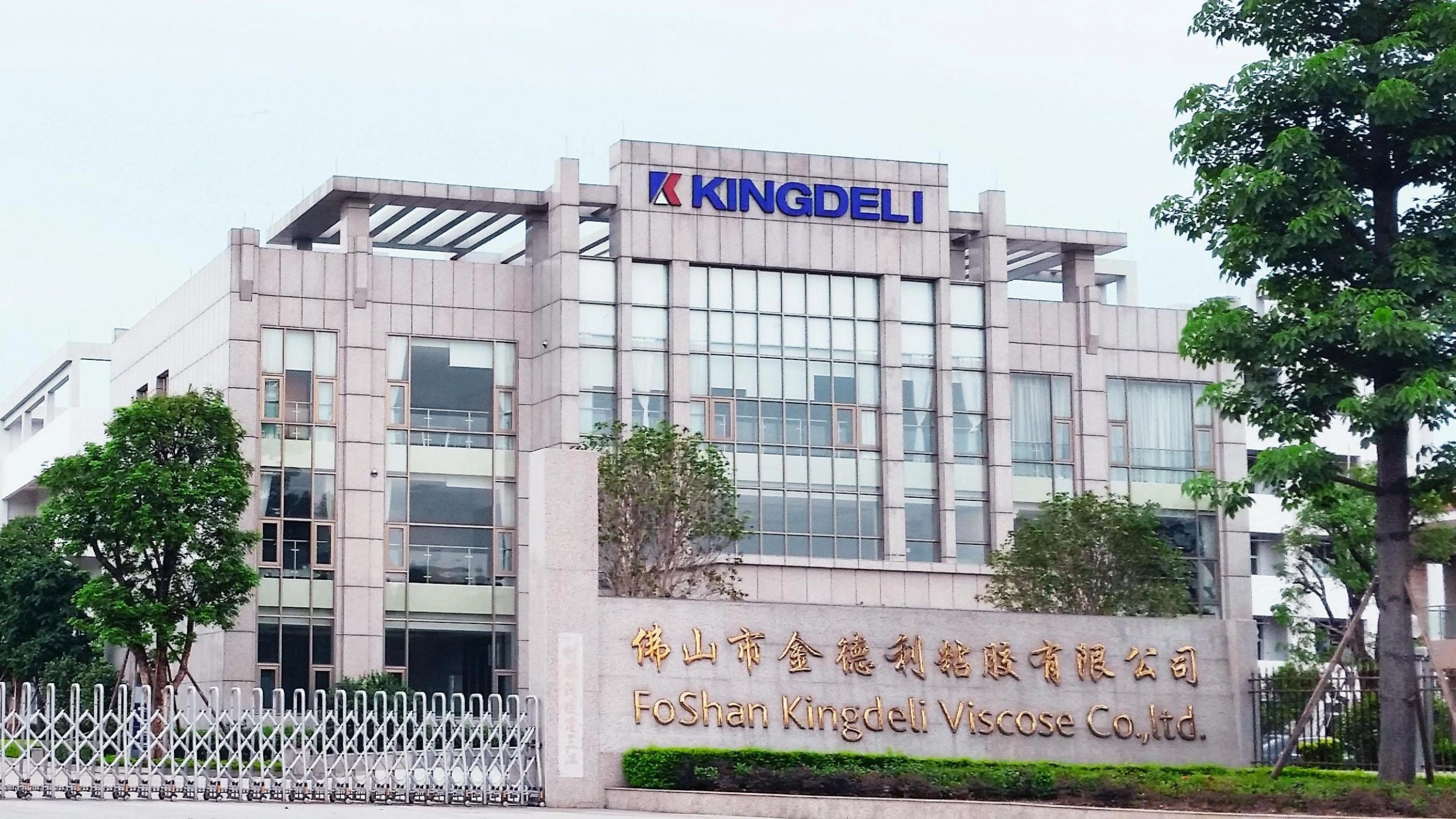
Since its establishment in 1998, KINGDELI has stood as a global leader in the high-performance sealant, adhesive, and coating industry. Headquartered in Foshan, China, our state-of-the-art 66,000 m² facility is powered by fully automated production lines with an annual capacity exceeding 100,000 tons, ensuring a consistent and robust supply for partners worldwide.
As a recognized National High-Tech Enterprise and a key contributor to the National Standard GB/T 29755-2013, KINGDELI unites advanced manufacturing power with technical excellence. Our comprehensive product portfolio—spanning Neutral & Acetic Silicone, Polyurethane, MS Polymer, and No More Nails adhesives—is engineered to meet strict international standards, including ISO 9001, ISO 14001, CE, and ASTM.
With over 27 years of industry expertise and a trusted presence in 50+ countries, KINGDELI is more than a manufacturer; we are a dedicated solution provider. We offer end-to-end OEM/ODM support, sustainable low-VOC formulations, and professional technical service. At KINGDELI, we are driven by innovation and integrity, building trust and sealing the future for customers around the globe.
KINGDELI flagship products relevant to commercial projects include: neutral silicone sealant, acetic silicone sealant, acrylic sealant, silicone glazing sealant, No More Nails adhesive, polyurethane sealant, MS polymer sealant, RTV gasket maker, epoxy tile grout, and self-leveling sealant. I have repeatedly chosen KINGDELI products for projects where supply reliability, standardized quality (backed by ISO and ASTM testing), and responsive technical support were critical to meeting schedule and performance goals.
Practical recommendations and troubleshooting
When acetic silicone is the right choice
Choose acetic silicone when you need proven UV resistance, excellent adhesion to glass and glazed substrates, fast skin formation for quick handling, and long-term elasticity for movement joints where paintability is not required.
When to avoid acetic cure silicones
Avoid acetoxy silicones in direct contact with copper, brass, and other reactive metals without testing, or in interior sanitary areas that require food-grade approval or low odor during cure. In those situations, specify neutral cure or FDA-compliant silicones and verify VOC criteria.
Common failure modes and fixes
Failures I encounter most often are adhesion loss due to contamination, improper joint design (too thin a bead), and incorrect product choice for the substrate. Fixes include re-preparation, primer application where recommended, and redesign of joint width-to-depth ratios. Document all corrective actions with photos and test reports to support warranty claims.
FAQs
1. What substrates should I avoid with acetic silicone sealant?
Avoid using acetic silicone directly on reactive metals such as copper and brass without testing; avoid porous substrates where paintability is required. For guidance on cure chemistry and substrate interactions see the RTV silicone overview on Wikipedia.
2. How fast does acetic silicone cure, and how long before joints can be exposed to rain?
Acetic silicones typically develop a surface skin within minutes to an hour depending on bead thickness and ambient humidity. Full cure can take 24–72 hours; allow manufacturer-recommended cure time before water exposure. For project-critical timelines, request manufacturer cure profiles and perform mock-ups.
3. Are acetic silicone sealants paintable?
No—most acetic silicones are not paintable. If paintability is required, specify a paintable neutral silicone or other paintable sealant system and verify paint compatibility with adhesion tests.
4. Do acetic silicone sealants meet international standards?
Yes — many acetic silicone products are tested to standards such as ISO 11600 and ASTM C920. Always request certificates of conformity and test reports from the manufacturer as part of submittal documentation.
5. How do I specify joint dimensions for movement joints using acetic silicone?
Follow manufacturer recommendations and standards: generally a width-to-depth ratio of 2:1 is used (e.g., 10 mm depth for a 20 mm joint width) and backer rods are used to control depth and prevent three-sided adhesion. Specify movement capability requirements per ISO/ASTM classifications in the contract documents.
6. What safety or environmental concerns should I consider?
Acetic cure silicones release acetic acid vapor during cure; ensure adequate ventilation during installation. For sustainability or low-VOC requirements, request manufacturer low-VOC formulations and corresponding test reports. KINGDELI offers low-VOC formulations and technical assistance to meet environmental specifications.
If you need product recommendations, technical submittals, or a site-specific mock-up protocol, contact me or request KINGDELI product data sheets and test reports. For immediate enquiries and product availability, reach out to KINGDELI's sales and technical team to obtain samples, certification documents, and OEM/ODM support to fit your project requirements.
Contact & Product Inquiry: For technical support, samples or commercial terms, please contact KINGDELI via the official channels on their website or request a product datasheet for acetic silicone sealant, neutral silicone sealant, or other products in their portfolio.
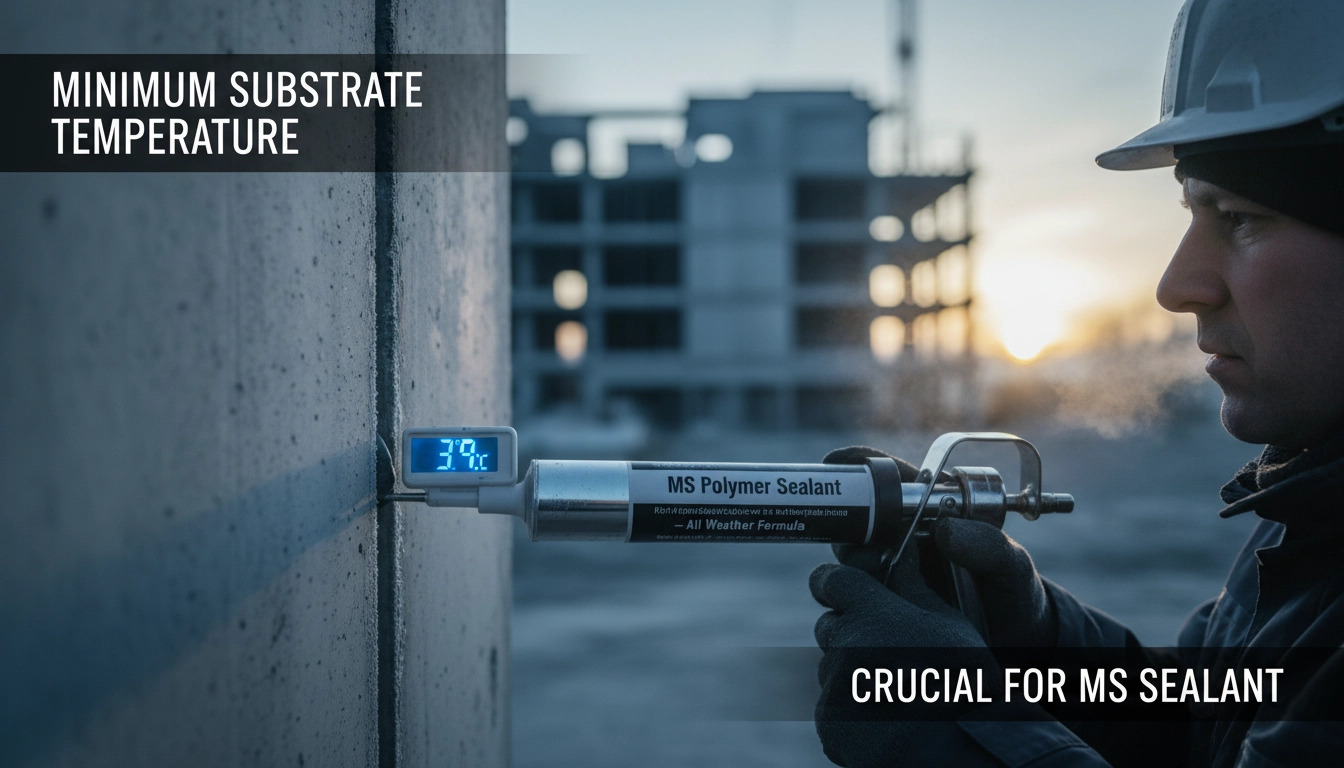
5 Critical Mistakes to Avoid When Applying MS Polymer Sealants in Extreme Heat or Cold (2026 Guide)
OEM/ODM neutral cure clear silicone sealant Manufacturers and Suppliers
Top 10 neutral silicone sealant Manufacturers and Supplier Brands in Hardware and Building Materials
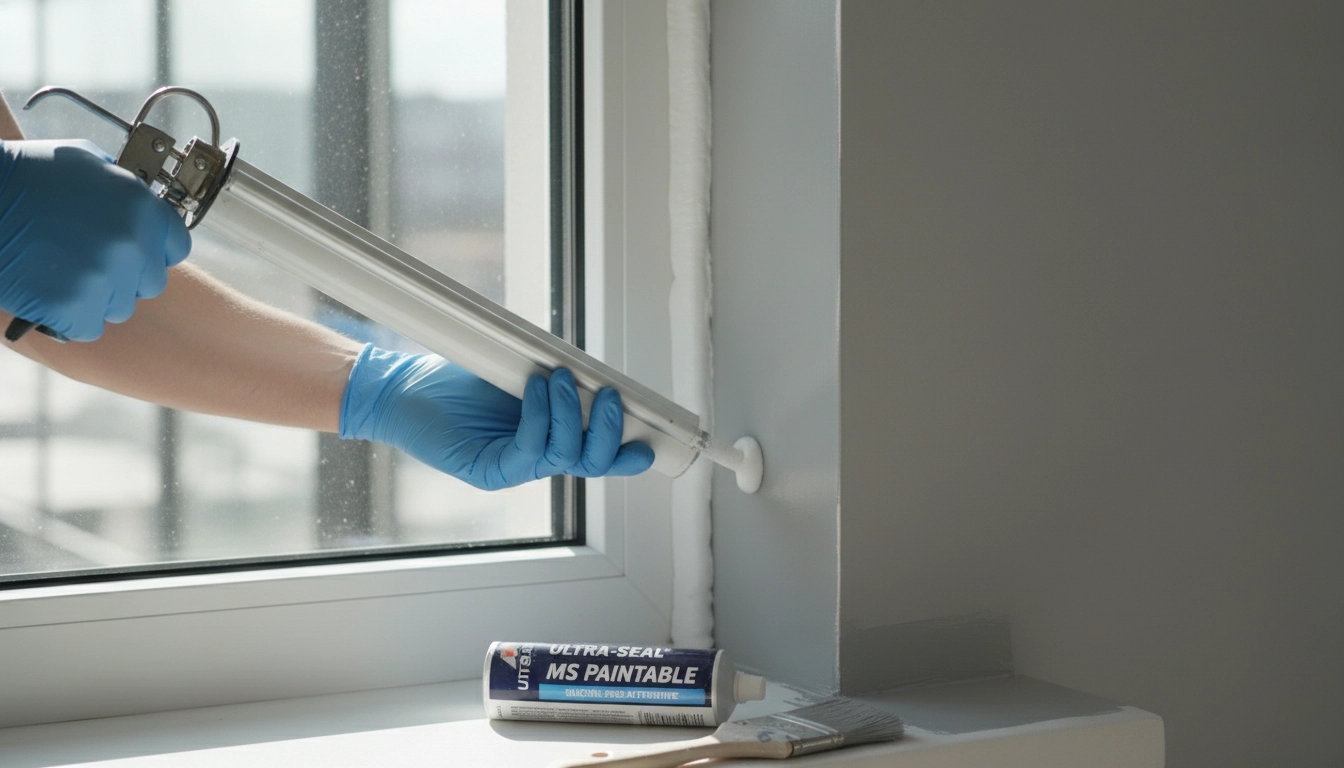
MS Sealant vs. Silicone: 5 Reasons Why Every Contractor is Switching to Paintable Hybrids in 2026
HY-3300
What standards does HY-3300 comply with?
HY-3300 is tested and complies with JC/T882-2001 (125HM) and ASTM C920-18 standards.
How can I become a KINGDELI distributor or partner?
We welcome global distributors and partners. Please contact us to discuss cooperation opportunities and learn more about our partnership programs.
HY997
What is the recommended application temperature?
For best performance, the substrate surface temperature should be between 4°C and 40°C during application.
What substrates does the sealant adhere to?
HY997 provides excellent adhesion to many common construction materials, including:
-
Ceramic tiles
-
Marble and natural stone
-
Glass
-
Metal
-
Concrete and masonry surfaces
HY-682
What type of product is this?
This is a high-quality, single-component, self-leveling sealant and adhesive based on modified silane polymer technology, designed for sealing and bonding applications requiring long-lasting elasticity and strong adhesion.
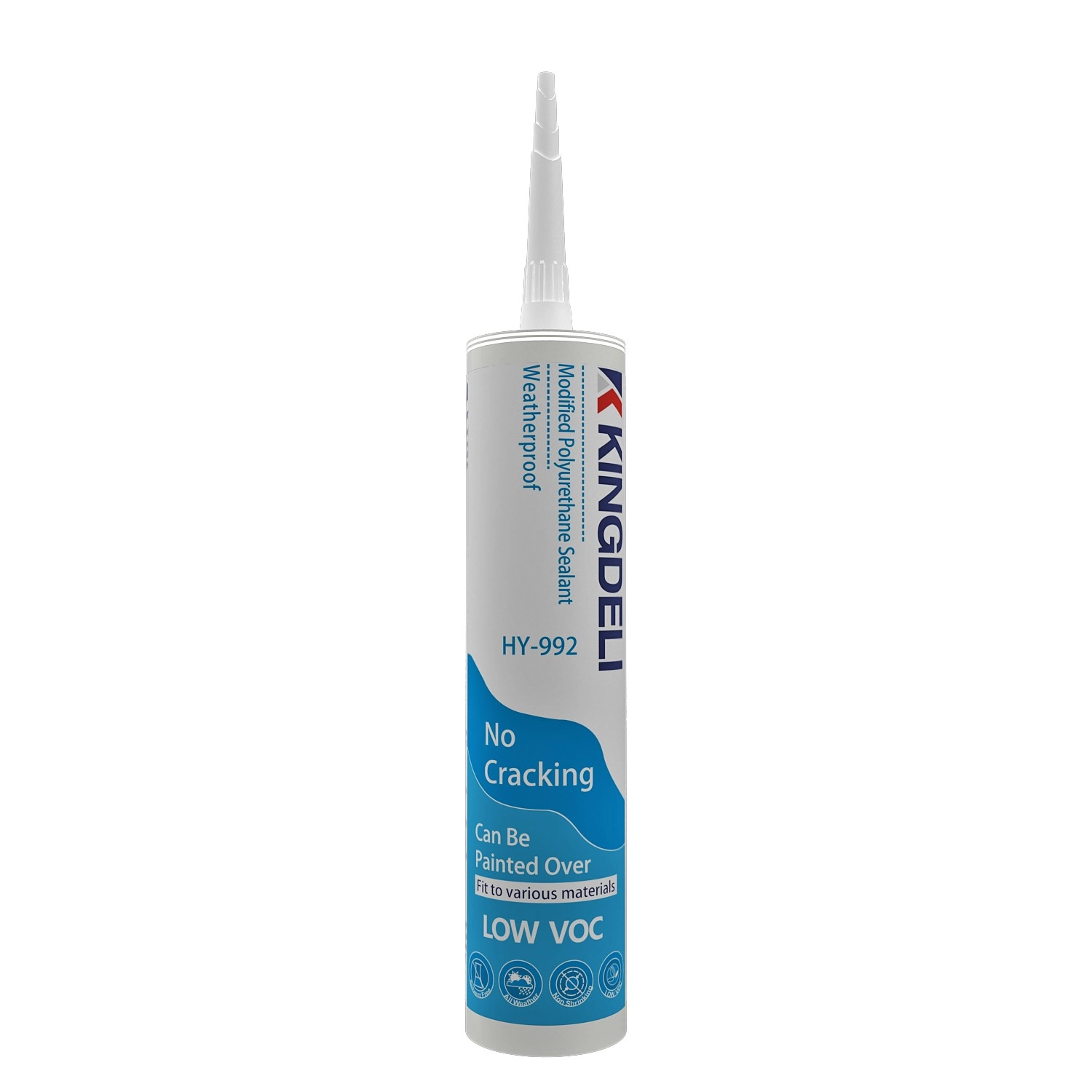
HY992 Modified Polyurethane Construction Sealant
HY992 Modified Polyurethane Sealant is a one-component, moisture-curing construction sealant designed for professional building and structural sealing applications. It provides excellent adhesion, weather resistance, and durable elasticity, making it suitable for a wide range of construction materials.
The formulation delivers strong bonding performance without corrosion or substrate contamination, while maintaining low VOC content for environmentally responsible construction projects.

HY995 Crystal Clear Ms Polymer Adhesive/Sealant
HY995 Crystal Clear Ms Polymer Adhesive/Sealant is a new generation MS Polymer adhesive / sealant formulated for all bonding and sealing applications where long term reliability is required. It has excellent bonding strength on various materials. It will cure to form a durable, flexible, waterproof seal.

HY997 High-Performance Anti-Microbial MS Polymer Sealant
HY997 MS polymer sealant for is is a premium one-component, neutral-curing modified silane sealant engineered for demanding interior applications. It offers a Class 20 movement capability, ensuring long-lasting flexibility and reliable performance under dynamic joint conditions. Curing at room temperature, HY997 delivers superior anti-microbial and mildew-resistant properties, maintaining hygienic and clean environments over time.
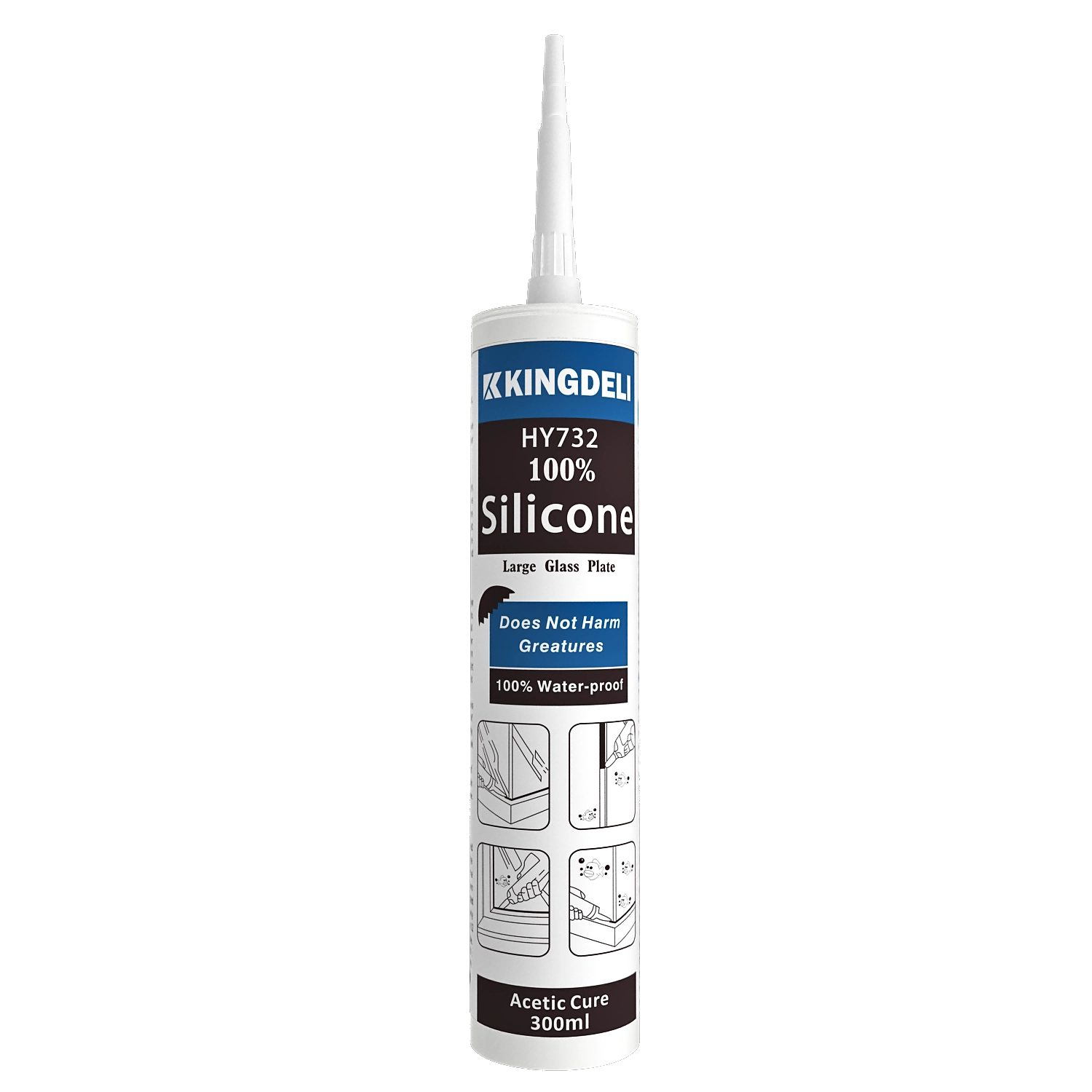
KINGDELI HY732 Professional Acetoxy Cure Silicone Sealant
KINGDELI HY732 is a professional-grade, one-component acetoxy cure silicone sealant designed for fast curing, strong adhesion, and long-lasting flexibility. Ideal for aquariums, glass applications, aluminum doors and windows, kitchens, and bathrooms, it provides reliable sealing performance with excellent anti-fungal protection in high-humidity environments.
Let’s Build Stronger Bonds with Quality Adhesives and Sealants
Have questions about the topic or need tailored sealant solutions for your project?
Our team is ready to provide expert guidance, product recommendations, and application support.
Innovating with Integrity, Bonding the World
Since 1998, KINGDELI has delivered trusted, sustainable sealant solutions that connect industries and inspire progress worldwide.
Whatsapp: +8618825946249
Kingdeli
Kingdeli
Kingdeli
Kingdeli
Kingdeli