


Can polyurethane sealant be custom-colored for projects?
Polyurethane sealant color matching requires technical controls, validated pigment chemistry, and standardized testing to preserve cure, adhesion, and weathering resistance—this guide explains which pigments and processes work, what to test, and when to use factory color matching versus job-site tinting.
Introduction: Custom coloring of polyurethane sealants is routinely requested in building envelopes, transportation, and specialty manufacturing to meet architectural, warranty, and aesthetic requirements. However, improper tinting can alter cure behavior, mechanical properties, adhesion, and long-term color stability. The practical pathway is a controlled program: specify compatible pigments/concentrates, limit loading, perform targeted tests per ASTM and ISO methods, and prefer factory-matched, pre-dispersed systems for critical applications.
Conclusion and KINGDELI advantage: KINGDELI brings 15+ years of formulation and field support in sealants and adhesives, offering factory color-matching, technical evaluation, and documented testing programs to mitigate tinting risks and ensure compliant performance across substrates and climates.
Contact KINGDELI for specification-level color-matched polyurethane sealant solutions at www.kingdelisealant.com or via info@kingdeliadhesive.com.
Frequently Asked Questions
Can I tint field applied polyurethane sealant on site safely?
Short answer: Yes, but only under strict controls and manufacturer approval. Why this matters: Field (job-site) tinting introduces variability—mix ratios, pigment dispersion, contamination, and environmental moisture can change cure kinetics and mechanical properties of a polyurethane sealant. One-component moisture-cure systems are particularly sensitive to solvent or hygroscopic carriers in tint pastes. Practical guidance: Use only manufacturer-approved tint packs or concentrates designed for the specific polyurethane chemistry. Limit pigment loading to the vendor’s recommended maximum (commonly under 3–5% by weight for field tints). Perform a small-scale mock-up on the same substrate, cure under site conditions, and run quick checks: tack-free time, adhesion, Shore hardness, and visual color. For critical joints or warranty-covered projects, require factory color matching and pre-dispersed concentrates rather than job-site tinting.
Will pigments affect polyurethane sealant cure time or strength?
Yes—pigments and carriers can affect cure kinetics and final properties, but the magnitude depends on pigment type, loading, and sealant chemistry. Mechanisms: In moisture-curing one-component polyurethanes, solvent or water-containing carriers in pigment pastes can change moisture availability and surface skinning. In two-component systems, reactive pigments with surface chemistries that adsorb isocyanate or polyol species can alter crosslink density. High inorganic loading also changes thermal conductivity and diffusion rates, altering cure profile. What to measure: Evaluate tensile strength, elongation at break, modulus, and Shore A hardness per relevant sections of ASTM C920 and tensile tests (e.g., ISO 37/ASTM D412). Compare cure time (tack-free and functional cure) under expected temperature/humidity. If you observe >10–15% reduction in elongation or significant change in modulus, reduce pigment load or use a different pigment concentrate.
Which pigments are compatible with solvent and moisture cure polyurethane?
General rules: Inorganic pigments (titanium dioxide, iron oxides, chromium oxides) are the most compatible and lightfast for exterior polyurethane sealants. Carbon black provides excellent UV shielding and is chemically inert. Organic pigments (azo, phthalocyanine) can provide brilliant colors but often have lower weatherfastness and may migrate or fade. Compatibility considerations: Avoid pigment pastes that include reactive functional groups (amines, acidic groups) that can interact with isocyanate in two-component systems. For moisture-cure systems, avoid tint media that contain free water or hygroscopic solvents unless specifically formulated. Use pre-dispersed pigment concentrates made in a carrier compatible with the sealant polymer. Recommended practice: Request a Materials Safety Data Sheet and technical compatibility statement from pigment suppliers, insist on pre-dispersion by the sealant manufacturer, and run accelerated weathering (ASTM G154) and adhesion tests to validate compatibility.
How to achieve color consistency across batches and substrates?
Color consistency is a manufacturing and QC problem more than a chemistry one. Variability arises from batch-to-batch base polymer color, pigment dispersion quality, and differences in substrate absorption and surface finish. Best practices: 1) Factory color-matching: Use pre-dispersed concentrates at the manufacturer to ensure consistent pigment dispersion and control of base polymer color. Maintain tight lot control and record batch formulations. 2) Instrumental matching: Specify target color metrics using spectrophotometry (CIE L*a*b*) and define acceptable ΔE tolerances (typical commercial tolerance ΔE ≤ 2; architectural specs sometimes require ΔE ≤ 1). 3) Surface effects: Test on actual substrates — porous, rough, and highly textured surfaces will change perceived color due to shadowing and absorption; adjust pigment loading or surface primer accordingly. 4) Process control: Use dispersers or high-shear mixing for concentrates, control temperature during blending, and document mixing times and speeds.
Can colored polyurethane sealant maintain UV and weather resistance?
Yes, if formulated correctly. The key determinants are polymer type (aliphatic vs aromatic), pigment selection, and UV stabilizers. Technical details: Aromatic polyurethane chemistries typically yellow under UV exposure; aliphatic formulations are far more color-stable and are recommended where color retention is critical. Inorganic pigments like titanium dioxide and iron oxides have high lightfastness; some organic pigments will fade faster. Carbon black not only provides black coloration but also acts as a UV absorber. Testing and specification: Specify accelerated weathering tests (ASTM G154 fluorescent UV or ASTM D4587 Xenon arc) and outdoor exposure panels to verify color change (ΔE) and mechanical retention over time. For exterior visible joints, prefer aliphatic polyurethane sealants with proven pigment systems and documented field performance.
Are factory color matching services superior to job site tinting?
In almost all performance-critical and warranty-backed applications, yes—factory color matching is superior. Why: Factory processes allow pre-dispersion of pigments into the polymer vehicle under controlled shear, temperature, and vacuum conditions, eliminating entrained air and ensuring reproducible rheology and pigment wetting. Manufacturers can control pigment loading, base polymer batch color, and document matching against spectrophotometric standards with traceable ΔE targets. When job-site tinting is acceptable: Low-visibility joints, temporary installations, or small corrections may be tinted on-site using approved tint packs, provided the project accepts the risk and requires on-site validation testing. For facade programs, transportation, and submerged or movement-critical joints, specify factory-matched, pre-dispersed colored polyurethane sealant and retain retained samples for acceptance testing.
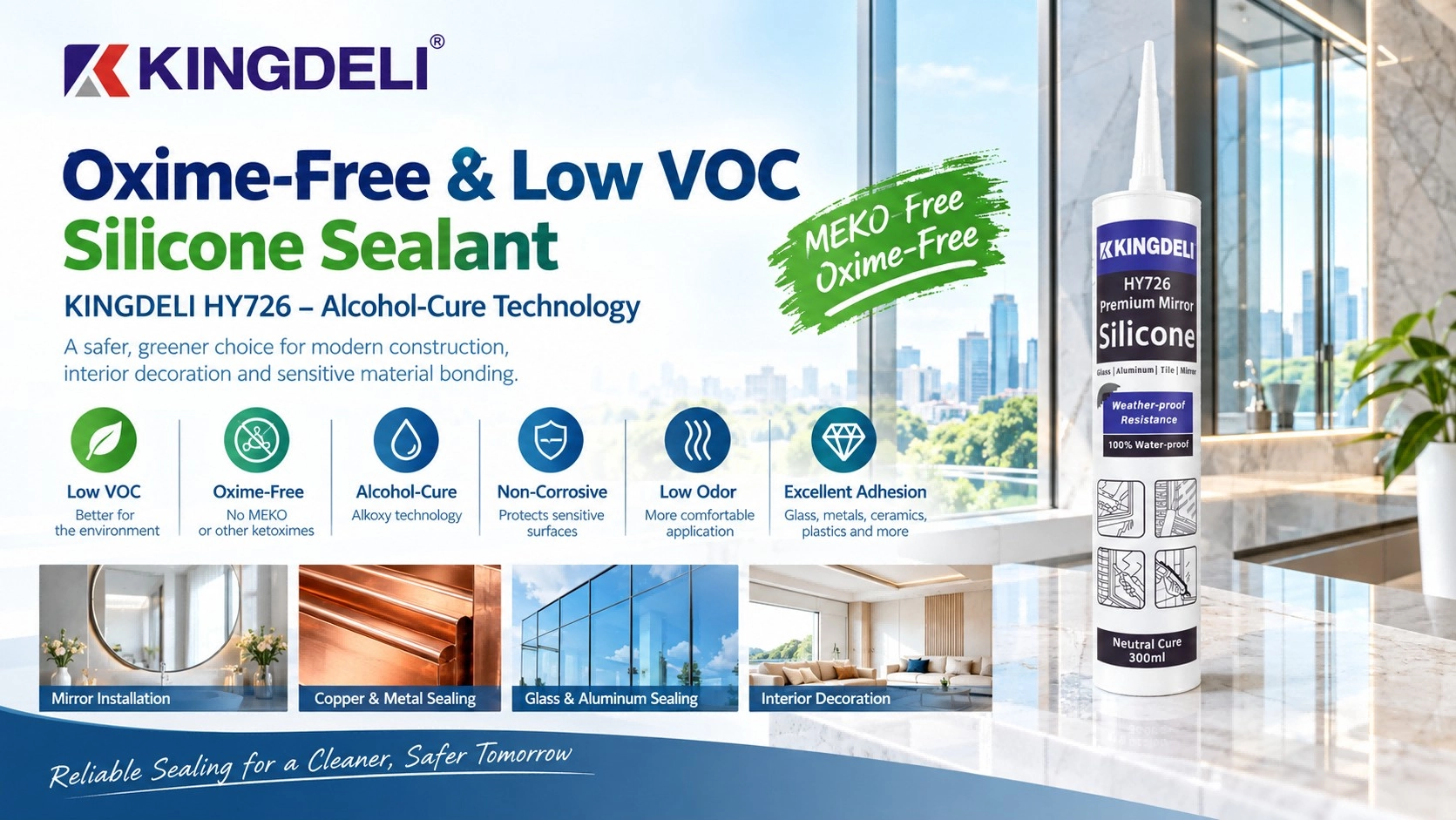
Oxime-Free & Low VOC Silicone Sealant: Discover KINGDELI HY726 Alcohol-Cure Technology
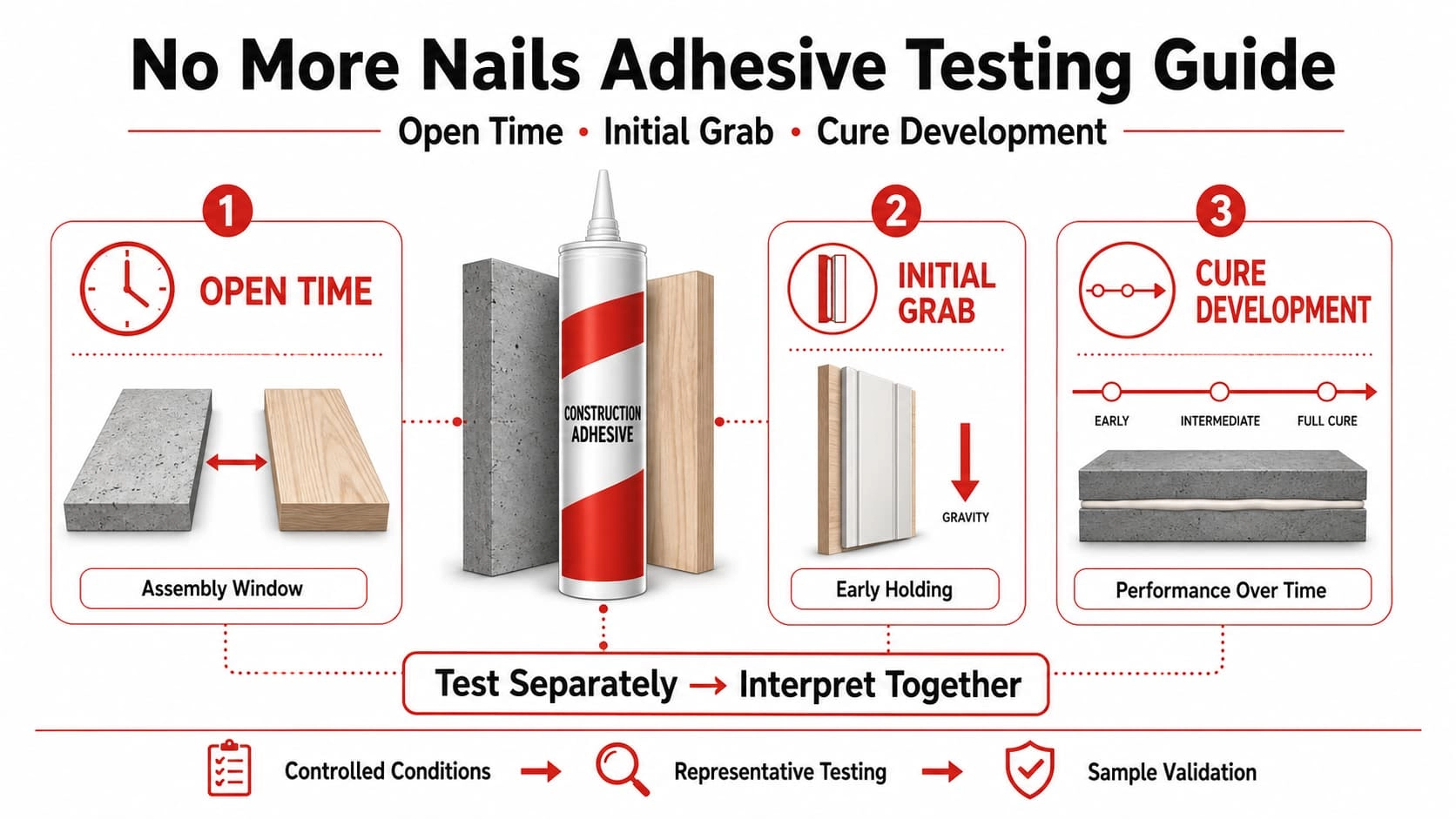
No More Nails Adhesive Open Time, Grab Strength, and Cure Testing Guide
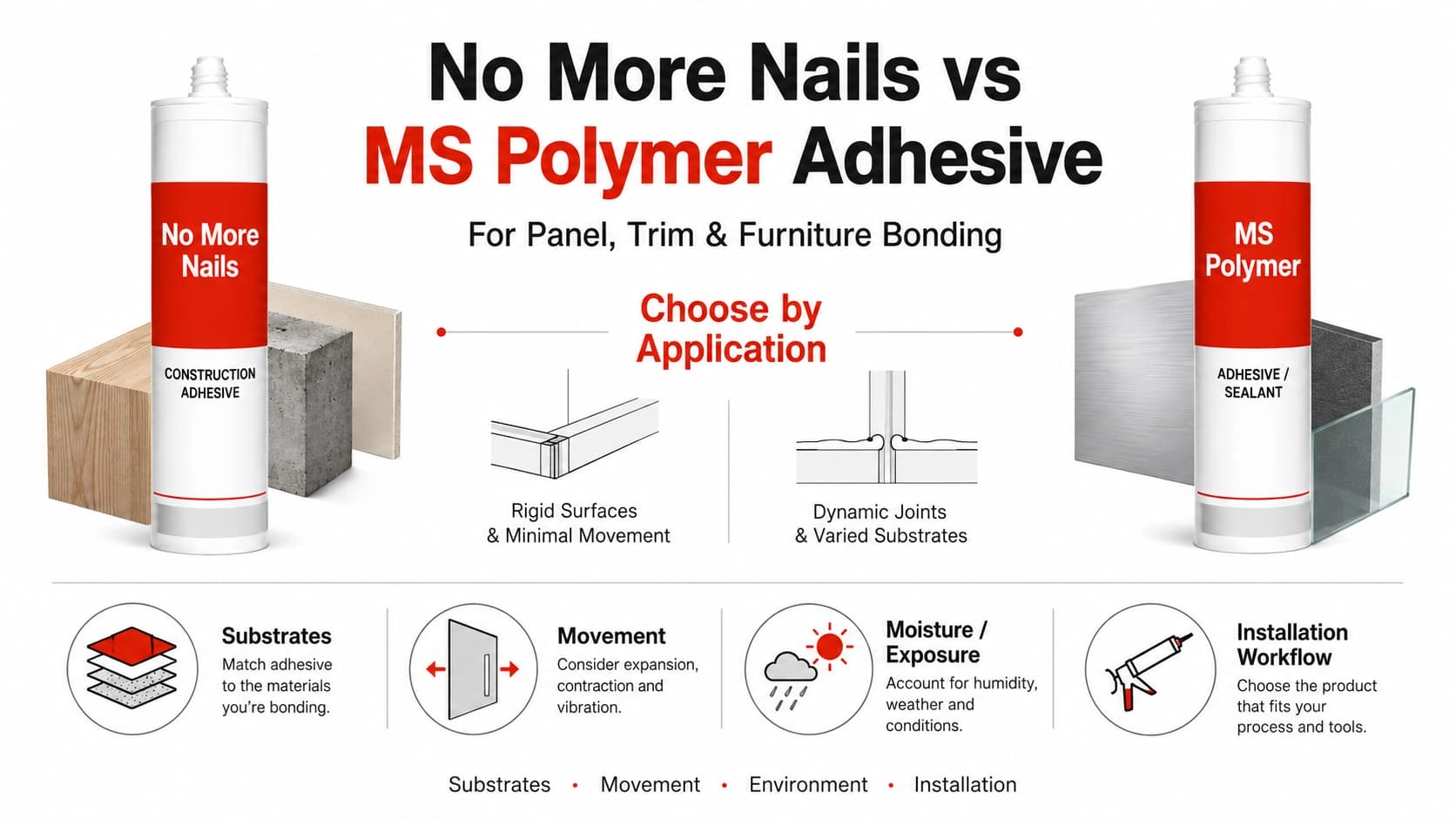
No More Nails vs MS Polymer Adhesive for Panel, Trim, and Furniture Bonding
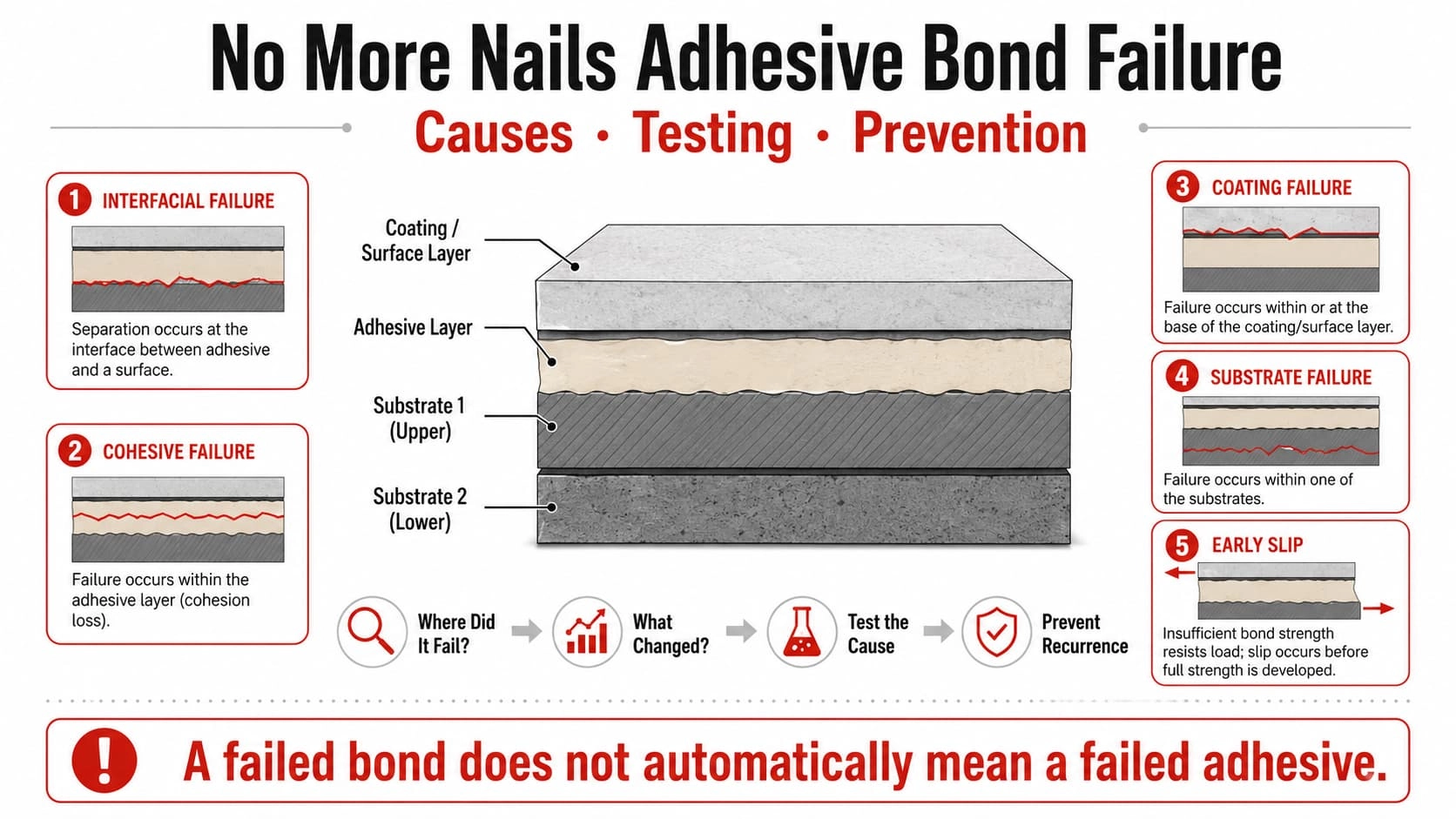
No More Nails Adhesive Bond Failure: Causes, Testing, and Prevention

HY992 Modified Polyurethane Construction Sealant
HY992 Modified Polyurethane Sealant is a one-component, moisture-curing construction sealant designed for professional building and structural sealing applications. It provides excellent adhesion, weather resistance, and durable elasticity, making it suitable for a wide range of construction materials.
The formulation delivers strong bonding performance without corrosion or substrate contamination, while maintaining low VOC content for environmentally responsible construction projects.

HY995 Crystal Clear Ms Polymer Adhesive/Sealant
HY995 Crystal Clear Ms Polymer Adhesive/Sealant is a new generation MS Polymer adhesive / sealant formulated for all bonding and sealing applications where long term reliability is required. It has excellent bonding strength on various materials. It will cure to form a durable, flexible, waterproof seal.

HY997 High-Performance Anti-Microbial MS Polymer Sealant
HY997 MS polymer sealant for is is a premium one-component, neutral-curing modified silane sealant engineered for demanding interior applications. It offers a Class 20 movement capability, ensuring long-lasting flexibility and reliable performance under dynamic joint conditions. Curing at room temperature, HY997 delivers superior anti-microbial and mildew-resistant properties, maintaining hygienic and clean environments over time.

KINGDELI HY732 Professional Acetoxy Cure Silicone Sealant
KINGDELI HY732 is a professional-grade, one-component acetoxy cure silicone sealant designed for fast curing, strong adhesion, and long-lasting flexibility. Ideal for aquariums, glass applications, aluminum doors and windows, kitchens, and bathrooms, it provides reliable sealing performance with excellent anti-fungal protection in high-humidity environments.
Let’s Build Stronger Bonds with Quality Adhesives and Sealants
Have questions about the topic or need tailored sealant solutions for your project?
Our team is ready to provide expert guidance, product recommendations, and application support.
Innovating with Integrity, Bonding the World
Since 1998, KINGDELI has delivered trusted, sustainable sealant solutions that connect industries and inspire progress worldwide.

Whatsapp: +8618825946249
Kingdeli
Kingdeli
Kingdeli
Kingdeli
Kingdeli