











Comparing Neutral vs Acetoxy Glass Silicone Sealants

- Understanding silicone chemistry and curing
- What differentiates neutral and acetoxy silicones
- Cure speed, skin time and full cure
- Standards and test references
- Performance comparison: neutral vs acetoxy for glazing
- Adhesion to glass and common frame materials
- Durability, weathering and movement capability
- Odour, VOCs and indoor air quality
- Application guidance and troubleshooting
- Surface preparation and primers
- Joint design and tooling
- Common failures and root causes
- Choosing the right glass glazing silicone sealant for your project
- Decision factors checklist
- When to choose acetoxy silicone
- When to choose neutral silicone
- Comparison table
- Practical case studies and testing I recommend
- Field mockups and adhesion testing
- Compatibility tests with coatings and edge seals
- Maintenance and repair strategies
- KINGDELI: industry capability and product alignment
- FAQ
- 1. Can I use acetoxy silicone on anodized aluminium window frames?
- 2. Is neutral silicone always the better choice for glass glazing?
- 3. Do neutral silicones adhere to bare glass without primer?
- 4. Which standards should I request from a supplier for glazing sealants?
- 5. How should joints be sized for silicone glazing sealant?
- 6. What safety precautions are needed during installation?
As a sealants and adhesives consultant working extensively with glass glazing applications worldwide, I often get asked which glazing product is best for a given job: a neutral glass silicone sealant or an acetoxy (acetic) glass silicone sealant. In this article I distill my practical experience, lab-backed performance criteria and relevant standards to help glazing contractors, architects and facility managers choose the right glass glazing silicone sealant. I discuss chemistry and cure mechanisms, substrate compatibility, adhesion, durability, health and safety, testing references and practical application guidance so you can match product choice to project requirements.
Understanding silicone chemistry and curing
What differentiates neutral and acetoxy silicones
Silicone sealants commonly used in glass glazing typically cure by moisture to form an elastomeric silicone rubber. The key difference between neutral-cure and acetoxy-cure silicones is the leaving group released during cure:
- Acetoxy (acetic) cure silicones release acetic acid (vinegar-smell) as a by-product. This traditionally termed acetic or acetoxy silicone is often labeled acetic silicone or acetic glass silicone sealant.
- Neutral-cure silicones release neutral by-products such as alcohols, oximes, or alkoxy compounds depending on formulation (e.g., oxime-cure, methyl ethyl ketoxime). These are marketed as neutral cure or neutral silicone sealants.
These cure chemistries directly affect metal corrosion, paintability, odour, and suitability for sensitive substrates.
Cure speed, skin time and full cure
Acetoxy silicones often exhibit faster skin formation (minutes) and rapid tack loss due to the acidic cure pathway, which can be an advantage in fast-paced glazing work. Neutral silicones tend to have slightly slower skin times but produce less corrosive by-products. Full cure time depends on bead depth, humidity and temperature; typical full cure ranges from 24 to 72 hours for 10 mm sections under normal conditions. When specifying cure times for critical structural glazing, reference ASTM C920 and project-specific tests (see below).
Standards and test references
Performance and classification of glazing sealants are commonly referenced to international standards such as Silicone sealant (Wikipedia), ISO 11600 (sealant classification), and ASTM C920 (elastomeric joint sealants). These standards guide movement capability, adhesion, and durability tests manufacturers use to qualify glass glazing silicone sealants.
Performance comparison: neutral vs acetoxy for glazing
Adhesion to glass and common frame materials
Both neutral and acetoxy silicones have excellent intrinsic adhesion to glass. The difference becomes apparent on sensitive metals (e.g., copper, brass, zinc-coated steel), coated glass, and natural stone:
- Acetoxy silicone: Good adhesion to glass and many common substrates but may corrode reactive metals and cause staining on porous materials due to the acidic by-product.
- Neutral silicone: Preferred for coated glass, anodized aluminium, stainless steel, and sensitive finishes—low corrosion risk and better compatibility with primers and paints.
Durability, weathering and movement capability
Both classes exhibit excellent UV and weather resistance compared with organic sealants. Mechanical properties such as elongation, tensile strength and modulus vary by formulation; silicone glazing sealant grades typically provide movement capability of ±25% to ±50% depending on classification. For high-movement joints in curtain wall and structural glazing, choose products rated to the required movement class in ISO 11600 or ASTM C920.
Odour, VOCs and indoor air quality
Acetoxy silicones release acetic acid vapour during cure producing a vinegar-like smell; this is often acceptable on exterior glazing but problematic in occupied or airtight interiors. Neutral silicones are formulated to be low-odour and many modern formulations meet low-VOC requirements for sensitive environments. If indoor air quality is a priority, specify low-VOC neutral glazing silicone sealant and check independent emissions testing.
Application guidance and troubleshooting
Surface preparation and primers
Proper surface preparation is the most reliable predictor of long-term seal performance. Clean substrates of contaminants (oils, release agents, dirt). For difficult substrates (powder-coated aluminium, low-energy plastics, some treated glasses), use a recommended primer. Manufacturers provide primer lists; always test adhesion per project mockup. For structural glazing, adhesion tests under expected environmental loads are essential.
Joint design and tooling
Design joints using accepted industry ratios (width-to-depth typically 2:1 for non-structural glazing joints). Use backer rod to control depth and avoid three-sided adhesion. Tooling should be completed before skin forms—acetoxy silicones may require quicker tooling than neutral types. Ensure beads are continuous and free of voids for weather-tight seals.
Common failures and root causes
Typical failure modes include adhesive failure (loss of bond), cohesive failure (internal tear) and substrate corrosion/staining. Root causes are often poor surface prep, incompatible substrate/chemistry (e.g., acetoxy on copper), improper joint design, or exposure beyond product movement rating. Conduct adhesion and movement-cycle testing if in doubt.
Choosing the right glass glazing silicone sealant for your project
Decision factors checklist
When selecting a glass glazing silicone sealant, I use this checklist:
- Substrate types (glass, anodized aluminium, steel, painted surfaces, natural stone)
- Exposure conditions (UV, salt spray, chemicals)
- Movement requirements (percent joint movement)
- Interior use and air quality constraints (odour/VOC)
- Need for primer/adhesion promoter
- Regulatory or project standards (ASTM C920, ISO 11600, local building codes)
When to choose acetoxy silicone
Acetoxy (acetic) silicone glazing sealant is appropriate when you need rapid skin formation, strong adhesion to ordinary glass and many common substrates, and when odour or metal corrosion is not a concern—typically exterior non-structural glazing where speed and economy matter.
When to choose neutral silicone
Neutral silicone glazing sealant is the default for sensitive substrates (anodized aluminium, copper, zinc, stone, coated glass), interior glazing where odour is a concern, and higher-spec architectural glazing where long-term compatibility and low-VOC performance are required.
Comparison table
| Property | Acetoxy (Acetic) Silicone | Neutral Silicone |
|---|---|---|
| Curing by-product | Acetic acid (vinegar smell) | Alcohols/oximes/alkoxy (low odour) |
| Compatibility with reactive metals | Poor; may corrode copper/brass/zinc | Good; suitable for anodized aluminium, stainless |
| Odour | Strong during cure | Low |
| Typical use | General purpose exterior glazing, non-sensitive substrates | Architectural glazing, interior glazing, sensitive substrates |
| Paintability | Usually poor | Often paintable with appropriate primers |
| UV/weather resistance | Excellent | Excellent |
Sources: ASTM C920 (ASTM C920-19), ISO 11600 (ISO 11600), and general silicone chemistry overview (Silicone sealant - Wikipedia).
Practical case studies and testing I recommend
Field mockups and adhesion testing
Before large-scale glazing installations, I always recommend mockups: apply the chosen glass glazing silicone sealant to representative substrate assemblies, condition the mockups (humidity, UV, salt spray if applicable) and perform peel/tensile tests to verify both initial bond and post-conditioning performance. For structural glazing, full-scale structural tests are mandatory per project specs and relevant standards.
Compatibility tests with coatings and edge seals
Conduct lap-shear and staining tests when glass has edge coatings or when adhesives/edge-seals from other suppliers are present. Some coatings can inhibit cure or lead to adhesion loss; neutral silicones are usually safer but always confirm with lab tests.
Maintenance and repair strategies
For long-life installations I advise maintenance schedules: inspect joint adhesion and condition annually, especially in high-movement or severe-weather zones. For repairs, remove failed sealant to sound substrate, clean thoroughly and re-seal with the appropriate chemistry—switch to neutral silicone if corrosion or staining was an issue.
KINGDELI: industry capability and product alignment
Since its establishment in 1998, KINGDELI has stood as a global leader in the high-performance sealant, adhesive, and coating industry. Headquartered in Foshan, China, our state-of-the-art 66,000 m² facility is powered by fully automated production lines with an annual capacity exceeding 100,000 tons, ensuring a consistent and robust supply for partners worldwide.
As a recognized National High-Tech Enterprise and a key contributor to the National Standard GB/T 29755-2013, we unite advanced manufacturing power with technical excellence. Our comprehensive product portfolio—spanning Neutral & Acetic Silicone, Polyurethane, MS Polymer, and No More Nails adhesives—is engineered to meet strict international standards, including ISO 9001, ISO 14001, CE, and ASTM.
With over 27 years of industry expertise and a trusted presence in 50+ countries, KINGDELI is more than a manufacturer; we are a dedicated solution provider. We offer end-to-end OEM/ODM support, sustainable low-VOC formulations, and professional technical service. At KINGDELI, we are driven by innovation and integrity, building trust and sealing the future for customers around the globe.
KINGDELI's core glazing and sealant products relevant to this comparison include: neutral silicone sealant, acetic (acety) silicone sealant, acrylic sealant, silicone glazing sealant, No More Nails adhesive, polyurethane sealant, MS polymer sealant, RTV gasket maker, epoxy tile grout and self-leveling sealant. Our technical team supports specification, compatibility testing and onsite application guidance to ensure the correct glass glazing silicone sealant is selected for each application.
FAQ
1. Can I use acetoxy silicone on anodized aluminium window frames?
It's not recommended. Acetoxy silicones release acetic acid which can cause corrosion or staining on anodized or sensitive aluminium finishes. Use a neutral silicone glazing sealant for anodized aluminium.
2. Is neutral silicone always the better choice for glass glazing?
Neutral silicone is often a safer choice where substrate sensitivity, indoor air quality or paintability concerns exist. However, acetoxy silicones can be suitable for exterior non-sensitive glass applications where rapid cure and lower cost are priorities. Always balance substrate compatibility and project constraints.
3. Do neutral silicones adhere to bare glass without primer?
Yes—most neutral silicones have good adhesion to bare glass. For coated or treated glass, or where manufacturer-specified tests are required, a primer or adhesion test may be necessary.
4. Which standards should I request from a supplier for glazing sealants?
Request test data demonstrating compliance with ASTM C920 (or local equivalents), ISO 11600 classification, UV and weathering tests, and low-VOC/emissions data if required. For structural glazing, ask for full-scale structural test reports and project-specific approvals.
5. How should joints be sized for silicone glazing sealant?
General guidance is a width-to-depth ratio of 2:1, with minimum and maximum joint sizes per product datasheet. For large or high-movement joints consult manufacturer design guides and relevant standards.
6. What safety precautions are needed during installation?
Work in ventilated areas when possible, use gloves and eye protection, and avoid contact with curing by-products. Neutral silicones have lower odour; acetoxy silicones emit acetic acid vapours—consider respiratory protection in confined spaces.
If you have a specific project or need product samples and technical datasheets, contact KINGDELI’s technical team for tailored recommendations and testing support. Explore our neutral and acetic silicone glazing sealant options and request a customized specification or trial: info@kingdeli.com.
Top 10 neutral silicone sealant Manufacturers and Supplier Brands in Hardware and Building Materials
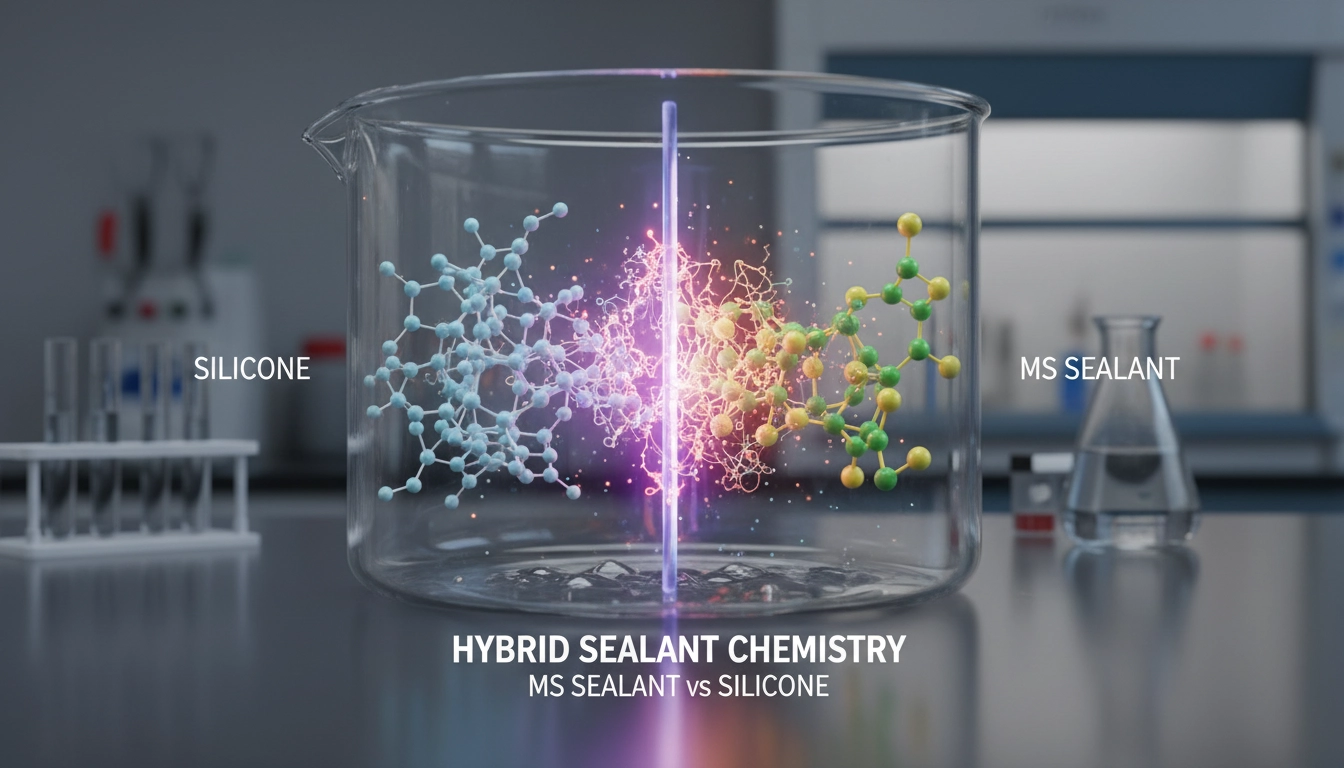
Beyond Silicone: Why Hybrid MS Polymers are the Future of Construction Sealants
Top glass glazing sealant Manufacturers and Suppliers
Application Guide: MS Silicone Sealant for Window Frames
HY-2100
What is the recommended working temperature?
Application can be done within 4℃ to 40℃. After curing, the sealant performs well from -50℃ to 100℃.
Is HY-2100 environmentally friendly?
Yes. It features low VOC and low odor, making it user- and indoor-environment friendly.
HY924
Is the product environmentally friendly?
Yes. HY924 is formulated without harmful solvents and does not corrode or pollute base materials.
HY-939
Does the sealant shrink after curing?
No. HY939 does not shrink after curing and maintains long-term elasticity.
HY-951
Is the cured grout flexible?
Yes. HY951 maintains a certain level of flexibility after curing, helping it accommodate minor movement and improving long-term durability.
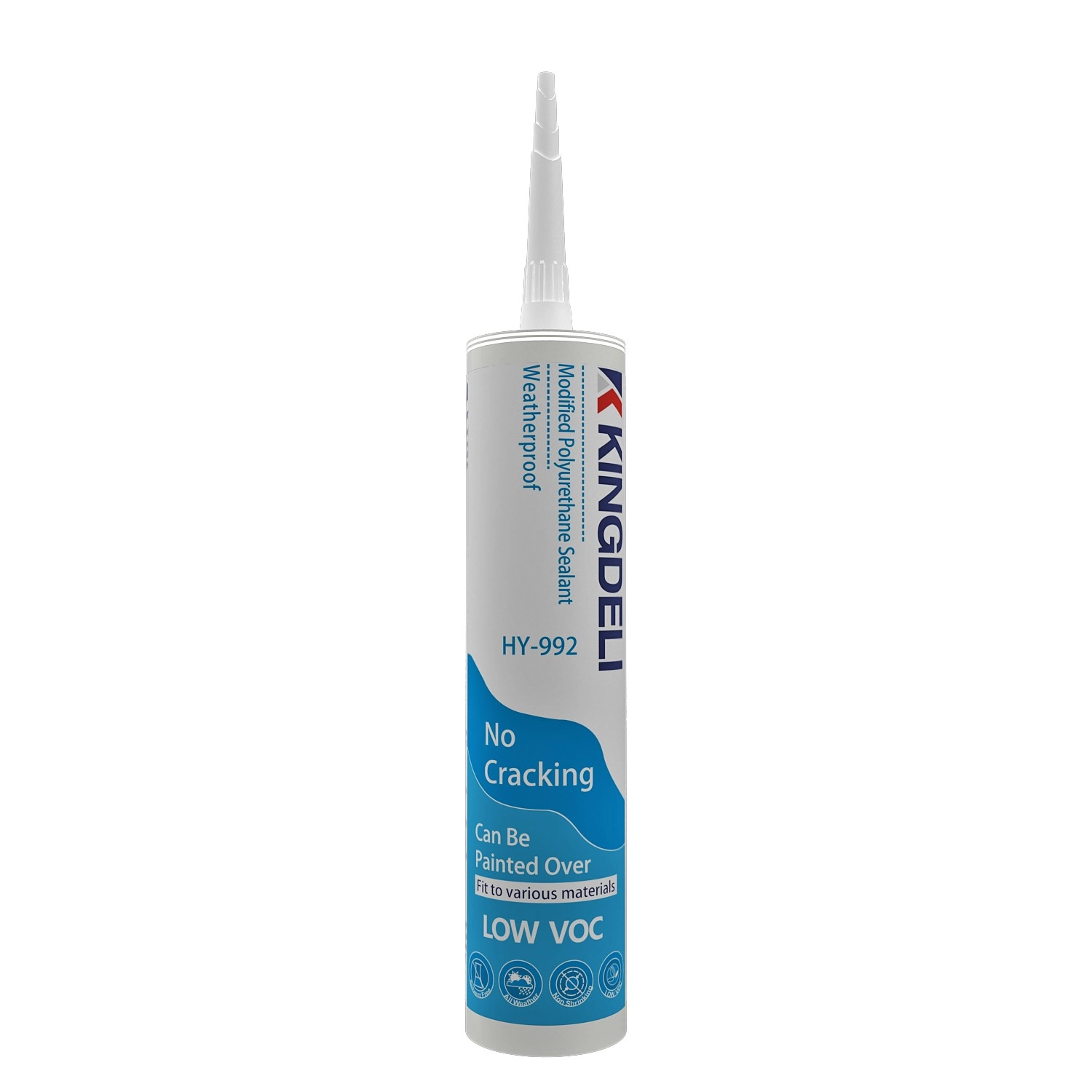
HY992 Modified Polyurethane Construction Sealant
HY992 Modified Polyurethane Sealant is a one-component, moisture-curing construction sealant designed for professional building and structural sealing applications. It provides excellent adhesion, weather resistance, and durable elasticity, making it suitable for a wide range of construction materials.
The formulation delivers strong bonding performance without corrosion or substrate contamination, while maintaining low VOC content for environmentally responsible construction projects.

HY995 Crystal Clear Ms Polymer Adhesive/Sealant
HY995 Crystal Clear Ms Polymer Adhesive/Sealant is a new generation MS Polymer adhesive / sealant formulated for all bonding and sealing applications where long term reliability is required. It has excellent bonding strength on various materials. It will cure to form a durable, flexible, waterproof seal.

HY997 High-Performance Anti-Microbial MS Polymer Sealant
HY997 MS polymer sealant for is is a premium one-component, neutral-curing modified silane sealant engineered for demanding interior applications. It offers a Class 20 movement capability, ensuring long-lasting flexibility and reliable performance under dynamic joint conditions. Curing at room temperature, HY997 delivers superior anti-microbial and mildew-resistant properties, maintaining hygienic and clean environments over time.
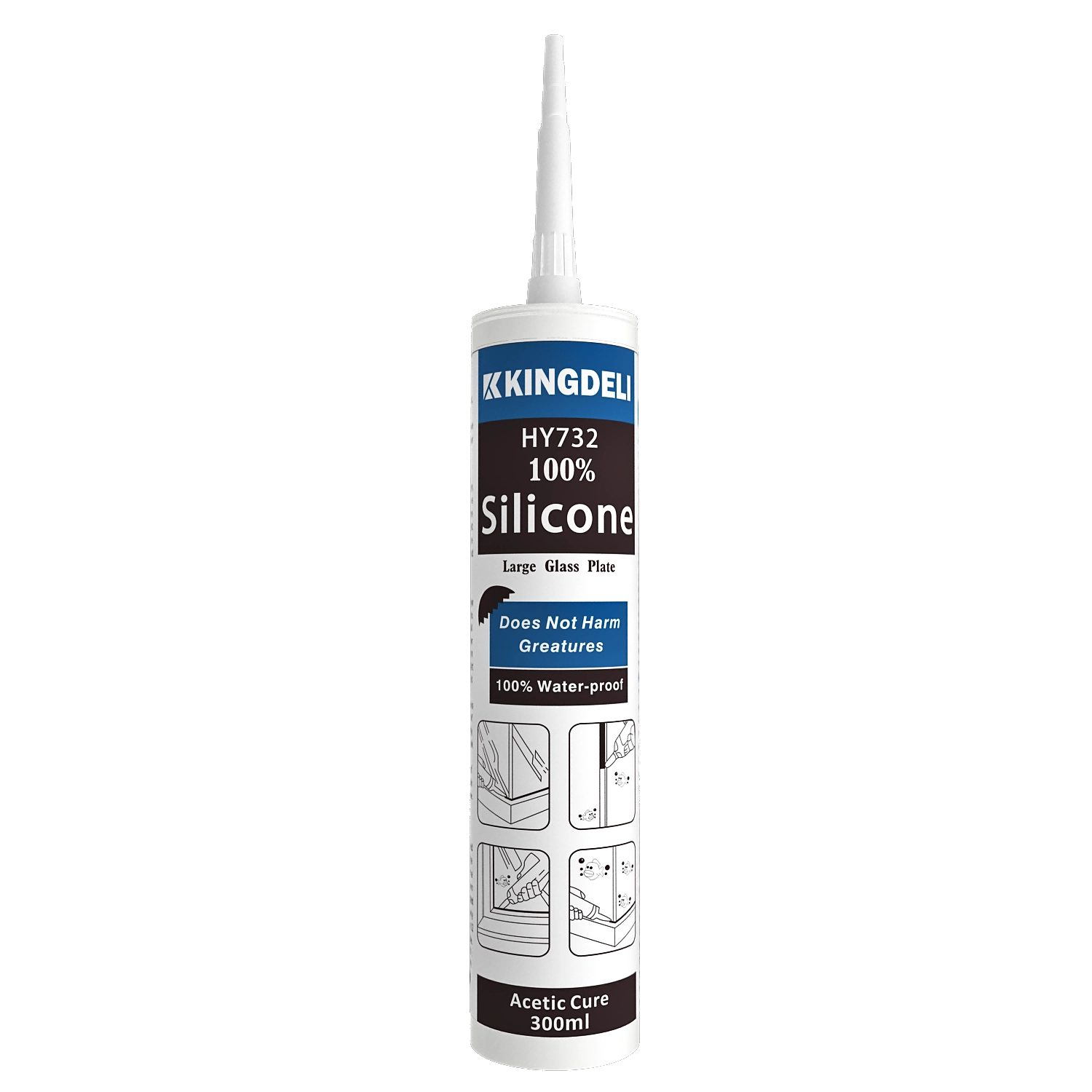
KINGDELI HY732 Professional Acetoxy Cure Silicone Sealant
KINGDELI HY732 is a professional-grade, one-component acetoxy cure silicone sealant designed for fast curing, strong adhesion, and long-lasting flexibility. Ideal for aquariums, glass applications, aluminum doors and windows, kitchens, and bathrooms, it provides reliable sealing performance with excellent anti-fungal protection in high-humidity environments.
Let’s Build Stronger Bonds with Quality Adhesives and Sealants
Have questions about the topic or need tailored sealant solutions for your project?
Our team is ready to provide expert guidance, product recommendations, and application support.
Innovating with Integrity, Bonding the World
Since 1998, KINGDELI has delivered trusted, sustainable sealant solutions that connect industries and inspire progress worldwide.
Whatsapp: +8618825946249
Kingdeli
Kingdeli
Kingdeli
Kingdeli
Kingdeli