


The Ultimate Guide to Polyurethane Sealant: Uses, Pros, and Cons
- What Exactly is Polyurethane Sealant?
- The Basics: How Polyurethane Works
- Polyurethane (PU) vs. Traditional Glues
- The Pros: What Makes Polyurethane Sealant So Popular?
- Extreme Flexibility for Moving Joints
- Outstanding Adhesion to Concrete, Wood, and Metal
- Fully Paintable After Curing
- High Resistance to Tears and Mechanical Wear
- The Cons: Limitations You Need to Know
- Poor UV Resistance (Yellowing and Cracking)
- Bubbling Issues in Damp Conditions
- Slower Curing Time Compared to Silicone
- Most Common Uses for Polyurethane Sealant
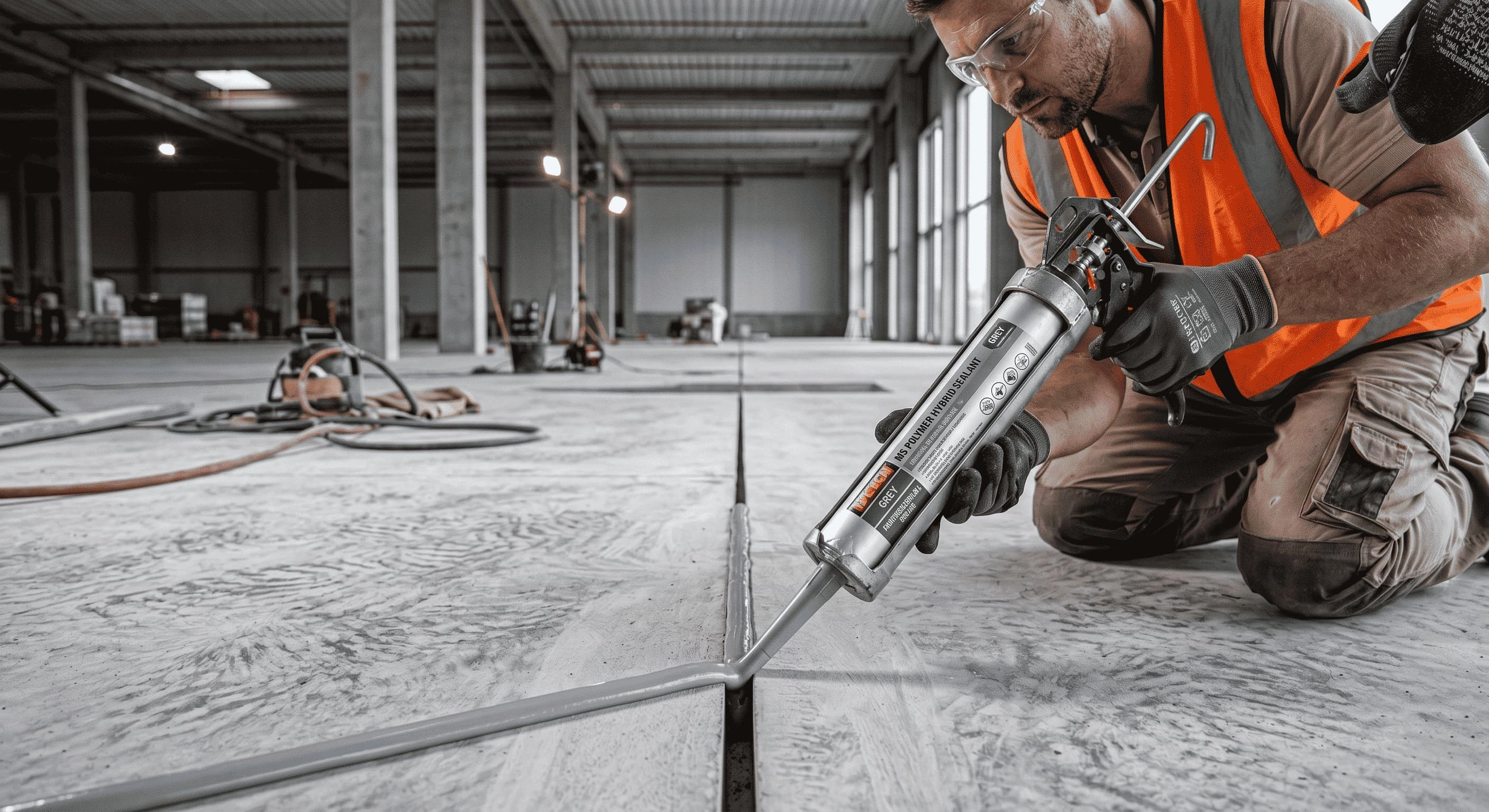
- Concrete Repair and Expansion Joints
- Automotive and RV Roof Waterproofing
- Marine and Below-Grade Applications
- Polyurethane Sealant vs. Other Options (Quick Comparison)
- Polyurethane vs. Silicone Sealant
- Polyurethane vs. MS Polymer Sealant (The Modern Alternative)
- Pro Tips for Applying Polyurethane Sealant Correctly
- Surface Preparation is the Key to Success
- Why You Might Need a Primer
- Buying Guide: Sourcing Reliable Polyurethane Sealant
- Avoiding Cheap, Solvent-Diluted Formulas
- Partnering with Leading Wholesale Manufacturers
- Conclusion
- FAQ
In the high-stakes world of commercial construction and industrial manufacturing, choosing the wrong adhesive is never just a minor inconvenience—it is a costly disaster that can compromise structural integrity, trigger massive rework, and permanently damage your brand's reputation. For decades, polyurethane sealant has been the undisputed heavyweight champion of the job site, trusted globally for its relentless mechanical grip and extreme joint flexibility. But is it truly the best choice for your specific application, or are its hidden chemical limitations putting your project at risk? Whether you are a general contractor sealing heavy-duty concrete expansion joints or a procurement manager sourcing reliable bulk materials for your supply chain, this ultimate guide strips away the marketing fluff. Read on to discover the unfiltered truth about polyurethane sealant uses, its undeniable advantages, its critical flaws, and how to make the smartest, most profitable material decisions for your business.
What Exactly is Polyurethane Sealant?
To make informed decisions for your construction or manufacturing projects, you must first understand the fundamental chemistry and mechanics behind the materials you are sourcing. Let us break down what this material actually is before discussing the various Polyurethane sealant pros and cons. By stripping away the complex chemical jargon, we can look at this product as an advanced industrial tool that bridges the gap between a flexible rubber gasket and a high-strength structural glue.
The Basics: How Polyurethane Works
At its core, a Polyurethane sealant is an elastomeric, moisture-curing material. This means it relies on the ambient humidity in the air to trigger a chemical reaction that transforms the material from a thick, extrudable paste into a tough, durable rubber. The secret lies in its urethane molecular links, which provide an extraordinary balance of tensile strength and elasticity. Unlike products that dry through solvent evaporation—which often leads to severe shrinkage—this chemical cross-linking process ensures that the volume of the material remains remarkably stable once applied to a joint.
Polyurethane (PU) vs. Traditional Glues
A common mistake in general construction is treating a sealant exactly like a standard adhesive glue. When evaluating a PU sealant against traditional woodworking or craft glues, the primary difference is structural movement. Traditional glues are designed to form a rigid, unyielding bond between two perfectly flush surfaces. If those surfaces expand due to heat or shift due to structural settling, rigid glues will immediately crack and fail. In contrast, this elastomeric material is engineered to accommodate significant joint movement, maintaining a waterproof and structural seal even when the building materials shift apart or compress together.
The Pros: What Makes Polyurethane Sealant So Popular?
For decades, the global construction industry has relied heavily on this specific chemistry to solve complex structural and weatherproofing challenges. The popularity of a high-quality Polyurethane adhesive sealant stems from its unique ability to combine heavy-duty industrial strength with dynamic, long-term movement capabilities.
Extreme Flexibility for Moving Joints
Buildings are not static; they are constantly moving. Concrete expands under the summer sun, and steel contracts during freezing winter nights. The most significant advantage of this material is its remarkable elongation capability.
- High Movement Accommodation: Premium grades can routinely handle joint movement of ±25% to ±35%.
- Elastomeric Memory: After being stretched by thermal expansion, the polymer chains snap back to their original shape without sagging or losing their structural integrity.
- Vibration Dampening: The rubber-like consistency absorbs heavy vibrations, making it indispensable in high-wind environments and heavy machinery applications.
Outstanding Adhesion to Concrete, Wood, and Metal
While some adhesives are highly specialized for a single surface, this chemistry offers robust versatility. It creates a ferocious mechanical and chemical bond with highly porous surfaces like rough-cast concrete, brick, and natural timber. Furthermore, it bonds exceptionally well to non-porous industrial substrates like bare steel, anodized aluminum, and fiberglass. This multi-surface compatibility makes it a universal tool for general contractors who need to bond dissimilar materials together, such as attaching an aluminum window frame directly to a rough brick wall.
Fully Paintable After Curing
A major frustration for aesthetic interior work and exterior facades is that many waterproofing caulks repel paint. Because silicone leaves an oily residue, any paint applied over it will immediately bead up and peel off. Conversely, once cured, this material accepts a wide variety of water-based and oil-based architectural paints. This allows construction crews to perfectly color-match the sealed expansion joints to the surrounding walls, completely hiding the structural gap and delivering a flawless visual finish.
High Resistance to Tears and Mechanical Wear
Not all sealants are tough enough to be walked on or driven over. When measured on the Shore A hardness scale, this material cures to a dense, tough rubber that fiercely resists mechanical abrasion. It is highly resistant to tearing, puncturing, and slicing. This makes it the absolute best choice for horizontal joints in high-traffic areas, such as warehouse floors facing constant forklift traffic, pedestrian walkways, and heavy-duty industrial driveways.
The Cons: Limitations You Need to Know
Despite its historical dominance in the heavy construction sector, no chemical formulation is entirely perfect. As an industry expert, I must highlight the critical chemical flaws of this legacy material, which often lead architects and project managers to seek modern, advanced alternatives.
Poor UV Resistance (Yellowing and Cracking)
The most glaring weakness of this legacy chemistry is its susceptibility to ultraviolet (UV) radiation. When exposed to direct, relentless sunlight over several years, the polymer chains begin to break down. The material will inevitably change color—white beads will turn a highly visible, unsightly yellow. Eventually, the UV degradation causes the surface of the bead to become chalky, brittle, and prone to micro-cracking, which compromises the waterproofing seal.
Bubbling Issues in Damp Conditions
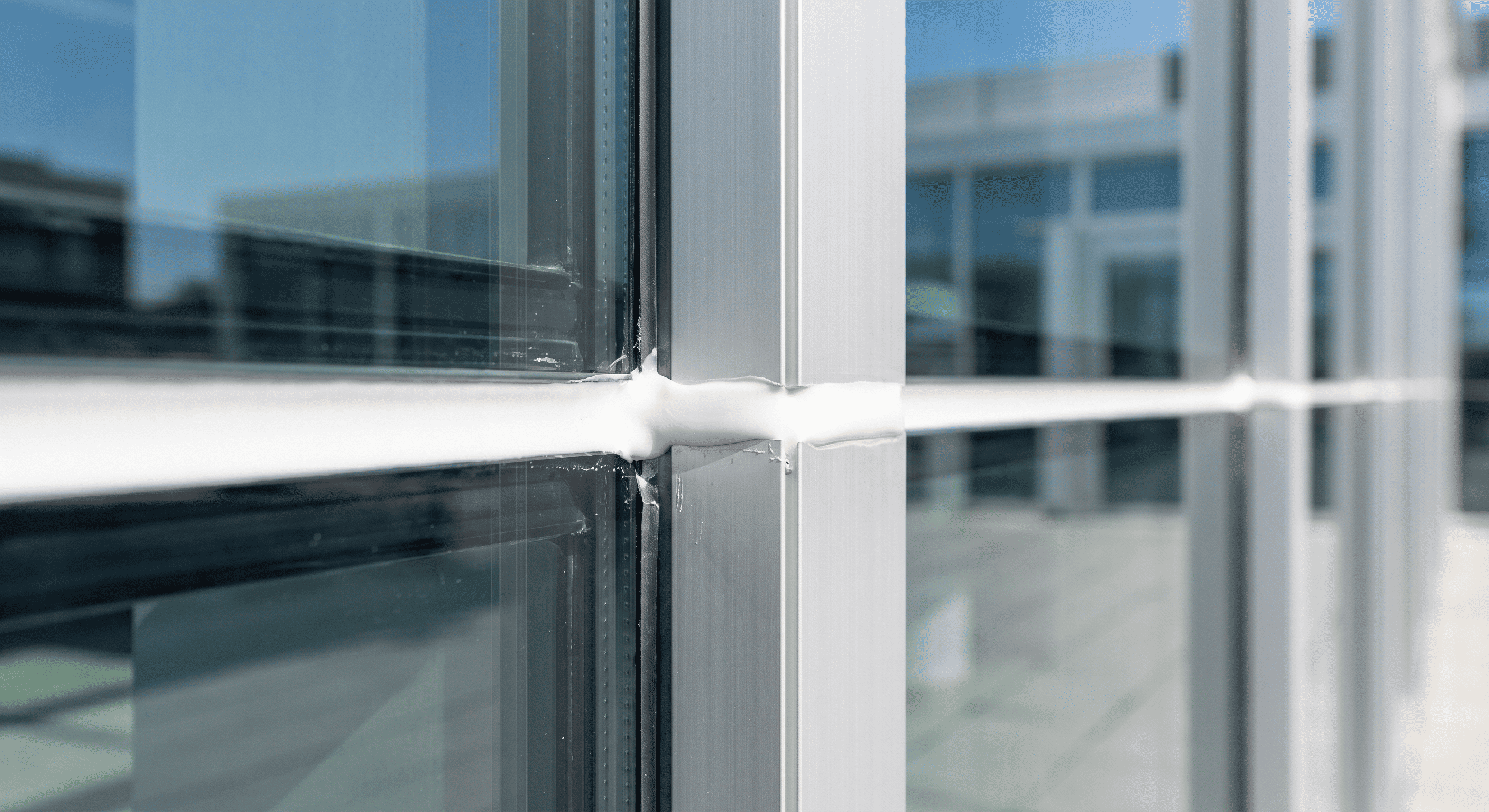
The curing process can be extremely temperamental. The raw material contains isocyanates, which react aggressively with moisture. If the concrete substrate is even slightly damp, or if the material is applied in high-humidity conditions, the chemical reaction will rapidly produce carbon dioxide gas. This gas gets trapped inside the curing rubber, creating a honeycomb of hollow bubbles throughout the bead. Once bubbling occurs, the structural integrity of the joint is completely ruined, and the material must be entirely removed and reapplied.
Slower Curing Time Compared to Silicone
Because it relies entirely on drawing moisture from the surrounding atmosphere, the curing process can be frustratingly slow. While it may form a surface skin within a few hours, achieving a deep, full cure in a thick expansion joint can take several days or even over a week, depending on the temperature and humidity. This extended curing window delays painting schedules and keeps the joint vulnerable to dust and debris sticking to the tacky surface.
Most Common Uses for Polyurethane Sealant
Knowing exactly where to apply a specific adhesive is just as crucial as understanding its underlying chemistry. Exploring the most frequent Polyurethane sealant uses helps contractors and procurement teams avoid costly, irreversible application errors on the job site.
Concrete Repair and Expansion Joints
Due to its unparalleled abrasion resistance and its ability to bond deeply into porous masonry, it is the absolute go-to material for heavy civil engineering. It is widely recognized as the industry standard for Polyurethane caulking in horizontal applications. You will find it securing the expansion joints in massive concrete tilt-up walls, sealing the gaps in airport runways, and repairing structural cracks in residential foundations and driveways.
Automotive and RV Roof Waterproofing
The automotive aftermarket and recreational vehicle (RV) industry heavily utilizes this technology. Vehicles experience constant, violent vibrations, chassis twisting, and extreme temperature fluctuations on the highway. This material bonds aggressively to fiberglass roofs, painted auto body panels, and aluminum trims, providing a flexible, watertight barrier that will not shatter under mechanical stress.
Marine and Below-Grade Applications
Because it does not degrade when submerged in water for extended periods (provided the initial cure was completely dry), it is highly effective in below-grade waterproofing. Contractors rely on it to seal the exterior joints of deep basements, underground parking garages, and retaining walls, where the material must constantly fight against hydrostatic water pressure from the surrounding soil.
Polyurethane Sealant vs. Other Options (Quick Comparison)
Procurement managers are constantly faced with choosing between different, competing chemical families. To maximize your project's lifespan and ensure structural safety, you must understand how this material stacks up against other popular market options.
Polyurethane vs. Silicone Sealant
When looking at a strict Polyurethane vs silicone sealant comparison, the decision usually comes down to UV exposure versus mechanical wear. Silicone is completely immune to UV rays and extreme temperature swings, making it perfect for exterior glass windows, but it cannot be painted and tears easily. Conversely, the urethane-based alternative can be painted and withstands heavy foot traffic but will yellow under the sun.
|
Feature / Property |
Polyurethane (PU) |
Standard Silicone |
MS Polymer (Hybrid) |
|
Paintability |
Excellent |
None (Repels paint) |
Excellent |
|
UV Resistance |
Poor (Yellows/Cracks) |
Excellent |
Excellent |
|
Abrasion Resistance |
High (Foot traffic safe) |
Low (Tears easily) |
High |
|
Bubbling Risk |
High (on damp surfaces) |
Low |
None (Zero Isocyanates) |
|
Toxicity / VOCs |
Contains Isocyanates |
Contains solvents/acids |
100% Solvent & Isocyanate Free |
Polyurethane vs. MS Polymer Sealant (The Modern Alternative)
While the legacy chemistry has served the industry well, the future belongs to hybrid technology. An MS (Modified Silane) polymer combines the absolute best traits of both silicone and PU without any of their respective weaknesses. By replacing traditional Polyurethane sealant with an MS polymer, contractors completely eliminate the risk of bubbling on damp concrete, eradicate toxic isocyanate exposure, and achieve perfect, non-yellowing UV resistance while still maintaining full paintability and heavy-duty structural strength.

Pro Tips for Applying Polyurethane Sealant Correctly
Achieving a permanent, waterproof structural bond requires much more than just buying a high-quality tube of material. Proper site preparation, environmental awareness, and strict application techniques are non-negotiable for project success.
Surface Preparation is the Key to Success
The number one cause of adhesive failure is applying the product over a contaminated substrate. The chemical bond simply cannot penetrate a layer of dirt or grease.
- Mechanical Cleaning: Use a wire brush or an angle grinder to remove all loose concrete, old caulking, and friable material from the joint walls.
- Solvent Wiping: Wipe down metal and glass surfaces with a fast-flashing solvent like isopropyl alcohol to remove hidden machine oils and fingerprints.
- Absolute Dryness: Ensure the joint is bone-dry. Even morning dew trapped in porous concrete can cause severe bubbling and catastrophic bonding failure.
Why You Might Need a Primer
While many high-quality formulas are marketed as "primerless," relying on that in extreme industrial environments is a massive risk. If the joint will be subjected to permanent water immersion, or if the concrete is old and highly porous, applying a specialized liquid primer consolidates the substrate and acts as a chemical bridge, doubling the adhesion strength.
Buying Guide: Sourcing Reliable Polyurethane Sealant
Sourcing industrial chemicals for large-scale construction, wholesale distribution, or manufacturing is a high-stakes endeavor. If you are buying in bulk on the global market, you must know how to vet your supply chain rigorously to protect your brand's reputation.
Avoiding Cheap, Solvent-Diluted Formulas
The biggest trap in the global chemical supply chain is the lowest bidder. Unethical factories will artificially lower their prices by diluting the pure raw materials with cheap, volatile solvents.
- The Shrinkage Trap: Solvent-heavy formulas will look fine during application, but as the solvents evaporate, the bead will shrink violently, pulling away from the joint walls.
- Environmental Non-Compliance: High solvent content means high VOC emissions, guaranteeing your project will fail modern green building certifications like LEED.
- Reduced Lifespan: Diluted chemistry compromises the elastomeric memory, causing the material to crack and fail years before its promised lifespan.
Partnering with Leading Wholesale Manufacturers
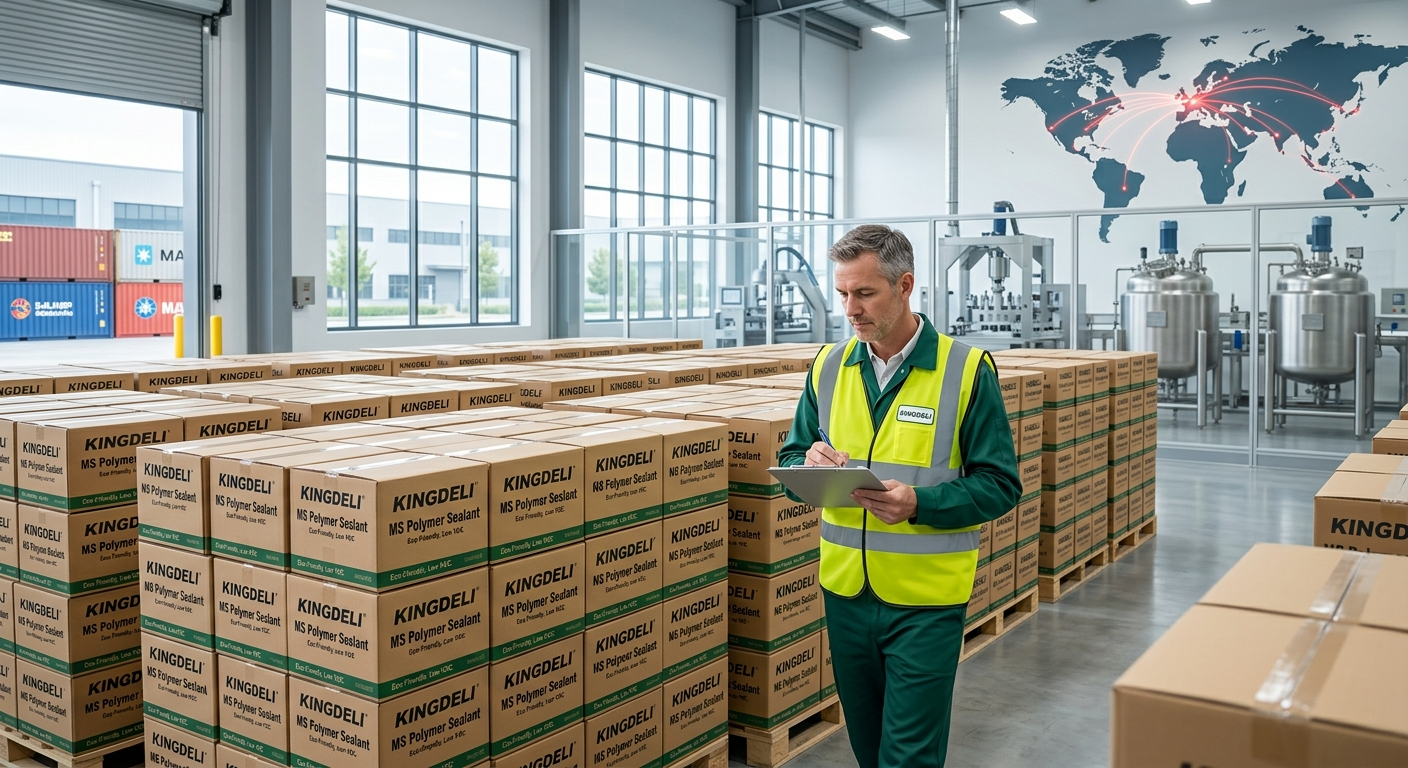
To secure uncompromised quality, partnering with a reputable Wholesale polyurethane sealant manufacturer is the only way to ensure batch-to-batch consistency and technical support. You must look for source factories that maintain strict in-house R&D laboratories, possess ISO 9001 certifications, and offer comprehensive OEM packaging capabilities.
Conclusion
Understanding the distinct advantages and critical limitations of various industrial adhesives is the foundation of successful project management and supply chain procurement. While traditional formulas have paved the way for modern construction, the industry is rapidly evolving toward safer, more durable hybrid technologies. Securing a reliable supply of these materials ensures your projects withstand the test of time, weather, and structural stress. For procurement managers and distributors seeking the ultimate upgrade in structural adhesives, partnering with the polyurethane sealant manufacturer KINGDELI guarantees 100% pure, solvent-free formulations and factory-direct OEM support that consistently outperforms legacy chemical adhesives in durability and environmental safety.
FAQ
Is polyurethane sealant completely waterproof?
Yes, once it has fully cured, it forms a highly durable, 100% waterproof barrier. It is exceptionally effective at keeping water out of structural joints, which is why it is heavily used in below-grade basement waterproofing and marine environments.
How long does it typically take to dry and cure?
It generally forms a tack-free surface skin within 24 to 48 hours, depending on the ambient humidity and temperature. However, for the chemical reaction to penetrate deeply and achieve a full structural cure, it can take anywhere from 7 to 14 days for thick expansion joints.
Can I use this sealant safely indoors?
While it can be used indoors, extreme caution is required. Traditional formulas contain isocyanates and often emit high levels of Volatile Organic Compounds (VOCs) during the curing process, which can cause respiratory irritation. For indoor use, it requires heavy ventilation, which is why many modern builders have switched entirely to VOC-free MS polymer sealants for interior applications.
No More Nails Adhesive Bond Failure: Causes, Testing, and Prevention
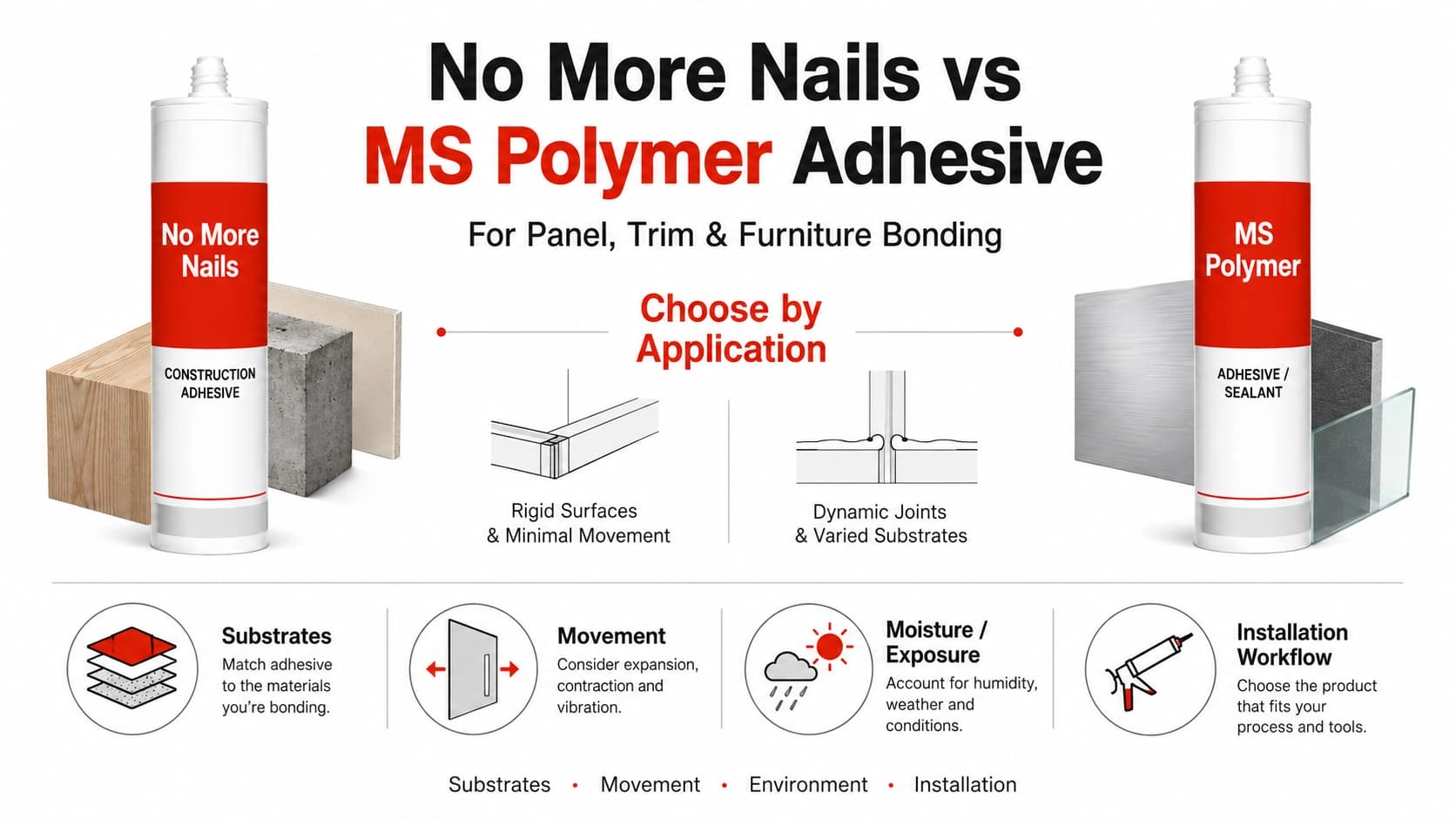
No More Nails vs MS Polymer Adhesive for Panel, Trim, and Furniture Bonding
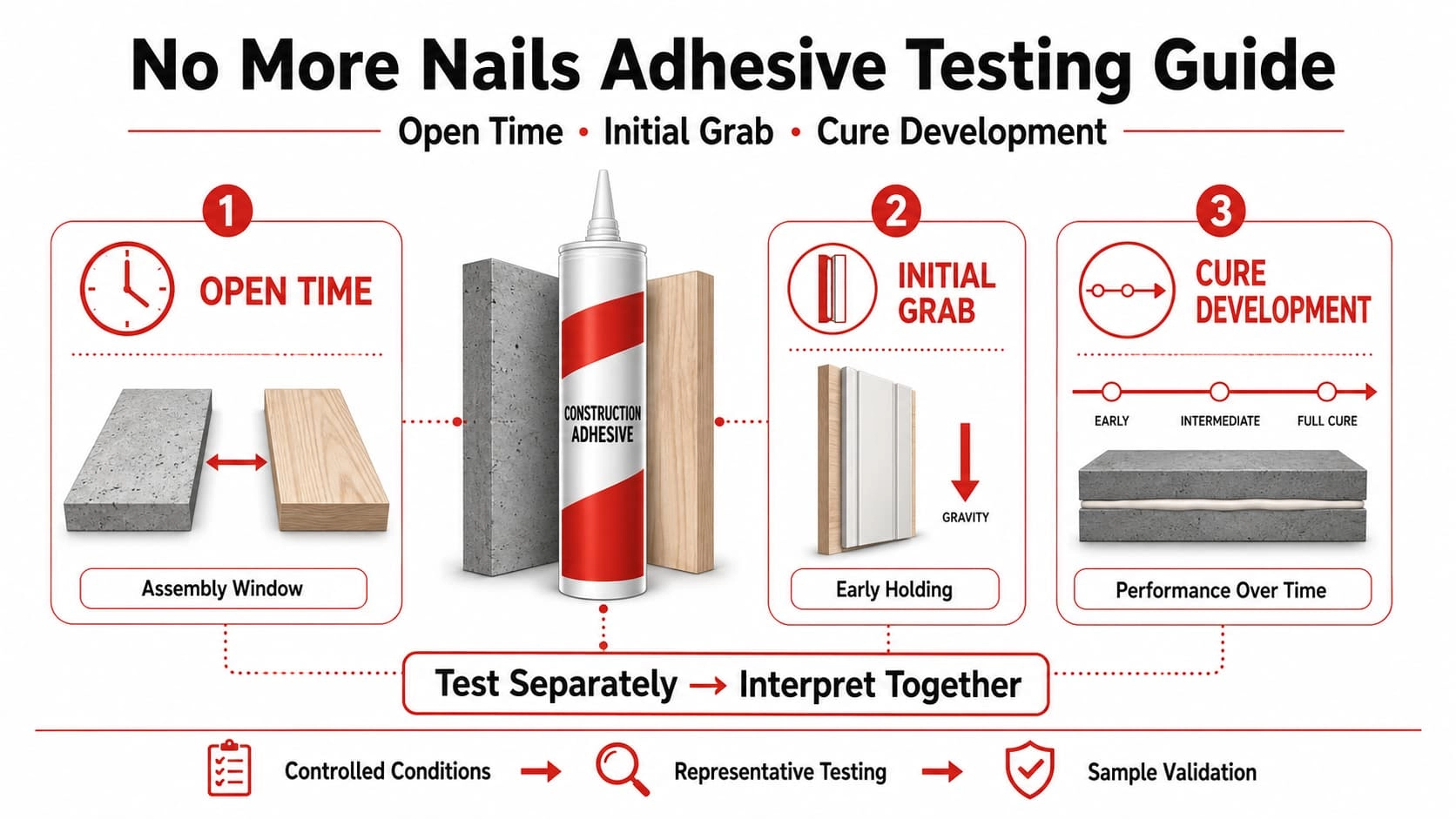
No More Nails Adhesive Open Time, Grab Strength, and Cure Testing Guide
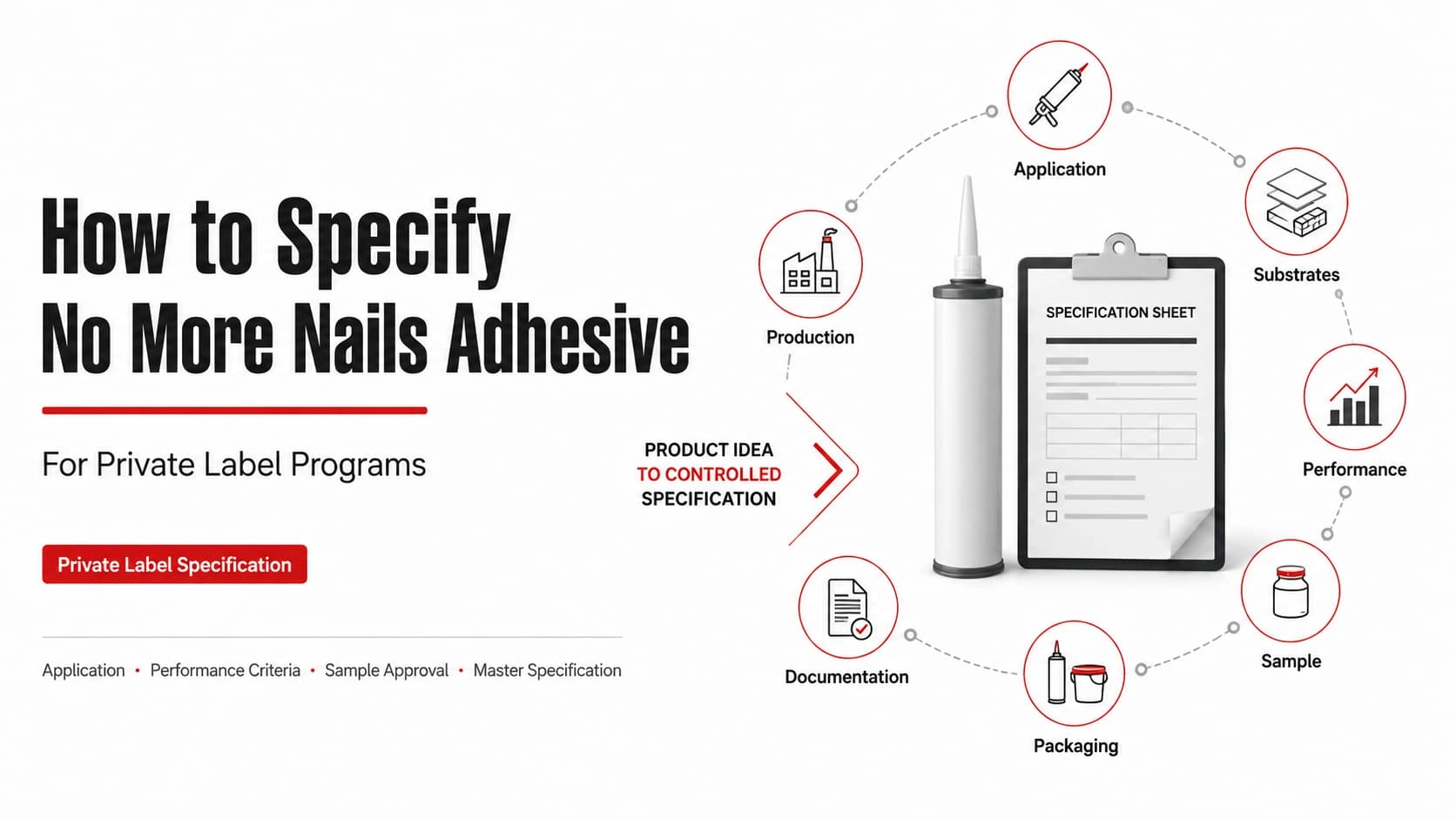
How to Specify No More Nails Adhesive for Private Label Programs

HY992 Modified Polyurethane Construction Sealant
HY992 Modified Polyurethane Sealant is a one-component, moisture-curing construction sealant designed for professional building and structural sealing applications. It provides excellent adhesion, weather resistance, and durable elasticity, making it suitable for a wide range of construction materials.
The formulation delivers strong bonding performance without corrosion or substrate contamination, while maintaining low VOC content for environmentally responsible construction projects.

HY995 Crystal Clear Ms Polymer Adhesive/Sealant
HY995 Crystal Clear Ms Polymer Adhesive/Sealant is a new generation MS Polymer adhesive / sealant formulated for all bonding and sealing applications where long term reliability is required. It has excellent bonding strength on various materials. It will cure to form a durable, flexible, waterproof seal.

HY997 High-Performance Anti-Microbial MS Polymer Sealant
HY997 MS polymer sealant for is is a premium one-component, neutral-curing modified silane sealant engineered for demanding interior applications. It offers a Class 20 movement capability, ensuring long-lasting flexibility and reliable performance under dynamic joint conditions. Curing at room temperature, HY997 delivers superior anti-microbial and mildew-resistant properties, maintaining hygienic and clean environments over time.

KINGDELI HY732 Professional Acetoxy Cure Silicone Sealant
KINGDELI HY732 is a professional-grade, one-component acetoxy cure silicone sealant designed for fast curing, strong adhesion, and long-lasting flexibility. Ideal for aquariums, glass applications, aluminum doors and windows, kitchens, and bathrooms, it provides reliable sealing performance with excellent anti-fungal protection in high-humidity environments.
Let’s Build Stronger Bonds with Quality Adhesives and Sealants
Have questions about the topic or need tailored sealant solutions for your project?
Our team is ready to provide expert guidance, product recommendations, and application support.
Innovating with Integrity, Bonding the World
Since 1998, KINGDELI has delivered trusted, sustainable sealant solutions that connect industries and inspire progress worldwide.

Whatsapp: +8618825946249
Kingdeli
Kingdeli
Kingdeli
Kingdeli
Kingdeli