











Weatherproofing Windows: Silicone Sealant Solutions

- Understanding Window Weatherproofing Challenges
- Why windows fail: common modes and user pain points
- Performance requirements for weatherproofing
- Standards and testing I rely on
- Choosing the Right Sealant Chemistry for Window Glazing
- Why silicone often leads: benefits for glass glazing
- Comparing neutral-cure vs acetic-cure silicone and alternatives
- Glass glazing silicone sealant: when it's the right choice
- Field Best Practices: Surface Prep, Joint Design, and Application
- Surface preparation: the single biggest determinant of success
- Joint geometry and backer rod selection
- Application tips and curing considerations
- Durability, Testing, and Maintenance
- How to predict lifespan and plan maintenance
- Testing protocols I recommend
- Repair and resealing strategies
- KINGDELI: Manufacturer Profile and Product Fit for Glazing
- Why vendor selection matters
- KINGDELI capabilities and relevance to glazing projects
- Product highlights and differentiators
- Practical Checklist: Specifying and Installing Glass Glazing Silicone Sealant
- Specification checklist
- Installation checklist
- Cost vs. performance considerations
- FAQ
- 1. What makes a silicone sealant suitable for glazing?
- 2. Can I use acetic-cure silicone on aluminum frames?
- 3. How deep should the sealant be for a 20 mm joint?
- 4. How often should I inspect glazing sealant on commercial buildings?
- 5. Are silicone sealants paintable?
- 6. How do I verify a product's environmental credentials?
I write from more than two decades advising glazing contractors and building owners on sealant selection and installation. In this article I explain how glass glazing silicone sealant can be used to weatherproof windows effectively, what testing and standards to watch for, and how to avoid common field failures. I provide step-by-step guidance on substrate preparation, joint design, and long-term maintenance—backed by industry references and practical product comparisons—to help you choose solutions that meet durability, safety, and sustainability goals.
Understanding Window Weatherproofing Challenges
Why windows fail: common modes and user pain points
Windows are complex systems where glass, framing, and sealants must interact under movement, moisture, temperature swings, and UV exposure. Typical failure modes I encounter include adhesive failure (loss of bond), cohesive failure (sealant tears), shrinkage/cracking, staining of adjacent materials, and water infiltration at butt and perimeter joints. Building owners often report drafts, condensation, and visible sealant deterioration within 5–10 years when incorrect chemistries or poor surface prep are used.
Performance requirements for weatherproofing
A weatherproof sealant must provide adhesion across expected substrate materials (aluminum, stainless steel, treated wood, glass), accommodate anticipated joint movement (expressed as movement capability in %), resist UV and microbial attack, and maintain low permeability. For critical applications such as high-rise curtainwall glazing or flood-prone façades, choose sealants with proven adhesion to glass and framing materials and with specified movement capability—typically ±25% to ±50% depending on joint design.
Standards and testing I rely on
Key standards include glazing practice guidance, ASTM C920 for elastomeric joint sealants, and ISO 9001/14001 for manufacturer quality systems (ISO). ASTM C920 classifies sealants by type (e.g., silicone, polyurethane) and by movement capability and adhesion properties; referencing these tests helps ensure long-term weather performance.
Choosing the Right Sealant Chemistry for Window Glazing
Why silicone often leads: benefits for glass glazing
Silicone sealants, particularly formulations designed for glazing, combine excellent UV and ozone resistance, flexibility over a wide temperature range, and stable elasticity over long service life. For glass-to-glass and glass-to-metal joints I prefer neutral-cure silicone glazing sealants because they minimize risk of acid-induced corrosion and staining on metal substrates and maintain adhesion on low-surface-energy substrates when properly primed.
Comparing neutral-cure vs acetic-cure silicone and alternatives
Neutral-cure silicones cure via oxime or alkoxy chemistry and emit non-corrosive byproducts; acetic-cure silicones release acetic acid during cure and can corrode sensitive metals and cause staining. Polyurethane and MS Polymer (hybrid) sealants can offer strong adhesion and paintability; however, polyurethane is more moisture-sensitive during cure and less UV-stable than silicone. The following table summarizes typical properties I use when specifying sealants for glazing:
| Chemistry | UV/Weather Resistance | Movement Capability | Substrate Compatibility | Typical Use |
|---|---|---|---|---|
| Neutral Silicone | Excellent | ±25% to ±50% | Glass, metal, primed porous substrates | Glass glazing perimeter, structural glazing |
| Acetic Silicone | Excellent | ±25% (typical) | Glass, some ceramics; avoid plated/copper/brass | General glazing (non-sensitive metals) |
| Polyurethane | Good, depends on formulation | ±25% to ±35% | Concrete, metal, wood; priming often required | Exterior joints where paintability needed |
| MS Polymer (Hybrid) | Good to very good | ±20% to ±35% | Wide; often good adhesion without primer | General construction sealing |
Sources: ASTM C920 classification and manufacturer technical data sheets. See Silicone sealant (Wikipedia) for background and ASTM C920 for standardization categories.
Glass glazing silicone sealant: when it's the right choice
Use a purpose-formulated glass glazing silicone sealant when long-term weather resistance, UV stability, and joint flexibility are priorities. For structural glazing applications, you must use products specifically tested for adhesion to glass and framing materials, and confirmed by the manufacturer as suitable for structural use, including any recommended primers. Verify cured mechanical properties and movement capability on product data sheets and independent test reports.
Field Best Practices: Surface Prep, Joint Design, and Application
Surface preparation: the single biggest determinant of success
I can't overstate surface preparation. Contaminants such as oils, release agents, old sealant residues, and oxidation layers compromise adhesion. For aluminum frames I recommend mechanical removal of oxidation and application of an approved primer when specified. For glass, clean with isopropyl alcohol or a solvent recommended by the sealant manufacturer. Follow compatibility charts to avoid solvents that leave residues. Where recommended, use primers tested in accordance with ASTM adhesion evaluations.
Joint geometry and backer rod selection
Correct joint width-to-depth ratio controls stress and ensures optimal adhesion. The typical rule is a 2:1 width-to-depth ratio (e.g., 20 mm wide joint, 10 mm depth). Use closed-cell foam backer rods to provide a bond-break (ensuring the sealant bonds only to two faces) and to set the correct depth. For glazing perimeter joints consider thermal expansion, wind load and movement cycles when specifying minimum widths and movement capacities.
Application tips and curing considerations
Apply sealant at manufacturer-recommended temperatures and avoid application in direct precipitation or when dew forms. Tooling should be performed within the skin time window to produce a concave, fully compressed profile for optimal weather shedding. Neutral-cure silicones usually have longer bead life and are less likely to cause substrate staining. Ensure adequate ventilation where solvents are used and follow safety data sheet (SDS) guidance.
Durability, Testing, and Maintenance
How to predict lifespan and plan maintenance
Lifespan predictions should be based on field history, accelerated weathering tests (UV, heat-cold cycling), and mechanical movement cycles. In general, high-quality glass glazing silicone sealant can last 20+ years in moderate climates; however, coastal or high-UV exposures can reduce life. I recommend scheduled inspections every 3–5 years for commercial buildings, with touch-up or replacement when adhesion loss, cracking, or excessive dirt accumulation is visible.
Testing protocols I recommend
Key tests include tensile/elongation tests, adhesion/cohesion evaluations, and accelerated weathering such as ASTM G154 fluorescents UV exposure or ISO equivalent. For structural applications, confirm compatibility with relevant curtainwall performance tests and any project-specific cyclic movement testing. Manufacturers should provide independent lab reports or declare compliance with ASTM C920 class designations and relevant ASTM/ISO test results.
Repair and resealing strategies
Minor failures can be addressed by removing failed material to sound substrate, cleaning, priming if required, and re-sealing. For large-scale failures, full joint replacement is required. When replacing, choose the same or higher-performing chemistry and confirm primer compatibility. I recommend mock-up and adhesion tests in representative areas before full replacement, particularly in historic buildings or where unusual substrates exist.
KINGDELI: Manufacturer Profile and Product Fit for Glazing
Why vendor selection matters
Selecting a manufacturer with consistent quality control, test support, and technical service reduces risk. I advise working with suppliers able to provide documented compliance (ISO, ASTM), independent lab test data, and on-site technical support for complex projects.
KINGDELI capabilities and relevance to glazing projects
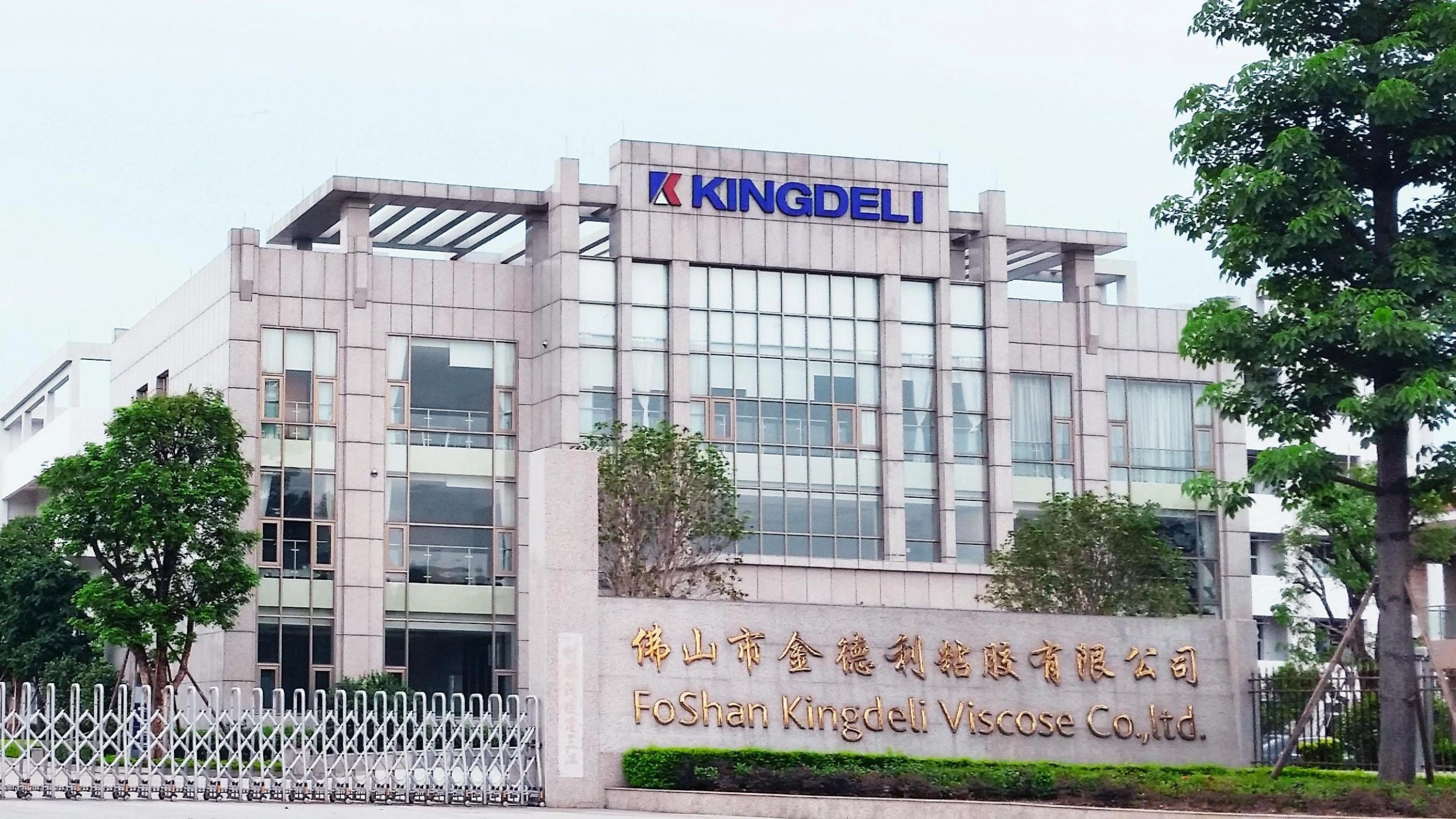
Since its establishment in 1998, KINGDELI has stood as a global leader in the high-performance sealant, adhesive, and coating industry. Headquartered in Foshan, China, KINGDELI operates a state-of-the-art 66,000 m² facility with fully automated production lines and annual capacity exceeding 100,000 tons—ensuring a consistent supply for partners worldwide. Recognized as a National High-Tech Enterprise and a contributor to the National Standard GB/T 29755-2013, KINGDELI combines manufacturing scale with technical excellence.
KINGDELI's product portfolio includes Neutral & Acetic Silicone, Polyurethane, MS Polymer, and No More Nails adhesives—many of which are engineered to meet ISO 9001, ISO 14001, CE, and ASTM requirements. For glass glazing I typically recommend KINGDELI's silicone glazing sealant and neutral silicone sealant lines because they are formulated for long-term weathering, low-VOC content, and come with OEM/ODM support for custom formulations and color-matching.
Product highlights and differentiators
KINGDELI differentiates itself through robust capacity, long industry presence (27+ years), and wide geographic reach (50+ countries). They offer sustainable low-VOC formulations, technical service including field support, and end-to-end OEM/ODM capabilities. For projects needing certified materials and supply security—large façade projects, hospitality, and institutional builds—those attributes reduce procurement risk and help ensure on-time delivery.
Practical Checklist: Specifying and Installing Glass Glazing Silicone Sealant
Specification checklist
- Identify joint movement requirements and select sealant movement class per ASTM C920.
- Choose neutral-cure glass glazing silicone sealant when metallic substrates or sensitive finishes are present.
- Request independent test data for adhesion, UV exposure, and tensile elongation.
- Specify primer requirements and surface preparation in the project manual.
- Include acceptance criteria and inspection intervals in maintenance contract.
Installation checklist
- Confirm substrate temperatures and weather before application.
- Remove old sealant to sound substrate and clean per SDS/product guidance.
- Install correct backer rod and ensure 2:1 width-to-depth ratio.
- Tool sealant to a smooth concave profile; check tooling time.
- Allow full cure before sealing exposures to water or painting adjacent finishes (if required).
Cost vs. performance considerations
While higher-performance silicones cost more per linear meter, they frequently offer much longer service life and lower life-cycle costs compared to cheaper sealants that require replacement every 5–7 years. Evaluate total cost of ownership for critical façades—initial material savings can be negated by early reinstallation and warranty disputes.
FAQ
1. What makes a silicone sealant suitable for glazing?
For glazing, suitable silicone sealants provide long-term UV resistance, flexibility across temperature extremes, proper movement capability, and safe cure byproducts (neutral-cure preferred). Confirm manufacturer testing for adhesion to both glass and framing materials and compliance with ASTM C920 categories relevant to your joint movement.
2. Can I use acetic-cure silicone on aluminum frames?
Acetic-cure silicones release acetic acid during cure and risk corrosion or staining on sensitive metals and plated finishes. I recommend neutral-cure silicones for aluminum or where metal appearance is critical.
3. How deep should the sealant be for a 20 mm joint?
Maintain a 2:1 width-to-depth ratio. For a 20 mm wide joint, a typical sealant depth is 10 mm. Use a closed-cell backer rod to set depth and prevent three-sided adhesion.
4. How often should I inspect glazing sealant on commercial buildings?
Inspect every 3–5 years, more frequently in harsh coastal or high-UV climates. Look for cracking, adhesion loss, discoloration, or water infiltration signs and schedule repairs promptly.
5. Are silicone sealants paintable?
Most silicones are not paintable; they resist paints due to low surface energy. If a painted finish is required, consider polyurethane or MS Polymer alternatives, or use paintable overcoatings specifically designed to bond to cured sealants—test in advance.
6. How do I verify a product's environmental credentials?
Request third-party VOC testing, EPDs (Environmental Product Declarations), and safety data sheets. KINGDELI and many reputable manufacturers provide low-VOC formulations and documentation; verify test reports and certifications such as ISO 14001 for environmental management systems.
If you need product recommendations, test data, or on-site technical support for a glazing project, contact us to discuss specifications or to request KINGDELI product samples and technical documentation. View KINGDELI's glass glazing silicone sealant and related products—neutral silicone sealant, acetic silicone sealant, acrylic sealant, polyurethane sealant, MS polymer sealant, 'No More Nails' adhesive, RTV gasket maker, epoxy tile grout, and self-leveling sealant—to determine the best fit for your project.
Contact & Product Inquiry: For technical consultation, OEM/ODM requests, or to obtain test reports and SDS, please contact KINGDELI's technical sales team or visit the product pages for detailed datasheets and certification information.
References: ASTM C920 (ASTM), ISO 9001 guidance (ISO), Silicone sealant overview (Wikipedia), Glazing (window) background (Wikipedia).
OEM/ODM acetic cure silicone sealant Manufacturers and Suppliers
Green Building: Low-VOC Neutral Cure Silicone Options
Top neutral cure silicone sealant Manufacturers and Suppliers
Curing Times and Environmental Factors Affecting Acetic Silicone
HY995
Is HY995 waterproof and weather resistant?
Yes. After curing, the sealant forms a flexible, waterproof, and weather-resistant seal. It performs well in indoor and outdoor environments, resisting moisture, temperature changes, and UV exposure.
HY638
Can HY-638 be used for structural glazing or heavy-duty architectural joints?
No. HY-638 is a general-purpose sealant and is not recommended for structural glazing, architectural joints, joints subject to heavy abrasion or wear, or tuck-pointing applications. For such applications, a specialized high-performance sealant should be selected.
HY-951
Is the cured grout flexible?
Yes. HY951 maintains a certain level of flexibility after curing, helping it accommodate minor movement and improving long-term durability.
HY994
What are the typical applications for HY994?
✓Common uses include:
✓Elevator and security door reinforcement bonding
✓Ceiling and panel joint sealing
✓Flooring system bonding
✓Metal structures, machinery, electronics, cleanrooms, ventilation equipment, containers, and general industrial joint sealing
HY982
What is the shelf life of HY982?
The shelf life is 12 months from the date of manufacture when stored unopened under recommended conditions.
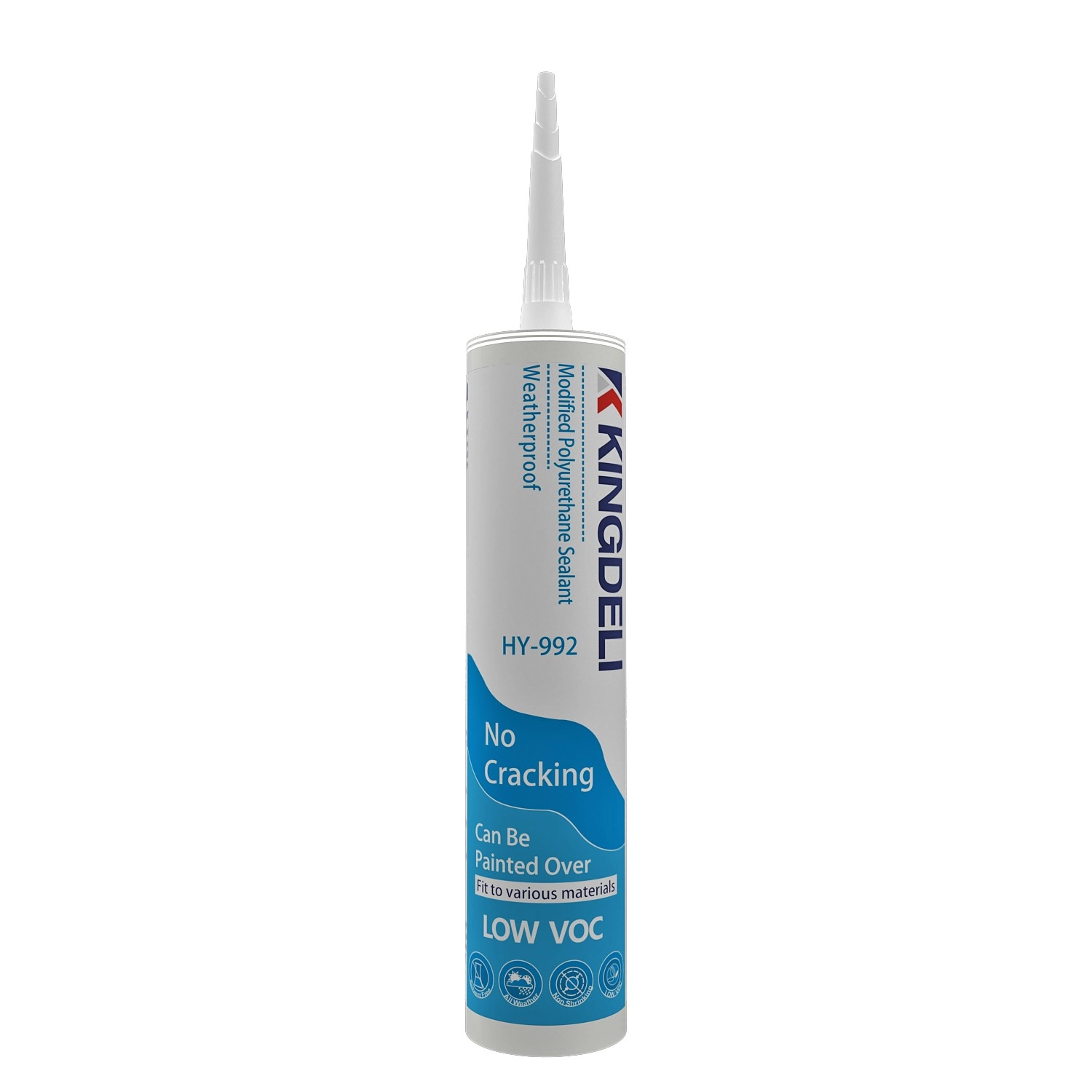
HY992 Modified Polyurethane Construction Sealant
HY992 Modified Polyurethane Sealant is a one-component, moisture-curing construction sealant designed for professional building and structural sealing applications. It provides excellent adhesion, weather resistance, and durable elasticity, making it suitable for a wide range of construction materials.
The formulation delivers strong bonding performance without corrosion or substrate contamination, while maintaining low VOC content for environmentally responsible construction projects.

HY995 Crystal Clear Ms Polymer Adhesive/Sealant
HY995 Crystal Clear Ms Polymer Adhesive/Sealant is a new generation MS Polymer adhesive / sealant formulated for all bonding and sealing applications where long term reliability is required. It has excellent bonding strength on various materials. It will cure to form a durable, flexible, waterproof seal.

HY997 High-Performance Anti-Microbial MS Polymer Sealant
HY997 MS polymer sealant for is is a premium one-component, neutral-curing modified silane sealant engineered for demanding interior applications. It offers a Class 20 movement capability, ensuring long-lasting flexibility and reliable performance under dynamic joint conditions. Curing at room temperature, HY997 delivers superior anti-microbial and mildew-resistant properties, maintaining hygienic and clean environments over time.
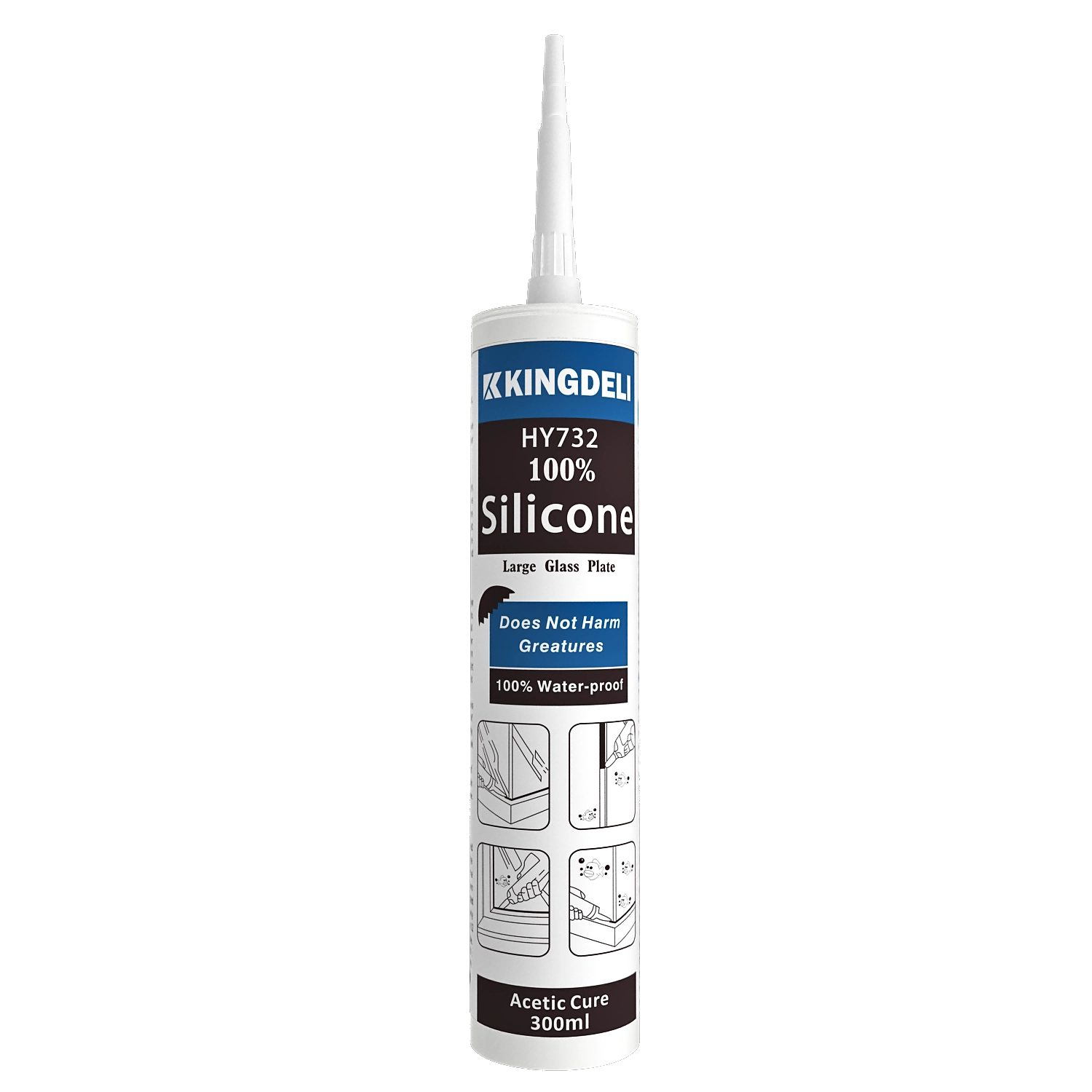
KINGDELI HY732 Professional Acetoxy Cure Silicone Sealant
KINGDELI HY732 is a professional-grade, one-component acetoxy cure silicone sealant designed for fast curing, strong adhesion, and long-lasting flexibility. Ideal for aquariums, glass applications, aluminum doors and windows, kitchens, and bathrooms, it provides reliable sealing performance with excellent anti-fungal protection in high-humidity environments.
Let’s Build Stronger Bonds with Quality Adhesives and Sealants
Have questions about the topic or need tailored sealant solutions for your project?
Our team is ready to provide expert guidance, product recommendations, and application support.
Innovating with Integrity, Bonding the World
Since 1998, KINGDELI has delivered trusted, sustainable sealant solutions that connect industries and inspire progress worldwide.
Whatsapp: +8618825946249
Kingdeli
Kingdeli
Kingdeli
Kingdeli
Kingdeli