


Troubleshooting Adhesion Failures with Neutral Silicone

- Diagnosing Bond Failures for Neutral-Cure Silicone Systems
- Common failure modes and how to identify them
- Surface contamination and chemistry incompatibility
- Environmental and cure-inhibition factors
- Step-by-Step Remediation Protocols to Restore Bond Integrity
- Surface preparation — the procurement checklist
- Primers, adhesion promoters, and selection rules
- Cure profiles, tooling time, and environmental control
- Material Selection, Testing and Process Controls to Minimize Risk
- Choosing the right chemistry for the application
- Quality assurance: tests, acceptance criteria, and recordkeeping
- Packaging, storage, and handling controls
- How KINGDELI Reduces Adhesion Failures at Scale
- Manufacturing capacity, standards, and traceable quality
- Technical portfolio aligned to buyer needs
- End-to-end OEM/ODM support and field validation
- Product highlights
- Data Comparison: Chemistry Performance for Adhesion and Application
- Operational Checklist for Procurement and Field Teams
- Specification requirements to include in purchase orders
- On-site verification and sampling plan
- Long-term maintenance and warranty considerations
- Frequently Asked Questions
- What causes a neutral-curing silicone to fail adhesion after a few months?
- When is a primer mandatory for neutral-type silicones?
- How should field teams verify adhesion before accepting a lot?
- Can neutral-curing formulations be painted or overcoated?
- What on-site environmental controls matter most during application?
This technical guide helps procurement teams, specifiers, and facility owners diagnose and mitigate adhesive bond failures associated with neutral-cure silicone systems. It maps root-cause patterns (contamination, substrate incompatibility, improper priming, cure inhibition, and environmental stress), prescribes inspection and remediation workflows, recommends validated test methods (peel, lap-shear, and adhesion strength monitors), and outlines supplier-side quality controls that reduce rework and warranty exposure. Citations to industry references and standards guide buyers toward informed material selection and supplier qualification.
Diagnosing Bond Failures for Neutral-Cure Silicone Systems
Common failure modes and how to identify them
Adhesion breakdown often presents as cohesive failure (sealant tears) or adhesive failure (sealant separates from substrate). Buyers should classify observed modes during field inspection and record: substrate type, surface finish, ambient temperature, humidity, sealant batch number, and application method. A standardized failure report reduces diagnostic time and supports supplier root-cause analysis.
Surface contamination and chemistry incompatibility
Organic residues (oils, silicones, release agents), inorganic deposits (salt, mortar dust), and coatings (paints, powder coatings) are leading contamination sources. Neutral-curing silicone products are sensitive to certain surface films and plasticizers; compatibility checks with plastics, coated metals, and treated woods are essential. Use solvent-swab tests and contact-angle measurements to quantify surface energy before corrective cleaning.
Environmental and cure-inhibition factors
Ambient humidity controls the cure rate of neutral-type silicones; extremes can lead to incomplete crosslinking. In addition, volatiles from adjacent materials (uncured two-part paints, curing adhesives, or certain cleaners) can inhibit cure. Field testing with sample coupons under job-site conditions helps forecast in-situ performance.
Step-by-Step Remediation Protocols to Restore Bond Integrity
Surface preparation — the procurement checklist
A robust surface prep plan reduces failure risk: specify approved cleaning agents, mechanical abrasion where required, and final solvent wipe sequences. Buyers should require supplier-provided surface-treatment FMEA and a verification step such as white-clean swabs or ATP testing. When specifying substrates, include maximum permitted surface roughness and allowable residues.
Primers, adhesion promoters, and selection rules
Not all neutral-curing formulations require primers, but primers dramatically improve bond durability on low-energy plastics, powder-coated metals, and certain coated glass. Match primer chemistry to both the substrate and the neutral silicone system; avoid generic primers. Require supplier compatibility data (lap-shear charts, recommended primer, and drying times) as part of procurement packages.
Cure profiles, tooling time, and environmental control
Control of tooling time and cure window is critical for dimensional joints. Specify maximum open time permitted for the chosen material and include on-site process controls: humidity monitors, temperature logs, and trained applicators. For projects in variable climates, a pre-qualification run under worst-case conditions prevents schedule-driven shortcuts that cause adhesion loss.
Material Selection, Testing and Process Controls to Minimize Risk
Choosing the right chemistry for the application
Neutral-cure silicone formulations (non-acidic, often labeled as neutral RTV or oxime/alkoxy systems) are preferred for metal glazing and sensitive substrates because they do not emit acetic acid during cure. When a joint requires paintability or overcoating, acrylic-based sealants or MS-polymer hybrids can be considered. Provide a decision matrix in specifications that maps substrate, movement factor, and exposure to recommended chemistries.
Quality assurance: tests, acceptance criteria, and recordkeeping
Include objective test protocols in contracts: ASTM C794 (adhesion-in-peel), ASTM C1135 (tensile adhesion), and adhesive lap-shear tests provide empirical acceptance thresholds. Specify sampling rates, failure limits, and remediation clauses. Maintain traceability by lot number and retain cured coupon samples for warranty validation. Reference standards ensure consistent interpretation—see ASTM International and ISO resources for formal methods.
Packaging, storage, and handling controls
Sealant performance is sensitive to storage temperature and humidity exposure prior to use. Require suppliers to provide shelf-life evidence, recommended storage temperatures, and batch certificates. Conditioning impacted materials and following first-in/first-out (FIFO) inventory reduces the likelihood of compromised lots entering the field.
How KINGDELI Reduces Adhesion Failures at Scale
Manufacturing capacity, standards, and traceable quality
Since its establishment in 1998, KINGDELI has stood as a global leader in the high-performance sealant, adhesive, and coating industry. Headquartered in Foshan, China, our state-of-the-art 66,000 m² facility is powered by fully automated production lines with an annual capacity exceeding 100,000 tons, ensuring a consistent and robust supply for partners worldwide.
Technical portfolio aligned to buyer needs
Our comprehensive product range addresses a broad spectrum of adhesion challenges and includes neutral-curing silicone variants, acetic-curing grades, acrylic formulations, glazing compounds, and structural adhesives. KINGDELI offers these products with supporting test data, recommended primers, and application guides that align with international practices and standards.
End-to-end OEM/ODM support and field validation
Buyers benefit from our OEM/ODM capabilities and technical service: pre-production trial runs, custom formulations for specific substrate combinations, and on-site technical support. KINGDELI supports clients with accelerated ageing data, bond-strength matrices, and recommended maintenance schedules to reduce long-term lifecycle costs.
Product highlights
Relevant products for mitigation and specification include: neutral silicone sealant variants optimized for glazing and façade systems, acetic-type sealants for non-sensitive areas, Acrylic Sealant solutions for paintable joints, silicone glazing compounds for structural glass, No More Nails adhesive for mechanical-free fixing, Polyurethane Sealant for high-movement joints, MS polymer Sealant for hybrid adhesion, RTV Gasket Maker for flange sealing, Epoxy Tile Grout for tile systems, and Self-Leveling Sealant for horizontal joints.
Data Comparison: Chemistry Performance for Adhesion and Application
| Chemistry | Typical Use | Substrate Compatibility | Primary Strengths | Limitations |
|---|---|---|---|---|
| Neutral-curing silicone | Glazing, weather seals | Glass, coated metals, sensitive substrates | Non-corrosive cure, flexible, UV stable | May require primer on low-energy plastics |
| Acetoxy silicone | General sealing where corrosion not critical | Glass, untreated metals, ceramics | Fast curing, good adhesion on clean substrates | Releases acetic acid; not for sensitive metals/plastics |
| Polyurethane | High-movement joints, structural bonding | Concrete, metals, wood | High mechanical strength, paintable | Moisture sensitive during cure; may yellow UV-exposed |
| MS Polymer | Hybrid sealing and bonding | Wide range including plastics | Solvent-free, good adhesion, paintable | Less UV resistance than silicone in some formulations |
For technical background on silicone chemistry and general properties see Wikipedia - Silicone. For standardized test methods consult ASTM International and for international conformity frameworks see ISO.
Operational Checklist for Procurement and Field Teams
Specification requirements to include in purchase orders
Require: full technical datasheet, lot traceability, recommended primer (if required), cure profile, shelf-life, and independent test reports. Add contractual acceptance tests and remediation clauses tied to objective adhesion thresholds.
On-site verification and sampling plan
Implement a plan that includes pre-installation mock-ups, in-situ coupon tests, and post-installation adhesion-peel checks. Document environmental logs and applicator credentials. This reduces disputes and supports warranty claims.
Long-term maintenance and warranty considerations
Specify inspection intervals and acceptable deterioration criteria. For high-exposure facades, budget for periodic reseal and provide approved product lists and trained contractors to maintain warranty coverage.
Frequently Asked Questions
What causes a neutral-curing silicone to fail adhesion after a few months?
Common causes are surface contamination (oils, release agents), cure inhibition from adjacent materials, inadequate surface preparation, incorrect primer selection, or storage/age-related product degradation. Implementing surface-energy tests and following manufacturer application instructions reduces this risk.
When is a primer mandatory for neutral-type silicones?
Primers are recommended for low-energy plastics, powder-coated metals, and substrates with uncertain surface treatments. Use manufacturer compatibility data and pre-qualification coupons to determine primer necessity.
How should field teams verify adhesion before accepting a lot?
Specify objective tests such as peel or lap-shear on representative coupons, and sample in-place joints using established methods (e.g., ASTM C794). Require passing criteria in contracts and retain cured samples for records.
Can neutral-curing formulations be painted or overcoated?
Most neutral silicones are not paintable without special surface treatments; use paintable acrylics or engineered hybrids when overcoatability is required. If painting over silicone is unavoidable, consult technical data and apply approved primers or paints verified by lab testing.
What on-site environmental controls matter most during application?
Maintain recommended temperature and relative humidity ranges, control dust and contamination, and avoid cross-contamination from other curing materials. Record conditions during application to support quality assurance.
Contact KINGDELI today to request product datasheets, technical trials, or to view our full portfolio of sealing and adhesive solutions.
How to Specify Neutral Silicone Sealant in Project Specs
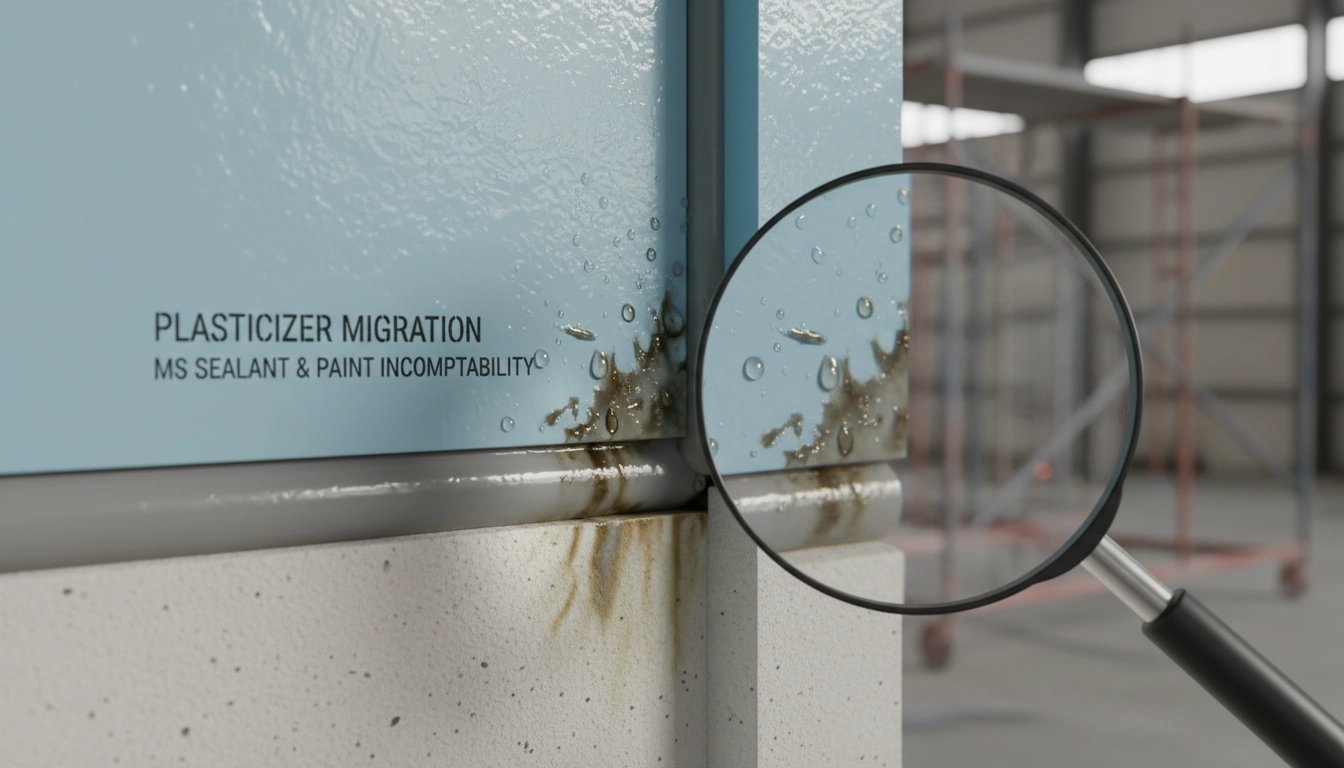
7 Costly Mistakes When Painting Over MS localized Polymer Sealants in 2026 (And How to Fix Them)
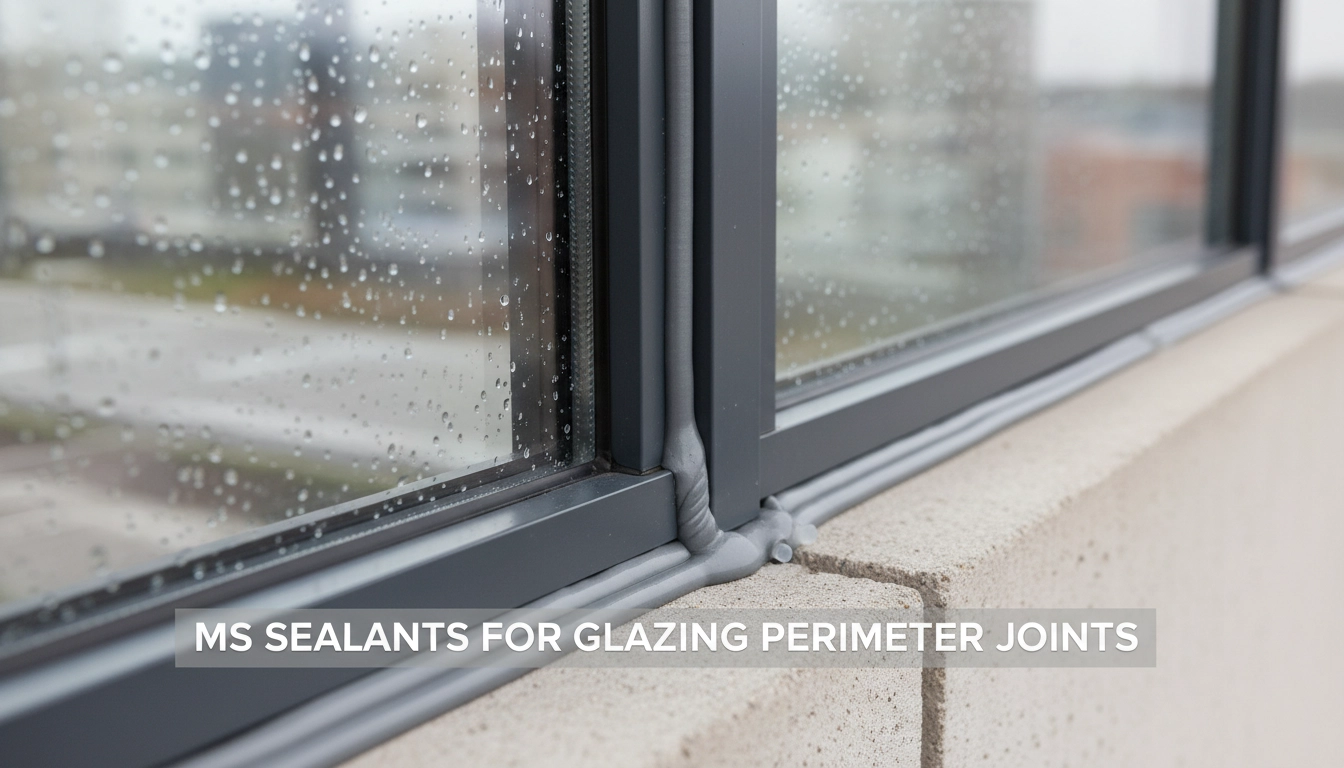
10 Reasons Why Top Glaziers are Switching to MS Polymer Sealants for High-Rise Projects (2026 Guide)
Neutral Cure Silicone Sealants: Advantages for OEM Applications

HY992 Modified Polyurethane Construction Sealant
HY992 Modified Polyurethane Sealant is a one-component, moisture-curing construction sealant designed for professional building and structural sealing applications. It provides excellent adhesion, weather resistance, and durable elasticity, making it suitable for a wide range of construction materials.
The formulation delivers strong bonding performance without corrosion or substrate contamination, while maintaining low VOC content for environmentally responsible construction projects.

HY995 Crystal Clear Ms Polymer Adhesive/Sealant
HY995 Crystal Clear Ms Polymer Adhesive/Sealant is a new generation MS Polymer adhesive / sealant formulated for all bonding and sealing applications where long term reliability is required. It has excellent bonding strength on various materials. It will cure to form a durable, flexible, waterproof seal.

HY997 High-Performance Anti-Microbial MS Polymer Sealant
HY997 MS polymer sealant for is is a premium one-component, neutral-curing modified silane sealant engineered for demanding interior applications. It offers a Class 20 movement capability, ensuring long-lasting flexibility and reliable performance under dynamic joint conditions. Curing at room temperature, HY997 delivers superior anti-microbial and mildew-resistant properties, maintaining hygienic and clean environments over time.

KINGDELI HY732 Professional Acetoxy Cure Silicone Sealant
KINGDELI HY732 is a professional-grade, one-component acetoxy cure silicone sealant designed for fast curing, strong adhesion, and long-lasting flexibility. Ideal for aquariums, glass applications, aluminum doors and windows, kitchens, and bathrooms, it provides reliable sealing performance with excellent anti-fungal protection in high-humidity environments.
Let’s Build Stronger Bonds with Quality Adhesives and Sealants
Have questions about the topic or need tailored sealant solutions for your project?
Our team is ready to provide expert guidance, product recommendations, and application support.
Innovating with Integrity, Bonding the World
Since 1998, KINGDELI has delivered trusted, sustainable sealant solutions that connect industries and inspire progress worldwide.

Whatsapp: +8618825946249
Kingdeli
Kingdeli
Kingdeli
Kingdeli
Kingdeli