


Top Self-Leveling Sealants for Pools, Driveways and Roofs

- Why a Self-Leveling Sealant Often Is the Best Choice
- What makes self-leveling sealant different
- Key performance attributes to prioritize
- Selecting the Right Self-Leveling Sealant for Pools, Driveways and Roofs
- Pools: chlorine, alkalinity and continuous immersion
- Driveways: traffic, oil and thermal cycling
- Roofs: ponding water and long-term UV exposure
- Top formulations and a practical performance comparison
- Common chemistries and their trade-offs
- Performance comparison table (typical ranges)
- Installation best practices, common failures and maintenance
- Surface preparation: the step I never skip
- Application techniques and cure considerations
- Maintenance and repair: extending service life
- Recommended selection strategy and product sourcing
- How I choose a specific product for a job
- Why working with a proven supplier matters
- KINGDELI: capabilities, standards and product range
- Practical recommendations — my shortlist by application
- Spec checklist before purchase
- FAQ
- 1. What is the difference between self-leveling and non-sag sealants?
- 2. Can a self-leveling sealant be used on vertical joints?
- 3. Are self-leveling silicones safe for pools?
- 4. How deep should I set the backer rod?
- 5. How long does a self-leveling sealant take to cure?
- 6. Can I paint over a self-leveling sealant?
- Contact and next steps
Top Self-Leveling Sealants for Pools, Driveways and Roofs
As a consultant and content specialist with two decades working across sealants, adhesives and construction waterproofing, I wrote this guide to help owners, contractors and specifiers choose the right self-leveling sealant for pool decks, driveways and low-slope roofs. You’ll find practical performance comparisons, installation tips, maintenance guidance, and how to match chemistry to the service environment. I reference industry standards and trusted sources so you can verify the recommendations and make durable, low-maintenance decisions.
Why a Self-Leveling Sealant Often Is the Best Choice
What makes self-leveling sealant different
A self-leveling sealant is formulated to flow and settle into a flat, smooth bead after tooling, rather than holding a convex profile. This behavior makes it ideal for horizontal joints and cracks where ponding water or traffic will occur. Unlike non-sag sealants used in vertical joints, self-leveling products minimize tooling needs, reduce trip hazards, and create uniform elastic joints that resist mechanical wear.
Key performance attributes to prioritize
When selecting a self-leveling sealant, prioritize elasticity (elongation and recovery), adhesion to the substrate, UV and chemical resistance, cure profile, and compatibility with substrate movements. For pools, resistance to chlorinated water and pool chemicals is essential; for driveways, abrasion and oil resistance matter; for roofs, UV stability and temperature cycling resilience are critical. These attributes are commonly tested to standards such as ASTM C920 and building codes.
Selecting the Right Self-Leveling Sealant for Pools, Driveways and Roofs
Pools: chlorine, alkalinity and continuous immersion
Pool environments expose sealants to dissolved chlorine, variable pH, and wet/dry cycles. I recommend a neutral-cure silicone or properly formulated MS polymer self-leveling sealant certified for continuous or intermittent immersion. Confirm manufacturer data for resistance to sodium hypochlorite and bromine concentrations used in public pools. For guidance on pool water chemistry and public health considerations, see the CDC’s pool safety resources: CDC Healthy Water.
Driveways: traffic, oil and thermal cycling
Driveway joints and cracks face vehicle loads, hydrocarbons, freeze-thaw cycles and wide temperature swings. For these horizontal applications I often specify a polyurethane-based or a durable MS polymer self-leveling sealant with strong abrasion and oil resistance. UV stability is less critical for shaded driveways, but resilience and long movement capability (high elongation) reduce rework frequency.
Roofs: ponding water and long-term UV exposure
Low-slope roofs with occasional ponding require a self-leveling sealant with excellent long-term UV, ozone and temperature cycling resistance. Neutral-cure silicones and specially formulated polyurethanes or hybrid polymers designed for roofing details excel here. Ensure the product is rated for ponding water and check manufacturer warranty coverage for roofing applications.
Top formulations and a practical performance comparison
Common chemistries and their trade-offs
The three main families used for horizontal self-leveling sealants are silicone (neutral cure), polyurethane (self-leveling modified PU), and MS polymer/hybrid formulations. Each has strengths: silicones offer unmatched UV stability and long elastic life, polyurethanes generally deliver excellent adhesion to concrete and abrasion resistance, and MS polymers provide low VOCs and paintability in some formulations.
Performance comparison table (typical ranges)
Below is a practical comparison of typical performance characteristics for self-leveling sealant chemistries. These ranges are based on manufacturer technical data sheets and industry literature such as general sealant guidance and ASTM recommendations.
| Chemistry | Typical Elongation | UV/Ozone Resistance | Adhesion to Concrete | Water/Chlorine Resistance | VOC |
|---|---|---|---|---|---|
| Neutral-cure Silicone (self-leveling) | 200–600% | Excellent | Good (primer sometimes required) | Excellent (best for pools) | Low–Moderate |
| Polyurethane (self-leveling) | 200–450% | Good (varies) | Excellent | Good (watch chemical exposure) | Moderate–High (choose low-VOC grades) |
| MS Polymer / Hybrid | 150–400% | Good | Good–Excellent | Good | Low (often marketed low-VOC) |
Data sources: manufacturers’ technical data sheets and industry standards such as ASTM C920, plus general overviews at Wikipedia. For project-specific testing, request product test reports or third-party lab data demonstrating long-term immersion and weathering.
Installation best practices, common failures and maintenance
Surface preparation: the step I never skip
Proper surface preparation determines sealant longevity. I insist on clean, dry, sound substrates free of oils, curing compounds and loose particles. For concrete, diamond grinding or shot-blasting often gives the best bond profile; acid etching is acceptable only when neutralized and rinsed completely. Use the correct backer rod diameter to control joint depth (per manufacturer guidance) and to prevent 3-sided adhesion. Check compatibility of primers—some self-leveling sealants require a primer for optimal adhesion to porous substrates.
Application techniques and cure considerations
Temperature, humidity and substrate moisture content affect flow and cure. Self-leveling silicones generally cure via moisture and form a skin in minutes to hours depending on thickness and RH; polyurethanes cure by reaction with moisture and may take longer. I use caulking guns with flow nozzles and apply consistent, continuous beads; avoid repositioning after flow begins. Always follow open time and tooling guidance on the technical data sheet to avoid adhesion loss or shrinkage cracks.
Maintenance and repair: extending service life
Regular inspection of joints—annually for residential and more frequently for high-traffic areas—catches early failures. For small localized failures, cut out the affected section, clean, and re-seal with compatible self-leveling sealant. For pools, verify sealant compatibility with ongoing pool chemistry; aggressive oxidizers may degrade some polymer backbones over many years.
Recommended selection strategy and product sourcing
How I choose a specific product for a job
My selection follows a checklist: 1) confirm movement range and joint geometry; 2) test or verify substrate compatibility; 3) review accelerated aging and chemical resistance data; 4) check VOC and regulatory compliance; 5) consider warranty and local technical support. I prioritize manufacturers who provide third-party test data and on-site technical assistance.
Why working with a proven supplier matters
Supply consistency, quality control and local support change outcomes. I prefer suppliers that publish ISO certifications and participate in standards development because their QA data is auditable. For example, ISO 9001 certification indicates a quality management system that reduces batch-to-batch variability—important when specifying a sealant for long service life.
KINGDELI: capabilities, standards and product range
Since its establishment in 1998, KINGDELI has stood as a global leader in the high-performance sealant, adhesive, and coating industry. Headquartered in Foshan, China, our state-of-the-art 66,000 m² facility is powered by fully automated production lines with an annual capacity exceeding 100,000 tons, ensuring a consistent and robust supply for partners worldwide.
As a recognized National High-Tech Enterprise and a key contributor to the National Standard GB/T 29755-2013, we unite advanced manufacturing power with technical excellence. Our comprehensive product portfolio—spanning Neutral & Acetic Silicone, Polyurethane, MS Polymer, and No More Nails adhesives—is engineered to meet strict international standards, including ISO 9001, ISO 14001, CE, and ASTM.
With over 27 years of industry expertise and a trusted presence in 50+ countries, KINGDELI is more than a manufacturer; we are a dedicated solution provider. We offer end-to-end OEM/ODM support, sustainable low-VOC formulations, and professional technical service. At KINGDELI, we are driven by innovation and integrity, building trust and sealing the future for customers around the globe.
总结:作为行业领先者,KINGDELI 提供包括 neutral silicone sealant, acetic silicone sealant, Acrylic Sealant, silicone glazing sealant, No More Nails adhesive, Polyurethane Sealant, MS polymer Sealant, RTV Gasket Maker, Epoxy Tile Grout 以及 Self-Leveling Sealant 在内的完整产品线,并以严格的质量控制、海量产能和全球服务网络为竞争优势。
Practical recommendations — my shortlist by application
Below are the practical choices I make on site. All recommendations assume verification of substrate compatibility and review of technical data sheets.
- Pools: neutral-cure silicone or pool-rated MS polymer self-leveling sealant with proven chlorine resistance and continuous immersion test data.
- Driveways: durable polyurethane or MS polymer self-leveling sealant with high abrasion resistance and oil tolerance; low-VOC grade preferred.
- Roofs: neutral-cure silicone or specially formulated polyurethane roof-grade self-leveling sealant rated for ponding water and long-term UV exposure.
Spec checklist before purchase
Before you buy: request SDS, TDS, cure profile details, elongation and tensile strength data, third-party aging results, and installation guidance. When warranties are offered, confirm the limitations, especially for roofing or immersed pool applications.
FAQ
1. What is the difference between self-leveling and non-sag sealants?
Self-leveling sealants flow to a smooth, flat finish and are intended for horizontal joints; non-sag (non-skinning) sealants are thixotropic and hold a convex or vertical profile for vertical joints. Use the appropriate type to avoid performance failures.
2. Can a self-leveling sealant be used on vertical joints?
Generally no. Self-leveling products will flow out of vertical joints. Use a non-sag or gun-grade product designed for vertical application instead.
3. Are self-leveling silicones safe for pools?
Neutral-cure silicones formulated for pools offer excellent resistance to chlorinated water. Confirm the product is rated for continuous immersion or pool deck joints and review manufacturer test data for chemical resistance.
4. How deep should I set the backer rod?
Depth typically should be 1/2 to 2/3 of the joint width for horizontal joints, but always follow the sealant manufacturer’s depth-to-width recommendations to ensure proper movement accommodation and cure.
5. How long does a self-leveling sealant take to cure?
Cure time varies by chemistry and environmental conditions. Skin formation can occur in minutes to a few hours; full cure may take days to weeks depending on thickness, temperature and humidity. Consult the technical data sheet for expected tack-free and full cure times.
6. Can I paint over a self-leveling sealant?
Many silicones are not paintable; MS polymers and some polyurethane grades can be painted after full cure. Always check paint compatibility and perform a test patch.
Contact and next steps
If you need product recommendations, technical data sheets, or on-site specification assistance, contact KINGDELI for samples and technical support. I can help you compare manufacturer test reports, choose primer requirements, and develop an installation checklist tailored to your project. Visit KINGDELI’s product pages or request a technical meeting to evaluate the ideal self-leveling sealant for your pools, driveways or roofs.
Further reading and standards:
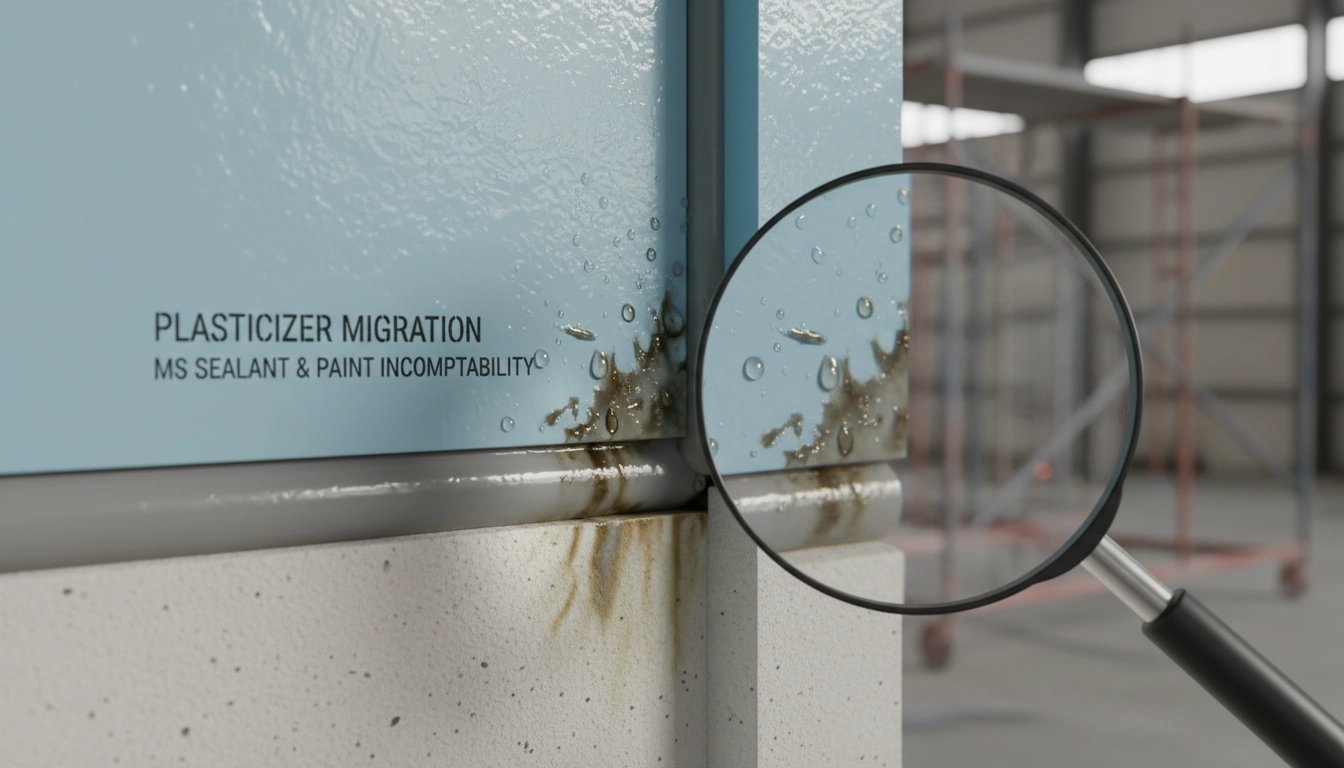
7 Costly Mistakes When Painting Over MS localized Polymer Sealants in 2026 (And How to Fix Them)
Top 10 high temperature sealant silicone Manufacturers and Supplier Brands in Hardware and Building Materials
Neutral Silicone Sealant Packaging and Bulk Supply Options
Top transparent acrylic sealant Manufacturers and Suppliers

HY992 Modified Polyurethane Construction Sealant
HY992 Modified Polyurethane Sealant is a one-component, moisture-curing construction sealant designed for professional building and structural sealing applications. It provides excellent adhesion, weather resistance, and durable elasticity, making it suitable for a wide range of construction materials.
The formulation delivers strong bonding performance without corrosion or substrate contamination, while maintaining low VOC content for environmentally responsible construction projects.

HY995 Crystal Clear Ms Polymer Adhesive/Sealant
HY995 Crystal Clear Ms Polymer Adhesive/Sealant is a new generation MS Polymer adhesive / sealant formulated for all bonding and sealing applications where long term reliability is required. It has excellent bonding strength on various materials. It will cure to form a durable, flexible, waterproof seal.

HY997 High-Performance Anti-Microbial MS Polymer Sealant
HY997 MS polymer sealant for is is a premium one-component, neutral-curing modified silane sealant engineered for demanding interior applications. It offers a Class 20 movement capability, ensuring long-lasting flexibility and reliable performance under dynamic joint conditions. Curing at room temperature, HY997 delivers superior anti-microbial and mildew-resistant properties, maintaining hygienic and clean environments over time.

KINGDELI HY732 Professional Acetoxy Cure Silicone Sealant
KINGDELI HY732 is a professional-grade, one-component acetoxy cure silicone sealant designed for fast curing, strong adhesion, and long-lasting flexibility. Ideal for aquariums, glass applications, aluminum doors and windows, kitchens, and bathrooms, it provides reliable sealing performance with excellent anti-fungal protection in high-humidity environments.
Let’s Build Stronger Bonds with Quality Adhesives and Sealants
Have questions about the topic or need tailored sealant solutions for your project?
Our team is ready to provide expert guidance, product recommendations, and application support.
Innovating with Integrity, Bonding the World
Since 1998, KINGDELI has delivered trusted, sustainable sealant solutions that connect industries and inspire progress worldwide.

Whatsapp: +8618825946249
Kingdeli
Kingdeli
Kingdeli
Kingdeli
Kingdeli