











The 2026 Master Guide to MS Sealant: Why Low VOC is Now the Industry Standard

- What is Low-VOC MS Sealant?
- Key Takeaways: The Rapid Shift to Hybrid Sealants
- The Chemistry Explained: Silyl Modified Polymers (SMP)
- MS Polymer vs. Silicone vs. Polyurethane
- Meeting Green Building Standards (LEED, WELL, and SCAQMD 1168)
- The Future of Bonding: 2026+ Regulatory Trends and Cost-ROI Analysis
- Expert Tips: Common Mistakes When Applying Low-VOC MS Sealants
- Conclusion
- What does MS stand for in MS sealant?
- Are MS polymer sealants toxic?
- Can you paint over low-VOC MS sealant?
- How long does MS sealant take to cure?
- What is the difference between MS polymer and silicone?
- Is MS sealant waterproof?
- What does low VOC mean for indoor air quality?
- Do MS sealants require a primer?
The global construction and manufacturing industries are undergoing a massive, unprecedented transformation in 2026, driven by an urgent need for sustainable materials and increasingly strict environmental regulations. At the forefront of this monumental shift are silyl modified polymers (SMP), which provide unparalleled structural strength without the severe health risks associated with older, solvent-heavy technologies. Over the last decade, builders, architects, and engineers have grappled with a difficult compromise: choosing between the high performance of toxic polyurethanes or the safety of less durable adhesives. Today, that compromise is officially obsolete. This master guide explores exactly why low-VOC formulations are rapidly replacing traditional adhesives across all commercial sectors, detailing the chemical advantages, environmental benefits, and operational efficiencies. Whether you are aiming to achieve green building certifications or simply wanting to protect your workforce from hazardous fumes, understanding how to leverage modern hybrid sealants is absolutely critical for the success of your next major project.
What is Low-VOC MS Sealant?
Low-VOC MS (Modified Silicone or Silyl Modified Polymer) sealant is an advanced hybrid adhesive combining the strength of polyurethane with the weather resistance of silicone, emitting almost no harmful off-gassing during or after the curing process.
Understanding how and why this technology works is essential for modern builders. Because it contains no solvents or hazardous chemicals, this isocyanate-free hybrid adhesive safeguards human health while delivering elite, industrial-grade performance. Traditional sealants rely heavily on chemical solvents that evaporate into the atmosphere to allow the material to harden. This evaporation process releases Volatile Organic Compounds (VOCs) that can cause respiratory issues and environmental damage. MS sealants, on the other hand, cure through a moisture-driven reaction that produces virtually zero harmful emissions.
- Health and Safety First: It guarantees superior indoor environments by eliminating toxic off-gassing, preventing the headaches, nausea, and long-term health risks historically associated with industrial adhesives.
- Uncompromising Durability: It maintains flexibility and structural integrity over decades. Because there is no solvent evaporation, the sealant does not shrink, crack, or pull away from the joint over time.
- Seamless Regulatory Compliance: It makes achieving strict modern green building codes completely effortless, acting as a premier choice for architects prioritizing sustainable development.
Key Takeaways: The Rapid Shift to Hybrid Sealants
The rapid shift to hybrid sealants is driven by their unique ability to completely eliminate the bubbling of traditional polyurethanes and the unpaintability of silicones, providing a safe, zero-isocyanate solution that easily meets strict modern environmental standards.
Contractors, project managers, and specifiers are rapidly abandoning legacy products because MS polymers offer a true "best of both worlds" scenario. The transition we are seeing in 2026 is no longer just about seeking slightly better performance; it is a critical regulatory necessity and a fundamental shift in best practices.
- Eliminates Traditional Weaknesses: MS polymers solve the most frustrating common issues on the job site. They do not suffer from UV degradation, and they will not cause unsightly substrate staining on porous stones like marble or granite.
- Protects Worker Health: They are completely free of highly toxic isocyanates and solvents. This drastically reduces the need for heavy, uncomfortable personal protective equipment (PPE) and minimizes the risk of occupational asthma.
- Ensures Premium Certification: Adopting these high-performance indoor air quality (IAQ) sealants is no longer optional; it is a mandatory step for achieving LEED, WELL, and CDPH Section 01350 certifications, ensuring that buildings are recognized for their commitment to occupant well-being.
The Chemistry Explained: Silyl Modified Polymers (SMP)
Silyl modified polymers (SMP) function through silane-terminated polymer backbones that cross-link upon exposure to ambient moisture, creating a highly durable, solvent-free elastomeric network that prevents shrinkage, bubbling, and cracking over the sealant's entire functional lifespan.
The underlying science of MS technology beautifully explains its dominance in the 2026 market. As reported by Wikipedia, SMPs consist of a polyether backbone that terminates with highly reactive silyl groups. When applied, these products cure from a liquid or gel state into a solid elastomer via a process known as moisture hydrolysis. This chemical reaction is fundamentally different from traditional solvent evaporation.
- Advanced Moisture-Curing Mechanism: The reactive silane groups interact directly with humidity present in the ambient air. This allows for a consistent, thorough curing process without the need for any solvent evaporation, making it ideal for enclosed spaces.
- True Solvent-Free Formulations: By entirely removing solvents from the chemical equation, manufacturers have engineered a product that retains 100% of its volume. This prevents the material from shrinking, tearing, or pulling away from the substrate as it dries.
- No Isocyanate Reactions: The total absence of isocyanates is crucial. In traditional polyurethanes, isocyanates react with moisture to release carbon dioxide gas, which causes bubbling and foaming in high-humidity applications. MS polymers avoid this entirely, ensuring a smooth, aesthetically perfect finish every time.
MS Polymer vs. Silicone vs. Polyurethane
MS polymer consistently outperforms traditional silicone and polyurethane by offering unparalleled primerless adhesion to damp substrates, immediate wet-on-wet paintability, and superior long-term resistance to UV degradation, yellowing, and chalking without relying on toxic additives.
When comparing modern hybrid technology directly to legacy sealants, the operational, aesthetic, and financial advantages become undeniably clear. For decades, contractors had to carefully weigh the pros and cons of silicone versus polyurethane. MS polymers essentially render that debate obsolete by combining the strengths of both while discarding their respective weaknesses.
- Aggressive Adhesion Profile: MS sealants aggressively bond to unprimed and even distinctly damp surfaces. Whether you are working with concrete, PVC, aluminum, or galvanized steel, MS polymers form a structural bond that significantly outperforms standard silicones, which often fail when moisture is present.
- Maximum Paintability and Aesthetics: Unlike silicone, which leaves a greasy residue that fiercely repels coatings, MS hybrids can be painted almost immediately. Contractors can apply most water-based and acrylic paints during the skin-formation phase, dramatically accelerating project timelines.
- Extreme Weathering and UV Resistance: Traditional polyurethanes are notorious for yellowing, chalking, and cracking when exposed to direct sunlight over several years. MS hybrids natively resist UV rays and harsh weathering events far better, ensuring long-lasting exterior seals that maintain their original color and integrity.
Meeting Green Building Standards (LEED, WELL, and SCAQMD 1168)
Low-VOC MS sealants directly contribute to elite green building certifications by satisfying strict Indoor Environmental Quality (IEQ) credits and maintaining off-gassing levels well below the stringent legal limits established by regional and international health organizations.
Navigating modern environmental compliance requires proactively utilizing products that are engineered specifically for safety and sustainability. Regulatory bodies worldwide are increasingly scrutinizing the chemical makeup of construction adhesives. For instance, SCAQMD Rule 1168 compliance is a legally mandated requirement in California designed to significantly reduce smog-forming emissions from architectural applications, as detailed by the official South Coast Air Quality Management District documentation.
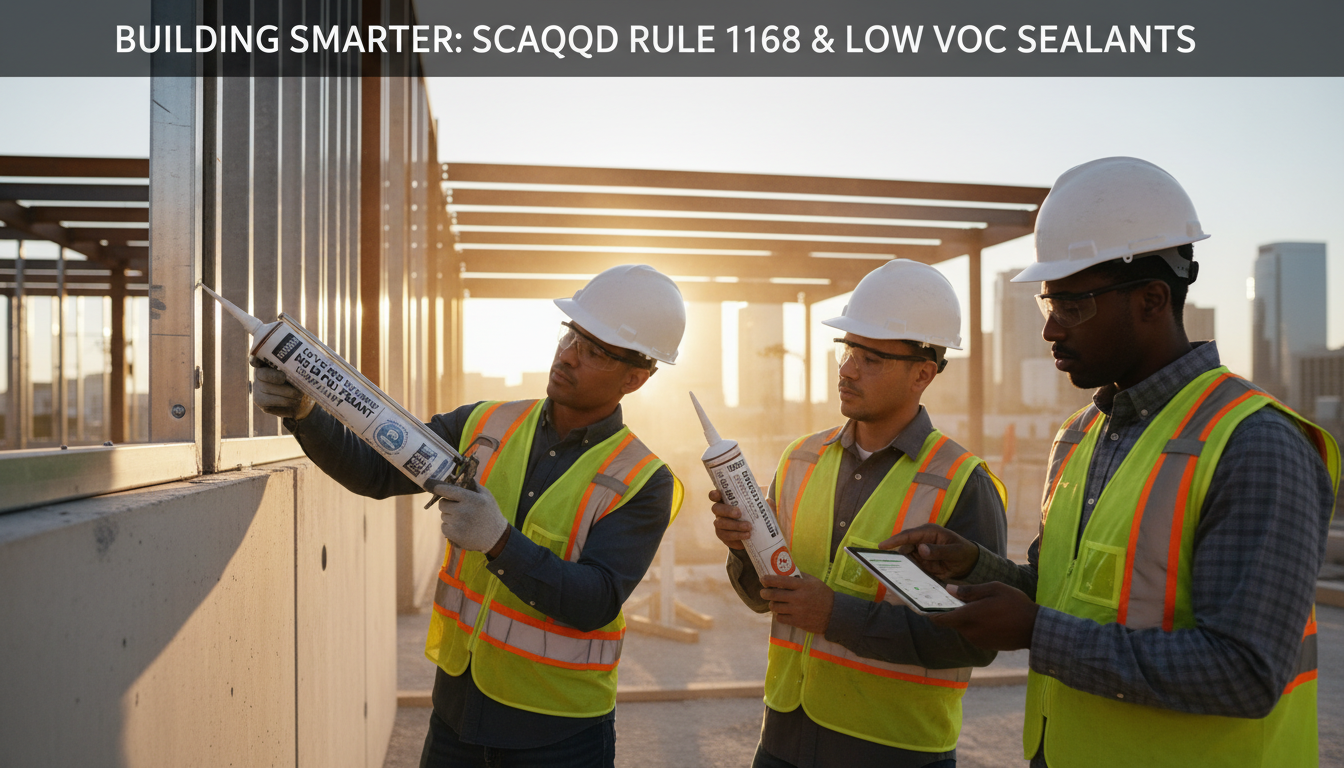
- Seamless LEED v4 and v4.1 Integration: Using these advanced low-VOC materials directly earns critical Indoor Environmental Quality (IEQ) credits for sustainable building projects, making them indispensable for architectural firms aiming for Platinum or Gold status.
- Navigating SCAQMD Regulations: Hybrid sealants easily pass California's notoriously aggressive Rule 1168 VOC limits for adhesives and sealants. Because this rule often serves as a benchmark for regulations nationwide, compliance here ensures viability across the entire North American market.
- CDPH Section 01350 Testing: These products pass rigorous environmental chamber testing to verify that they maintain safe, long-term off-gassing levels. This is essential for protecting vulnerable populations in commercial, educational, and residential settings.
The Future of Bonding: 2026+ Regulatory Trends and Cost-ROI Analysis
The 2026 regulatory landscape is actively forcing the phase-out of high-VOC legacy products through strict EPA and REACH mandates, making low-VOC MS sealants the most cost-effective long-term solution due to drastically reduced labor, compliance, and rework expenses.
Looking ahead, international health organizations are implementing severe, uncompromising restrictions on toxic materials. The European Union's REACH framework, for example, now legally mandates comprehensive safety training and heavily restricts products containing diisocyanates, driving a massive, industry-wide shift toward safer hybrid alternatives, as extensively outlined by industry reports from Covestro.
- Predicting Upcoming Mandates: The EPA and REACH are systematically targeting toxic solvents and isocyanates. As these regulations tighten, legacy polyurethanes will become functionally obsolete and legally burdensome to deploy.
- Comprehensive Lifecycle Cost Savings: While MS polymers may occasionally carry a slightly higher upfront material cost per tube, their primerless application, immediate paintability, and zero-shrinkage properties save contractors massive amounts in labor hours and expensive callback costs. The long-term ROI is overwhelmingly positive.
- Reduced Overhead and Liability: Utilizing non-toxic packaging substantially reduces expensive hazardous waste disposal fees. Furthermore, it minimizes the stringent Personal Protective Equipment (PPE) requirements and regulatory paperwork on the job site, streamlining overall operations.
Expert Tips: Common Mistakes When Applying Low-VOC MS Sealants
To maximize the structural performance of low-VOC MS sealants, applicators must actively avoid extremely dry environments, heavy solvent-based tooling agents, and trapped applications, as these fundamental errors completely disrupt the moisture-curing process and break down delicate polymer chains.
Even the most highly advanced adhesives require proper handling and application techniques. Transitioning from traditional polyurethanes to MS polymers requires a slight adjustment in job site habits. Avoiding these common application pitfalls ensures a perfect, long-lasting bond that fully leverages the technology's capabilities.
- Mistake 1: Ignoring Ambient Moisture Levels. MS sealants inherently rely on ambient humidity in the air to trigger the curing process. Applying them in artificially dry, heavily air-conditioned spaces or arid desert environments without introducing supplementary moisture can significantly delay the curing timeline.
- Mistake 2: Over-Tooling with Harsh Solvents. Using aggressive chemical tooling agents—a habit carried over from working with older sealants—can severely degrade the hybrid polymer structure. Professionals should stick exclusively to manufacturer-approved, mild soapy water solutions to smooth the joints.
- Mistake 3: Trapping the Sealant. Applying an MS polymer between two entirely non-porous substrates (like two sheets of glass or metal) without providing access to ambient air prevents the necessary moisture-cure reaction. The edges may cure, but the center will remain permanently soft, leading to structural failure.
Conclusion
Low-VOC MS sealants represent the absolute pinnacle of modern adhesive technology, seamlessly bridging the gap between high-performance structural bonding and rigorous environmental safety required for the complex construction demands of tomorrow.
The paradigm of construction materials has permanently shifted. By actively transitioning to Silyl Modified Polymers, contractors, architects, and manufacturers can effectively future-proof their operations against tightening environmental legislation. This vital shift guarantees unwavering adherence to strict building codes while simultaneously delivering superior, long-lasting aesthetic and structural results that clients demand. Modernizing your material selection away from toxic legacy products is the definitive way to protect worker health, ensure green building compliance, and dramatically maximize project ROI in 2026 and beyond.
Contact us today to speak with an adhesive specialist and find the perfect low-VOC MS sealant for your needs.
What does MS stand for in MS sealant?
MS stands for Modified Silicone, though in technical and chemical contexts, it is more accurately referred to as Silyl Modified Polymer (SMP). It denotes an advanced hybrid molecular structure that ingeniously takes the flexible polyether backbone typically found in polyurethane and caps it with highly reactive silane groups traditionally used in silicone formulations.
Are MS polymer sealants toxic?
No, low-VOC MS polymer sealants are among the absolute safest construction materials available on the market today. They are fundamentally engineered to be free from toxic chemical solvents, dangerous isocyanates, and hazardous volatile organic compounds, making them entirely safe for both the daily installer handling the product and the building's long-term occupants.
Can you paint over low-VOC MS sealant?
Yes, one of the biggest and most celebrated advantages of MS sealants over standard silicone is their excellent, hassle-free paintability. They can typically be painted wet-on-wet immediately after application, or shortly after a quick skinning process, seamlessly accepting most standard water-based and acrylic paints without peeling or separation.
How long does MS sealant take to cure?
Because MS sealants are exclusively moisture-curing adhesives, their specific cure times depend directly on the ambient temperature and humidity levels of the environment. Generally speaking, under normal conditions, they will skin over in approximately 15 to 30 minutes, and they achieve a full structural cure at a steady rate of about 2mm to 3mm per 24-hour period.
What is the difference between MS polymer and silicone?
While both hybrid MS polymers and traditional silicones offer excellent UV resistance and profound flexibility, MS polymers are completely paintable and do not leave an oily, unsightly residue that attracts dirt over time. Furthermore, silicone cannot be painted under any circumstances and often struggles to adhere to damp surfaces, whereas an MS polymer actively bonds well to almost any wet or dry substrate.
Is MS sealant waterproof?
Yes, once fully cured, MS sealants provide a highly durable, flexible, and completely waterproof seal that can withstand severe weather conditions. Because of this uncompromising water resistance, they are heavily utilized in demanding exterior weathering tasks, commercial roofing installations, and rigorous marine applications where failure is not an option.
What does low VOC mean for indoor air quality?
Low VOC (Volatile Organic Compounds) signifies that the sealant releases very few, if any, harmful chemical gases into the surrounding air as it dries and ages. This crucial characteristic prevents severe headaches, acute respiratory issues, and long-term carcinogenic health risks, ultimately ensuring a fundamentally healthy and safe indoor environment for all occupants.
Do MS sealants require a primer?
In the vast majority of cases, MS sealants boast incredible primerless adhesion to a vast array of both porous and non-porous substrates, saving immense time and money. However, for highly specialized industrial applications or when applying to extremely porous materials subjected to heavy, continuous mechanical stress, utilizing a manufacturer-recommended primer may still be advised to guarantee a permanent bond.
MS Silicone Sealant Joint Design and Movement Capabilities
Top polyurethan sealant adheres to metal Manufacturers and Suppliers
Best silicone sealant manufacturers and supplier brands in Automotive Solutions
Top silicone sealant Manufacturers and Suppliers
HY-3300
What standards does HY-3300 comply with?
HY-3300 is tested and complies with JC/T882-2001 (125HM) and ASTM C920-18 standards.
HY994
Can HY994 be used as a structural sealant?
No. HY994 is not intended for structural glazing or curtain wall structural applications.
HY-2100
What color options are available?
Standard colors include clear, black, grey, and white, with custom color matching available upon request.
HY722B
Is this sealant suitable for sanitary applications?
Yes. It is specifically formulated with excellent anti-fungus properties, making it ideal for bathrooms, kitchens, and other humid environments.
HY723
What is the primary application of HY-723?
It is primarily used to control the spread of fire, smoke, and toxic fumes within areas surrounded by firewalls, such as construction joints and partitions.
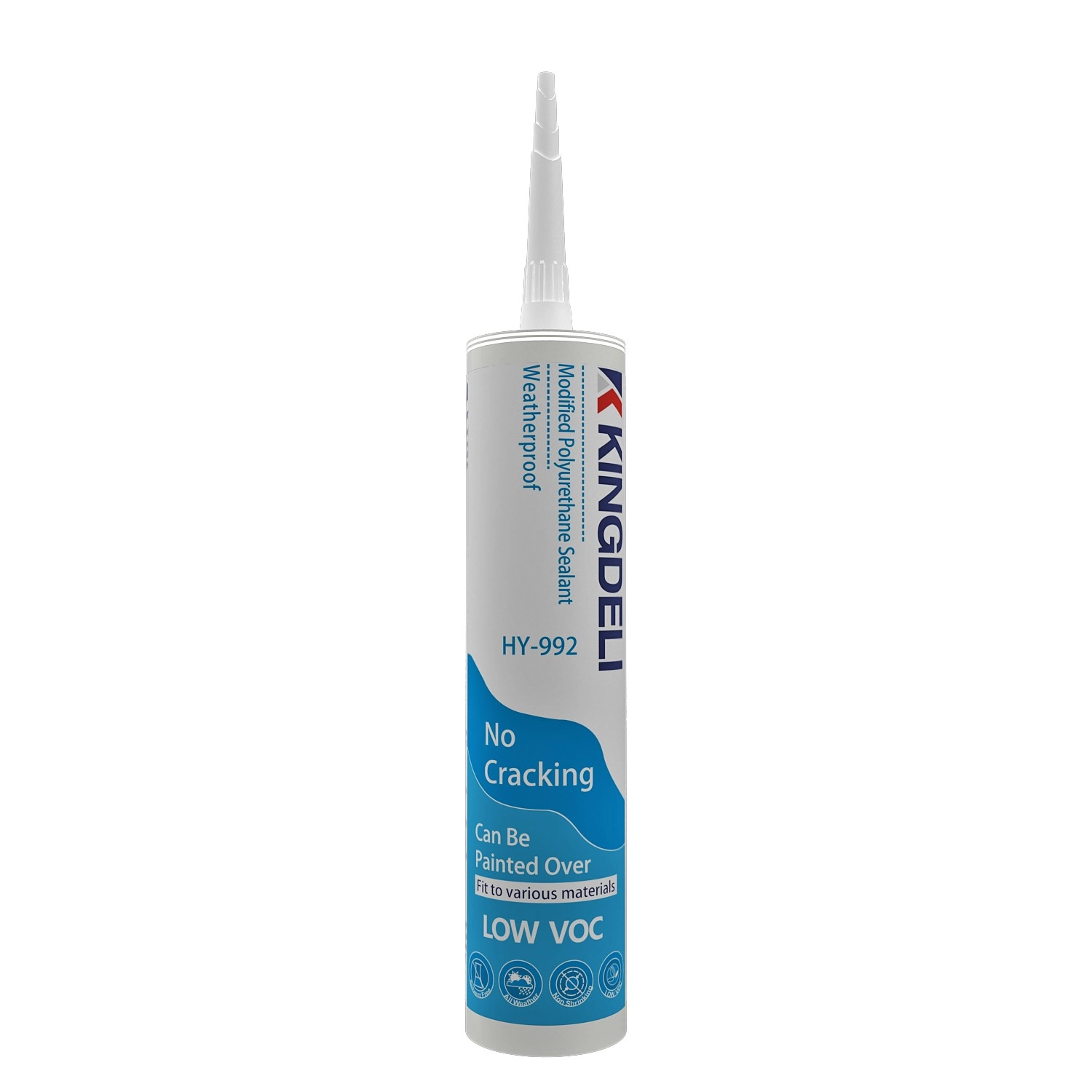
HY992 Modified Polyurethane Construction Sealant
HY992 Modified Polyurethane Sealant is a one-component, moisture-curing construction sealant designed for professional building and structural sealing applications. It provides excellent adhesion, weather resistance, and durable elasticity, making it suitable for a wide range of construction materials.
The formulation delivers strong bonding performance without corrosion or substrate contamination, while maintaining low VOC content for environmentally responsible construction projects.

HY995 Crystal Clear Ms Polymer Adhesive/Sealant
HY995 Crystal Clear Ms Polymer Adhesive/Sealant is a new generation MS Polymer adhesive / sealant formulated for all bonding and sealing applications where long term reliability is required. It has excellent bonding strength on various materials. It will cure to form a durable, flexible, waterproof seal.

HY997 High-Performance Anti-Microbial MS Polymer Sealant
HY997 MS polymer sealant for is is a premium one-component, neutral-curing modified silane sealant engineered for demanding interior applications. It offers a Class 20 movement capability, ensuring long-lasting flexibility and reliable performance under dynamic joint conditions. Curing at room temperature, HY997 delivers superior anti-microbial and mildew-resistant properties, maintaining hygienic and clean environments over time.
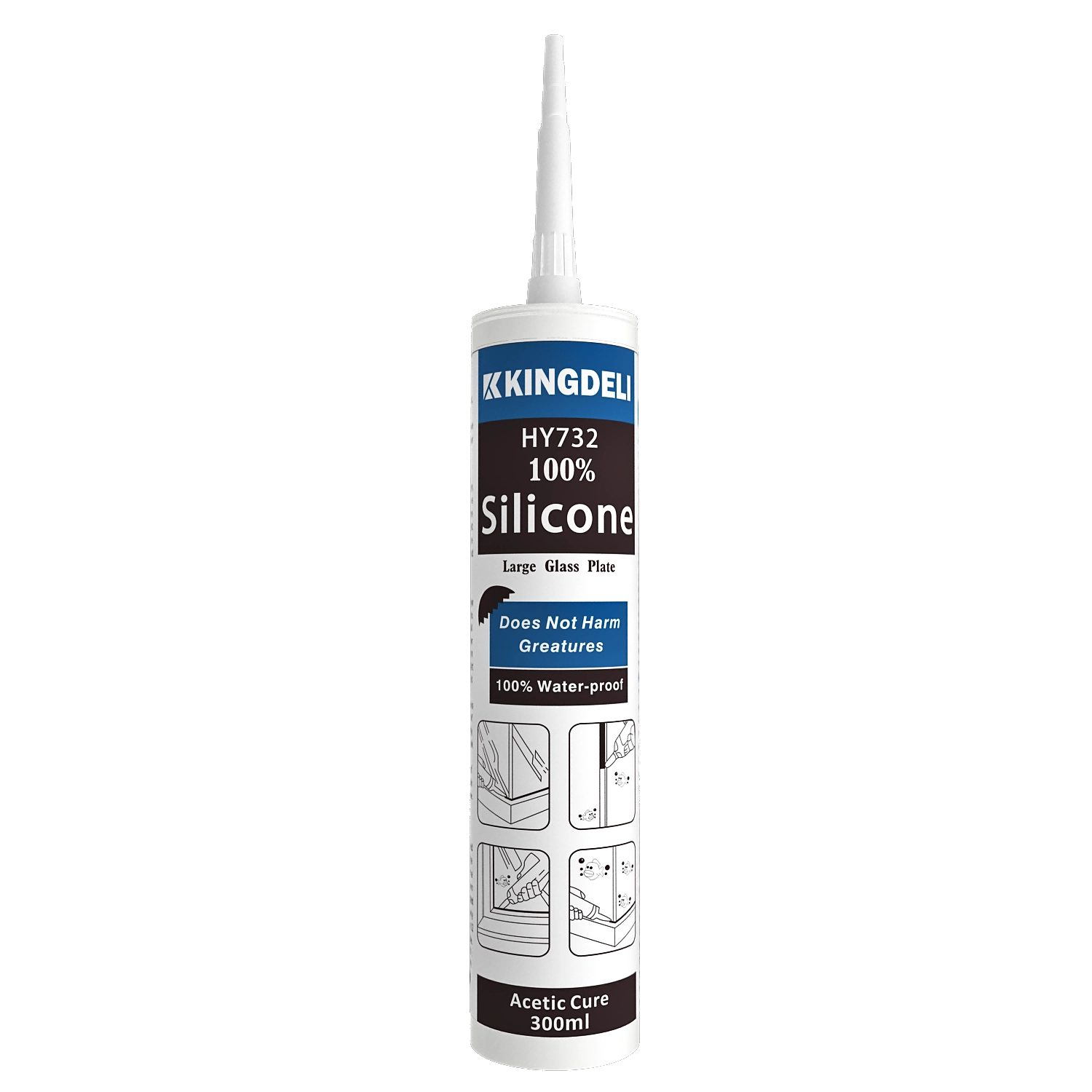
KINGDELI HY732 Professional Acetoxy Cure Silicone Sealant
KINGDELI HY732 is a professional-grade, one-component acetoxy cure silicone sealant designed for fast curing, strong adhesion, and long-lasting flexibility. Ideal for aquariums, glass applications, aluminum doors and windows, kitchens, and bathrooms, it provides reliable sealing performance with excellent anti-fungal protection in high-humidity environments.
Let’s Build Stronger Bonds with Quality Adhesives and Sealants
Have questions about the topic or need tailored sealant solutions for your project?
Our team is ready to provide expert guidance, product recommendations, and application support.
Innovating with Integrity, Bonding the World
Since 1998, KINGDELI has delivered trusted, sustainable sealant solutions that connect industries and inspire progress worldwide.
Whatsapp: +8618825946249
Kingdeli
Kingdeli
Kingdeli
Kingdeli
Kingdeli