











Technical Guide: Properties and Specifications of Acetic Silicone

- Overview of Silicone Sealants
- Types and chemistry
- Common applications
- How acetic vs neutral silicone differ (quick comparison)
- Physical and Chemical Properties of Acetic Silicone Sealant
- Key mechanical and curing properties
- Chemical resistance and aging
- Adhesion profile and substrate limitations
- Specifications, Standards, Testing and Compliance
- Standards and classifications
- Laboratory and field testing protocols
- Interpreting datasheets and certificates
- Installation, Compatibility and Troubleshooting
- Substrate preparation and primers
- Common failure modes and remedies
- Health, environment, and VOC considerations
- KINGDELI: Manufacturer Profile and Why It Matters for Specifications
- Practical Selection Checklist (My Recommended Workflow)
- FAQ
- 1. What is the main difference between acetic and neutral silicone sealants?
- 2. Can acetic silicone be used on metal seams?
- 3. How do I determine the right joint width and depth?
- 4. What tests should I request from the supplier?
- 5. Are acetic silicones paintable?
- 6. How long does acetic silicone take to fully cure?
- 7. Who should I contact for technical support or product samples?
I write this guide drawing on decades of experience in sealants and adhesives to explain what acetic silicone sealant is, how it performs, and how to specify and apply it correctly. The content is optimized for technical and indexing: it covers composition, mechanical and thermal properties, standardized test methods (ISO, ASTM), compatibility notes, and practical troubleshooting. Wherever possible I link to authoritative standards and references so you can verify the data and follow up with formal documents.
Overview of Silicone Sealants
Types and chemistry
Silicone sealants broadly divide into two groups by curing by-product: acetic (acidic) cure silicones and neutral cure silicones. Acetic silicone sealant cures by releasing acetic acid (vinegar smell) and generally uses alkoxy or alkoxy/acetoxy silane chemistry. For more background on silicones and their chemistry, see the Wikipedia entry on silicones: https://en.wikipedia.org/wiki/Silicone.
Common applications
Acetic cure silicone is widely used for glazing, sanitary joints, metal-to-glass interfaces, and many general-purpose sealing tasks where fast skin formation and reliable weathering are prized. However, it is typically not recommended for use with sensitive metals (e.g., copper, brass), some treated woods, or where painting over the sealant is required.
How acetic vs neutral silicone differ (quick comparison)
Below I summarize practical differences I use when specifying sealants for projects:
| Property | Acetic Silicone Sealant | Neutral Silicone Sealant |
|---|---|---|
| Curing by-product | Acetic acid (vinegar odor) | Alcohol, oxime or alkoxy (low odor) |
| Substrate compatibility | Good on glass and many paints; can corrode copper, brass, and plated metals | Safer for sensitive metals and many plastics |
| Paintability | Generally not paintable | Some formulations are paintable |
| Typical usage | Glazing, sanitary, weather sealing (general) | Structural glazing, metal, sensitive substrates |
These distinctions are consistent with industry guidance and manufacturer technical data sheets (TDS) I reference during specification reviews.
Physical and Chemical Properties of Acetic Silicone Sealant
Key mechanical and curing properties
When selecting an acetic silicone sealant I look for the following specification items on the TDS: Shore A hardness, tensile strength, elongation at break, density, skin time, full cure rate, and operating temperature range. Typical ranges for general-purpose acetic silicones are shown below; these come from aggregated TDSs across multiple manufacturers and verified test methods (ISO, ASTM).
| Property | Typical Range | Test Method |
|---|---|---|
| Shore A hardness | 20–50 | ISO 868 / ASTM D2240 |
| Tensile strength | 0.7–3.0 MPa | ISO 37 / ASTM D412 |
| Elongation at break | 200–400% | ISO 37 / ASTM D412 |
| Density | ~1.0–1.2 g/cm³ | Manufacturer TDS |
| Skin time | 5–20 minutes (ambient dependent) | Manufacturer test |
| Full cure rate | Approx. 2–3 mm per 24 h at 23°C/50% RH | Manufacturer TDS |
| Service temperature | -50°C to +150°C (short peaks higher) | Manufacturer test / ASTM |
Note: exact values depend on formulation and fillers. For official test procedures and classifications consult ISO 11600:1999 (Jointing products) and ASTM C920 (Elastomeric Joint Sealants): ISO 11600, ASTM C920.
Chemical resistance and aging
Acetic silicone performs well against UV exposure, ozone, and typical weathering. It resists water and many diluted chemicals but can be attacked by strong bases and some solvents. Long-term adhesion and color stability are generally excellent for exterior glazing applications, which is why acetic silicones remain a go-to choice for windows and façade sealing. For accelerated weathering and UV test methods, see standards such as ASTM G154 (UV exposure).
Adhesion profile and substrate limitations
Acetic silica-based silicones bond very well to clean, non-porous surfaces like glass, glazed tiles, glazed ceramics, and many anodized aluminum finishes. They can cause corrosion or discoloration on copper, brass, certain treated woods, and some metal platings due to acidic by-products. When in doubt, run a small adhesion test or consult the primer recommendations from the manufacturer.
Specifications, Standards, Testing and Compliance
Standards and classifications
When specifying an acetic silicone sealant, I always reference recognized standards. Common references include ISO 11600 for construction jointing products and ASTM C920 for elastomeric joint sealants. These standards define performance classes such as movement capability, adhesion, and mechanical properties. See ISO 11600:1999 here: https://www.iso.org/standard/19950. and ASTM C920 here: https://www.astm.org/Standards/C920.htm.
Laboratory and field testing protocols
Typical tests I require or review include:
- Tensile strength and elongation (ISO 37 / ASTM D412)
- Shore A hardness (ISO 868 / ASTM D2240)
- Adhesion after aging (ASTM C794 pull-off test or equivalent)
- Weathering (ASTM G154 / G155 accelerated UV)
- Movement capability (per ASTM C719 or standards required by the project)
Where regulatory compliance is needed (e.g., low VOC), confirm test reports or certificates from accredited labs.
Interpreting datasheets and certificates
I advise checking the TDS and the Safety Data Sheet (SDS) together: the TDS gives performance specifications, while the SDS provides safety, storage, and transport details. Also verify certifications such as ISO 9001 quality management or environmental standards when evaluating a supplier's consistency.
Installation, Compatibility and Troubleshooting
Substrate preparation and primers
Successful bonding starts with proper substrate preparation: clean to remove oils, dust, and release agents; use isopropyl alcohol or an approved cleaner. For porous or difficult substrates, use manufacturer-recommended primers to enhance adhesion. If adhesion failures appear during mockups, test different primers and record results under the same environmental conditions you expect on-site.
Common failure modes and remedies
Typical causes of joint failure include inadequate surface prep, incompatible substrates, poor joint design (insufficient width-to-depth ratio), and premature mechanical loading before full cure. Remedies include:
- Re-cleaning and primer application
- Choosing a neutral cure silicone if metal corrosion is observed
- Adjusting joint geometry to maintain the recommended 2:1 width-to-depth ratio
- Allowing sufficient cure time at recommended temperature and humidity
Health, environment, and VOC considerations
Acetic silicones release acetic acid vapor during cure; adequate ventilation minimizes odor and exposure. For projects with strict indoor air requirements or low-VOC targets, consult the manufacturer for low-VOC formulations or consider neutral cure alternatives. For broader guidance on sealants and health, see the general sealant overview: https://en.wikipedia.org/wiki/Sealant.
KINGDELI: Manufacturer Profile and Why It Matters for Specifications
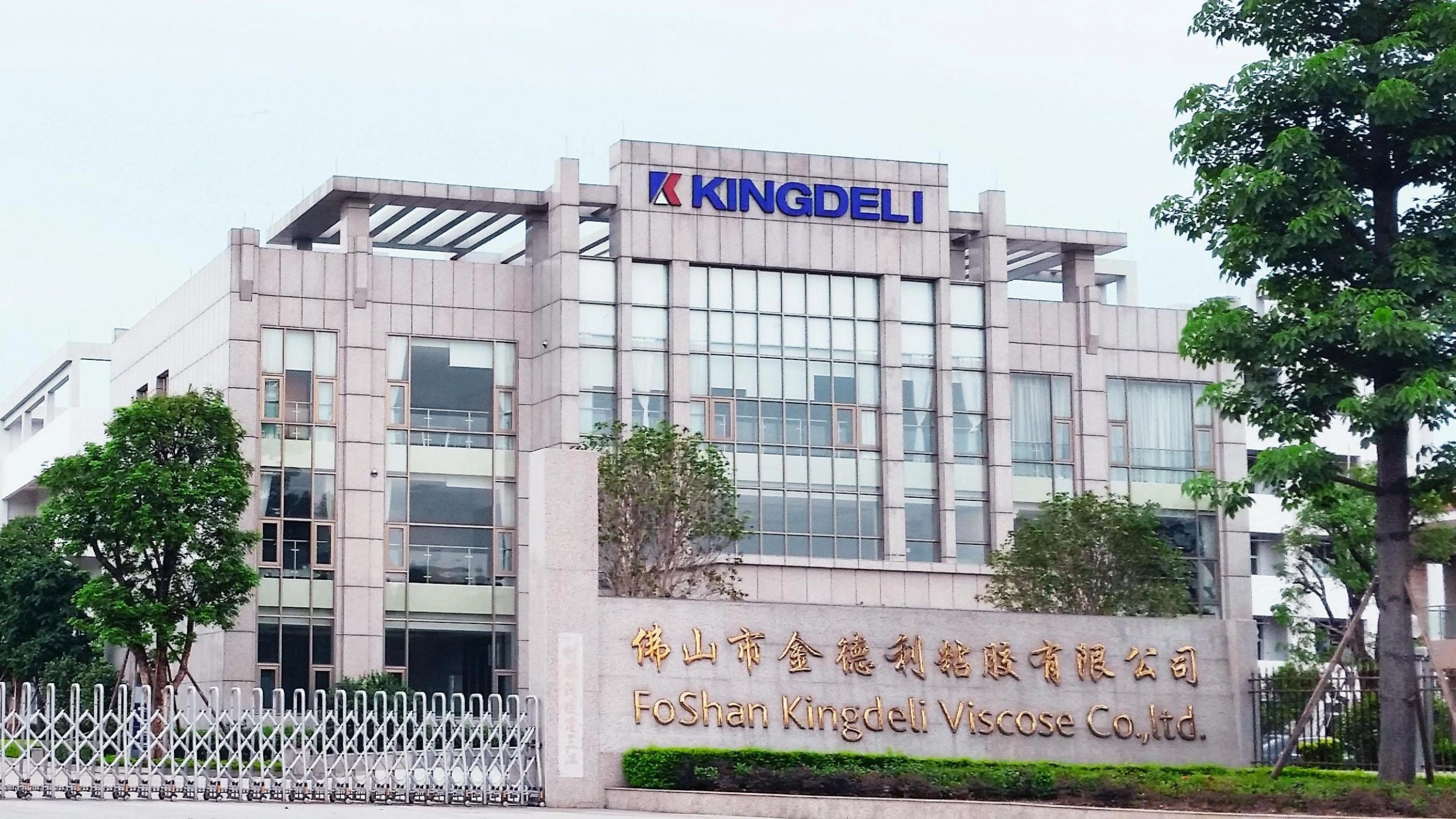
Since its establishment in 1998, KINGDELI has stood as a global leader in the high-performance sealant, adhesive, and coating industry. Headquartered in Foshan, China, our state-of-the-art 66,000 m² facility is powered by fully automated production lines with an annual capacity exceeding 100,000 tons, ensuring a consistent and robust supply for partners worldwide.
As a recognized National High-Tech Enterprise and a key contributor to the National Standard GB/T 29755-2013, we unite advanced manufacturing power with technical excellence. Our comprehensive product portfolio—spanning Neutral & Acetic Silicone, Polyurethane, MS Polymer, and No More Nails adhesives—is engineered to meet strict international standards, including ISO 9001, ISO 14001, CE, and ASTM.
With over 27 years of industry expertise and a trusted presence in 50+ countries, KINGDELI is more than a manufacturer; we are a dedicated solution provider. We offer end-to-end OEM/ODM support, sustainable low-VOC formulations, and professional technical service. At KINGDELI, we are driven by innovation and integrity, building trust and sealing the future for customers around the globe.
In practice, choosing a supplier like KINGDELI gives you access to consistent product batches, certified test reports, and technical support for project-specific adhesion trials. KINGDELI's main products relevant to this guide include neutral silicone sealant, acetic silicone sealant, acrylic sealant, silicone glazing sealant, No More Nails adhesive, polyurethane sealant, MS polymer sealant, RTV gasket maker, epoxy tile grout, and self-leveling sealant.
Practical Selection Checklist (My Recommended Workflow)
- Define the application: glazing, sanitary, façade, tile, or general weather sealing.
- Identify substrates and possible incompatibilities (e.g., copper, plastics).
- Consult standards required by the project (ISO 11600, ASTM C920) and contract documents.
- Request TDS, SDS, and certified test reports from the supplier.
- Run mock-up adhesion tests under project environmental conditions.
- Confirm cure times, joint geometry, and primer requirements before procurement.
If you need material samples, technical data, or on-site support for testing and specification writing, contact KINGDELI's technical team for OEM/ODM options and low-VOC formulations.
FAQ
1. What is the main difference between acetic and neutral silicone sealants?
Acetic silicone cures releasing acetic acid and typically bonds well to glass and many painted surfaces; it can corrode copper and some metals. Neutral silicones release less corrosive by-products (alcohol, oxime, or alkoxy) and are safer for sensitive substrates.
2. Can acetic silicone be used on metal seams?
Use caution: acetic silicones can cause corrosion on copper, brass and some plated metals. For critical metal seams or where electrochemical corrosion is a concern, prefer a neutral cure silicone or consult the manufacturer.
3. How do I determine the right joint width and depth?
For most sealant applications maintain a width-to-depth ratio of 2:1 (depth = width/2), with minimum and maximum limits according to the sealant TDS. This helps the sealant handle movement and avoids adhesive stress from excessive stiffness.
4. What tests should I request from the supplier?
Request TDS and SDS, and certified test reports for tensile strength, elongation, adhesion after aging, UV/weathering, and any project-specific movement capability tests (per ASTM or ISO standards).
5. Are acetic silicones paintable?
Generally no. Acetic silicones usually resist paint adhesion. If paintability is required, choose a neutral, paintable silicone or a compatible sealant specified for painting.
6. How long does acetic silicone take to fully cure?
Skin time is typically 5–20 minutes depending on humidity and temperature; full cure rate is often around 2–3 mm per 24 hours at 23°C/50% RH. Always consult the product TDS for exact cure profiles.
7. Who should I contact for technical support or product samples?
For product samples, technical datasheets, and on-site support, reach out to KINGDELI's technical sales team. We provide OEM/ODM services, low-VOC formulations, and full technical support for specification and testing.
Contact us to request samples, project specification guidance, or to view our product catalog: KINGDELI — professional solutions for neutral silicone sealant, acetic silicone sealant, acrylic sealant, silicone glazing sealant, No More Nails adhesive, polyurethane sealant, MS polymer sealant, RTV gasket maker, epoxy tile grout, and self-leveling sealant.
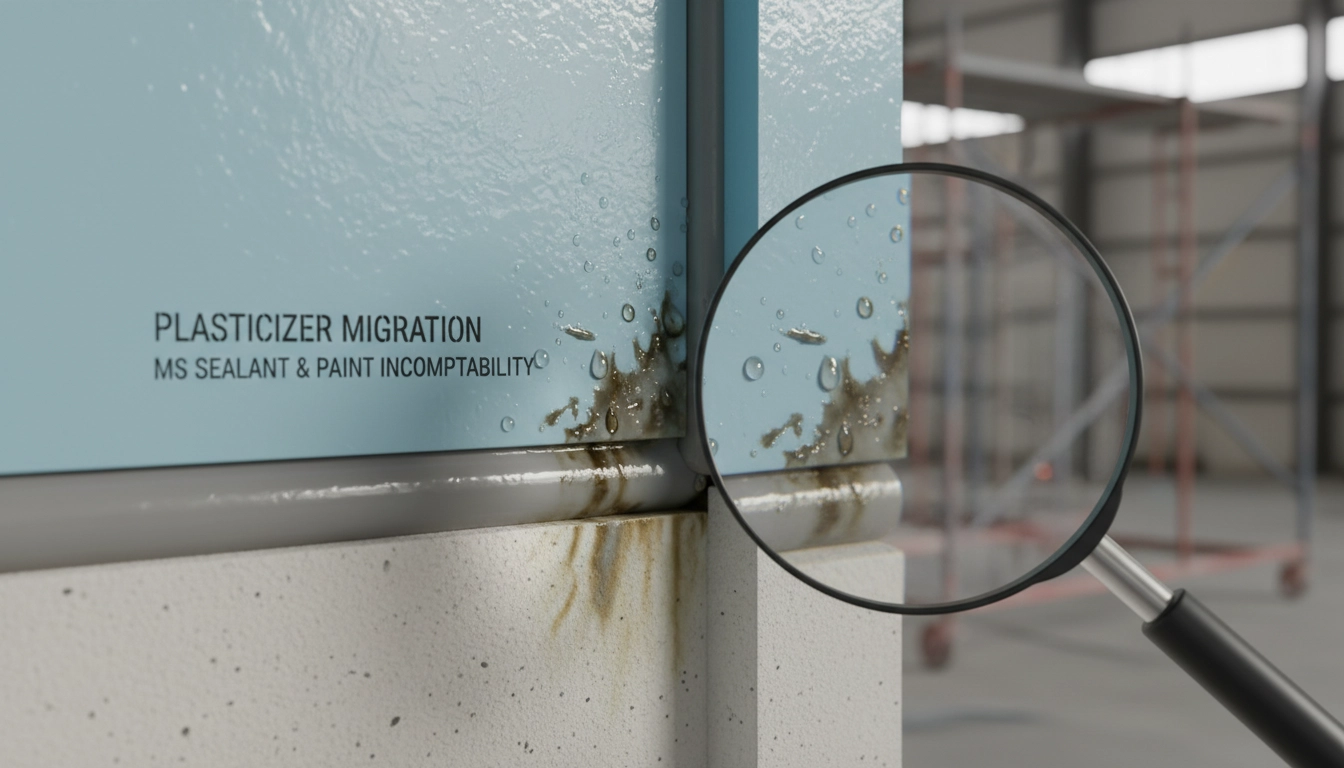
7 Costly Mistakes When Painting Over MS localized Polymer Sealants in 2026 (And How to Fix Them)
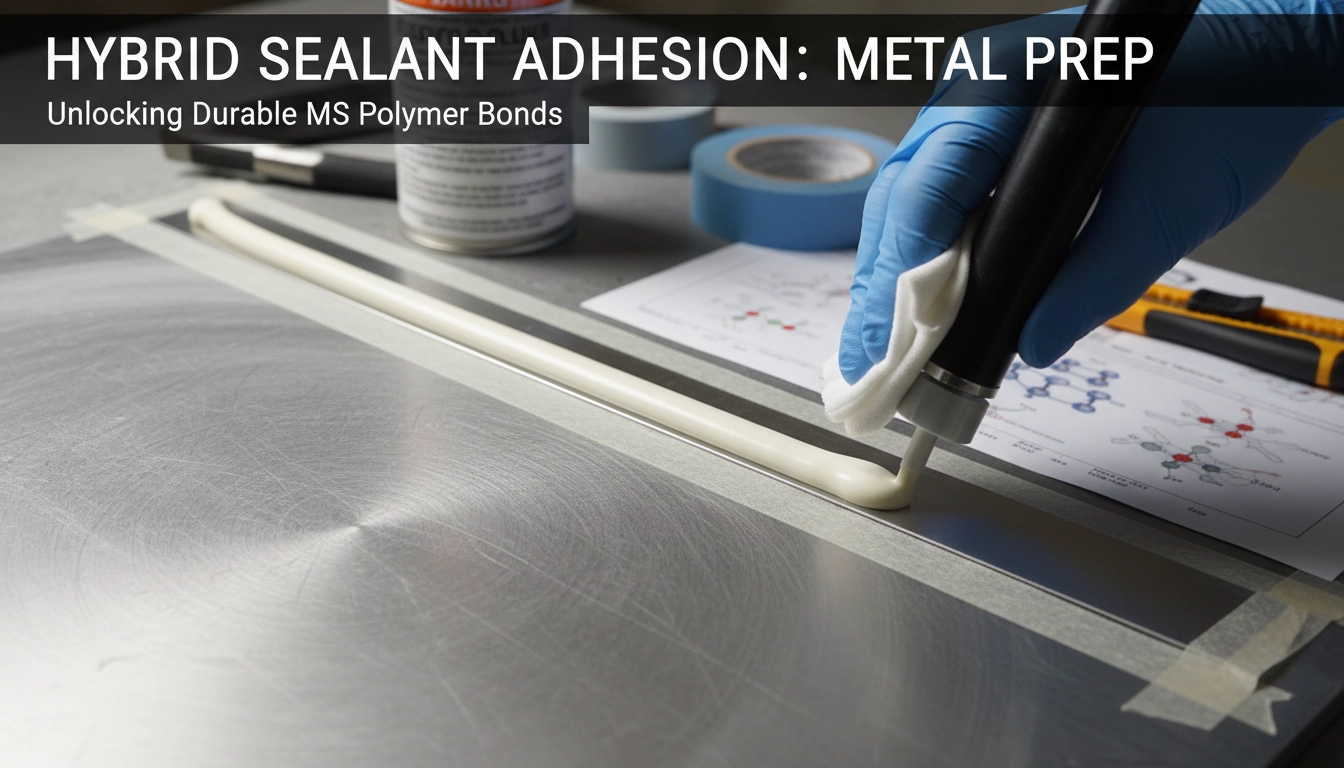
The Ultimate Guide to MS Sealant Adhesion to Metal: Unlocking Maximum Bond Strength
Bulk Purchasing Strategies for Neutral Cure Silicone Sealants
Specifying Low-VOC MS Silicone Sealant for Regulatory Compliance
HY-2100
Can the product be painted after curing?
Silicone sealants are generally not paintable. If painting is required, use compatible paintable sealants or consult us for alternatives.
HY994
What are the recommended application temperatures?
HY994 should be applied when the substrate temperature is between 4°C and 40°C. Outside this range, workability and adhesion may be affected.
HY997
What is the recommended application temperature?
For best performance, the substrate surface temperature should be between 4°C and 40°C during application.
HY638
Can HY-638 be used for structural glazing or heavy-duty architectural joints?
No. HY-638 is a general-purpose sealant and is not recommended for structural glazing, architectural joints, joints subject to heavy abrasion or wear, or tuck-pointing applications. For such applications, a specialized high-performance sealant should be selected.
Distributor Partnership
What is the minimum order quantity (MOQ)?
MOQ depends on the product type, packaging, and whether OEM/ODM is required.
We offer flexible solutions for new distributors.
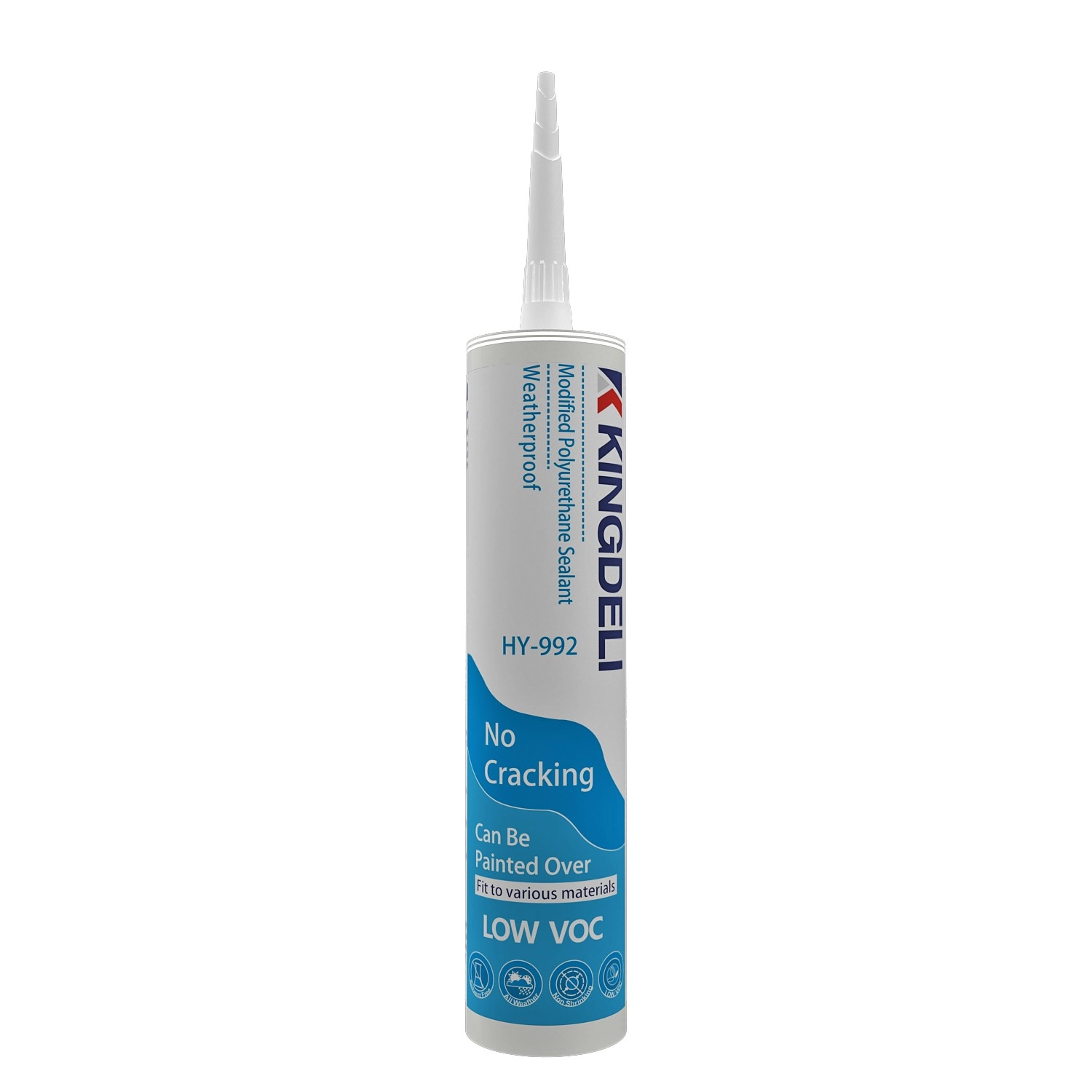
HY992 Modified Polyurethane Construction Sealant
HY992 Modified Polyurethane Sealant is a one-component, moisture-curing construction sealant designed for professional building and structural sealing applications. It provides excellent adhesion, weather resistance, and durable elasticity, making it suitable for a wide range of construction materials.
The formulation delivers strong bonding performance without corrosion or substrate contamination, while maintaining low VOC content for environmentally responsible construction projects.

HY995 Crystal Clear Ms Polymer Adhesive/Sealant
HY995 Crystal Clear Ms Polymer Adhesive/Sealant is a new generation MS Polymer adhesive / sealant formulated for all bonding and sealing applications where long term reliability is required. It has excellent bonding strength on various materials. It will cure to form a durable, flexible, waterproof seal.

HY997 High-Performance Anti-Microbial MS Polymer Sealant
HY997 MS polymer sealant for is is a premium one-component, neutral-curing modified silane sealant engineered for demanding interior applications. It offers a Class 20 movement capability, ensuring long-lasting flexibility and reliable performance under dynamic joint conditions. Curing at room temperature, HY997 delivers superior anti-microbial and mildew-resistant properties, maintaining hygienic and clean environments over time.
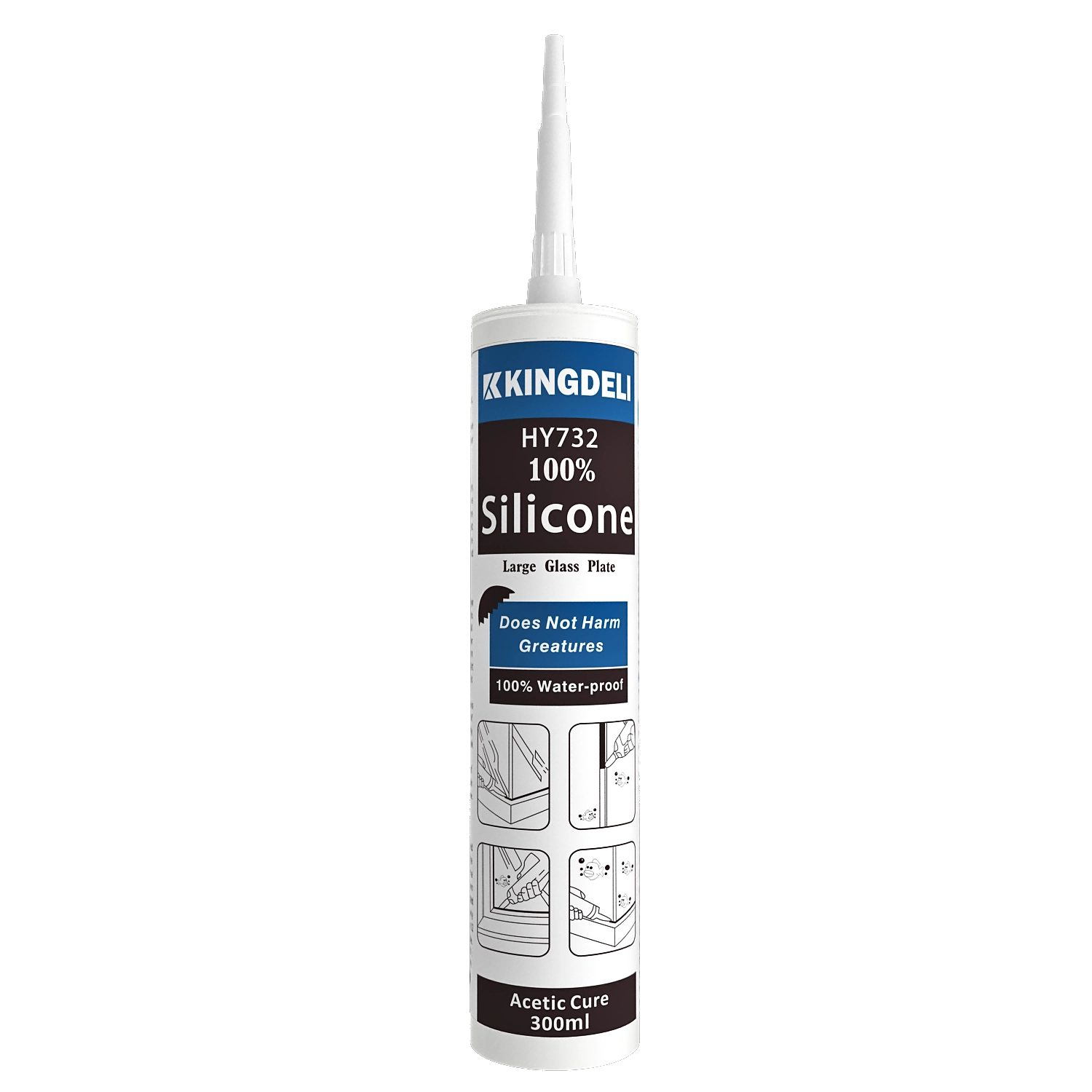
KINGDELI HY732 Professional Acetoxy Cure Silicone Sealant
KINGDELI HY732 is a professional-grade, one-component acetoxy cure silicone sealant designed for fast curing, strong adhesion, and long-lasting flexibility. Ideal for aquariums, glass applications, aluminum doors and windows, kitchens, and bathrooms, it provides reliable sealing performance with excellent anti-fungal protection in high-humidity environments.
Let’s Build Stronger Bonds with Quality Adhesives and Sealants
Have questions about the topic or need tailored sealant solutions for your project?
Our team is ready to provide expert guidance, product recommendations, and application support.
Innovating with Integrity, Bonding the World
Since 1998, KINGDELI has delivered trusted, sustainable sealant solutions that connect industries and inspire progress worldwide.
Whatsapp: +8618825946249
Kingdeli
Kingdeli
Kingdeli
Kingdeli
Kingdeli