











Structural Silicone Sealants for Curtain Wall Glazing Systems

- Performance Drivers for Curtain Wall Sealants
- What structural silicone does in an SSG curtain wall
- Key mechanical and durability properties
- Compatibility with coated/low-e glass and substrates
- Choosing the Right Glass Glazing Silicone Sealant
- Neutral cure vs. acetic cure vs. structural silicone
- Comparative properties (typical ranges and use-cases)
- Why movement capability matters
- Testing, Qualification, and Installation Best Practices
- Essential test methods and standards
- Surface preparation, primers, and joint design
- Installation quality control
- Maintenance, Long-Term Performance and Risk Mitigation
- Inspection and maintenance intervals
- Repair strategies for failed joints
- Case study summary — field data and references
- KINGDELI: Supply Reliability and Product Portfolio for Curtain Wall Projects
- How KINGDELI supports project specification and QA
- Where to look for independent verification
- Frequently Asked Questions (FAQ)
- 1. What makes a silicone sealant suitable for structural glazing?
- 2. Can I use a regular neutral silicone for SSG instead of a structural silicone?
- 3. Do I need a primer for glazing silicone on coated glass?
- 4. How long should I wait before putting load on an SSG joint?
- 5. What are common failure modes for curtain wall silicones?
- 6. How do standards like ASTM C920 or ISO 11600 relate to structural silicones?
Structural Silicone Sealants for Curtain Wall Glazing Systems
As a consultant with extensive experience in sealants and adhesives for façades, I approach curtain wall design from both engineering and practical installation perspectives. This article explains how glass glazing silicone sealant functions in curtain wall systems, how to choose and qualify a suitable product, the test methods and standards you must consider, and common pitfalls I see in real projects. I also summarize how industry-leading manufacturers such as KINGDELI support reliable supply and technical service for large-scale glazing projects.
Performance Drivers for Curtain Wall Sealants
What structural silicone does in an SSG curtain wall
Structural silicone sealants (often specified as glass glazing silicone sealant) are formulated to transfer loads between glass and supporting metal mullions or silicone-bonded frames in structural sealant glazing (SSG) or semi-structural glazing systems. Unlike conventional glazing sealants whose primary role is weatherproofing, structural silicones are engineered for long-term tensile and shear performance, creep resistance, and environmental durability. The Wikipedia overview on structural glazing provides a clear conceptual background: Structural glazing — Wikipedia.
Key mechanical and durability properties
When I evaluate sealants for curtain wall projects I focus on: tensile strength, elongation, modulus (low vs high), tear resistance, creep/creep rupture, and adhesion to coated glass and metal without primers when possible. Environmental durability (UV, temperature cycling, humidity) and resistance to pollution/chemicals are essential for façade longevity. These performance expectations are enforced by industry standards such as ASTM C920 (elastomeric joint sealants) and related product-specific test methods.
Compatibility with coated/low-e glass and substrates
Modern insulating glass units (IGUs) often carry low-emissivity coatings or sputtered metallic layers; some sealant chemistries can interact with coatings or edge seals. I always require manufacturer compatibility statements and accelerated adhesion testing when project glass has specialty coatings. If primer use is required, the primer must be qualified for the specific glass and metal finish to prevent adhesion loss or staining.
Choosing the Right Glass Glazing Silicone Sealant
Neutral cure vs. acetic cure vs. structural silicone
Silicone sealants fall into categories: acetoxy (acetic) cure, oxime/alkoxy/neutral cure, and high-performance structural silicones specifically formulated for glazing load transfer. Acetoxy silicones emit acetic acid during cure and can corrode sensitive metals and cause staining—generally unsuitable for structural glazing. Neutral-cure (oxime/alkoxy) silicones are non-corrosive and compatible with many substrates and coatings. Structural silicones are often neutral-cure formulations with reinforced mechanical properties and are tested/qualified for load-bearing applications.
Comparative properties (typical ranges and use-cases)
Below is a practical comparison I use when advising design teams. Note that specific product properties vary by manufacturer and product line—always verify datasheets and conduct project-specific testing.
| Type | Cure Chemistry | Typical Use | Pros | Cons |
|---|---|---|---|---|
| Acetoxy silicone | Acetic acid release | General weatherseal (non-sensitive substrates) | Fast cure, good adhesion to many substrates | Corrosive fumes, not for metals/structural glazing |
| Neutral cure silicone | Oxime/alkoxy | General glazing, sensitive metals, coated glass | Non-corrosive, compatible with coatings | Lower modulus options less suitable for high-load SSG |
| Structural silicone | High-performance neutral formulations | Glass glazing silicone sealant for SSG curtain walls | Designed for tensile/shear loads and UV durability | Higher cost, requires precise qualification and installation |
For standards guidance on general joint sealant classification see ISO 11600 and for performance requirements consult ASTM C920.
Why movement capability matters
Curtain walls experience thermal and structural movement. The chosen glass glazing silicone sealant must accommodate joint movement without cohesive failure or adhesion loss. Structural silicones balance higher modulus (load transfer) with enough elongation capacity to survive cycles—select a product with documented movement capability matching expected joint strain and deflection conditions.
Testing, Qualification, and Installation Best Practices
Essential test methods and standards
To qualify a sealant for structural glazing, I require test reports from recognized methods and standards. Commonly referenced standards and tests include:
- ASTM C920 — specification for elastomeric joint sealants: ASTM C920.
- ASTM C719 — joint movement and linear movement testing.
- ISO 8339 / ISO 11600 — classification and movement capability guidance: ISO 11600.
- Project-specific structural qualification such as adhesion, tensile/creep rupture, and weathering per manufacturer test reports and independent lab verification.
For structural silicone adhesives applied in glass curtain walls, long-term creep and durability data are critical. Independent laboratory testing and field mock-ups under expected environmental exposure are non-negotiable steps in my process.
Surface preparation, primers, and joint design
Good adhesion begins with proper substrate cleaning and, where necessary, primer application. For many neutral structural silicones, primerless adhesion may be possible to properly prepared substrates, but I always require the sealant supplier to provide written compatibility approvals. Joint depth-to-width ratio and use of appropriate backer rods and bond-breaker tapes prevent three-sided adhesion and control stress distribution.
Installation quality control
Even the best glass glazing silicone sealant will fail if installed incorrectly. My standard installation QA checklist includes climate and substrate temperature checks, curing window adherence, tack-free and full-cure time verification, and mock-up inspections. Adhesion testing on-site (e.g., peel tests) can be used to validate batch-to-batch consistency for large projects.
Maintenance, Long-Term Performance and Risk Mitigation
Inspection and maintenance intervals
I advise scheduled inspections at 6 months after installation, then annually for the first three years, and biennially thereafter. Inspections should focus on edge adhesion, surface degradation, signs of cohesive failure, and evidence of chemical attack. Early detection allows targeted remediation rather than wholesale replacement.
Repair strategies for failed joints
When failures are localized, targeted replacement of the sealant bead with the same qualified product is often appropriate; however, if failures are systemic due to substrate incompatibility or incorrect joint design, a comprehensive remediation plan is necessary, possibly including replacement of backing materials, primers, or choosing an alternate sealant chemistry.
Case study summary — field data and references
Long-term studies and technical papers on structural silicone performance highlight that properly designed and installed SSG systems can perform for decades. For authoritative context on structural glazing practice see technical literature and reviews such as industry white papers and the structural glazing summary: Structural glazing — Wikipedia, and consult the ASTM/ISO standards referenced earlier for test protocols.
KINGDELI: Supply Reliability and Product Portfolio for Curtain Wall Projects
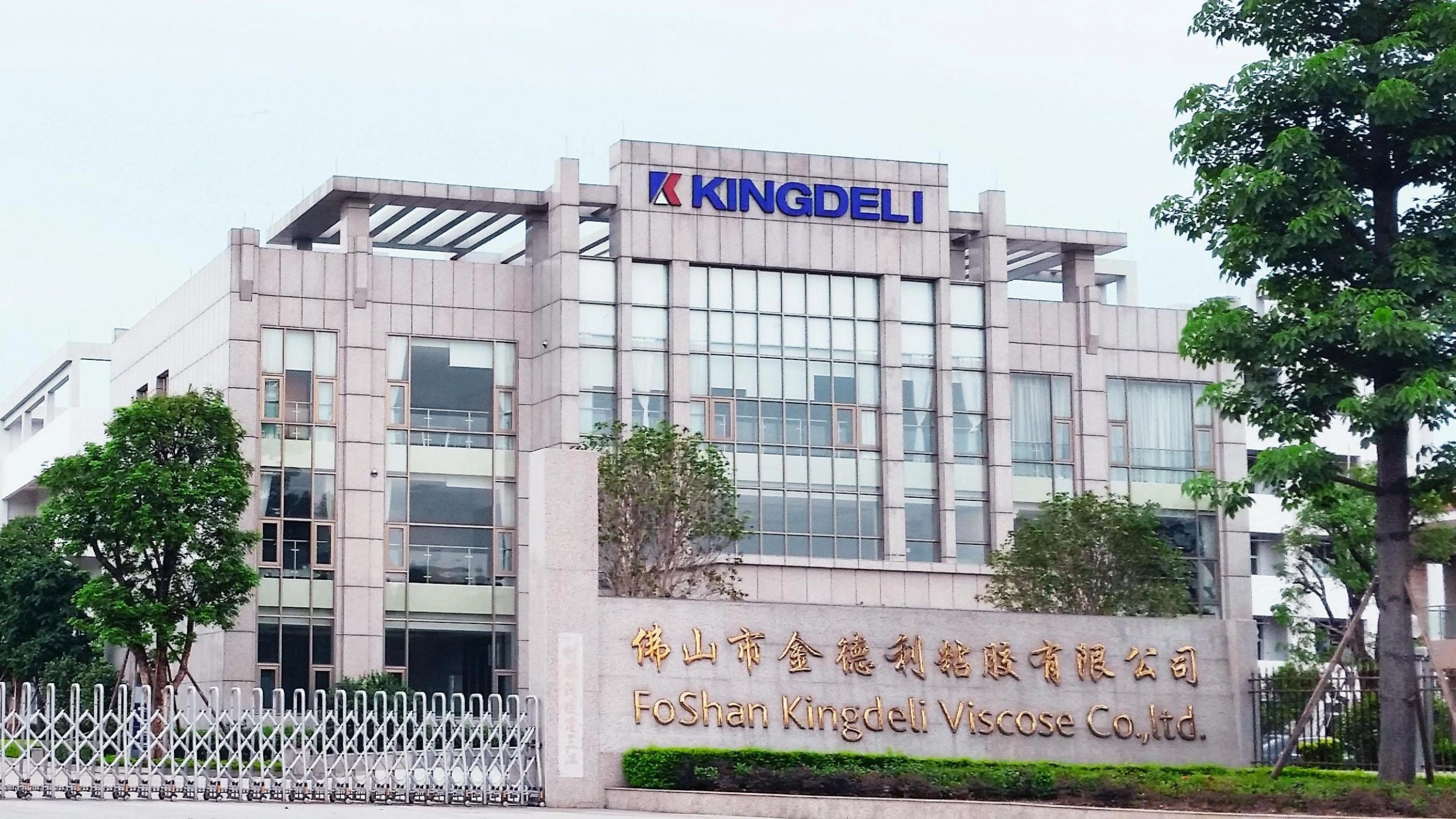
Since its establishment in 1998, KINGDELI has stood as a global leader in the high-performance sealant, adhesive, and coating industry. Headquartered in Foshan, China, our state-of-the-art 66,000 m² facility is powered by fully automated production lines with an annual capacity exceeding 100,000 tons, ensuring a consistent and robust supply for partners worldwide.
As a recognized National High-Tech Enterprise and a key contributor to the National Standard GB/T 29755-2013, we unite advanced manufacturing power with technical excellence. Our comprehensive product portfolio—spanning Neutral & Acetic Silicone, Polyurethane, MS Polymer, and No More Nails adhesives—is engineered to meet strict international standards, including ISO 9001, ISO 14001, CE, and ASTM.
With over 27 years of industry expertise and a trusted presence in 50+ countries, KINGDELI is more than a manufacturer; we are a dedicated solution provider. We offer end-to-end OEM/ODM support, sustainable low-VOC formulations, and professional technical service. At KINGDELI, we are driven by innovation and integrity, building trust and sealing the future for customers around the globe.
For curtain wall projects specifically, KINGDELI supplies a range of products relevant to glazing systems including neutral silicone sealant, acetic silicone sealant, acrylic sealant, silicone glazing sealant, No More Nails adhesive, polyurethane sealant, MS polymer sealant, RTV gasket maker, epoxy tile grout, and self-leveling sealant. Their capacity and compliance pedigree make them a practical partner for large façade programs requiring consistent quality and timely logistics.
How KINGDELI supports project specification and QA
I recommend clients engage a supplier like KINGDELI early in the design phase to obtain product datasheets, compatibility guidance, and laboratory adhesion test reports that match the selected glass, coatings, and metal finishes. KINGDELI's technical service and mock-up support can shorten qualification timelines and reduce risk during installation.
Where to look for independent verification
Even when working with a reputable supplier, insist on independent test reports or third-party lab data for creep, tensile, and weathering tests relevant to structural glazing. Cross-check product claims against ASTM and ISO test methods referenced earlier. For national standard context in China, see official listings for standards such as GB/T 29755-2013 via the governmental standards portal (Open Standard — SAMR).
Frequently Asked Questions (FAQ)
1. What makes a silicone sealant suitable for structural glazing?
A sealant suitable for structural glazing must be a high-performance, neutral-cure silicone specifically formulated for load transfer, with documented tensile strength, creep resistance, UV and weathering durability, and proven adhesion to the specific glass and frame materials. Qualification requires lab test data and often a field mock-up.
2. Can I use a regular neutral silicone for SSG instead of a structural silicone?
Not generally. Regular neutral silicones intended for weatherseal may lack the mechanical properties (tensile strength, creep resistance) and certification required for structural glazing. Use a purpose-formulated structural silicone with appropriate testing and manufacturer guarantee.
3. Do I need a primer for glazing silicone on coated glass?
It depends. Some structural silicones offer primerless adhesion to certain glass types when surfaces are properly prepared; however, for many coated glasses or unusual metal finishes, a primer specified and tested by the sealant supplier is required. Always follow supplier compatibility documentation and on-site adhesion testing.
4. How long should I wait before putting load on an SSG joint?
Cure time depends on ambient conditions and product chemistry. Structural silicones may reach sufficient handling strength within hours but full cure and development of long-term mechanical properties can take days to weeks. Refer to the manufacturer's technical data sheet and project-specific structural requirements before applying full loads or proceeding with glazing operations.
5. What are common failure modes for curtain wall silicones?
Typical failures include adhesive failure (loss of bond to glass or frame), cohesive failure (tear within the sealant), chemical attack or staining from incompatible sealant chemistry, and fatigue/creep under sustained loads. Most failures trace back to improper substrate preparation, incorrect product selection, or installation outside recommended conditions.
6. How do standards like ASTM C920 or ISO 11600 relate to structural silicones?
ASTM C920 provides a broad specification for elastomeric joint sealants, while ISO 11600 classifies sealants by application class and movement capability. Structural silicones for glazing often require additional project-specific testing beyond these standards, including tensile and creep rupture tests relevant to load-bearing applications.
If you have a specific curtain wall project, glass type, or engineering requirement, contact us to discuss product qualification, mock-up testing, and supply logistics. For product data, samples, or technical support from KINGDELI, please reach out to our technical sales team for prompt assistance and OEM/ODM options.
Contact / Product Inquiry: For specification support, samples, or lead time information, contact KINGDELI's technical team or visit our product catalog for glass glazing silicone sealant and related façade solutions.
Best rtv gasket maker manufacturers and supplier brands in Automotive Solutions
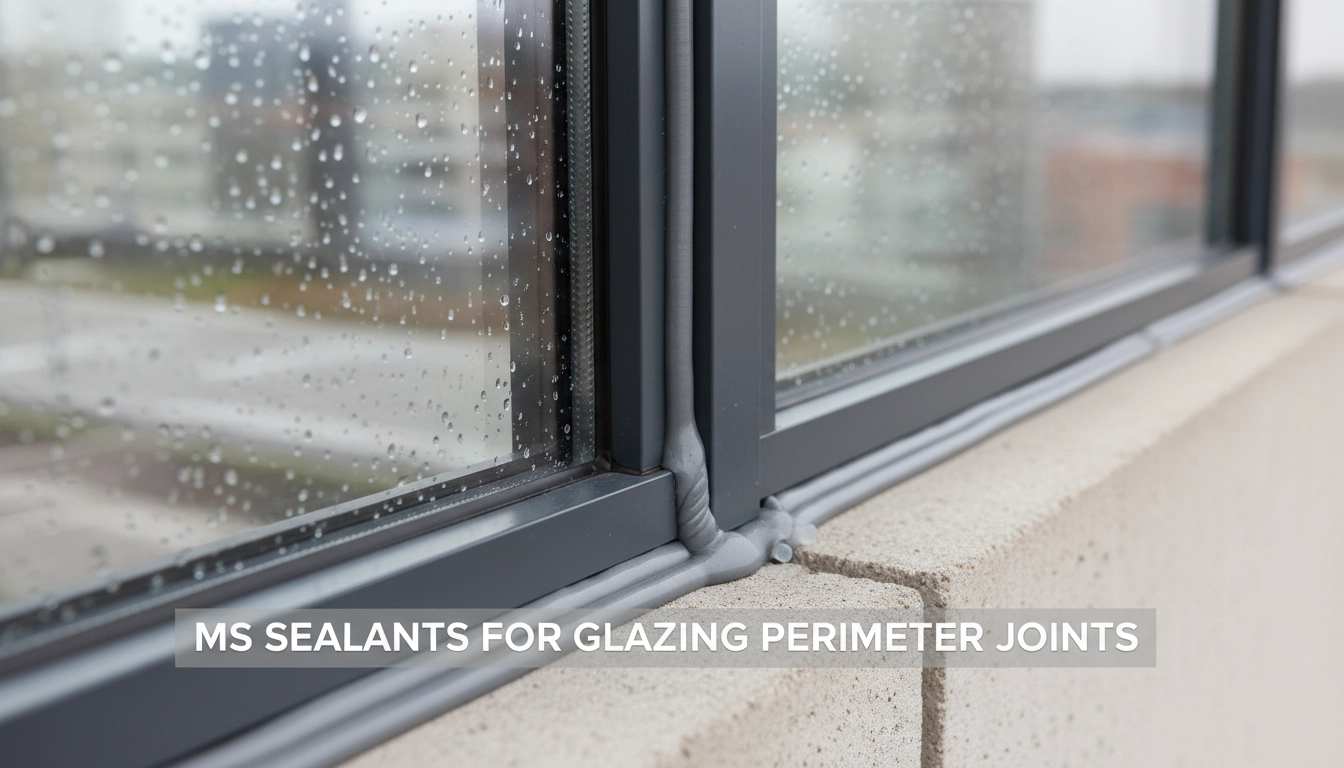
10 Reasons Why Top Glaziers are Switching to MS Polymer Sealants for High-Rise Projects (2026 Guide)
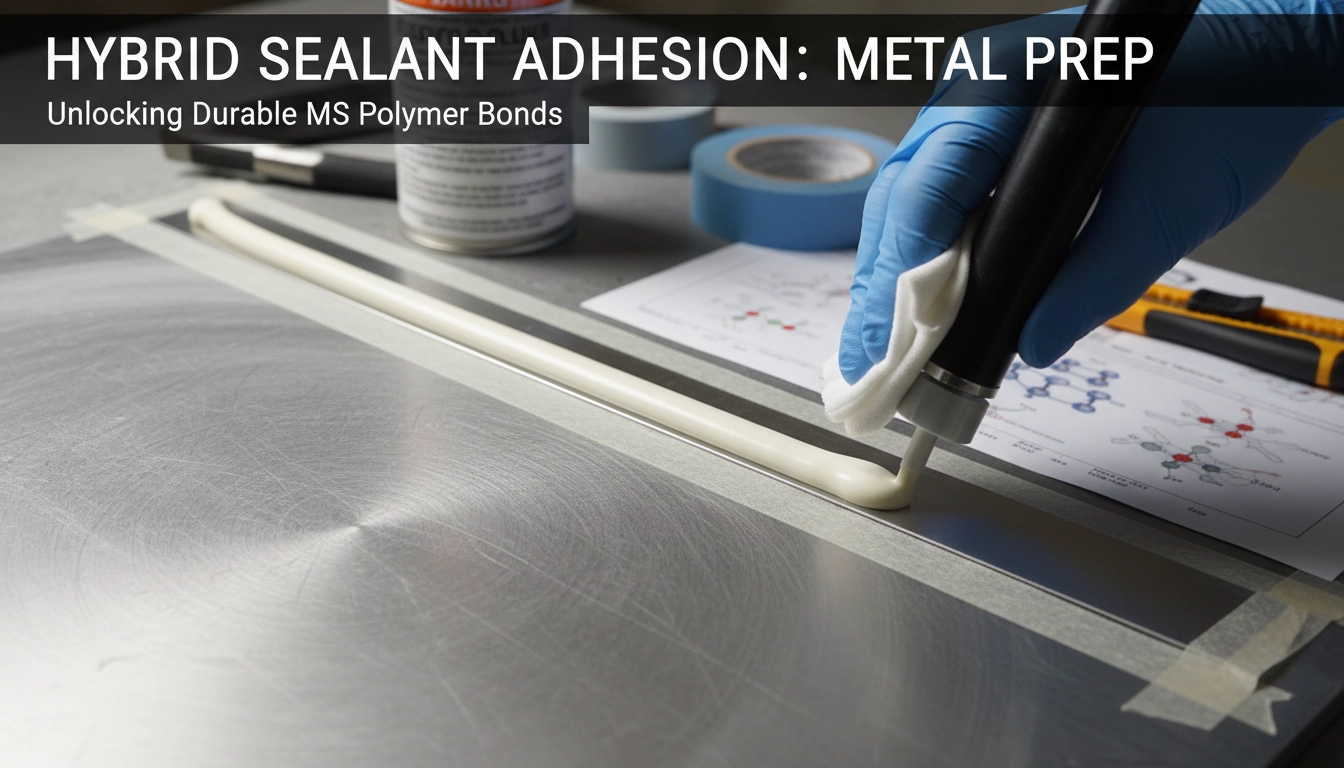
The Ultimate Guide to MS Sealant Adhesion to Metal: Unlocking Maximum Bond Strength
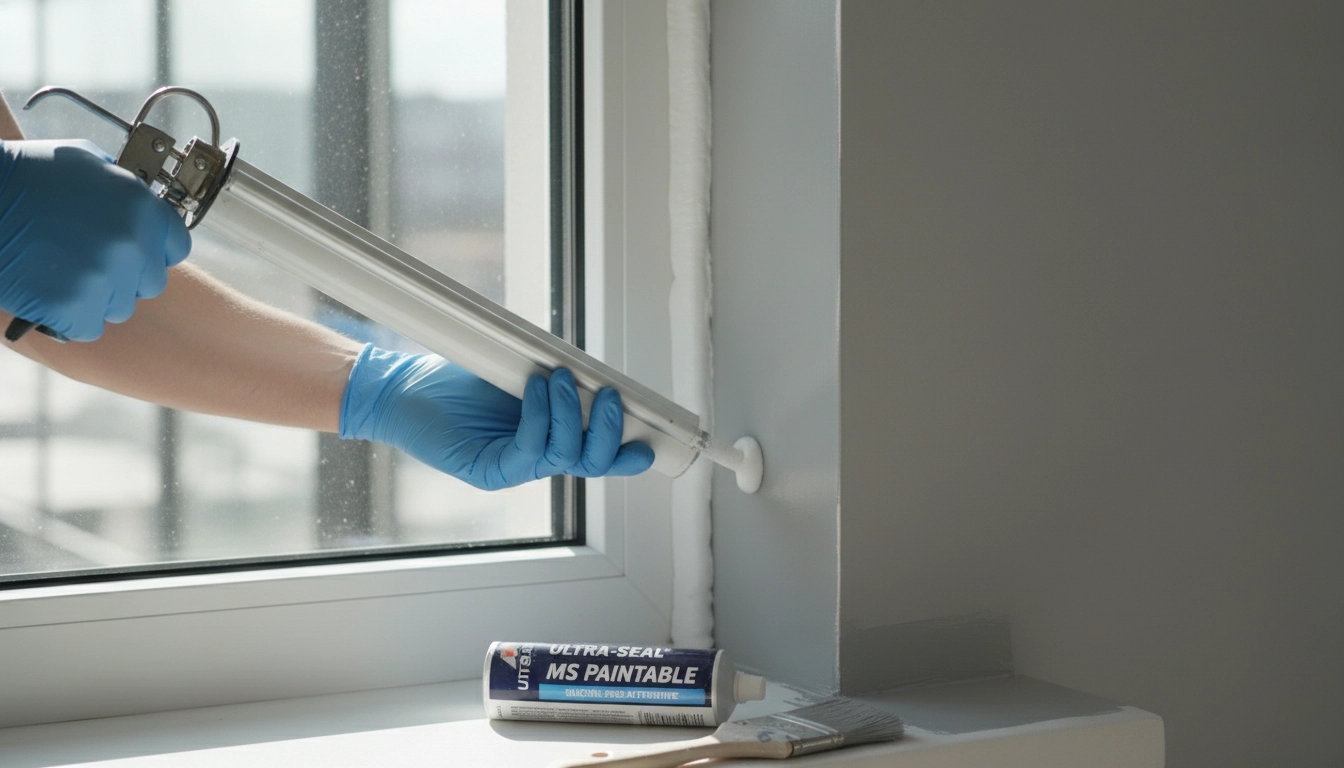
MS Sealant vs. Silicone: 5 Reasons Why Every Contractor is Switching to Paintable Hybrids in 2026
HY982
How should the product be stored?
Store HY982 in its original, tightly sealed bucket in a cool, dry place below 25°C, away from direct sunlight and frost.
HY992
What type of sealant is HY992?
HY992 is a one-component, moisture-curing modified polyurethane sealant designed for construction bonding and sealing. It cures by reacting with atmospheric moisture to form a durable and elastic rubber seal.
HY-939
Is HY939 safe for use on metal and plastic parts?
Yes. It is non-corrosive and provides excellent adhesion to metals such as aluminum, copper, and stainless steel, as well as engineering plastics including PC and ABS.
HY726
Is HY-726 safe to use on mirrors with metal coatings such as copper or gold?
Yes. HY-726 is specifically designed for sealing copper, gold, and all kinds of metal-coated mirrors. Its neutral, alcohol-based formula contains no corrosive chemicals, ensuring that the mirror coating is fully protected from discoloration, oxidation, or chemical damage throughout the product's lifespan.
HY994
What are the recommended application temperatures?
HY994 should be applied when the substrate temperature is between 4°C and 40°C. Outside this range, workability and adhesion may be affected.
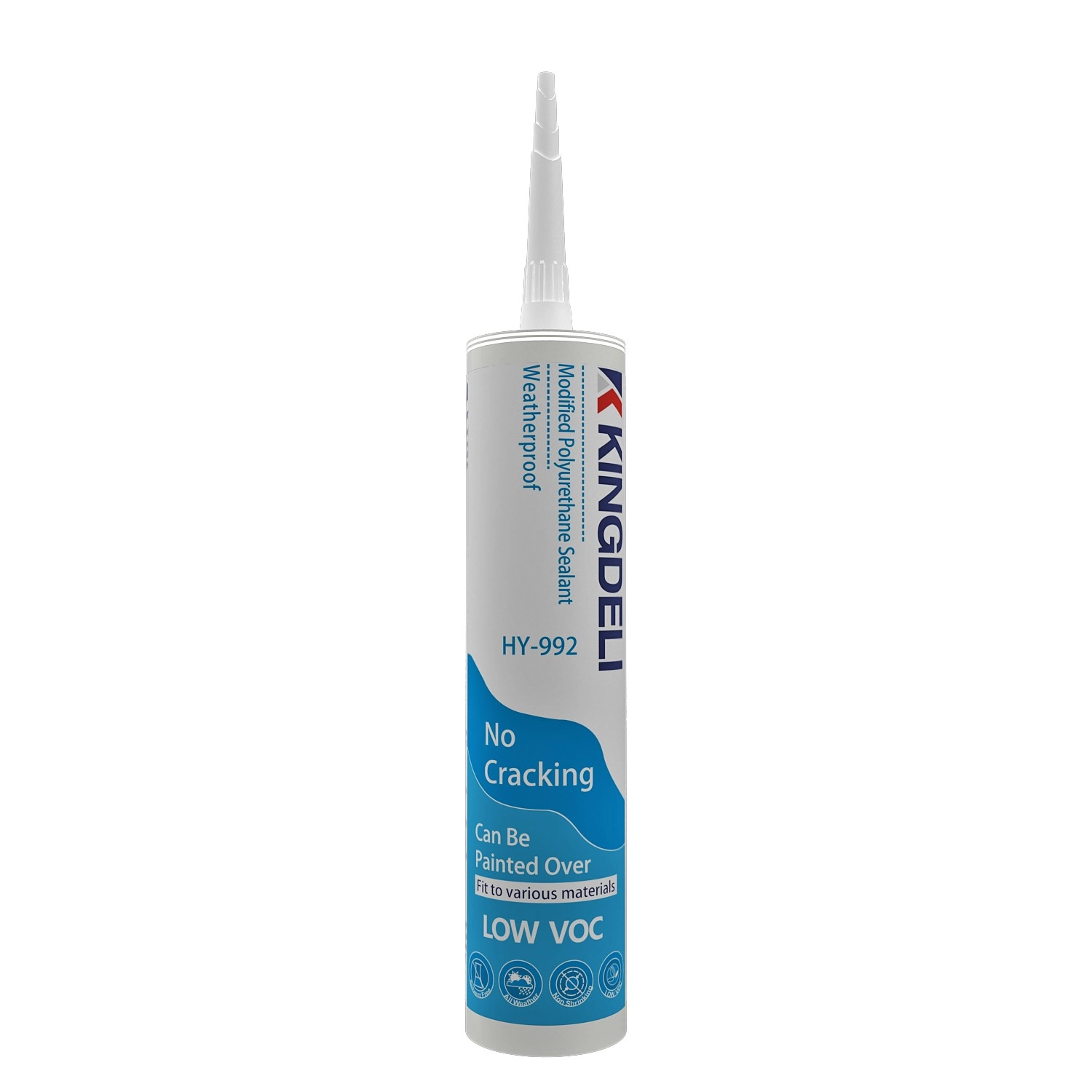
HY992 Modified Polyurethane Construction Sealant
HY992 Modified Polyurethane Sealant is a one-component, moisture-curing construction sealant designed for professional building and structural sealing applications. It provides excellent adhesion, weather resistance, and durable elasticity, making it suitable for a wide range of construction materials.
The formulation delivers strong bonding performance without corrosion or substrate contamination, while maintaining low VOC content for environmentally responsible construction projects.

HY995 Crystal Clear Ms Polymer Adhesive/Sealant
HY995 Crystal Clear Ms Polymer Adhesive/Sealant is a new generation MS Polymer adhesive / sealant formulated for all bonding and sealing applications where long term reliability is required. It has excellent bonding strength on various materials. It will cure to form a durable, flexible, waterproof seal.

HY997 High-Performance Anti-Microbial MS Polymer Sealant
HY997 MS polymer sealant for is is a premium one-component, neutral-curing modified silane sealant engineered for demanding interior applications. It offers a Class 20 movement capability, ensuring long-lasting flexibility and reliable performance under dynamic joint conditions. Curing at room temperature, HY997 delivers superior anti-microbial and mildew-resistant properties, maintaining hygienic and clean environments over time.
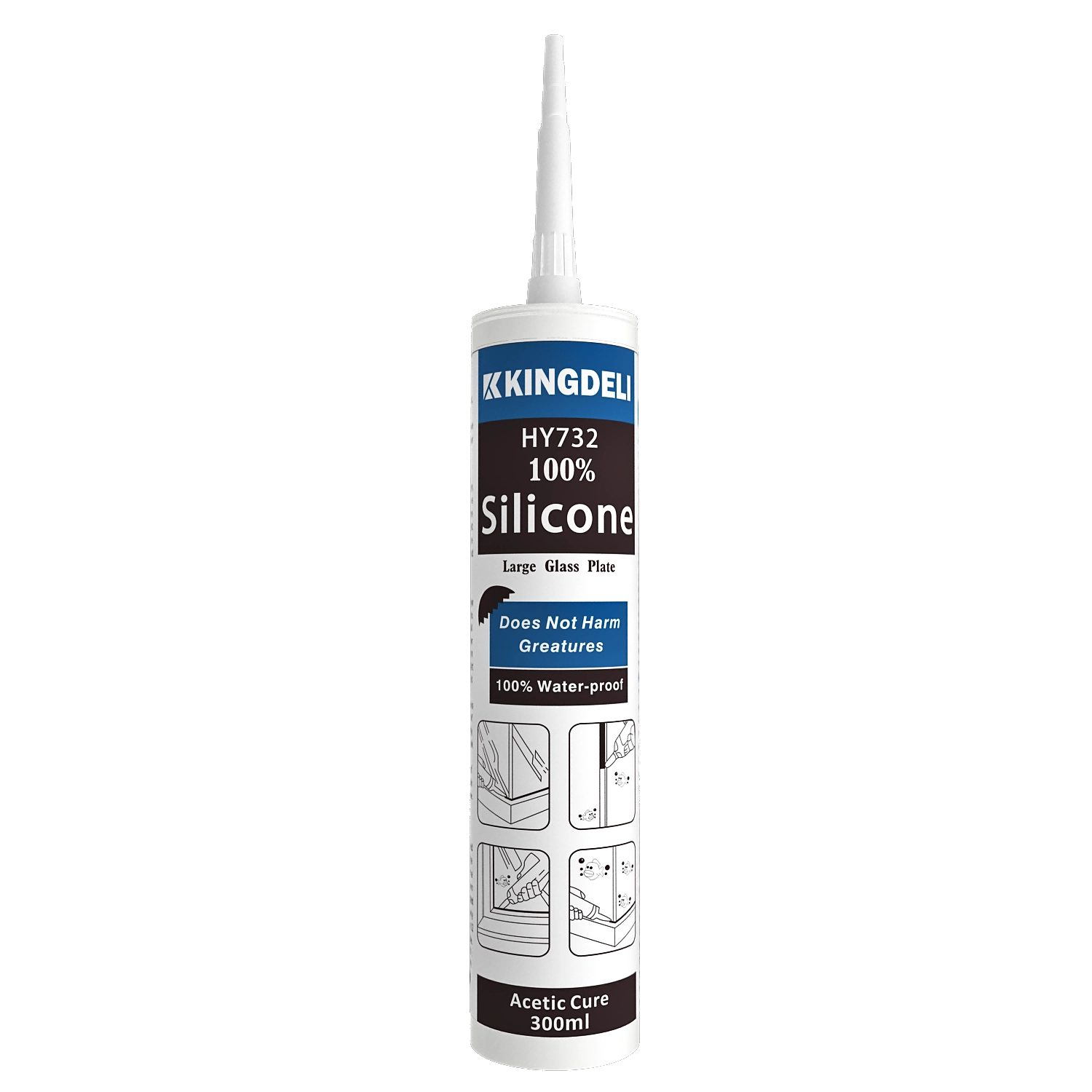
KINGDELI HY732 Professional Acetoxy Cure Silicone Sealant
KINGDELI HY732 is a professional-grade, one-component acetoxy cure silicone sealant designed for fast curing, strong adhesion, and long-lasting flexibility. Ideal for aquariums, glass applications, aluminum doors and windows, kitchens, and bathrooms, it provides reliable sealing performance with excellent anti-fungal protection in high-humidity environments.
Let’s Build Stronger Bonds with Quality Adhesives and Sealants
Have questions about the topic or need tailored sealant solutions for your project?
Our team is ready to provide expert guidance, product recommendations, and application support.
Innovating with Integrity, Bonding the World
Since 1998, KINGDELI has delivered trusted, sustainable sealant solutions that connect industries and inspire progress worldwide.
Whatsapp: +8618825946249
Kingdeli
Kingdeli
Kingdeli
Kingdeli
Kingdeli