


How to Specify Silicone Sealant Performance Standards (ASTM/EN)

- Understanding performance requirements for building façades
- Why precise specification matters
- Performance drivers for glass glazing silicone sealant
- How I use risk-based acceptance criteria
- Key ASTM and EN standards for silicone sealants
- ASTM standards commonly referenced
- EN standards and harmonized documents
- Other relevant international standards
- How to specify test methods and acceptance criteria
- Movement capability and class selection
- Adhesion, tensile properties and elongation
- Durability: weathering, UV, and accelerated aging
- Comparing test methods and acceptance criteria (ASTM vs EN)
- Side-by-side comparison table
- Data sources and verifiability
- Practical specification template and quality assurance
- Sample specification clauses I use
- Prequalification and samples
- Inspection, testing and acceptance on site
- KINGDELI: supplier capability and how to leverage manufacturer support
- Implementation checklist and procurement tips
- Procurement checklist I use with clients
- Choosing the right test laboratory
- Common pitfalls and how to avoid them
- Frequently Asked Questions (FAQ)
- 1. What movement capability should I specify for exterior storefronts?
- 2. Is neutral-cure better than acetic-cure for glass glazing?
- 3. How do I verify manufacturer test claims?
- 4. What role does primer play for glass glazing silicone sealant?
- 5. How should I handle low-VOC requirements?
- 6. Can I accept manufacturer-supplied test data alone?
As a consultant with decades of hands-on and lab experience in sealants and adhesives, I often advise architects, façade engineers, and procurement teams on how to specify product requirements that deliver long-term performance. This article focuses on how to specify silicone sealant performance using applicable ASTM and EN standards for glass glazing silicone sealant used in commercial façades and window systems. I provide practical test-based criteria, sample specification text, a comparative standards table, and quality assurance measures so you can write enforceable, verifiable specifications that reduce risk and ensure durability.
Understanding performance requirements for building façades
Why precise specification matters
When I assess glazing failures on-site, the root cause is frequently a mismatch between specified performance and the product supplied. A clear, standards-referenced specification prevents ambiguity. For glazed systems, specifying a glass glazing silicone sealant without referencing specific performance tests (e.g., movement capability, tensile strength, adhesion, weathering) leaves the door open to inferior materials or improper installation.
Performance drivers for glass glazing silicone sealant
Key drivers I evaluate include: differential thermal movement in unitized façades, UV and weathering resistance for exposed joints, adhesion to glass and framing materials, compatibility with sealants and coatings, and low-VOC requirements for indoor air quality. Addressing these drivers in measurable terms—using ASTM/EN test methods—lets you verify compliance at procurement and on-site.
How I use risk-based acceptance criteria
I recommend a risk-based approach: higher-risk joints (structural glazing, butt joints, unitized perimeter seals) should require the most stringent testing. Lower-risk filler joints (interior glazing beads) can have relaxed criteria. This prioritization keeps budgets rational while managing performance where failures are most consequential.
Key ASTM and EN standards for silicone sealants
ASTM standards commonly referenced
For glass glazing silicone sealant, the most commonly cited ASTM standards are:
- ASTM C920 — Specification for Elastomeric Joint Sealants. This is the primary ASTM reference for silicone glazing sealants, defining classes, grades, and test methods including movement capability.
- ASTM C794 — Adhesion-In-Peel of Elastomeric Joint Sealants. Used to quantify adhesion to glass or metal substrates.
- ASTM C1248 — Movement of Structural Sealants. Applicable for structural silicone glazing.
EN standards and harmonized documents
In Europe and for projects using EN standards, the relevant documents include:
- EN 15651 — Sealants for façade and glazed elements. Part 1–4 cover different applications (façade sealing, glazing, sanitary, cold-applied joints) and include performance criteria for weathering and movement.
- CEN documents and guidance for implementation.
Other relevant international standards
Depending on project location, I cross-reference ISO test methods (e.g., ISO 37 for tensile properties) and national standards such as China’s GB/T 29755-2013 for sealant classification. Referencing multiple standards can be helpful for projects with global supply chains.
How to specify test methods and acceptance criteria
Movement capability and class selection
ASTM C920 classifies sealants by movement capability (±25%, ±50%, etc.) and application type. For exterior glass joints I typically specify a silicone glazing sealant meeting at least Class 25 or 50 (movement capability ±25% or ±50%), depending on expected thermal movement. EN 15651 uses designation F(ext)-EXT-INT categories—select the appropriate subset for façade and glazing joints.
Adhesion, tensile properties and elongation
Specify measurable acceptance values: tensile strength (MPa) and elongation at break (%) per ASTM or ISO test methods. For many high-performance glass glazing silicone sealant applications, I require tensile strength ≥0.5 MPa and elongation at break ≥350% after specified conditioning, but adjust based on joint design and project-specific stresses. Adhesion-in-peel per ASTM C794 should show no cohesive failure or loss of adhesion after accelerated weathering.
Durability: weathering, UV, and accelerated aging
Insist on accelerated weathering (UV exposure) and artificial aging tests with acceptance criteria tied to joint performance, not just cosmetic change. EN 15651 and ASTM guidance both include exposure tests; I require no adhesion failure and limited tensile degradation (e.g., <25% reduction in tensile strength after accelerated aging intervals specified in the spec).
Comparing test methods and acceptance criteria (ASTM vs EN)
Side-by-side comparison table
Below I summarize common tests and recommended acceptance criteria I use when specifying a glass glazing silicone sealant. These values are illustrative—adjust to project risk and materials.
| Performance Parameter | Common Test (ASTM/EN) | Typical Acceptance I Specify |
|---|---|---|
| Movement capability | ASTM C920; EN 15651 | Class 25 or 50 (±25% or ±50%) based on joint design |
| Tensile Strength / Elongation | ASTM D412 / ISO 37 | Tensile strength ≥0.5 MPa; Elongation ≥300–500% (project-dependent) |
| Adhesion / Peel | ASTM C794; EN 15651 adhesion tests | No adhesive failure after conditioning; peel strength consistent with manufacturer data |
| Weathering / UV | ASTM G154 / EN ISO UV exposure | No loss of adhesion; <25% tensile property degradation after defined cycles |
| Compatibility with IG coatings | Manufacturer compatibility tests; ASTM C979 for sealant primers | Manufacturer documented compatibility; test on sample mock-up |
Data sources and verifiability
I pull test method details from standard bodies and peer-reviewed guidance. For ASTM references see ASTM International. For EN standards see CEN. These references let you tie acceptance to recognized procedures that labs can execute and auditors can verify.
Practical specification template and quality assurance
Sample specification clauses I use
Here is a concise, enforceable clause I often include in project specifications addressing glass glazing silicone sealant:
1. Product: Glass glazing silicone sealant, neutral-cure, ASTM C920 Grade NS (or Class 25/50), suitable for glazing to aluminum and glass.2. Performance: Manufacturer shall provide test data demonstrating compliance with ASTM C920 and adhesion per ASTM C794 to specified substrates after 28 days and after accelerated aging.3. Movement capability: ±25% (or ±50% as indicated) per ASTM C920.4. Tensile/Elongation: Minimum tensile strength 0.5 MPa and elongation at break ≥350% per ASTM D412 (conditioned).5. Weathering: No adhesion failure after ASTM G154 radiative exposure equivalent to 5 years outdoor exposure; tensile reduction ≤25%.6. VOC: ≤50 g/L (or project-specific limit).
Prequalification and samples
I always require prequalification: product data sheets, independent lab test reports, and mock-up samples installed and aged (natural or accelerated). Independent laboratory verification prevents conflicts of interest when suppliers submit in-house data.
Inspection, testing and acceptance on site
On-site acceptance should include visual inspection, adhesion testing on reserved sample joints (adhesion-in-peel), and verification of cure and joint geometry (depth-to-width ratio). Include clauses requiring the contractor to retain witness samples for client inspection and provide lab certificates for each batch or lot when practicable.
KINGDELI: supplier capability and how to leverage manufacturer support
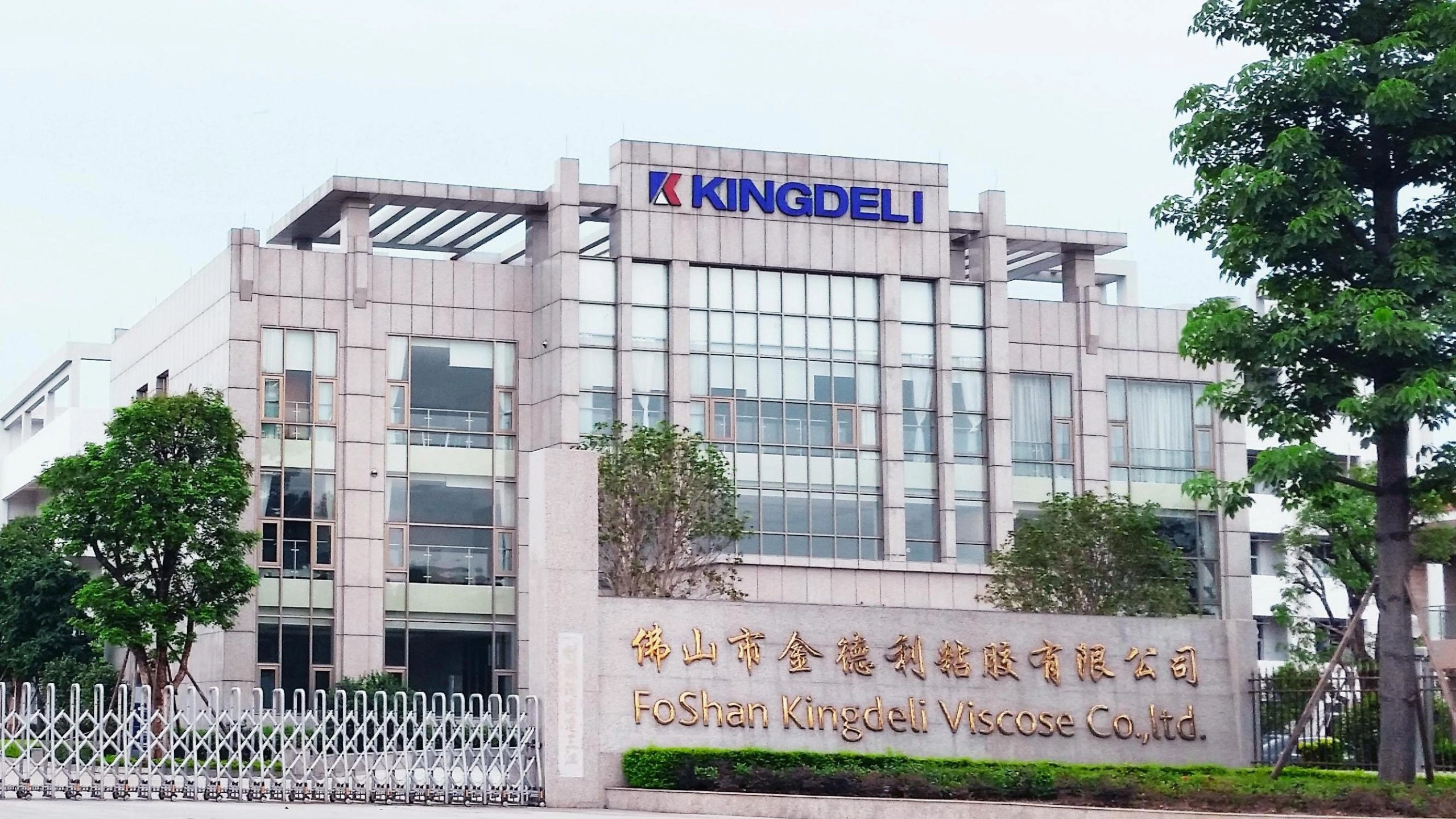
Since its establishment in 1998, KINGDELI has stood as a global leader in the high-performance sealant, adhesive, and coating industry. Headquartered in Foshan, China, our state-of-the-art 66,000 m² facility is powered by fully automated production lines with an annual capacity exceeding 100,000 tons, ensuring a consistent and robust supply for partners worldwide.
As a recognized National High-Tech Enterprise and a key contributor to the National Standard GB/T 29755-2013, we unite advanced manufacturing power with technical excellence. Our comprehensive product portfolio—spanning Neutral & Acetic Silicone, Polyurethane, MS Polymer, and No More Nails adhesives—is engineered to meet strict international standards, including ISO 9001, ISO 14001, CE, and ASTM.
With over 27 years of industry expertise and a trusted presence in 50+ countries, KINGDELI is more than a manufacturer; we are a dedicated solution provider. We offer end-to-end OEM/ODM support, sustainable low-VOC formulations, and professional technical service. At KINGDELI, we are driven by innovation and integrity, building trust and sealing the future for customers around the globe.
Recommended KINGDELI products for glass projects include: neutral silicone sealant, acetic silicone sealant, acrylic sealant, silicone glazing sealant, No More Nails adhesive, polyurethane sealant, MS polymer sealant, RTV gasket maker, epoxy tile grout, and self-leveling sealant. When specifying, I advise asking manufacturers for complete data packs, including independent test reports for the glass glazing silicone sealant chosen.
Implementation checklist and procurement tips
Procurement checklist I use with clients
- Reference specific ASTM/EN standards and test methods in the spec.
- Specify movement capability and tensile/elongation acceptance values.
- Require independent lab verification and batch traceability.
- Mandate mock-ups and on-site adhesion checks before full installation.
- Include low-VOC limits and compatibility verification with coatings/IG coatings.
Choosing the right test laboratory
Use an accredited laboratory (e.g., ISO/IEC 17025) to ensure data credibility. I prefer labs with façade or construction materials experience to avoid misinterpreted results.
Common pitfalls and how to avoid them
Common mistakes include vague performance language, accepting only manufacturer data without independent confirmation, and omitting joint design criteria (depth-to-width ratio). Avoid these by using the template clauses above and insisting on third-party test reports and project-specific mock-ups.
Frequently Asked Questions (FAQ)
1. What movement capability should I specify for exterior storefronts?
I typically specify ±25% (Class 25) for typical storefront perimeter joints and ±50% for larger unitized façades or joints expected to experience greater thermal movement. Choose based on joint width, substrate CTE differences, and design movement calculations.
2. Is neutral-cure better than acetic-cure for glass glazing?
Neutral-cure silicones are preferred for most glazed systems because they are non-corrosive and compatible with sensitive metals and coatings. Acetic-cure silicones can release acetic acid during cure and may corrode some metals or react with coatings—use them only where compatibility is assured.
3. How do I verify manufacturer test claims?
Require independent third-party lab reports (ISO/IEC 17025 accredited) for the specific product batch or a recent lot. Also request installed mock-ups that undergo accelerated aging and field adhesion tests before production installation.
4. What role does primer play for glass glazing silicone sealant?
Primers improve adhesion to difficult substrates. Specify when manufacturer compatibility tests indicate a primer is necessary for adhesion to coated glass, certain metals, or ceramic frits. Reference ASTM C1193 (Guide for Use of Joint Sealants) for primer recommendations.
5. How should I handle low-VOC requirements?
Include a maximum VOC limit in the specification (e.g., ≤50 g/L) and require VOC test reports per relevant environmental standards. For indoor projects or green building certification, tighter limits may apply.
6. Can I accept manufacturer-supplied test data alone?
No. Manufacturer data is valuable but should be supplemented by independent laboratory verification. I always require at least one third-party report covering key tests listed in the specification.
If you need a specification review, product data packs, or independent testing coordination for your next façade or glazing project, contact KINGDELI technical support or request product samples and test certificates. Our team can provide tailored specification language, test reports, and mock-up support to ensure you get the right glass glazing silicone sealant for your application.
Contact us to discuss your project or request product samples and technical documentation today.
Paintability and Overcoating of Neutral Silicone Sealants
Silicone Sealant for Windows and Doors: Samples, Lead Times, Risks
OEM/ODM rtv silicone gasket maker Manufacturers and Suppliers
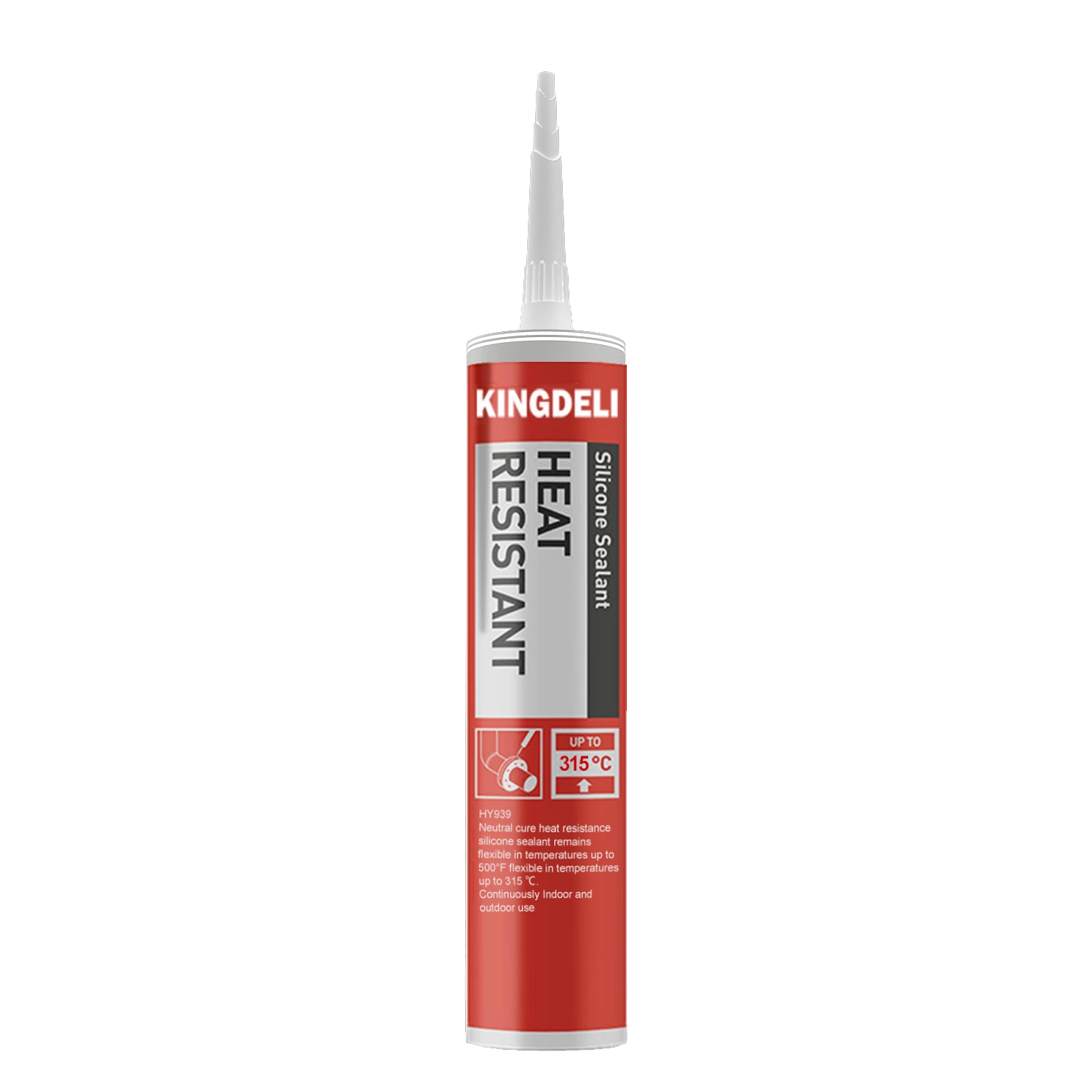
HY939A Neutral Heat Resistant Silicone Sealant | KINGDELI
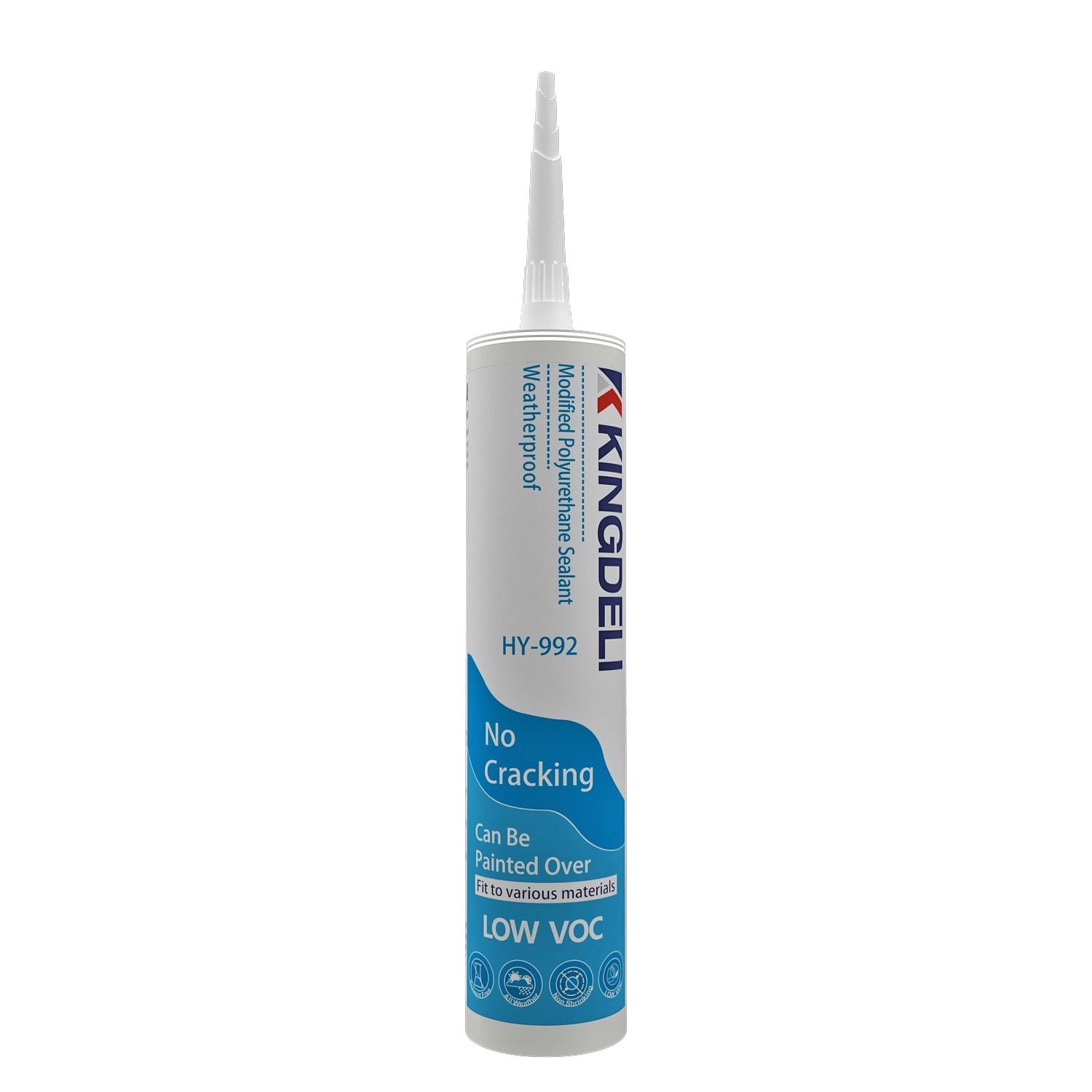
HY992 Modified Polyurethane Construction Sealant
HY992 Modified Polyurethane Sealant is a one-component, moisture-curing construction sealant designed for professional building and structural sealing applications. It provides excellent adhesion, weather resistance, and durable elasticity, making it suitable for a wide range of construction materials.
The formulation delivers strong bonding performance without corrosion or substrate contamination, while maintaining low VOC content for environmentally responsible construction projects.

HY995 Crystal Clear Ms Polymer Adhesive/Sealant
HY995 Crystal Clear Ms Polymer Adhesive/Sealant is a new generation MS Polymer adhesive / sealant formulated for all bonding and sealing applications where long term reliability is required. It has excellent bonding strength on various materials. It will cure to form a durable, flexible, waterproof seal.

HY997 High-Performance Anti-Microbial MS Polymer Sealant
HY997 MS polymer sealant for is is a premium one-component, neutral-curing modified silane sealant engineered for demanding interior applications. It offers a Class 20 movement capability, ensuring long-lasting flexibility and reliable performance under dynamic joint conditions. Curing at room temperature, HY997 delivers superior anti-microbial and mildew-resistant properties, maintaining hygienic and clean environments over time.
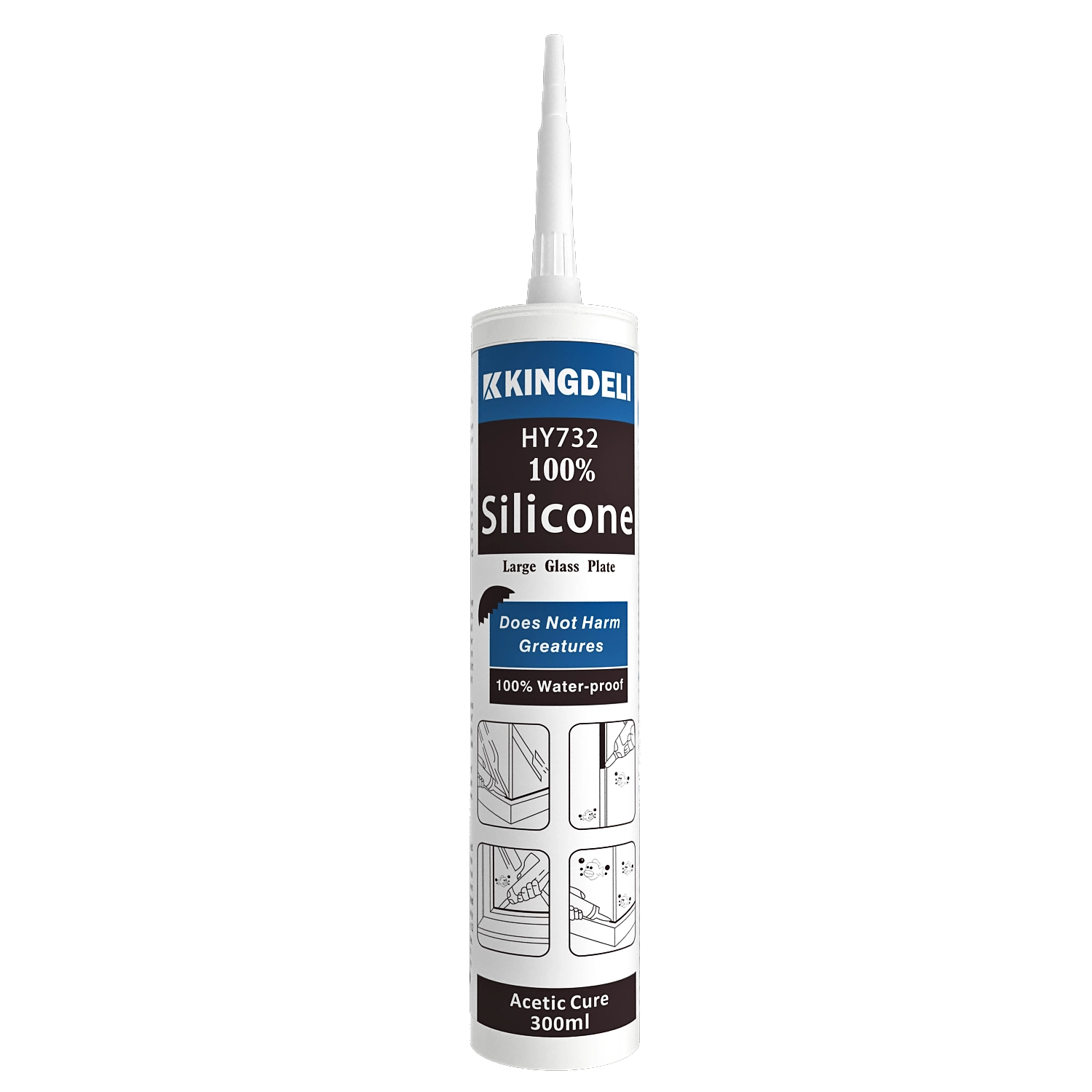
KINGDELI HY732 Professional Acetoxy Cure Silicone Sealant
KINGDELI HY732 is a professional-grade, one-component acetoxy cure silicone sealant designed for fast curing, strong adhesion, and long-lasting flexibility. Ideal for aquariums, glass applications, aluminum doors and windows, kitchens, and bathrooms, it provides reliable sealing performance with excellent anti-fungal protection in high-humidity environments.
Let’s Build Stronger Bonds with Quality Adhesives and Sealants
Have questions about the topic or need tailored sealant solutions for your project?
Our team is ready to provide expert guidance, product recommendations, and application support.
Innovating with Integrity, Bonding the World
Since 1998, KINGDELI has delivered trusted, sustainable sealant solutions that connect industries and inspire progress worldwide.
Whatsapp: +8618825946249
Kingdeli
Kingdeli
Kingdeli
Kingdeli
Kingdeli