


Silicone Sealant for Windows and Doors: VOC and Compliance Checks

- How to Evaluate Low-Emission Sealants for Fenestration Projects
- VOC content and VOC emissions are different checks
- Neutral-cure and acetoxy chemistry have different compliance implications
- Documentation should be reviewed before a sample is approved
- Compliance Checks for Window, Door, and Glazing Assemblies
- Match the product to the substrate and joint design
- Separate regulatory compliance from performance compliance
- Use a controlled approval and installation sequence
- Procurement Strategy: From Product Claim to Verified Project Value
- Build a compliance matrix before comparing prices
- Choose chemistry by application rather than marketing language
- Make sustainability claims auditable
- KINGDELI Capabilities for Compliant Sealant Supply
- Manufacturing scale and documented quality systems
- Formulation options for different fenestration requirements
- OEM, ODM, and technical service reduce implementation risk
- Frequently Asked Questions
Silicone sealant for windows and doors must be evaluated as both a building-performance material and a regulated chemical product. Procurement teams should verify VOC emissions, cure chemistry, substrate compatibility, weathering resistance, packaging documentation, and market-specific compliance before approving a formulation. Neutral-cure silicone is generally preferred for sensitive substrates and enclosed interiors, while acetoxy silicone can provide fast adhesion on compatible glass and ceramic surfaces. A reliable approval process combines technical data sheets, safety data sheets, emissions test reports, batch traceability, application trials, and inspection of standards such as ISO quality systems, CE requirements, ASTM methods, and applicable regional chemical regulations.
How to Evaluate Low-Emission Sealants for Fenestration Projects
VOC content and VOC emissions are different checks
Volatile organic compounds are carbon-based substances that can evaporate into the air. For a window or door project, buyers should distinguish between VOC content in the wet product and VOC emissions released during curing or after installation. A formulation may have a modest declared VOC content yet still require careful evaluation of curing by-products, odor, indoor-air performance, and the conditions under which the test was conducted.
VOC content is commonly expressed as grams per litre or as a percentage by mass, while emissions testing may report chamber concentrations over a defined period. These measurements are not interchangeable. A purchasing specification should identify the required test method, sample preparation, curing time, chamber conditions, reporting units, and pass criteria. The U.S. Environmental Protection Agency guidance on VOCs and indoor air quality explains why volatile substances deserve attention in occupied buildings, especially where ventilation is limited.
Neutral-cure and acetoxy chemistry have different compliance implications
Neutral silicone sealants release alcohol, oxime, or other neutral curing by-products depending on the formulation. They are often selected for coated metals, aluminium frames, masonry, plastics, natural stone, and other substrates that may be sensitive to acidic vapour or staining. The term neutral cure does not automatically mean zero VOC, non-toxic, or compliant in every market; the exact chemistry and test evidence remain decisive.
Acetic silicone sealants release acetic acid during cure and commonly produce a recognizable vinegar-like odor. This chemistry can offer strong adhesion to glass and certain glazed surfaces, but it may be unsuitable for corrosion-sensitive metals, alkaline materials, porous stone, and some painted components. The applicator should follow the technical data sheet rather than selecting a product solely because it has high initial tack or rapid skin formation.
Documentation should be reviewed before a sample is approved
A robust technical submittal normally includes the technical data sheet, safety data sheet, certificate of analysis or conformity, VOC declaration, emissions report where required, shelf-life statement, storage conditions, curing profile, movement capability, adhesion data, and color information. Buyers should also request the product batch number and manufacturing date for project samples. Documents should identify the exact grade and packaging, because a private-label or region-specific variant may not have the same formulation as the reference product.
Quality management evidence strengthens supplier evaluation. ISO 9001 quality management principles support controlled processes, corrective action, and documented consistency, but certification alone does not prove that a particular cartridge meets a project VOC limit. The product report, manufacturing controls, and installation conditions must be assessed together.
Compliance Checks for Window, Door, and Glazing Assemblies
Match the product to the substrate and joint design
Sealant selection begins with the joint, not the cartridge. The approval team should document the frame material, glass type, coating, spacer, backer rod, setting blocks, adjacent membrane, masonry, paint system, and expected movement. Compatibility testing is particularly important where insulating glass units, laminated glass, low-emissivity coatings, powder-coated aluminium, or plastic profiles are present.
Joint width and depth influence cure, stress concentration, and movement accommodation. A sealant that performs well in a narrow interior perimeter joint may not be suitable for an exposed expansion joint or structural glazing application. The design should address three-sided adhesion, backer rod selection, primer requirements, tooling time, and drainage. Silicone glazing sealant can provide durable weather resistance, but it should not be treated as a substitute for mechanical retention, approved glazing design, or a tested façade system.
Separate regulatory compliance from performance compliance
Regulatory compliance concerns legal market access, chemical disclosure, labeling, restricted substances, and environmental obligations. Performance compliance concerns adhesion, tensile strength, elongation, modulus, recovery, aging, UV stability, water resistance, and movement capability. A product can satisfy one category while failing another. For example, a low-emission formulation may not have adequate adhesion to a fluoropolymer-coated frame, while a highly elastic product may lack the documentation required for an interior-air-quality program.
For European projects, the buyer should determine whether the sealant falls within relevant construction-product obligations and whether a declaration of performance or CE marking is applicable to the intended use. Chemical obligations may also involve the European Union REACH Regulation. For North American specifications, the project may reference ASTM test methods or green-building requirements. The ASTM standards platform is a useful starting point for identifying the applicable test framework, but the project specification should control the final selection.
Use a controlled approval and installation sequence
Field trials should reproduce the actual substrate, joint geometry, cleaning method, temperature, humidity, and tooling practice. Adhesion should be checked after sufficient cure, not only immediately after application. A peel test, bead pull test, or simple hand-check may provide useful screening information, but critical façade or glazing applications may require laboratory testing or system-owner approval.
Installation teams should remove dust, oil, release agents, loose coatings, and moisture from the bonding surfaces. Masking tape can improve appearance, but it does not correct poor joint design. Cartridges should be stored within the stated temperature range and used before expiry. During curing, ventilation should be adequate and the joint should be protected from rain, condensation, movement, and contamination. These controls reduce callbacks caused by uncured material, bubbling, adhesion loss, discoloration, or premature cracking.
| Check area | What the buyer should verify | Typical evidence | Procurement risk if omitted |
|---|---|---|---|
| VOC and emissions | Declared VOC basis, test method, curing period, and pass limit | VOC declaration or chamber test report | Indoor-air rejection, odor complaints, or failed sustainability review |
| Substrate compatibility | Adhesion to actual frame, glass, coating, stone, and adjacent materials | Compatibility matrix and project sample test | Adhesion failure, staining, corrosion, or warranty dispute |
| Weather resistance | UV, rain, temperature cycling, and movement capability | Technical data and accelerated-aging results | Cracking, chalking, water ingress, and maintenance cost |
| Regulatory file | Applicable labels, SDS, declarations, and restricted-substance status | Controlled compliance dossier | Import delay, site rejection, or legal exposure |
| Production consistency | Batch traceability, shelf life, filling accuracy, and quality controls | Batch records and certificate of analysis | Color variation, cure inconsistency, and installation waste |
Procurement Strategy: From Product Claim to Verified Project Value
Build a compliance matrix before comparing prices
A compliance matrix converts broad requirements into measurable purchase criteria. Useful fields include product chemistry, intended use, color, packaging, skin time, through-cure rate, hardness, tensile strength, elongation, movement capability, application temperature, service temperature, VOC information, odor profile, shelf life, and country-specific documentation. The matrix should also record whether a test applies to the exact product code rather than a product family.
Price-per-cartridge can be misleading. Buyers should calculate installed cost by considering yield, nozzle waste, labor productivity, rework, primer consumption, replacement risk, and warranty exposure. A stable cure profile and reliable extrusion rate may deliver a lower total cost even when the unit price is not the lowest. Distributors should additionally assess carton configuration, pallet efficiency, private-label flexibility, color availability, and forecast-based production capacity.
Choose chemistry by application rather than marketing language
Neutral silicone sealant is often a practical choice for mixed-material window and door assemblies where low corrosion risk and broad substrate compatibility are important. Acetic silicone sealant can be efficient for compatible glass and sanitary or interior applications where acidic cure is acceptable. Acrylic sealant may suit paintable interior joints with limited movement, but it generally requires more cautious use in continuously wet or highly exposed locations. Polyurethane sealant can provide strong adhesion and elastic performance in construction joints, while MS polymer sealant offers a solvent-free, paintable alternative for selected applications.
No More Nails adhesive is intended for bonding tasks rather than replacing an engineered perimeter weather seal. RTV Gasket Maker is designed for specified gasket-forming and mechanical sealing uses, not automatically for façade joints. Epoxy Tile Grout addresses chemical and water-resistant tile-joint requirements, while Self-Leveling Sealant is appropriate only where the joint geometry and horizontal application conditions support flow. Correct product segmentation prevents substitution errors that create compliance and warranty problems.
Make sustainability claims auditable
Low-VOC language should be supported by a defined threshold, test method, and product identity. Terms such as eco-friendly, green, odorless, and non-toxic are not sufficient substitutes for a technical report. Project owners should request information about packaging materials, waste handling, manufacturing environmental controls, and any restricted substances relevant to the destination market.
For indoor projects, ventilation planning remains important even when a sealant has favorable emissions data. Cure by-products, cleaning agents, primers, paints, flooring materials, and other construction chemicals can contribute to the total indoor-air load. A coordinated material schedule is more reliable than evaluating a single cartridge in isolation. The World Health Organization information on air pollution and health reinforces the importance of managing air-quality risks through multiple control measures.
KINGDELI Capabilities for Compliant Sealant Supply
Manufacturing scale and documented quality systems
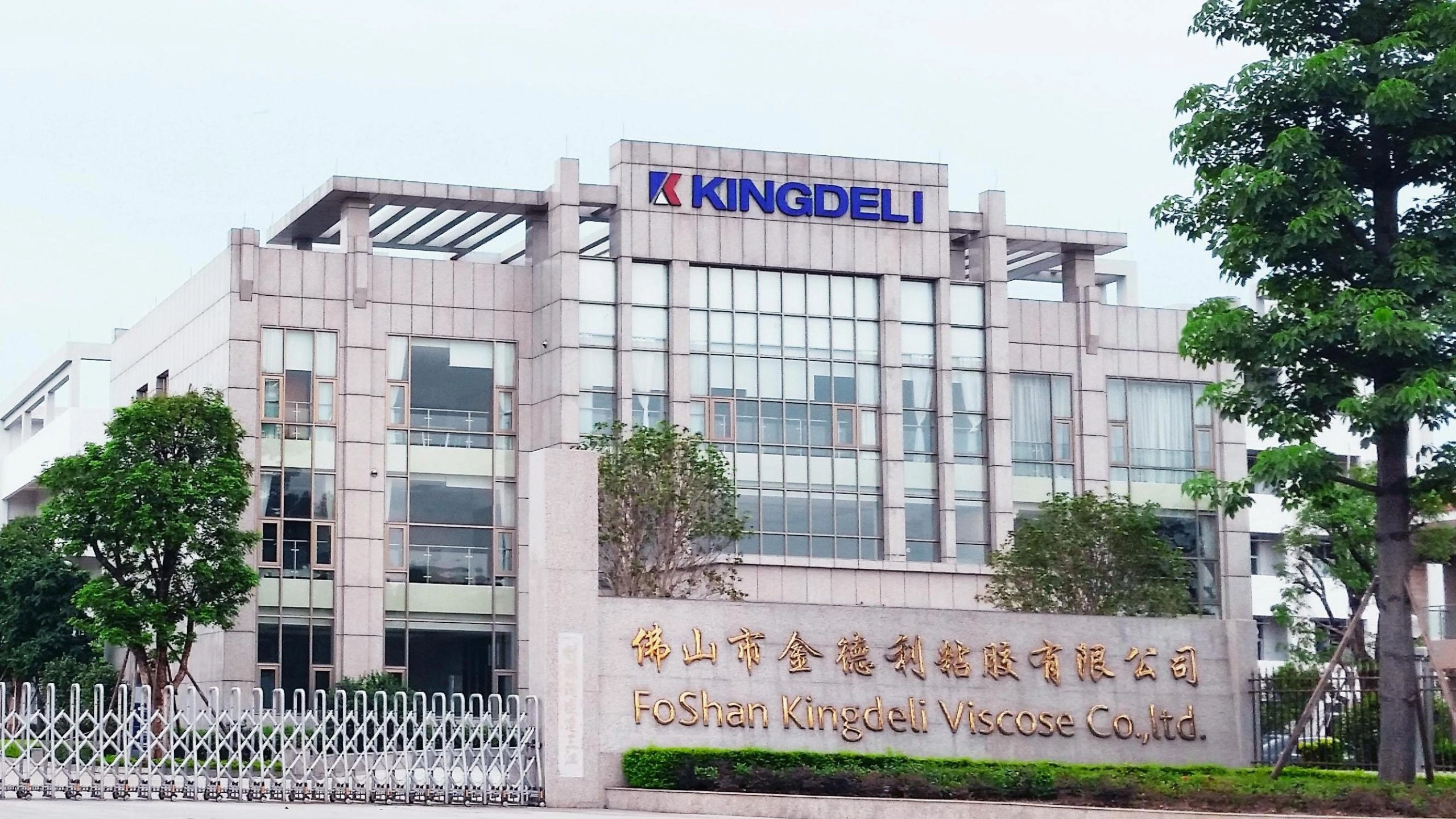
Since its establishment in 1998, KINGDELI has developed into a global manufacturer of high-performance sealants, adhesives, and coatings. Headquartered in Foshan, China, our 66,000 m² facility uses fully automated production lines and has annual capacity exceeding 100,000 tons. This scale supports stable supply, repeatable filling, and coordinated production planning for distributors, developers, façade contractors, window manufacturers, and private-label brand owners.
Our position as a National High-Tech Enterprise and contributor to the National Standard GB/T 29755-2013 reflects a technical focus beyond basic commodity production. Our quality and environmental framework includes ISO 9001 and ISO 14001, while selected products are engineered to meet relevant CE and ASTM requirements. Buyers should still match each KINGDELI grade to the destination-market specification and request the applicable technical and compliance file for formal approval.
Formulation options for different fenestration requirements
Our portfolio includes neutral silicone sealant and acetic silicone sealant for different substrate and curing requirements, along with silicone glazing sealant for weatherproofing and glazing-related applications subject to proper system design. Acrylic Sealant supports selected paintable interior joints, while Polyurethane Sealant and MS polymer Sealant address construction, assembly, and elastic bonding requirements where their specific performance profiles are suitable.
Additional products include No More Nails adhesive for construction bonding, RTV Gasket Maker for defined gasket-forming applications, Epoxy Tile Grout for demanding tile-joint environments, and Self-Leveling Sealant for suitable horizontal joints. This breadth allows procurement teams to consolidate compatible products with one technical partner while preserving application-specific selection discipline.
OEM, ODM, and technical service reduce implementation risk
Our team provides OEM and ODM support covering packaging, labeling, color development, product positioning, and project-specific coordination. Sustainable low-VOC formulations can be evaluated according to the target market, application environment, and required evidence. Technical service can support substrate screening, sample review, application guidance, and troubleshooting before large-scale deployment.
With more than 27 years of industry expertise and customers in over 50 countries, KINGDELI combines manufacturing capacity with international supply experience. The practical value for buyers is not only product availability; it is the ability to connect formulation selection, compliance documentation, batch control, private-label requirements, and after-sales technical support in one procurement process. Contact our team to match the required joint, substrate, VOC target, and market documentation with an appropriate KINGDELI solution.
Contact KINGDELI to review your window and door sealing specification or explore the product portfolio for a documented, application-matched solution.
Frequently Asked Questions
What is the difference between VOC content and VOC emissions in a sealant?
VOC content describes the volatile material present in the wet product, while VOC emissions describe substances released into the air during or after curing. They use different measurements and should be verified through the applicable declaration or emissions test report.
Is neutral-cure silicone always low VOC?
No. Neutral-cure chemistry may reduce corrosion or acidic-vapour concerns for sensitive substrates, but it does not automatically prove zero VOC, low emissions, or compliance in every market. Buyers should review the exact formulation and test evidence.
When should a buyer choose acetoxy silicone for windows or doors?
Acetoxy silicone can be suitable for compatible glass and glazed surfaces where acidic curing by-products will not damage adjacent materials. It should be avoided or carefully tested on corrosion-sensitive metals, alkaline substrates, porous stone, and some painted components.
What documents should a supplier provide for project approval?
A typical approval file includes the technical data sheet, safety data sheet, VOC declaration or emissions report, conformity documentation, curing and performance data, shelf-life information, storage conditions, compatibility guidance, and batch traceability.
Can a low-VOC sealant be used without ventilation during installation?
No. Favorable emissions data does not eliminate the need for suitable ventilation. Cure by-products, primers, cleaners, paints, and other construction materials can contribute to indoor-air exposure, so site ventilation and coordinated material controls remain necessary.
Why is a compatibility test important for glazing and window assemblies?
A compatibility test confirms adhesion and interaction with the actual glass, coating, frame, spacer, stone, paint, membrane, and other adjacent materials. It can identify staining, corrosion, adhesion loss, or sealant incompatibility before full-scale installation.
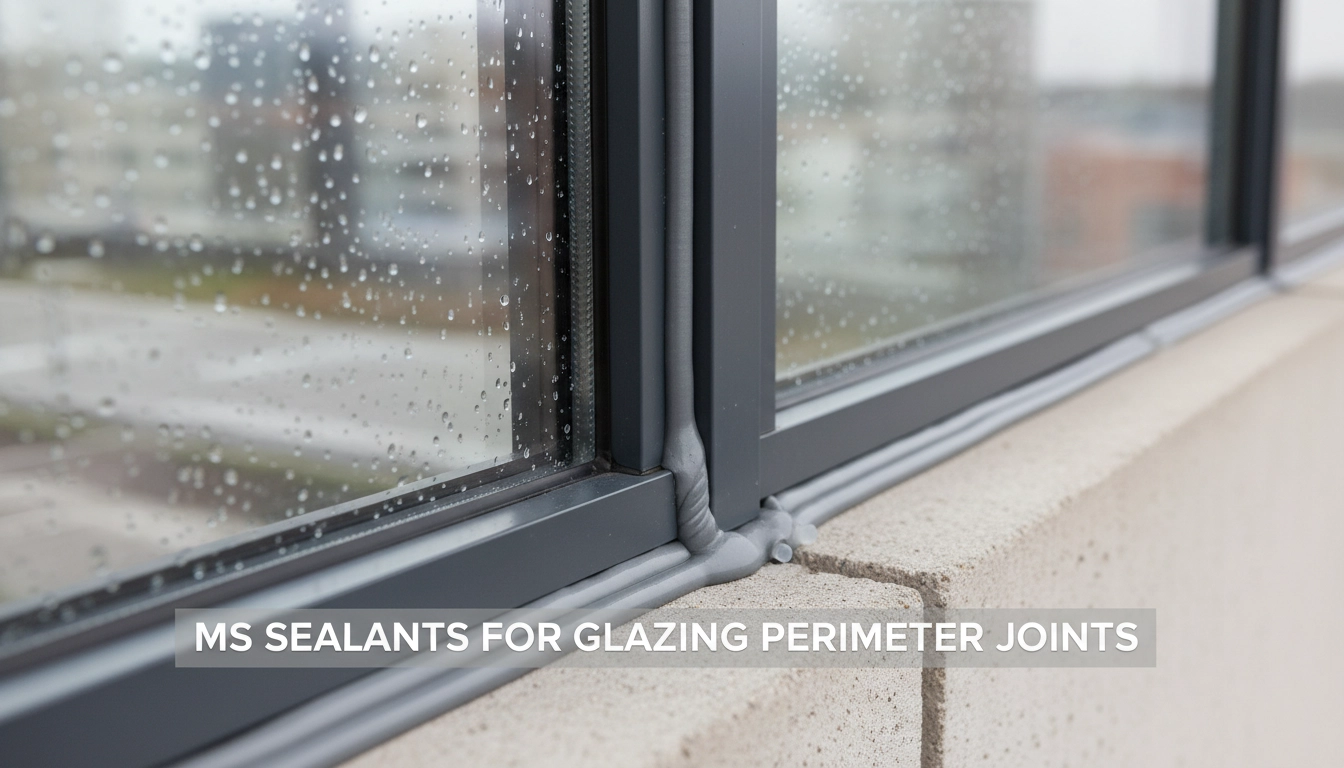
10 Reasons Why Top Glaziers are Switching to MS Polymer Sealants for High-Rise Projects (2026 Guide)
Top 10 silicone sealant Manufacturers and Supplier Brands in Hardware and Building Materials
Packaging, Storage and Shelf Life Tips for Sealant Purchases
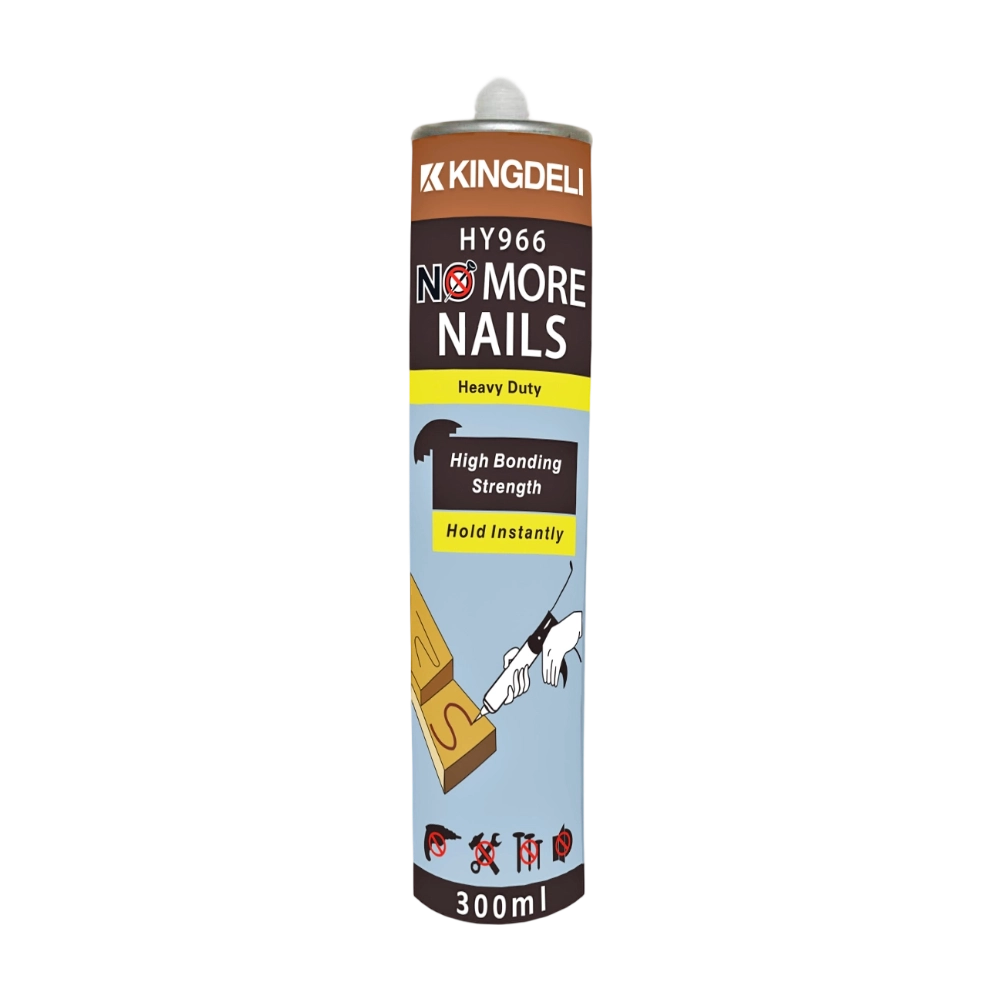
HY-966 Heavy Duty No More Nails Construction Adhesive — KINGDELI
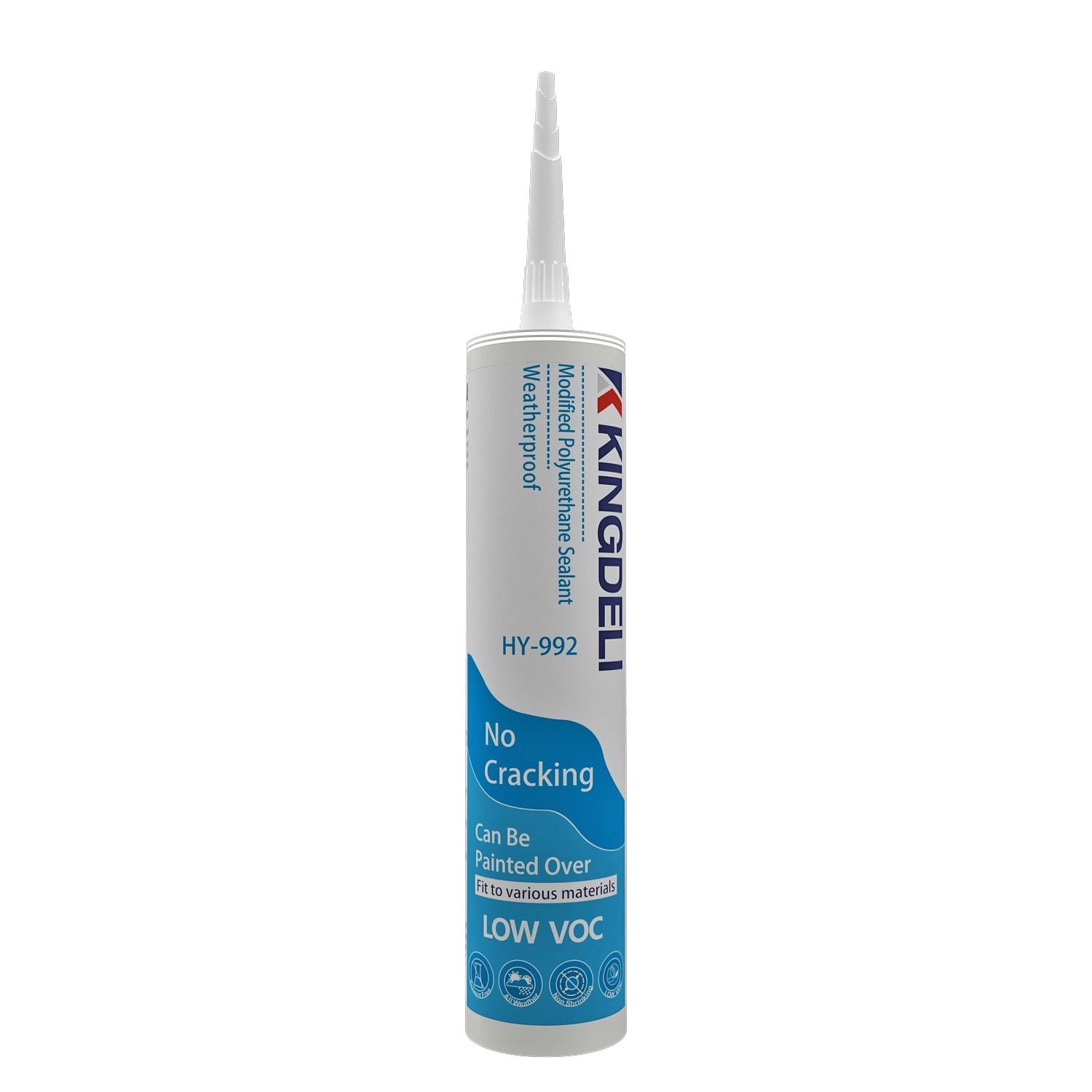
HY992 Modified Polyurethane Construction Sealant
HY992 Modified Polyurethane Sealant is a one-component, moisture-curing construction sealant designed for professional building and structural sealing applications. It provides excellent adhesion, weather resistance, and durable elasticity, making it suitable for a wide range of construction materials.
The formulation delivers strong bonding performance without corrosion or substrate contamination, while maintaining low VOC content for environmentally responsible construction projects.

HY995 Crystal Clear Ms Polymer Adhesive/Sealant
HY995 Crystal Clear Ms Polymer Adhesive/Sealant is a new generation MS Polymer adhesive / sealant formulated for all bonding and sealing applications where long term reliability is required. It has excellent bonding strength on various materials. It will cure to form a durable, flexible, waterproof seal.

HY997 High-Performance Anti-Microbial MS Polymer Sealant
HY997 MS polymer sealant for is is a premium one-component, neutral-curing modified silane sealant engineered for demanding interior applications. It offers a Class 20 movement capability, ensuring long-lasting flexibility and reliable performance under dynamic joint conditions. Curing at room temperature, HY997 delivers superior anti-microbial and mildew-resistant properties, maintaining hygienic and clean environments over time.
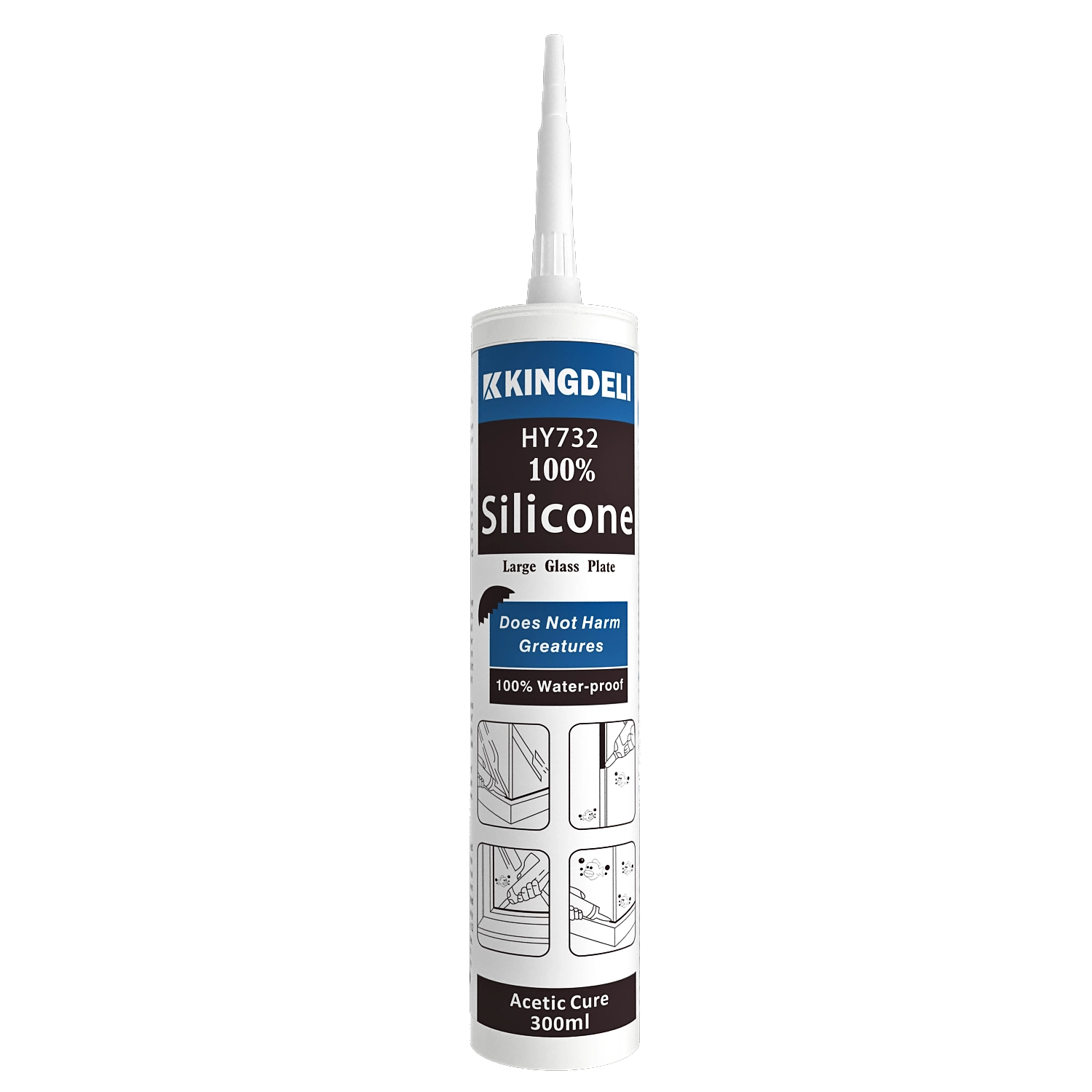
KINGDELI HY732 Professional Acetoxy Cure Silicone Sealant
KINGDELI HY732 is a professional-grade, one-component acetoxy cure silicone sealant designed for fast curing, strong adhesion, and long-lasting flexibility. Ideal for aquariums, glass applications, aluminum doors and windows, kitchens, and bathrooms, it provides reliable sealing performance with excellent anti-fungal protection in high-humidity environments.
Let’s Build Stronger Bonds with Quality Adhesives and Sealants
Have questions about the topic or need tailored sealant solutions for your project?
Our team is ready to provide expert guidance, product recommendations, and application support.
Innovating with Integrity, Bonding the World
Since 1998, KINGDELI has delivered trusted, sustainable sealant solutions that connect industries and inspire progress worldwide.
Whatsapp: +8618825946249
Kingdeli
Kingdeli
Kingdeli
Kingdeli
Kingdeli