


Silicone Sealant for Windows and Doors: Samples, Lead Times, Risks

- How to Specify Sealants for Fenestration and Building Openings
- Match the chemistry to the joint and substrate
- Review performance standards and project documentation
- Consider application conditions, not only laboratory results
- Samples, Approval Testing, and Lead-Time Control
- What a useful sample program should include
- Lead times contain more than factory production
- Use a stage-gate approval process
- Major Failure Risks and Supplier Due Diligence
- Adhesion, compatibility, and weathering risks
- Packaging, shelf life, and counterfeit exposure
- Commercial risks in private-label sourcing
- KINGDELI Supply and Technical Support for Construction Sealants
- Manufacturing scale and quality infrastructure
- Product portfolio for windows, doors, and adjacent applications
- OEM, ODM, sustainability, and project execution
- Frequently Asked Questions
Silicone sealant for windows and doors is a specification-critical material used to create weather-resistant, movement-tolerant, and durable joints around glass, aluminum, uPVC, wood, masonry, and other building substrates. For B2B buyers, the purchasing decision involves more than comparing cartridge prices: project teams must validate adhesion, curing behavior, compatibility, color, packaging, compliance, sample performance, production capacity, and delivery risk before approving a supplier. A disciplined procurement process reduces failures such as edge lifting, staining, bubbling, cracking, poor tooling, and premature water penetration.
How to Specify Sealants for Fenestration and Building Openings
Match the chemistry to the joint and substrate
Neutral-cure silicone is commonly evaluated for applications involving coated aluminum, galvanized metal, natural stone, concrete, glass, and sensitive substrates where acetic vapors or acidic contact may create compatibility concerns. It generally offers broad substrate suitability and low odor during cure, although the exact formulation must still be tested on the project materials. Acetic-cure silicone can provide strong adhesion to glass and certain non-porous surfaces and is often selected for general glazing, sanitary, and interior applications. However, its acidic curing by-products make substrate screening essential, particularly with metals, alkaline materials, porous stone, and painted surfaces.
For exterior perimeter joints, buyers should define the expected movement capability, exposure conditions, joint width and depth, UV exposure, temperature range, and required service life. A product suitable for a small interior trim joint may not be appropriate for a façade perimeter or high-movement connection. The specification should identify whether the sealant is intended for weather sealing, glass-to-frame bonding, internal finishing, back-bedding, or an expansion joint. These functions can require different modulus, adhesion, tooling, and durability characteristics.
Review performance standards and project documentation
Technical evaluation should begin with a current technical data sheet, safety data sheet, batch traceability information, recommended application temperature, skin-over time, full-cure guidance, density, hardness, tensile properties, elongation, movement capability, and storage limits. Depending on geography and project type, procurement teams may also request evidence aligned with standards such as ASTM C920 for elastomeric joint sealants, EN 15651 for sealants used in building construction, or relevant national requirements. The ASTM C920 standard provides a recognized framework for classifying elastomeric joint sealants by properties and intended use.
Certificates should be checked for product identity, test method, laboratory scope, date, and whether the tested formulation corresponds to the proposed production version. ISO 9001 certification can support confidence in the quality management system, but it does not by itself prove that a specific sealant will adhere to every project substrate. The ISO 9001 quality management standard should therefore be considered part of a wider approval package rather than a substitute for project-specific testing.
Consider application conditions, not only laboratory results
Field performance depends on joint preparation, moisture, surface contamination, ambient temperature, relative humidity, bead geometry, tooling pressure, and curing ventilation. Dust, release agents, oil, silicone residue, powder coatings, and weak surface layers can prevent reliable adhesion even when the material has passed laboratory testing. A professional method statement should define cleaning materials, primer requirements, masking, joint backing, sealant depth, tooling time, and inspection criteria.
For insulated glass units, structural glazing, or assemblies exposed to sustained water pressure, the sealant must be evaluated as part of the complete system. Compatibility testing may include contact with spacers, setting blocks, gaskets, coatings, films, insulation materials, and adjacent sealants. In high-consequence façades, independent laboratory testing and project engineering review are appropriate before mass production.
Samples, Approval Testing, and Lead-Time Control
What a useful sample program should include
A sample request should be precise enough to produce a representative approval decision. The buyer should specify chemistry, color, packaging format, nozzle type, intended substrate, application temperature, target market, required documents, and estimated annual volume. A single small cartridge can demonstrate handling, but it cannot fully confirm production consistency or long-term compatibility. For private-label programs, request samples using the intended brand artwork, packaging dimensions, color reference, and batch coding format whenever possible.
Evaluation should cover wet adhesion, tooling behavior, skin formation, cure profile, appearance, odor, slump, color stability, and cured elasticity. Test beads should be applied to actual project substrates rather than generic glass alone. After curing, assess adhesion by a controlled peel or pull test, inspect for cohesive versus adhesive failure, and expose specimens to relevant heat, moisture, UV, or freeze-thaw conditions where applicable. The ISO 11600 classification framework is useful when discussing sealant performance categories for building construction and civil engineering applications.
Lead times contain more than factory production
A quoted lead time should distinguish formulation approval, raw-material reservation, laboratory confirmation, production scheduling, filling, label printing, carton preparation, palletization, export documentation, and transportation. Standard colors and stock packaging may move faster than custom colors, specialized sausages, foil packs, cartridges, or printed cartons. A buyer should ask whether the stated timeline begins at purchase order, deposit, artwork approval, sample approval, or confirmed production release.
For overseas projects, logistics planning should include port congestion, customs clearance, container availability, hazardous classification where applicable, destination documentation, and seasonal capacity constraints. Silicone sealants are moisture-sensitive products in many packaging formats, so storage conditions and shelf-life remaining at arrival should be defined in the purchase contract. A robust supply plan may include a rolling forecast, an approved substitute packaging format, safety stock, split shipments, and a final shipment inspection.
Use a stage-gate approval process
A practical approval workflow has five gates: technical screening, substrate compatibility, application trial, packaging and branding approval, and production batch release. At each gate, the buyer should record the approved product code, color standard, packaging specification, technical documents, test results, and responsible signatory. This prevents a common procurement problem in which a sample is approved but the purchase order does not clearly identify the formulation or packaging version.
| Procurement stage | Primary evidence | Typical decision risk | Recommended control |
|---|---|---|---|
| Initial qualification | Technical data sheet, SDS, certifications, factory profile | Supplier capability is overstated | Verify documents, scope, product identity, and manufacturing address |
| Sample testing | Applied beads on project substrates | Adhesion or curing differs in the field | Use actual substrates and record environmental conditions |
| Pre-production | Approved artwork, color, cartridge, and batch specification | Packaging or formula changes after approval | Use signed golden samples and change-control clauses |
| Mass production | Batch records, inspection report, retention samples | Inconsistent viscosity, color, or filling quantity | Define incoming, in-process, and final inspection checkpoints |
| Delivery | Packing list, shelf-life data, shipping documents | Damage, aging, or storage failure | Control palletization, remaining shelf life, and warehouse conditions |
The table reflects standard quality-control logic used in industrial procurement; exact lead times and acceptance limits must be agreed with the selected manufacturer because they vary by formulation, packaging, order size, and destination.
Major Failure Risks and Supplier Due Diligence
Adhesion, compatibility, and weathering risks
The most serious risk is often not visible immediately after application. Adhesion may appear acceptable during a short trial but deteriorate after exposure to water, heat, UV radiation, plasticizer migration, or incompatible coatings. Porous substrates can release moisture or alkaline compounds, while powder-coated aluminum can vary by coating chemistry and surface treatment. A supplier should provide clear preparation instructions and identify when a primer or adhesion promoter is required.
Color mismatch is another commercial risk, especially for architectural systems with dark frames, metallic finishes, or customer-specific branding. Buyers should approve a physical color standard under defined lighting conditions rather than relying only on digital artwork or screen images. Clear silicone can also appear different depending on the substrate, bead thickness, and lighting, so visual approval should be conducted on representative materials.
Packaging, shelf life, and counterfeit exposure
Cartridges, sausages, and pails require controlled filling and sealing to prevent air inclusion, leakage, nozzle blockage, or premature skin formation. Packaging should show batch number, manufacturing date, expiration date, storage instructions, net content, product identity, and responsible manufacturer. The OSHA Hazard Communication Standard illustrates the importance of consistent hazard communication and safety documentation, although local regulatory requirements differ by market.
Buyers should also protect against unauthorized substitutions and counterfeit goods by purchasing through approved channels, checking traceability codes, comparing packaging details, and requiring notification before any formulation or component change. Warehouse operators should follow the stated temperature and humidity limits, use first-expiry-first-out stock rotation, and avoid leaving moisture-curing products exposed to damaged cartons or severe heat.
Commercial risks in private-label sourcing
OEM projects can fail when artwork approval, intellectual property ownership, minimum order quantities, mold or tooling responsibility, and rejected-goods procedures are not documented. The contract should define the approved technical specification, tolerances for weight and color, inspection rights, delivery terms, payment milestones, warranty scope, recall cooperation, and corrective-action timing. A low unit price can become uneconomical if inconsistent filling, late packaging, or field complaints create installation delays and replacement costs.
KINGDELI Supply and Technical Support for Construction Sealants
Manufacturing scale and quality infrastructure
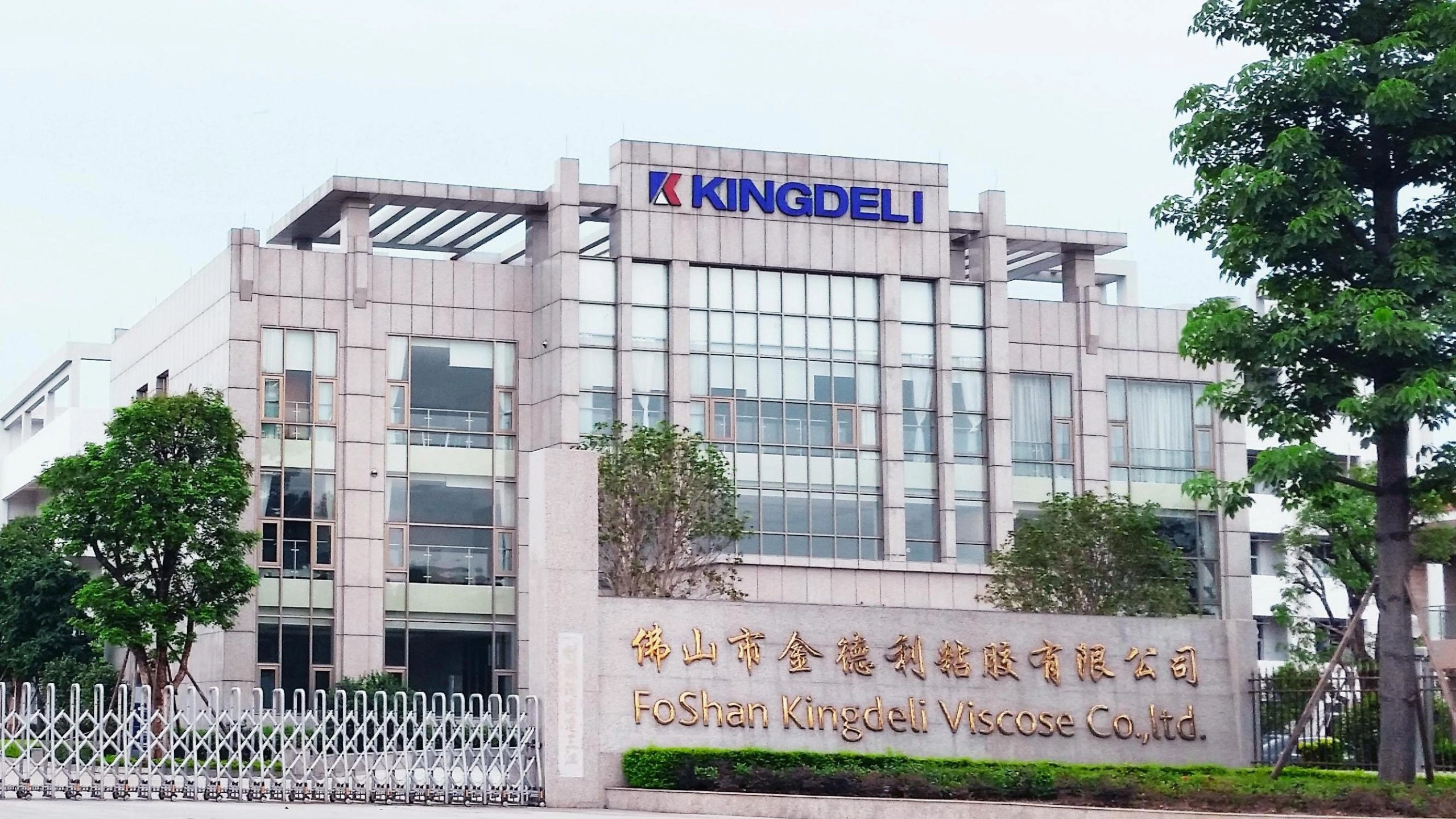
KINGDELI has operated in the high-performance sealant, adhesive, and coating industry since 1998. Headquartered in Foshan, China, our 66,000 m² facility uses automated production lines with annual capacity exceeding 100,000 tons. This scale supports consistent supply for distributors, contractors, window and door fabricators, construction-material brands, and international project owners while allowing production planning around recurring forecasts and private-label requirements.
Our organization is recognized as a National High-Tech Enterprise and has contributed to the National Standard GB/T 29755-2013. Manufacturing and quality systems are aligned with internationally recognized requirements, including ISO 9001 and ISO 14001, while selected products are developed to meet applicable CE and ASTM expectations. These credentials support supplier due diligence, but project teams should still conduct substrate-specific trials and approve the exact product grade before commercial installation.
Product portfolio for windows, doors, and adjacent applications
Our neutral silicone sealant range is positioned for broad construction and fenestration requirements where substrate compatibility, weather resistance, and low odor are important. Acetic silicone sealant products support suitable glass and non-porous applications after compatibility confirmation. Silicone glazing sealant options can be assessed for glass, frame, and perimeter sealing requirements according to the project design and test protocol.
For applications beyond silicone chemistry, our portfolio includes Acrylic Sealant for selected interior finishing joints, Polyurethane Sealant for elastic construction and industrial sealing, and MS polymer Sealant for low-odor, paintable, and moisture-curing applications where the specification permits. No More Nails adhesive supports selected mounting and bonding tasks, while RTV Gasket Maker is designed for forming or replacing gaskets in appropriate maintenance and industrial applications. Epoxy Tile Grout and Self-Leveling Sealant address complementary construction needs, enabling buyers to consolidate procurement across several sealants and adhesives categories.
OEM, ODM, sustainability, and project execution
Our OEM and ODM support covers formulation selection, packaging development, label adaptation, color coordination, technical documentation, and production planning. This approach helps brand owners shorten approval cycles while maintaining control over the specification and market positioning. Low-VOC formulation options can support sustainability objectives and indoor-air-quality strategies, subject to the applicable regional test method and project requirements.
With more than 27 years of industry expertise and customers in over 50 countries, KINGDELI combines manufacturing capacity with professional technical service. Our engineering team can help buyers structure sample trials, identify substrate risks, review application conditions, and establish inspection checkpoints. The strongest commercial outcome is achieved when the supplier is engaged before purchase-order release rather than only after a field complaint appears.
For procurement managers, the appropriate comparison is total installed risk: material cost, labor productivity, rework exposure, warranty obligations, delivery reliability, technical support, and documentation quality. A technically suitable product from a reliable manufacturer can reduce project disruption even when its quoted price is not the lowest available. Buyers should request a formal technical proposal, representative samples, compliance documents, packaging specifications, and a realistic production and shipping plan before final approval.
Frequently Asked Questions
Which silicone chemistry is usually considered for aluminum windows and doors?
Neutral-cure silicone is commonly evaluated for coated aluminum, galvanized metal, concrete, natural stone, and glass because it can offer broad substrate suitability and low odor during cure. The exact formulation must still be tested on the project materials.
How should buyers test a sealant sample before approving a supplier?
Buyers should apply representative samples to actual project substrates and assess adhesion, tooling, skin formation, cure profile, appearance, odor, slump, color stability, and cured elasticity. Compatibility testing should include adjacent gaskets, coatings, spacers, films, and other sealants where relevant.
What should be included in a silicone sealant lead-time quotation?
A lead-time quotation should distinguish formulation approval, raw-material reservation, production scheduling, filling, label printing, carton preparation, export documentation, and transportation. It should also state whether the timeline begins at purchase order, deposit, artwork approval, sample approval, or confirmed production release.
What are the most common failure risks in window and door joint sealing?
Common risks include poor surface preparation, incompatible substrates, inadequate curing conditions, coating or plasticizer migration, incorrect joint geometry, color mismatch, premature aging, packaging defects, and formulation changes after sample approval.
Does ISO 9001 certification prove that a sealant will work on every substrate?
No. ISO 9001 supports confidence in a manufacturer’s quality management system, but it does not prove that a specific sealant will adhere to every project substrate. Actual substrate-specific trials and compatibility testing remain necessary.
What documents should a B2B buyer request from a sealant manufacturer?
The core package should include a current technical data sheet, safety data sheet, certificates, batch traceability information, storage and shelf-life guidance, packaging specifications, inspection records, and evidence relevant to requested ASTM, EN, CE, or local requirements.
Everything You Need to Know About oem silicone sealant manufacturer
Top silicone sealant Manufacturers and Suppliers
Green Building: Low-VOC Neutral Cure Silicone Options
Glass-to-Metal Adhesion: Silicone Primer and Surface Prep
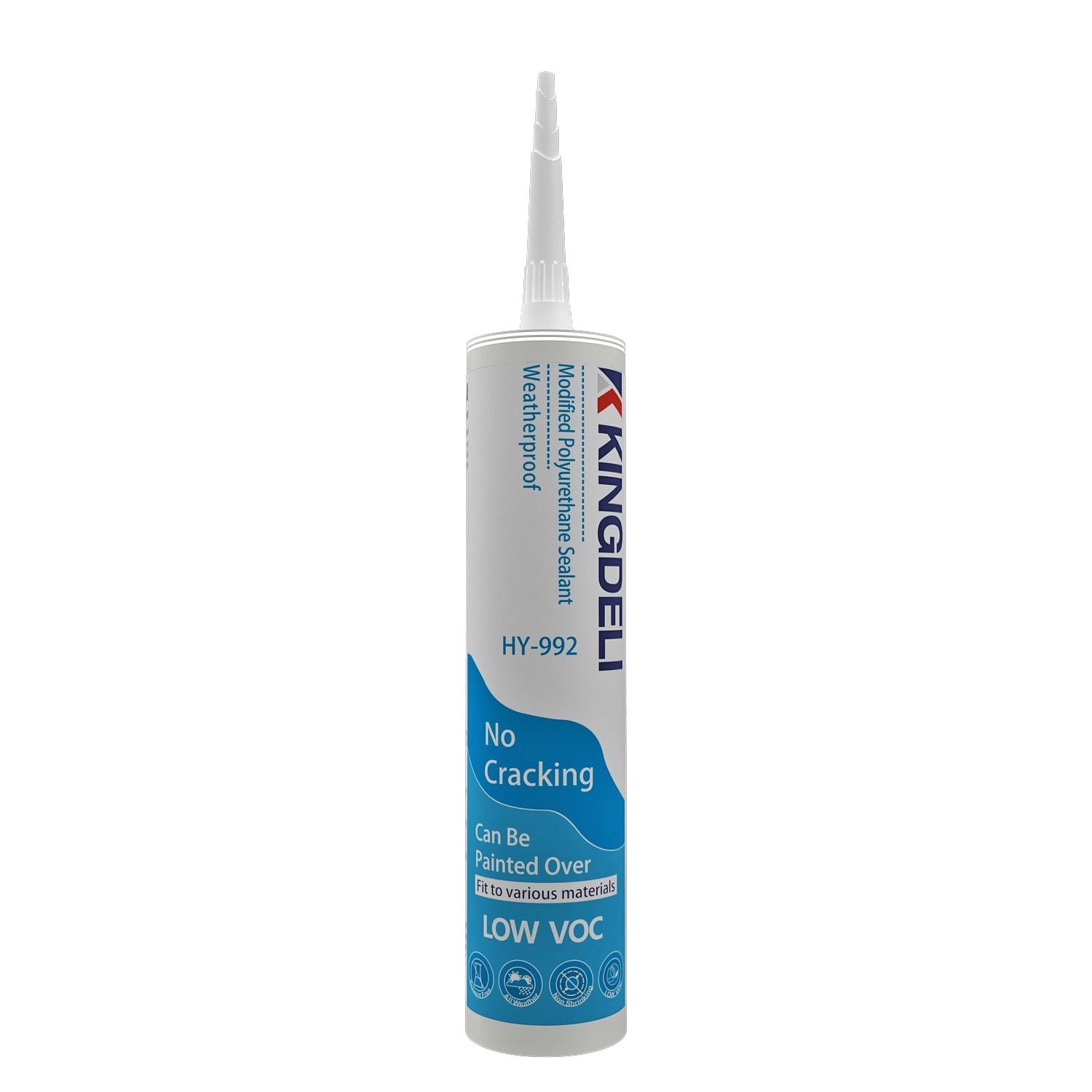
HY992 Modified Polyurethane Construction Sealant
HY992 Modified Polyurethane Sealant is a one-component, moisture-curing construction sealant designed for professional building and structural sealing applications. It provides excellent adhesion, weather resistance, and durable elasticity, making it suitable for a wide range of construction materials.
The formulation delivers strong bonding performance without corrosion or substrate contamination, while maintaining low VOC content for environmentally responsible construction projects.

HY995 Crystal Clear Ms Polymer Adhesive/Sealant
HY995 Crystal Clear Ms Polymer Adhesive/Sealant is a new generation MS Polymer adhesive / sealant formulated for all bonding and sealing applications where long term reliability is required. It has excellent bonding strength on various materials. It will cure to form a durable, flexible, waterproof seal.

HY997 High-Performance Anti-Microbial MS Polymer Sealant
HY997 MS polymer sealant for is is a premium one-component, neutral-curing modified silane sealant engineered for demanding interior applications. It offers a Class 20 movement capability, ensuring long-lasting flexibility and reliable performance under dynamic joint conditions. Curing at room temperature, HY997 delivers superior anti-microbial and mildew-resistant properties, maintaining hygienic and clean environments over time.
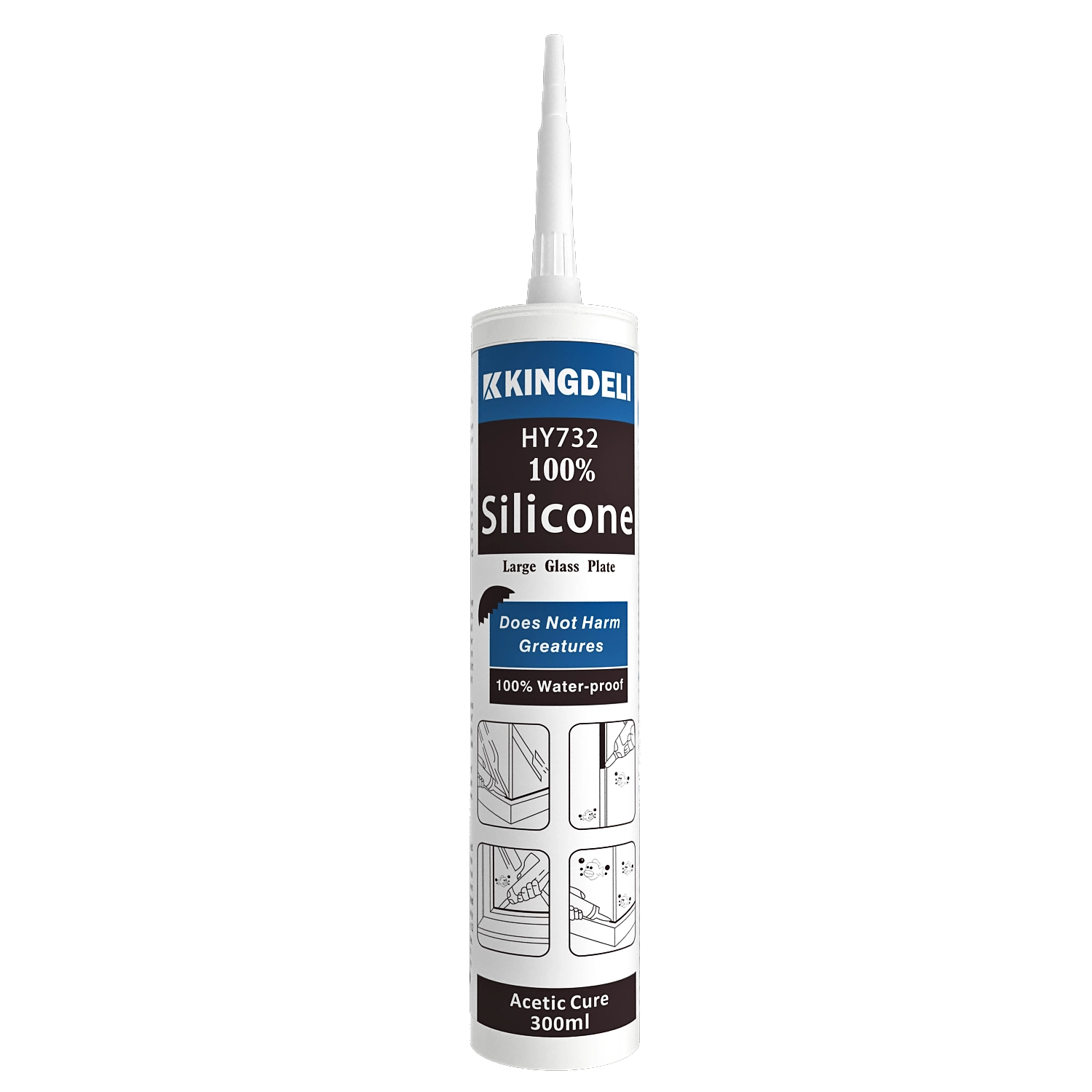
KINGDELI HY732 Professional Acetoxy Cure Silicone Sealant
KINGDELI HY732 is a professional-grade, one-component acetoxy cure silicone sealant designed for fast curing, strong adhesion, and long-lasting flexibility. Ideal for aquariums, glass applications, aluminum doors and windows, kitchens, and bathrooms, it provides reliable sealing performance with excellent anti-fungal protection in high-humidity environments.
Let’s Build Stronger Bonds with Quality Adhesives and Sealants
Have questions about the topic or need tailored sealant solutions for your project?
Our team is ready to provide expert guidance, product recommendations, and application support.
Innovating with Integrity, Bonding the World
Since 1998, KINGDELI has delivered trusted, sustainable sealant solutions that connect industries and inspire progress worldwide.
Whatsapp: +8618825946249
Kingdeli
Kingdeli
Kingdeli
Kingdeli
Kingdeli