











Sanitary Silicone Sealants: Mold Resistance and Hygiene Tips

- Chemistry and Risk Profile of Neutral-Cure Sanitary Silicones
- Cure mechanisms and hygiene implications
- Substrate compatibility and adhesion performance
- Mold ecology in perimeter joints and grout lines
- Specification and Procurement Checklist for Hygiene-Critical Projects
- Performance metrics to require in tender documents
- Standards, testing and verifiable claims
- Commercial safeguards and acceptance testing
- Application, Cleaning, and Long-Term Hygiene Management
- Pre-application preparation and workmanship controls
- Approved cleaning and disinfecting practices
- Use of antimicrobial formulations and environmental trade-offs
- Market Comparisons and Practical Selection Matrix
- How cure system affects lifecycle and maintenance cost
- Contractor training and warranty alignment
- Data-driven selection: laboratory vs. field performance
- Frequently Asked Questions
High-performance sanitary silicones for bathrooms, food-processing zones, and healthcare wet areas require a holistic approach that combines non-acidic cure chemistries, engineered antimicrobial strategies, and installer-driven workmanship to deliver long-term mold control and hygienic joints; this guide explains neutral-cure silicone chemistries, substrate compatibility, specification metrics, cleaning regimes, relevant standards (ASTM C920, ISO quality frameworks), and public-health references for biological risk management (CDC mold guidance, EPA mold resources). For facility owners and procurement teams, the content crystallizes decision criteria for selecting neutral-cure systems, maintenance protocols, and supplier capabilities to protect asset lifespan and occupant health.
Chemistry and Risk Profile of Neutral-Cure Sanitary Silicones
Cure mechanisms and hygiene implications
Neutral-curing formulations employ alkoxy, oxime, or acetyl-free chemistries that release non-acidic byproducts during polymerization. Compared with acid-releasing alternatives, these systems are less likely to corrode sensitive metals (brass, copper), damage natural stone, or create low-pH microenvironments that can accelerate biological colonization. Specifying a non-acidic cure type reduces failure modes linked to substrate degradation in long-term wet-area applications.
Substrate compatibility and adhesion performance
Sanitary-grade silicone adhesives must bond reliably to glazed ceramics, porcelain, anodized aluminum, stainless steels, and painted surfaces. The ideal neutral-curing compound provides both primerless adhesion to most common substrates and resistance to undercutting by detergents and disinfectants. Procurement specifications should require manufacturer data on peel strength, shear testing, and adhesion to each critical substrate.
Mold ecology in perimeter joints and grout lines
Biological growth in sealant joints is primarily driven by moisture retention, organic soiling, and poor ventilation. Sealant selection mitigates—but does not eliminate—risk; design choices (joint geometry, backup rod placement, slope for drainage) and routine maintenance are equally determinative. Buyers should demand evidence of accelerated mold-resistance testing or inclusion of biostatic agents where regulations permit.
Specification and Procurement Checklist for Hygiene-Critical Projects
Performance metrics to require in tender documents
Mandate clear acceptance criteria: shore hardness, elongation at break, tensile strength, service temperature range, and resistance to common disinfectants. Include requirements for low-VOC formulations and compliance with regional indoor air quality regulations. Requiring material safety data sheets (MSDS), third-party test reports, and a verified production quality system reduces RFI cycles and procurement risk.
Standards, testing and verifiable claims
Request certificate evidence for applicable standards such as ASTM C920 for elastomeric joint sealants and relevant national sanitary specifications. For quality systems and environmental management, ISO 9001 and ISO 14001 certification validate manufacturing controls. For public-health context, align maintenance schedules to guidance from authorities like the CDC and EPA on indoor mold remediation.
Commercial safeguards and acceptance testing
Include factory production control evidence, batch traceability, and on-site acceptance tests (adhesion, visual inspection after cure, water-immersion cycles). Define warranty terms tied to certified application procedures so installers are incentivized to meet workmanship standards.
Application, Cleaning, and Long-Term Hygiene Management
Pre-application preparation and workmanship controls
Effective mold control begins with joint preparation: remove old material to full depth, ensure substrate dryness, degrease contact surfaces, and use backer rods sized for correct joint deformation. A consistent wet-film thickness and tooling regime reduce voids that trap moisture and organic debris. Establish installer qualification requirements in contracts.
Approved cleaning and disinfecting practices
Regular cleaning removes surface nutrients that feed biofilms. For routine maintenance, neutral pH detergents are safer for sealant longevity; periodic disinfection with sodium hypochlorite solutions or quaternary ammonium compounds can reduce microbial load but must be specified in concentrations that do not accelerate polymer degradation. Test the disinfectant on a spare joint sample before fleet-wide use.
Use of antimicrobial formulations and environmental trade-offs
Some sanitary silicones incorporate fungistatic additives. While these can limit surface colonization, procurement must assess regulatory acceptance (food-contact zones, healthcare facilities) and environmental profiles of biocides. For projects prioritizing sustainability, low-VOC and non-biocidal hygiene strategies (improved ventilation, UV surface cleaning where applicable) may be preferable.
Market Comparisons and Practical Selection Matrix
How cure system affects lifecycle and maintenance cost
Acid-curing chemistries can have lower material cost but introduce substrate risk and potential early failure in mixed-metal assemblies. Neutral-cure systems typically command a High Quality but reduce corrosion claims and rework. Life-cycle costing should incorporate re-application intervals, downtime, and cleaning costs rather than material price alone.
Contractor training and warranty alignment
Suppliers that provide onsite training, technical data sheets, and clear installation guidance reduce failure rates. Link warranty validity to certified installers and documented environmental conditions at time of application to control liabilities.
Data-driven selection: laboratory vs. field performance
Insist on both accelerated aging tests (UV, thermal cycling, salt spray where relevant) and documented field case studies in similar environments. Laboratory antimicrobial claims should be supplemented with service history in comparable projects.
| Characteristic | Acid-cure Silicones (Acetoxy) | Neutral-cure Silicones (Alkoxy/Oxime) | MS Polymer / Polyurethane Alternatives |
|---|---|---|---|
| Cure Byproduct | Acetic acid (may corrode sensitive metals) | Non-acidic alcohols/oximes (gentler on substrates) | Water or proprietary (depends on chemistries) |
| Substrate Sensitivity | Poor for copper, some natural stones | Good for mixed-metal and stone | Good adhesion; may require primer on some plastics |
| Mold Resistance (with standard formulation) | Moderate; susceptible if dirt/moisture retained | High when combined with hygienic additives | Variable; biocide options available |
| Typical Service Temperature | -50°C to +150°C | -50°C to +180°C | -40°C to +120°C (polyurethane lower heat tolerance) |
| Recommended for Food/Healthcare Areas | Less preferred due to acidity | Preferred where non-acidic, low-odor cure is required | Used where elastomeric bonding beyond silicone is needed |
When selecting a compound for hygiene-critical joints, weigh corrosion risk, cure byproducts, and documented hygiene performance; request accelerated mold resistance tests and on-site mock-ups before full installation.
Since its establishment in 1998, KINGDELI has stood as a global leader in the high-performance sealant, adhesive, and coating industry. Headquartered in Foshan, China, our state-of-the-art 66,000 m² facility is powered by fully automated production lines with an annual capacity exceeding 100,000 tons, ensuring a consistent and robust supply for partners worldwide.As a recognized National High-Tech Enterprise and a key contributor to the National Standard GB/T 29755-2013, we unite advanced manufacturing power with technical excellence. Our comprehensive product portfolio—spanning Neutral & Acetic Silicone, Polyurethane, MS Polymer, and No More Nails adhesives—is engineered to meet strict international standards, including ISO 9001, ISO 14001, CE, and ASTM.With over 27 years of industry expertise and a trusted presence in 50+ countries, KINGDELI is more than a manufacturer; we are a dedicated solution provider. We offer end-to-end OEM/ODM support, sustainable low-VOC formulations, and professional technical service. At KINGDELI, we are driven by innovation and integrity, building trust and sealing the future for customers around the globe.
Key sanitary products and system recommendations: Neutral-cure sanitary silicones for wet-area joints, acetic cure options for non-sensitive substrates, acrylic fillers for paintable gaps, silicone glazing compounds for fenestration, No More Nails adhesives for non-structural fixing, polyurethane sealants for movement joints, MS polymer sealants for hybrid bonding, RTV gasket makers for servicing mechanical flanges, epoxy tile grout for high-traffic flooring, and self-leveling sealants for floor-to-wall transitions.
For procurement teams and specifiers evaluating suppliers, prioritize manufacturers who provide independent test reports, batch traceability, low-VOC declarations, and on-site technical support to validate performance in project-specific conditions. Reference public-health and performance standards during acceptance testing to reduce rework and lifecycle costs (Silicone overview).
Contact KINGDELI for product datasheets, mold-resistance test reports, and project-specific recommendations to optimize hygiene, reduce maintenance cycles, and protect facility assets.
Frequently Asked Questions
What is the main difference between acid-curing and neutral-curing sanitary silicones?
Acid-curing (acetoxy) silicones release acetic acid during cure, which can corrode sensitive metals and damage certain stones; neutral-curing products emit non-acidic byproducts (alkoxy/oxime), making them safer for mixed-metal assemblies and sensitive substrates.
Are antimicrobial additives necessary for mold prevention in sanitary joints?
Antimicrobial additives can limit surface colonization but are not a standalone solution; effective mold control also requires correct joint design, thorough cleaning regimes, proper ventilation, and certified installation practices; regulatory and environmental impacts of biocides should be reviewed.
Which standards and test reports should purchasers request for hygiene-critical sealants?
Buyers should request compliance and test evidence such as ASTM C920 for joint sealants, ISO quality-management certificates (ISO 9001/ISO 14001), manufacturer accelerated-aging and mold-resistance data, and third-party lab reports relevant to the intended application.
How should disinfectants be used on silicone sealants to avoid premature degradation?
Use neutral-pH detergents for routine cleaning and validate sporadic disinfectants (diluted sodium hypochlorite or approved quaternary ammonium solutions) on sample joints first; maintain manufacturer-recommended concentrations and contact times to balance hygiene and material longevity.
What procurement safeguards reduce the risk of sealant failures in wet areas?
Include installer qualification requirements, batch traceability, on-site mock-ups, clear warranty conditions tied to certified application, and acceptance testing (adhesion and visual inspection after cure) in contracts to reduce rework and lifecycle costs.
Construction Sealant MOQ, Pricing, and Lead Time: Buyer Benchmarks
High-Temperature Neutral Silicone Sealants for Industry
Certifications and Testing Standards for Windshield PU Adhesives
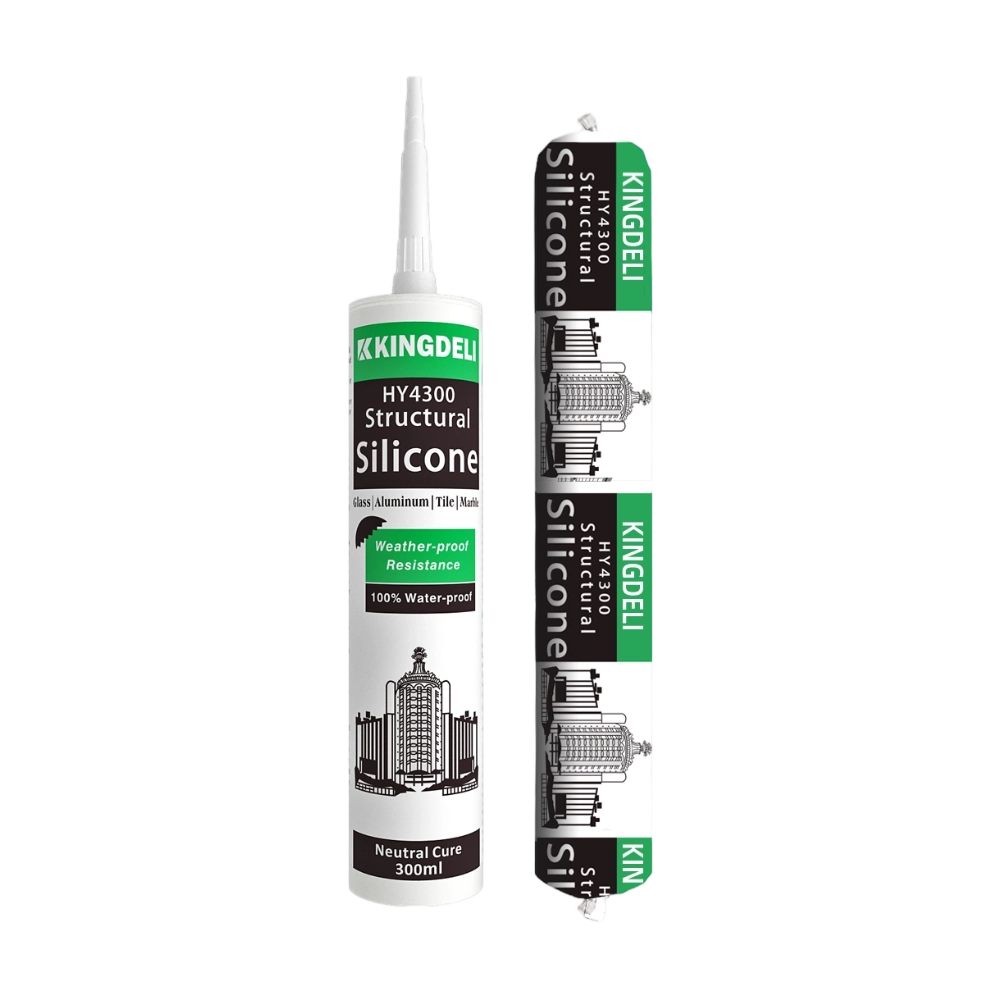
HY-4300 Structural Silicone Sealant — High-Strength Silicone for Structural Glazing

HY992 Modified Polyurethane Construction Sealant
HY992 Modified Polyurethane Sealant is a one-component, moisture-curing construction sealant designed for professional building and structural sealing applications. It provides excellent adhesion, weather resistance, and durable elasticity, making it suitable for a wide range of construction materials.
The formulation delivers strong bonding performance without corrosion or substrate contamination, while maintaining low VOC content for environmentally responsible construction projects.

HY995 Crystal Clear Ms Polymer Adhesive/Sealant
HY995 Crystal Clear Ms Polymer Adhesive/Sealant is a new generation MS Polymer adhesive / sealant formulated for all bonding and sealing applications where long term reliability is required. It has excellent bonding strength on various materials. It will cure to form a durable, flexible, waterproof seal.

HY997 High-Performance Anti-Microbial MS Polymer Sealant
HY997 MS polymer sealant for is is a premium one-component, neutral-curing modified silane sealant engineered for demanding interior applications. It offers a Class 20 movement capability, ensuring long-lasting flexibility and reliable performance under dynamic joint conditions. Curing at room temperature, HY997 delivers superior anti-microbial and mildew-resistant properties, maintaining hygienic and clean environments over time.

KINGDELI HY732 Professional Acetoxy Cure Silicone Sealant
KINGDELI HY732 is a professional-grade, one-component acetoxy cure silicone sealant designed for fast curing, strong adhesion, and long-lasting flexibility. Ideal for aquariums, glass applications, aluminum doors and windows, kitchens, and bathrooms, it provides reliable sealing performance with excellent anti-fungal protection in high-humidity environments.
Let’s Build Stronger Bonds with Quality Adhesives and Sealants
Have questions about the topic or need tailored sealant solutions for your project?
Our team is ready to provide expert guidance, product recommendations, and application support.
Innovating with Integrity, Bonding the World
Since 1998, KINGDELI has delivered trusted, sustainable sealant solutions that connect industries and inspire progress worldwide.

Whatsapp: +8618825946249
Kingdeli
Kingdeli
Kingdeli
Kingdeli
Kingdeli