


Packaging, Labeling and Logistics for Bulk PU Adhesive Shipments

- Bulk transport and containment strategies for polyurethane bonding compounds
- Choosing the right bulk format: drums, IBCs, or tank containers
- Design features that reduce contamination and spoilage
- Packaging testing and quality acceptance at dispatch
- Labeling, documentation and regulatory compliance
- Hazard classification and label content
- Transport documents, customs and commercial paperwork
- Standards and authoritative references
- Temperature, moisture control and risk mitigation in transit
- Thermal management and active temperature control
- Moisture exclusion and purging protocols
- Emergency response and spill containment planning
- Operational logistics: carrier selection, handling SOPs and cost optimization
- Carrier qualification and HAZMAT competency
- Loading and unloading standard operating procedures
- Cost controls: packaging lifecycle and bulk consolidation
- KINGDELI: scalable supply, technical support and compliant logistics
- Manufacturing capacity and quality systems
- Product portfolio and technical compatibility
- Logistics services, OEM/ODM and regulatory assistance
- Quality assurance and after-sales technical service
- Frequently Asked Questions
High-volume supply chains for reactive polyurethane bonding systems require a systems approach: selecting fit-for-purpose containers (drums, IBCs, tank containers), implementing hazardous-goods classification and compliant labeling, applying temperature and moisture control during transit, auditing carriers for HAZMAT competence, and aligning documentation with customs and end-user requirements to reduce dwell time and spoilage. This guide translates regulatory sources, industry best practices and procurement priorities into actionable steps for buyers and logistics teams managing bulk shipments of isocyanate-modified adhesives and glazing sealants.
Bulk transport and containment strategies for polyurethane bonding compounds
Choosing the right bulk format: drums, IBCs, or tank containers
Selection of packaging starts from viscosity, reactivity and fill volume. Standard steel drums (nominal 200 L) remain appropriate for lower-volume dispatches, offering easy handling and compatibility with standard drum pumps. Intermediate Bulk Containers (typically 750–1,250 L nominal; most commonly 1,000 L) deliver lower unit handling cost per liter and reduce secondary packaging, while ISO tank containers or insulated road tankers (20,000–26,000 L range) are preferred for full-truckload or intercontinental consolidated shipments. Consider product sensitivity: highly moisture-reactive prepolymers benefit from sealed, nitrogen-purged IBCs or lined tank solutions to reduce polymerization risk during storage and transit.
Design features that reduce contamination and spoilage
Invest in closures and vents that maintain inert headspace (nitrogen blanketing ports, hermetic fittings) and internal liners where compatibility is required. For reactive systems containing blocked or free isocyanates and polyols, corrosion-resistant fittings and electrically conductive grounding straps for metal containers mitigate contamination and electrostatic build-up respectively. Buyers should require certificate-of-compliance for liners and closure materials to confirm compatibility with polymer chemistry.
Packaging testing and quality acceptance at dispatch
Standardize a pre-shipment checklist: hydrostatic/pressure test records for reusable containers, tamper-evidence integrity, purge/inerting certificates, and batch identity with production traceability. Adoption of a supplier quality plan that mandates random sample retention, and documented acceleration testing for shelf-stability, helps procurement reduce returns and field failures.
Labeling, documentation and regulatory compliance
Hazard classification and label content
Reactive polyurethane adhesives commonly lead to hazardous goods classifications under transport regulations when containing flammable solvents, isocyanates, or stabilization agents. Proper classification drives hazard labels, UN numbers and packing group requirements. Labels must include product identification, supplier contact, pictograms, signal words, and specific handling precautions. Cross-reference Safety Data Sheets (SDS) with transport documents to avoid mismatches that can trigger carrier rejection at acceptance.
Transport documents, customs and commercial paperwork
Commercial invoices, packing lists, bills of lading, and certificates of origin must reflect the container type and net/gross weights accurately. For bonded shipments, harmonized system (HS) codes and export control classifications should be validated with customs brokers in destination markets to prevent clearance delays. Buyers should require export declaration support and pre-clearance documentation when scheduling Just-In-Time (JIT) deliveries for assembly lines.
Standards and authoritative references
Manufacturers and shipping coordinators should align labeling and management systems with internationally recognized frameworks such as ISO 9001 for quality traceability and IATA Dangerous Goods Regulations for air transport of regulated adhesive products. Technical performance or test methods may reference standards published by ASTM. For materials science context on polyurethanes and their reactive behavior, see the general overview at polyurethane.
Temperature, moisture control and risk mitigation in transit
Thermal management and active temperature control
Many polymeric systems exhibit temperature-dependent viscosity and reactivity. Maintain transport temperatures within manufacturer-defined windows (commonly 5–30°C for premixed systems, but product-specific). Options include refrigerated trucks, insulated blankets for road transit, and chilled containers for longer ocean legs. Use validated data loggers with tamper-proof seals and reportable alarm thresholds to provide objective proof-of-condition on arrival.
Moisture exclusion and purging protocols
Exposure to humidity accelerates crosslinking for moisture-curing polyurethanes. Employ desiccant-packed secondary packaging, sealed IBCs, and nitrogen blanket records for products with free isocyanate content. For longer storage at transit hubs, rotation policies and first-expiry-first-out (FEFO) logistics limit shelf-age exposure.
Emergency response and spill containment planning
Shippers and receivers must incorporate SDS-driven emergency instructions into carrier training, specifying PPE, neutralization agents and local disposal regulations. Pre-agreed emergency contact trees and local 24/7 support numbers reduce incident response time; document retention of incident reports is essential for insurance and continuous improvement.
Operational logistics: carrier selection, handling SOPs and cost optimization
Carrier qualification and HAZMAT competency
Qualification criteria for carriers should include HAZMAT certification, driver training records, equipment maintenance history, and incident performance metrics. Conduct annual audits focusing on correct placarding, segregation practices, and route risk assessments. For cross-border lanes, assess carrier customs brokerage capabilities to minimize dwell time in transit hubs.
Loading and unloading standard operating procedures
Define SOPs that cover pre-loading product verification, use of grounding straps, purge verification, secured lashing for containers, and documentation handover. At receiver sites, require controlled transfer procedures: closed-loop pump connections, filtered venting, and validated inert transfer if required by product chemistry. Integrate acceptance checkpoints into ERP/WMS to automatically flag deviations and prevent unauthorized dispensing.
Cost controls: packaging lifecycle and bulk consolidation
Total landed cost analysis should include packaging return logistics (reverse logistics for reconditioned IBCs), liner disposal fees, and insurance High Qualitys tied to commodity classification. Consolidating shipments into IBC or tank loads typically reduces per-unit freight and packaging spend; however, balance this against risk exposure and on-site storage constraints at the consignee.
| Packaging/Method | Typical Capacity | Primary Advantages | Key Considerations |
|---|---|---|---|
| Steel Drum | ~200 L | Flexible quantities, easy manual handling, wide compatibility | Higher per-liter cost, more handling steps, greater waste |
| IBC (Intermediate Bulk Container) | 750–1,250 L (commonly 1,000 L) | Lower unit packaging cost, stackable, reusable | Requires compatible liner or inerting for reactive systems |
| ISO Tank / Road Tanker | 20,000–26,000 L | Best for high-volume moves, lowest freight/unit | High minimum order, specialized cleaning and lining needed |
| Reconditioned Returnable | Varies | Reduced waste and long-term cost savings | Requires reverse logistics and quality control systems |
KINGDELI: scalable supply, technical support and compliant logistics
Manufacturing capacity and quality systems
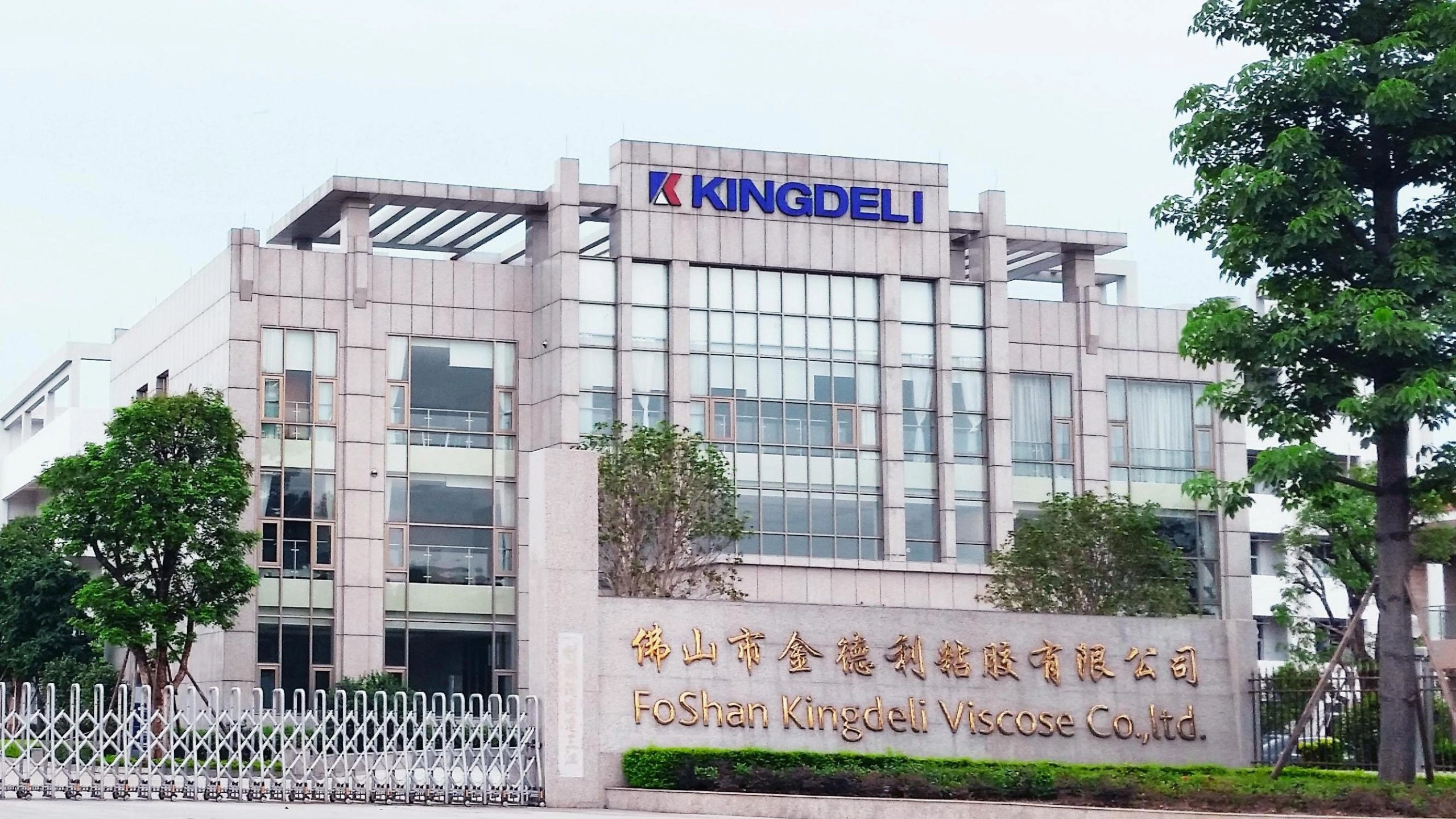
Since its establishment in 1998, KINGDELI has stood as a global leader in the high-performance sealant, adhesive, and coating industry. Headquartered in Foshan, China, our state-of-the-art 66,000 m² facility is powered by fully automated production lines with an annual capacity exceeding 100,000 tons, ensuring a consistent and robust supply for partners worldwide. Our quality management and environmental systems are aligned with ISO 9001 and ISO 14001 frameworks, supporting traceability from batch release through dispatch.
Product portfolio and technical compatibility
We offer a comprehensive product range including neutral silicone sealant, acetic silicone sealant, acrylic sealant, glazing-specific silicone grades, No More Nails adhesives, polyurethane sealants, MS polymer sealants, RTV gasket makers, epoxy tile grouts, and self-leveling sealants. For automotive glazing and structural bonding applications that require reactive two-component or moisture-curing chemistries, KINGDELI supplies matched materials with documented compatibility and shelf-life data to optimize bulk handling and reduce field rejects.
Logistics services, OEM/ODM and regulatory assistance
Our supply chain services include packaging engineering (custom IBC liners, nitrogen purge protocols), carrier pre-qualification for hazardous shipments, and export documentation support for international routes. As a recognized National High-Tech Enterprise and a key contributor to the National Standard GB/T 29755-2013, KINGDELI provides OEM/ODM program management, low-VOC formulation options, and on-site technical training for safe handling and dispensing. Buyers working with high-volume glazing programs benefit from our capability to scale production, validate packaging designs, and coordinate JIT deliveries that align with line-side consumption rates.
Quality assurance and after-sales technical service
We maintain retention samples, provide SDS and transport classification support, and supply inspection certificates (COA) with each shipment. For customers deploying large-scale adhesive programs—such as windshield bonding and structural glazing—our technical team delivers application trials, cure-time profiling, and logistics-friendly storage recommendations to protect product performance during transit and at point-of-use.
For procurement teams and logistics managers, partnering with a supplier that integrates manufacturing scale, certified quality systems and logistics engineering reduces total cost of ownership and supply disruptions for critical bonding compounds used in automotive and glazing supply chains.
Frequently Asked Questions
What are the recommended container types for bulk reactive polyurethane adhesives?
Typical options are steel drums (~200 L) for smaller volumes, IBCs (commonly 1,000 L) for mid-size bulk shipments, and ISO tank containers or road tankers (20,000–26,000 L) for large-volume moves. Selection depends on product reactivity, required inerting and on-site handling capacity.
How should suppliers label and document hazardous adhesive shipments to avoid carrier rejection?
Ensure hazard classification aligns with the Safety Data Sheet, include correct UN numbers and pictograms, provide complete supplier contact details on the label, and attach matching transport documents (SDS, packing list, bill of lading). Pre-validation of labels with the carrier and customs broker reduces rejection risk.
What temperature and moisture controls are necessary during transit?
Maintain transport temperatures within manufacturer-specified windows using refrigerated or insulated transport where required, employ nitrogen blanket or sealed liners for moisture-sensitive chemistries, and use certified data loggers to record conditions for acceptance at the consignee.
When is consolidation into tank or ISO-container loads more cost-effective than drum/IBC shipments?
For consistent, high-volume consumption rates that justify minimum order quantities, tank or ISO-container shipments reduce per-unit freight and packaging costs. However, buyers should weigh this against inventory holding costs, cleaning/lining requirements, and the consignee's ability to handle large-volume transfers.
What buyer controls reduce the risk of polymerization or spoilage during storage and transport?
Implement FEFO rotation, require purge/inert certificates for nitrogen-blanketed shipments, use validated liners or corrosion-resistant fittings, enforce sealed closure integrity checks at dispatch and receipt, and include environmental monitoring with alarm thresholds recorded by data loggers.
Specifying Low-VOC MS Silicone Sealant for Regulatory Compliance
How to Vet a Private Label Silicone Sealant Manufacturer
Neutral Silicone Sealant Curing Time and Temperature Effects
Troubleshooting Self-Leveling Sealant Failures: Fixes and Prevention
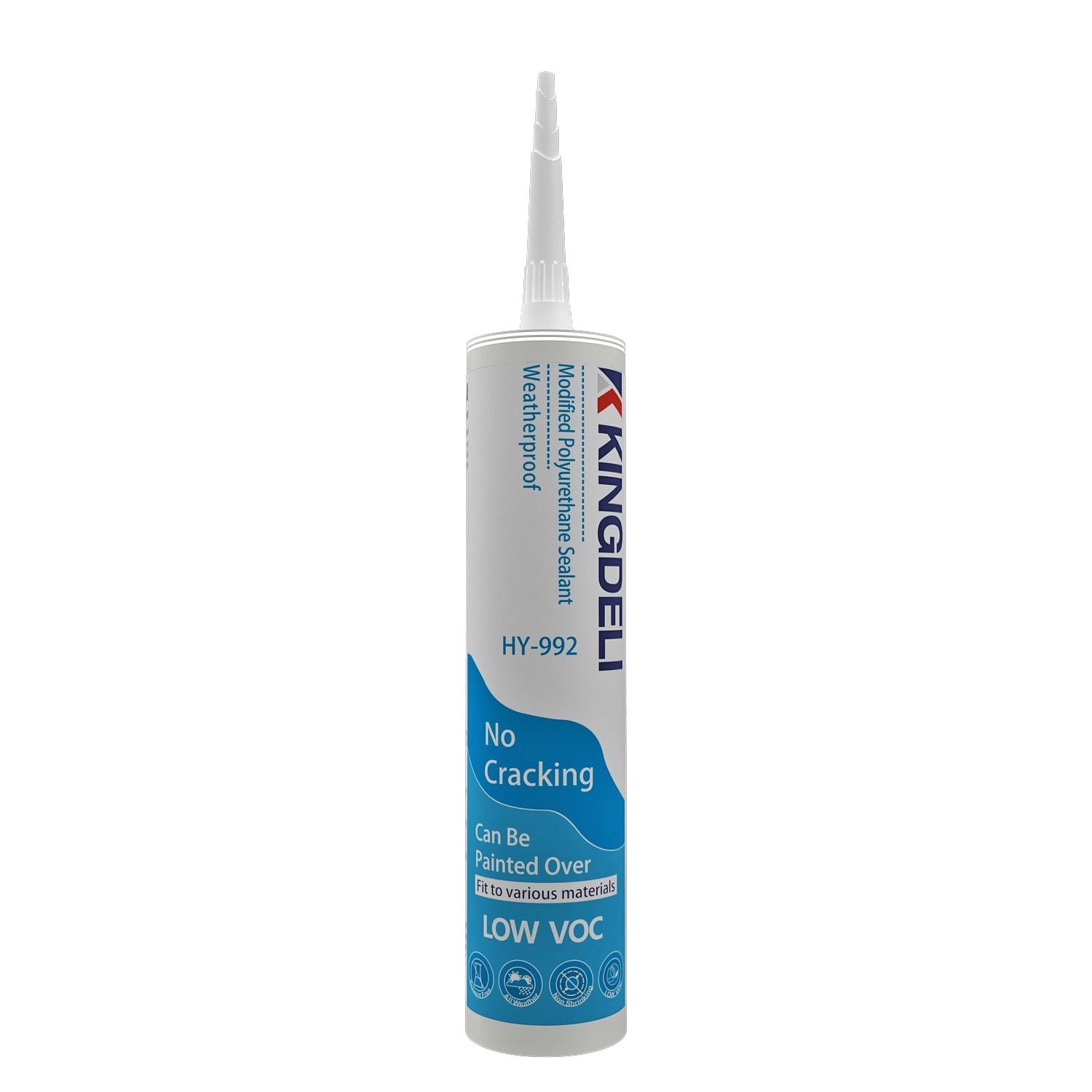
HY992 Modified Polyurethane Construction Sealant
HY992 Modified Polyurethane Sealant is a one-component, moisture-curing construction sealant designed for professional building and structural sealing applications. It provides excellent adhesion, weather resistance, and durable elasticity, making it suitable for a wide range of construction materials.
The formulation delivers strong bonding performance without corrosion or substrate contamination, while maintaining low VOC content for environmentally responsible construction projects.

HY995 Crystal Clear Ms Polymer Adhesive/Sealant
HY995 Crystal Clear Ms Polymer Adhesive/Sealant is a new generation MS Polymer adhesive / sealant formulated for all bonding and sealing applications where long term reliability is required. It has excellent bonding strength on various materials. It will cure to form a durable, flexible, waterproof seal.

HY997 High-Performance Anti-Microbial MS Polymer Sealant
HY997 MS polymer sealant for is is a premium one-component, neutral-curing modified silane sealant engineered for demanding interior applications. It offers a Class 20 movement capability, ensuring long-lasting flexibility and reliable performance under dynamic joint conditions. Curing at room temperature, HY997 delivers superior anti-microbial and mildew-resistant properties, maintaining hygienic and clean environments over time.
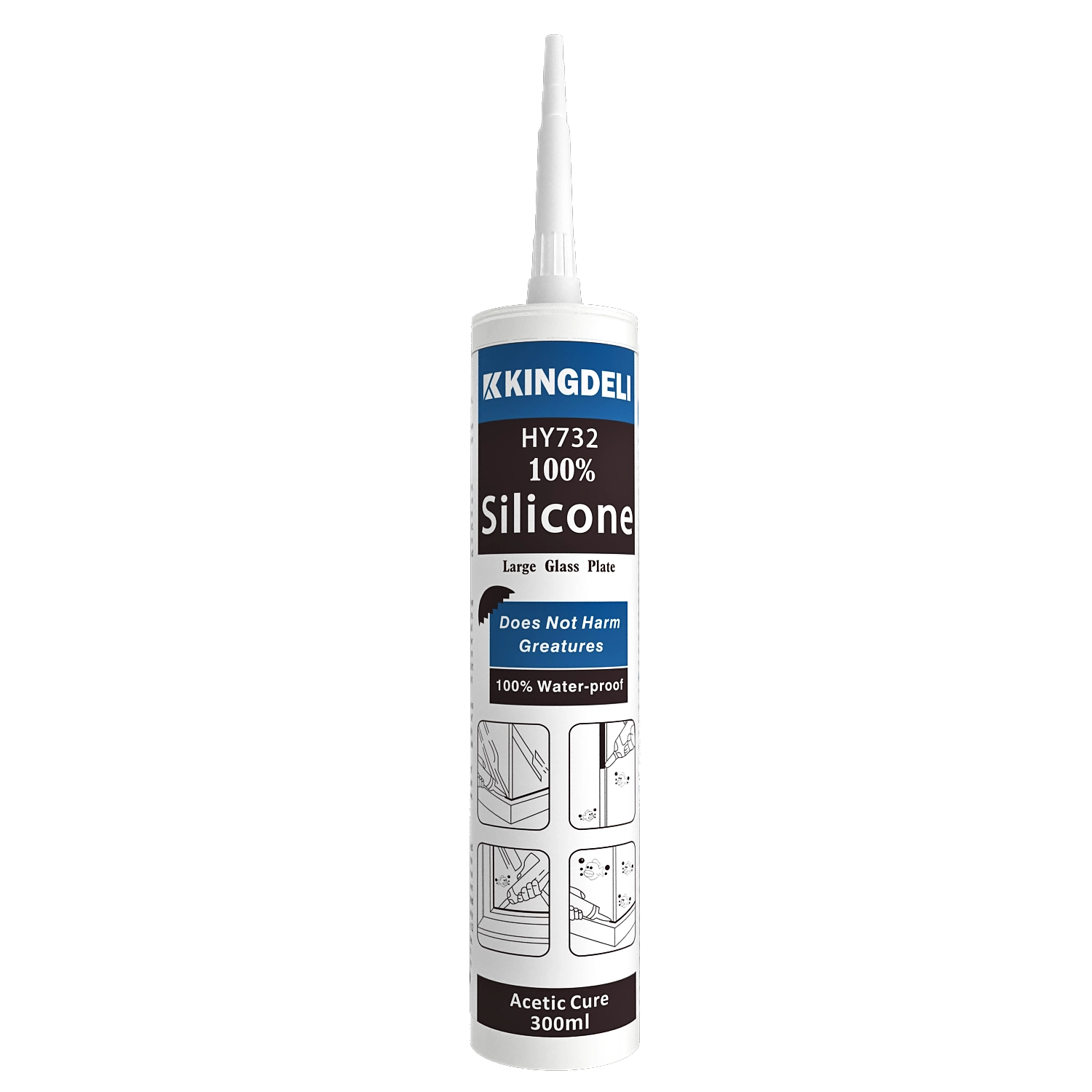
KINGDELI HY732 Professional Acetoxy Cure Silicone Sealant
KINGDELI HY732 is a professional-grade, one-component acetoxy cure silicone sealant designed for fast curing, strong adhesion, and long-lasting flexibility. Ideal for aquariums, glass applications, aluminum doors and windows, kitchens, and bathrooms, it provides reliable sealing performance with excellent anti-fungal protection in high-humidity environments.
Let’s Build Stronger Bonds with Quality Adhesives and Sealants
Have questions about the topic or need tailored sealant solutions for your project?
Our team is ready to provide expert guidance, product recommendations, and application support.
Innovating with Integrity, Bonding the World
Since 1998, KINGDELI has delivered trusted, sustainable sealant solutions that connect industries and inspire progress worldwide.
Whatsapp: +8618825946249
Kingdeli
Kingdeli
Kingdeli
Kingdeli
Kingdeli