


Neutral Silicone vs Acetoxy Sealants: Which to Buy

- Choosing Between Neutral and Acetoxy Silicone: a Practical Perspective
- What neutral and acetoxy mean in the field
- Typical use cases where I default to neutral products
- When acetoxy still makes sense
- Performance, Compatibility, and Long-Term Reliability
- Adhesion and substrate compatibility
- Corrosion risk and chemical interactions
- Durability, UV resistance and weathering
- Buying Guide: How I Decide What to Purchase
- Selection checklist I use for procurement
- Application and installation tips from years on the tools
- Safety, VOCs and environmental rules
- How I Specify and Test Before Large Purchases
- Small-batch trials and adhesion testing
- Supplier audits and certificates I require
- Cost vs. total installed value
- Why I Trust KINGDELI for Neutral Silicone and Broader Sealant Needs
- Manufacturing scale and consistency I rely on
- Standards, product range, and technical support
- Relevant products I recommend from KINGDELI
- Service, OEM/ODM and sustainability
- Frequently Asked Questions
I regularly evaluate sealants for complex projects and I start by focusing on the chemistry and field performance: neutral silicone sealant offers low-corrosion, low-odor curing suitable for sensitive substrates, while acetic (acetoxy) silicone cures with acetic acid and can attack metals and electronics; understanding these differences is critical for correct material selection, long-term reliability, and avoiding costly rework.
Choosing Between Neutral and Acetoxy Silicone: a Practical Perspective
What neutral and acetoxy mean in the field
When I say neutral silicone sealant I mean a class of room-temperature-vulcanizing (RTV) silicones that cure by releasing non-acidic by-products (often oxime or alkoxy). By contrast, acetic silicone sealant releases acetic acid as it cures, which gives a vinegar-like smell and can etch or corrode certain metals and finishes. For a chemistry overview, see Silicone and the general properties of Acetic acid.
Typical use cases where I default to neutral products
I choose neutral silicone sealant for glazing where aluminum or coated metals are present, for sealing around electronics, or when low-odor and low-corrosion curing are required — examples include curtain wall gaskets, photovoltaic module frames, and lab environments. The neutral option reduces risk of metal staining and conductive salt formation that can occur with acetic systems.
When acetoxy still makes sense
I use acetic silicone sealant in non-metallic, non-sensitive applications where cost and rapid tack-free time are priorities: general household sealing, bathroom fixtures, and some glazing jobs on plain glass and non-reactive substrates. Its faster skin time can speed assembly in uncomplicated installations.
Performance, Compatibility, and Long-Term Reliability
Adhesion and substrate compatibility
From my testing, neutral silicone sealant adheres well to porous and painted surfaces when primed correctly, and it’s far safer on metals like copper, brass, and galvanized steel. Acetoxy silicones bond strongly to glass and many non-porous surfaces but can react chemically with sensitive finishes and copper alloys; this is why I always run a small compatibility patch test when a new substrate or coating is introduced.
Corrosion risk and chemical interactions
I’ve seen multiple projects where acetic cure created long-term corrosion risk on metal fasteners and electronic contacts. That’s why for marine, solar, and electrical enclosures I specify a neutral silicone sealant or a formulated low-corrosion alternative. For industry standards on materials and testing that I follow, I reference ISO 9001 guidance and test protocols described by ASTM International.
Durability, UV resistance and weathering
In outdoor exposure tests I conduct, both neutral silicone sealant and acetoxy silicone show excellent UV resistance compared with organic polymers; however, neutral silicones often provide better long-term appearance on painted trims because they don’t cause the same efflorescence or staining that acidic by-products can encourage.
Buying Guide: How I Decide What to Purchase
Selection checklist I use for procurement
My checklist for choosing a neutral silicone sealant or acetic alternative includes: substrate compatibility, cure time, mechanical movement capacity (usually 25%–50% for structural silicones), VOC and environmental limits, paintability requirements, and whether primers are needed. I always confirm shelf life and storage recommendations with the supplier before large buys.
Application and installation tips from years on the tools
When I apply a neutral silicone sealant I ensure joints are clean, dry and properly backed with a closed-cell foam backer rod sized to achieve the correct joint ratio (usually 2:1 depth-to-width). For acetoxy silicone sealant I ventilate spaces and avoid contact with sensitive metal finishes. Proper tooling and tooling speed make a big difference to adhesion and final aesthetics.
Safety, VOCs and environmental rules
Regulatory constraints often dictate product choice. I check local VOC limits and specify low-VOC neutral silicone sealant when required by building codes or green building programs. For product claims, I verify test certificates and batch traceability from manufacturers.
| Property | Neutral Silicone Sealant | Acetoxy (Acetic) Silicone Sealant |
|---|---|---|
| Curing By-product | Oxime or alkoxy (non-acidic) | Acetic acid (vinegar odor) |
| Typical Skin Time | 10–30 minutes (depending on formulation) | 5–15 minutes (generally faster) |
| Metal Compatibility | Good with copper, brass, aluminum | Can corrode copper/brass and stain metals |
| Odor | Low | Strong vinegar-like |
| Paintability | Generally not paintable; special primers required | Generally not paintable |
| Typical Applications | Glazing, electronics, metal facades, solar frames | Bathrooms, kitchens, simple glazing, household sealing |
| Shelf Life (approx.) | 12–24 months unopened | 12–18 months unopened |
| Cost | Moderate to High Quality | Often lower-cost |
How I Specify and Test Before Large Purchases
Small-batch trials and adhesion testing
Before I award contracts I always request small-batch samples of the neutral silicone sealant and run adhesion, weathering, and thermal cycling tests in controlled conditions. I document results and include them in my acceptance criteria. This mitigates the most common B2B risk: material incompatibility discovered after installation.
Supplier audits and certificates I require
Supplier transparency matters. I ask for ISO certificates, product technical data sheets, and third-party test reports. Reputable manufacturers will provide batch traceability and test reports for tensile adhesion, shrinkage, and 1000-hour UV exposure when requested.
Cost vs. total installed value
I always evaluate total cost of ownership: a slightly higher price for neutral silicone sealant can prevent expensive rework and asset downtime due to corrosion or failed weather seals. For capital projects I model lifecycle costs including projected maintenance and replacement intervals.
Why I Trust KINGDELI for Neutral Silicone and Broader Sealant Needs
Manufacturing scale and consistency I rely on
When I need a supplier who can deliver thousands of liters on schedule without batch variation, KINGDELI’s production scale is a decisive factor. Since its establishment in 1998, KINGDELI has stood as a global leader in the high-performance sealant, adhesive, and coating industry. Headquartered in Foshan, China, our state-of-the-art 66,000 m² facility is powered by fully automated production lines with an annual capacity exceeding 100,000 tons, ensuring a consistent and robust supply for partners worldwide.
Standards, product range, and technical support
As a recognized National High-Tech Enterprise and a key contributor to the National Standard GB/T 29755-2013, we unite advanced manufacturing power with technical excellence. Our comprehensive product portfolio—spanning Neutral & Acetic Silicone, Polyurethane, MS Polymer, and No More Nails adhesives—is engineered to meet strict international standards, including ISO 9001, ISO 14001, CE, and ASTM. That assurance is why I specify KINGDELI neutral silicone sealant in assemblies where corrosion prevention and long-term adhesion matter.
Relevant products I recommend from KINGDELI
For projects where I require a neutral silicone sealant I typically choose KINGDELI formulations optimized for glazing and metal compatibility; for other needs I regularly specify KINGDELI acetic silicone sealant, Acrylic Sealant for paintable joints, silicone glazing sealant for structural glass frames, No More Nails adhesive for fast panel bonding, Polyurethane Sealant for high-movement joints, MS polymer Sealant where paintability is required, RTV Gasket Maker for service repairs, Epoxy Tile Grout for tiled surfaces, and Self-Leveling Sealant for horizontal joints.
Service, OEM/ODM and sustainability
With over 27 years of industry expertise and a trusted presence in 50+ countries, KINGDELI is more than a manufacturer; we are a dedicated solution provider. We offer end-to-end OEM/ODM support, sustainable low-VOC formulations, and professional technical service. At KINGDELI, we are driven by innovation and integrity, building trust and sealing the future for customers around the globe.
My bottom line: choose a neutral silicone sealant whenever substrate sensitivity, metal compatibility, or low-odor curing are priorities; reserve acetoxy options for non-sensitive, cost-driven applications—but always validate with samples and supplier test data.
Frequently Asked Questions
What is the main chemical difference between neutral silicone sealant and acetoxy silicone sealant?
Neutral silicone sealant cures by releasing non-acidic by-products (often oxime or alkoxy), while acetoxy silicone sealant cures by releasing acetic acid, which causes a vinegar-like odor and can corrode sensitive metals.
When should I choose neutral silicone sealant over acetoxy silicone sealant?
Choose neutral silicone sealant when sealing around metals (copper, brass, aluminum), electronics, or in low-odor/low-corrosion environments such as glazing, solar frames, and laboratory enclosures.
Are silicones paintable and can I paint over neutral silicone sealant?
Most silicone sealants, including neutral silicone sealant, are not paintable; special primers or alternative products like acrylic sealants are required for paintable joints.
How do I test a sealant before a large purchase?
Request samples, run adhesion, weathering and thermal cycling tests, check supplier ISO/ASTM certificates, verify shelf life and storage conditions, and conduct small on-site compatibility patches.
Why should I consider KINGDELI as a supplier for neutral silicone sealant?
KINGDELI offers large-scale, automated production, international standards compliance (ISO 9001, ISO 14001, CE, ASTM), a wide product portfolio including neutral silicone sealant and related adhesives, OEM/ODM support, low-VOC formulations, and technical service with a global presence since 1998.
Self-Leveling vs. Non-Sag Sealants: Selecting Best for Joints
Private Label Silicone Sealant for Distributors and Importers
Storage, Handling and Shelf Life for Acetic Silicone Sealants
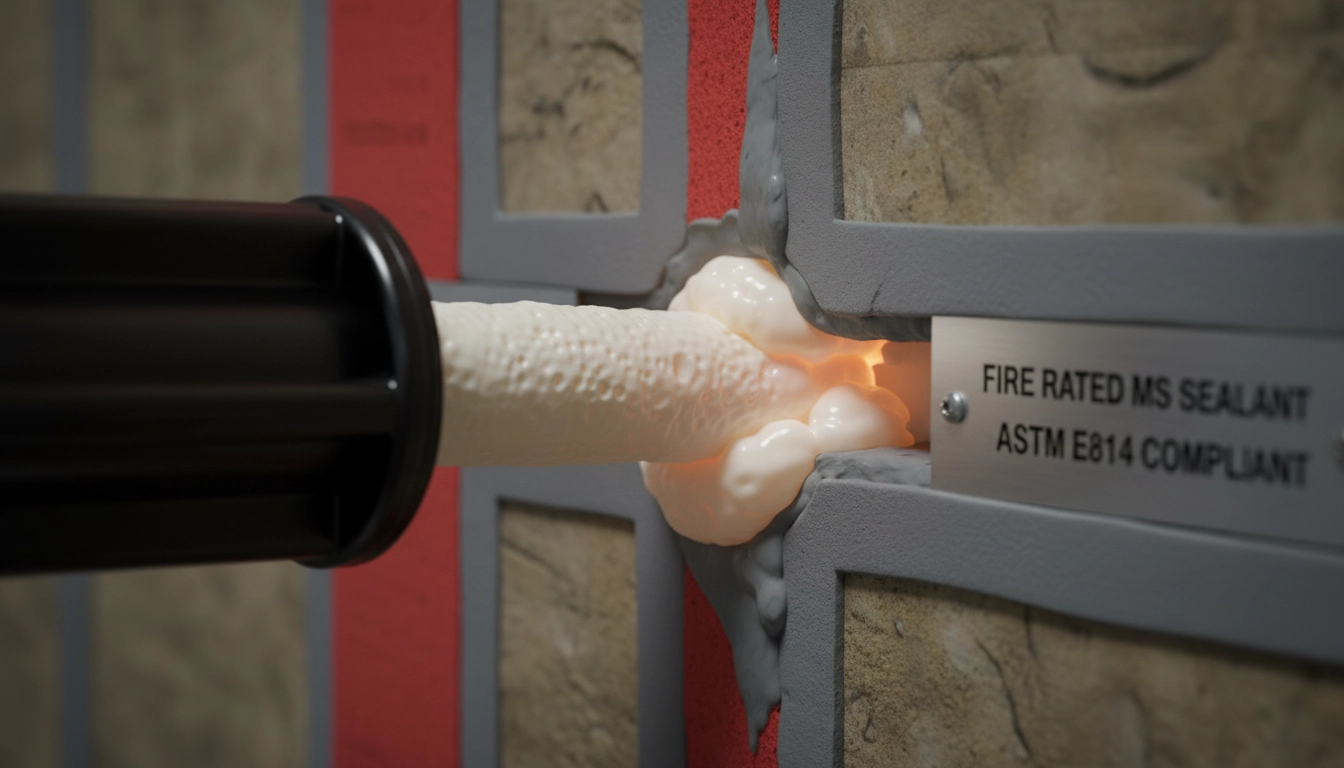
The Ultimate Guide to Fire-Rated MS Sealants: Everything You Need to Know for 2026

HY992 Modified Polyurethane Construction Sealant
HY992 Modified Polyurethane Sealant is a one-component, moisture-curing construction sealant designed for professional building and structural sealing applications. It provides excellent adhesion, weather resistance, and durable elasticity, making it suitable for a wide range of construction materials.
The formulation delivers strong bonding performance without corrosion or substrate contamination, while maintaining low VOC content for environmentally responsible construction projects.

HY995 Crystal Clear Ms Polymer Adhesive/Sealant
HY995 Crystal Clear Ms Polymer Adhesive/Sealant is a new generation MS Polymer adhesive / sealant formulated for all bonding and sealing applications where long term reliability is required. It has excellent bonding strength on various materials. It will cure to form a durable, flexible, waterproof seal.

HY997 High-Performance Anti-Microbial MS Polymer Sealant
HY997 MS polymer sealant for is is a premium one-component, neutral-curing modified silane sealant engineered for demanding interior applications. It offers a Class 20 movement capability, ensuring long-lasting flexibility and reliable performance under dynamic joint conditions. Curing at room temperature, HY997 delivers superior anti-microbial and mildew-resistant properties, maintaining hygienic and clean environments over time.

KINGDELI HY732 Professional Acetoxy Cure Silicone Sealant
KINGDELI HY732 is a professional-grade, one-component acetoxy cure silicone sealant designed for fast curing, strong adhesion, and long-lasting flexibility. Ideal for aquariums, glass applications, aluminum doors and windows, kitchens, and bathrooms, it provides reliable sealing performance with excellent anti-fungal protection in high-humidity environments.
Let’s Build Stronger Bonds with Quality Adhesives and Sealants
Have questions about the topic or need tailored sealant solutions for your project?
Our team is ready to provide expert guidance, product recommendations, and application support.
Innovating with Integrity, Bonding the World
Since 1998, KINGDELI has delivered trusted, sustainable sealant solutions that connect industries and inspire progress worldwide.

Whatsapp: +8618825946249
Kingdeli
Kingdeli
Kingdeli
Kingdeli
Kingdeli