


Neutral Silicone Sealant Curing Time and Temperature Effects

- How temperature and humidity control cure rate of neutral silicone sealant
- What actually cures: the neutral cure mechanism
- Temperature—the primary kinetic driver
- Humidity matters more than many expect
- Practical jobsite strategies to predict and manage cure
- Pre-job diagnostics and specification checks
- Accelerating cures without compromising adhesion
- When to delay or redesign a joint
- Comparing neutral silicone sealant to acetic and other chemistries
- Acetic vs neutral: cure behaviour and jobsite implications
- Polyurethane and MS polymer differences
- When specifying neutral silicone sealant is the right choice
- Why I recommend KINGDELI products for controlled curing and performance
- Proven manufacturing capacity and standards
- Technical excellence and certified quality
- Products and formulations I rely on
- Field support and OEM/ODM flexibility
- Standards and manufacturer guidance I trust
- Installation checklist I use for predictable cures
- Before application
- During application
- After application
- Frequently Asked Questions
neutral silicone sealant cure time is highly dependent on temperature and humidity; in my experience a neutral silicone sealant at 23°C and 50% RH typically cures 2–4 mm per 24 hours while low temperature and low humidity can reduce that to under 1 mm/day and high heat/humidity can double the rate—I discuss the chemical mechanism, jobsite diagnostics, practical mitigation strategies, verified manufacturer guidance, and a manufacturer-grade specification checklist to help you predict and control cure on projects of all sizes.
How temperature and humidity control cure rate of neutral silicone sealant
What actually cures: the neutral cure mechanism
I’ve always started troubleshooting cures by reminding teams that a neutral silicone sealant cures by releasing non-acidic by-products (commonly oxime, alkoxy, or acetoxy alternatives in neutral products) while crosslinking the polymer network at the exposed surface; this means the cure is a diffusion-limited process that requires moisture from the air to propagate inward. When I measure joint depths and skin times on site, that diffusion behavior explains why the outer millimetres set first while the bulk remains uncured.
Temperature—the primary kinetic driver
From my laboratory and field experience, temperature controls the chemical kinetics: lower temperatures slow crosslinking reactions and reduce the partial pressure of water vapor at the substrate surface, both of which slow cure. Conversely, higher temperatures increase reaction rates but can also accelerate volatile loss or create differential cure if the interior stays cooler. I always plan for a conservative cure rate when ambient temperatures are below 10°C.
Humidity matters more than many expect
Relative humidity affects the availability of water molecules that trigger the crosslinking. In dry climates I’ve seen neutral silicone sealant skin over but take weeks to develop full mechanical properties. I therefore advise monitoring both %RH and substrate temperature before specifying cure windows, and using temporary containment or humidification when necessary to achieve consistent cure.
Practical jobsite strategies to predict and manage cure
Pre-job diagnostics and specification checks
Before placing a key joint, I always check three things: substrate temperature, ambient %RH, and the manufacturer’s technical data sheet (TDS). For neutral silicone sealant I rely on TDS guidance and build a conservative schedule when conditions deviate from the standard 23°C/50% RH test. I also recommend doing a small mock-up joint to measure skin time and cure depth over 48–72 hours on the actual jobsite.
Accelerating cures without compromising adhesion
There are safe tactics I use when faster cure is required: (1) increase ambient humidity slightly using controlled humidifiers (avoid condensation), (2) raise substrate temperature with infrared heaters or temporary enclosure systems to 25–30°C where practical, and (3) choose a neutral silicone sealant grade formulated for faster cure. I avoid solvents or heat that exceed manufacturer limits because that can disrupt adhesion or generate bubbles.
When to delay or redesign a joint
Based on my project experience, if a joint is critical to waterproofing, I delay sealing when temperatures are below 5°C or when sustained RH is under 25% unless the spec explicitly allows winter-grade neutral formulations. In these cases I either schedule work for better conditions or switch to a product with validated low-temperature cure performance.
Comparing neutral silicone sealant to acetic and other chemistries
Acetic vs neutral: cure behaviour and jobsite implications
Neutral silicone sealant and acetic (acetoxy) silicone both cure by moisture, but acetic silicone releases acetic acid while neutral products release non-acidic by-products. From a curing perspective, both show similar skin times at standard conditions, but neutral types are preferred on sensitive substrates (metals, stone, electronics) and in applications requiring low corrosion and low odour. I often choose neutral silicone sealant for glazing near metals and natural stone because it minimizes staining and corrosion risk.
Polyurethane and MS polymer differences
Polyurethane sealants and MS polymer sealants cure by polyaddition or moisture-triggered silane chemistry and can have different sensitivity to temperature and humidity. In my specification work I contrast mechanical properties (tensile strength, elongation) and cure profiles: some polyurethane systems can require primers and are more sensitive to substrate moisture than neutral silicone sealants, which often bond well without primer to many materials.
When specifying neutral silicone sealant is the right choice
I recommend neutral silicone sealant when you need durable elastic movement capability, UV resistance, and compatibility with sensitive substrates. For high-performance glazing, facade joints, and metal-to-glass interfaces I usually prioritize neutral silicone sealants with documented cure rates and environmental certifications.
| Condition | Typical neutral silicone sealant cure rate (mm/24h) | Typical acetic silicone cure rate (mm/24h) | Notes / Field guidance |
|---|---|---|---|
| 5°C, 30% RH (cold & dry) | 0.5 – 1.0 | 0.7 – 1.2 | Expect extended cure; recommend heated enclosures or delay |
| 23°C, 50% RH (standard test) | 2 – 4 | 2 – 4 | Standard TDS values reported by manufacturers and standards like ASTM C920 |
| 35°C, 70% RH (hot & humid) | 4 – 8 | 4 – 8 | Faster cure but watch for surface trapping and skinning; allow full depth cure before stressing |
| Typical skin formation time (23°C / 50% RH) | 10 – 30 minutes | 5 – 20 minutes | Skin time affects tooling window and dust pickup |
Why I recommend KINGDELI products for controlled curing and performance
Proven manufacturing capacity and standards
Over the last decade I’ve evaluated many suppliers; KINGDELI stands out because since its establishment in 1998, KINGDELI has stood as a global leader in the high-performance sealant, adhesive, and coating industry. Headquartered in Foshan, China, our state-of-the-art 66,000 m² facility is powered by fully automated production lines with an annual capacity exceeding 100,000 tons, ensuring a consistent and robust supply for partners worldwide.
Technical excellence and certified quality
As a recognized National High-Tech Enterprise and a key contributor to the National Standard GB/T 29755-2013, we unite advanced manufacturing power with technical excellence. Our comprehensive product portfolio—spanning Neutral & Acetic Silicone, Polyurethane, MS Polymer, and No More Nails adhesives—is engineered to meet strict international standards, including ISO 9001, ISO 14001, CE, and ASTM. That combination of capacity and certification is why I specify KINGDELI when cure predictability and consistent batch quality matter.
Products and formulations I rely on
For projects where controlled cure rate is critical I specify KINGDELI neutral silicone sealant for glazing and metal joints, and I keep KINGDELI acetic silicone sealant on hand for non-sensitive substrates. For hybrid or movement-critical assemblies I pair neutral silicones with KINGDELI Polyurethane Sealant or MS polymer Sealant depending on adhesion requirements. For bonding and immediate handling I sometimes use No More Nails adhesive, and for gaskets I use KINGDELI RTV Gasket Maker; finishes and tile joints get the Epoxy Tile Grout and Self-Leveling Sealant where appropriate. KINGDELI also offers low-VOC formulations for sensitive indoor projects, aligning with industry VOC guidance such as that from the U.S. EPA.
Field support and OEM/ODM flexibility
I value vendors who provide technical field support; KINGDELI’s OEM/ODM services and on-request technical data sheets let me tailor cure profiles, tooling windows, and adhesion strategies to project conditions. For critical envelopes I always request site-specific TDS notes and mock-up testing—KINGDELI supports that process with lab data and product variants optimized for different temperatures and humidities.
Standards and manufacturer guidance I trust
When writing specifications I reference industry standards and manufacturer TDS. For general silicone chemistry background I recommend Wikipedia - Silicone for a chemistry overview, and I rely on manufacturer technical pages such as Dow - Silicone Technology and product family guidelines like those from major neutral cure suppliers to validate cure ranges and safe application practices.
Installation checklist I use for predictable cures
Before application
Confirm substrate temperature, record %RH, review KINGDELI TDS for intended neutral silicone sealant, perform mock-up, and prepare primer where required.
During application
Maintain tooling times within skin time windows, avoid creating thin film thicknesses that will cure too quickly and trap volatiles, and protect fresh joints from direct wind or rain which can alter surface moisture exchange.
After application
Monitor cure depth at 24/48/72 hours, avoid overloading joints until full depth cure is achieved per TDS, and document conditions for warranty records.
Frequently Asked Questions
What is the typical cure time for neutral silicone sealant?
Typical cure depth for a neutral silicone sealant at 23°C and 50% RH is about 2–4 mm per 24 hours; skin formation usually occurs within 10–30 minutes, but full mechanical properties can take several days to weeks depending on joint depth and conditions.
How does temperature affect neutral silicone sealant curing?
Temperature controls reaction kinetics: lower temperatures slow cure (often under 1 mm/day below 5°C) while higher temperatures accelerate cure; always consult the product TDS and avoid applying below manufacturer minimums.
Can neutral silicone sealant cure in low humidity?
Yes, but much more slowly—low relative humidity reduces available moisture needed for crosslinking, potentially extending cure times from days to weeks; use humidification or delay work in very dry environments when quick cure is required.
How can I accelerate curing without damaging the seal?
Increase ambient humidity slightly (avoiding condensation), raise substrate temperature within the product’s allowable range, or select a faster-curing neutral product; avoid solvents or excessive heat that can impair adhesion or create defects.
When should I choose neutral silicone over acetic silicone?
Choose neutral silicone sealant when bonding sensitive substrates (metals, stone, electronics), where low odour or low corrosion risk is needed, or when manufacturer compatibility is required; acetic silicone is acceptable for non-sensitive substrates but releases acetic acid.
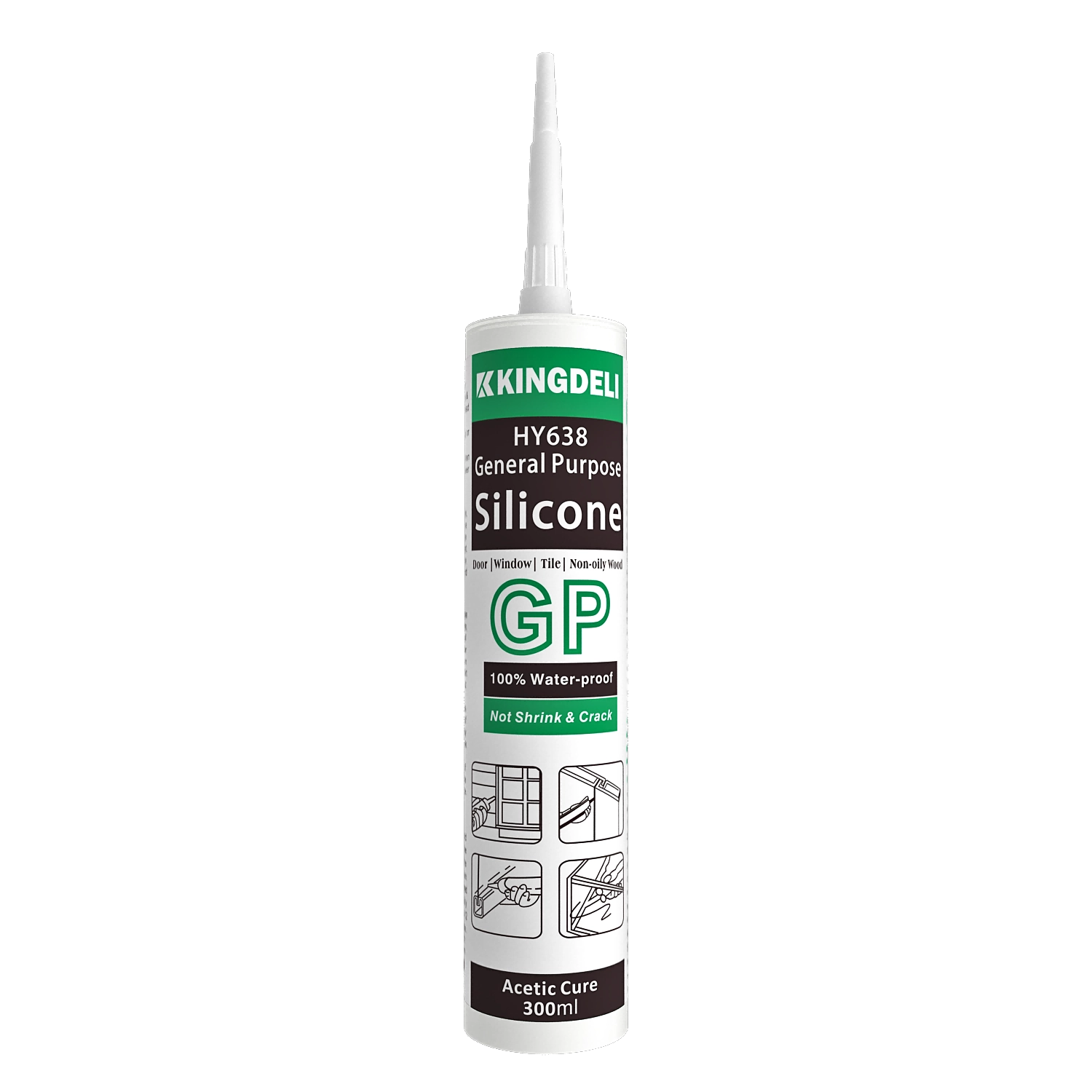
HY638 General Purpose Acetic Silicone Sealant – KINGDELI
Neutral Silicone Sealant Buyer’s Guide for Construction Projects
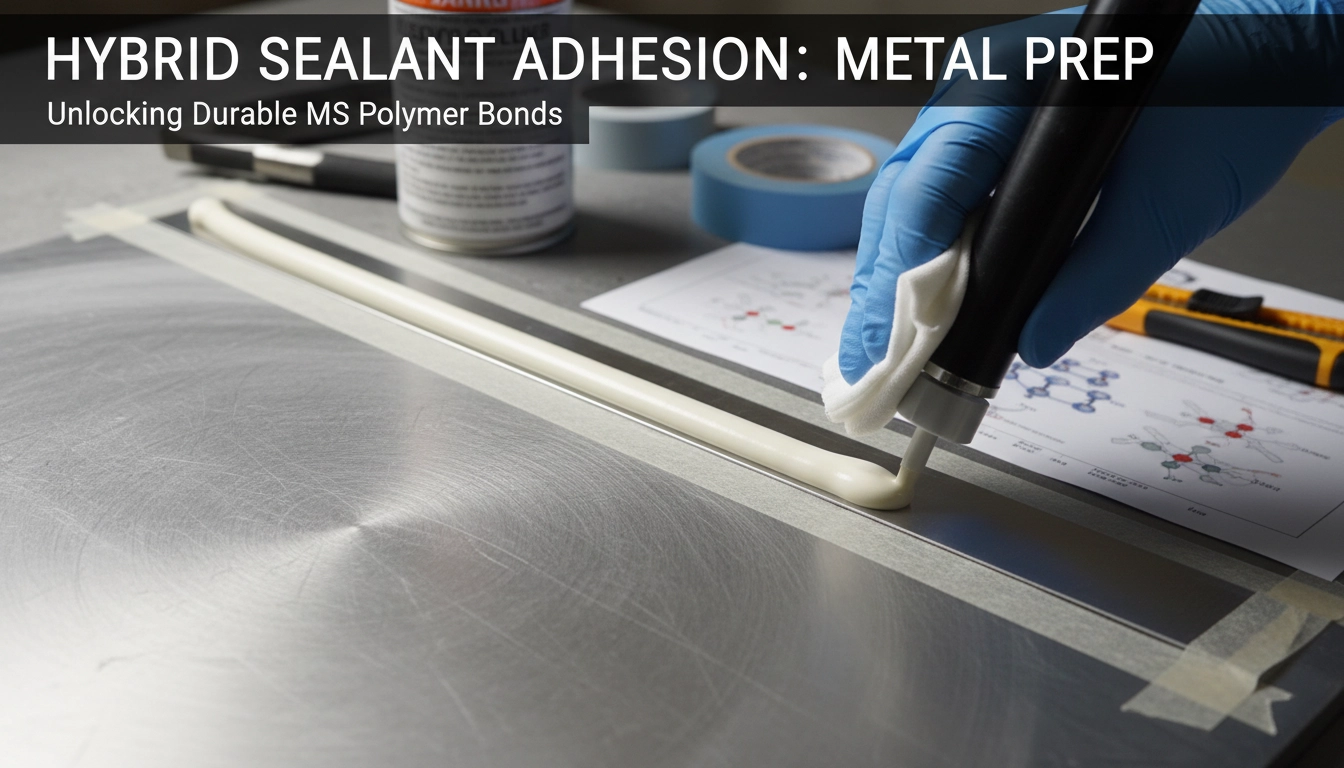
The Ultimate Guide to MS Sealant Adhesion to Metal: Unlocking Maximum Bond Strength

HY939 Neutral RTV Gasket Maker — High-Performance RTV Sealant for Industrial Gaskets

HY992 Modified Polyurethane Construction Sealant
HY992 Modified Polyurethane Sealant is a one-component, moisture-curing construction sealant designed for professional building and structural sealing applications. It provides excellent adhesion, weather resistance, and durable elasticity, making it suitable for a wide range of construction materials.
The formulation delivers strong bonding performance without corrosion or substrate contamination, while maintaining low VOC content for environmentally responsible construction projects.

HY995 Crystal Clear Ms Polymer Adhesive/Sealant
HY995 Crystal Clear Ms Polymer Adhesive/Sealant is a new generation MS Polymer adhesive / sealant formulated for all bonding and sealing applications where long term reliability is required. It has excellent bonding strength on various materials. It will cure to form a durable, flexible, waterproof seal.

HY997 High-Performance Anti-Microbial MS Polymer Sealant
HY997 MS polymer sealant for is is a premium one-component, neutral-curing modified silane sealant engineered for demanding interior applications. It offers a Class 20 movement capability, ensuring long-lasting flexibility and reliable performance under dynamic joint conditions. Curing at room temperature, HY997 delivers superior anti-microbial and mildew-resistant properties, maintaining hygienic and clean environments over time.

KINGDELI HY732 Professional Acetoxy Cure Silicone Sealant
KINGDELI HY732 is a professional-grade, one-component acetoxy cure silicone sealant designed for fast curing, strong adhesion, and long-lasting flexibility. Ideal for aquariums, glass applications, aluminum doors and windows, kitchens, and bathrooms, it provides reliable sealing performance with excellent anti-fungal protection in high-humidity environments.
Let’s Build Stronger Bonds with Quality Adhesives and Sealants
Have questions about the topic or need tailored sealant solutions for your project?
Our team is ready to provide expert guidance, product recommendations, and application support.
Innovating with Integrity, Bonding the World
Since 1998, KINGDELI has delivered trusted, sustainable sealant solutions that connect industries and inspire progress worldwide.

Whatsapp: +8618825946249
Kingdeli
Kingdeli
Kingdeli
Kingdeli
Kingdeli